NEWS NOT FOUND
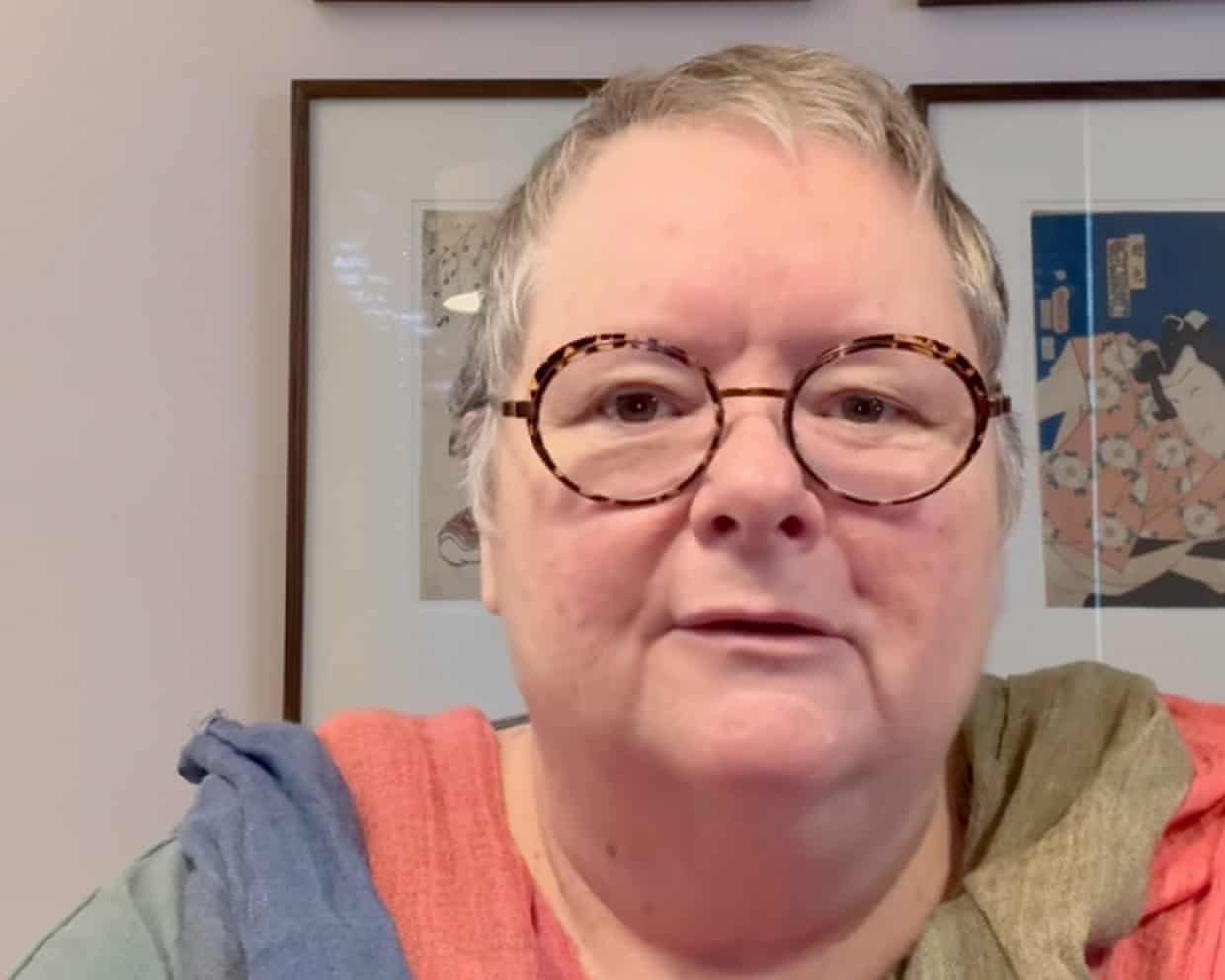
‘Seems I’m not dead’: Magda Szubanski says she is in remission after treatment for stage four cancer
Magda Szubanski has revealed the “fantastic news” she has finished chemotherapy and is in remission from a rare, aggressive cancer she was diagnosed with nine months ago.Wishing her fans a “Happy Mardi Gras” in a video on Instagram on Friday, Szubanski said: “I wanted to share the fantastic news, which is that I’ve completed chemo, and I am now in remission. So phew, big relief.“It’s not a cure, but because I’ve got a good remission, that hopefully means that I will … keep the cancer at bay for a good long time.”In May the 64-year-old actor and comedian said she had stage four mantle cell lymphoma, an uncommon and aggressive form of non-Hodgkin lymphoma and said she had shaved her head ahead of treatment

Seth Meyers on Trump’s State of the Union address: ‘A vehicle to attack anyone who doesn’t bend the knee’
Late-night hosts tore into Donald Trump’s extremely long State of the Union address and a bombshell new report on redactions from the Jeffrey Epstein files.Donald Trump arrived to his State of the Union address on Tuesday evening with low expectations and even lower goodwill, with his approval rating hovering somewhere around a dismal 36%. “So the polling was bad before the speech and bad after the speech,” Seth Meyers reported on Wednesday evening, “and on top of that it was long and boring,” clocking in at a record one hour and 47 minutes.Or, if you’re Republican, it was “the best State of the Union speech that I’ve seen”, to quote the House speaker, Mike Johnson. Ted Cruz went one step further, calling it “majestic”

‘The sky’s the limit’: Newcastle Art Gallery unveils its ‘divisive’ $48m expansion with a blockbuster opening show
On Friday night, the Newcastle Art Gallery (NAG) is throwing open its doors and filling the road and park with giant fluffy doughnuts, live music, dancing and art in a free-for-all street party – themed “industrial disco” – that has been 16 years in the making.For the NAG team, and Novocastrians more broadly, this is a significant moment, marking the long-awaited completion of the $48m gallery expansion project, which went from being “very divisive” in the community to something that’s generating “a remarkable buzz and excitement,” according to Jeremy Bath, the CEO of Newcastle city council.Now the largest public gallery in NSW outside of Sydney, it opens with the major exhibition Iconic Loved Unexpected, displaying 500 artworks from its 7,000-strong collection. Displayed over the 13 gallery spaces (eight of which are new, in a floor space that’s more than double that of the 1997 building), it’s a star-studded showcase of the gallery’s $145m collection, including Australian greats Emily Kam Kngwarray, John Olsen, Margaret Preston, Brett Whiteley, Daniel Boyd and Margaret Olley.It’s the headliners who will draw the crowds, but the gallery – led by the NAG director, Lauretta Morton – has been intentional in championing lesser-known local artists, too

Dead-end boys and West End girls: Lily Allen’s greatest songs – ranked!
Ahead of her UK tour and her three nominations at this weekend’s Brit awards, we appraise Allen’s sharp, candid songcraftThe final track of West End Girl is as close as the album’s break-up saga comes to conciliation, which isn’t terribly close (there’s a glancing lyrical reference to fault on both sides). But in its dreamy trip-hoppy backing and the sweetness of its melody lurks something else: a sense of closure.“I ripped off the chorus … and can’t be bothered with the paperwork,” shrugged Allen of Who’d Have Known’s distinct similarity to Take That’s Shine. They let her use it anyway, and understandably so: Who’d Have Known is an entirely lovely drawing of a relationship in its early stages, that seems to gently glow with possibilities.A genuinely great song from Allen’s flawed third album Sheezus, Our Time neatly captures a sense of here-comes-the-weekend anticipation
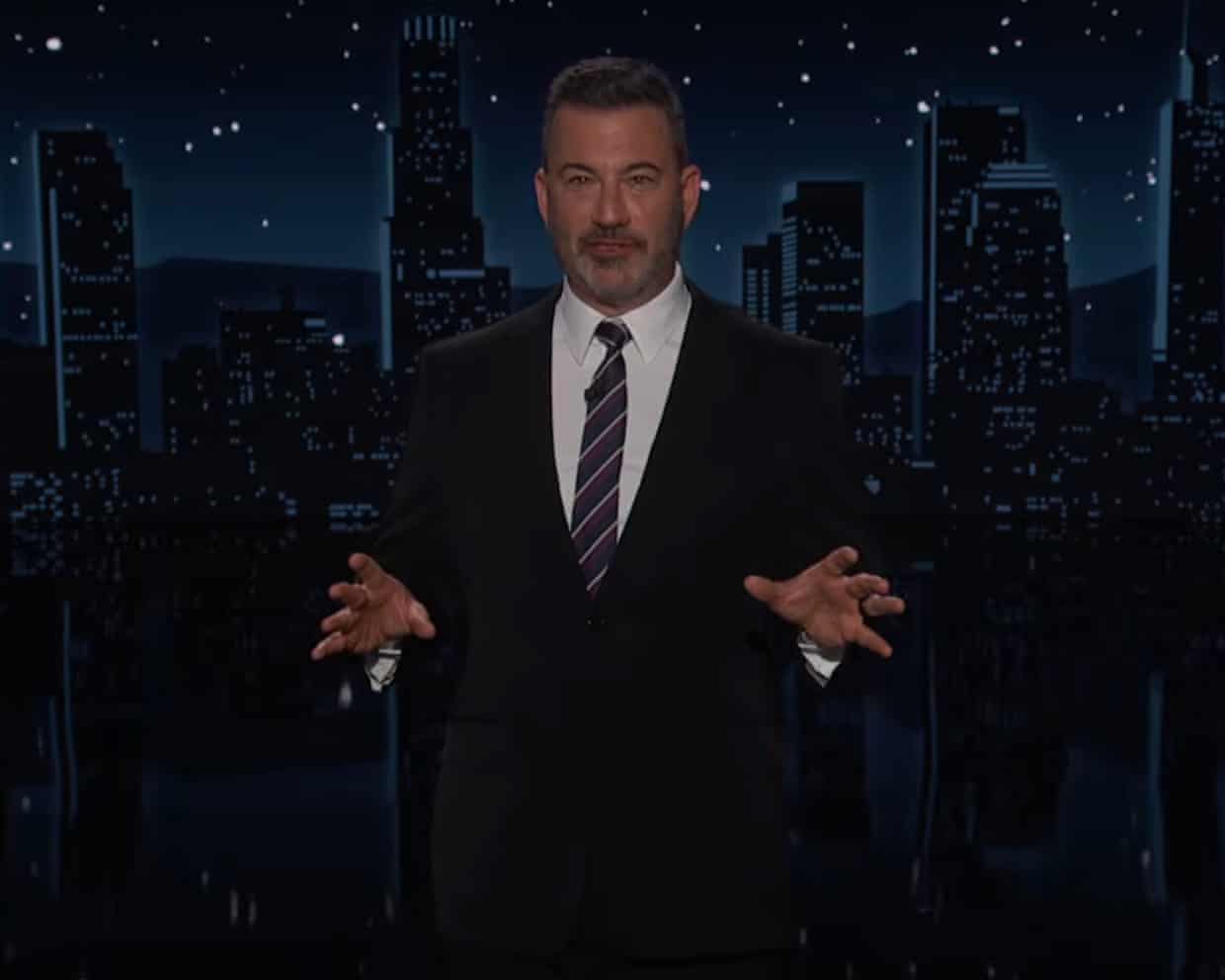
Jimmy Kimmel on Trump’s State of the Union: ‘A nutjob wannabe king’
Late-night hosts recapped Donald Trump’s interminable State of the Union address and the homeland security secretary, Kristi Noem, using taxpayer money to travel for her alleged affair.Jimmy Kimmel took a break from Trump’s 107-minute State of the Union address – the longest ever, breaking his own record – to record his show on Tuesday evening.“What a speech it wasn’t,” he summarized of the meandering address. Still, “the theme of tonight’s speech was ‘all foreigners are murderers’. And Trump said zero illegal aliens have been allowed into the United States on his watch, but the door is always open to those who come in legally to be his next wife
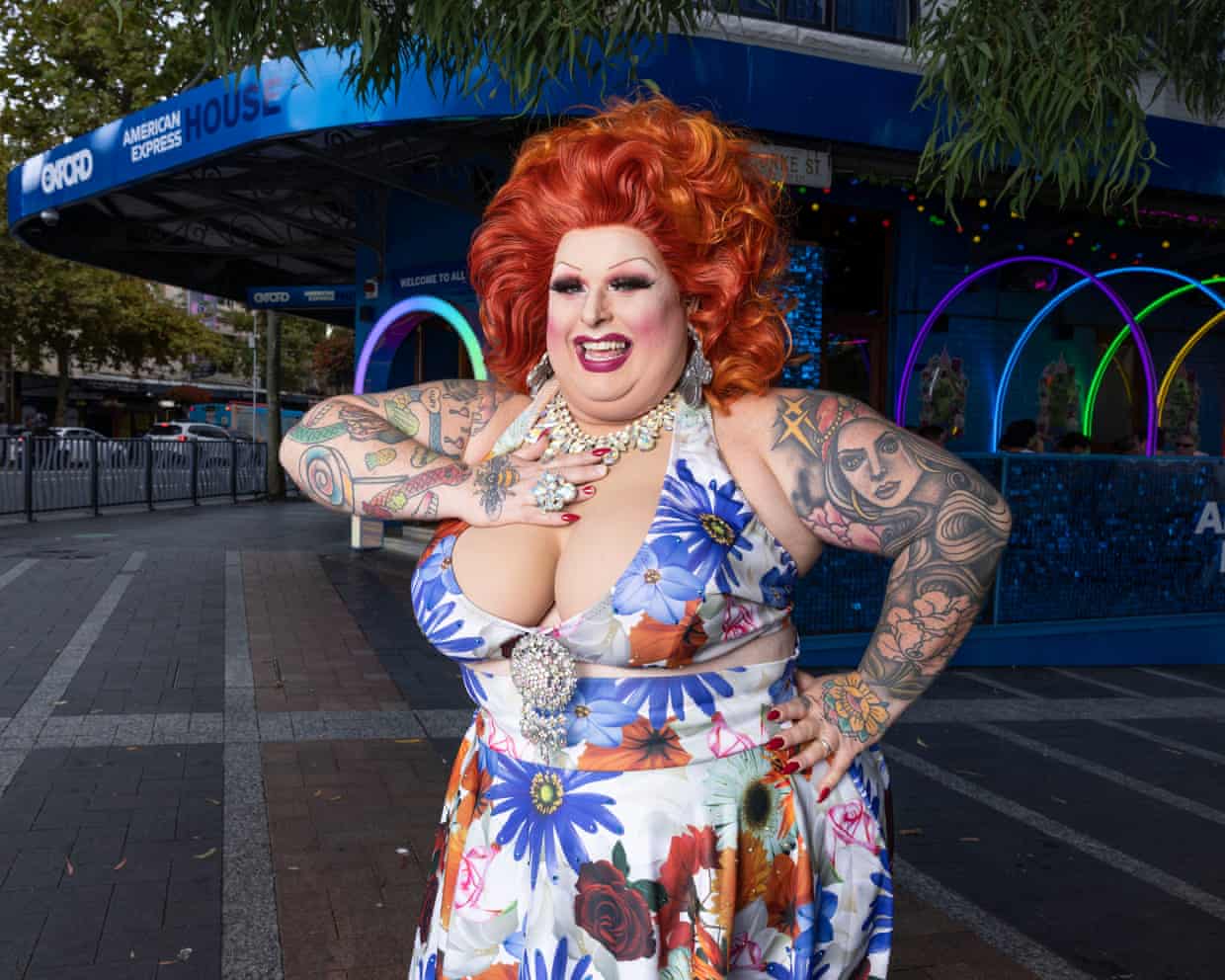
Maxi Shield, beloved Australian drag queen and Drag Race Down Under star, dies aged 51
One of Australia’s best-known and loved drag queens, Sydney’s Maxi Shield, has died after being diagnosed with throat cancer, prompting tributes from around the world.Kristopher Elliot, who performed drag under the name Maxi Shield, was 51. Shield was a mainstay of the Sydney drag scene and brought Australian drag to the world as contestant in season one of RuPaul’s Drag Race Down Under.Shield revealed she had throat cancer in September, which forced her to step down from performing in a Kath & Kim show at Edinburgh fringe with a fellow Drag Race Down Under season one alum, Art Simone.Sign up: AU Breaking News emailShe returned to performing at the Oxford Hotel and Palms on the gay strip of Oxford Street in Sydney this month, and was set to host a sold-out Mardi Gras viewing party at the Oxford Hotel on Saturday

Most senior council officers in England say building work hit by delays

Three in four women unaware menopause can trigger new mental illness, poll finds

The decline in healthy life expectancy in Britain should shock us all | Letters

UK health official recused from puberty blockers trial after bias claims

‘Viruses don’t know borders’: US anti-vaccine rhetoric could impact global measles crisis

Poorly regulated clinics in England are putting children with ADHD at risk, warn doctors