H
business
H
HOYONEWS
HomeBusinessTechnologySportPolitics
Others
  • Food
  • Culture
  • Society
Contact
Home
Business
Technology
Sport
Politics

Food

Culture

Society

Contact
Facebook page
H
HOYONEWS

Company

business
technology
sport
politics
food
culture
society

© 2025 Hoyonews™. All Rights Reserved.
Facebook page

The budget in seven graphs: no big surprises but this may be one of the most ambitious moves to fix Australia’s finances | Greg Jericho

1 day ago
A picture


This year’s budget is an odd affair,So much had been leaked and dropped to the media that there are barely any surprises,But that does not mean it does not live up to the billing of being ambitious – basically killing off the capital gains tax 50% discount is a huge deal,The lack of changes on gas tax, an absence of increased assistance for the unemployed and renters, and cuts to the NDIS, however, show that this is still a government where ambition is not in surplus,Jim Chalmers really should send Donald Trump a big exploding cake as an up-yours present for what the US president is doing to the global economy.

Anytime you need to include a section titled “Risk of a more severe Middle East conflict” in the budget papers, you have to wonder about the forecasts and economic downgrades across the board, although the Treasury still hopes unemployment will not rise above 4.5% (let’s hope they’re right).Hopefully you don’t care about whether or not the budget is in deficit or surplus.Really you should not.But yes, the budget deficit is forecast to be smaller over the next four years than was expected in the December mid-year economic and fiscal outlook.

Some of this was due to improved economic parameters (higher oil prices and inflation, which leads to better tax receipts) and a lot – at least in 2029-30 – is due to policy changes (cutting the NDIS, changing the CGT discount – more on these later),If this graph does not display, click here,A false narrative from conservative media and politicians is that government spending is driving inflation,It is not,Just last week the governor of the Reserve Bank, Michele Bullock, told us that the three interest rate rises this year would not “do anything for inflation over the next six months”.

That makes it clear that inflation at the moment is driven by international factors – ie, the conflict in the Middle East.If it was being driven by government spending, then the interest rate rises would affect it.We already have evidence that any increase in government spending in the last part of last year was driven by the states and territories and by defence spending.If this graph does not display, click hereIn today’s budget, the forecast for public-sector demand growth is similarly benign.The growth in public demand is well below what we saw in the years up to and during the pandemic lockdowns, and not that much faster than what happened in the late 1990s when Peter Costello was slashing things to get to a surplus.

If this graph does not display, click hereThe one absolute truth about budgets is that they are about choices.Remember my budget commandment: “Everything is affordable if the government chooses to care about it.”This budget, the government has chosen not to care about a lot of things – jobseeker, for example, remains 42% below the poverty line ($291 a week below the line if you want to get really specific).It has also decided that caring about the national disability insurance scheme means not caring quite so much as it once did.The changes will cut $36.

2bn over the next four years all under the title of “Securing the NDIS for future generations”,Bless,NDIS spending will flatline in nominal terms and fall rather drastically in real terms – by 2029-30 the level of NDIS funding will be 10% less in real terms than it is now,If this graph does not display, click hereThe thing is, voters like government services,They consistently vote for them; they consistently hate privatisations.

Maybe the government could think about that fact, rather than worry about what media organisations that hate government spending think,In the run-up to the election, the No 1 topic was a tax on gas exports,Pity the poor work experience kids monitoring the PM’s social media accounts,Because, regardless of what he posted, the first 100 comments were “Tax the gas”,The estimated $17bn revenue that could have been raised from a 25% gas export tax (and, as always, my acknowledgment that I was involved in the research used by the Australian Council of Trade Unions in its policy proposal of the 25% gas export tax) would have transformed the budget – and not left government MPs with questions of “You cut back NDIS and didn’t raise jobseeker or offer free childcare because tough choices had to be made, couldn’t those choices have been largely solved by a 25% tax on gas?”Instead, the government relies on the petroleum resource rent tax.

Because oil prices have gone up the PRRT has been revised up slightly from the Myefo,But not by much,If this graph does not display, click hereBut here’s the thing: this involves a US$100-a-barrel oil price – which required a war in Iran and the strait of Hormuz to close,This is as good as it gets,It certainly makes a mockery of all the gas companies in the Senate gas tax inquiry saying that a boom in PRRT would happen by the end of the decade – not to mention the ALP and LNP senators who believed them.

The PRRT will still raise much less revenue than the beer excise.If this graph does not display, click hereSo sorry, Santos, Woodside and Anthony Albanese, but I suspect David Pocock will keep running his “beer raises more revenue than the PRRT” ads.A year ago, I let out a fair bit of frustration over the state of housing policy.Twenty-five years of policy-enabled price-turbocharging of housing demand and doing nothing to address the great inequality and distortion in the system brought about by John Howard introducing the 50% capital gains tax discount was sending me to despair.In this budget – as loudly telegraphed – the government is ending the discount and going back to the old way of taxing capital gains and also bringing in a minimum 30% tax rate.

Excellent news,It is also limiting negative gearing to new builds,(Though only through grandfathering, but to be honest, negative gearing has always been less important than getting rid of the CGT discount),This is not going to solve housing affordability overnight – remember we have 26 years of bad policy to undo – all of which began with the CGT discount:If this graph does not display, click hereThese changes will not raise a huge amount of revenue – the government forecasts $2,3bn more tax in 2029-30.

But it is a vital move to shift away from treating housing as something to speculate on and back to it being about having a place to live.In any other year, this would be huge news.The government has smartly leaked out the news of this slowly and steadily such that it became a fait accompli.While it might not be a shock, the government deserves big credit for doing this.Similarly, as I foreshadowed last week, the government has moved to address the gross abuse of the family discretionary trust system to avoid paying tax.

The government will introduce a 30% minimum tax rate for all income in those trusts, up from 16% minimum,This is expected to raise $4,4bn by the time it is fully up and running in 2029-30,There will be a lot of talk about all of this affecting “aspiration”,Just remember 90% of people who earn less than $100,000 don’t have trusts, while half of those earning more than $500,000 do.

But it does redress some of the inequality in the tax system, which is a heck of a lot more important than whether or not the budget deficit is bigger or smaller.I suspect this will be welcomed by voters and I would not be shocked if the opposition folds – unless it wants to go to the next election promising tax cuts for landlords and millionaires using trusts to pay less tax.All in all it’s an unsurprising budget but with enough things that matter to make it one of the most important budgets for good (CGT changes) or bad (cuts to the NDIS).
cultureSee all
A picture

‘Using his Terminator voice, Arnie said: “Your song. Give it to me. Now”’: Bad to the Bone’s creation – and aftermath

Before Bad to the Bone, we just played obscure blues songs from the archives. But when we toured with the Rolling Stones, I noticed the reaction to their Start Me Up. I said: “Man, we’d better hurry up and write an original song with a catchy intro or, five years from now, people will go, ‘Oh yeah, George Thorogood – wasn’t he good at playing Chuck Berry or something?’”Bad to the Bone is a male fantasy. Let’s face it: every guy wants to be bad. We were raised on Hollywood movies and all those tough guys, like Bernardo from West Side Story, or Howlin’ Wolf – we opened for him in 1974 and he had a ferocious reputation

2 days ago
A picture

What is a ‘Scientology speedrun’ and why is social media suddenly obsessed with it?

Ima, if someone said “Scientology speedrun” to me I would think about Tom Cruise in tight shorts. But that is not what is happening, is it?Not quite, Cait. The Scientology speedrun appears to have spawned in March when content creator Swhileyy filmed himself rushing the Church of Scientology on Hollywood Boulevard in Los Angeles. That video gained 90m views before it was deleted.Since then, groups of mostly young men have documented themselves charging into the LA centre, pulling in millions of views on TikTok

2 days ago
A picture

Joseph Fiennes on parenting, politics and banning children from social media: ‘Stand up, Keir, this is your kids’ generation’

He’s played English titans from William Shakespeare to Gareth Southgate, but what does the actor really think about the country today?The Guardian’s journalism is independent. We will earn a commission if you buy something through an affiliate link. Learn more.We are at a corner table in a breakfast place in Chelsea, Joseph Fiennes opposite me on the banquette with his jack russell, Noa. “Dog duty,” he says, apologetic

4 days ago
A picture

The Guide #242: Everyday Hollywood film comedies have faded but can they make a comeback?

There was a striking moment during this week’s episode of The Rewatchables, the wildly popular film-recap podcast that I reach for when I’ve had my fill of history/football/glum current affairs pods. The episode was revisiting 90s comedy There’s Something About Mary, a film that in some ways holds up hilariously, and in others has aged about as well as a bottle of semi-skimmed on a summer’s day in Death Valley. As part of the episode, the podcast’s panel were going through their favourite comedy films by decade and were spoilt for choice – until, that is, they reached the 2020s, when they seemed to collectively draw a blank. “The Drama’s pretty funny …” one offered tentatively. Finally, host Bill Simmons cut through the umming, ahhing and awkward silence to get to the heart of the matter: “Do we have comedies any more? What happened to comedies?”Yes, what did happen to comedies? Or rather, what happened to the “everyday” American comedies like There’s Something About Mary that once set up a permanent frat house residence in cinemas? You know the ones I mean: those that took a familiar real-world situation – teens trying to lose their virginity, a man clashing with his girlfriend’s dad, a maid of honour struggling to arrange a hen do, stunted adolescents refusing to fly the nest – and stretched them to absurd and lurid extremes

4 days ago
A picture

Ah, ah, ah, ah - I saved my dad’s life with a little help from The Office and the Bee Gees

When my father collapsed suddenly, an episode of the US comedy in which Steve Carell does CPR to the tune of Stayin’ Alive sprung miraculously to mindIt was a boiling hot day last summer, four days after my dad’s 73rd birthday. Mum was plating up dinner and Dad was on the sofa complaining about how stifling it was. I was meant to head to work, for my job as a personal trainer, but decided to take the evening off. It was just as well: as I turned back to Mum, Dad collapsed backwards and suffered a massive cardiac arrest.Mum was hysterical

4 days ago
A picture

Amandaland to Olof Dreijer: the week in rave reviews

Lucy Punch’s middle-class antihero is back, and one half of the Knife presents an album of dazzlingly inventive psychedelia. Here’s the pick of the week’s culture, taken from the Guardian’s best-rated reviewsBBC iPlayerSummed up in a sentence This retrospective on one of David Attenborough’s greatest pieces of TV is packed with brilliant anecdotes.What our reviewer said Victoria Bobin’s rollicking film is the story of a giant pop-culture moment, a gang of mates remembering how they sensed conditions were right to create a blockbuster masterpiece – if they were willing to flirt with failure and even death to get there.” Jack SealeRead the full reviewFurther reading Happy centenary, David! Attenborough’s 100 most spectacular TV momentsBBC iPlayerSummed up in a sentence The return of the much-loved Motherland spin-off, focusing on delusional, narcissistic mum Amanda.What our reviewer said “Lucy Punch’s portrayal of Amanda is mesmerisingly convincing

4 days ago
recentSee all
A picture

Nissan ponders building cars for Chinese rivals at Sunderland plant

about 3 hours ago
A picture

Global oil inventories falling at record pace amid Iran war; UK bond recovery fizzles out as Streeting ‘prepares challenges’ – business live

about 3 hours ago
A picture

Datacentres using 6% of electricity supply in UK and US, research says

about 4 hours ago
A picture

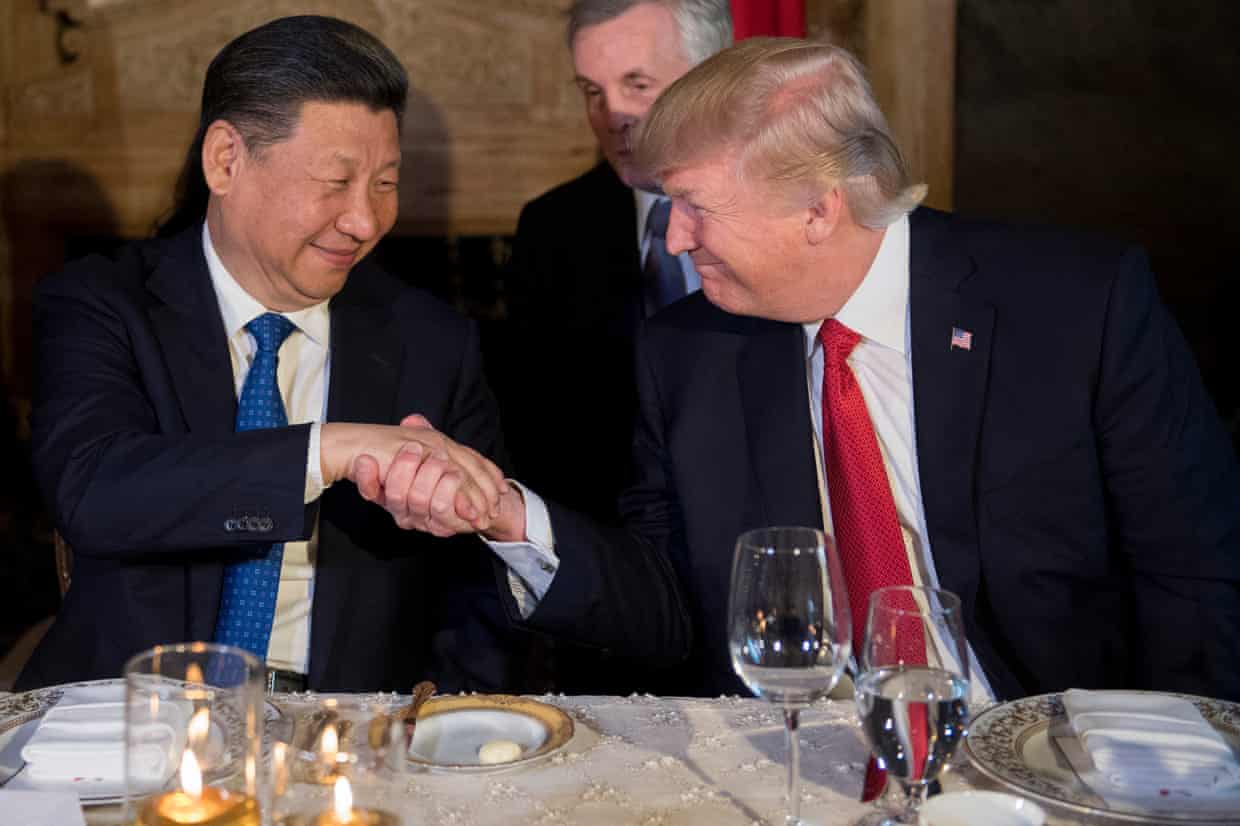
Nvidia’s Jensen Huang joins other US bosses on Trump trip to China

about 7 hours ago
A picture

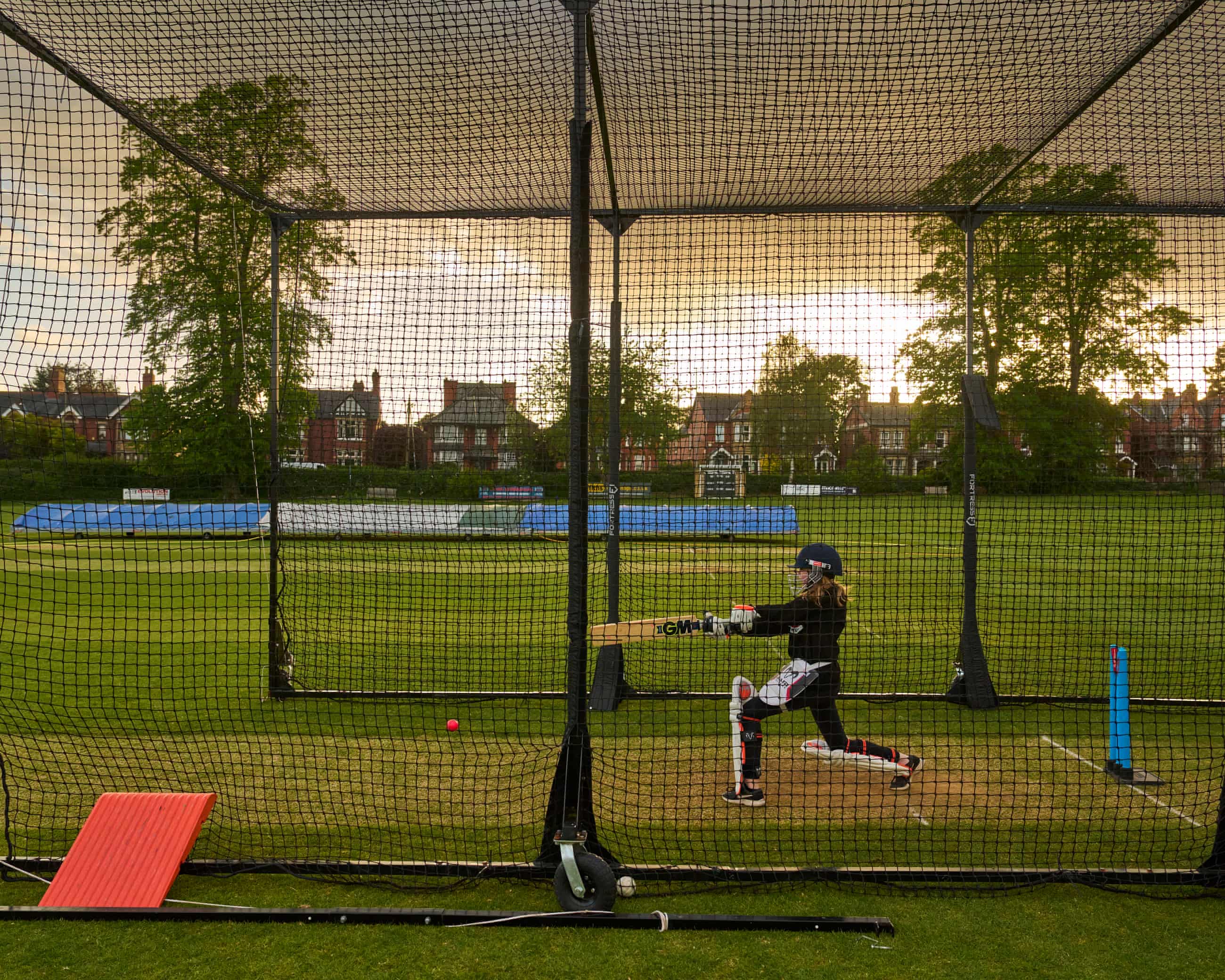
England v New Zealand: second women’s ODI delayed by rain – live

about 3 hours ago
A picture

Gay, Rew and Baker called up to England Test squad and Robinson in from cold

about 4 hours ago