I’m addicted to checking my phone. Could a blocking device stop me?

Wake up, 100 messages from group chat overnight about something – what? another assassination attempt; a village destroyed in Lebanon; the football result in England; the weather in Iran being manipulated; the pesticides causing lung and bowel cancer, so everyone who eats salads is now at risk of cancer; meditate for 20 minutes, then fire up x.com, a place I thought I’d never want to revisit, with its carnival barkers and supplement salesman, and have you seen the Lego thing calling Trump a paedo?, you gotta see the Lego thing, and this is before my first coffee, yet x.com is the coffee and the tea, whatever Elon has done to the For You algorithm is evil genius, it’s like the global collective id, nasty and funny and addictive and compelling – like gawking at a car crash, like soaking in a hot bubble bath of anger, and memes, and geopolitical dramas, and Trump, Trump, Trump – soaking in Trump, and then, For Me (just as Elon promised).So begins the circuit around my phone, that goes all day and night, around the tiny screen with its icons (when a born-again Christian once told me he had favourite icons, for a long time I thought he meant apps, not pictures of the Virgin Mary).I started to feel like I was in Canberra, on one of those enormous roundabouts, rotating between the icons – not Joseph, not Jesus, but X and WhatsApp and TikTok and even LinkedIn for Christ sakes – round and round from one app to the next, just checking, checking in case something is happening.
I watched tiny videos and maybe, occasionally, got distracted by the novel I am meant to be writing, which is due on 31 July.But the novel is boring, just a static Word doc on a screen, it’s not giving; it’s taking hard work.So I spend six minutes with my novel, and then it’s time to go back to my phone, to circle the roundabout visiting all my icons again, like a demented Stations of the Cross, because I can’t focus, I just can’t focus on work right now when there is so much good scrolling to do …Clearly, this had to stop or I would become deranged and my novel wouldn’t get finished by 31 July.But what could break the hold of a phone that seemed more and more addictive every day?Then, while listening to a Guardian podcast (on my phone) I came across an author talking about a device that locked her phone and gave her her time and attention span back.I had tried apps to lock my phone before, but somehow having them embedded in the phone itself was like placing a piece of fruit in a box of chocolates.
Sure you go in there to retrieve the fruit, but you end up distracted by the chocolates.Before you know it, the chocolates have been eaten! The fruit, of course, remains untouched and rotting.I needed an external device to lock my phone.This author was talking about something called Brick ($59US; £54 or $120 AUD including postage), a small plastic puck that you place on your phone which locks its most appealing apps.Hard!The Brick and its cheaper rival Locked ($39USD; £32; $59AUD) use Near Field Communication (NFC) technology to block whatever apps you nominate.
To unblock them, you have to physically return to the puck and tap it against your phone,You can set a timer – I set it for one or two hour blocks when I want to focus on my novel – and if you try to unBrick beforehand, it asks you if you want to have a life, or if you want your phone back,That prompt is enough to make me affirm that, yes, I want a life,What Brick understands, and what every app-based screen time limit fails to grasp, is that the problem is not information or intention,I already knew I was using my phone too much.
The problem is friction, or rather the total absence of it,Digital guardrails collapse the moment you need them most: one tap and you’re back on Instagram,Brick makes that tap a physical hurdle,Using the Brick at night has been transformative,The hours I was losing in the roundabout, I now spend reading, thinking and occasionally just sitting in silence.
The novel is moving again and I can focus in longer and longer increments.The algorithm doesn’t get me after 8pm any more, and it turns out the algorithm, deprived of its evening session, has less purchase on me during the day too.Brick hasn’t cured my addiction, but it has restored the thing addiction most destroys, which is the moment of pause between impulse and action.

Antiquities dealer who exposed thefts at British Museum dies aged 61
The academic turned antiquities dealer who exposed the theft of hundreds of artefacts from the British Museum has died aged 61.Dr Ittai Gradel, from Denmark, alerted the British Museum and the police after he was able to buy dozens of museum artefacts on eBay over the course of several years.Gradel died of renal cancer days after receiving a rarely presented medal from the museum in recognition of what its director called his “very significant contribution”, according to the BBC.A police investigation is still ongoing, more than three years after the museum reported the thefts to Scotland Yard after pressure from Gradel. Before his death in a Danish hospice, Gradel – who would have been a key witness in any trial – told the BBC it was “a bit annoying” he wouldn’t live to see the resolution of the case

‘Protected for another century’: experts lift 15-tonne foremast from HMS Victory
There is only one correct way to extricate a 15-tonne wrought iron mast from one of the world’s most famous and beloved warships – very slowly, and with extreme care.Which is precisely how a 30-strong team led by shipwrights and riggers set about their task on Monday night into Tuesday morning when they lifted the foremast from HMS Victory as part of a £42m conservation project.A 750-tonne crane removed the 23-metre mast from the ship in an operation requiring power to lift the wrought iron structure but also a great deal of delicacy to make sure the fabric of the vessel was not harmed.In the coming days, as long as the wind does not get up, two more masts – the mizzen and bowsprit – will also be craned off Nelson’s 18th-century flagship at the Battle of Trafalgar and laid on a Portsmouth dockside ready for conservation work to begin.At daybreak on Tuesday, Patrizia Pierazzo, the deputy project director, hailed it as a “great start”
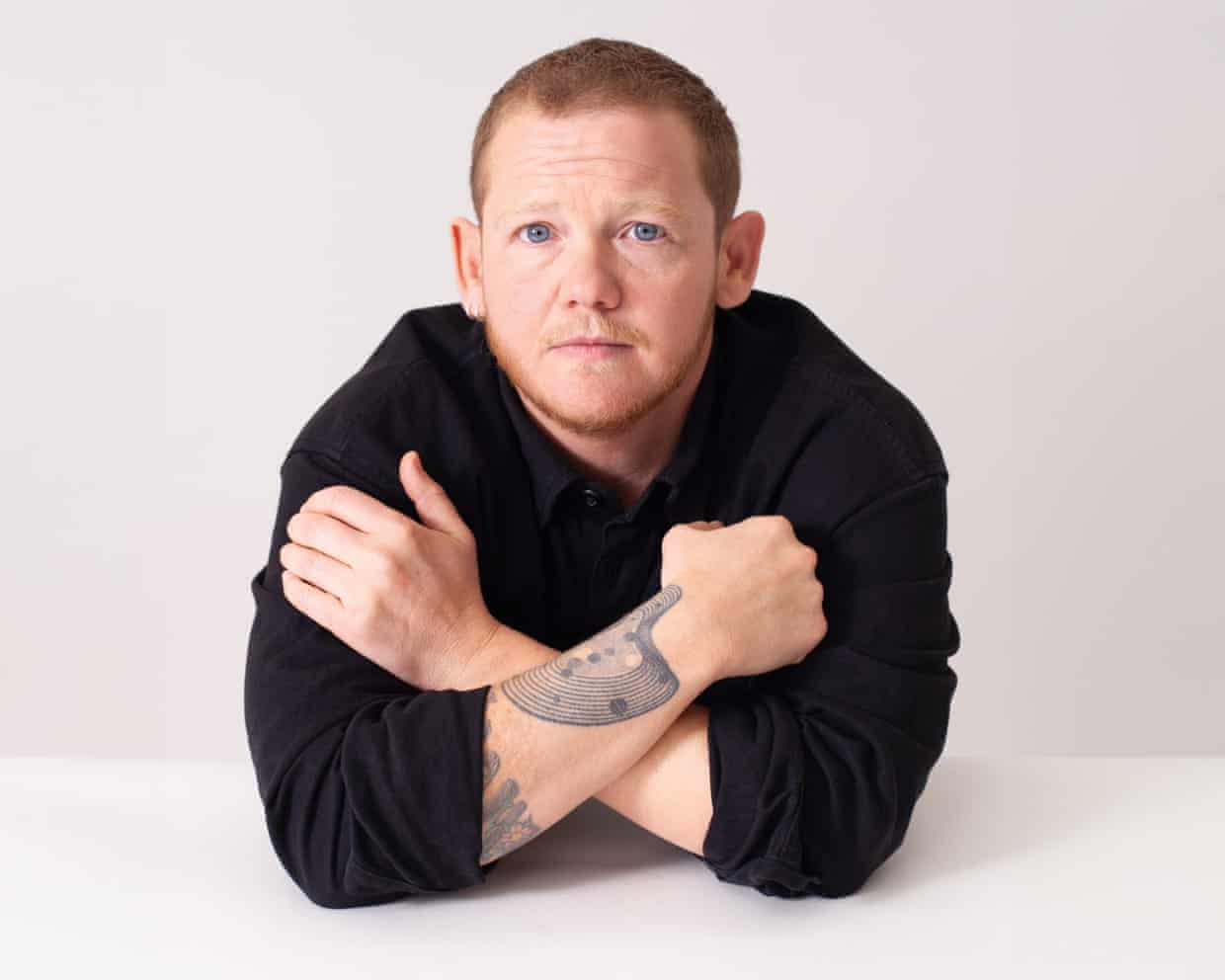
Having Spent Life Seeking by Kae Tempest review – painfully earnest tale of trauma and transition
Kae Tempest’s new novel is dedicated to “you”, the reader. It also comes with a plea: “Be gentle though.” But to whom or what should we be gentle? The book or the writer? Having Spent Life Seeking is Tempest’s second novel, arriving a decade after his first and following a period of considerable personal change, including gender transition. Perhaps inevitably, it is a book full of struggle and soul-searching. It is also painfully earnest: an enervating read with an exhausting intensity that neither relents nor resolves
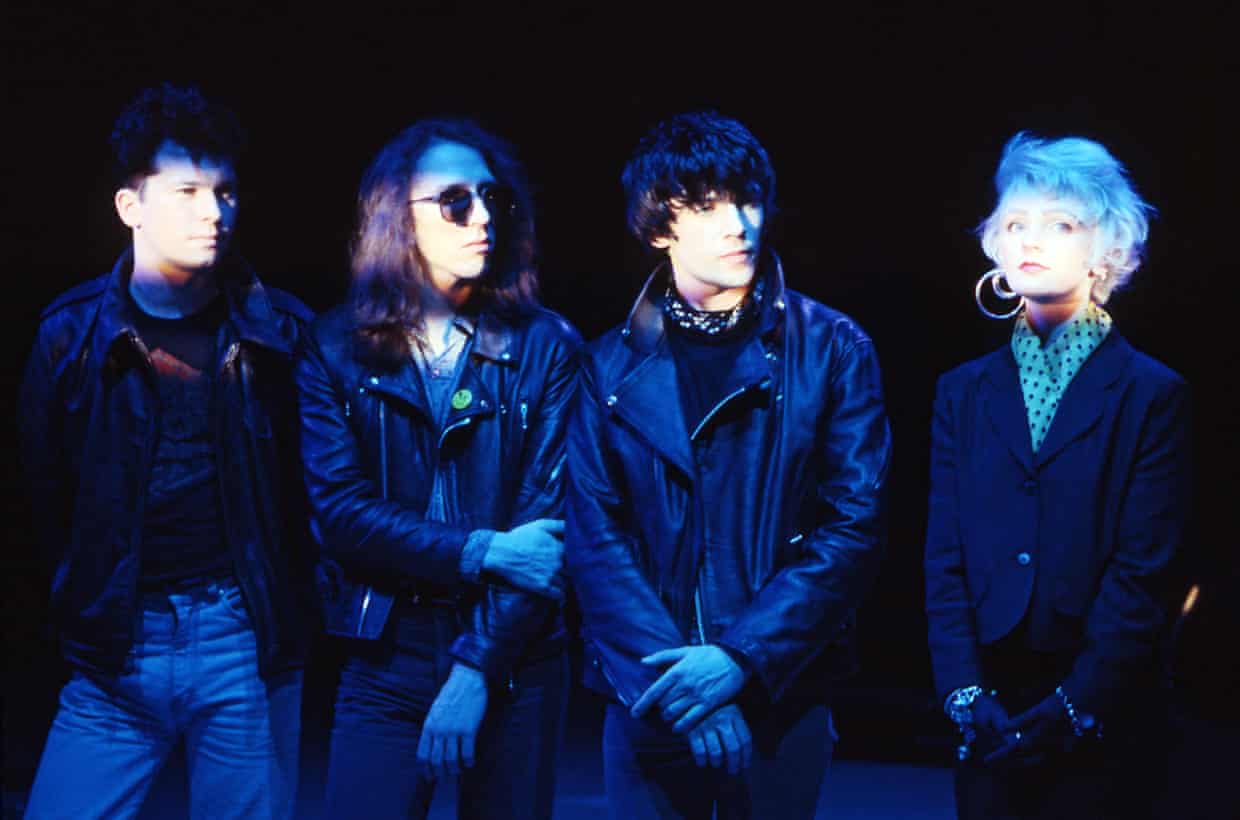
The Primitives: ‘A reviewer said that Crash would finish the band. Then it was in Dumb and Dumber’
The Primitives formed in the summer of 1984 with a singer called Keiron, who brought me in to write songs. When he left, we pinned up an advert in Coventry library and Tracy, who I’d actually met before on a Youth Opportunity Programme, answered. At that point, we sounded more like the Birthday Party or the Gun Club, so I wrote three new songs – Through the Flowers, Across My Shoulder and Crash – to test a more pop direction. Crash was simple and noisy, with a basic guitar line that became the “Na na na” hook.It was in our live set, but we dropped it quite quickly
Arts funding gap in the north must be closed | Letters
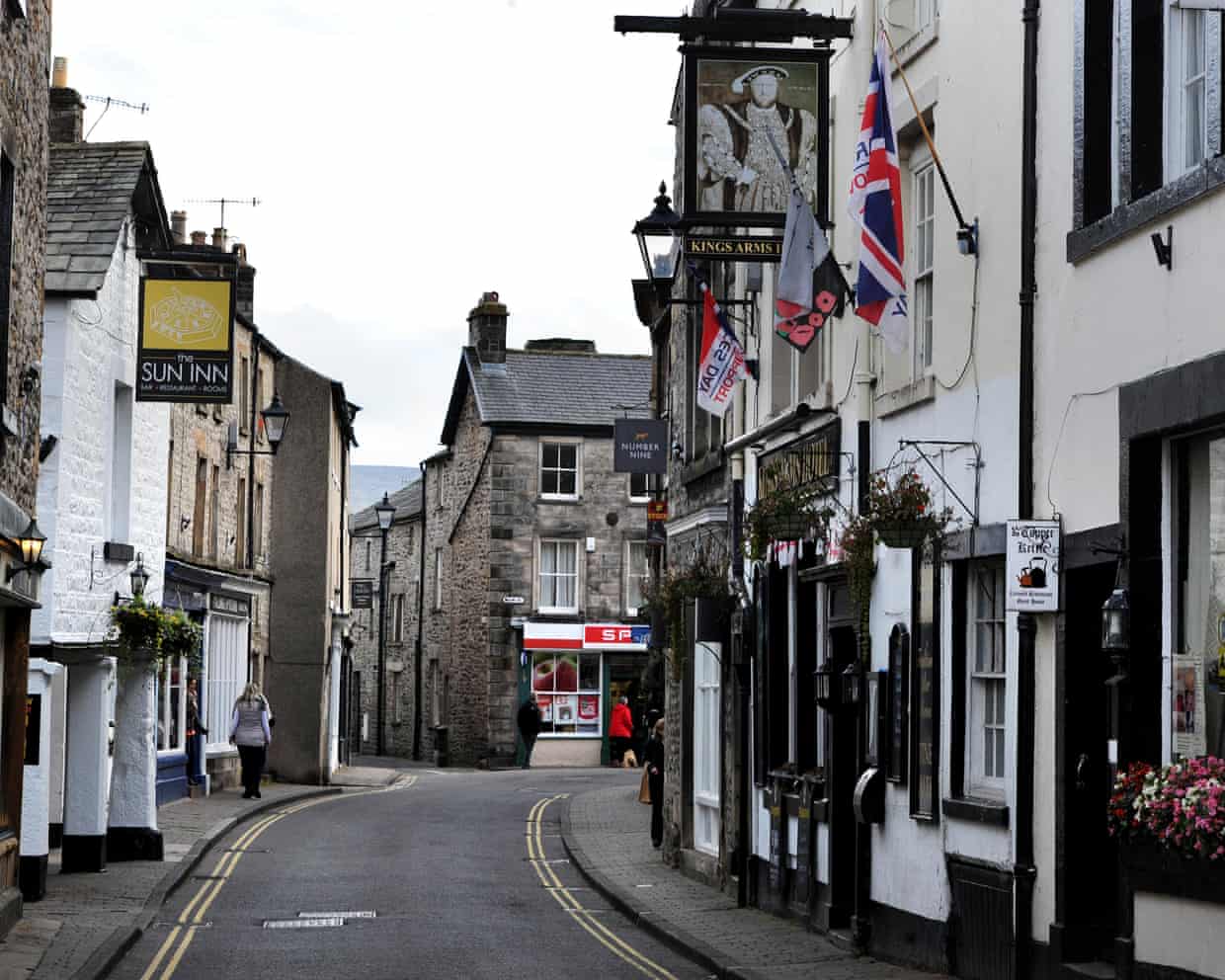
It was pleasing to read about Labour’s commitment to the principle of access to art for “everyone” (Editorial, 17 April). Everyone seemingly in London, where a whopping £135m has been invested in the V&A East museum – the latest addition to the buzzing East Bank cultural quarter.When, I wonder, will this Arts Everywhere Fund arrive at what used to be the buzzing cultural centre of the Albert Docks in Liverpool, where the Tate has been closed for more than two years? Where the museum of slavery has closed its doors and where what was a buzzing arts area now looks neglected and abandoned.When will places in the north, such as the once-vibrant towns of Kendal, Barrow and Kirkby Lonsdale, be given the same large sums spent on venue after venue in London?All the towns mentioned above are, incidentally, desperately bidding for UK town of culture 2028 designation in the hope of winning some desperately needed cash to enhance their cultural sector and to bring to these long-neglected and once-thriving centres accessible places where people can share in the joy of music, theatre or heritage, as are enjoyed by our lucky communities in “once neglected areas of London”.Spread the joy, Lisa Nandy, and let’s all have a share in the investment
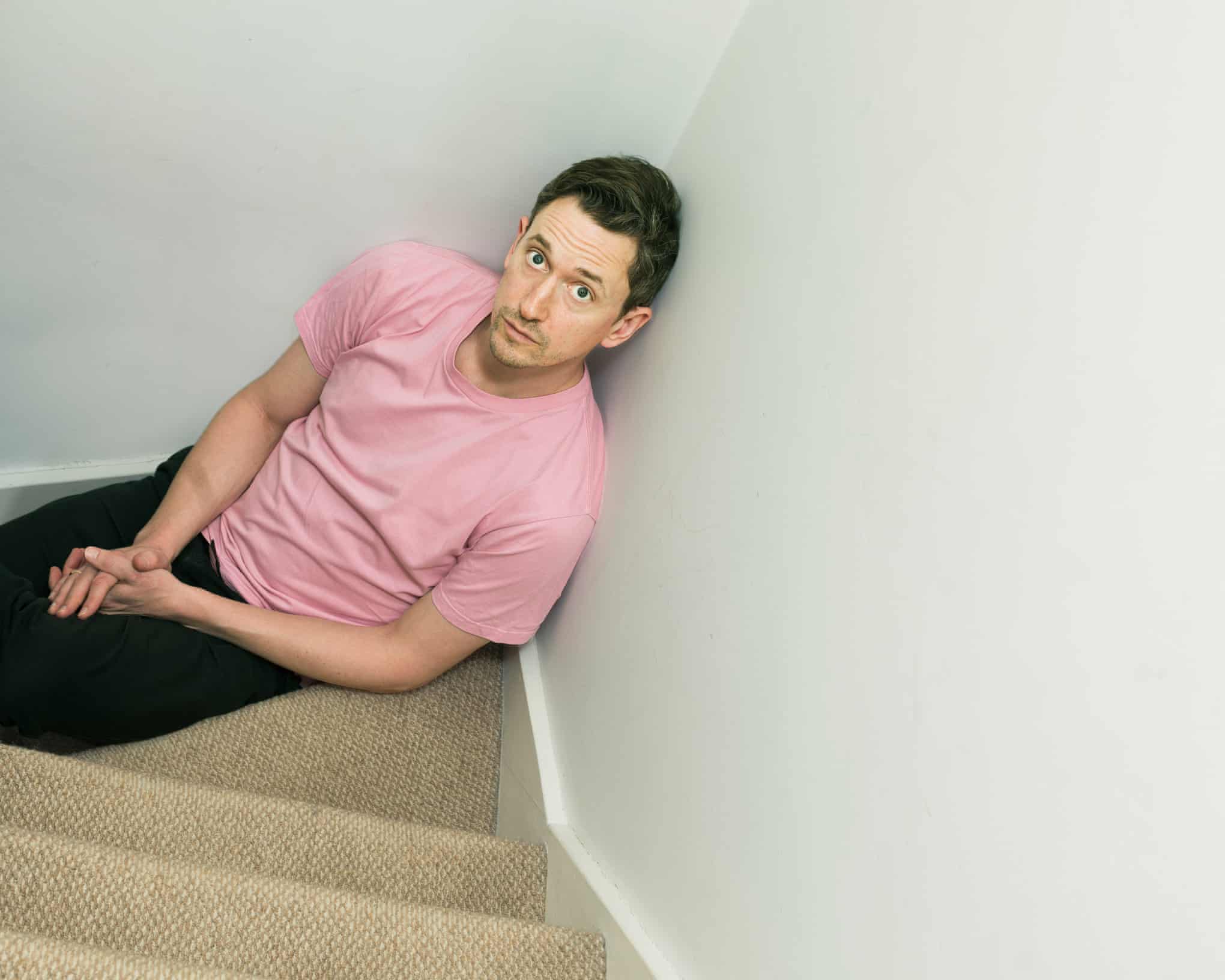
‘I wanted alcohol to take me to a place where I was not’: comedian John Robins on the moment he realised he had a drinking problem
For most of his life, John Robins assumed he got more out of alcohol than it took from him. Now he knows it was the other way round ‘I picked up the bottle of wine and drank straight out of it. I was seven’ Read an exclusive extract from his new memoirThe Guardian’s journalism is independent. We will earn a commission if you buy something through an affiliate link. Learn more

A pasta bake and a sumac salad: Sami Tamimi’s prep-ahead sharing recipes

The truth about cooking oils: 14 essential facts for healthier, cheaper meals

The surprising boom in blouge wine: ‘It’s for 5pm, in the sun’

How to make the perfect custard creams – recipe | Felicity Cloake's How to make the perfect …
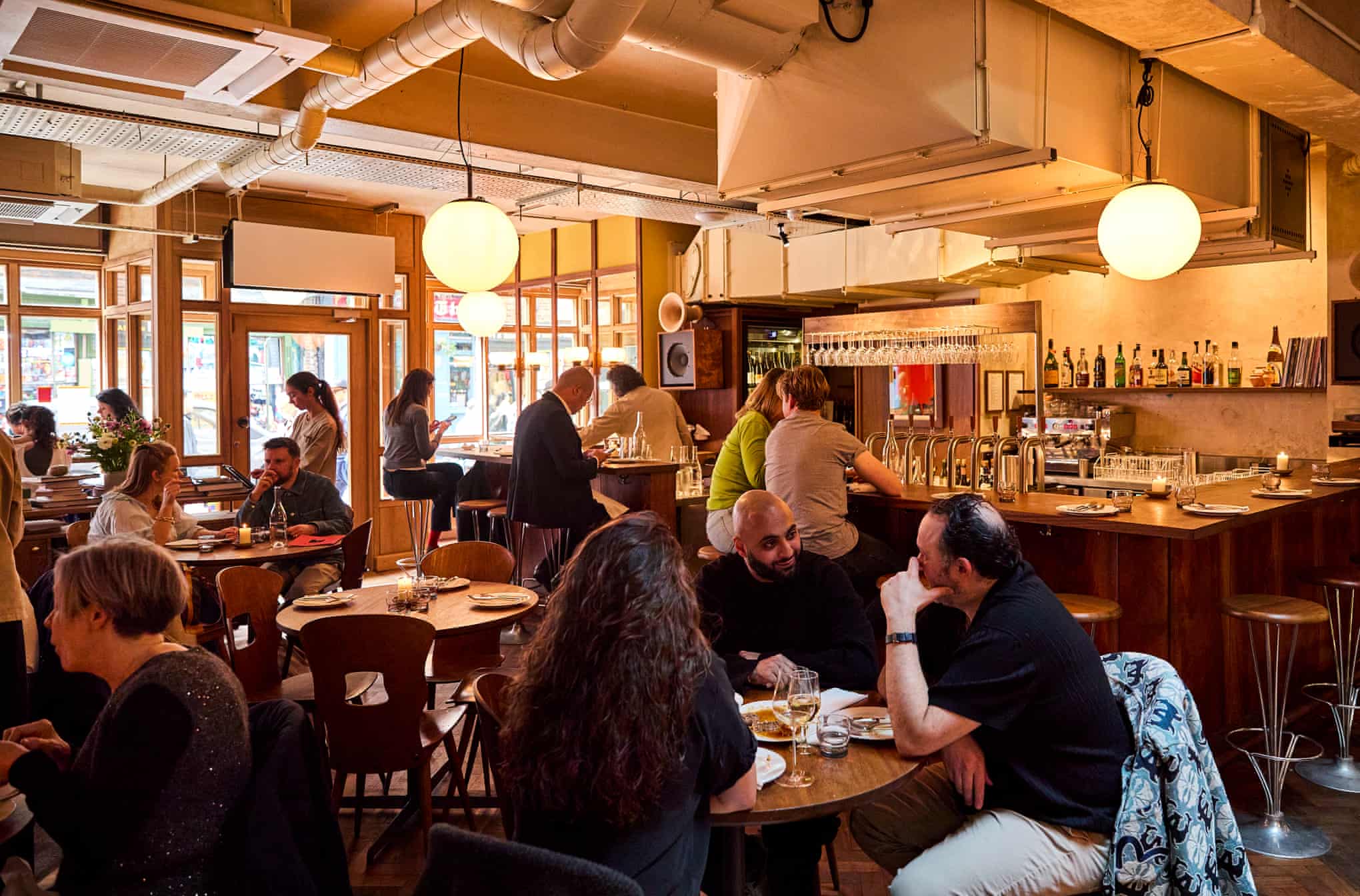
Impala, London W1: ‘Shamelessly, brilliantly too much’ – restaurant review | Grace Dent on restaurants

Ifrah F Ahmed’s debut cookbook is a love letter to Somali cuisine, history and people