Windrush and the rise of wandering Caribbean cricket clubs that fuelled talent in English game
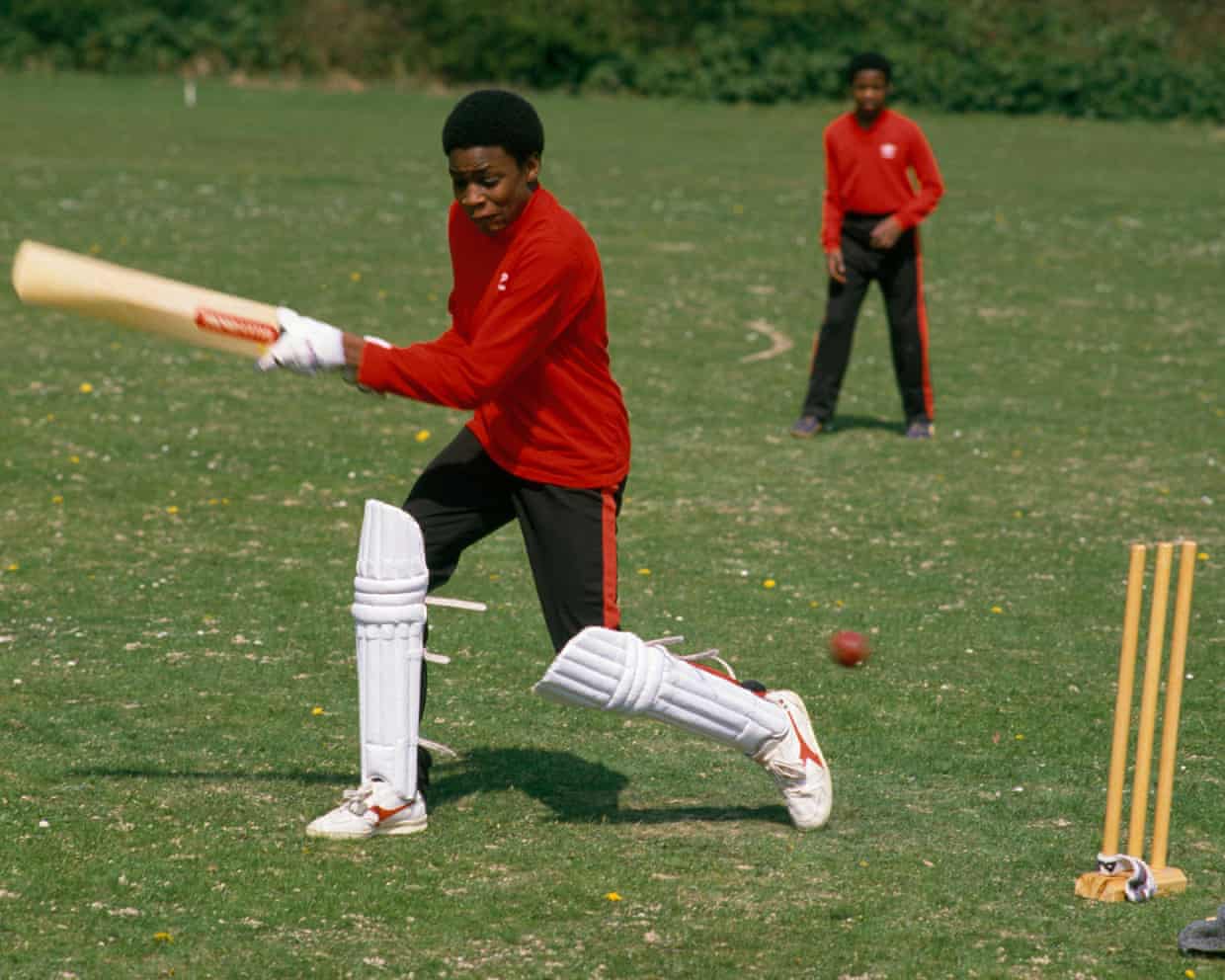
In the early 1980s there were scores of “Caribbean” cricket clubs playing across England, many of them bearing evocative names such as New Calypsonians, Island Taverners, Paragon, Starlight and Carib United.Mostly these clubs operated under the radar – as wandering sides renting pitches on municipal grounds that were outside the traditional league structures.With few physical records of their existence, their history has been in danger of being lost as numbers have plummeted since the late 1990s.Thankfully, though, there are at least a few people dedicated to documenting the players and personalities who made up such a vibrant part of the domestic game from the late 1940s.And now there’s a new book, Windrush Cricket, by the University College London associate professor of history Michael Collins, setting out their origins and impact.
Collins’ writings have emerged out of the UCL-sponsored Windrush Cricket Project, which has in turn spawned the Caribbean Cricket Archive, a database recording all the Caribbean clubs that have existed in the UK since the creation of the first recognisably West Indian team, Leeds Caribbean CC, in 1948.So far the archive has logged 130 clubs, from Cowley West Indians in Oxford and Brixton Beehives in London to Mead Brooke Cavaliers in High Wycombe and West Indian Carib in Nottingham.They’re all in England, but there are more to be mapped, and others may emerge in different parts of the United Kingdom.Collins is not sure if the project will ever log all the clubs that existed, but his research suggests the figure on the database may rise to 150 or more, and he adds that “what we can say with certainty is that by the 1980s the Windrush generation had evolved a vast structure of black cricket clubs and black Caribbean cricketing talent”.It was this framework that fed into the emergence of many of the first black cricketers to play for England – among them Devon Malcolm from Sheffield Caribbean, David Lawrence from Bristol West Indians and Michael Carberry from Old Castletonians in south London.
Collins argues that West Indian cricket clubs were, in fact, one of the main vehicles that allowed people of Caribbean origin to try to win themselves a foothold in British society from the 1950s to the late 1990s.Formed partly as a response to the hostile environment of existing teams throughout the land, he says that for new arrivals to the country they acted not just as a safe space to play the game but as hubs for “self-help, support services and the development of social capital”, while for subsequent generations, born in the UK, they were often a refuge from racism in multiple spheres.Since the late 1990s, however, the number of Caribbean clubs has dwindled dramatically, partly due to societal factors but also thanks to the decline in prowess of the West Indies Test team, which once drove interest in the game among young black Britons.Sadly, Collins concludes that there’s no way back, and that the numbers are unlikely to rise again.But at least he and others have begun to put together a historical record that helps us gain a better appreciation of the contribution such clubs made to the game.
Jacinda Ardern pulls out of Adelaide writers’ week as fallout over Randa Abdel-Fattah’s axing continues
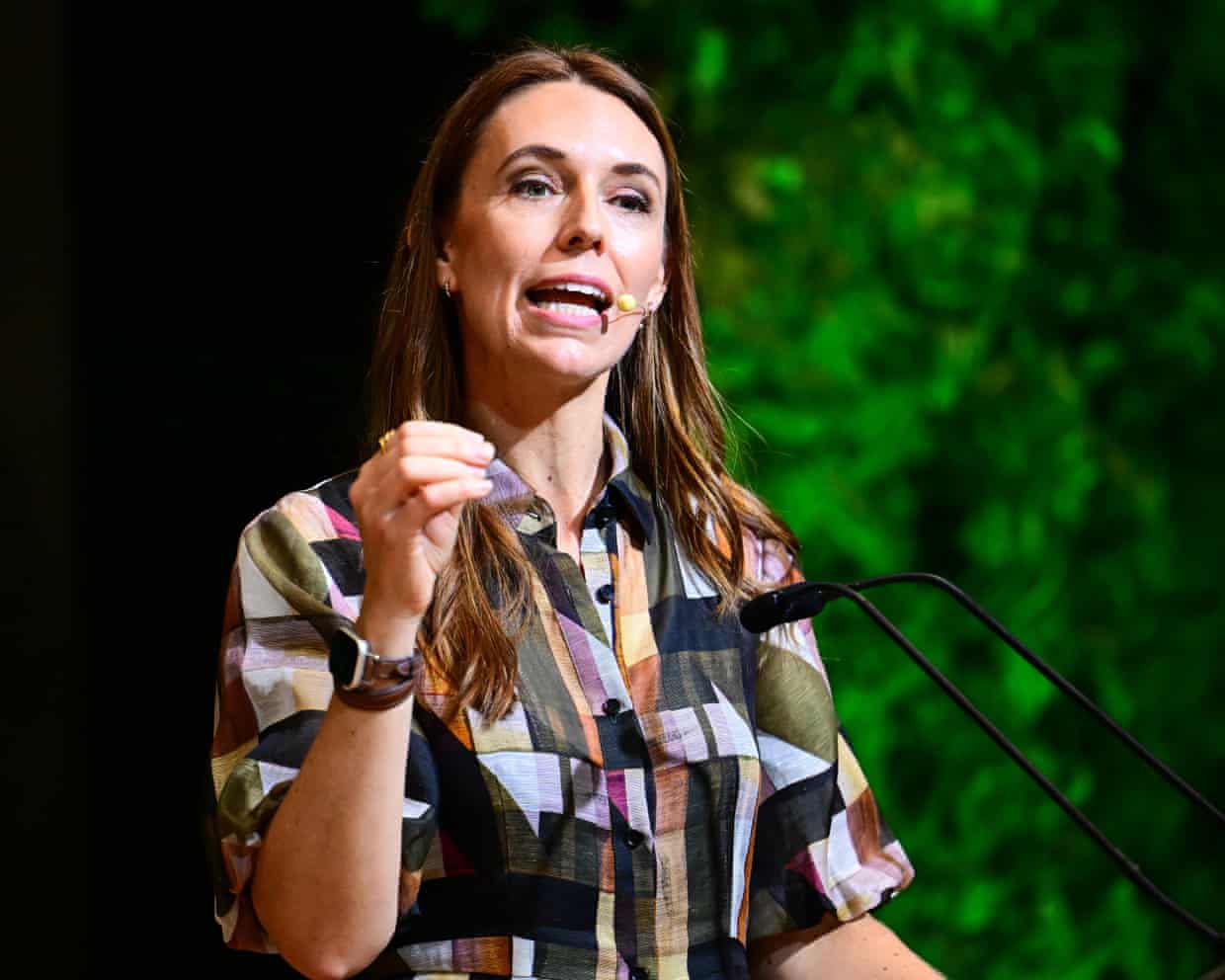
Former New Zealand prime minister Jacinda Ardern has become the latest international headline act to pull out of the 2026 Adelaide writers’ week in protest over the Adelaide festival board’s decision to rescind its invitation to Palestinian-Australian academic Randa Abdel-Fattah.Ardern had been scheduled to discuss her memoir A Different Kind of Power with the ABC’s host of 7.30, Sarah Ferguson, on 3 March.Ardern joins a growing list of international writers and commentators who have decided to boycott the event, along with more than 180 participants. Bestselling author Zadie Smith, Pulitzer prize-winning writer Percival Everett, Greek economist and politician Yanis Varoufakis, Irish novelist Roisín O’Donnell and Russian American journalist M Gessen have all confirmed their withdrawal in recent days
‘It was inspired by a snog in a photo-booth’: how Thompson Twins made Hold Me Now
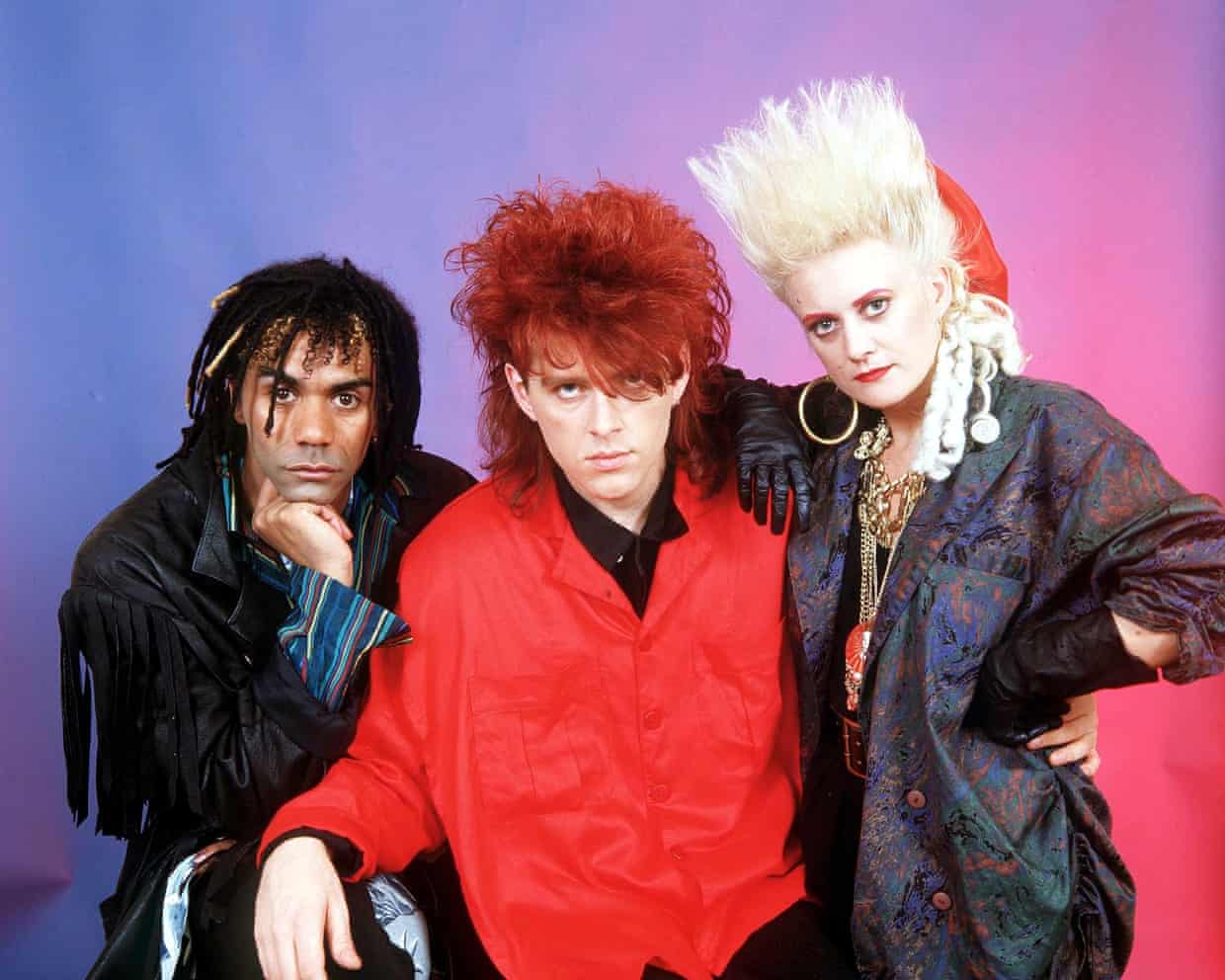
Thompson Twins were a seven-piece, rag-bag, guitar-based band living in a squat when I met Alannah Currie, who was also squatting in London. She was in an anarchic improv band, the Unfuckables, who were clearly not destined for Top of the Pops, but there was something very exciting about her. When I invited her to come on at the end of a Thompson Twins gig, she stole the show.We slimmed down to a three-piece with Alannah, Joe Leeway [keyboards, percussion, vocals] and myself. Suddenly we were a recognisable trio who could all fit in one car
Post your questions for R&B star Jill Scott
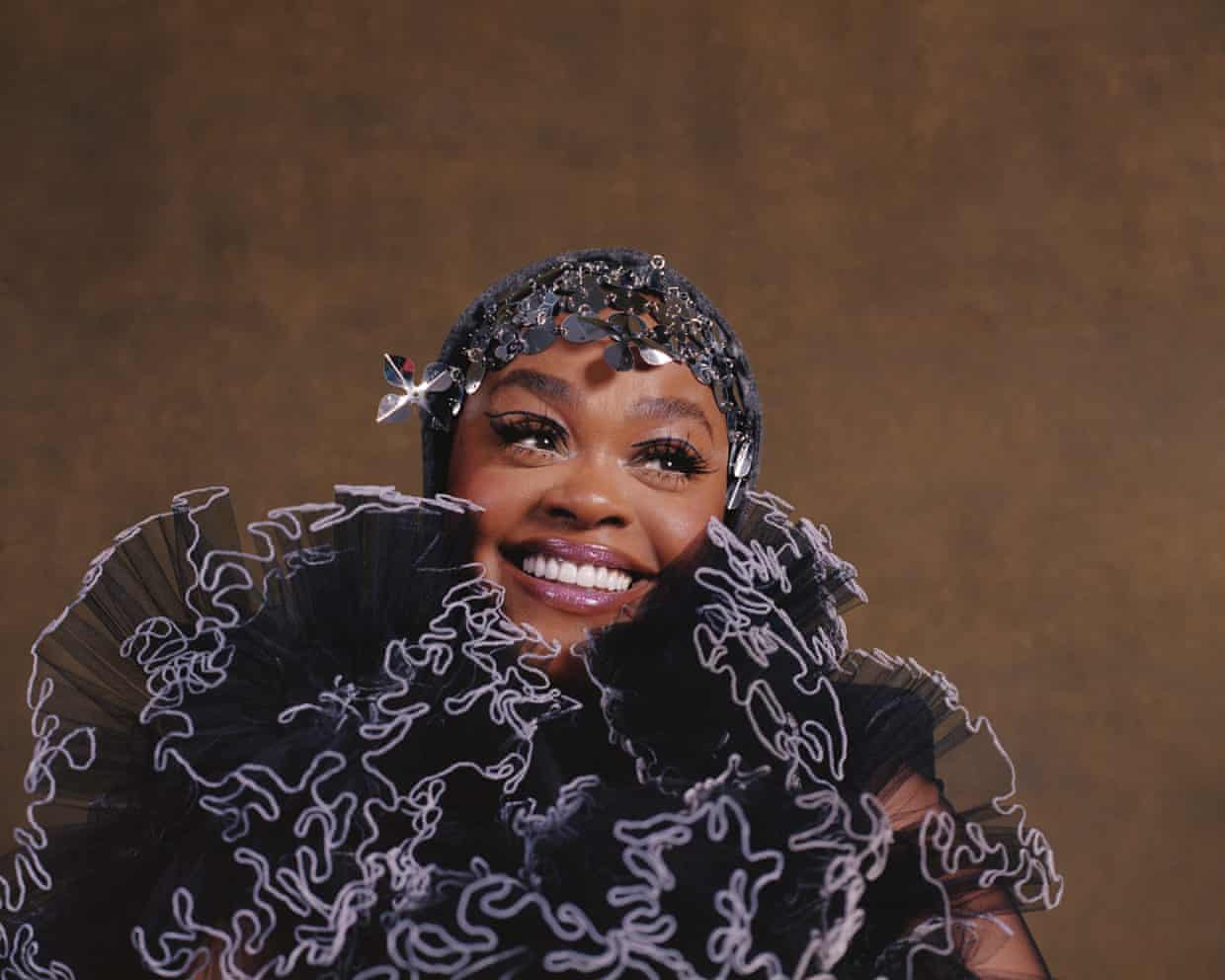
In the age of GLP-1s and the deep-plane facelift making dozens of famous women appear perpetually 32 years old, there’s something extra heartening about Pressha, the lead single from three-time Grammy-winner Jill Scott’s sixth album. “I wasn’t the aesthetic / I guess, I guess, I get it / So much pressure to appear just like them / Pretty and cosmetic,” she sings in a coolly unimpressed kiss-off to a former paramour too cowardly to be seen with her in public.It’s typical of the 53-year-old neo-soul superstar’s direct way with singing about femininity – a quality that’s made her an in-demand collaborator with artists including Dr Dre, Pusha T, Will Smith, Common and Kehlani. As well as having several US No 1 albums to her name, Scott is an artist’s artist: her new record features Tierra Whack, JID and Too $hort; she was originally discovered by Questlove back in her spoken-word days before releasing her platinum-certified debut Who Is Jill Scott? Words and Sounds Vol 1 in 2000.As well as music, Scott has maintained a vivid acting career, starring as James Brown’s wife, Deirdre or “Dee Dee”, in the 2014 biopic Get on Up and taking roles in HBO’s adaptation of Alastair McCall Smith’s The No 1 Ladies’ Detective Agency and BET+’s TV adaptation of The First Wives’ Club

Mindy Meng Wang on the ‘disorienting’ experience of her father’s funeral – and the Chinese cyber-opera it inspired
The guzheng virtuoso remembers being shocked by the traditional ceremony in China’s north-west. Now she’s processing it on stageGet our weekend culture and lifestyle emailWhen Mindy Meng Wang’s father died in 2015, the Melbourne-based musician found herself navigating grief while also organising his funeral in her home city in north-western China. It was to be an elaborate, three-day ceremony filled with prescribed rites, including burning paper effigies, ritualised crying and prayer chants.Looking back, Wang describes the experience as “completely shocking and disorienting”. “There were so many rules for what I had to do over those three days, and so many things that I could not understand,” she says
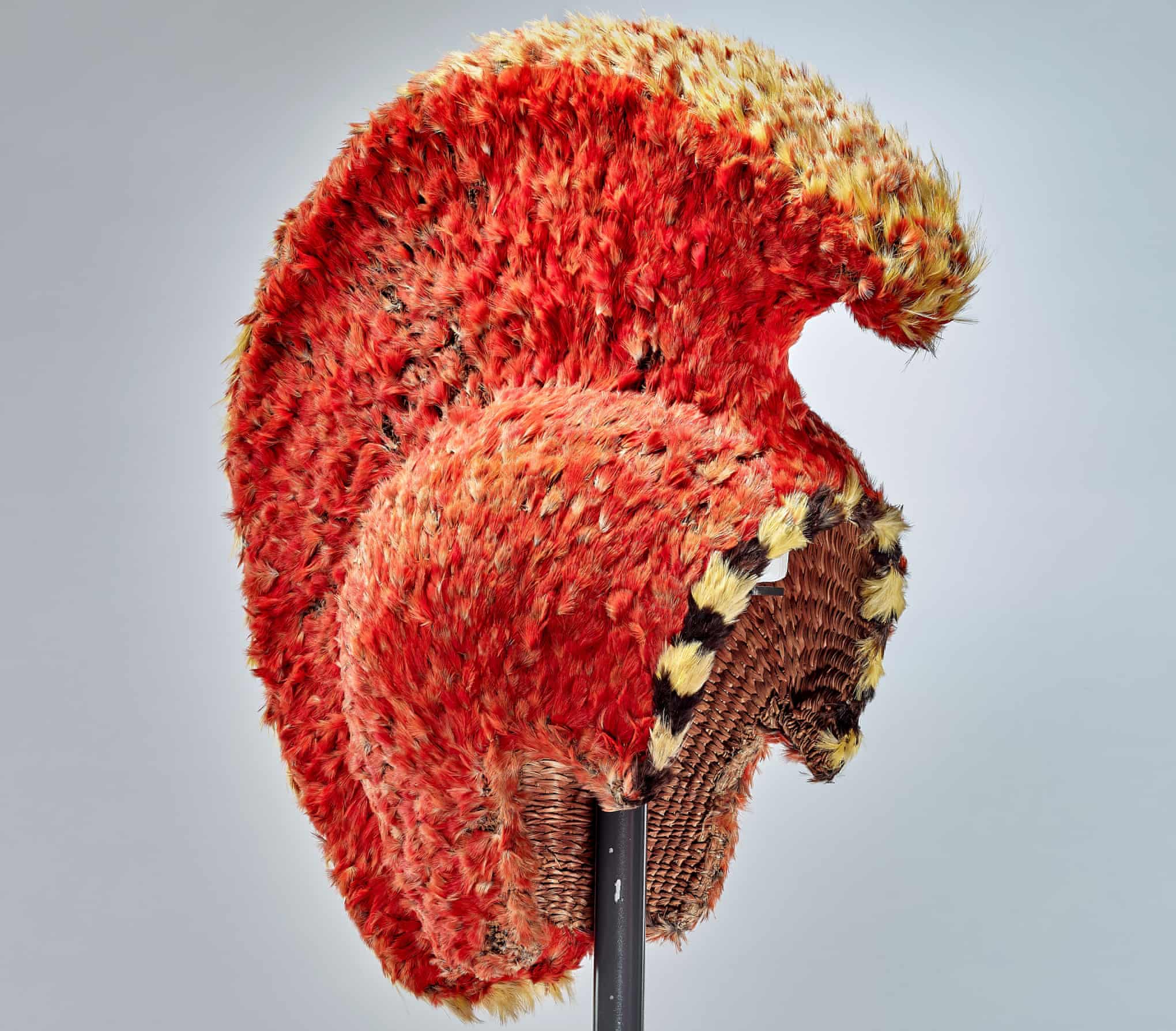
Hawaii: A Kingdom Crossing Oceans review – a feather-filled thriller full of gods, gourds and ghosts
British Museum, LondonThis retelling of Captain Cook’s death and the merging of two cultures is a trove of miraculously preserved wonders – but beware of the shark-toothed club!Relations between Britain and the Pacific kingdom of Hawaii didn’t get off to a great start. On 14 February 1779 the global explorer James Cook was clubbed and stabbed to death at Hawaii’s Kealakekua Bay in a dispute over a boat: it was a tragedy of cultural misunderstanding that still has anthropologists arguing over its meaning. Cook had previously visited Hawaii and apparently been identified as the god Lono, but didn’t know this. Marshall Sahlins argued that Cook was killed because by coming twice he transgressed the Lono myth, while another anthropologist, Gananath Obeyesekere, attacked him for imposing colonialist assumptions of “native” irrationality on the Hawaiians.It’s a fascinating, contentious debate

Three board members and board chair resign from Adelaide festival as Randa Abdel-Fattah sends legal notice
The Adelaide festival is facing an unprecedented leadership crisis after three board members resigned this weekend.The journalist Daniela Ritorto, the Adelaide businesswoman Donny Walford and the lawyer Nick Linke stepped down at an extraordinary board meeting on Saturday following the board’s controversial decision to dump the Palestinian Australian author Randa Abdel-Fattah from the 2026 writers’ week program.Separately on Sunday evening, festival board chair Tracey Whiting confirmed that she had decided to resign, “effective immediately”.She did not detail her reasons for resigning, saying only in a statement: “Recent decisions were bound by certain undertakings and my resignation enables the Adelaide Festival, as an organisation, to refresh its leadership and its approach to these circumstances.”“My tenure as Chair has been immensely enjoyable, as has working with the terrific AF team

It’s the governance of AI that matters, not its ‘personhood’ | Letters
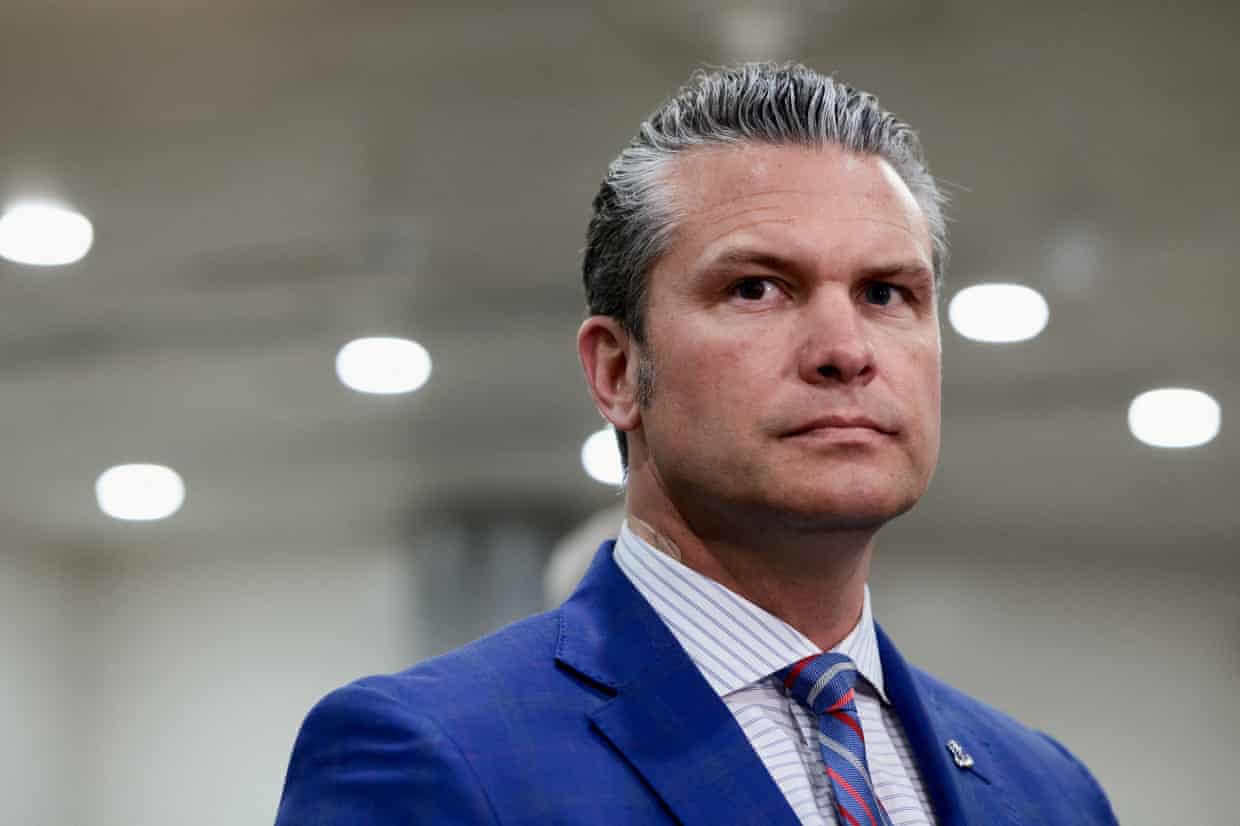
Musk’s AI tool Grok will be integrated into Pentagon networks, Hegseth says
Can X be banned under UK law and what are the other options?
UK media regulator investigating Elon Musk’s X after outcry over sexualised AI images

Google parent Alphabet hits $4tn valuation after AI deal with Apple

Malaysia blocks Elon Musk’s Grok AI over fake, sexualised images