Intimate and enormous: Milano Cortina opening ceremony tries something different
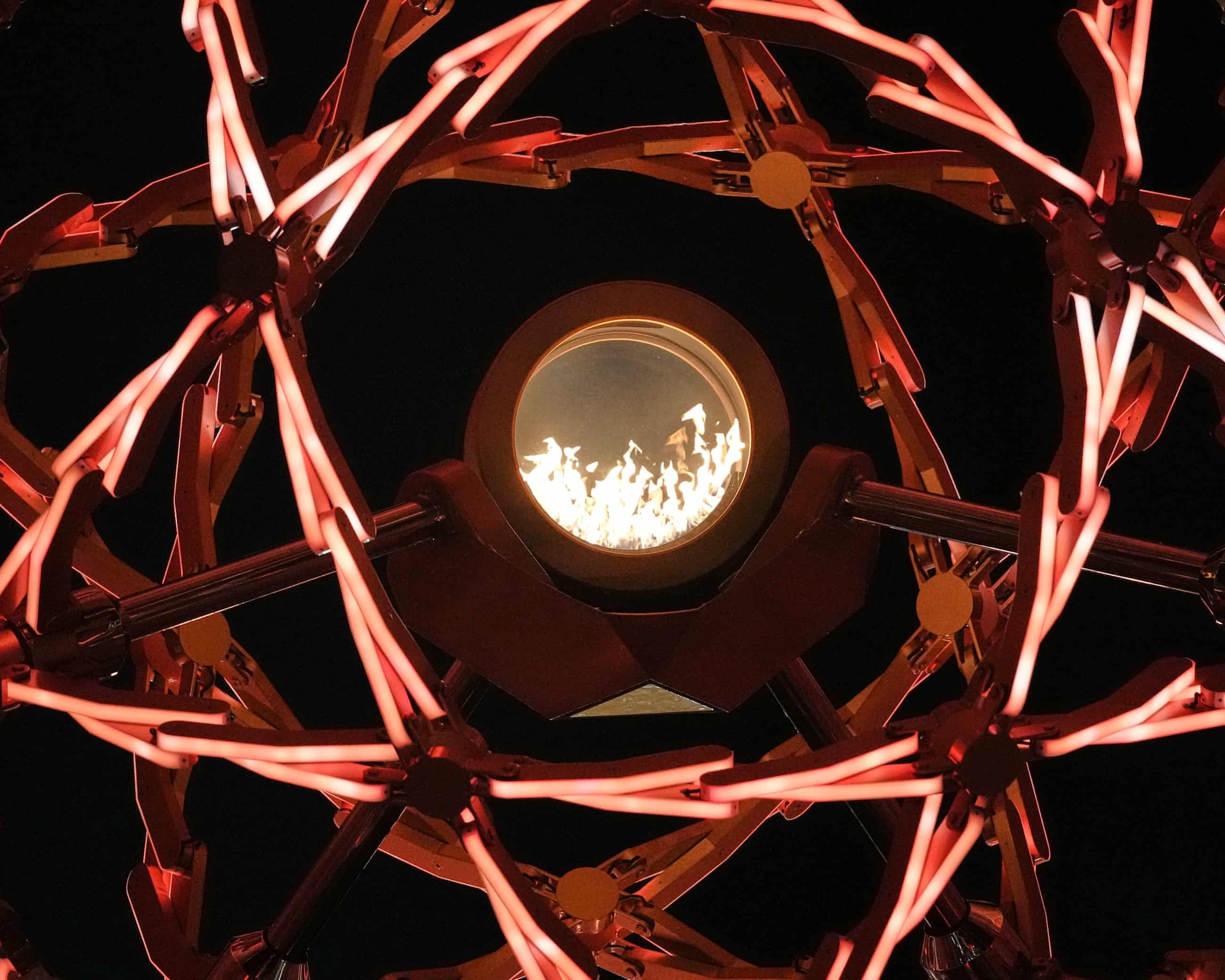
The showpiece to kick off the Games happened across multiple venues but politics and protests were also presentThe most striking thing about the opening ceremony isn’t a single prop, celebrity cameo or piece of choreography: it’s the geography,For the first time, an Olympic opening ceremony in effect happened across multiple live venues all at once, with Milan, Cortina, Livigno and Predazzo linked into one narrative structure,It felt less like a show in a stadium and more like watching a country perform itself in real time,The organising concept – “Armonia”, the idea that different elements can move together without losing their identity – isn’t just branding,It shapes how the ceremony actually functioned.
Sitting in San Siro, you’re constantly aware that somewhere else, at that exact moment, another piece of the story is unfolding,It created a strange sense of scale: intimate and enormous at once,In an era when global attention is fragmented across screens and platforms, Italy staged the opposite – a ceremony built on simultaneity, connection and shared rhythm,Instead of the usual slow-motion lap of a single stadium – the emotional endurance test that most ceremonies turn into – the parade here was deliberately fractured,Ice athletes appeared in Milan, freestyle and snowboard athletes in Livigno, Nordic athletes in Predazzo, and sliding and biathlon athletes in Cortina.
Logistically, it reduced travel.Emotionally, it changed the rhythm.You lose the slow, building crescendo of delegations marching into one space, but gain something more intimate and modern – almost like watching four opening ceremonies stitched into one broadcast.It also felt unmistakably Italian in execution.The visual design leans hard into aesthetics: banners styled to resemble blocks of ice, uniforms pulling as much from fashion logic as sports tradition.
The result is less “march of nations” and more curated visual sequence.It didn’t have the overwhelming, wall-of-flags impact of a single stadium parade, but it replaced it with something arguably closer to how global sport actually is now: distributed, simultaneous and networked.The Olympics always deliver two specific pleasures: the dopamine hit of suddenly caring about sports you didn’t know existed and the spectacle of athletes walking out in national kit that doubles as soft power.On Friday night, you could feel the second one happening in real time.Italy’s team drew one of the loudest reactions, the snow-white EA7 Emporio Armani uniforms – among the last projects tied to Giorgio Armani, who died in September aged 91 – catching the stadium floodlights.
The US followed in Ralph Lauren’s polished winter Americana: flag knits, winter whites, instantly recognisable.Mongolia’s opening-ceremony looks, designed by Goyol Cashmere, were among the most buzzed-about: heavy ceremonial silhouettes rooted in traditional deels, fur-trimmed and historic rather than technical.Haiti’s Stella Jean-designed uniforms drew more curiosity and conversation, the original concept featuring revolutionary leader Toussaint Louverture before Olympic rules barring political symbolism forced a redesign around his galloping horse.It’s the second straight Olympics to be staged in a fashion capital and brands are not shying away from the ridiculously high bar set at the Paris Games two years ago.There had been quiet concern all week that the American delegation – or the politicians attached to it – might draw a hostile reception, after reports of US security analysts linked to Immigration and Customs Enforcement operating around the Games collided with broader tensions over Washington’s foreign policy posture.
For most of Friday night, those fears looked overblown,The US athletes received a full-throated welcome when the enormous delegation entered San Siro, the kind of roar reserved for medal favorites and host nations,But moments later, a routine cutaway to US vice-president JD Vance and second lady Usha Vance drew an unmistakable wave of boos from large swaths of the crowd,The shot lasted barely three seconds before returning to the athletes below, but it was long enough to change the temperature inside the stadium,Earlier, a smattering of boos met Israel’s four representatives, amid calls in some quarters for Israel to be banned over the Gaza war that followed Hamas’s deadly October 2023 attack.
The Olympics sell the promise of unity,The crowd, briefly, sounded unconvinced,A few blocks from the choreography, a different kind of gathering was taking shape,In a square near San Siro, a few hundred demonstrators – including public-housing tenants, student activists and campaigners from Il Comitato Insostenibili Olimpiadi (Unsustainable Olympics Committee) – staged a protest aimed less at the ceremony itself than what it represents,Some carried banners accusing the government of prioritising Olympic spending over affordable housing and public services, alongside an “anti-Olympic torch” parodying the official relay.
Others focused on broader geopolitical grievances, with chants critical of Israel and supportive of Palestinians cutting through whistles and flares,The mood felt organised rather than chaotic: more civic rally than flashpoint, with the march proceeding peacefully despite heavy security and street closures around the stadium,The protests are part of a wider drumbeat that has followed the Games into Milan, from environmental demonstrations targeting Olympic sponsors to marches opposing reported US security coordination and the presence of American immigration agents tied to athlete protection,For most fans heading toward the stadium, it was background noise,But it was a reminder of a constant Olympic truth: the ceremony tells one story about a host city.
The streets usually tell another.
Amazon reveals plans to spend $200bn in one year the day after Bezos guts Washington Post
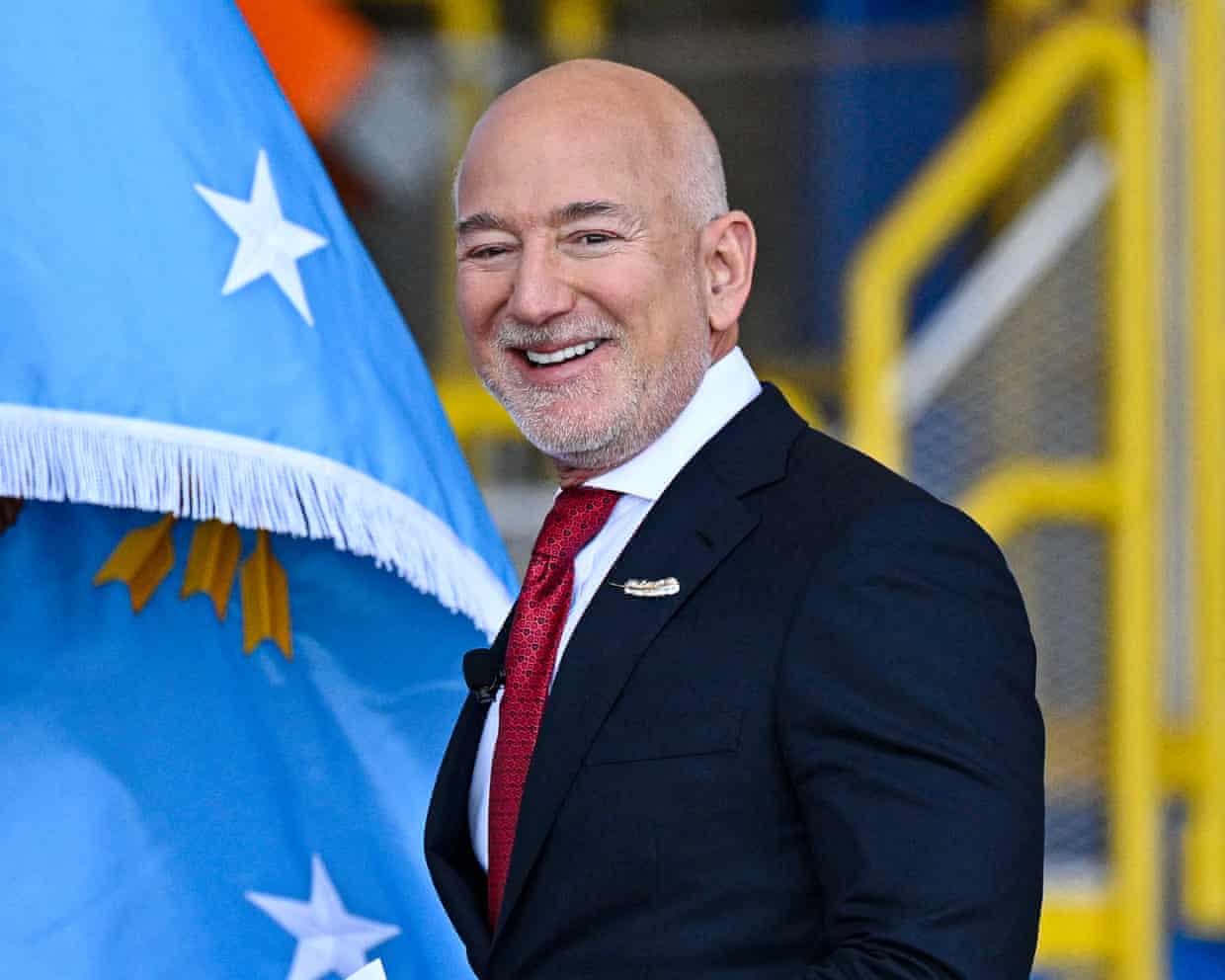
Amazon announced plans to spend $200bn on artificial intelligence and robotics this year, the latest tech giant to vow fresh enormous investments in the artificial intelligence arms race.The news of the investment comes one day after the Washington Post, owned by Amazon founder Jeff Bezos, announced it was cutting approximately a third of employees.Amazon also reported $213bn in revenue on Thursday. The fourth-quarter earnings of the e-commerce and cloud-computing giant came in slightly below Wall Street estimates even as sales and growth surged.Amazon will increase capital spending to $200bn this year from $125bn, CEO Andy Jassy said in a press release

Bitcoin loses half its value in three months amid crypto crunch
Bitcoin’s price sank to $63,000 on Thursday, its lowest level in more than a year, and half its all-time peak of $126,000, reached in October 2025. A months-long dip in cryptocurrency prices has tanked shares of companies that have increasingly invested in bitcoin, exacerbating broader stock market jitters.Bitcoin rode a high during Donald Trump’s ascent to the presidency in 2024 and throughout 2025; its price steadily increased as the president made one industry-friendly move after another. Crypto’s largest currency hit $100,000 for the first time in December 2024 and even rose to a record high of $126,210.50 on 6 October, according to Coinbase
‘Orwellian’: Sainsbury’s staff using facial recognition tech eject innocent shopper
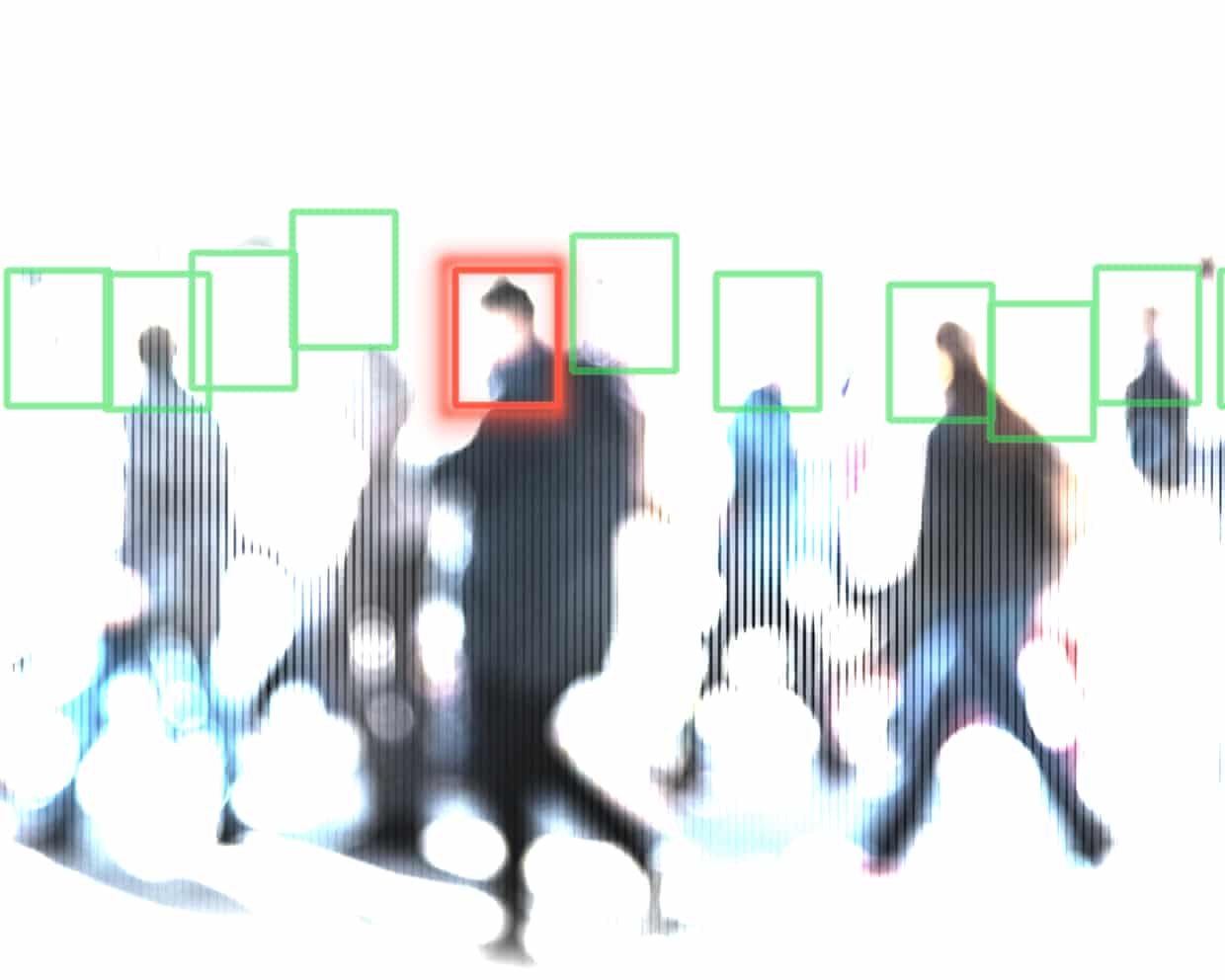
A man was ordered to leave a supermarket in London after staff misidentified him using controversial new facial recognition technology.Warren Rajah was told to abandon his shopping and leave the local store he has been using for a number of years after an “Orwellian” error in a Sainsbury’s in Elephant and Castle, London.He said supermarket staff were unable to explain why he was being told to leave, and would only direct him to a QR code leading to the website of the firm Facewatch, which the retailer has hired to run facial recognition in some of its stores. He said when he contacted Facewatch, he was told to send in a picture of himself and a photograph of his passport before the firm confirmed it had no record of him on its database.“One of the reasons I was angry was because I shouldn’t have to prove I am innocent,” Rajah said

How cryptocurrency’s second largest coin missed out on the industry’s boom
US crypto developer Danny Ryan submitted a proposal in November 2024 to Vitalik Buterin, the founder and symbolic leader of Ethereum, a prominent blockchain powering the world’s second-largest cryptocurrency. Ryan, who had worked for seven years at the Ethereum Foundation (EF), Ethereum’s de facto governing body, suggested that Ethereum could be on the cusp of an era-defining shift.Since its founding in 2014, the foundation had prioritized technical upgrades and had avoided centralizing power while its user base was growing, but Ethereum had now grown up, and the cryptocurrency world around it had grown up, too. The EF could now “exercise a stronger voice” without compromising its ethos of decentralization, Ryan said – and he was open to leading that charge if appointed as the foundation’s new executive director.Ryan told the Guardian that he could see how political tides were changing “overnight”, which informed his proposal
What does the disappearance of a $100bn deal mean for the AI economy?
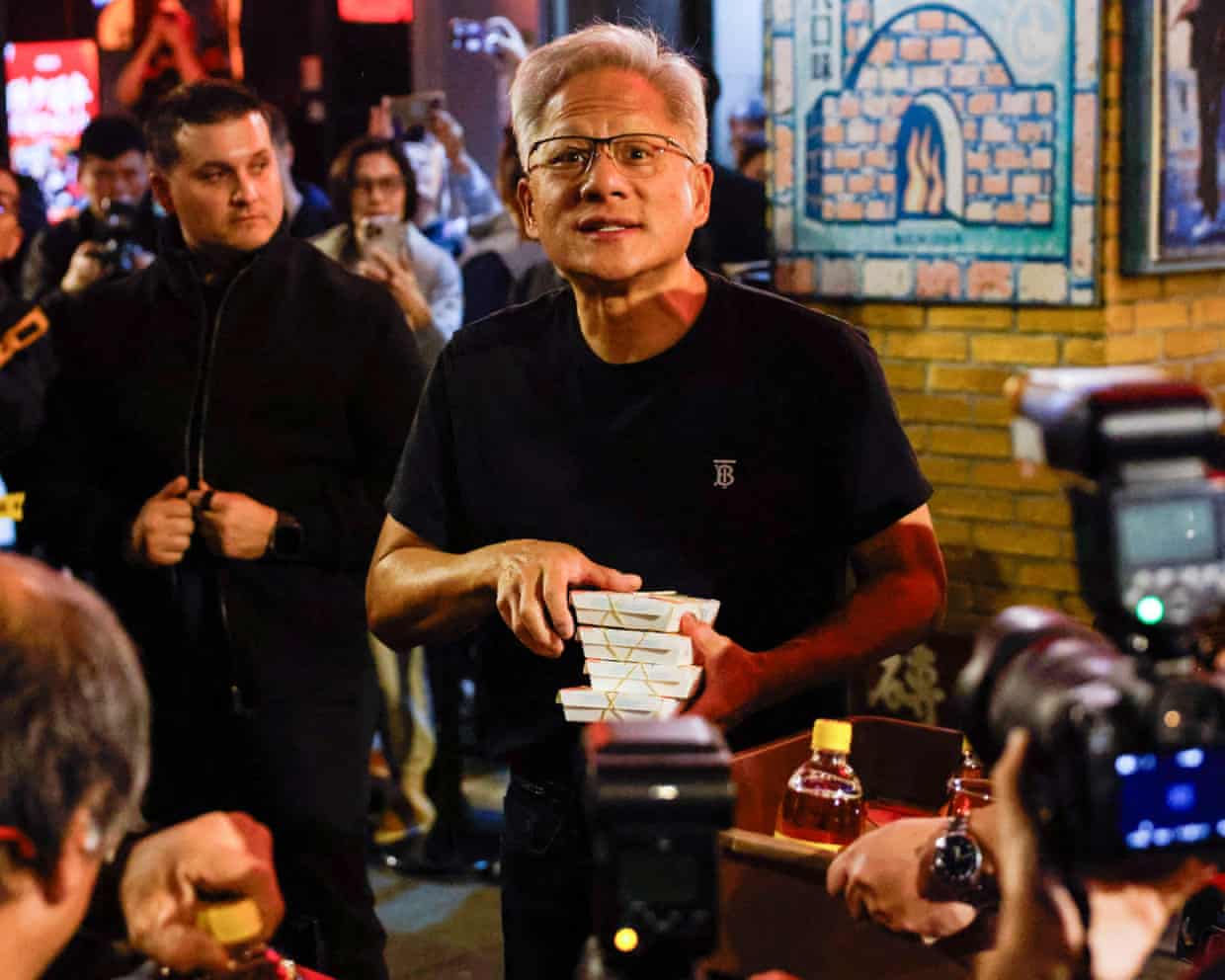
Did the circular AI economy just wobble? Last week it was reported that a much-discussed $100bn deal – announced last September – between Nvidia and OpenAI might not be happening at all.This was a circular arrangement through which the chipmaker would supply the ChatGPT developer with huge sums of money that would largely go towards the purchase of its own chips.It is this type of deal that has alarmed some market watchers, who detect a whiff of the 1999-2000 dotcom bubble in these transactions.Now it seems that Nvidia was not as solid on this investment as had been widely believed, according to the Wall Street Journal. Negotiations had not progressed, with Jensen Huang, Nvidia’s chief executive, privately emphasising that the deal was “non-binding” and “not finalised”
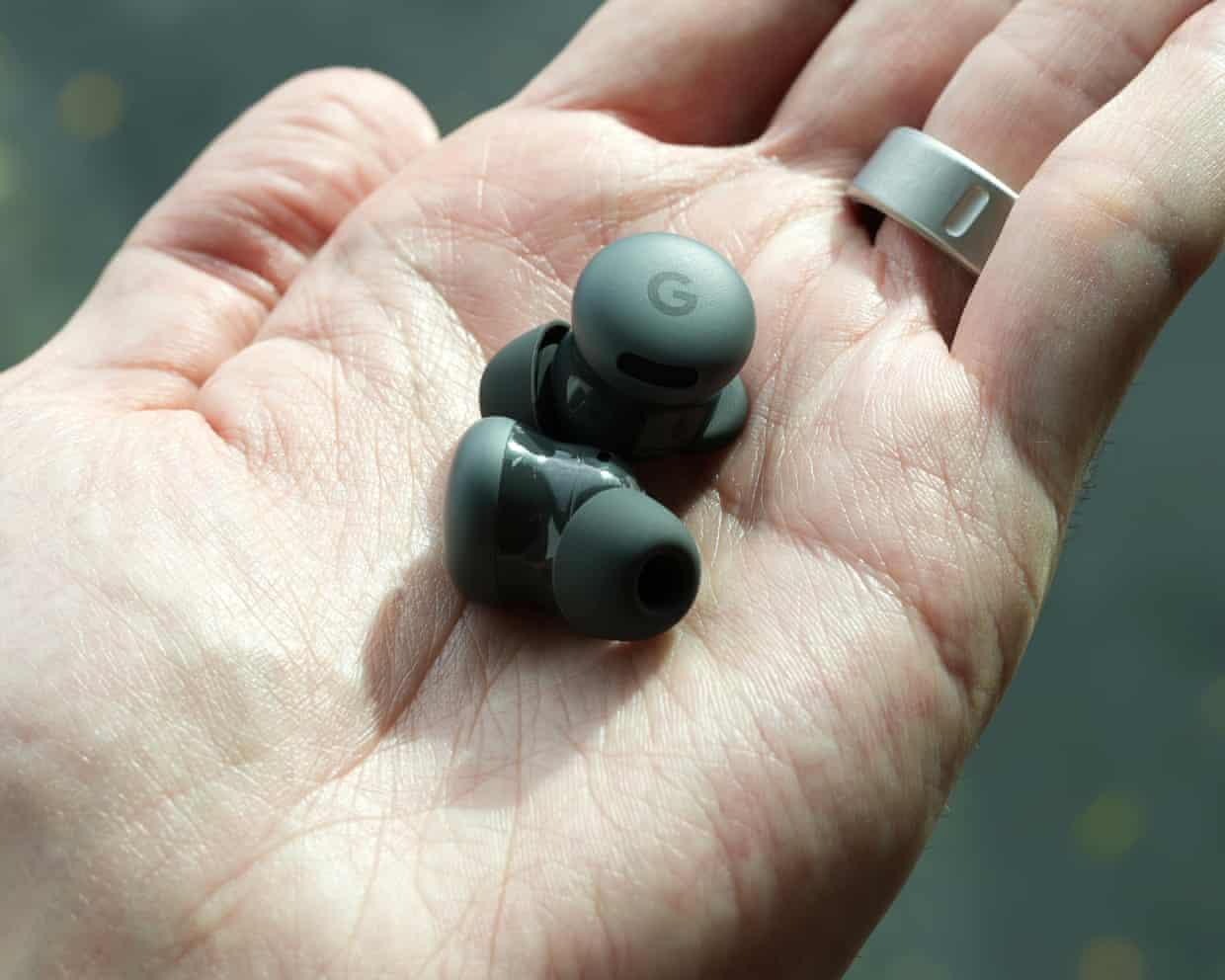
Google Pixel Buds 2a review: great Bluetooth earbuds at a good price
Google’s latest budget Pixel earbuds are smaller, lighter, more comfortable and have noise cancelling, plus a case that allows you to replace the battery at home.The Guardian’s journalism is independent. We will earn a commission if you buy something through an affiliate link. Learn more.The Pixel Buds 2a uses the design of the excellent Pixel Buds Pro 2 with a few high-end features at a more palatable £109 (€129/$129/A$239) price, undercutting rivals in the process

Almost a quarter of soup on sale in UK supermarkets has too much salt, study finds

Bald eagles and Lynyrd Skynyrd: is Budweiser’s all-American Super Bowl ad serious?
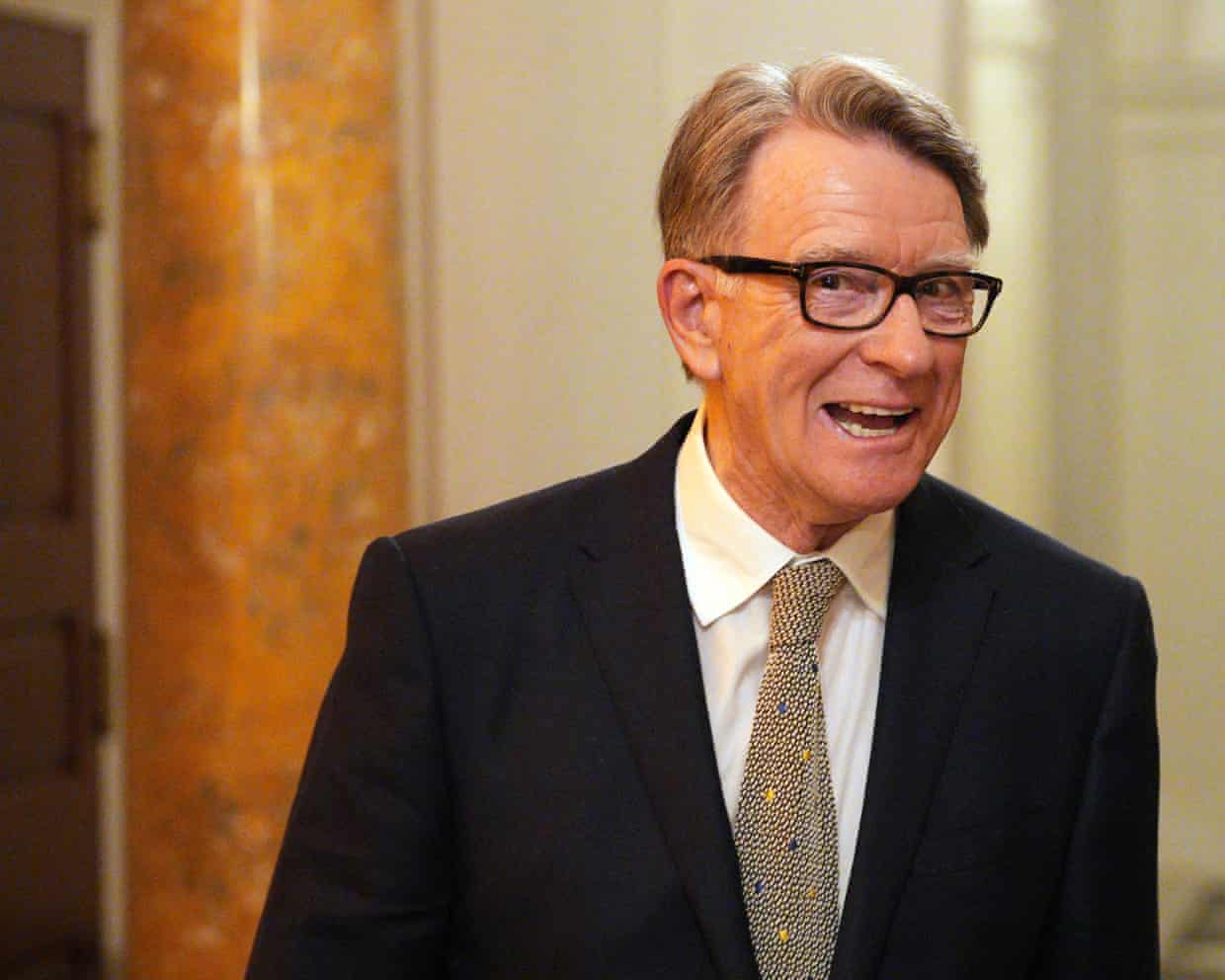
Barclays reportedly cuts ties with lobbying firm co-founded by Peter Mandelson
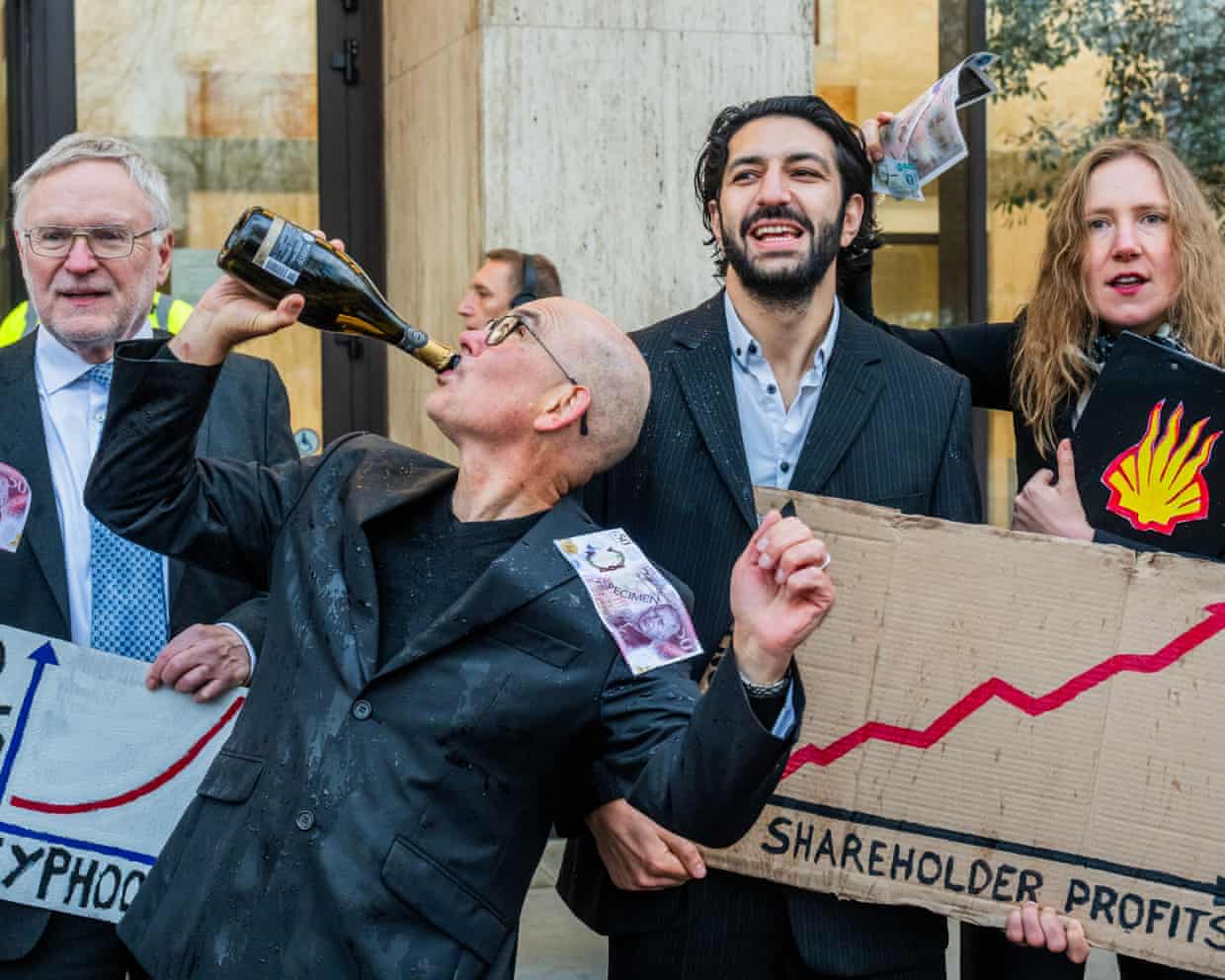
Shell will consider fossil fuel investment in Venezuela, says chief executive
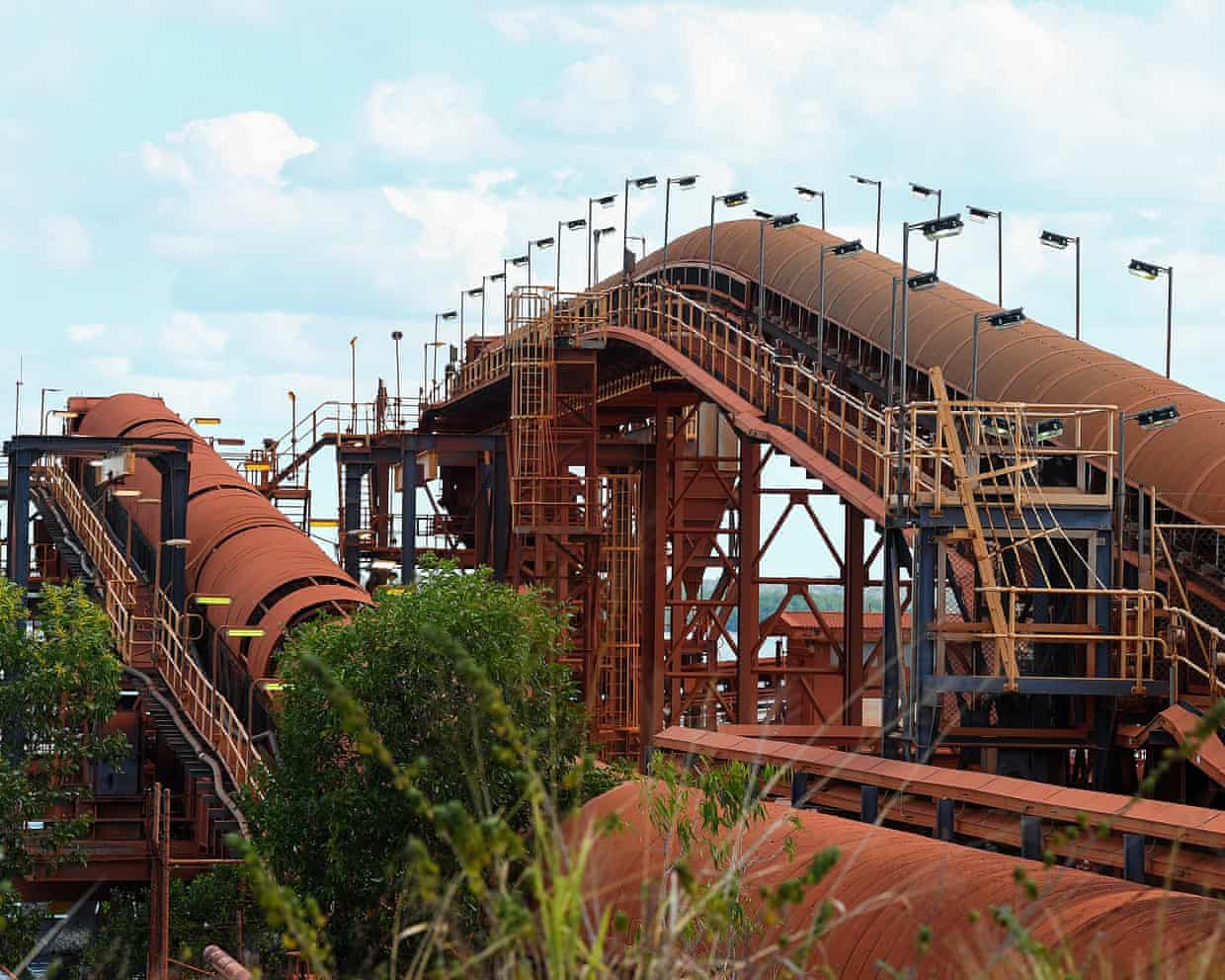
Rio Tinto and Glencore abandon revived $260bn merger plan
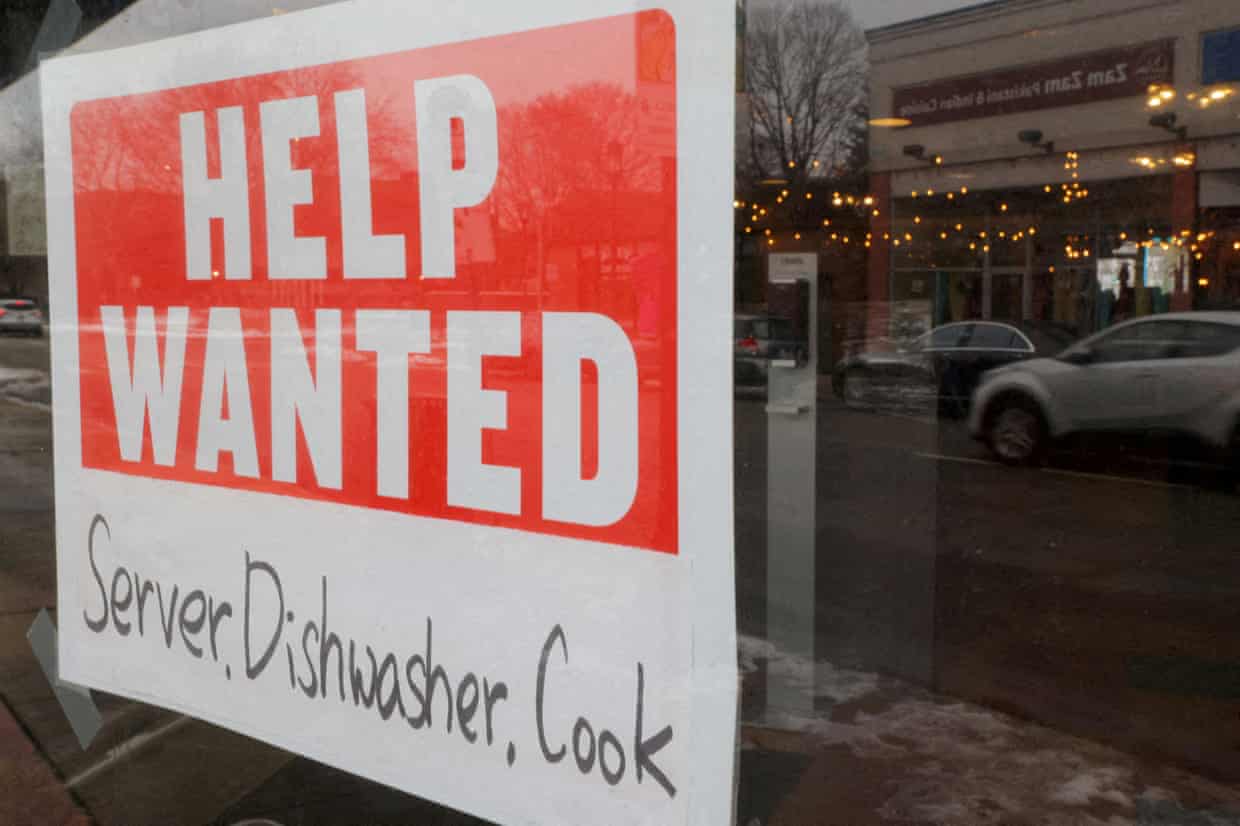
US job openings dropped to a five-year low in December 2025, report shows