Skinning, boot-packing and downhill skiing: welcome to skimo at the Winter Olympics
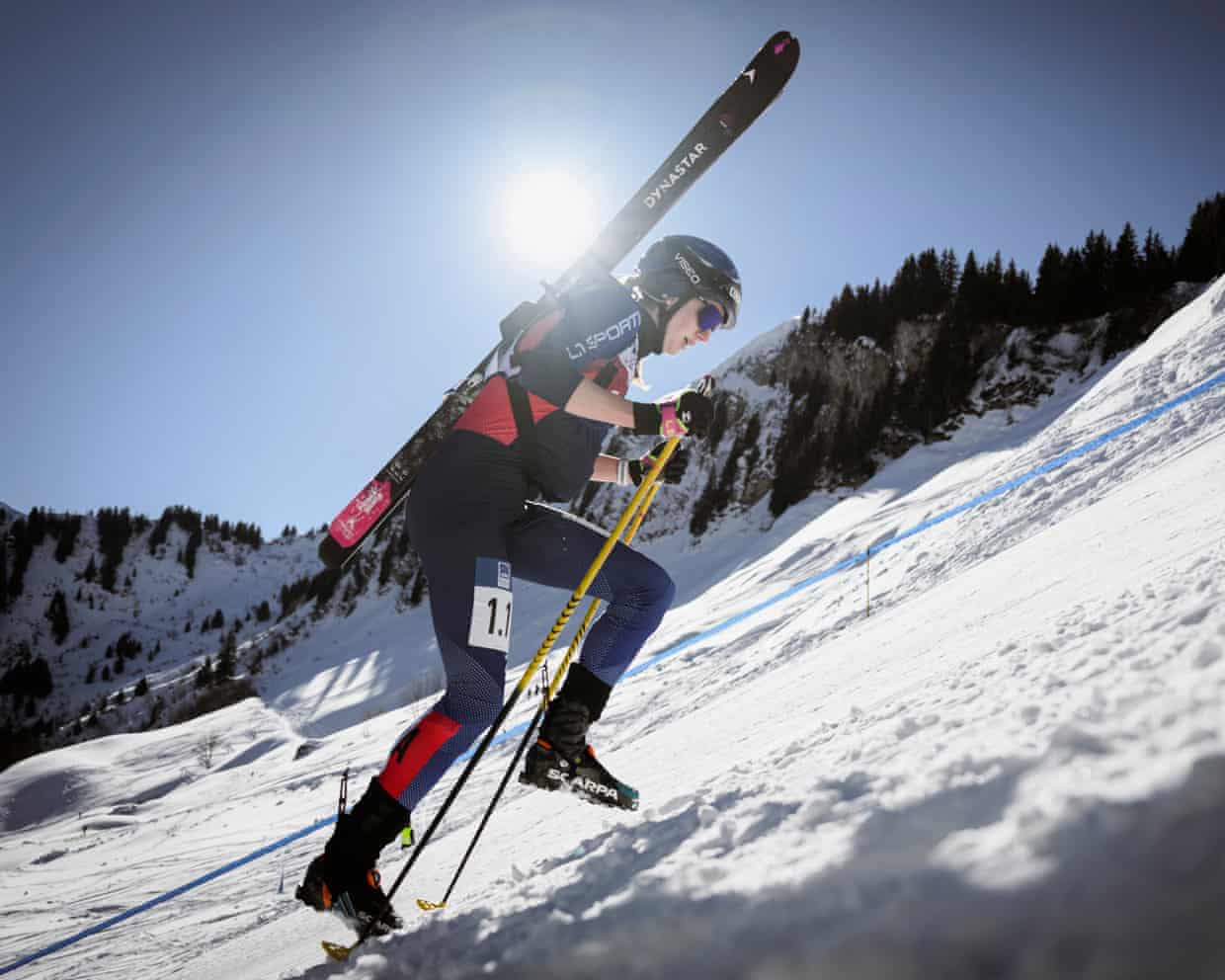
No one could suggest that the Winter Olympics are lacking in challenge,Skiers zipping down the slopes and flying through the air,Skeletons hurtling around at more than 100km/h,Ice skaters, metal-bladed, spinning, leaping and twisting,Slopestyle athletes pulling off the most outrageous tricks while landing the biggest air.
But everyone from recreational skiers to the most extreme sports enthusiasts knows there is always room for more.Enter the new kid on the ice block at Milano Cortina 2026: ski mountaineering.The new challenge? How about going up the mountain, hiking a bit, followed by a rapid descent on the tiniest skis possible.Before you ask, “why”? Cast your mind over the other disciplines on the schedule and remember that the answer is almost always, “why not”?However, ski mountaineering – or skimo – in its traditional form is entirely about practicality.When skiing as a sport started to take off in the 1800s – that is, well before chairlifts existed – to traverse the slopes inevitably required uphill and downhill movement, as well as navigating rocky mountain terrain and weaving through forests.
While people still do that – whether it’s ski touring or backcountry skiing – it doesn’t make for an easily digestible Olympics package.The sport had to be brought into the modern era.The International Ski Mountaineering Federation (ISMF) has created a version of the sport ready for commercialisation, accessibility and consumption – and therefore, the Winter Olympics.From 19 February, the northern Italian town of Bormio will host two skimo events.Sprint and mixed relay races on-piste will offer audiences a fast, fun showcase of athletic ability – an intensified taste of what the sport has to offer.
The director of the ISMF, Ramone Cooper, who has led the sport’s evolution to its Olympic debut, says the differences between skimo and alpine or Nordic skiing come down to equipment used and the technical transitions between the three elements of ascent, mountaineering (called boot-packing) and descent.“Compared to downhill skiing, where you have the stability and strength in a wider, heavier ski with strong bindings and strong boots, ski mountaineering is all about moving through the mountains in really lightweight equipment,” Cooper says.“In the sprint events the transitions play a really significant role because it’s very difficult to gain seconds in the descent and also in the ascent, but you can easily lose seconds in the transition.So it’s become tactically really important to have very strong transitions because there’s very little margin for error.”If ascending on skis sounds like a sisyphean task, there’s a trick for that and it’s a unique feature of the sport.
Skimo athletes use “skins”, which are thin strips of grippy synthetic material, attached to the underside of their skis to provide traction on the snow.With the heel free from the binding on the ski, they can ascend at a blistering pace, only slowing to navigate around the “diamonds” on the course.The first transition is from skinning to boot-packing.This requires athletes quickly clicking out of their skis, stowing them on their back, and adjusting the levers on their boots to convert them from stiff ski-mode to flexible walk-mode.In their super lightweight boots they can hike and climb to the next transition and swap back to skins by doing the reverse.
Then, to transition from skinning to skiing for the descent, athletes unhook the skins at the end of the skis, peel them off, stuff them in a pouch on their Lycra race suits, and set the ski bindings to lock in the heel,Like other winter sports, skimo athletes are in the midst of a World Cup season, and French athletes Emily Harrop and Thibault Anselmet laid down a marker for the Olympics by winning the men’s and women’s sprints and the mixed relay at the final event,France, Spain, Italy and Switzerland have dominated the World Cup circuit so far, and the local athletes will undoubtedly receive a boost from the home crowd in Bormio,It’s just the beginning for this version of the sport, which will almost inevitably take over from the longer, more traditional skimo disciplines due to climate change,Reduced snow is already changing the way the ISMF design the calendar.
However, the sport requires very little infrastructure, which gives it more flexibility.“We have events that start off snow,” Cooper says.“Some of the distance events start in villages and you have athletes that are then ascending [on boots] until they reach the snow line.The sprint and mixed relay in order to have that reliability have been run within resort areas where there is snowmaking.That’s a relatively new concept as well that we’re hosting these events within artificial snow areas.
But that is the reality of how the snow is now.”Ski mountaineers are no strangers to the climate fight – many having spent their whole lives traversing mountains and glaciers, bearing closer witness to the rising snowline and shrinking ice than most.After Milano Cortina the ISMF will be faced with the unenviable challenge of pushing for its sport’s expansion at French Alps 2030 – where the longer distance events would really shine – while unchecked global heating transforms the alpine environment more and more each year.
Miso mystery: red, white or yellow – how does each paste change your dish? | Kitchen aide
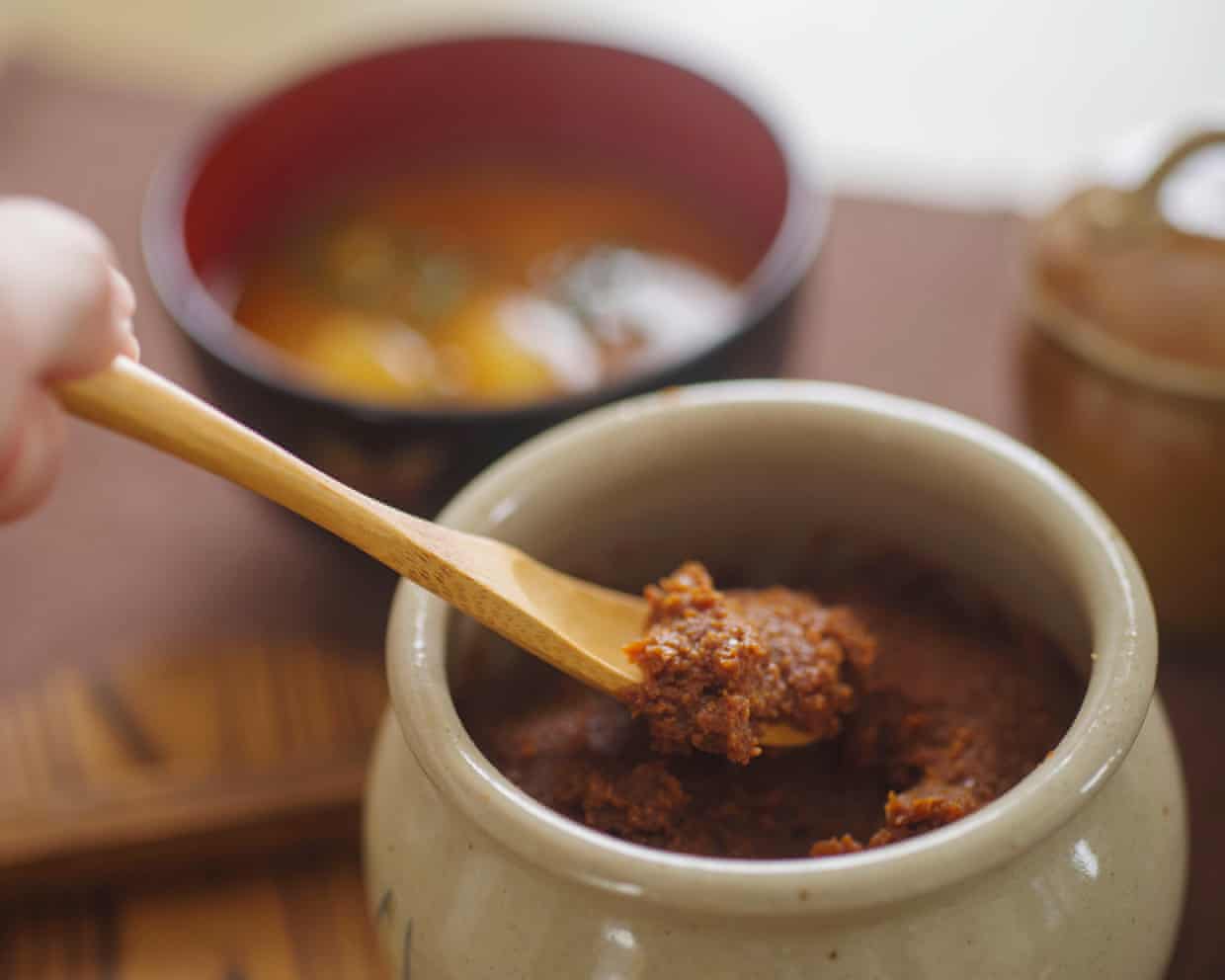
What’s the difference between white and red miso, and which should I use for what? Why do some recipes not specify which miso to use? Ben, by email“I think what recipe writers assume – and I’m sure I’ve written recipes like this – is that either way, you’re not going to get a miso that’s very extreme,” says Tim Anderson, whose latest book, JapanEasy Kitchen: Simple Recipes Using Japanese Pantry Ingredients, is out in April. As Ben points out, the two broadest categories are red and white, and in a lot of situations “you can use one or other to your taste without it having a massive effect on the outcome of the dish”.The Guardian’s journalism is independent. We will earn a commission if you buy something through an affiliate link. Learn more
The pie and mash crisis: can the original fast food be saved?
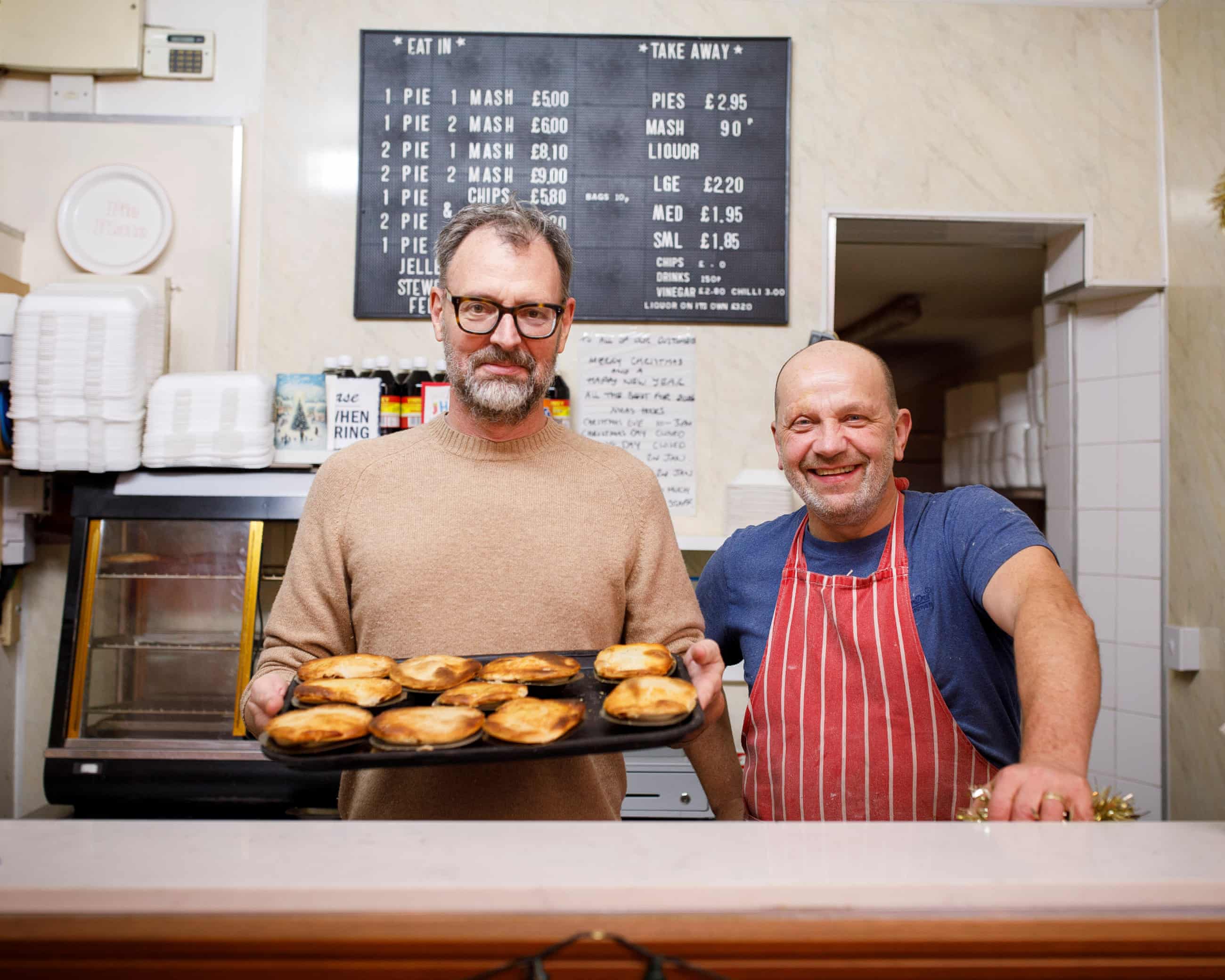
There used to be hundreds of pie and mash shops in London. Now there are barely more than 30. Can social media attention and a push for protected status ensure their survival?Outside it’s raining so hard that the sandwich board sign for BJ’s pie and mash (“All pies are made on the premises”) is folded up inside. The pavement along Barking Road in Plaistow is a blur through the front windows and deserted, and there are only two customers in the shop. Another sign – this one on the counter – says “CASH ONLY”
Sami Tamimi’s recipes for spiced bulgur balls with pomegranate, with a herby fennel side salad
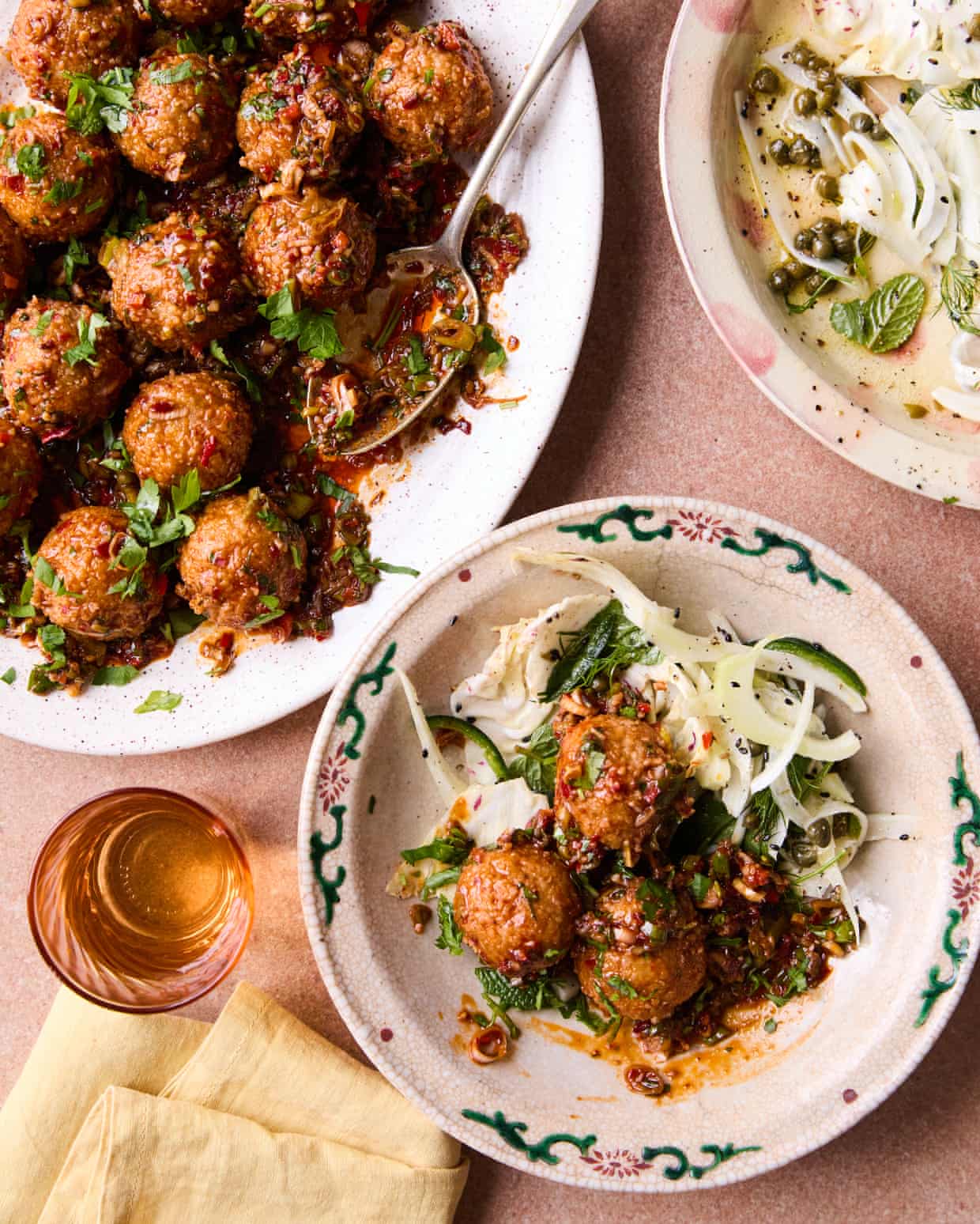
I have always dreamed of a return to the golden age of Arab trade, when spices, fruits and ideas voyaged across deserts and seas, creating extraordinary food cultures through exchange and curiosity. I’ve imagined bringing new flavours home, letting them transform the kitchen – but with all the madness in today’s world, that dream must stay a dream, for now. So, these recipes become my journey, a way to reconnect with that spirit and taste the magic of the Arab golden age today.This dish originates in Latakia, a port in Syria. Kbeibat bulgur in Arabic translates to “small kibbeh”, and refers to a range of dishes that are popular across the Arab world and beyond
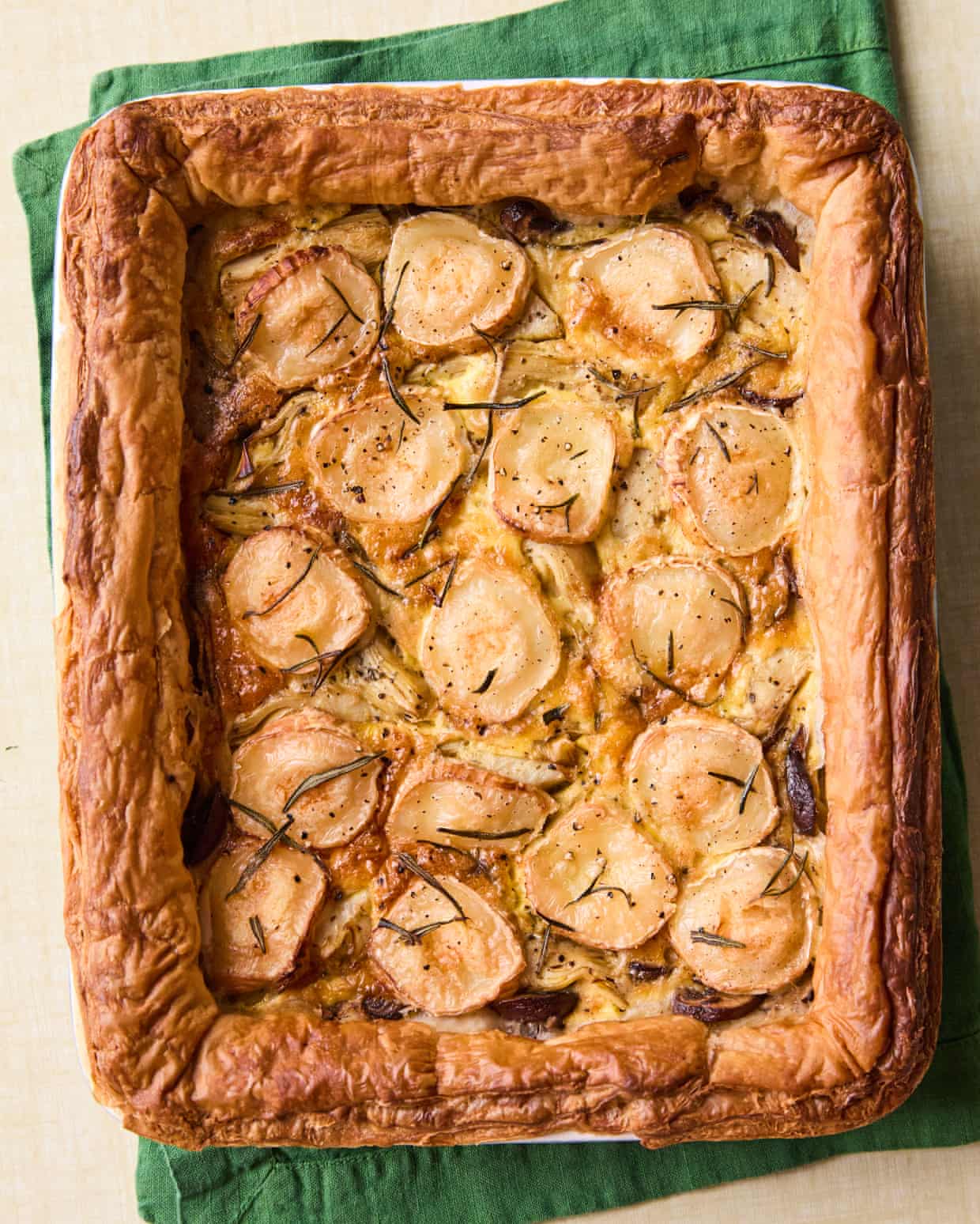
Rukmini Iyer’s quick and easy recipe for mushroom and artichoke puff-pastry quiche | Quick and easy
No time to make shortcrust? Bought puff pastry makes an instant (and decadent) alternative. Yes, I know you can buy ready-rolled shortcrust, but I wouldn’t: it’s trash. If this column didn’t have a 30-minute time constraint, I’d blitz 200g plain flour and 100g cold cubed salted butter to sand, then add one egg yolk and a tablespoon of cold water, then blitz for a few seconds, and no longer, until it just comes together. I’m unorthodox, so I then tip the pastry straight into a pie dish, quickly pat it into place and freeze for 15 minutes. Blind bake for 10 minutes at 180C(160C fan)/350F/gas 4, before removing the paper and baking beans and tipping in the filling – it’s really not very much work
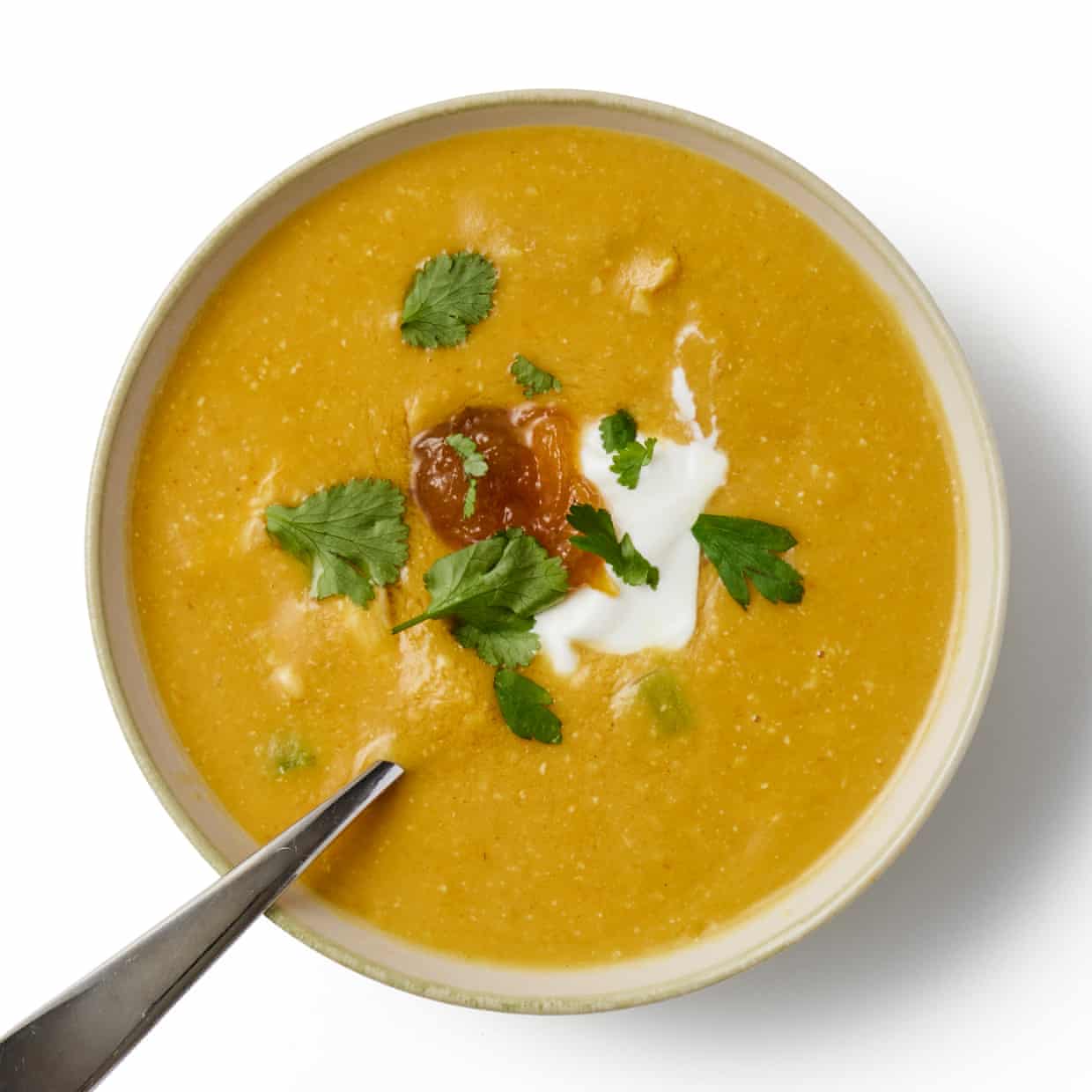
How to make mulligatawny – recipe | Felicity Cloake's Masterclass
I have yet to see anyone eating mulligatawny in an Indian restaurant – perhaps unsurprisingly, given that it’s a product of the British occupation, and the very name has an off-putting Victorian feel, which is a shame, because it’s aged a lot better than imperialism. Based, historians think, on the Madrassi broth molo tunny, it’s a lovely, gently spiced winter soup that’s well worth rediscovering.Prep 15 min Cook 50 min Serves 4-61 onion 1 carrot 1 parsnip 1 celery stick 2 tbsp ghee, or oil (eg, coconut)4 garlic cloves 1 knob fresh ginger ½ tsp cayenne pepper or mild chilli powder 2½ tsp madras curry powder (see step 5) 1½ litres good-quality chicken stock, or vegetable stock1 chicken thigh, bone in. skin on (optional; see step 1)150g masoor dal (AKA split orange lentils)4 tbsp flaked almonds (optional; see step 7)100ml hot milk, or water1 tbsp lemon juice Salt 1-2 tbsp fruity chutney (eg, mango; optional)1 small bunch fresh coriander, roughly chopped, to servePlain yoghurt, to serveThough often made with chicken, mulligatawny was also traditionally prepared with mutton or goat, and works well with lamb, too; any fairly tender cut of either will be fine (or, indeed, you could just add some cooked meat at the end). For a lighter dish, leave it out; to make it plant-based, just swap the fat and stock as suggested below
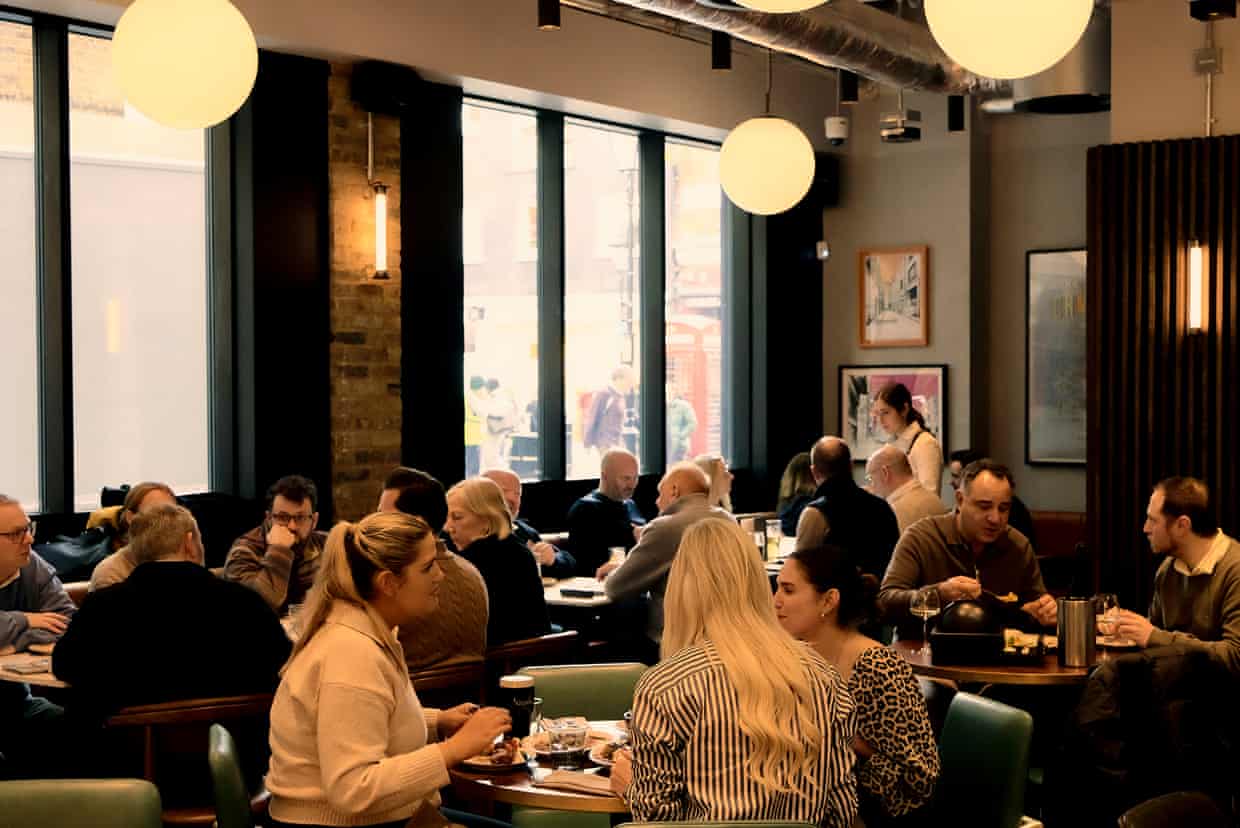
Guinness Open Gate Brewery, London WC2: ‘Absolute “will-this-do?” nonsense’ – restaurant review | Grace Dent on restaurants
The new Guinness Open Gate Brewery, with its tours, gift shop and dining options, has appeared in Covent Garden, slap-bang in the centre of London’s most nosebleedingly expensive real estate.This multi-multi-million-pound paean to “the black stuff”, where Guinness disciples can make pilgrimage, has been on the capital’s horizon for what seems like an era. The project has been tantalisingly dangled as an opening for some years, then delayed umpteen times, because, quite understandably, erecting a purpose-built, gargantuan, multi-floor Willy Wonka’s Booze Factory in the West End of London for a corporate behemoth is no easy feat. Imagine the layers of global, bureaucratic, cross-platform multi-media team Zooms that had to happen to hone the ultimate Guinness experience. So many Is to dot and Ts to cross, particularly, because food is a central part of the venture, with two restaurants on site – The Porter’s Table and Gilroy’s Loft – where exec chef Pip Lacey is serving non-challenging yet hearty menus, as well as a courtyard pie stall by Calum Franklin
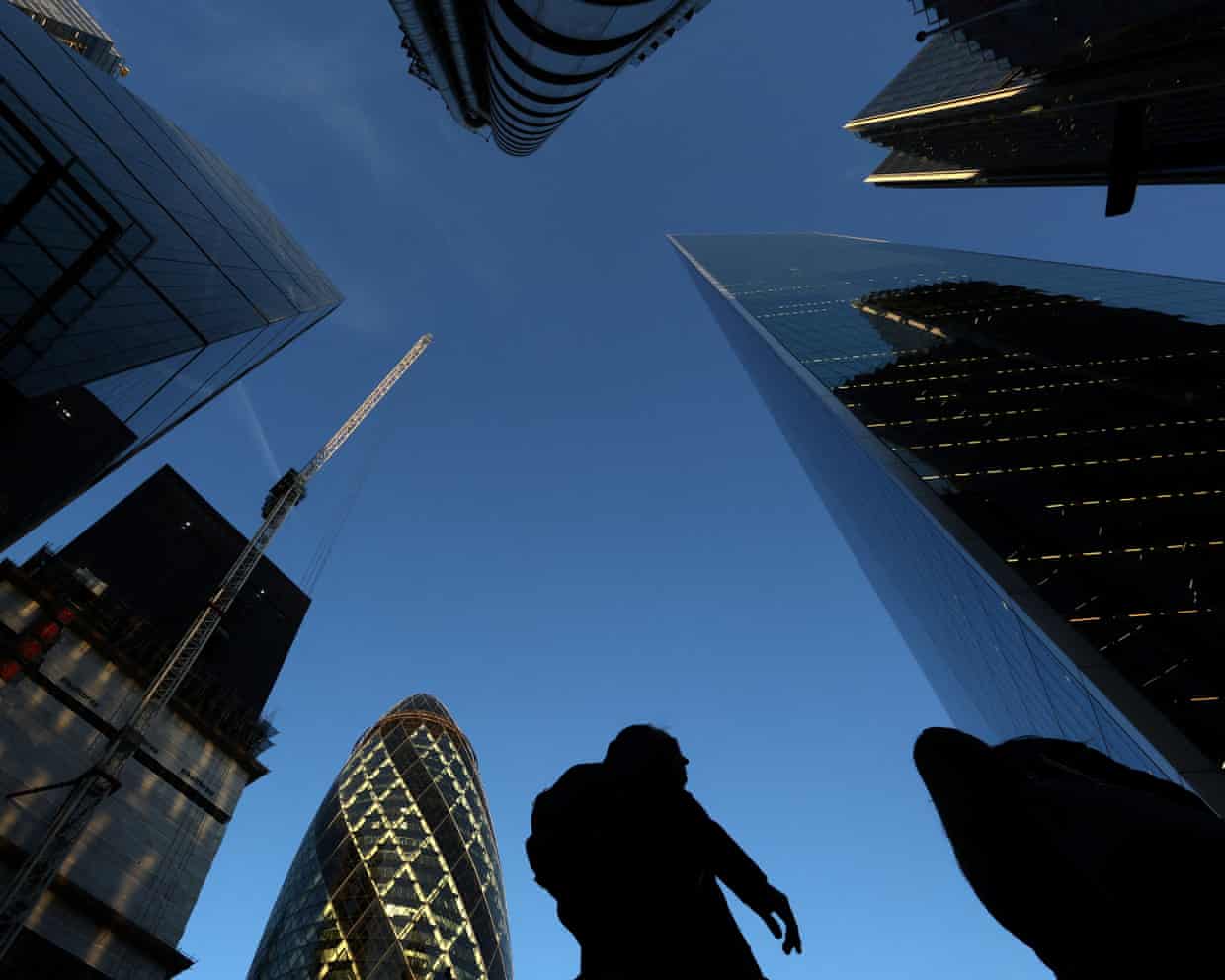
UK services sector job cuts continue as companies automate, PMI survey shows
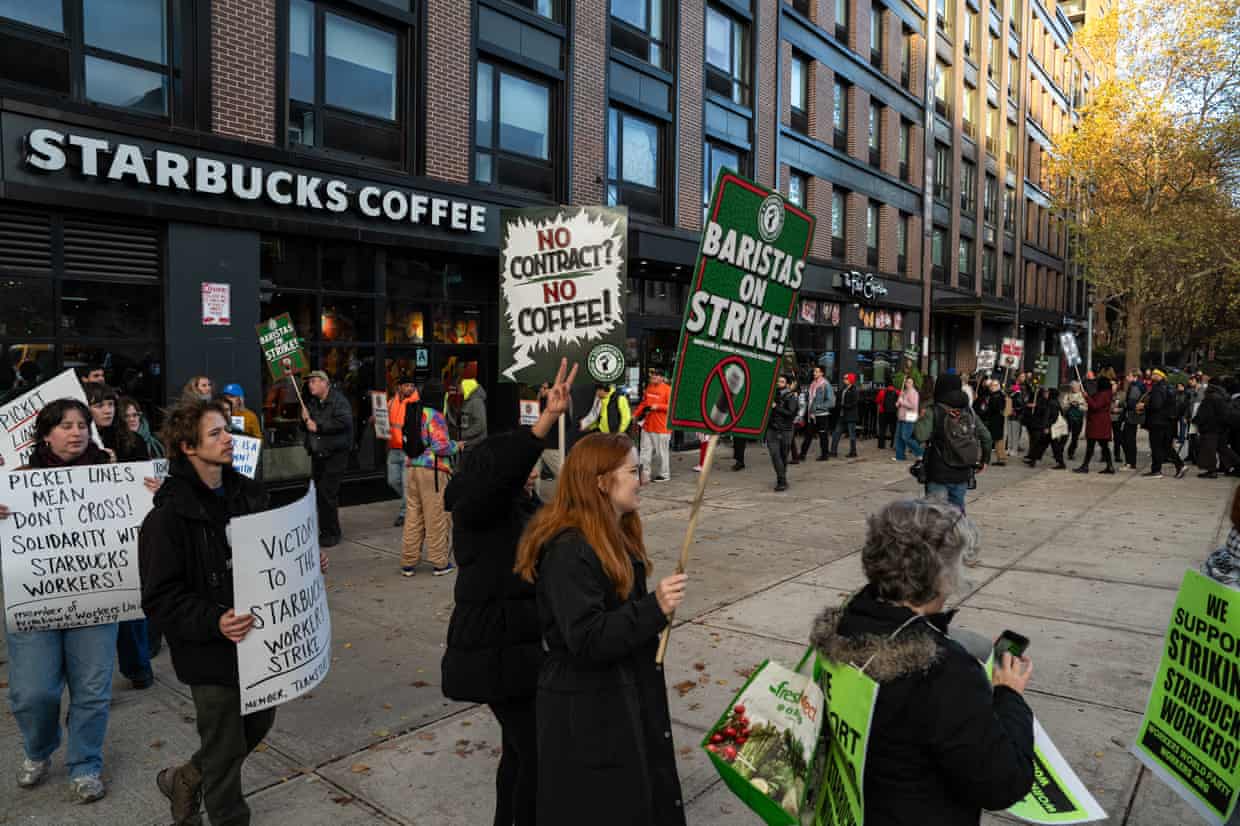
Striking Starbucks workers urge customers to delete coffee chain’s app

Wegovy and Ozempic maker forecasts sharp drop in revenue for 2026

Santander takes fresh swipe at City watchdog as its car loan scandal bill tops £460m

Zero net migration would shrink UK economy by 3.6%, says thinktank

Women in tech and finance at higher risk from AI job losses, report says