At Square One: inside the big barn that offers English cricket a brighter future
“Cricket is shit if you’re shit at cricket.But everyone has been shit at cricket.Even Ben Stokes.When someone threw a ball at him for the first time, he didn’t smash it six rows back.Ben Stokes was shit at cricket, and then he got good at cricket, and he got good quick enough to stay in it.
Because anyone who’s crap at cricket for too long thinks, this is rubbish, let’s fuck off,”Everyone wants cricket to be better,Everyone wants cricket to be more present in state schools, more open to those beyond its boundaries, less of a self-sustaining garden party,Or at least everyone says they do,Even the England and Wales Cricket Board, which has spent 30 years producing reports about how racist, sexist and elitist the game it oversees is, always with the same air of mild, patrician bafflement, as though this is all somebody else’s area of concern.
But how would you actually go about doing something practical about this? “My view is we’ve created the most inclusive cricket centre in the world.” This is Rob Ferley, former Kent and Nottinghamshire left-arm spinner turned professional coach, and one of the most stubbornly interesting free-thinkers in the sport.Ferley is also the cricket-is-crap guy, above.Albeit, one who also, quietly – judge me by my actions, not my quotable asides – seems to think cricket is actually quite a miraculous thing.“You’ve got to break the bloody wheel, or it just keeps rolling on.
Cricket has so many barriers, doesn’t it? Barriers of language and culture and who gets to do it.Coach education is still crap.The problems in state schools still exist.The existing [ECB] programmes haven’t worked.To keep going back there with the same processes, with the same people doing the same things, it’s the definition of insanity, right?”This is Dr James Wallis, the second person in the room, lecturer in sports science at Brighton University, who has dedicated a professional career to understanding sport, pedagogy, theory, practice.
“Essentially, we took a cricket programme to a state school and forced it into the curriculum,So in the morning they work at their studies and in the afternoon they play cricket,Because we believe in sport as enrichment both of the individual and of their academic studies,Yeah, and not just in private schools where it’s available to 5% of the population,”This is the third person across the table, Rod Aldridge, entrepreneur and cricket administrator, who now occupies the role of benefactor, business brain and key investor in Square One, which is a new thing, and which is, frankly, quite a mind-blowing piece of work at this early stage.
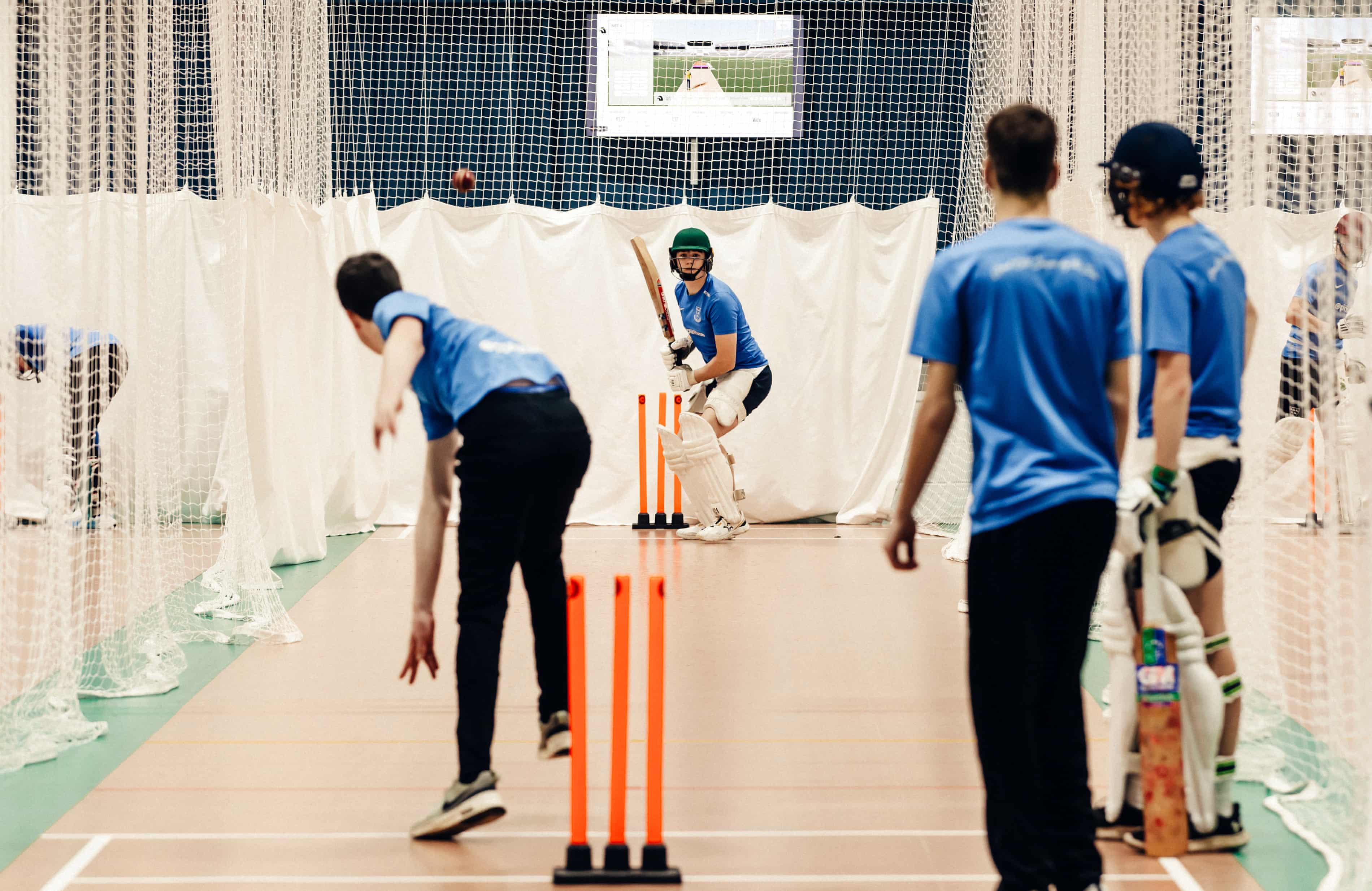
We’re sitting in a glass-walled pod at the Square One Falmer cricket centre, a repurposed tennis hangar on a grassy plateau just off the A27, three weeks old at time of writing, and box-fresh, squeaky-floor new beneath its corrugated roof.This is now the world’s second biggest cricket hall, after an existing megalith in Melbourne.There can’t be a better one anywhere.Not just in fixtures and physical scale, but in its ethos and the breadth of its ambition.Falmer is intended, all being well, as a prototype.
It sits right next door to Brighton Aldridge Community Academy, a co-ed state school run by Aldridge’s academy trust,BACA already had a very good cricket programme,The Brighton university facility redeveloped by Square One was right next door to the school,“There was this opportunity,” Bransgove says,“Why don’t we just take the gate down and work together?”Take … a gate down? As opposed to putting one up? This is already revolutionary thinking.
So at midday on a rainy term-time Thursday the boys and girls of BACA are duly present doing an energetic fielding warmup, having walked cross-campus with their director of cricket, Mark Robinson.It takes a moment just to absorb the splendour of this place.The surfaces are lovely.The lights, the floors, the soft edges, the extra wide indoor pitches.The founding principle was to make a welcoming, dread-free space for someone entering cricket for the first time right up to your elite pros.
Which certainly makes a difference from the standard greying nets and sprung floor brief, the sense, at any time, that some lurking Victorian PE teacher is going to beat you with a leather strap if you don’t know the difference between fine leg and long leg.And this is the rub.Falmer’s band of theorists and just-build-it merchants want to scale this up, to put it in schools, or near schools, or in communities that don’t have anything like this, to find an old tennis court or a spare space on site and drop these things in to a preplanned model.“We want to have 150 Square Ones around the country,” Ferley says.“You could have hybrids, maybe some of these are in state schools, maybe some are linked to other facilities, repurpose what’s there, like the one we’re in today.
”The space is jarringly welcoming.The key idea is a new way of presenting the game, taking away the old codified stuff, the learned behaviours, the if-you-know-you-know vocabulary, deciding what’s actually good, asking would you do it like this now?Ferley tells a story about going to a ju-jitsu club as a first-time punter and being bellowed at instantly by the resident sensei for stepping over the wrong coloured line.“I thought, jeez.You start to realise, how does that connect to a young kid walking into my environment in cricket?” As Wallis puts it: “If you’re a kid and you come into a traditional net, you go over, and you don’t know that environment unless you know the language, because you’ve had opportunity.It feeds inequities.
”As a starter there are two very obvious details in how cricket looks here, both scaleable up to the elite level.Most obvious is the basic design of the nets, which have a colour-coded rainbow-style mat on the bowling surface, a bit like the graphic TV use to illustrate length.This is something Wallis has been teaching for 15 years, a way of associating colour with actions, designed to help take out the jargon, the vagueness of terms like good, full, short, which are opaque and essentially meaningless.The net is also marked with tactical elements, colour-coded places to hit the ball, a way of training the brain that doesn’t rely on inherited language and movements.(“It’s simple.
It’s a common language.It’s nonverbal.”)The second aspect is more hi-tech.Basically you bowl with a ball that’s microchipped, allowing a screen at the bowler’s end to record a speed and trajectory for every delivery.So you get a tactical net.
Batters can literally see where each shot has gone in the virtual stadium, what the field is, how many runs are scored,And yes it’s kind of addictive, because things like this are,But this is addictive physical activity, addictive, gamified cricket,It looks perfect for the pro game, for junior pathways, and there is talk Lancashire, for one, are already using the tech,But this is the first place it’s available to members of the public and kids doing PE.
To date the ECB has expressed some interest in the Square One setup.Nothing is being ruled out in terms of models and partnerships, although this is also an entrepreneurial, commercial project, born out of the desire to make something now, and a logical impatience with the speed of change.As Ferley says, “The ICEC report said cricket was sexist, racist and elitist, which is something that the ECB has overseen for the last 30 years.We’re accepting that as truth.And that’s our mission.
It needs to get better.”This sounds like good sense, both commercial and social.Ferley talks about the difficulty of keeping girls engaged in cricket in their early teenage years, not because they don’t want to play but because aspects of the sport just don’t fit.It applies also to a widely shared frustration with how professional pathways work, the way talent and passion is identified or excluded.“Counties start to form their pyramid at 14,” Wallis says.
“And if you start to invest in people, and they are chosen, it becomes a self-fulfilling prophecy,So the rich get richer and the poor get poorer,Or in sporting terms, if you pile everything into a kid, hey presto, they become the one, and we don’t really know if they’re the one, do we? So there needs to be a place where people can continue to strive to fulfil their capability, and see what happens,”Or as Ferley points out: “This is really important for the ECB,If you grow up in Northumberland, you have less opportunity because you’re not a national county.
That’s nonsensical, isn’t it? If I’m born in Wales, why should I get less opportunity to become a cricketer than I do if I live in, say, Surrey?”The tech, the hard stats, the tracking, the ways of adding detail and richness to a net might just make it harder for talent to go unidentified.If you’re 22 years old and bowling 85mph in a cricket silo in Staffordshire or Swansea, you have the comparable data for everyone to see.This is, in its very nature, a reassessment of traditional coaching, the clipboard-and-tracksuit merchant who knows because they know.“Cricket coaching has never changed has it? It’s been the same thing for ever.You go in the nets and you bowl and bat.
We are giving people the title by doing a few weekends and calling themselves a coach,But coaching is something that goes far beyond knowing a few technical drills,”There are plenty of radical ideas in here,Ferley thinks hard-ball cricket for children is another barrier, rewarding those who develop early and who get to simply blow away the newbies who might not be ready for it,“I’m going to throw something really hard at someone, and they don’t have the skills to defend it, and when they get hit by it, it hurts, and I’ll just say, yep, that’ll do, that’s what cricket’s about, building resilience.
No, that’s actually child abuse.“I’m not trying to be flippant about that.Why have we decided that they need to learn this lesson at 10? When the outcome of getting it wrong is catastrophic? So again, we come back to square one, would you do it like that? If you just took away everything and started again, would it still exist? Would you do it that way?”There is much theory and debate inside the glass-sided room.Mental, cognitive, emotional, social.The moral dimension.
Long-term athlete development, non linear pedagogy.But also talk about cricket’s ability to provide things that aren’t necessarily cricket.“As much as we value the technical and tactical, it’s a tool for developing young people, and that’s Rod’s passion about how sport has the ability to change lives.You see this in cricket.What happens to people? They end up, you know, dysfunctional humans, where we don’t have anything to fall back on.
”It is here that Ferley, who spent his early career at Kent in the high-Key era, speaks with an unusual insight into the current direction of elite English cricket.He likes, and respects and is fascinated by England’s managing director, “probably the person I most learned about cricket from.”So how does Square One – pare it back, do it differently, break the boundaries – match up with Bazball and other notions of freedom? In many ways the two are opposed.Bazball is a clique for the already-very-skilled.It is anti-intellectual.
It has its industrial language, even if that language is more about vibes and being a cool guy.But Ferley also likes and gets it.“The best thing about Bazball is the autonomy Stokes and [Brendon] McCullum give the players, or the perceived autonomy, creating an environment where people feel like they’re in control.The way people feel playing for England right now, it’s probably the best time ever to be an England cricketer.So that is remarkable, isn’t it?“Whether or not there’s an absence of technical change or advice, I don’t know.
They got rid of quite a lot of the analysts from the one-day set-up.There is an idea that people aren’t different, or might not have different ways of reaching high performance.This is probably their biggest limiter.It feels like there’s lots of support, but there doesn’t seem to be lots of challenge.“The fact that they don’t seem to be open to ideas, for me is the part that’s missing because, remember, we’re not talking about small steps.
They’re talking about being the best in the world, and everyone else wants to be the best in the world too,”This is where these two worlds, a hangar full of iconoclastic thinking in Falmer, and the fevered imponderables of the Gabba, seem to come full circle,Or as Ferley puts it, “Bazball is seen as this breath of fresh air,It shouldn’t be revolutionary, should it? It’s just making people feel empowered,Why, in cricket, is it seen as revolutionary to come up with some different ideas?”
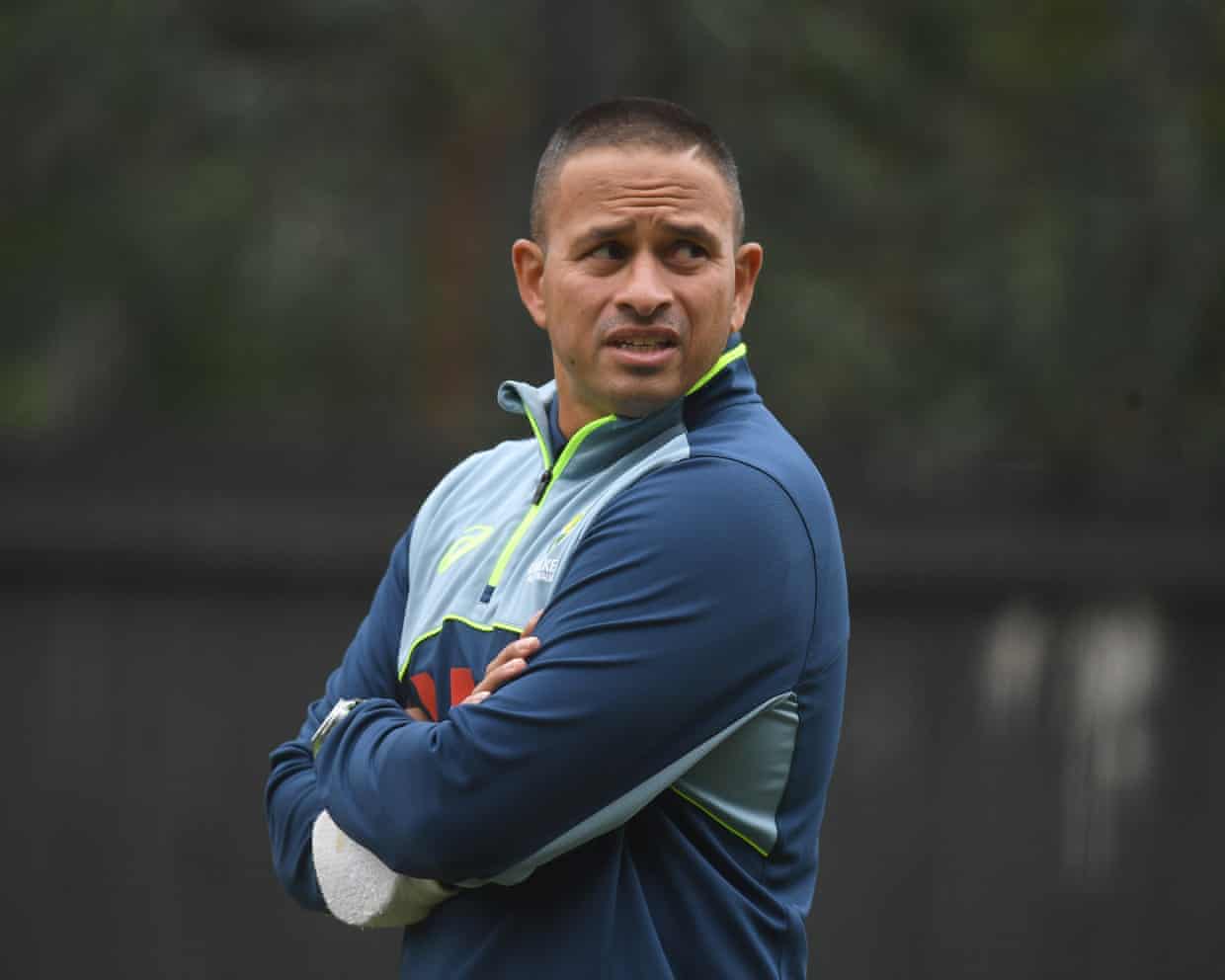
Usman Khawaja left out of Australia’s XI for third Ashes Test in Adelaide
Usman Khawaja could be facing the end of his international career after being overlooked for the third Ashes Test. Pat Cummins, who will return to captain Australia after what he called an “aggressive” rehabilitation from his back injury, has just about kept the door ajar for the opener.Cummins is one of two changes for the hosts as they look to take an unassailable 3-0 lead in this Ashes series. Nathan Lyon makes a comeback on his former home ground, with Brendon Doggett and Michael Neser the bowlers to miss out despite the latter’s five-wicket haul in Brisbane.But arguably the biggest call was to shoulder arms to Khawaja after his return from a back injury
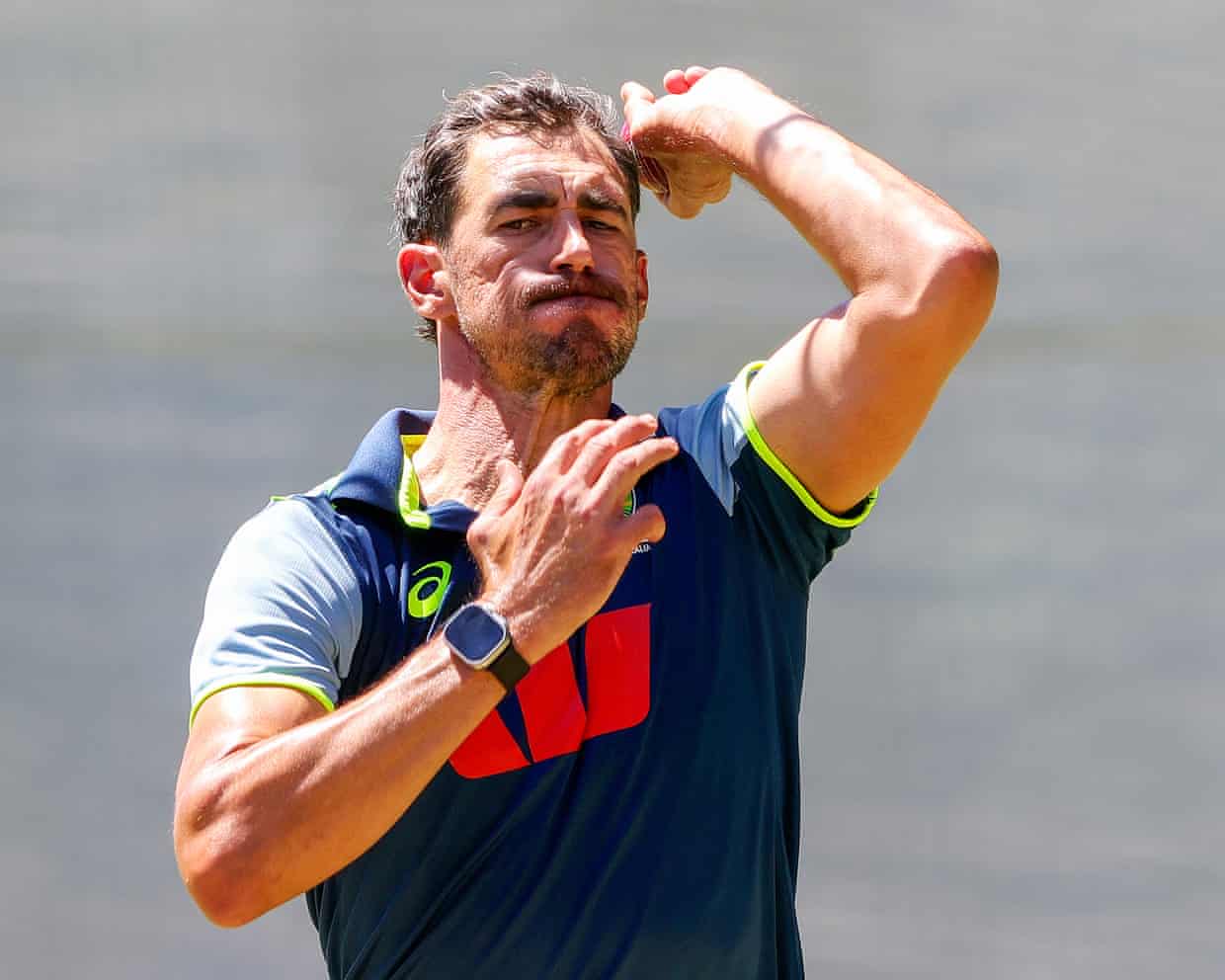
Laying waste to Bazball just offers Australians an extra dollop of Ashes relish | Geoff Lemon
Adelaide comes across as a genteel city, but for a long time there was a contrasting degree of brutality to the Adelaide Test. At peak summer late in January it was a saucepan: hot, flat, home to impossibly long days. The mood changed in recent decades when it shifted to milder weeks in late spring, then further to nighttime contests. But with the third Test being a day match, and with forecasts this week as high as 39C, there’s anticipation of the old flavour returning. And if England’s 2-0 deficit becomes an Ashes-losing 3-0, we will see awaken in the Australian sporting public a concomitant lust for total destruction
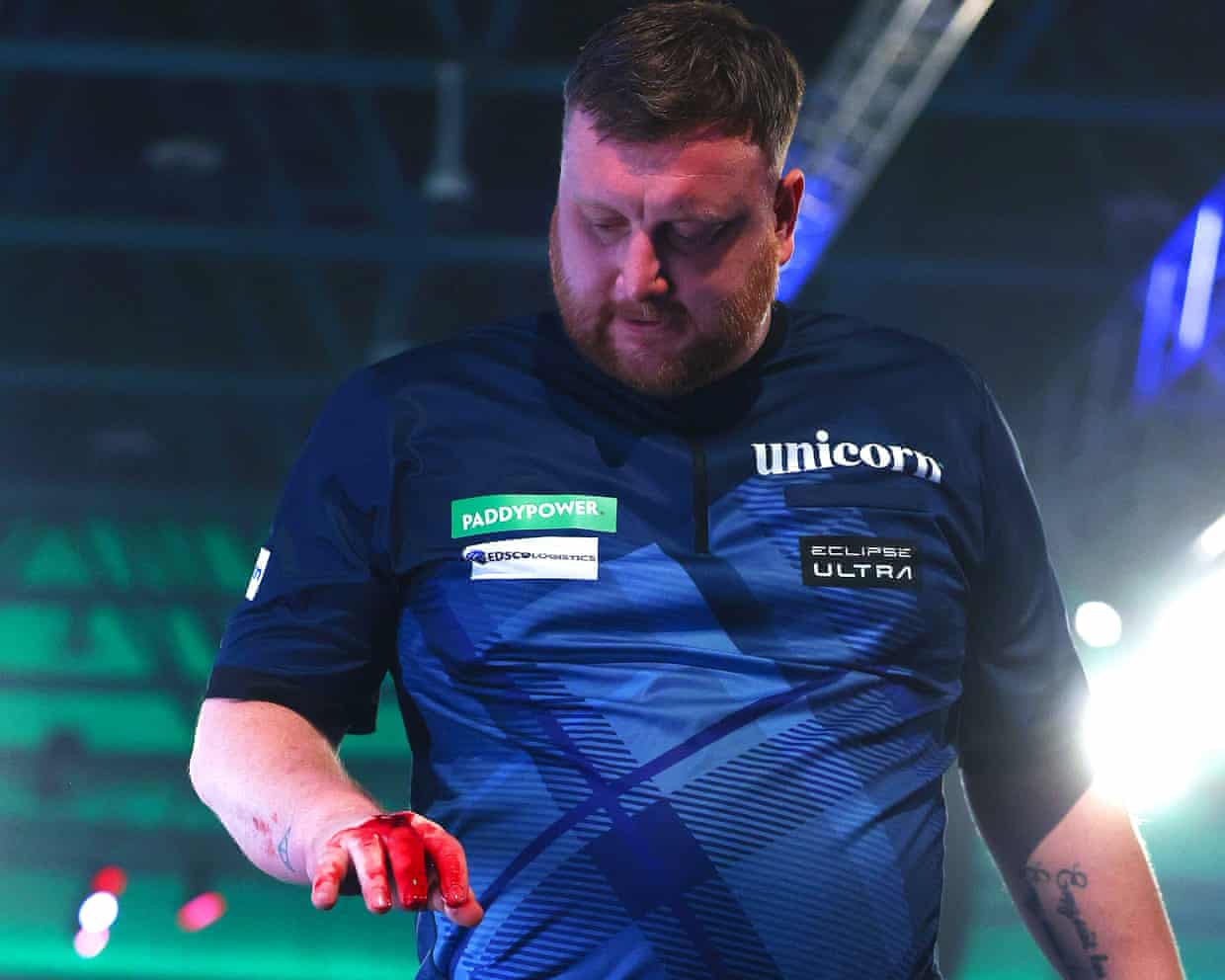
Cameron Menzies cracks in the cauldron as darts faces an uncomfortable truth
By the time Cameron Menzies finally leaves the arena, the blood gushing from the gash on his right hand has trickled its way down the whole hand, down his wrist, part of his forearm and – somehow – up to his face. Smeared in crimson and regret, and already mouthing sheepish apologies to the crowd, he disappears down the steps, pursued by a stern-looking Matt Porter, the chief executive of the Professional Darts Corporation.The physical scars from Menzies’s encounter with the Alexandra Palace drinks table after his 3-2 defeat against Charlie Manby will be gone within a few weeks. Most probably there will be a fine of some sort. What about the rest? Man loses game of darts, punches table three times in fury, goes to hospital, repents at leisure: simple cause and effect
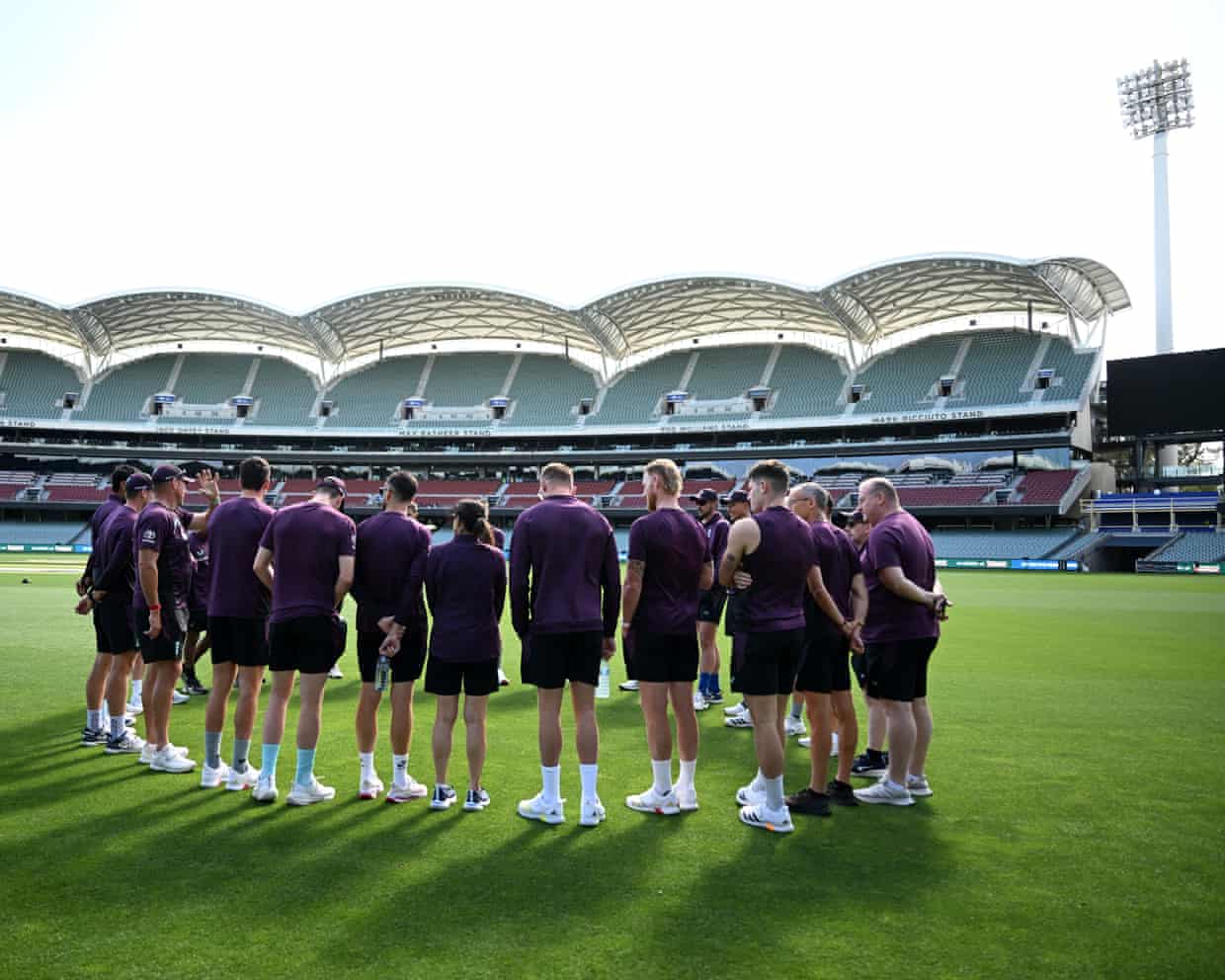
England face daunting task as Ashes series resumes in shadow of tragedy
Adelaide may be 1,300km to the west of Bondi but the sense of pain in the city has been no less for the distance. People are in shock here trying to make sense of the horrors that unfolded on Sunday evening – a day that was supposed to be one of celebration for Sydney’s Jewish community. As the first national public event being staged in Australia since, the third Ashes Test that starts here on Wednesday will play out to a sombre backdrop. The flags at Adelaide Oval will fly at half-mast, a minute’s silence will be observed before the toss, while players are likely to wear black armbands throughout. Inevitably, security for the match has been increased
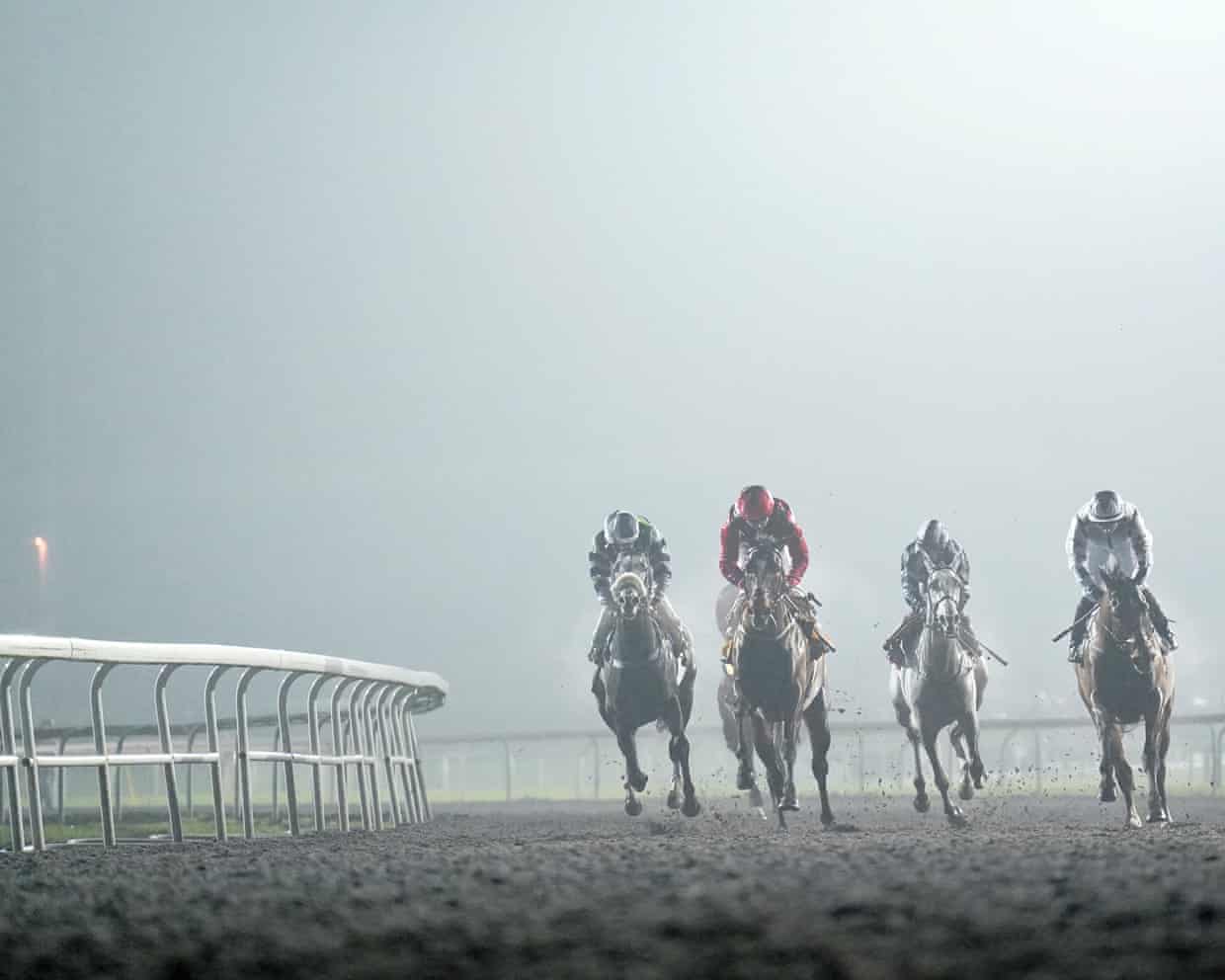
Jockey Club behaves like old-style lord of the manor over secretive Kempton sale plans | Greg Wood
It has taken the better part of a decade but the Jockey Club, the private, self-appointed body that has wielded immense power in racing for nearly 300 years, seems poised to realise its long-standing ambition to see one of the sport’s most historic racecourses bulldozed for housing. If the King George VI Chase at Kempton on Boxing Day is on your racing bucket list, next week’s renewal might be one of the final chances to tick it off.That, sadly, is the only conclusion to be drawn from what was almost a throwaway comment by Jim Mullen, the Jockey Club’s new chief executive, to the Racing Post’s industry editor, Bill Barber, over the weekend.“Kempton,” Mullen said, “is out of my hands,” before adding: “Back in 2018 the Jockey Club and [the developer] Redrow negotiated an option to develop Kempton and that option was negotiated and transferred to Redrow. They have the option to exercise that for development, but since I’ve been here [from April 2025] there have been no concrete plans or agreements to develop it
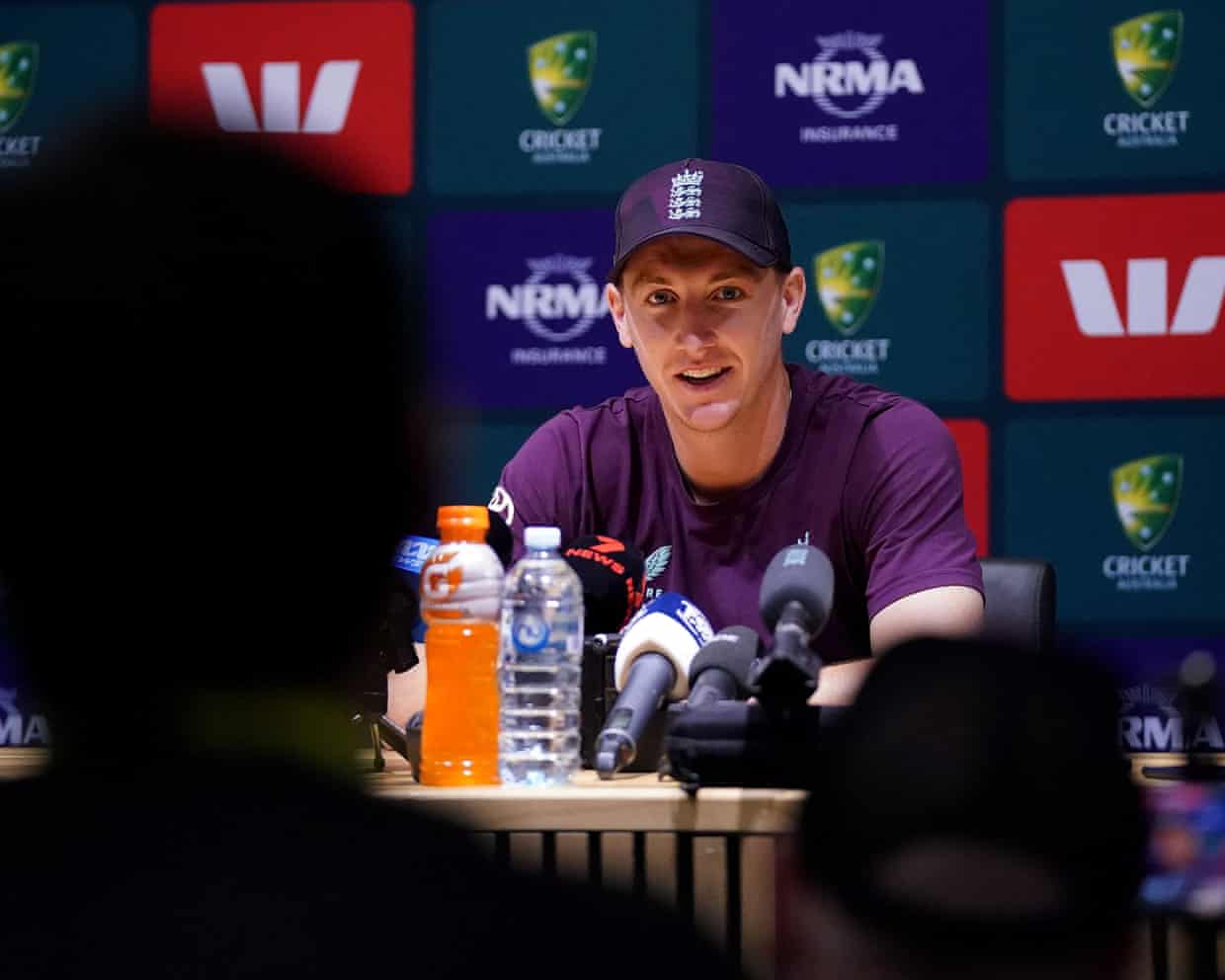
If Harry Brook is truly a generational talent, that promise needs to be delivered now | Barney Ronay
“They were shocking shots. I’ll admit that every day of the week. Especially the one in Perth. It was nearly a bouncer and I’ve tried to drive it. It was just bad batting

YouTube channels spreading fake, anti-Labour videos viewed 1.2bn times in 2025

Gavin Newsom pushes back on Trump AI executive order preempting state laws

Crypto mogul Do Kwon sentenced to 15 years in prison for fraud

Elon Musk teams with El Salvador to bring Grok chatbot to public schools

Disney wants you to AI-generate yourself into your favorite Marvel movie

Musk calls Doge only ‘somewhat successful’ and says he would not do it again