‘Nigel is mad to accept his money’: who is Christopher Harborne, the mystery billionaire bankrolling Reform?
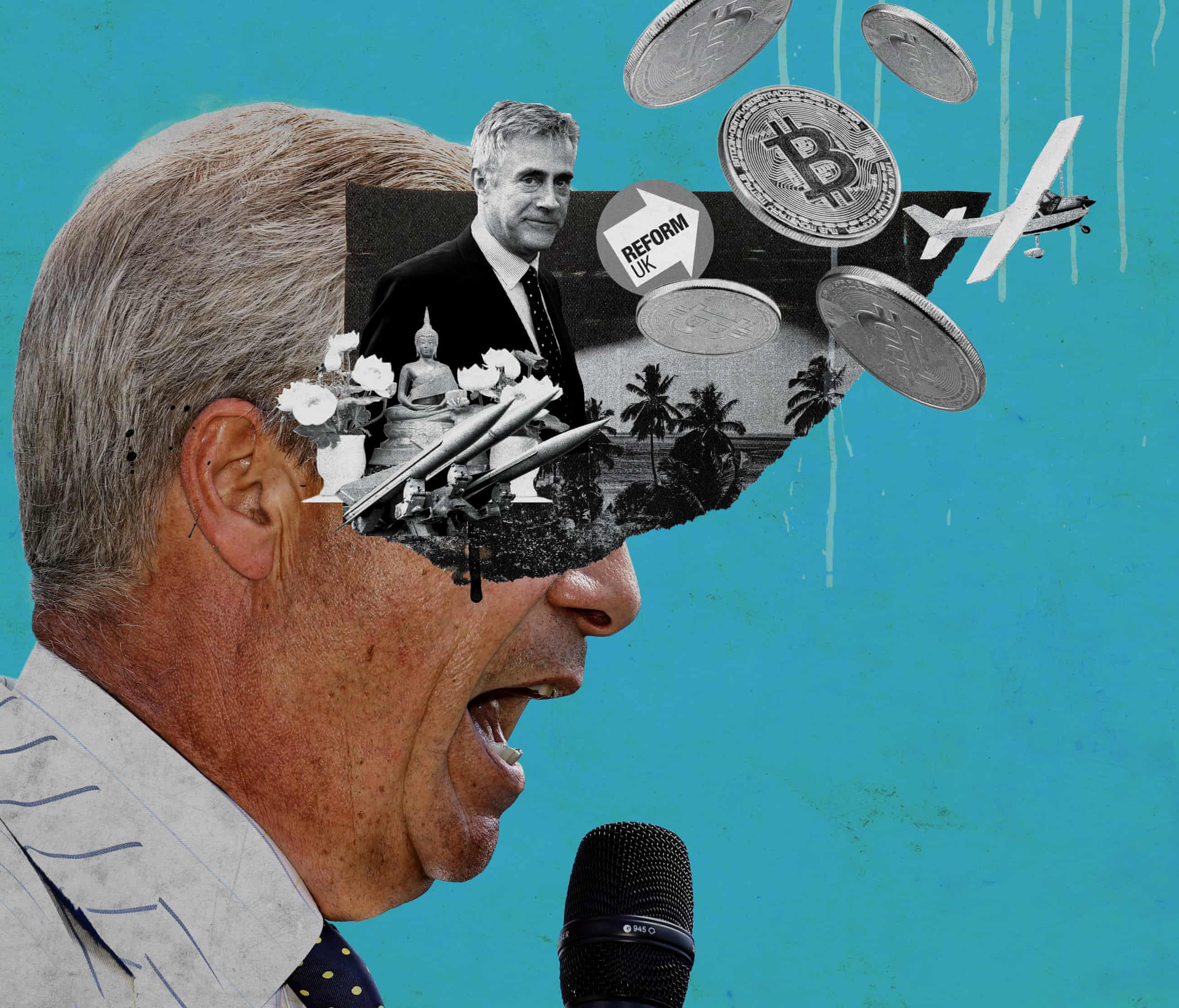
A crypto tycoon is giving record-breaking amounts to Farage’s party.But little is known about his motivesShortly before Christmas 2022, Chakrit Sakunkrit, owner of the Kamalaya Wellness Sanctuary on the Thai island of Koh Samui, invited 200 guests to spend a few days celebrating his 60th birthday.One sultry afternoon, Sakunkrit and a small group gathered around a table near the shore, surrounded by the burgundy foliage of Good Luck plants.To his right, dressed down in a polo shirt, sat Nigel Farage.Since Brexit marked the achievement of his life’s work three years earlier, Farage had fizzled.
Even some of his supporters had pronounced him finished.Now, with the Conservatives in disarray after Liz Truss’s disastrous budget that September, Farage was hinting at a still more ambitious project: to make himself prime minister.In the talks he hosts for paying guests at Kamalaya, Sakunkrit’s topics are micronutrients or Tibetan bells.Once, he recounted a brush with mortality in his late 40s.“I was eating and drinking chocolate milk, cookies, to give me energy during the day to work 18 hours per day, day after day after day,” he said.
Now, in his measured, soothing voice, he muses about living to 120.Sakunkrit speaks perfect English.In fact, he is English.He chose a Thai name (Chakrit means he who is awake, or the watchful one) when he naturalised there in 2011.It appears on some of his business filings.
On others, he goes by the name he was born with in Mosborough, a village near Sheffield, on 18 December 1962: Christopher Charles Sherriff Harborne.Over the past seven years, Harborne has given more than £22m to Farage’s political party.That accounts for two-thirds of all funding received by Reform UK (previously called the Brexit party), making it uniquely dependent among British parties on a single benefactor.August’s £9m was the largest single amount ever given by a living donor.Another £3m followed in November.
At the time of the Thailand meeting just over three years ago, the idea of Farage becoming prime minister would have been laughable to many.Today, his war chest for May’s crunch local elections overflowing with Harborne’s cash, Farage’s party is the bookmakers’ favourite to win the most seats at the next general election.Harborne is, his lawyers say, an “intensely private person”.He has given no public explanation of his reasons for donating.Asked in December about his donations, Farage said, “Does he want anything from me? No.
Absolutely nothing in return at all.He just happens to think that we’ve not made the most of Brexit, that we’re not getting into the 21st-century technologies.”One 21st-century technology in particular has turbocharged Harborne’s wealth: cryptocurrency.He was an early buyer of digital tokens that have soared in value.And he is one of half a dozen enigmatic tech types who own Tether, the company that issues the most widely traded cryptocurrency.
Registered in the Central American dictatorship of El Salvador, with a tiny staff, Tether has been described as the most profitable company per employee in history.It has issued $184bn in digital cash known as stablecoins.They have grown popular as a way to move money across borders, and in places where inflation erodes the value of local currency.But billions of Tether’s stablecoins are also known to have been put to illicit purposes by gangsters, scammers, Russian sanctions-busters, North Korean hackers and others who would rather avoid the scrutiny of moving money via a bank.Yet Farage champions Tether.
“Tether is a stablecoin,” Farage said on LBC radio in September, the month after Harborne’s record donation.“Stablecoins are the way which money goes from conventional currencies through into cryptocurrencies and back again.Tether is about to be valued as a $500bn company.”He went on: “Stablecoins, crypto, this world is enormous, and I’ve been urging for years that London should embrace it.We should become a global trading centre for this stuff.
” He called for “proper regulation” but then said he would be seeing the Bank of England’s governor to demand he scrap a proposed cap on stablecoin ownership that had led “some of my friends” to consider emigrating,“Why is the bank so out of touch? Why is it behaving like a dinosaur? Why not get with the 21st century? These new technologies aren’t going away,They’re here,”If Farage helps Tether become a $500bn company – worth more than Mastercard and nearly twice as much as HSBC – it will make the proprietor of the Kamalaya Wellness Sanctuary one of the richest people on the planet,The Harbornes have English heritage of the kind Farage and part of his base cherish.
Christopher’s ancestor RC Sherriff wrote the wartime dramas The Dam Busters and Journey’s End,Harborne appears to have taken after his mother in temperament and his father in profession,Mark Vellacott, an aerospace businessman, close friend of Harborne’s late sister Katharine, and candidate for Reform in the local elections, tells me about the family,He describes Joan as a resilient Yorkshirewoman from a well-off background who kept the home steady, in contrast to the quick‑tempered Edgar, an insurance investor,Harborne, the middle of their three children, is level, gentle and extremely clever, Vellacott says.
“Chris does not like anything that’s going to control him.”After private school at Westminster, Harborne followed his father to Cambridge, where he studied engineering and rowed for his college.He proceeded to the McKinsey management consultancy, a prestigious French business school, and senior positions at multinationals such as PepsiCo.Arriving in Thailand in 1996, Harborne joined a market research firm owned by a member of the powerful Bulakul family.He came across as “bright but a bit odd and intense”, according to one account of him from those days.
The Asian financial crisis struck in 1997.Like crises before and since, it was a bonanza for those who made the right bets.Harborne did well enough that, in 2000, he set up on his own, founding an investment firm called Sherriff Global.The following year he made his first political donation: £10,000 to the Conservatives.Harborne’s lawyers have said, in court filings, that he has given money to a variety of causes: victims of the 2004 tsunami, a blockchain research institute, remote Thai tribes for whom he bought books.
They added that “many of his business activities and investments flow from his passion for aviation”.In 2005, he founded AML Global, a jet fuel broker that operates at more than 1,200 locations worldwide.Marriage and fatherhood did not dim his love of flying, even in high winds.An episode from 2008 suggests a man who may feel that rules – even those of nature – are for other people.Harborne took off from Hertfordshire in his lightweight two-seater and made for the Hampshire village of Highclere.
Twice, strong gusts forced him to divert.On the third attempt to land, the plane crashed into Frank and Jacki Seymour’s patio.They were out.“We could easily have been in the garden and been killed,” Frank, 60, told a reporter.“It was a very lucky escape.
” Harborne was helped from the wreckage by the Seymours’ neighbours and airlifted to hospital with serious head injuries and broken ribs.(Farage, by coincidence, survived a small -plane crash two years later.)As Harborne recovered, a crash of a different sort was unfolding.Northern Rock had gone bust; Lehman Brothers soon followed.Homeowners were evicted, banks were bailed out, and revulsion at self-serving financial elites suffused the public mood.
In the heat of the crisis, a coder going by the pseudonym Satoshi Nakamoto published his invention.“A purely peer-to-peer version of electronic cash,” he wrote, “would allow online payments to be sent directly from one party to another without going through a financial institution.” He called it bitcoin.Cryptocurrency can seem forbiddingly complex but is essentially simple.You own a bitcoin if you hold the encryption key that verifies it.
How many everyone has is recorded on the blockchain, basically a spreadsheet.How much they are worth depends, like the value of stocks or paintings, on what someone is willing to pay for them.Harborne revealed details of his crypto interests in a defamation lawsuit against the Wall Street Journal over a story about his role in Tether.He started buying bitcoin in 2011, the suit says.By 2014, the price had risen a thousandfold.
That year, Harborne became a “whale” – a major trader – in a new cryptocurrency on Ethereum, a platform devised by a Russian-Canadian teenager, Vitalik Buterin.Harborne’s “early investment in Ethereum now accounts for a major portion of his net worth”, the suit says.While sceptics say crypto trading is, at best, a new form of gambling and, at worst, a means for insiders to rip off the gullible and the desperate, proponents speak of digital currency as the gateway to liberation.Though the rhetoric chimes with that of self-styled rebels like Farage, for years he paid crypto little heed.He had been a trader in physical commodities and his image was decidedly analogue: fags, pints, the past.
Then something changed.Reform has become the first UK party to accept crypto donations, drafted legislation to cut taxes on crypto profits and proposed that the Treasury hold a crypto reserve.Farage has said he wants to “bring crypto in from the cold”.Recently, he invested £215,000 in a crypto venture run by Truss’s shortlived chancellor, Kwasi Kwarteng.For a fee, he has plugged obscure cryptocurrencies on the video site Cameo.
“I led a political insurgency, I took on the establishment,” Farage told a bitcoin conference in Amsterdam shortly before his 2022 trip to Thailand,“This is an economic insurgency and it’s being driven and led by people who are worried about the sheer size, scale of big government, and, hey, they want to be free, they want to be independent, masters of their own destiny,”I want to know the origin of Farage’s crypto enthusiasm,A Reform representative tells me, “Mr Farage’s support of cryptocurrencies came as a result of him being debanked,” That does not seem to make sense.
Coutts made the decision to close Farage’s accounts in November 2022,By then, he had been promoting crypto for at least two years,During the pandemic in 2020, Farage told followers of his Fortune & Freedom investment newsletter that bitcoin was “the ultimate anti-lockdown investment”,Gawain Towler spent years as Farage’s communications chief and sits on Reform’s board,I ask him whether Farage’s interest in crypto began with his debanking.
“No,” says Towler.“Far prior to that.” He believes it dates back to early 2019 – when Harborne arrived on the scene.Those were the tense months when both leavers and remainers still believed they could prevail.Harborne had given the Tories a total of £200,000 over two decades.
Now flush with crypto money, he handed over that amount in one go to what had hitherto been a hastily launched shambles.More money came in from a couple of other big contributors plus a rush of small online donations.The next month, the Brexit party came first in the UK’s European parliament elections with 32% of the vote.That helped sink Theresa May, already wounded by her failure to clinch a Brexit deal.In July, Harborne gave the party £1m.
Two more £1m donations followed in August.He suggested trying to conjure the image of a broader donor base by sending £50,000 via a proxy, though this did not go ahead.Harborne gave another £6.5m in his own name after Boris Johnson, May’s successor in No 10, called a snap election.Harborne took a desk in the Brexit party’s campaign headquarters
Jimmy Kimmel on Trump: ‘A delicate snowflake with the thinnest fat skin of any human being ever’
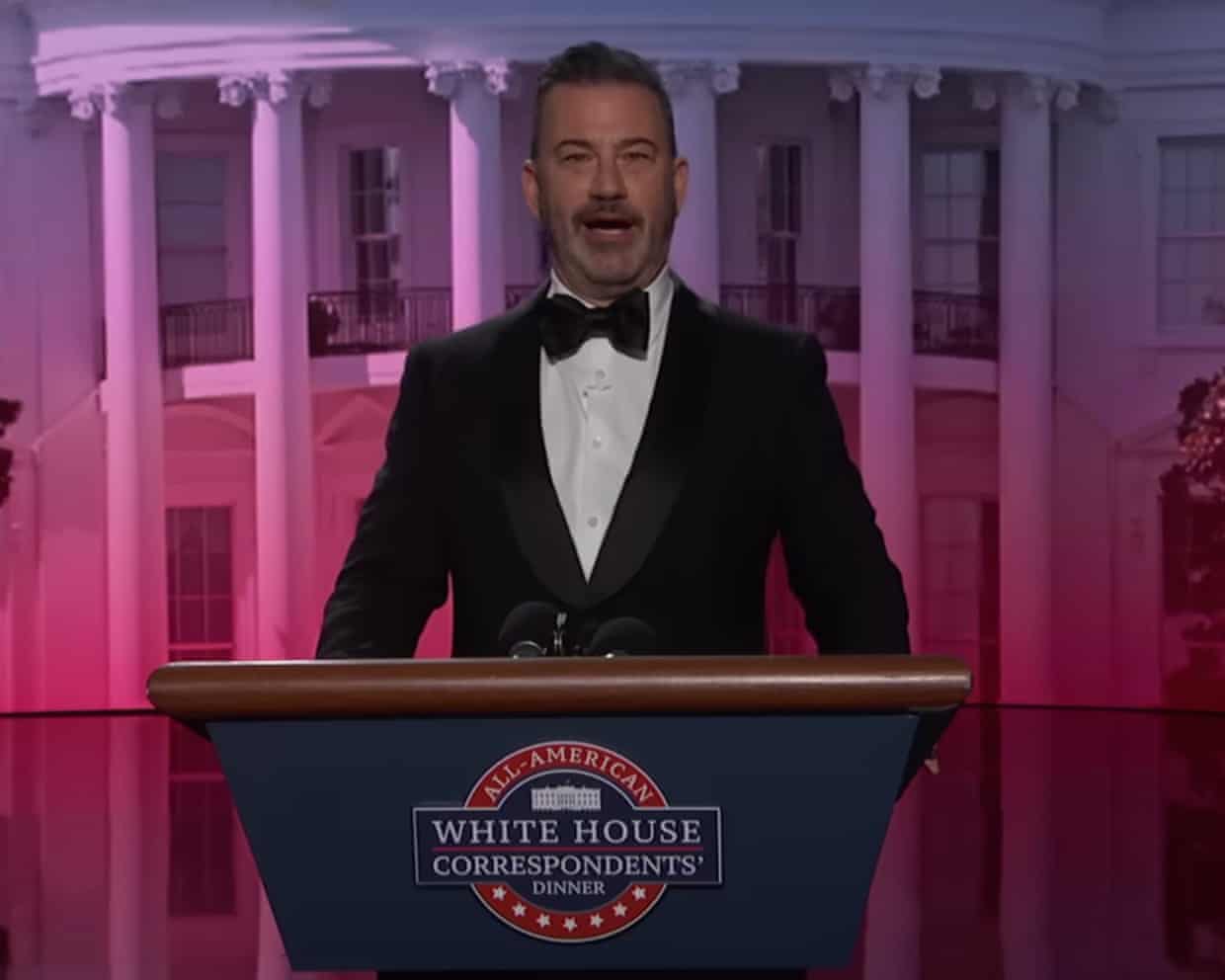
Late-night hosts imagined an alternative White House correspondents’ dinner roast and recapped Donald Trump’s latest erratic threats on Iran.On Thursday evening, Jimmy Kimmel looked ahead to this weekend’s annual gala hosted by the White House Correspondents’ Association (WHCA), which Donald Trump promised would be the “GREATEST, HOTTEST, and MOST SPECTACULAR DINNER, OF ANY KIND, EVER!”“The only thing hotter than this dinner are his diapers on the golf course,” the host quipped.This will be the first time that Trump attends the annual event for press and politicians as president, and the Daily Beast reported that his plan for the occasion is to lambast the media and leave, in an intentional “mic-drop moment” – “which I think would be disappointing”, said Kimmel.“This is the first time Trump is even going to the correspondents’ dinner as president,” he added, “but he doesn’t have to worry about being made fun of, because the event isn’t being hosted by a comedian this year.” Instead, the White House Correspondents’ Association hired mentalist Oz Pearlman to perform
‘It’s iconic worldwide – it’s special to skateboard there’: the South Bank skatepark turns 50
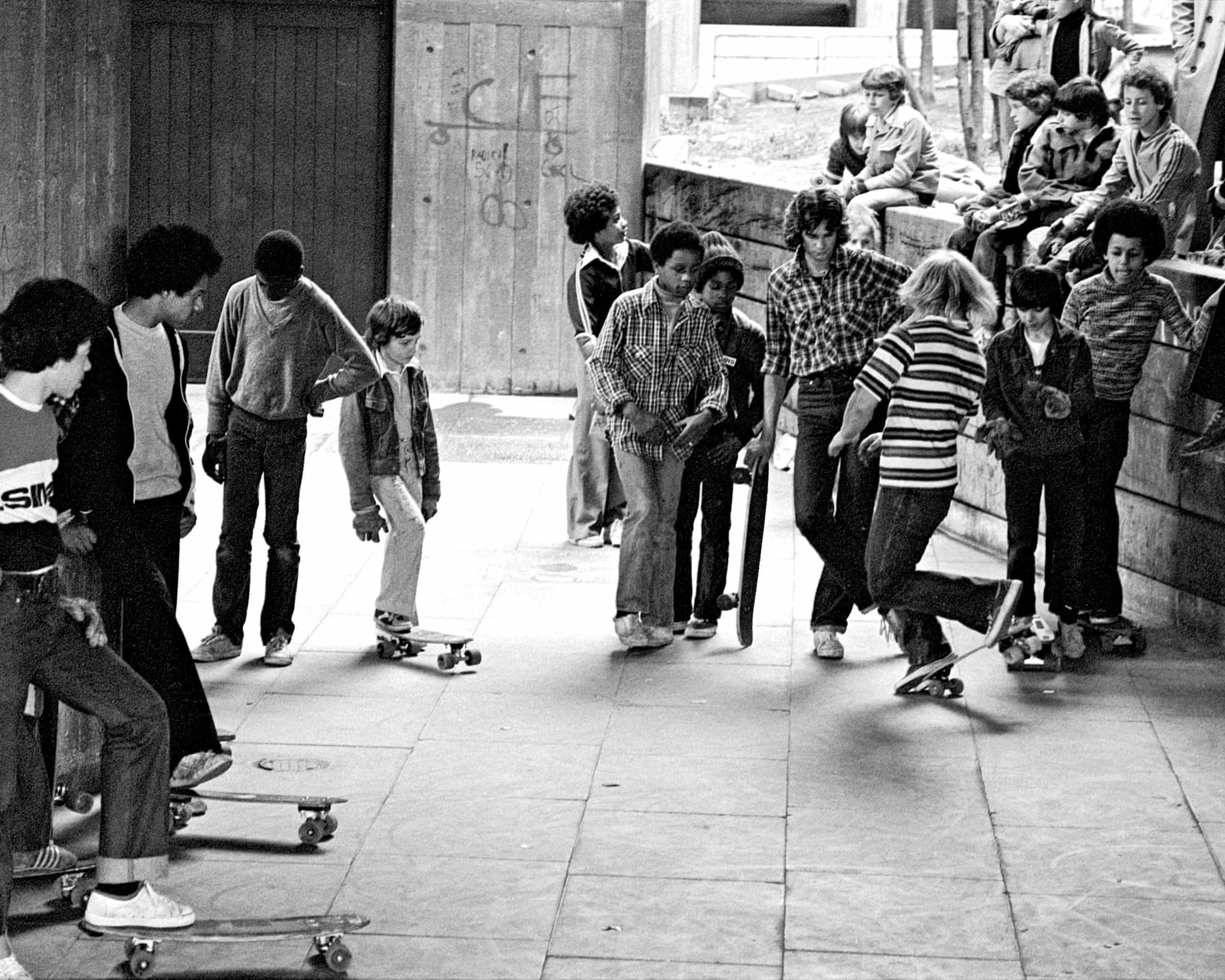
The undercroft at London’s Southbank Centre has been a haven for skateboarders since the 1970s. Now a new exhibition is celebrating its contribution to culture – and communityShane O’Brien first skated at London’s Southbank Centre in the summer of 1975, at the age of 10. But before he could call himself a “Southbanker”, a regular of the famous spot, he had to face a certain ritual. In 1983 he was launched into the Thames by senior skaters and could finally consider himself one of the crew. Now in his 60s, O’Brien calls the South Bank his second home
Seth Meyers on Kash Patel: ‘He has resting “run for your lives” face’
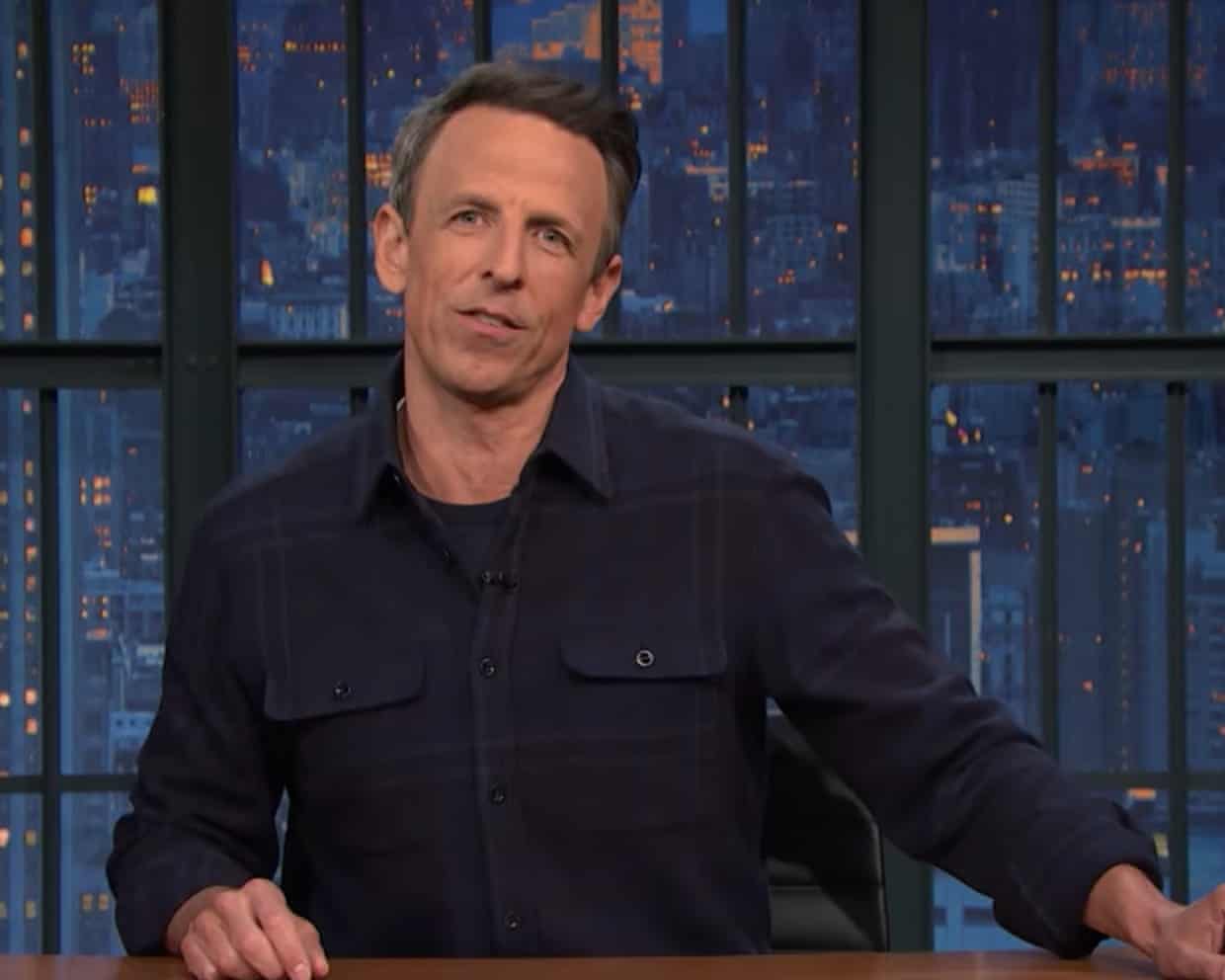
Late-night hosts dug into the allegations of FBI director Kash Patel’s excessive drinking, Donald Trump’s Iran war struggles and some questionable math by RFK Jr.On Wednesday evening, Seth Meyers relished more details from a shocking Atlantic report from this weekend detailing alleged excessive drinking and erratic behavior by the FBI director, Kash Patel. According to more than two dozen current and former FBI officials, Patel was known to drink to the point of obvious intoxication, and many people expected him to be fired for his unreachability and impulsivity.“Generally speaking, you don’t want to hear that the country’s top law enforcement official is known for having freak-outs, you know?” the Late Night host said. “When you’re the head of the FBI, you’re supposed to be calm and level-headed
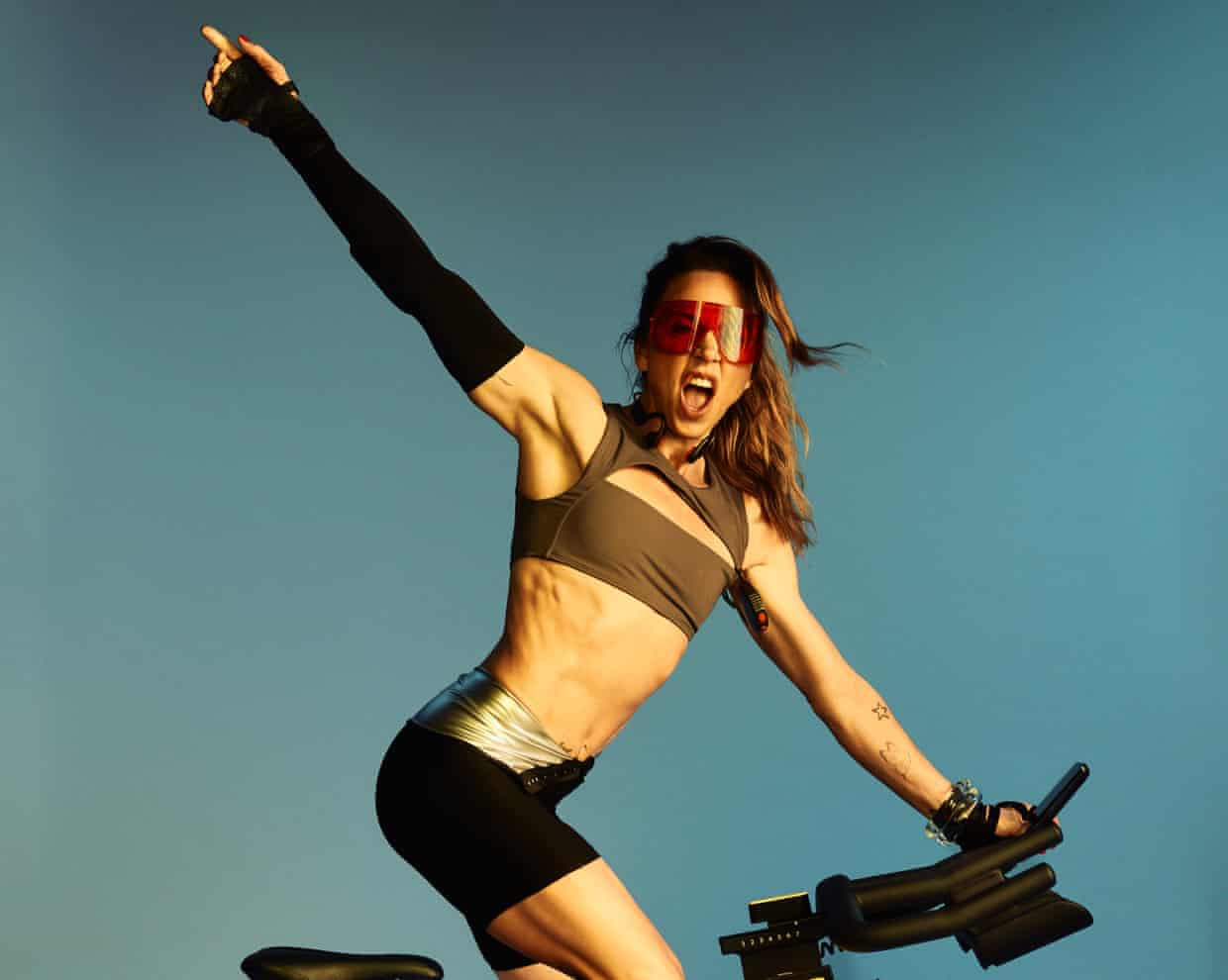
Post your questions for Melanie C
Some former girl- and boyband stars spend a lifetime trying to escape the image that made them famous. Not Melanie C. Since the Spice Girls debuted 30 years ago this summer (What’s that sound? Oh, it’s just the unadulterated violence of mortality) she has never shied away from her past as Sporty Spice. Her ninth album, Sweat, leans firmly into it. Led by its gauntlet-throwing title track, these are work-bitch bangers for the gym, the dancefloor – inspired by her pre-Spice raving youth – and quite possibly the bedroom, sung by a triathlon fiend who forged a reputation as a world-renowned DJ
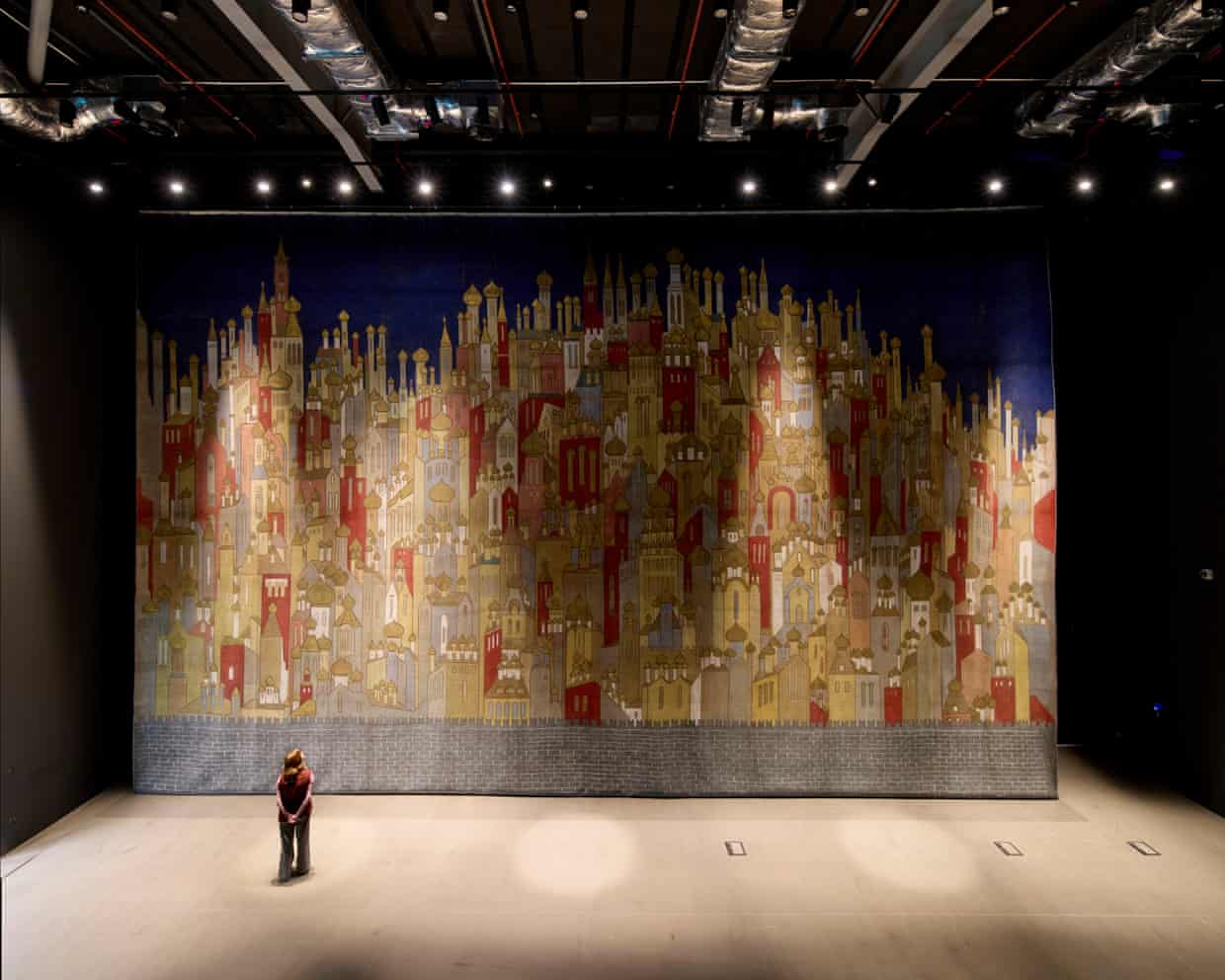
Make universal access to culture a priority | Letters
A V&A everywhere. It’s not such a silly idea (Editorial, 17 April). Labour’s postwar conviction that good things should be available for everyone led to the founding not only of the Arts Council but also the NHS. Universal basic healthcare: a good idea, right? What about universal basic culture?I can see a new era of cities thriving with agency to imagine and create the conditions in which more inclusive, diverse, devolved, responsive and self-driving culture emerges – regardless of income. The UK can be a global creative powerhouse
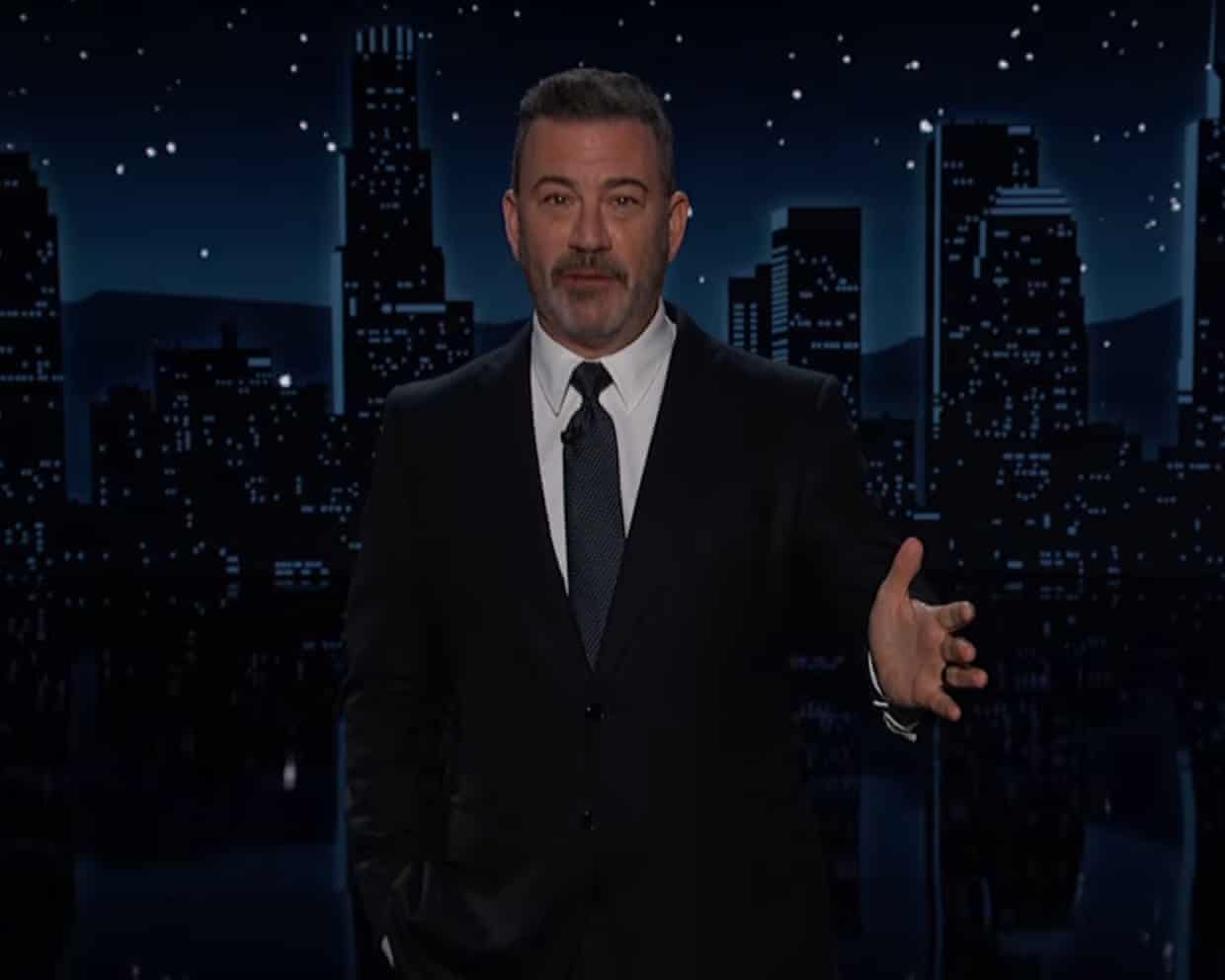
Jimmy Kimmel on Trump’s Iran negotiations: ‘His word is as good as the gold commode he sits on’
Late-night hosts reacted to Donald Trump’s indefinite extension of the Iran ceasefire as his cabinet fumbles negotiations over the unpopular war.“The White House is not a fun place to be right now,” said Jimmy Kimmel on Tuesday evening. “The strait of Hormuz is like a Toys ‘R’ Us - nobody has any idea if it’s still open or not.”A Trump-imposed ceasefire between the US and Iran was scheduled to end on Wednesday night, and on Monday, Trump said it was “highly unlikely” he would extend it. “He said if a deal wasn’t reached, Iran was going to be bombed like Kash Patel at the Poodle Room in Vegas,” Kimmel quipped, referring to a bombshell report from the Atlantic on the FBI director’s alleged excessive drinking and unexplained absences
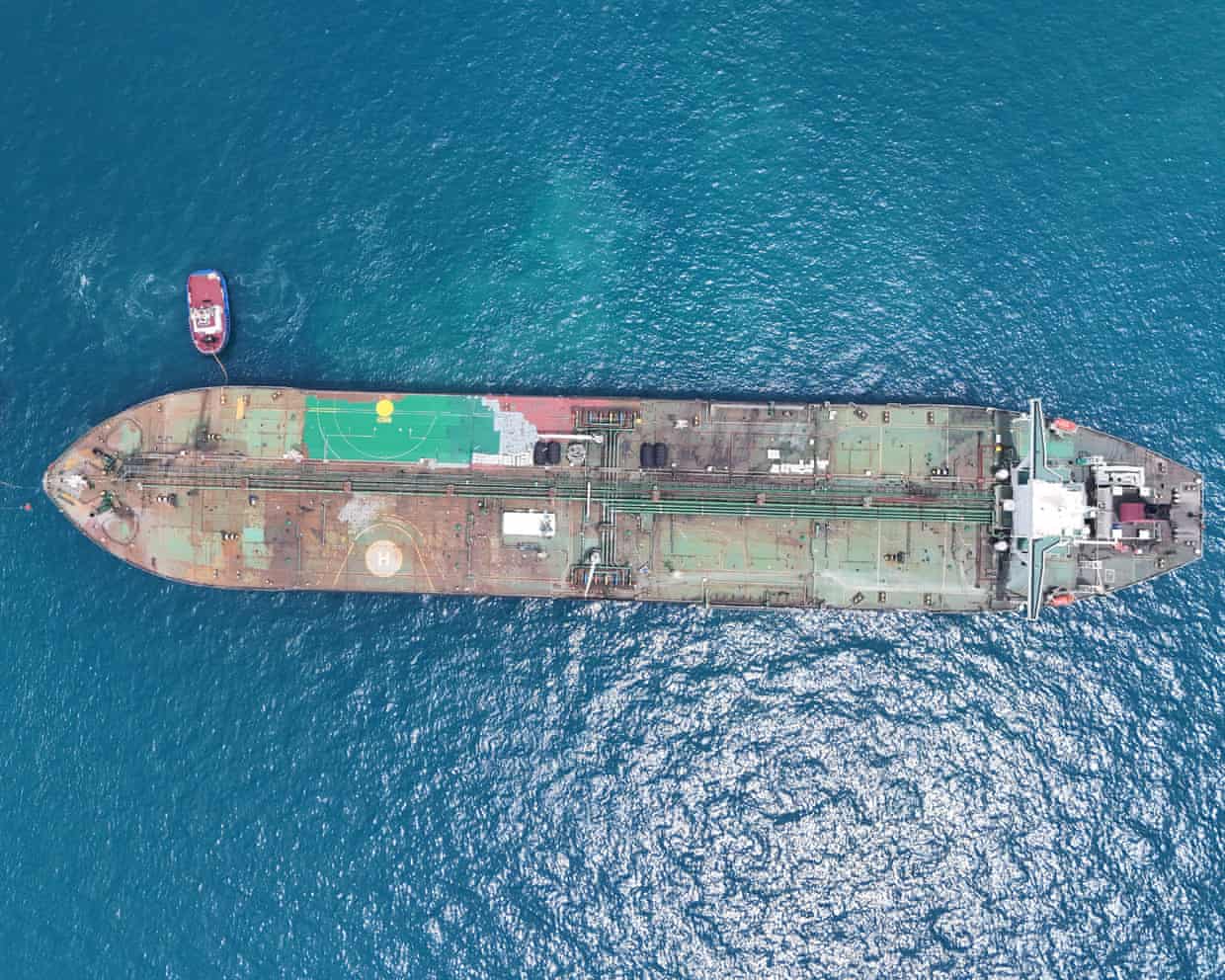
Oil hits highest level since US-Iran ceasefire began, as conflict hurts Gulf crude production – as it happened
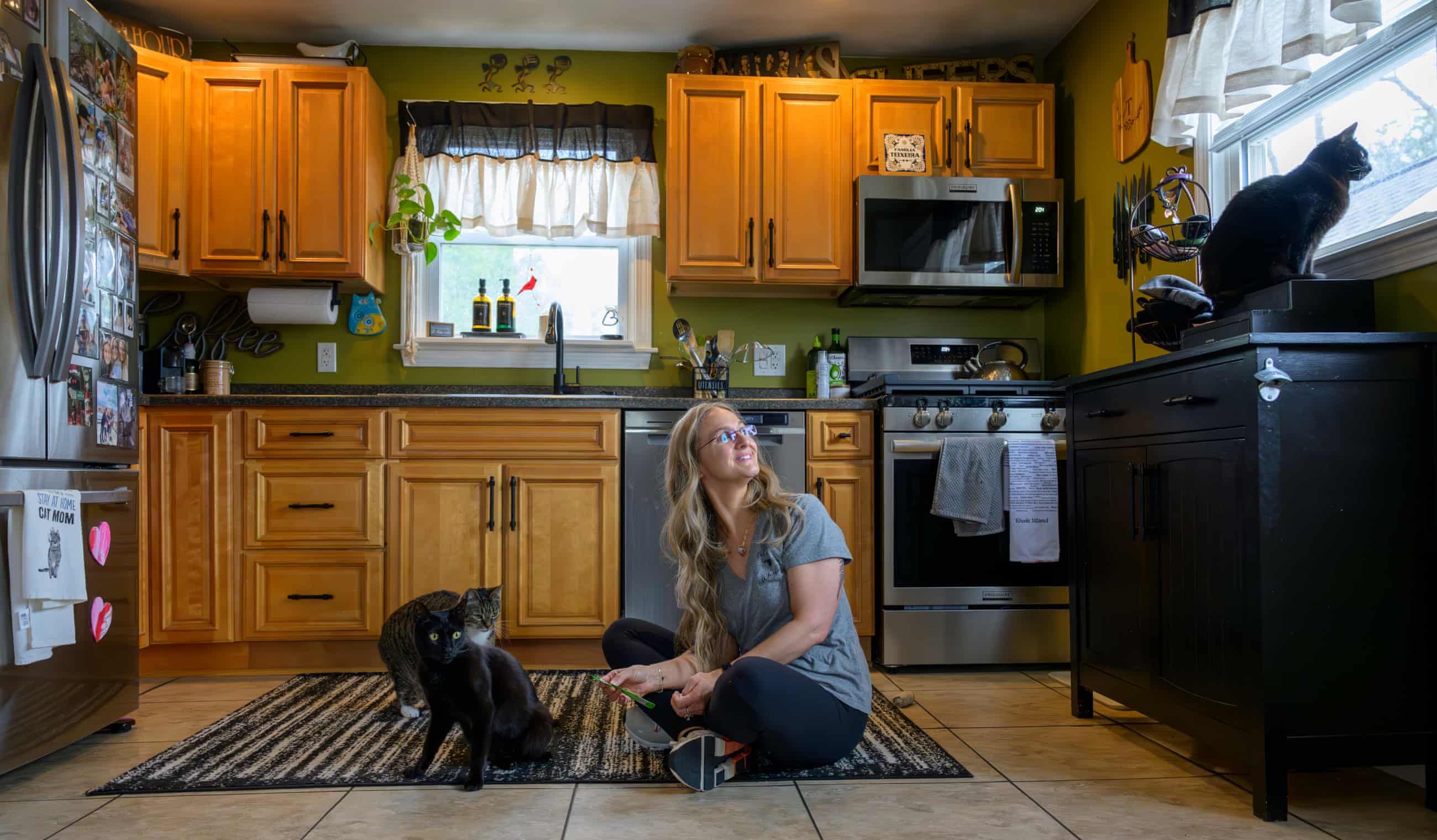
When her ‘soul cat’ died, she was bereft. Now she designs memorial jewelry to help others with pet loss
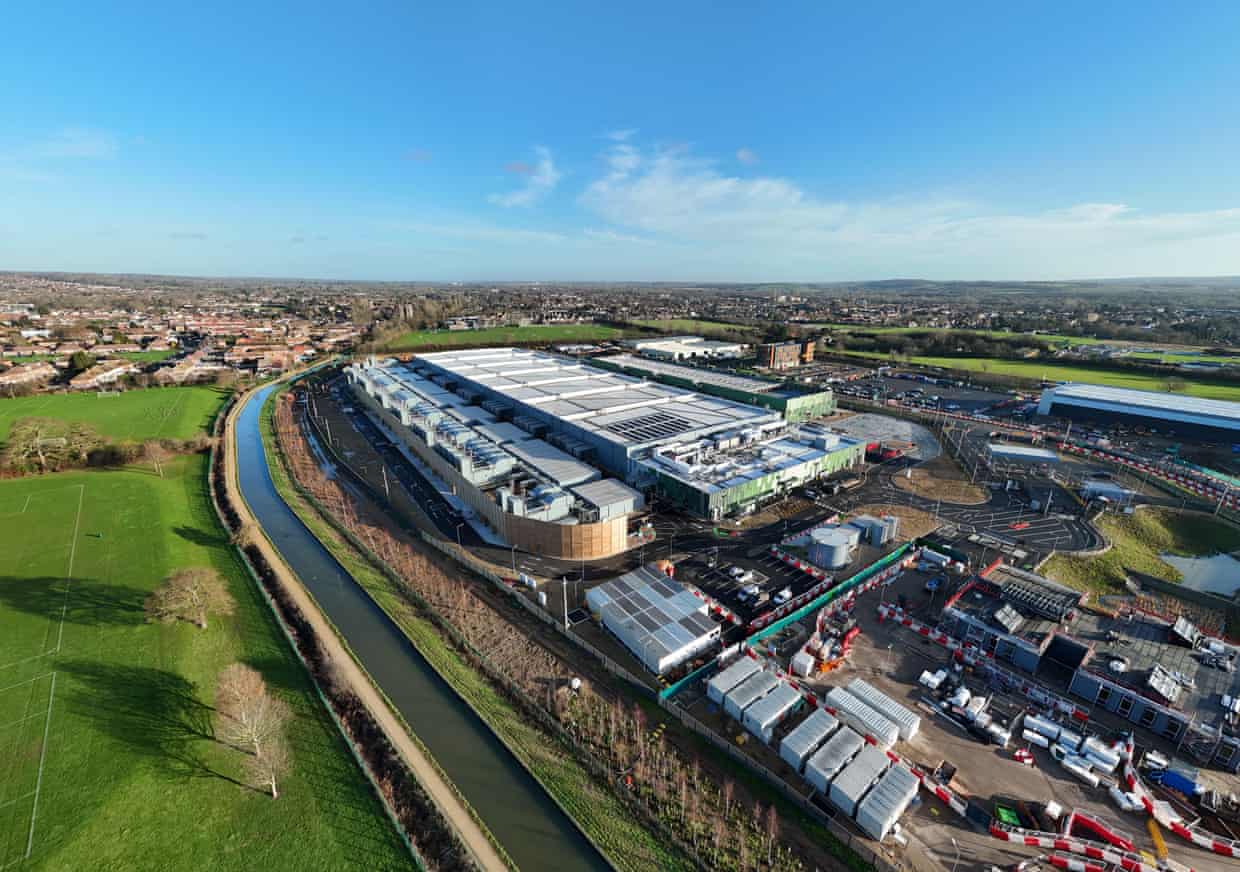
Officials hugely underestimated impact of AI datacentres on UK carbon emissions

‘Look, no hands’: China chases the driverless dream at Beijing car show
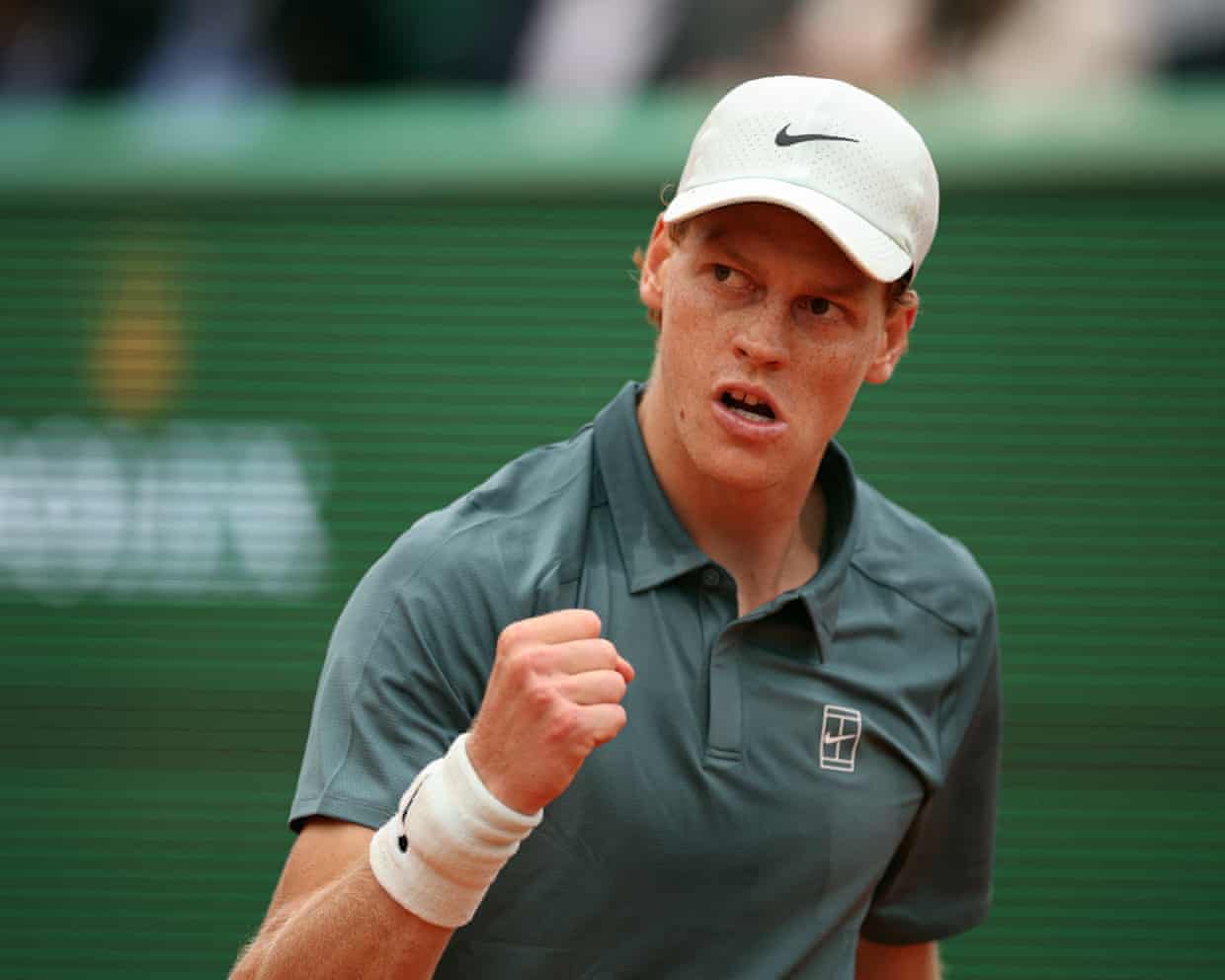
Heat on Sinner as Alcaraz’s absence prompts the question: who can fill the void?
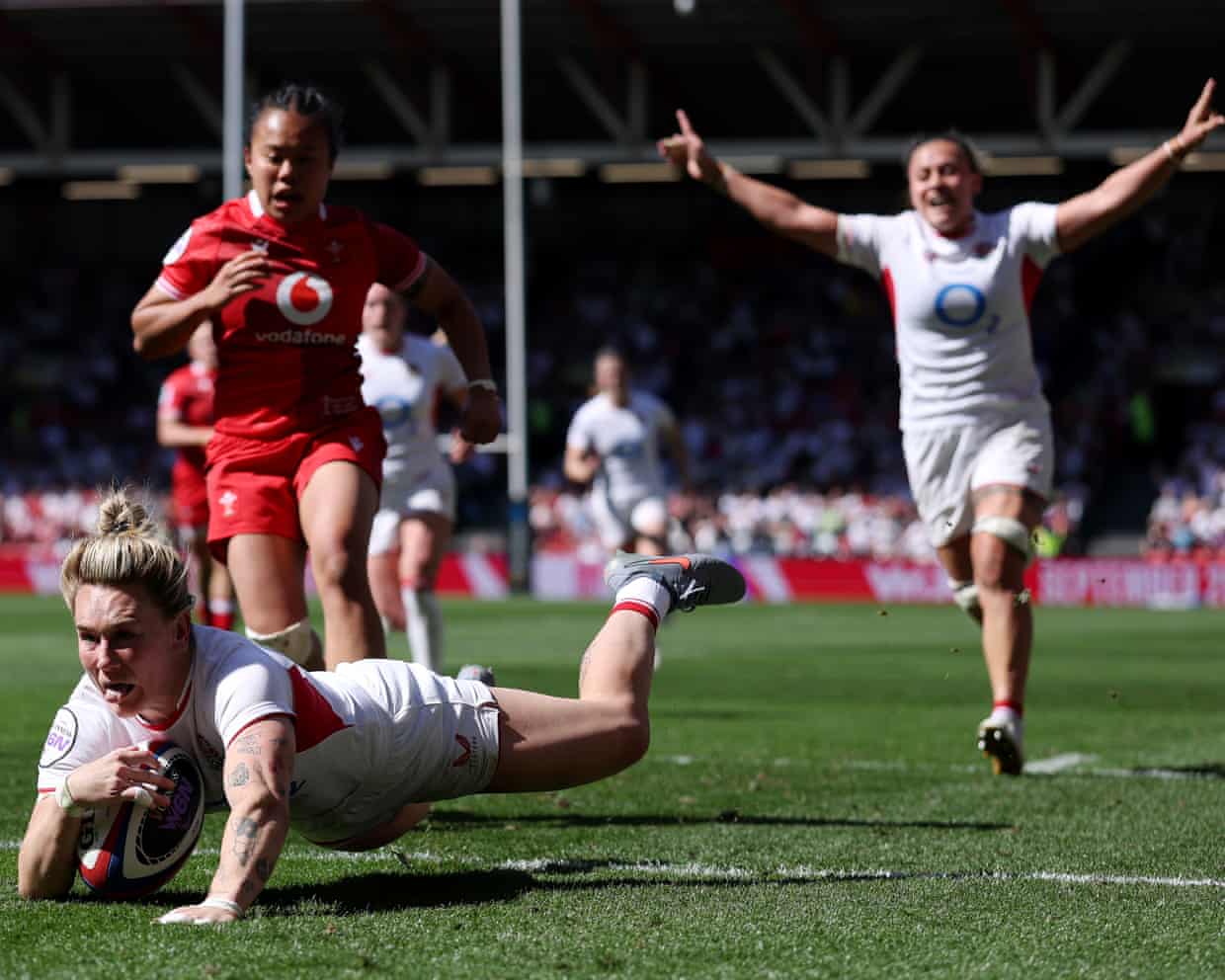
England 62-24 Wales: Women’s Six Nations rugby union – as it happened