The surprising boom in blouge wine: ‘It’s for 5pm, in the sun’
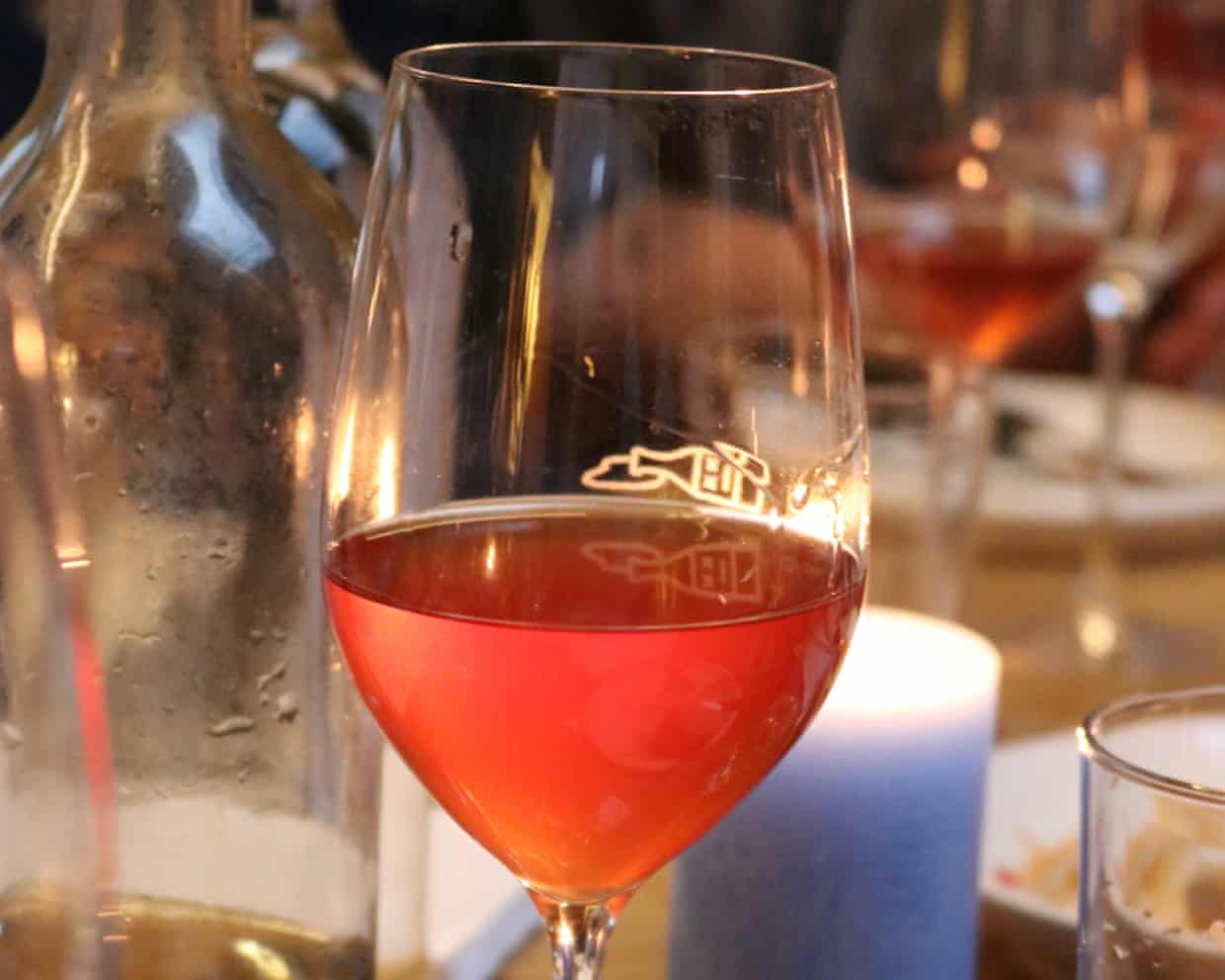
Twenty years ago, a winery could do well selling one white and two reds, says Konrad Pixner, a northern Italian winemaker who set up his vineyard, Domaine de L’Accent, in Languedoc, France, in 2019.But today, importers and bars always ask: “Do you have something new?” So up in the hills, surrounded by deep gorges and limestone plateaus, Pixner is constantly experimenting.After a good harvest in 2023, Pixner walked into the shed he shares with other winemakers at 4am to find that his biggest vat of white wine, pressed from carignan blanc grapes, had overflowed during fermentation.He had run out of space, so he quickly “pumped the white juice into the tank where whole bunches of carignan noir were,” he says, and left them to ferment for 10 days together.In contrast to rosé, made from red grapes left for a short time with their skins on before being pressed, he created “blouge” – a light, fresh wine blended from white and red grapes that’s best served chilled.
It has now caught on among creative vintners around the world.“The blouge is more for the bar and for apéro, 5pm or 6pm after work, in the sun,” says Lucas Madonia, a French winemaker living in Switzerland, whose Blouge 2024 arrives in London in April.His wine is a mix of chasselas white grapes and gamay red ones for a fruity and aromatic taste that has good acidity from the high altitude where it grows organically on the south-facing slopes of Valais.Madonia is one of only a few in the region who produce natural wine, which is made from organic or biodynamically farmed grapes with minimal intervention; it doesn’t contain sulphites or additives.Unlike most vintners in Switzerland, where only about 2% of the roughly 218m litres produced annually leaves the country, he exports what he makes.
“Lucas’s wines have been popular in a lot of the natural wine bars in London,” says Joel Wright, owner of Wright Wines in south Wales, who imports small-brand natural wines to the UK,Natural wine attracts customers in their 30s, who can afford the wine but are still open-minded enough to try something new, he says,“Blouge is probably for that kind of customer, who wants something more juicy and fresh,” The grapes are grown at an altitude where it is cooler, which means they are lower in sugar because the restricted sun exposure doesn’t let them ripen as fully – and therefore they are slightly lower in alcohol (Madonia’s latest blouge is 10,7%), which suits younger drinkers who are approaching alcohol with more ambivalence.
In the past decade, this natural wine revolution has seen a surge in new-style wine bars, popularising orange wine (made by fermenting white grapes with their skin and seeds), which has broken down barriers when it comes to talking about the drink.In London, Cardiff, Manchester and Edinburgh, staff playfully characterise wine not by tannins and minerals, but with fun descriptors such as “natty” and “crunchy”.At Dan’s in Dalston, east London, they can be “hectic”, “skinsy” and “turbo-chilled”.The vintners making blouge choose similar phrases: “fresh”, “vibrant” and “juicy”.New terminology aside, mixing grapes is not new: champagne is usually a mix of white chardonnay grapes and red pinot noir or pinot meunier.
Châteauneuf-du-Pape is a blend.In Florence, where fourth-generation owner Daniele Dzieduszycki runs Fattoria di Sammontana, farmers have been drinking wine mixed from trebbiano and sangiovese grapes for centuries.“It gives the wine more freshness,” says Dzieduszycki, resulting in “a red that is also good to have in summer”.Unlike new wines that are marketed as blouge, these are usually sold in either red or white categories.Lighter wines such as beaujolais, gamay and grenache, which are often served at cool temperatures, are increasingly favoured over fuller-bodied reds such as cabernet sauvignon.
With the rise of these lighter natural wines, customers have finally realised they can enjoy red wine throughout the year.“People want to drink more chilled beverages,” says 36-year-old Anthony Aubert, who co-founded Aubert et Mathieu with his schoolfriend Jean-Charles Mathieu.“My generation grew up with a bottle of soda and Coca-Cola in the fridge, and everything we drank since we were alive was cold.”Aubert et Mathieu released BoogieWoogie, their blouge, in 2023.They sold 20,000 bottles last year, and hope to sell 30,000 in 2026.
It arrives in the UK in May,“The wine industry is super-traditional, particularly in France,” says Aubert,“We bring something new,”Natural wine blends have become increasingly popular as winemakers shed some of the po-faceness that once shrouded the industry,Film industry veteran Scott Sampler, whose Scotty Boy wines are sold in LA’s trendiest restaurants, draws inspiration from countryside wines “made in neighbourhood garages and served at the local cantina in large carafes”.
His blend, El Sandweeech!!!, mixes pinot noir and chardonnay grapes.Nearby, in Sonoma, California, Joel Burt and Eric Wareheim at Las Jaras Wines have mixed white chenin blanc and viognier with red carignan and grenache noir to create Superbloom, which they call “Californian table wine”.Superbloom grew out of the Parisian natural wine bar scene, where co-ferments are popular.They drive “a lot of really interesting flavours”, says Burt, whose Superbloom has the taste of grapefruit, watermelon and white tea with some spice notes.These lighter, fresher, lower-alcohol wines draw on a “European sensibility” but were “pretty fringe” in the US when Las Jaras was founded 15 years ago.
Now “it’s definitely in the mainstream”, says Burt.The newer generations want to have fun when they’re drinking wine, he adds.“They’re not going to light up a cigar while they’re drinking a cabernet.”Bobo Wines: Blouge No 2 (France/UK), £49 per 2.25 litresBlouge is the second bestselling wine (after orange) for Bobo Wines’ Chris Wawak, an American living in London, who has been on a mission to destigmatise boxed wine since he launched Bobo three years ago.
“It tastes exactly the same as a bottle and is slightly better value,” he says.And it’s more environmentally friendly: “It takes seven trucks to move the same amount of wine in bottles as one truck of ours.” He came across blouge by way of Claude Straub in France, a winemaker who blends 85% pinot gris white grapes with 15% pinot noir.As with an orange wine, Straub lets the skins macerate for three weeks, then ages the grapes in stainless steel tanks for two years to create Bobo’s blouge.What results is a light drink with a flavour of blackcurrants, and a hint of cherry and rose petals.
Domaine Lucas Madonia: The Blouge 2024 (Switzerland), £40 per 75cl bottleLucas Madonia’s vineyard sits on a very steep mountainside in the Swiss Alps of Valais, making it hard to farm organically.Most of the vineyards around him use chemicals to manage the grass and weeds that grow at high altitude but Madonia is passionate about creating high-quality, natural wines.His blouge is no exception: a fruity, aromatic blend of chasselas white and gamay red grapes with a clean, lively finish.It’s best drunk cold on a sunny day after work, he says, for the taste of juicy strawberries and raspberries to come through.Aubert et Mathieu: BoogieWoogie (France), £10.
98 ex VAT per 75cl bottleBoogieWoogie is a light and juicy blend of red and white grenache grapes – the perfect match for tapas, pizza and picnics.“The idea is to make wine, but less conventional and with more fun,” says Aubert.Young people “don’t want to have too much explanation, they want to drink something easy to understand, like a beer or a cocktail, in a moment shared with your friend or your family.”Domaine de L’Accent: Blouge 2023 (France), €13 (£11) per 75cl bottleAt 39 years old, Pixner is by far the oldest person working on his estate.“I have many young people around me – we try to do many different things to keep it interesting,” he says.
His Blouge 2023 is one of the happy coincidences that have resulted from this lively environment: an easy-to-drink, fresh and food-friendly wine made from the juice of carignan blanc grapes and unpressed carignan noir.He has only bottled 600 so far, but has received interest from importers in New York.This article was amended on 27 April 2026.An earlier version said that beaujolais was a blend; beaujolais is usually 100% Gamay.

No 10 publishes previously confidential memo to refute claim that Starmer misled MPs over Mandelson appointment – as it happened
Lindsay Hoyle, the Commons speaker, is telling MPs about the privileges committee debate.He says he received letters from various MPs, including the opposition leader.He says issues like this should be taken to the privileges committee sparingly.He is a gatekeeper, he says. He says he is there to stop frivolous complaints being taken forward

MPs to vote on whether to hold inquiry into Starmer over Mandelson
Keir Starmer will face a vote on whether to launch a standards investigation into his decision to appoint Peter Mandelson as ambassador to Washington, prompting senior party figures to call for restraint from Labour MPs.The speaker, Lindsay Hoyle, has granted a debate on Tuesday after which MPs could vote to refer the prime minister to the privileges committee over claims he misled parliament over his decision.The vote would be the latest test of Starmer’s authority, which has been damaged by the Guardian’s revelation Mandelson was installed as ambassador despite the advice of vetting officials that he be denied security clearance.Government whips are considering whether to instruct Labour MPs to oppose any attempt to refer the prime minister to the committee – with senior figures accusing the Conservatives of political point scoring.The former prime minister Gordon Brown said: “At challenging times both for our country and the world, the Labour party has always sought to put the needs of the country first

Support Starmer and move on from Mandelson vetting row | Letters
Regarding Gaby Hinsliff’s article (Two men made mistakes over Mandelson – only one has lost his job. That should haunt Starmer, 24 April), most would concur that the prime minister has the most important job in the country. It is also one of the most demanding jobs, if it is to be done well. So would it not be better to help Keir Starmer instead of trying to hound him out of office for an error made in December 2024 that has been corrected?Would it not be better to support him in the job we elected him to do instead of him having to spend time and energy defending himself against his implacable adversaries? Would that not be preferable to replacing him with someone chosen by a small contingent of the elected party? Can we not learn from the chaos caused by the last government in switching prime ministers?Michael GoodhartGrantchester, Cambridge “An atmosphere of pressure”, Sir Olly Robbins (Report, 21 April)? Isn’t that what you’re paid to work in? All you had to do was go to your boss, the cabinet secretary, and get him to go to the prime minister to call them off. Tell a police officer, an A&E nurse or a children’s social worker about your “atmosphere of pressure”

Match the children’s game to the profession | Brief letters
I was interested to read that Peter Mandelson was seen going to the park to walk his dog “like a weekending solicitor on his way to an egg and spoon race” (Walking the dog and braving the paps, 25 April). Are there other professions known for their love of children’s games? Maybe a retired GP going to play musical chairs, or a pair of award-winning architects en route to a three-legged race?Lesley WarnerIlford, London Re Graham Head’s point about Nigel Farage (Letters, 23 April), if the job of the US ambassador is to be an obsequious boot-licker at the court of King Donald, Farage was eminently qualified. If he’d been appointed, he wouldn’t be where he is now. And we wouldn’t be where we are now either.James WilkinsonShrewsbury, Shropshire Regarding EV charging, how many households with no off-street parking can guarantee a parking spot outside their door (Shake-up will help UK motorists without driveways to charge EVs, 21 April)? Very few
What the parties promise Welsh voters on the NHS, schools, childcare and tax
The parties most likely to win the Senedd election next month offer radically different futures for Wales, but all six are facing criticism for not being “upfront” in their manifestos about the fiscal challenges the next Welsh government will face.Labour, Plaid Cymru, Reform UK, the Green party, the Conservative party, and the Liberal Democrats are standing for the Senedd, which is expanding from 60 to 96 seats under a more proportional voting system.Polls suggest Plaid Cymru or Reform will be the biggest party, with Welsh Labour, which has led the country for nearly 30 years, in a distant third. Coalition mathematics means Plaid is the only party likely to be able to form a government, possibly in coalition with the Greens or Labour.This week, the Institute for Fiscal Studies (IFS) thinktank said that its analysis of the party manifestos showed “virtually no detail” on spending commitments; big public investment plans are beyond Wales’s current budgets, and will require expensive upfront private funding, or increased borrowing powers

Police assess evidence on £40,000 donation to Robert Jenrick’s campaign
Police are assessing evidence about donations to Robert Jenrick’s campaign to become Conservative leader in 2024 after a referral from the elections watchdog, the Guardian can reveal.The information was passed on by the Electoral Commission, which the Guardian understands has been investigating allegations that almost £40,000 of donations to Jenrick’s leadership campaign before he defected to Reform UK, were from a foreign source in breach of electoral rules.The Met said: “On Tuesday, 6 January we received a referral from the Electoral Commission concerning donations connected to a leadership campaign. This referral is under review and until it has been completed, we’re not in a position to comment further.”The Electoral Commission confirmed that it had sent evidence about a leadership campaign to the Met after conducting its own investigation, with its inquiries now paused while the police review the material
How to make the perfect custard creams – recipe | Felicity Cloake's How to make the perfect …
Impala, London W1: ‘Shamelessly, brilliantly too much’ – restaurant review | Grace Dent on restaurants
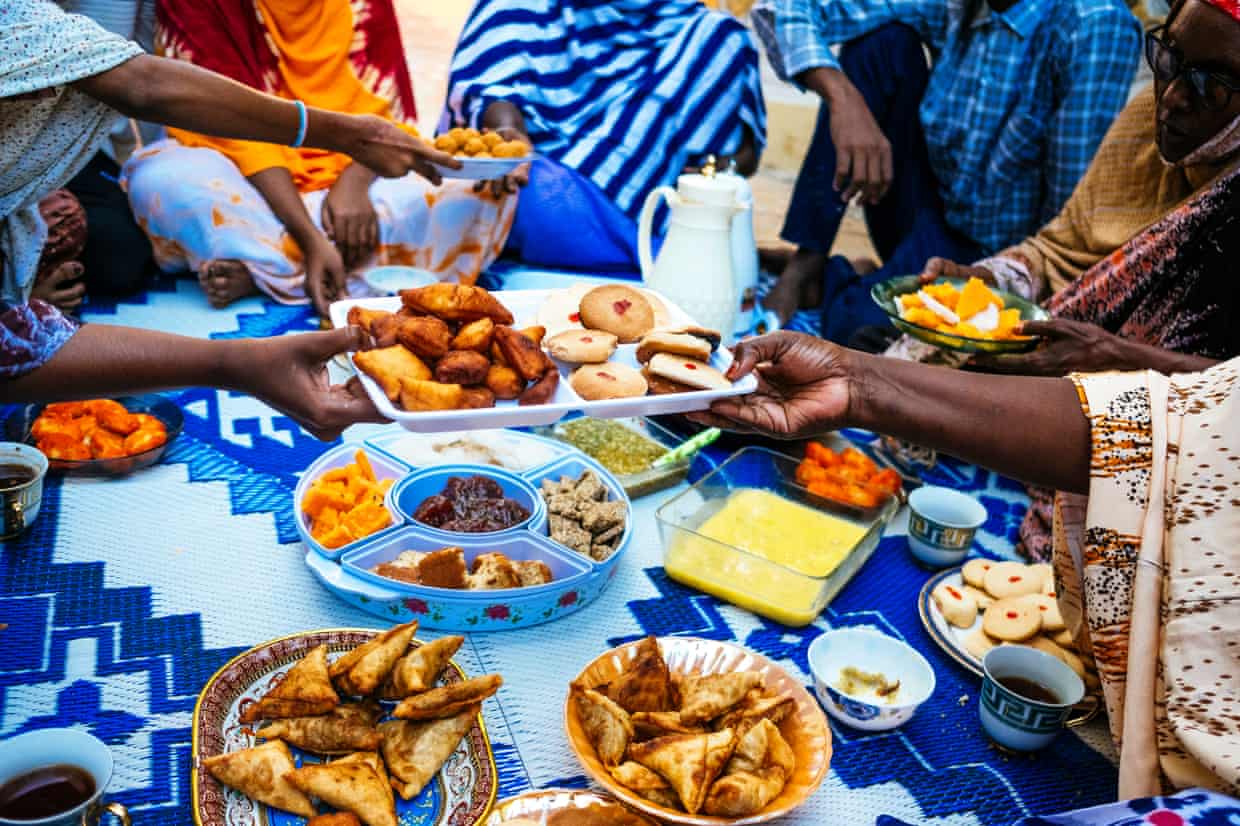
Ifrah F Ahmed’s debut cookbook is a love letter to Somali cuisine, history and people
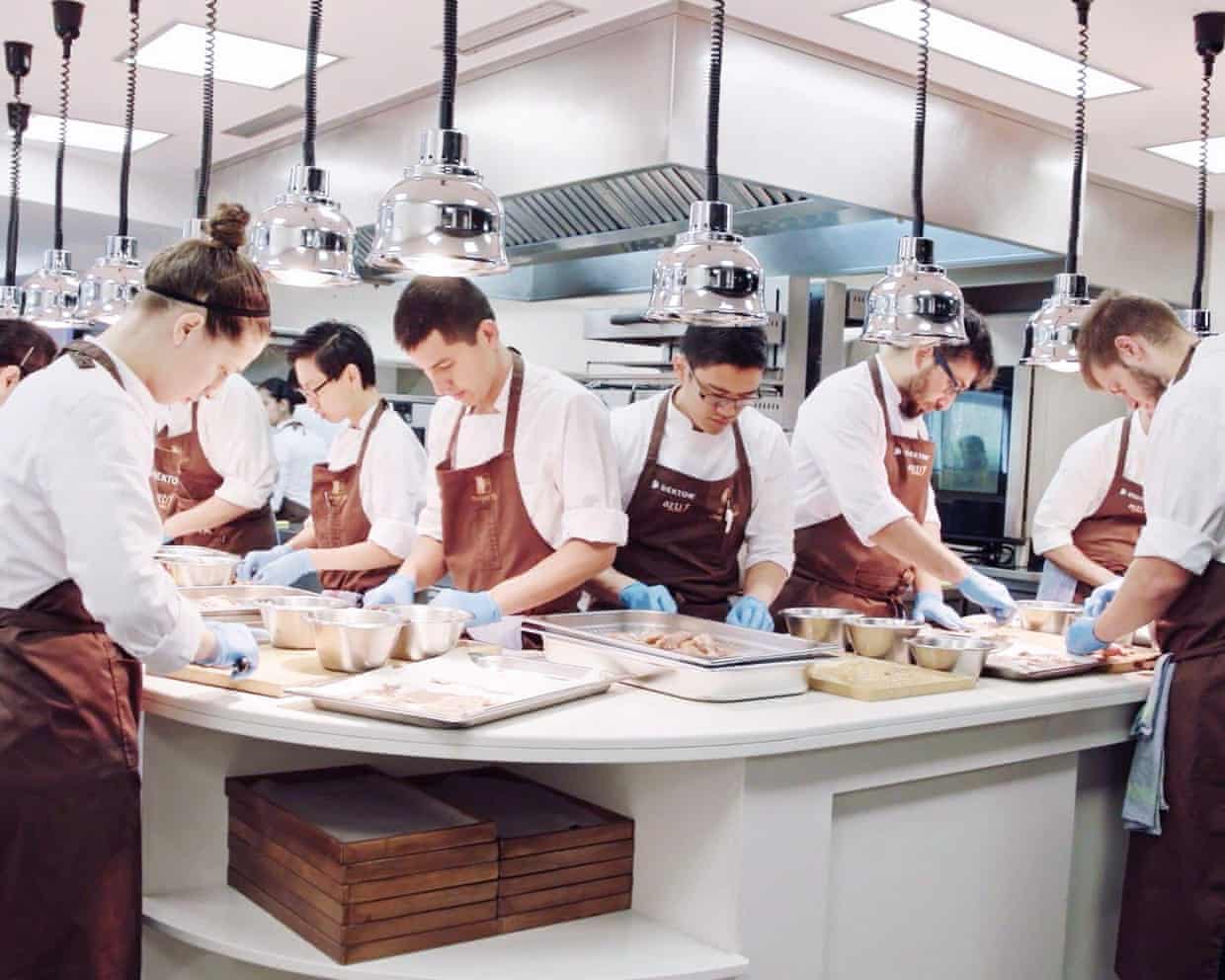
Lure of being a social media chef means youngsters forgoing classic training, Michelin star cook warns
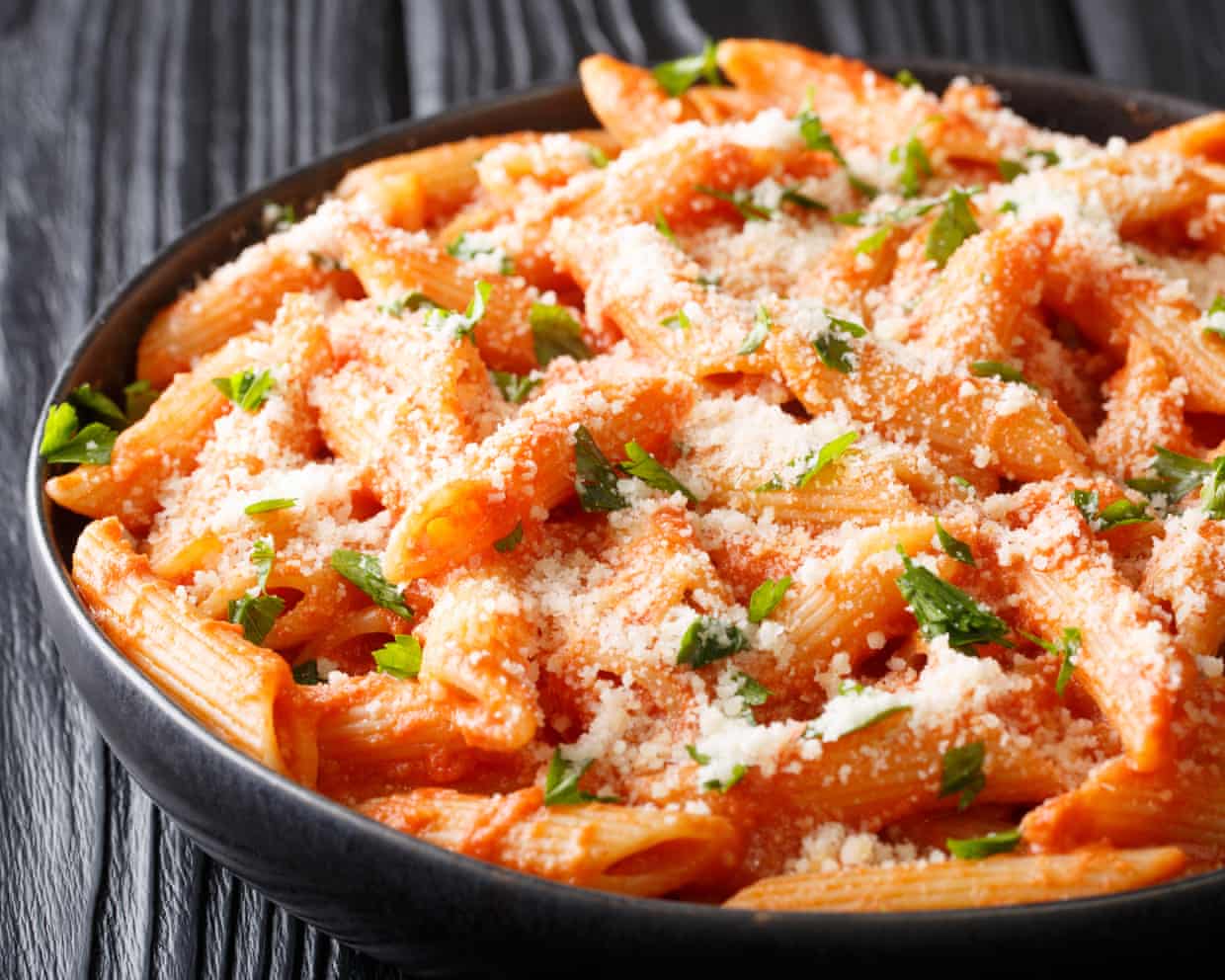
Disco hit: Penne alla vodka, popular in New York 80s clubs, is now a menu staple
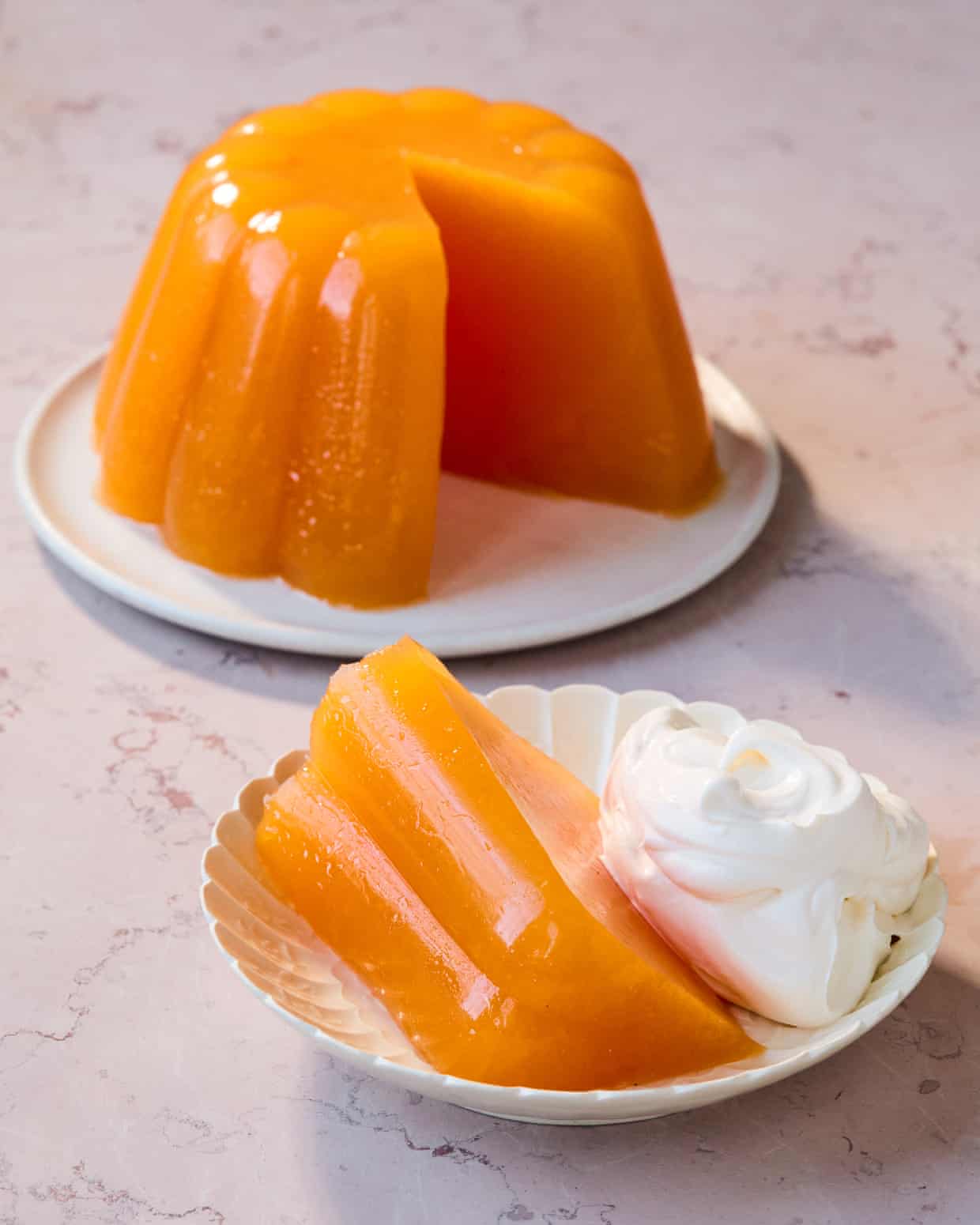
Benjamina Ebuehi’s recipe for orange, grapefruit and bay jelly | The sweet spot