Christmas dinner in a restaurant or kitchen carnage at home?

Christmas dinner? At home or in a restaurant? It’s at this juncture of the year, with Christmas dinner hurtling towards us, that you may well find yourself muttering: “Well, we could always go out!” Who could blame any home cook for wanting to shove this great burden on to someone else’s back, especially since every culinary TV show, magazine article and advertising break since mid-November has hammered home what a colossal faff Christmas dinner actually is.No, it’s not just a slightly posh Sunday roast with a few more guests.Christmas dinner in the UK these days is more like a cross between dinner at Balmoral and 4 July at Mar-a-Lago.The table has to be heaving with holly-embossed crockery, the carrots must be bejewelled in star anise and Himalayan pink pepper, the turkey has to be brined in aromatic salt water and your roasties shaken in polenta and smothered in duck fat.If you’re the designated martyr organising proceedings, field-marshalling everything and cooking this tinsel-strewn palaver, it is common to try instead to divert it all to the local pub, where they’re doing “turkey and all the trimmings” for £79 a head (and including a cracker and a pre-dinner “glass of something sparkly”).
After several attempts at spending Christmas “out”, however, I’m still on the fence as to whether or not it’s really worth it,Chances are, if you’re the designated cook, as I often am, you’ll also find yourself equally burdened as the designated table-finder, taxi-booker and exasperated berk trying to get Aunt Agnes up to the Queen’s Head by 3pm, mainly because she won’t on any account miss the king’s speech, won’t eat turkey without bread sauce and would ideally like her Jim Reeves cassette played over the pub’s sound system,Agnes’ demands will be paltry compared with those of your vegan cousin, however, or your father with Alzheimer’s who may or may not keep his trousers on for the entire meal, and, of course, the teenager in the family, who will go missing on Christmas Eve and slink in the next day at 7pm with a love bite and hot rock burns down their Christmas jumper,Ten years ago, I shepherded the Dent flock to a local pub in the Lake District for a twinkly table beside a log fire, where a traditional big bird and figgy pudding-type menu was served,The cooking was passable – soggy parsnips, dry turkey, over-sweet cranberry and a drought of gravy delivered in stingy jugs – and the service was just about sanguine, bearing in mind that not one hospitality person in history has ever truly wanted to work on the 25th.
Perhaps that’s the rub with Christmas dinner service: anyone working clearly drew the short straw,One year, I paid the same price as a short holiday in the Algarve for a two-person Christmas Day lunch at a fancy five-star London hotel,The dining room was classily decked out in twinkly lights, all gold and bronze, and there was nothing so naff as a Christmas tree, of course, but rather posh, frankincense room fragrance and crackers that cracked expensively, didn’t have jokes but did have posh prizes such as silk scarves inside,The room was filled with unhappily married trophy wives, all plodding their way through turkey ballotine with fragments of cranberry sap – just one of 11 courses – and they kept us there for so long that the meal started eating into Twixmas,When we left, London was in a huge traffic jam , because thousands of people had driven in to see the lights, and I spent Christmas evening in a gridlock on the Holloway Road, instead of eating a Paxo sandwich while lying horizontal and watching The Vicar of Dibley.
This year, meanwhile, I have already made two reservations for Christmas dinner and cancelled them both.That’s mainly because I can’t quite commit to taking Charles out to our local bistro for the annual blowout, despite being exhausted after filming MasterChef right up to the wire, because, well, I know that, by that stage of the festive delirium, there will be nowhere quite like home.The truth is, despite moaning about cooking Christmas dinner and the raggle-taggle bunch of family and friends who will inevitably appear with demands for a beef option because they don’t like turkey, vegan roasties and something chocolatey and stacked high with gold leaf because they don’t eat Christmas pudding, well, it turns out that I actually quite enjoy the kitchen carnage.It’s a rare moment, when the plates go down and 10 dirty pans are coped with all at once, that I feel like a grown-up, and that I’m doing something my mother, if she could see me, would be proud of – not least because I am carrying on the long line of angry matriarchs who, despite the odds, got Christmas done.You can let someone in a white hat take the strain with your sprouts and spare your angry tears, but where’s the fun in that?

New US seed ban risks driving cannabis genetics underground, growers warn
For the first time since 2018, the sale of cannabis seeds in the US will be restricted due to a last-minute provision in the spending bill that ended the government shutdown last month – a move that experts say will kill the market in this country.Cannabis seed companies have enjoyed comparatively relaxed regulatory standards for the past several years because seeds themselves contain a negligible amount of THC, the compound that makes cannabis federally illegal.Sergio Martínez, chief executive officer and founder of Spain-based Blimburn Seeds, said that the 2018 farm bill eased restrictions on seeds by defining hemp as any product containing less than 0.3% delta 9 THC.“This definition was reinforced in 2022 when the DEA formally clarified that cannabis seeds meeting this threshold are legally considered hemp and therefore are not controlled substances under the Controlled Substances Act, even if the plants grown from them may exceed the THC limit,” Martínez said

Gen Z office survival guide: how to overcome telephobia and get up early
If you are a millennial, part of gen X or a boomer, you probably do not give a second thought to picking up the phone to talk to someone or chit-chatting beside the office water cooler. But for gen Z, those common workplace moments are a huge source of anxiety.According to a study released this week, early mornings, working with older colleagues and making small talk are just some of the things employees born between 1997 and 2012 dread.The study, commissioned by Trinity College London, surveyed more than 1,500 people aged between 16 and 29 across the UK. It found that 38% of young people dread having to make small talk in the workplace

London councils have a ‘sustained reliance’ on private firms as report shows £500m spend
The scale of the reliance of London councils on private consultancy and outsourcing firms is laid bare in a report that shows the local authorities paid them more than half a billion pounds last year.The report by the Autonomy Institute and the CADA Network has prompted warnings that councils have a “sustained reliance” on such companies to carry out basic functions.The spiralling sums paid to these firms, which hit £555m in 2024 alone, have grown significantly since 2010 after cuts to council budgets in the capital and across the country. In London, councils saw their funding from central government cut by a third after 2010, according to the Institute for Fiscal Studies, while payments to the firms have exceeded £500m in consecutive years since 2022.The companies provide a wide range of services that can include leasing out software and IT systems to councils, bringing in temporary workers to cover understaffed or underfunded services or providing advice to council officials on various things including budgets and planning decisions
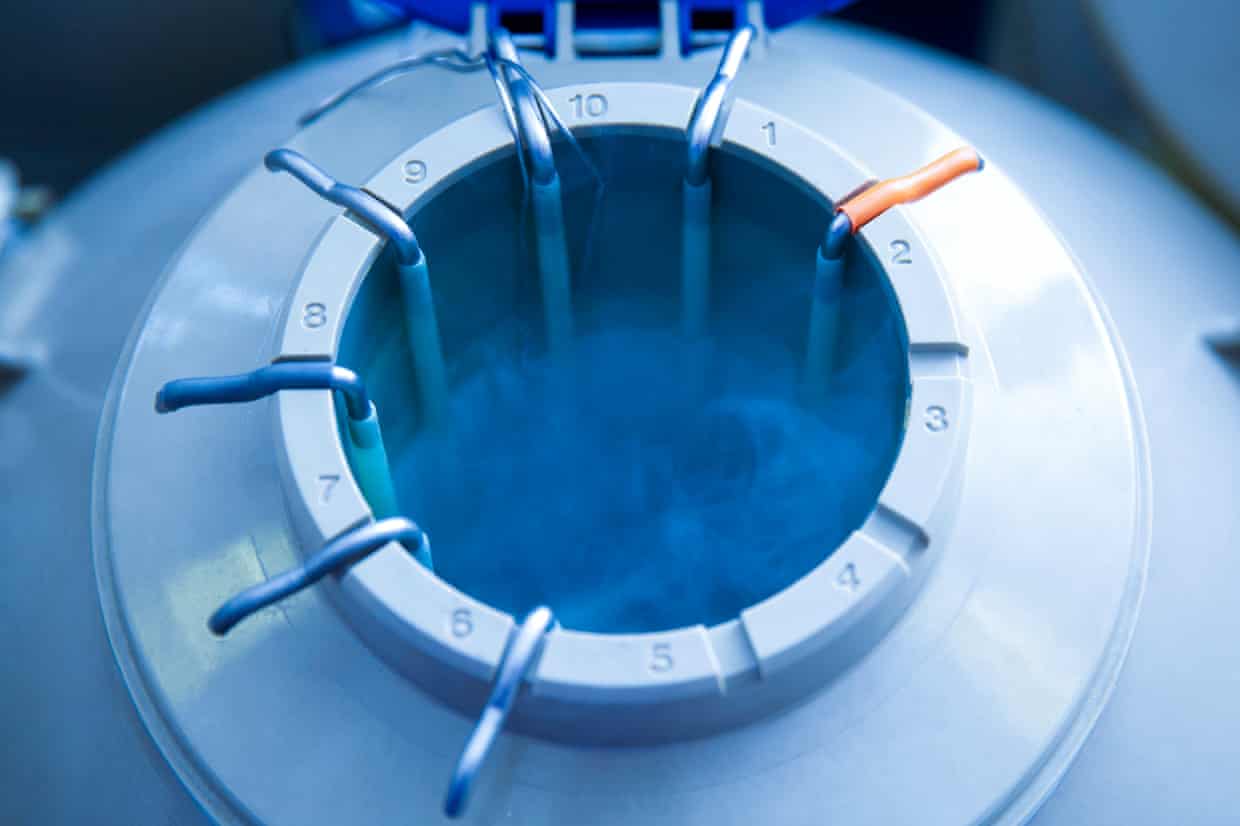
What is polygenic embryo screening in IVF and does it work?
The Guardian has learned that couples undergoing IVF in the UK are exploiting an apparent legal loophole to rank their embryos based on genetic predictions of IQ. But what is polygenic screening and does it work?Fertility treatments are strictly regulated, with tests performed on embryos legally restricted to a list of serious health conditions. These include about 1,700 single-gene disorders, including Huntington’s, cystic fibrosis and sickle-cell disease. Clinics can also test for aneuploidy – when an embryo has extra or missing chromosomes – which lowers the chance of a successful pregnancy or can lead to genetic conditions. Polygenic screening, or PGT-P, which aims to give predictive scores for health, height, IQ and other traits is not permitted
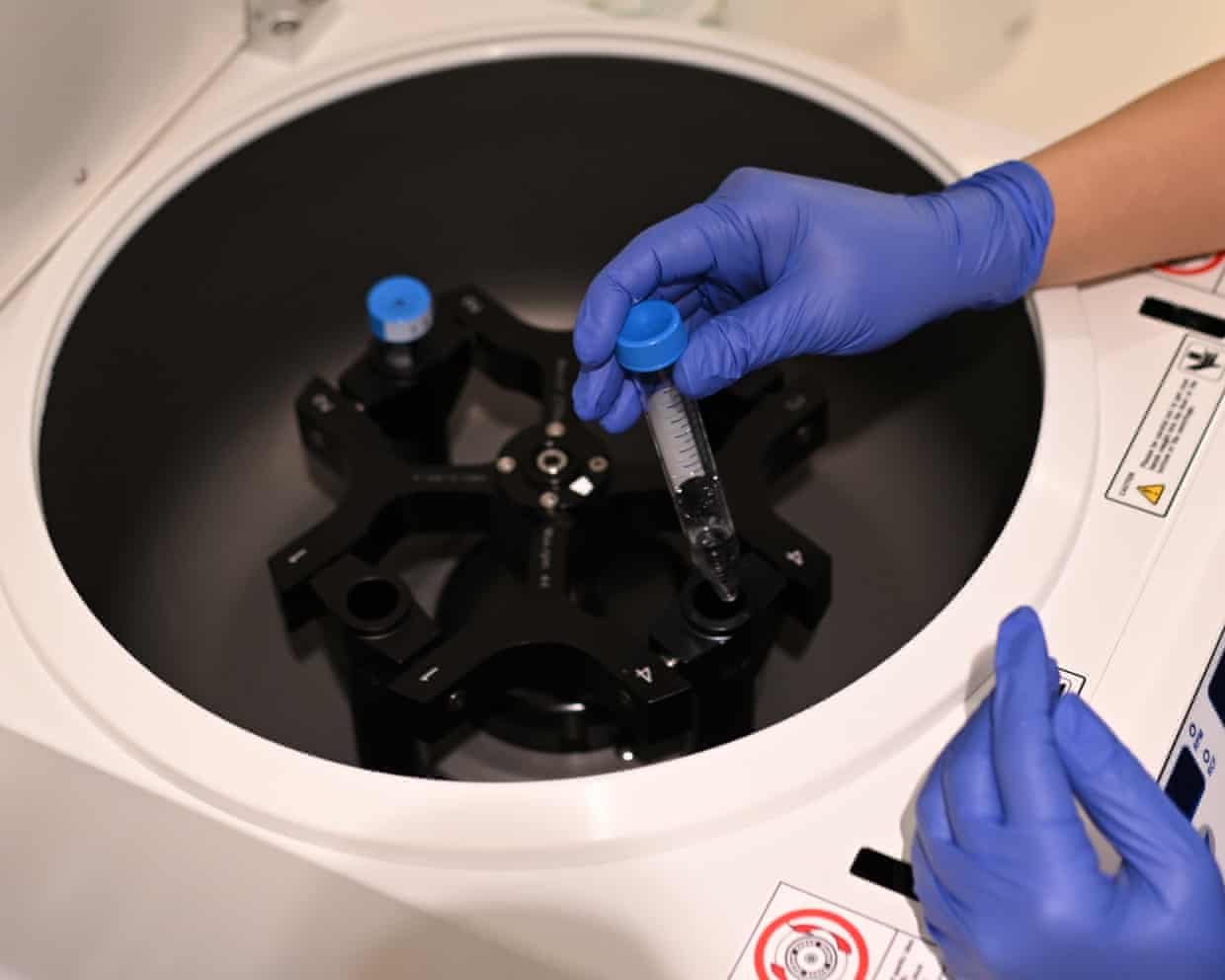
UK IVF couples use legal loophole to rank embryos based on potential IQ, height and health
Couples undergoing IVF in the UK are exploiting an apparent legal loophole to rank their embryos based on genetic predictions of IQ, height and health, the Guardian has learned.The controversial screening technique, which scores embryos based on their DNA, is not permitted at UK fertility clinics and critics have raised scientific and ethical objections, saying the method is unproven. But under data protection laws, patients can – and in some cases have – demanded their embryos’ raw genetic data and sent it abroad for analysis in an effort to have smarter, healthier children.Dr Cristina Hickman, a senior embryologist and founder of Avenues fertility clinic in London, said rapid advances in embryo screening techniques and the recent launch of several US companies offering so-called polygenic screening had left clinics facing “legal and ethical confusion”.“This opens a whole can of worms,” said Hickman, who raised the issue in a letter last month to the Human Fertilisation and Embryology Authority (HFEA)

AI deepfakes of real doctors spreading health misinformation on social media
TikTok and other social media platforms are hosting AI-generated deepfake videos of doctors whose words have been manipulated to help sell supplements and spread health misinformation.The factchecking organisation Full Fact has uncovered hundreds of such videos featuring impersonated versions of doctors and influencers directing viewers to Wellness Nest, a US-based supplements firm.All the deepfakes involve real footage of a health expert taken from the internet. However, the pictures and audio have been reworked so that the speakers are encouraging women going through menopause to buy products such as probiotics and Himalayan shilajit from the company’s website.The revelations have prompted calls for social media giants to be much more careful about hosting AI-generated content and quicker to remove content that distorts prominent people’s views

New York Times sues AI startup for ‘illegal’ copying of millions of articles

I spent hours listening to Sabrina Carpenter this year. So why do I have a Spotify ‘listening age’ of 86?

Elon Musk’s X fined €120m by EU in first clash under new digital laws

Home Office admits facial recognition tech issue with black and Asian subjects

Tesla launches cheaper version of Model 3 in Europe amid Musk sales backlash

Russia blocks Snapchat and restricts Apple’s FaceTime, state officials say