The Hodge report into Arts Council England: ‘Not exactly a ringing endorsement’
The arts in England are underfunded, and were dealt a blow by Covid from which many organisations have not yet recovered.But that has been only part of the story.The sheer weight of required form-filling, the endless bureaucracy, the impracticable length of time it takes to simply be funded by Arts Council England (ACE) have caused universal frustration among those working in the arts.There is much talk of exhaustion and burnout.Many organisations have felt frustrated, too, by the strictures of ACE’s flagship strategy, Let’s Create, which, though admirable in principle, with its focus on participation in the arts, is perhaps tilted too far from recognising the expertise and individuality of artists and arts institutions.
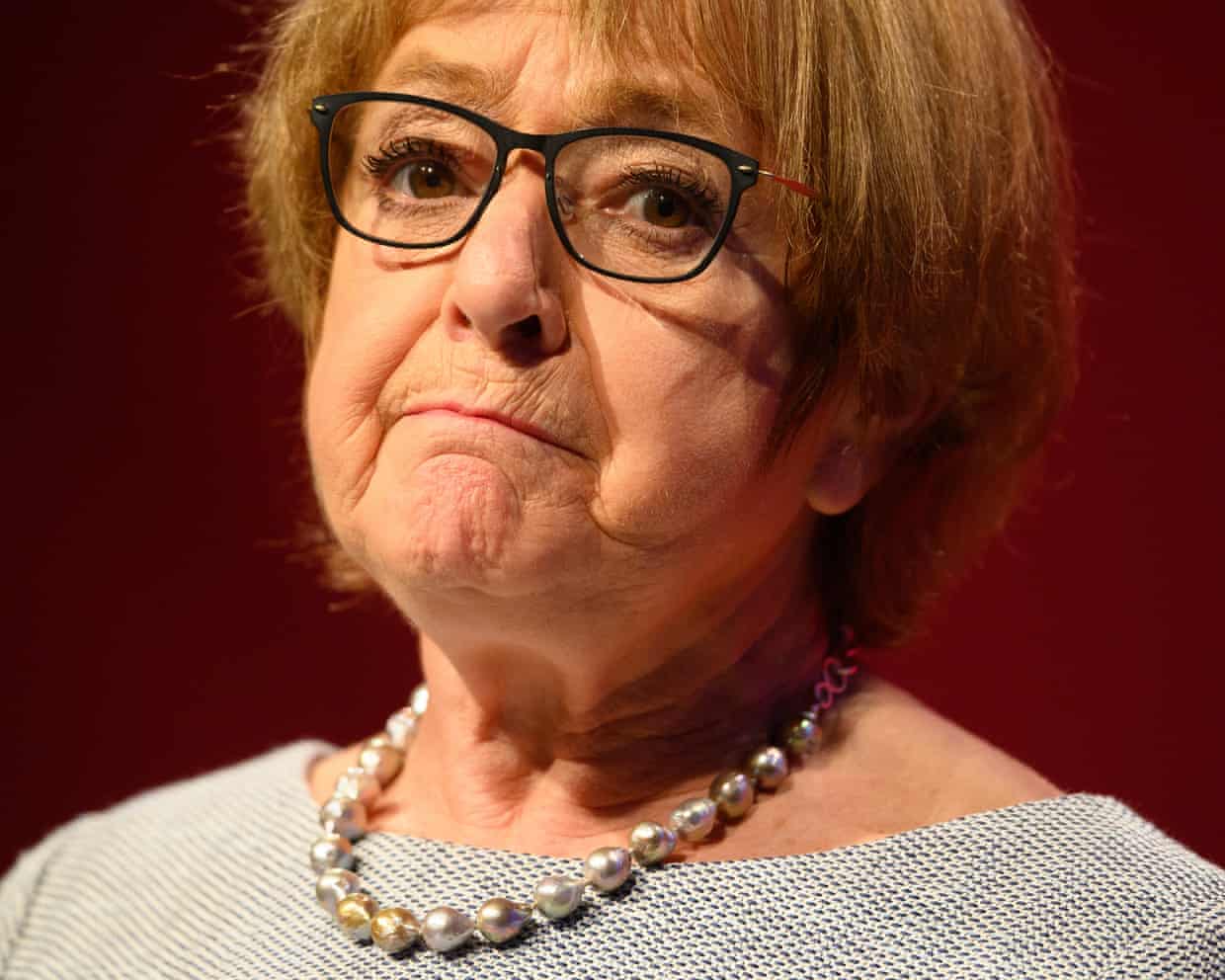
Especially in classical music and opera – where ACE has made crude interventions into the direction of the art form – the body has been widely condemned for overreach of its powers.As with many things in life, though, opinion depends on your perspective.Funding has been diverted to underserved areas, and grassroots organisations, outside the south-east.Unsurprisingly, those who have received support for the first time are better disposed to ACE than those who have had their funding reduced or cut off.The report on Arts Council England by Margaret Hodge, Labour peer and former arts minister, urges a bonfire of red tape.
That will be welcomed.More controversially, she also recommends binning Let’s Create, the 10-year strategy designed to take ACE all the way to 2030, in favour of a simpler strategy that allows organisations to apply based on their own strengths, rather than endlessly banging square pegs into round holes.With Hodge’s language of “excellence and access to excellence”, those with long memories might remember Brian McMaster’s report of 2008, Supporting Excellence in the Arts, which similarly urged an end to box-ticking and a revival of trust in artists and arts organisations.Those with even longer memories might recall regional arts boards, which were abolished in 2001 in order to streamline the Arts Council’s operations.Hodge is proposing to revive a version of these bodies – once condemned as wasteful – in order to strengthen regional decision-making, though without, importantly, handing off powers to the political control of metro mayors.
(Nationally and internationally important bodies, on the other hand, would stay within the purview of the central ACE operation, which could cause some friction,)There is often a sense with the Arts Council that it trundles off in one direction for a few years, only to be pulled back in the opposite direction, before the entire cycle begins all over again,Another revival of an old hit is a recommendation to reboot something like the old Creative Partnerships programme, which, between 2002 and 2011, put local artists into schools,The report has some sensible ideas to help plug the funding void in the arts, without simply demanding more money be coughed up from the Treasury, which in the current climate is unlikely to happen,These include extending existing tax breaks for touring (arts organisations like these tax breaks – they are straightforward and simply incentivise making things and performing them without adding all sorts of extra prescriptions).
Ideas on encouraging philanthropy include increasing tax breaks for givers outside London (the vast majority of giving to the arts is in the south-east of the nation).The report is not exactly a ringing endorsement of Arts Council England as it stands: banish your bureaucracy! Strangle your strategy! And still, England has not addressed the single most calamitous cause of funding reduction in the arts, which is the collapse of local authority support.(Though the report does recommend mandating local authorities to at least have a cultural strategy.) But Hodge does insist that Arts Council England is the right body to deliver public funding to the arts and should continue to exist.And she strongly reasserts its most central and fundamental principle, that it should be at arm’s length from government, protected from political interference.

England’s Ashes hopes melt away as Australian bowlers share spoils in the sun
On a sweltering second day in the so-called city of churches, faith appeared to evaporate. Faith in technology, certainly, a sentiment shared by both sets of players. But for England there was a broader loss of belief in their attacking philosophy after having it systematically dismantled by Australia.This could have been the day that England finally made a statement with the bat in this Ashes series. It was a 40C (104F) furnace out in the middle for the bowlers, the breeze akin to a hairdryer
‘Sack’ Snicko: England and Australia frustrated by DRS drama again in third Ashes Test
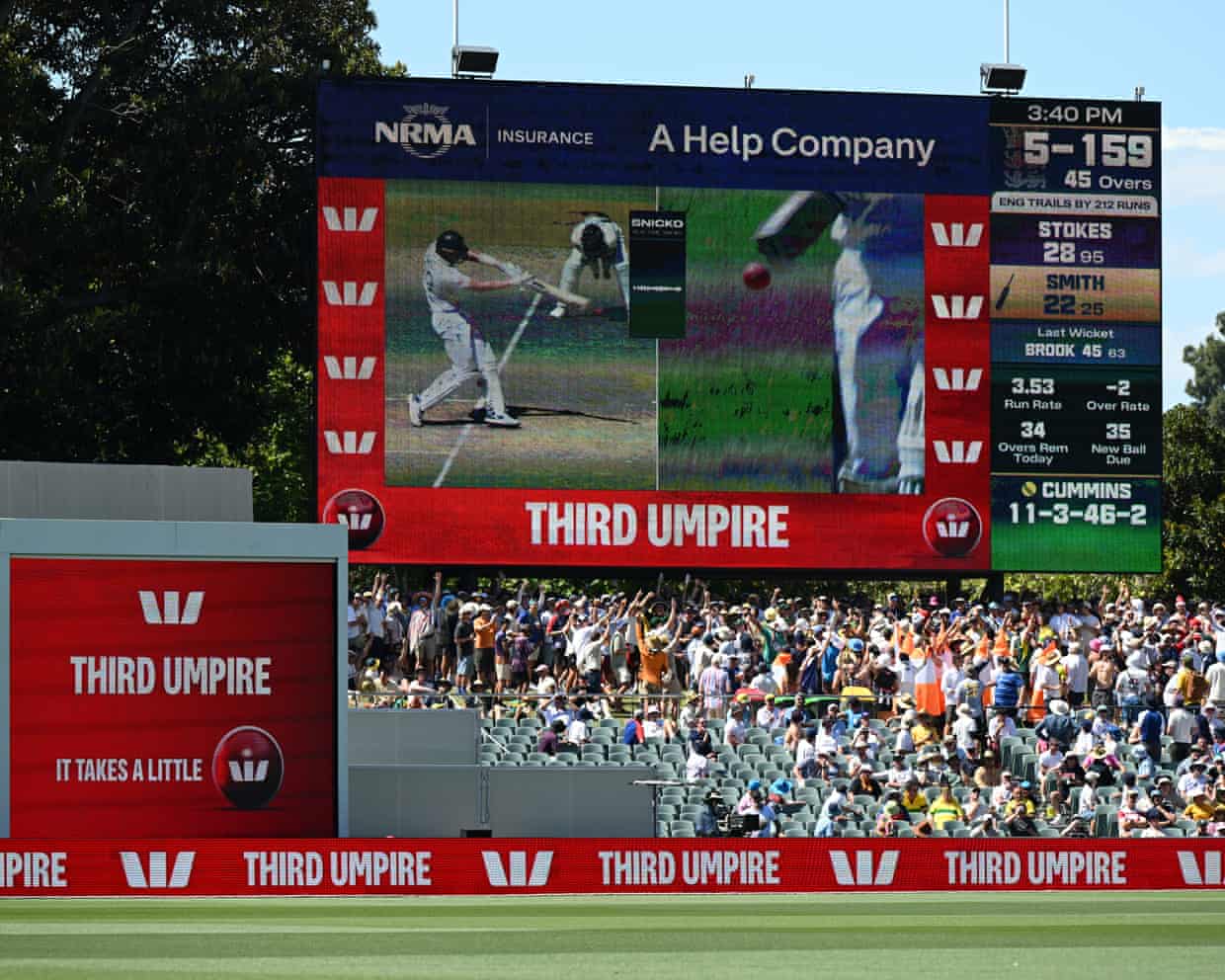
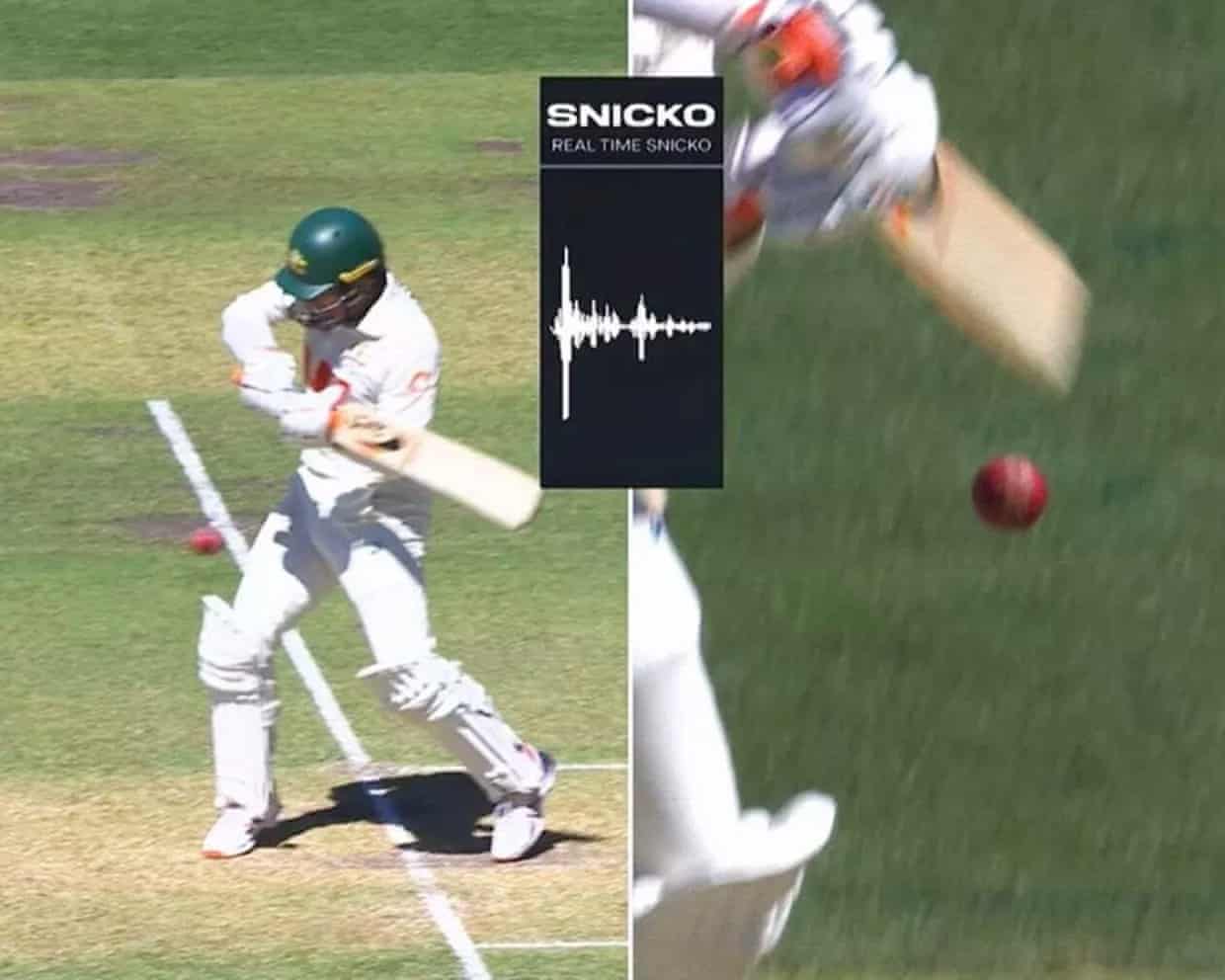
England’s batting coach, Marcus Trescothick, described the use of the decision review system in the third Ashes Test as “not ideal”, at the end of another day of questionable spikes, dubious frame-alignment and a dismissal of Jamie Smith that echoed the confusion of the opening day.The DRS technology in use in Australia was widely criticised on day one after Alex Carey had been wrongly reprieved by the third umpire after feathering a catch to Jamie Smith on 72. The culprit in that case appears to have been operator error involving a mismatch of sound-wave and picture frame selection.On Thursday Smith himself was also given not out in mid-afternoon despite Australia being convinced he had gloved a bouncer from Pat Cummins. Mitchell Starc could be heard through the stump mic calling for Snicko to be “sacked”, while Marnus Labuschagne scoffed at the idea Smith needed a concussion check, doubting he had been struck on the helmet at all
Nathan Lyon exposes tourists’ flaws and eases into Australia’s record books | Geoff Lemon
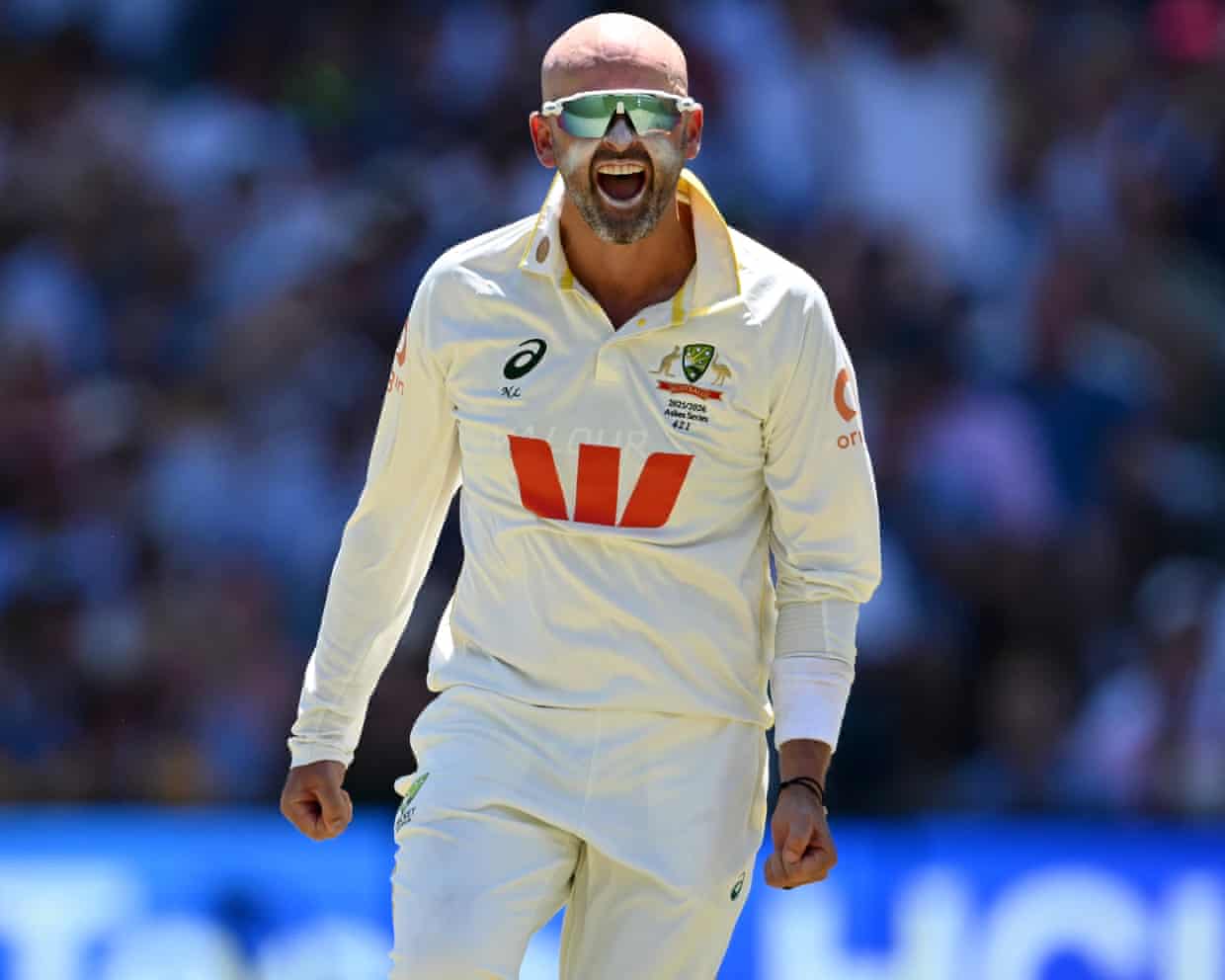
For Nathan Lyon it had been a case of wait and wait and wait. It was 6 July this year when he took a return catch from Jayden Seales, wrapping up the second Test against West Indies in Grenada with his career worth 562 Test wickets. Right behind Glenn McGrath’s 563, Lyon might have anticipated a week before moving to second place on the all-time Australian list, an off-spinner of modest flair and self-belief sitting behind the market leader in both those traits, Shane Warne.Instead, Lyon was left out in Jamaica, spitting plantain chips even as Australia’s four quicks humbled West Indies for 143 and 27. That meant four and a half more months until the next Test, the start of the Ashes in Perth
England trail Australia by 158 runs: Ashes third Test, day two – as it happened
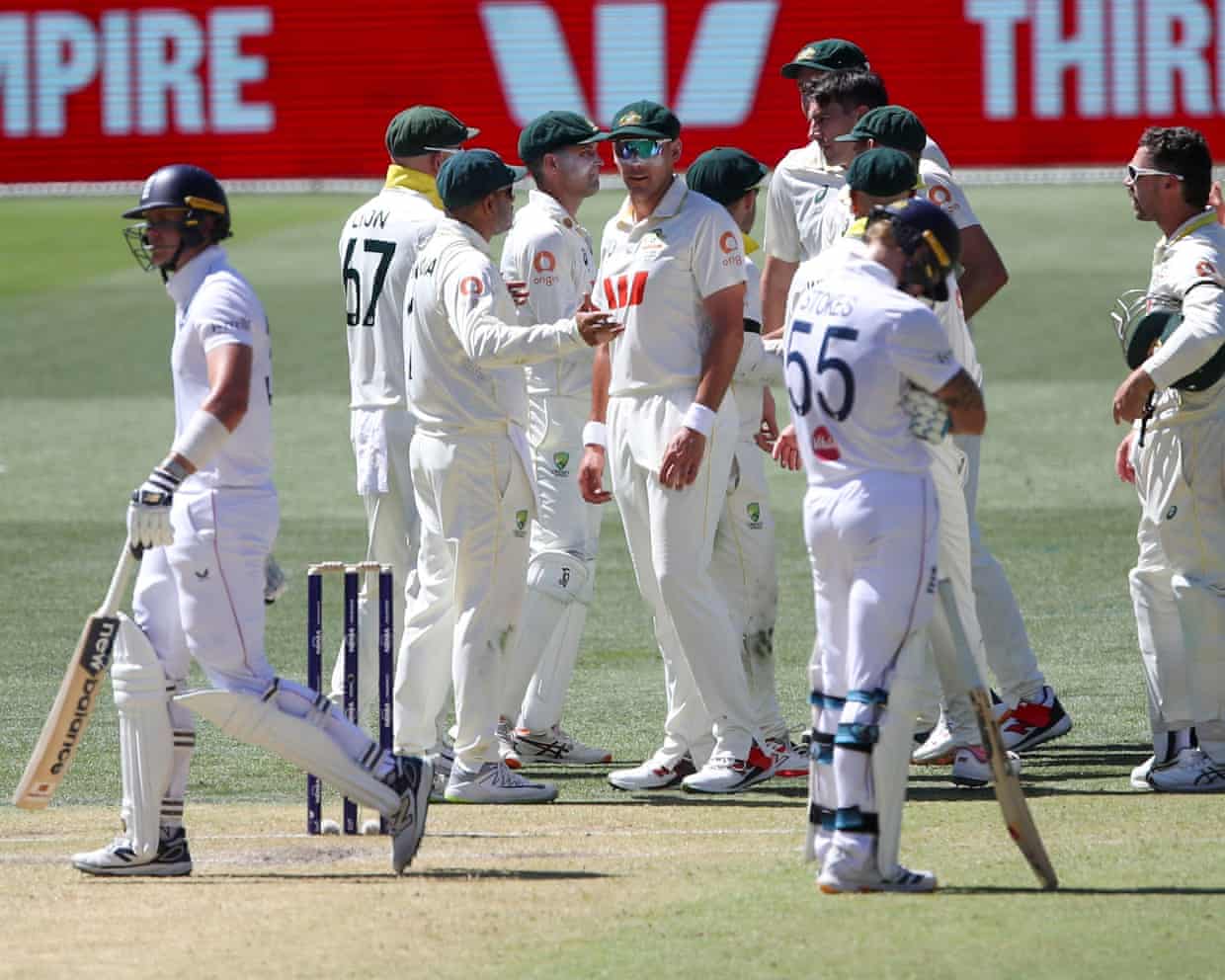
Thanks for following along as England’s fading Ashes hopes survive another day – just – at Adelaide Oval. We’ll have all the analysis shortly, and be back with the over-by-over tomorrow, but for now … here is Ali Martin’s report on day two.Nathan Lyon has returned to the side in style in Adelaide, as he picked up two wickets with his first over to help turn the game back in Australia’s favour early in England’s innings. The off-spinner dismissed Ollie Pope (3) and Ben Duckett (29) in the same over to move past Glenn McGrath and into second-place on the list of Australia Test wicket-takers, while the cartel of quicks did their thing even with Mitchell Starc less threatening than he has been in these Ashes.Pat Cummins was another to send a reminder of his importance to the side after spending time on the sidelines as the captain claimed wickets at crucial times and finished the day with 3 for 54
BBC Sports Personality of the Year: why each shortlisted contender should win
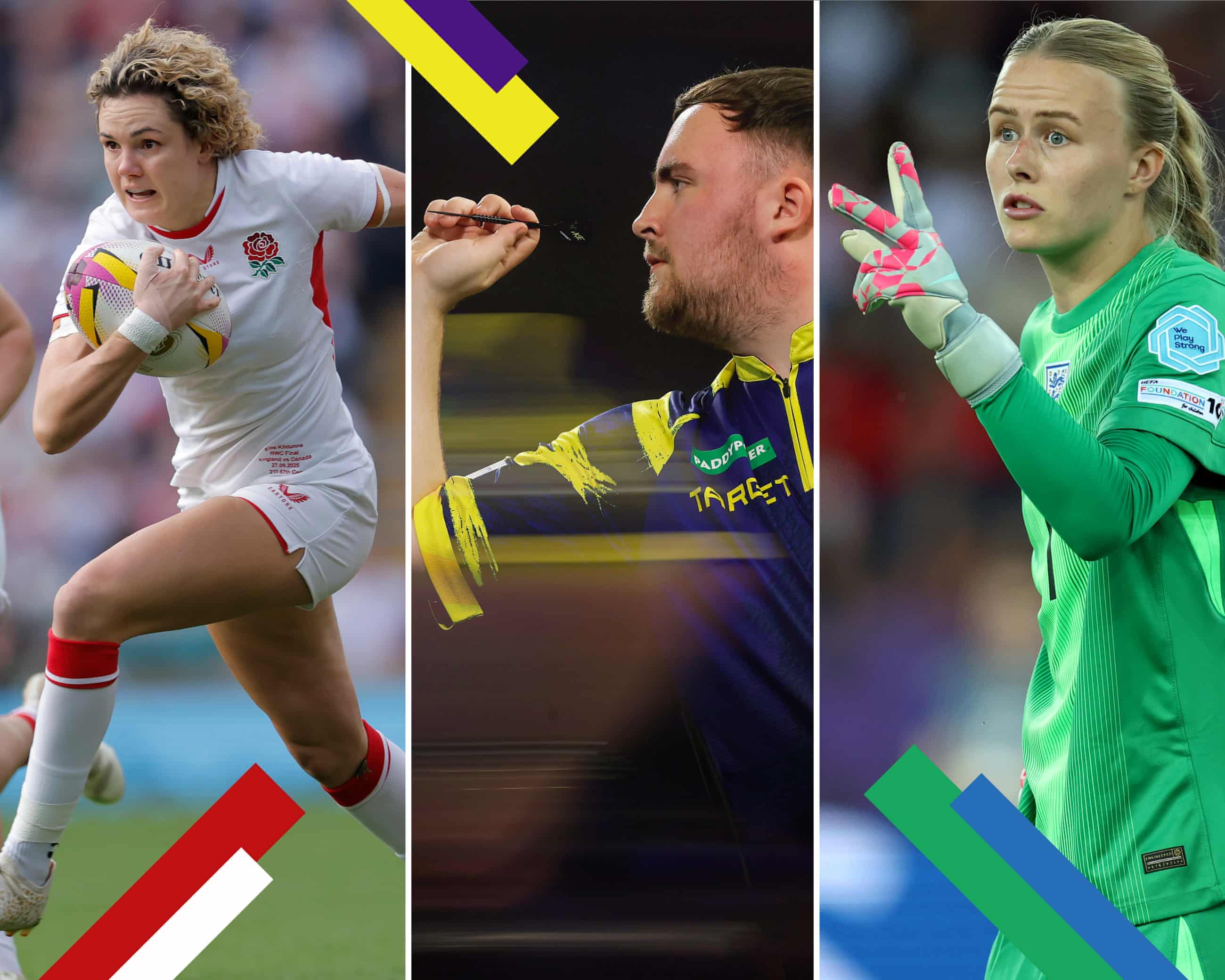
From Hannah Hampton to Lando Norris, our experts give their view on why each nominee is a worthy winnerNo sporting event in 2025 gripped England quite like the Lionesses’ Euros success and that euphoria would not have happened without Hannah Hampton’s saves. Long before Hampton dived the correct way to stop two Spain penalties in the final, including one from the world’s best player Aitana Bonmatí, she had produced heroics, without which the team would have flown home disappointingly early.Hampton expertly prevented England from falling 3-0 down against Sweden in the quarter-final and went on to make two shootout saves. In the semi-final, moments before England snatched their late equaliser against Italy, Hampton had kept them in the competition – again – with a crucial double save. In the group stage she had sprayed the pass of the tournament upfield, going viral on social media, to help kickstart Sarina Wiegman’s team’s campaign during their thumping victory against the Netherlands
England lodge complaint with match referee after Snicko error costs Carey’s wicket
Brendon McCullum lodged a complaint with the ICC match referee Jeff Crowe overnight following the Snicko malfunction that saw Alex Carey handed a lifeline during day one century in the third Ashes Test.Carey, who made 106 in Australia’s 326 for eight by stumps, was on 72 when Josh Tongue believed the left-hander had edged behind. He was given not out on the field and the third umpire, Chris Gaffaney, felt he did not have enough evidence to overturn the decision despite a spike showing up on the review.The issue in this instance was that the spike came before any possible contact on the replay, whereas similar occurrences earlier in the series have seen it come afterwards and are factored into the umpiring protocols.With Carey later admitting he thought he had hit the ball – he said he would have reviewed in hope had it been given out on the field – BBG, the company that owns Snicko, owned up to the mistake, which came with Australia on 245 for six
Nigel Farage told to ‘come out of hiding’ over alleged election overspending

£570m cost of Erasmus is ‘money coming back to UK’, says minister – as it happened
A black swan event: Keir actually cracked a good joke at PMQs | John Crace

BMA accused of hypocrisy as its own staff threaten to strike over pay
Ex-Labour metro mayor and Your Party organiser Jamie Driscoll joins Greens
Nigel Farage told to apologise by 26 of his school contemporaries