IMF chief Georgieva warns ‘everyone will feel the impact’ of energy price shock, as UK growth beats forecasts – as it happened
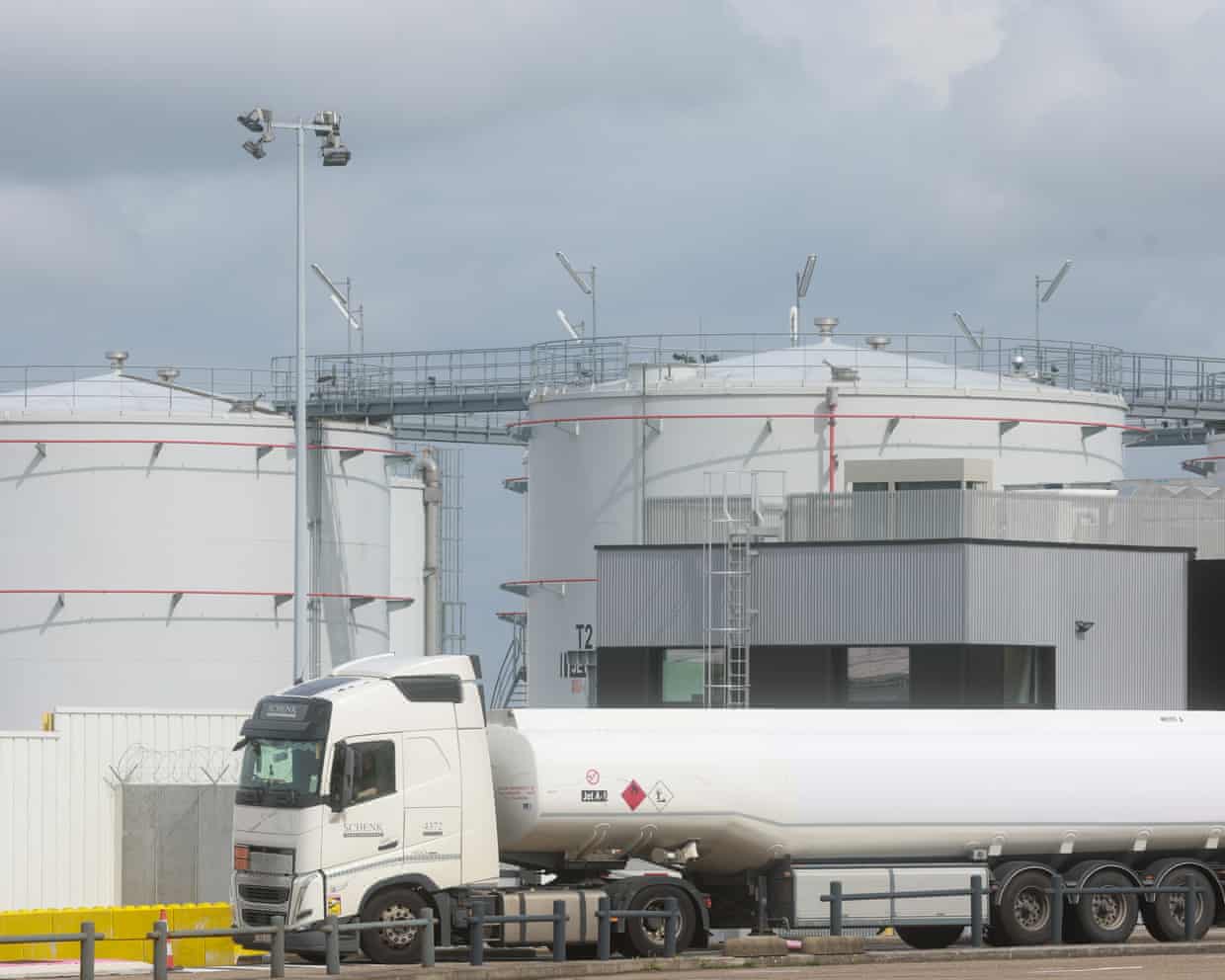
Over in Washington DC, the International Monetary Fund is holding a debate on the global economy.IMF chief Kristalina Georgieva says the world economy is facing another, large, shock:double quotation markThe world economy has been, very resilient over the last few years, facing shock after the shock.And this resilience is tested yet again, this time by a shock that is large.Twenty percent of oil and gas is stuck in the Strait of Hormuz, depriving primarily Asia, but also Europe, and other parts of the world of a vital resource.It is global.
Everybody feels the impact.Georgieva says the conflict is “very hard” on energy exporters, both on their people and their economy.But if you are an oil importer, “you feel the pain more”, she says.The countries most vulnerable to this shock are low income countries, Georgieva continues, saying those in the Pacific Islands may wonder “would a tanker ever come all the way to me at the end of this supply chain?”She adds:double quotation markWe now have a ceasefire.We pray for the ceasefire to turn into a durable peace.
But that is not done yet,Time to wrap up,Here are today’s main stories:The head of the IMF has warned that the world economy is being tested by a “large shock” from the Middle East conflict, that will hurt all countries (with poorest suffering the most),Kristalina Georgieva also warned governments against overly generous schemes to help citizens handle the higher cost of energy,UK GDP expanded by a stronger than expected 0.
5% in February, official figures show, suggesting the economy was gaining momentum before the onset of war in the Middle East dashed hopes of recovery.Europe has only six weeks of jet fuel left before shortages will hit because of the Iran war, according to the head of a global energy watchdog.Fatih Birol, the executive director of the International Energy Agency, said there would be flight cancellations “soon” if oil supplies from the Middle East were not restored within the coming weeks.The budget airline easyJet has warned the impact of the Iran war on bookings and oil prices will hit its profits, having driven up fuel costs by £25m in the last month alone.Rachel Reeves has announced an expansion of support for the most energy-intensive UK businesses, as they face soaring bills as a result of the Middle East conflict.
Our main Middle East blog has all the latest on the Iran war:IMF chief Kristalina Georgieva is also calling on countries to introduce measures to reduce energy use.She says:double quotation markWe learned during Covid to work from home.Why are we not doing it now, to save energy?We learned that there are ways to reduce energy intensity, including by turning thermostats on air conditioning.Mohammed Aljadaan, Saudi minister of finance, points out that the oil prices on trading screens don’t reflect the reality out there.Aljadaan tells the IMF debate on the global economy:double quotation markThere is a huge difference between what you see in the screen and how much you pay to get that commodity.
And it has never been as more expensive as it is now, historically.So you see on the screen $90 a barrel.Good luck if you get an oil barrel for $90, it’s $120, $130, $140, $150, $160.[The futures price of Brent crude is currently $99.50 a barrel – but that doesn’t reflect issues such as the jump in insurance costs, and shipping rates].
France’s central bank chief, François Villeroy de Galhau, warns that the current situation is “more than uncertain.It’s unpredictable and even unknown".”But there are two things we do know, he says.1) First, the starting position on inflation is significantly better than in 2022.In the eurozone, inflation was about 2% before the Iran war, rather than “beyond 5% in February 22”.
2) Central bankers know their ‘reaction function’ – how they will respond to an energy price shock.Villeroy de Galhau explains:double quotation markWe are not responsible for the first round effect in energy prices and indirect effects for other products like fertilisers, plastics, helium, etc.but we are responsible to prevent second round effects and inflation becoming persistent through wages, through spill-over to services and manufactured goods products.And this is how we will act.We will have no hesitation to act if and when necessary to prevent the spill-over effect.
Be sure about that.But we will not rush.Saudi Arabia’s minister of finance, Mohammed Aljadaan, warns the IMF’s debate that anyone who’s counting for a quick recovery in the energy market, even if there is a total end of hostilities, should “please recalculate”.He explains:double quotation markReality is, even if the war ceases today and, everybody shakes hands and smiles and [there are] no more hostilities, it will take weeks if not months before normal operations resume and commodities flows.People need to ramp up their production.
Markets and insurance companies and tankers owners will need some time to get comfortable that there is a proper central command [on the Iranian side], so that tankers are not attacked, he adds.IMF chief Kristalina Georgieva goes on to warn policymakers not to make the oil and gas crisis worse by implementing measure to increase demand for energy.She tells delegates at the IMF’s spring meeting in Washington DC that “everyone” will experience some pain from the current disruption.double quotation markBecause of this equilibrium: Less supply, same demand, [means] prices go up.So brace for this pain.
But please don’t make it worse.Georgieva explains it would be a mistake to provide support “generously”, saying:double quotation markDon’t put in place policies that would increase demand rather than shrink it, out of good intentions to help the vulnerable people.That’s a warning against subsidising energy to cushion the impact of higher prices.[Economists argue that with so much oil and gas vanishing from the market, prices will rise to levels where some countries cannot afford it, creating ‘demand destruction’].Over in Washington DC, the International Monetary Fund is holding a debate on the global economy.
IMF chief Kristalina Georgieva says the world economy is facing another, large, shock:double quotation markThe world economy has been, very resilient over the last few years, facing shock after the shock.And this resilience is tested yet again, this time by a shock that is large.Twenty percent of oil and gas is stuck in the Strait of Hormuz, depriving primarily Asia, but also Europe, and other parts of the world of a vital resource.It is global.Everybody feels the impact.
Georgieva says the conflict is “very hard” on energy exporters, both on their people and their economy.But if you are an oil importer, “you feel the pain more”, she says.The countries most vulnerable to this shock are low income countries, Georgieva continues, saying those in the Pacific Islands may wonder “would a tanker ever come all the way to me at the end of this supply chain?”She adds:double quotation markWe now have a ceasefire.We pray for the ceasefire to turn into a durable peace.But that is not done yet.
Dutch airline KLM is to cancel 160 flights in Europe in the coming month due to rising fuel costs,The Dutch arm of airline group Air France KLM said the cancellations affected less than 1% of its total European flights,KLM also said it was not experiencing a shortage of jet fuel (via Reuters),The oil price has pushed higher, after some combative comments from US defense secretary Pete Hegseth,Hegseth said Iran could settle the conflict “the nice way,” through a deal “or we can do it the hard way.
” He also pledged to maintain the blockade on Iranian ports.My colleague Joseph Gedeon reports:double quotation markIran’s energy infrastructure is “not destroyed yet” and the US is “locked and loaded” to finish the job, Pete Hegseth, the defense secretary, said on Thursday as he called many of the press corps gathered the moral equivalent of the Pharisees who conspired to destroy Jesus Christ.Hegseth’s comments from the Pentagon podium came as a naval blockade of Iranian ports began this week and he called on Tehran to accept a nuclear deal or face consequences for its remaining infrastructure, power generation and energy industry.“We are reloading with more power than ever before, and better intelligence, even more importantly, better intelligence than ever before,” he said.“You are digging out your remaining launchers and missiles with no ability to replace them.
You can dig out for now.Can’t reconstitute, but we can,” he also said about Iran’s military leadership.Brent crude is now up more than 3%, at $98 a barrel.FTSE 100 testing and inspections company Intertek has rejected a £7.9bn takeover bid by a Swedish private equity firm - after it was revealed on an obscure Argentine website.
Intertek on Thursday said that it rejected the £51.50 per share bid from EQT, saying it undervalued the company.EQT was forced to announce its bid after the approach was reported on an obscure website purporting to be a radio station from a small city in Argentina to the south of Buenos Aires.The site mixes anonymous articles on business topics in both English and Spanish.The scoop was revealed in a brief, unsigned article which made no reference to its sources.
Website analysis tools linked the site to locations in Sofia, the capital of Bulgaria.Whatever the source of the leak, EQT said on Thursday that it was “considering its options” after its cash offer was rejected.EQT has until 14 May to make a firm offer or to walk away.EQT, which has offices in several European cities, including London, had approached Intertek on Friday.The bid was rejected on Monday and Intertek on Tuesday then announced a strategic review of the business to look at selling or demerging its energy and infrastructure business.
In a statement on Thursday afternoon, Intertek said:double quotation mark“The board of Intertek carefully reviewed EQT’s proposal with its advisers and unanimously concluded that it fundamentally undervalues Intertek and its future prospects.Accordingly, the Intertek Board unanimously and unequivocally rejected the proposal on 13 April 2026.”Shares in Intertek are up 10% today, having also jumped 12% on Tuesday.Royal Mail has reached a deal with the postal workers’ union over pay and plans to reduce the number of days second class letters are delivered across the UK.Royal Mail, which is routinely fined millions of pounds a year by the postal regulator for missing mandated delivery targets, said that the deal paves the way for improving its quality of service.
The company, which was acquired by Czech billionaire Daniel Křetínský for £3.6bn last year, was given permission by Ofcom to loosen its universal service obligations (USO) last July.Royal Mail has been piloting the reforms, which include ending second-class post on Saturdays and reduce the service to alternating weekdays from Monday to Friday, in 35 offices.However, the deal with the Communications Workers Union (CWU) will see the new reforms extended to another 240 delivery offices as part of a wider trial.The aim is to complete the rollout across Royal Mail’s full 1,200 UK network by the end of the year.
Royal Mail had lobbied for years for the changes in line with dramatically declining letter volumes, from a peak of 20bn annually in 2004/5 to 6.3bn in 2024/25.The deal also includes a pay rise and better terms for workers who joined Royal Mail on, or after, 1 December 2022.“This agreement with the CWU paves the way for universal service reform rollout and represents a significant investment in our people,” said Alistair Cochrane, chief executive of Royal Mail, adding:double quotation mark“Moving ahead with reform will make a real difference to Royal Mail’s quality of service, supporting the delivery of reliable, efficient and financially sustainable postal service for our customers across the UK.”Last month, Royal Mail was criticised for announcing another hike in the cost of first- and second-class stamps while providing what Citizens Advice described as a “failing service”.
From 7 April, the price of a first-class stamp rose to £1.80, while the cost of the second-class service increased to 91p.Royal Mail blamed the need for price increases on the “continued rise in the cost of delivery for every letter”.In October, Royal Mail was fined £21m for missing its annual delivery targets for first- and second-class mail, leading to millions of letters arriving late across the UK, according to the regulator Ofcom.The jump in jet fuel costs, and potential shortages, could hit Greece’s economy this year.
IOBE, a think tank, has cut its forecast for Greek economic growth this year to 1.8%, down from 2.2%.In a quarterly report released on Thursday, IOBE forecast that energy prices will remain elevated for months, driving Greek consumer prices higher and affecting domestic consumption along with tourism.Tourism receipts will largely depend on how much the war hits visitors’ incomes or makes Americans think twice before travelling abroad, IOBE added.
American industrial output dropped last month – an early sign that higher energy price are hurting Donald Trump’s domestic economy.Production at US factories, mines and utility companies fell by 0.5% in March, data from the Federal Reserve shows, including a 0.1% drop in manufacturing output.Capital Economics told clients:double quotation markThe 0

Five key questions: who overruled decision to deny Mandelson security clearance?
The revelation that Peter Mandelson failed his security vetting clearance, only for the decision to be overruled by the Foreign Office so he could take up his post as ambassador to the US, raises a number of questions.According to multiple sources, Mandelson was initially denied clearance in late January 2025 after a developed vetting process, a type of a highly confidential background check carried out by UK Security Vetting (UKSV), a division of the Cabinet Office.By that stage he had already been announced as Keir Starmer’s pick for ambassador in Washington. Within two days, the Foreign Office had overruled the UKSV decision, granting him clearance despite the recommendation from security officials. It is not known who made the decision to overrule security officials, or why

Officials debate withholding Mandelson vetting documents from parliament
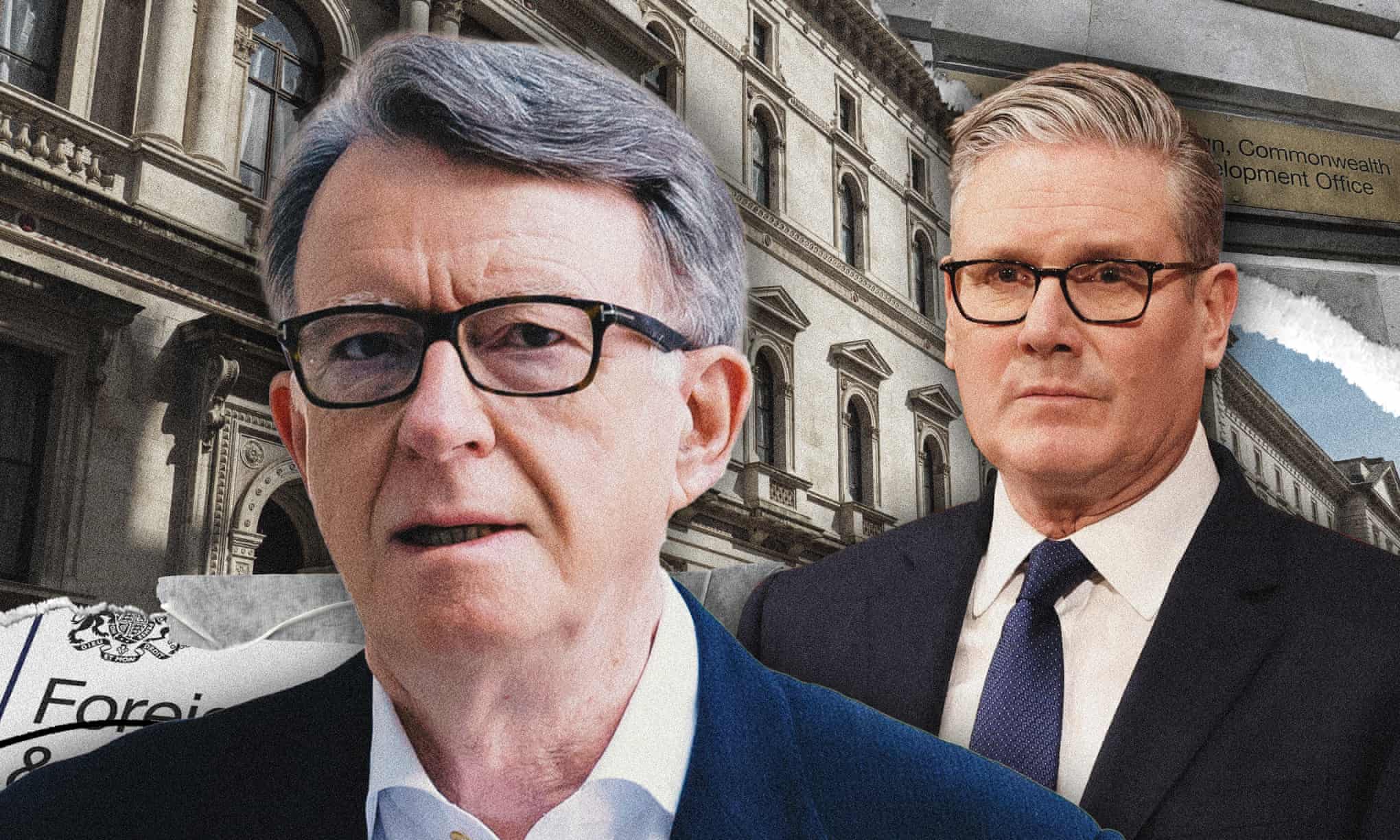
Exclusive: Opinions split on ‘unprecedented’ release of files, despite demand for ‘all papers’ related to ex-US ambassador’s appointmentRevealed: Mandelson failed vetting but Foreign Office overruled decisionFive key questions: who overruled decision to deny Mandelson security clearance?Senior government officials have been considering whether to withhold from parliament sensitive documents that show Peter Mandelson failed security vetting before he assumed the role of US ambassador, the Guardian can reveal.Any such decision could amount to an extraordinary breach of a parliamentary vote, known as a humble address, that ordered the release of “all papers” relevant to Mandelson’s appointment.The Guardian has revealed that Mandelson did not receive vetting clearance from security officials, but that their decision was overruled by the Foreign Office to ensure he could take up his post.According to multiple sources, officials across government have been in dispute over whether to release documents that would reveal those facts, and other information about Mandelson’s security vetting, to the parliamentary intelligence and security committee (ISC).The committee has been entrusted by parliament with the role of assessing the most sensitive papers relating to Mandelson’s appointment
Revealed: Mandelson failed vetting but Foreign Office overruled decision
Guardian investigation uncovers decision by UK security officials to deny clearance before Mandelson took up role as US ambassadorTop civil servant Olly Robbins forced out over vetting rowOfficials debate withholding Mandelson vetting documents from parliamentFive key questions: Who overruled the decision to deny Mandelson security clearance?Peter Mandelson failed his security vetting clearance but the decision was overruled by the Foreign Office to ensure he could take up his post as ambassador to the US, an investigation by the Guardian can reveal.According to multiple sources, Mandelson was initially denied clearance in late January 2025 after a developed vetting process, a highly confidential background check by security officials.Keir Starmer had by then announced he would be making Mandelson the UK’s chief diplomat in Washington, posing a dilemma for officials at the Foreign Office, who decided to use a rarely used authority to override the recommendation from security officials.Mandelson’s failure to secure vetting approval has not previously been publicly revealed, despite intense scrutiny over his appointment and the release by the government of 147 pages of documents supposed to shed light on the case.Downing Street released a statement late on Thursday confirming the Guardian’s story
As an older man, I feel for Peter Mandelson being caught short | Letter
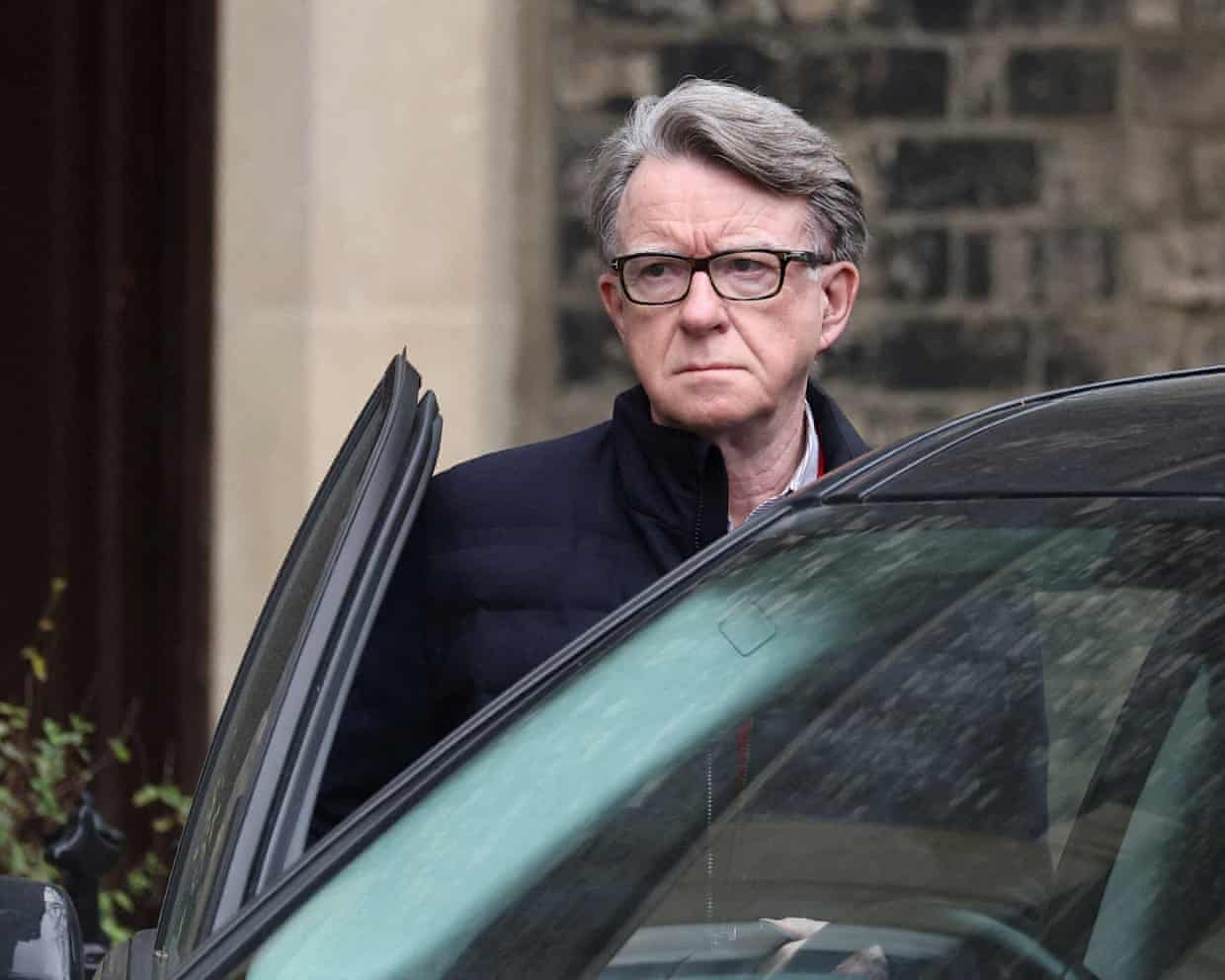
You report that the Royal Borough of Kensington and Chelsea intends to fine Peter Mandelson for urinating in the street at 11pm one night last November (Peter Mandelson faces fixed-penalty notice for urinating in public, 10 April). I’m no fan of Mr Mandelson, but on this occasion my sympathies are entirely with him.I am a year younger than him and, like many men of similar age, what used to be quaintly called my “waterworks” aren’t as robust as they used to be.What was he supposed to do when caught short on a cold night? Wet himself and allow the stream to flow from his trouser leg? Or follow the example of the Danish astronomer Tycho Brahe, who refused to leave a banquet to relieve himself because it would be a breach of etiquette and, according to Johannes Kepler, died shortly after as a result?If the council proceeds with this fine, I assume that it will also fine dog owners who allow their pets to pee in the street. This would be ridiculous, but no more so than what it intends doing with Mr Mandelson
A decade on from Brexit, Britain still flounders without a place in the world | Letters
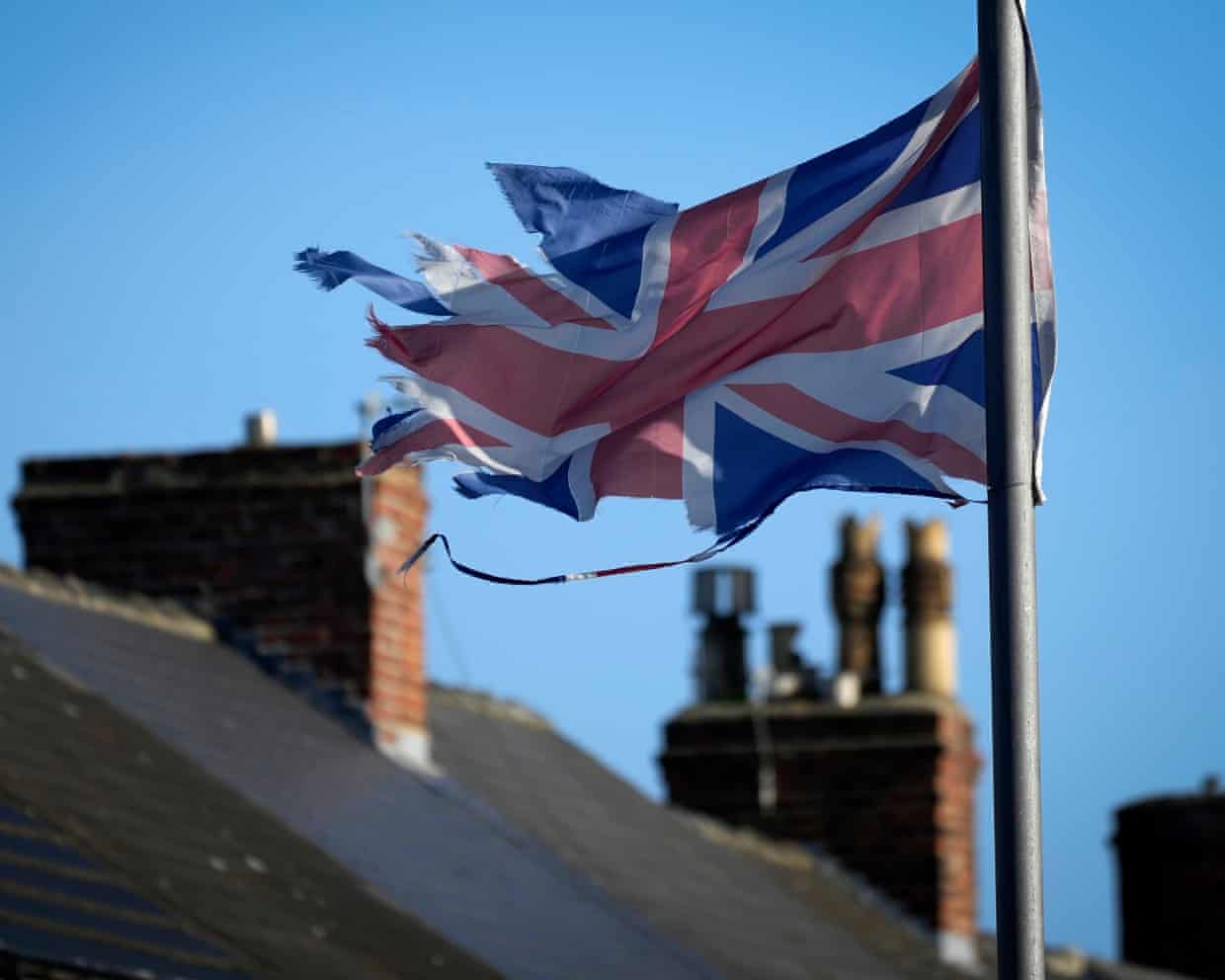
Perhaps the saddest consequence of Brexit is that it has left the UK a profoundly unhappy country (Ten years after Brexit, this is the UK: a divided nation frozen in time, 9 April). For Brexit supporters, the dream of a proud, independent Britain able to direct its own destiny in the world is nowhere near fulfilled, as if it ever could be. And they continue to grasp at the nearest proximate cause – an “invasion” of immigrants undermining British identity and draining its resources. For those who wished to remain, Brexit has left them unmoored from the security of membership of a grouping that gave them an identity and clear position in the world.Unfortunately, that unhappiness is now exacerbated by the state of the world outside the UK
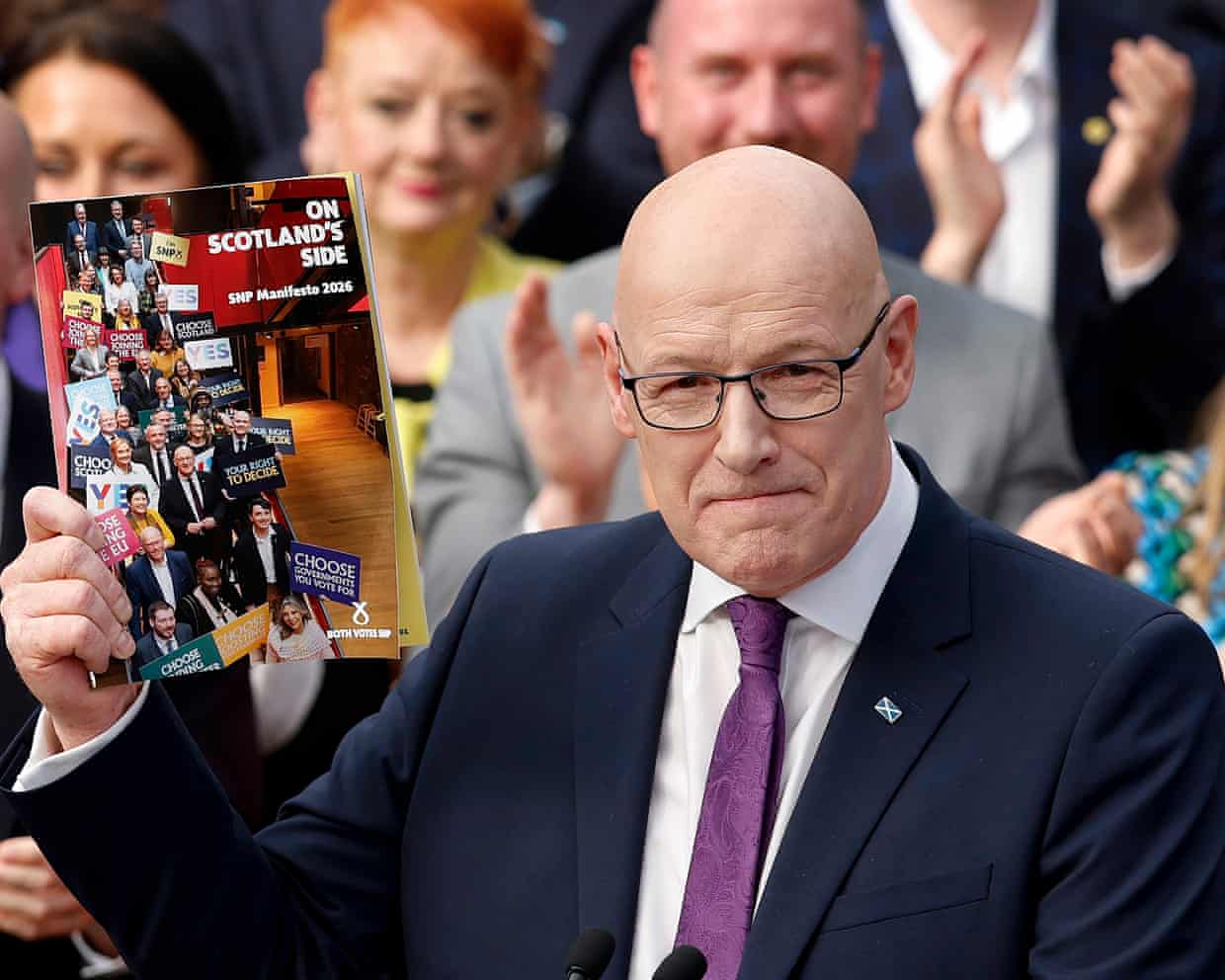
SNP pledges to cap bread and milk prices if it wins Scotland’s parliamentary elections
The SNP will cap supermarket prices for essential goods such as bread and milk if it retains power, John Swinney has pledged, after describing the cost of living as “the defining issue of this election”.With polls pointing to a fifth Holyrood term for the Scottish National party, its leader said he would use devolved public health powers to fix prices on 20 to 50 items such as bread, milk, cheese, eggs, rice and chicken because their rising cost was “impacting our nation’s nutrition”.The eye-catching pledge, made at the launch of the SNP manifesto for the Scottish parliament election, was immediately dismissed as a “potty gimmick” by retailers. It could also put the party on a collision course with the UK government because it may breach the Scotland Act of 1998 that created a devolved parliament.Ewan MacDonald-Russell, deputy head of the Scottish Retail Consortium, said supermarkets already paid significantly higher rates in Scotland, £162m more over the next three years than in England

LIV golf stars face career limbo with Saudi investment expected to end in 2026

Chris Westwood obituary
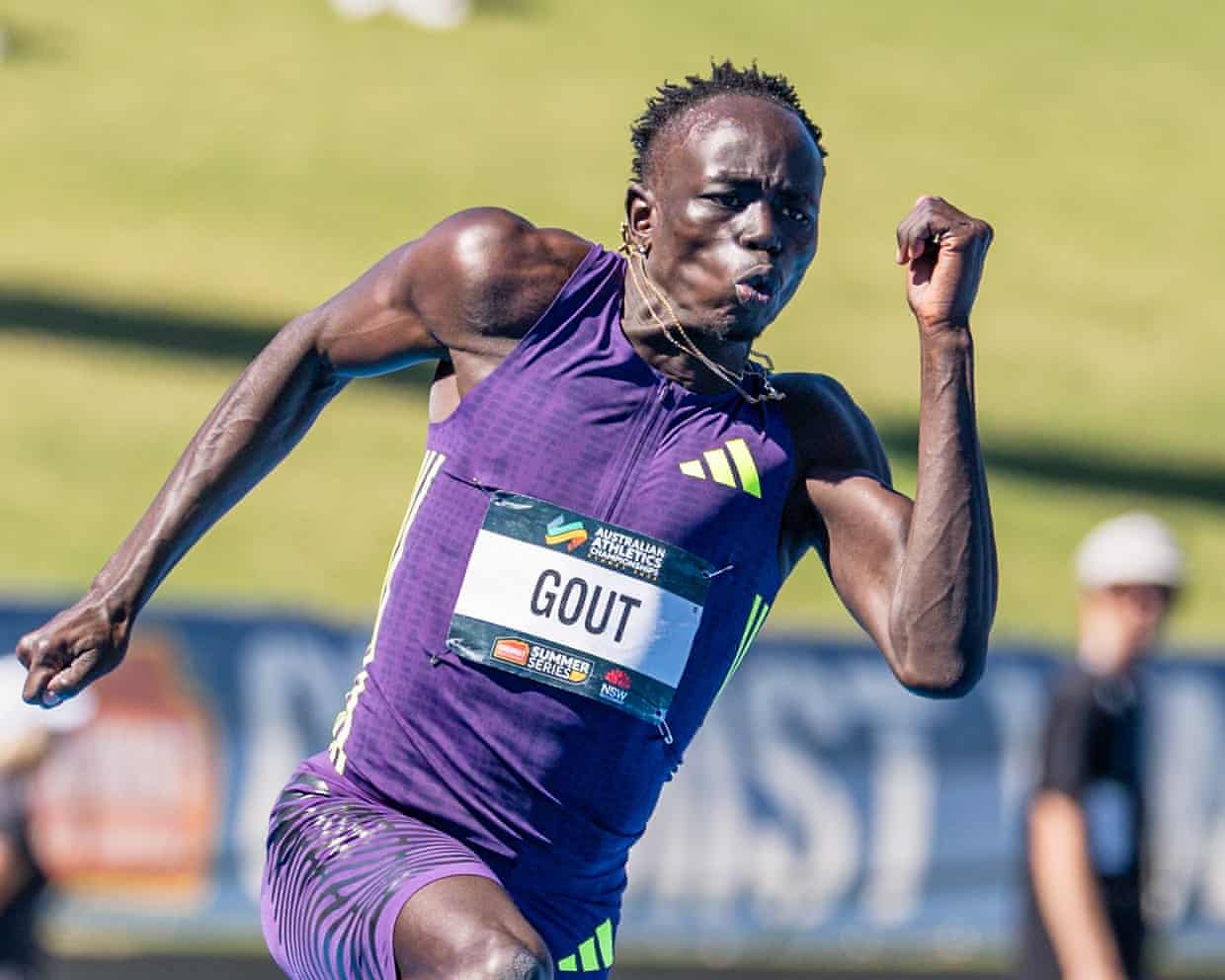
Gout Gout may be bigger than Cathy Freeman, but he alone is not athletics’ elixir
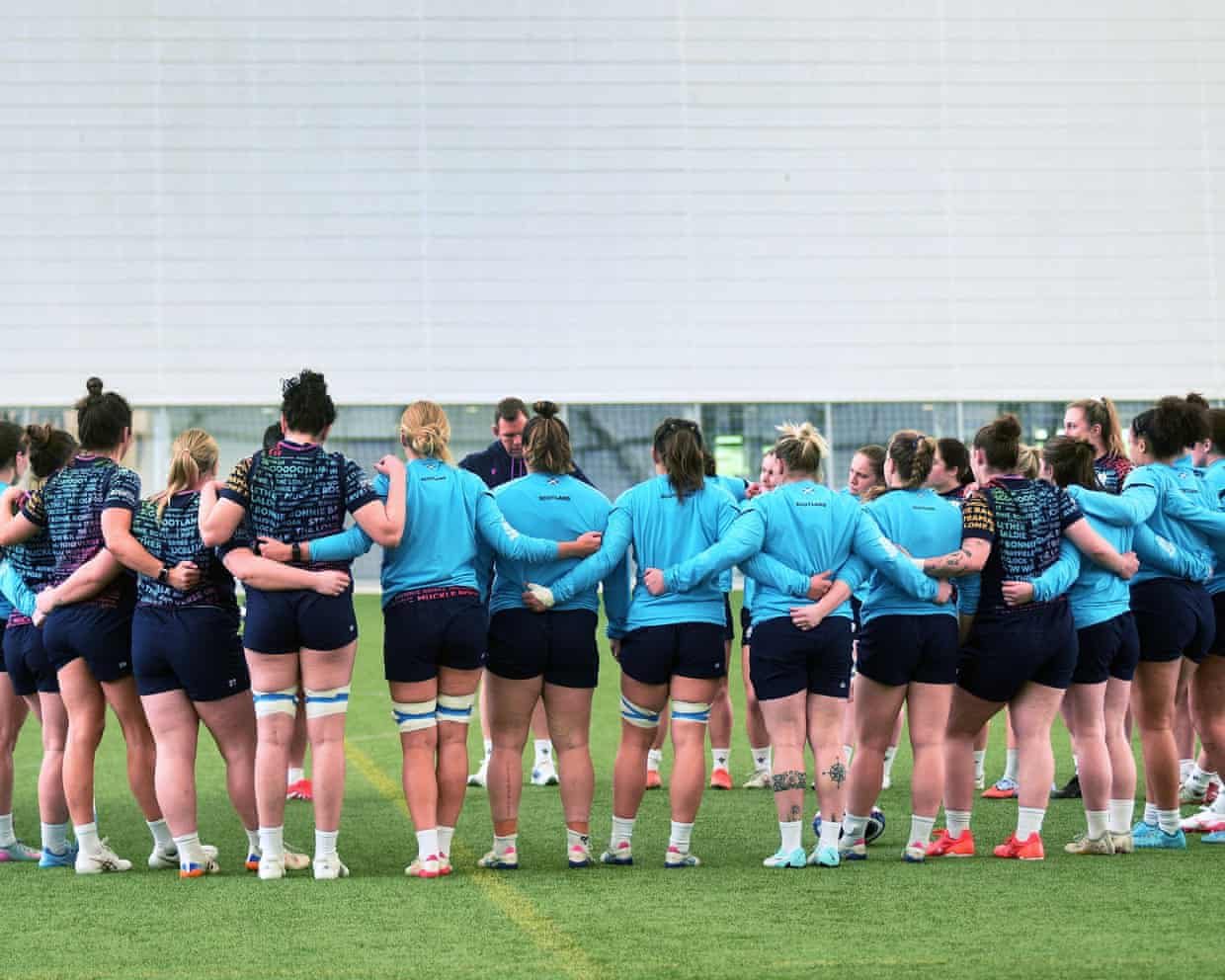
‘It was stressful’: inside Scotland women’s Rugby World Cup contract wrangle

Gossip around Azzi Fudd and Paige Bueckers’s relationship misreads the WNBA
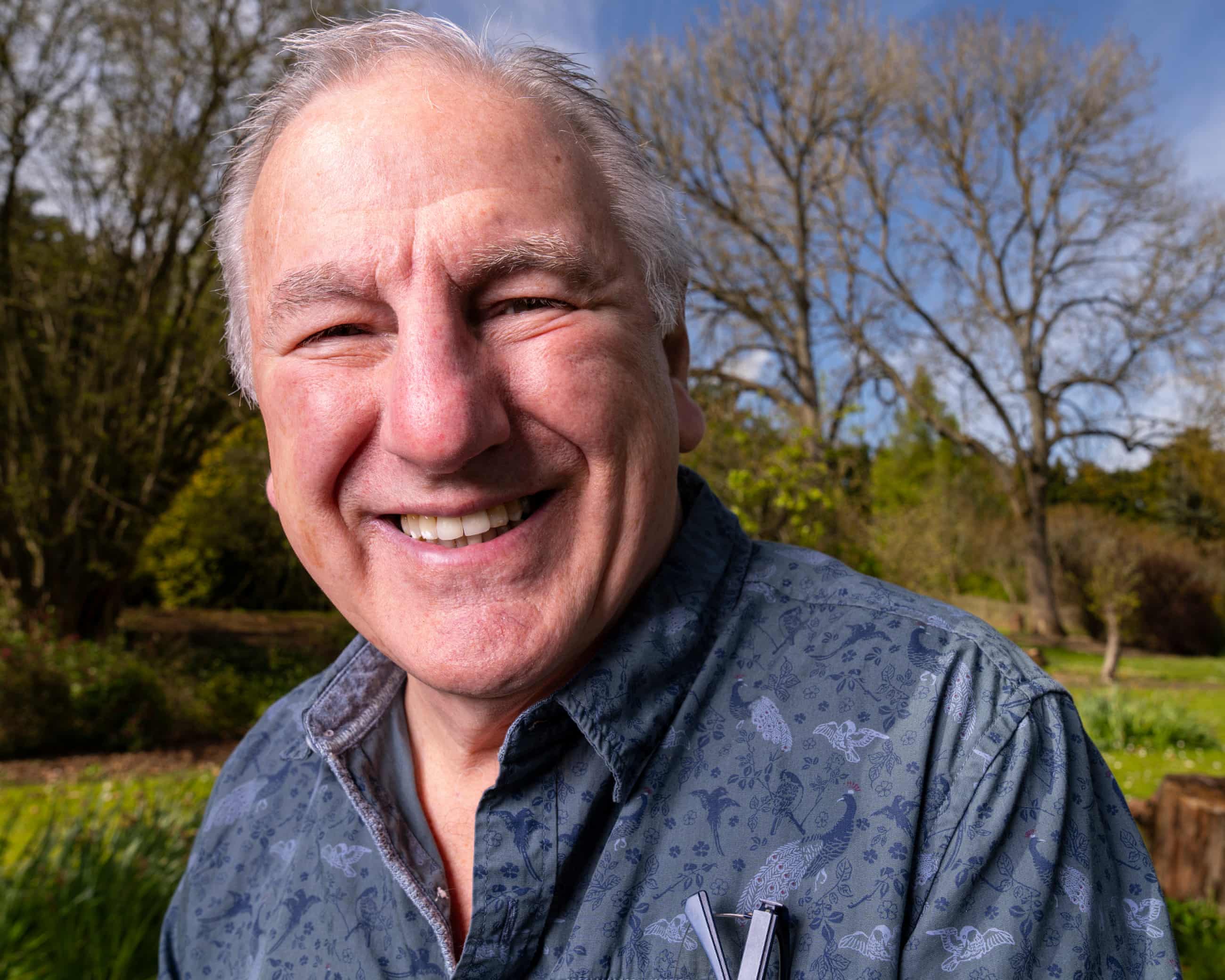
Andy Simpson, the unluckiest England rugby player in history, finally gets his Test cap