‘It’s come at the wrong time’: how Iran war has floored the Gulf as a sports hub
The sight of Nasser al-Khelaifi grounded in Doha when Paris Saint Germain hosted Chelsea in the last-16 of the Champions League last week provided a symbolic illustration of the fragility of the Gulf’s sports project amid the conflict in the Middle East.Al-Khelaifi is the president of PSG, the chair of Qatar Sports Investments and, most crucially, the European Football Clubs, a lobby group that, along with Uefa, runs the Champions League.He is seen as the second-most powerful individual in world football, after the Fifa president, Gianni Infantino.Yet, with Qatari airspace closed, the 52-year-old was forced to miss his first PSG match for years.After watching PSG’s thrilling 5-2 victory in the first leg on the sports channel of the global TV network he also chairs, BeIN Media Group, Al-Khelaifi made it to London to watch Luis Enrique’s side inflict further misery on Chelsea with a 3-0 win in the second leg at Stamford Bridge on Tuesday.
However, the partial reopening of Qatari airspace has not eased the collateral damage to the sporting calendar and the Gulf states’ economies caused by the US-Israeli war on Iran.In echoes of the start of the Covid pandemic, a drip of sporting cancellations has become a flood in recent days, with Formula One calling off next month’s Bahrain and Saudi Arabian grands prix.A showpiece football clash between the world champions Argentina and the European champions Spain scheduled to take place in Doha has also been cancelled, along with MotoGP’s Qatar Grand Prix, which has been rescheduled for November.Smaller competitions have also been threatened, with the status of next month’s Artistic Gymnastics World Cup and the GCC Games, a regional multi-sport event, in May still unconfirmed.Looking further ahead, Qatar is to stage the FIBA Basketball World Cup next year.
The Doha-based communications company Northbourne Advisory reported this week that more than 100 events across all sectors had been cancelled in the Gulf since the start of the war.Simon Chadwick, professor of Eurasian sport industry at the Emlyon business school in Lyon, says: “The conflict has laid bare the weakness of the Gulf states’ plans for diversification through sport, especially a model that is event based.“One of the main reasons the Gulf countries invested in sport was to build interdependence and security.Qatar in particular has relied on other countries investing in its sporting infrastructure, but that is now vulnerable.”Qatar was the trailblazer in the Gulf’s growing attempts over the last decade to become the world’s playground, spending about $220bn (£165bn) on the 2022 World Cup to turn Doha into a sporting megacity from scratch.
Where Qatar led, its neighbours followed.Saudi Arabia, the United Arab Emirates, and Bahrain are all implementing Vision 2030 projects, aimed at diversifying their economies away from oil dependency towards sport, leisure and tourism.Inevitably, Saudi Arabia’s plans are the most ambitious, with its crown prince, Mohammed bin Salman, telling Fox News in his first English language interview three years ago that the country was aiming to grow sport to 3% of gross domestic product by 2030.(The scale of this ambition is indicated by the fact that, in the EU, the sport industry’s contribution to GDP is just over 2%, while in the UK it is about 2.5%.
)With Saudi Arabia winning an unopposed bid to stage the 2034 World Cup, and global football megastars such as Cristiano Ronaldo and Karim Benzema signing for Saudi Pro League (SPL) clubs, the first stage of the project has gone well.However, much like the construction companies and architects tasked with building 11 new stadiums for the World Cup, it is almost entirely dependent on imported labour.“They have not diversified enough, and failed to develop a sustainable sports ecosystem,” Chadwick says.“They are hosting events, buying players, and hiring foreign consultants, but are not manufacturing equipment and apparel like countries such as Vietnam and Thailand, or investing in e-sports like China and South Korea.“If this had happened 10 years later then perhaps they would have been able to cope better.
The war has come at the wrong time.”Saudi Arabia’s response to the war has been in keeping with a country where obtaining information and straight answers can be extremely challenging.A sports promoter who has done deals to bring numerous athletes and companies to the kingdom over several years said that their recent conversations with the Saudi ministry of sport had been “surreal”, with officials seemingly “in denial” about the scale of the crisis.In the immediate aftermath of the first missile strikes three weeks ago, the SPL wrote to all its clubs saying that games would continue and most have done so, although AFC Champions League Elite fixtures involving Saudi clubs have been postponed, and are yet to be rescheduled.The upcoming international football break has provided some respite, with European players including Ronaldo able to fly home to represent their countries, but they are all expected back at the start of next month for the climax of the SPL season.
No SPL players have indicated they want to leave, although an agent of one player at a Saudi club has said some families may not return from Europe.Drone attacks on the King Fahd Causeway that links Saudi Arabia with Bahrain, which is home to many emigrants, have caused considerable unease and could ultimately lead to an exodus of players at the end of the season in May.Beyond the immediate cancellations and a medium-term confidence issue likely to deter investors and athletes, the biggest long-term concern is that difficulties exporting oil and gas will inevitably lead to big spending cuts.The Guardian reported in December that the Public Investment Fund (PIF) had already begun cutting budgets for World Cup stadium construction leading to delays, while the new Qiddiya Speed Park track near Riyadh, which is due to host the Saudi Arabian Grand Prix from next year, is yet to be completed.A consultant who works for the Saudi ministry of sport indicates that PIF’s spending on tennis, golf and darts is seen as most vulnerable, with football, Formula One and boxing likely to be protected, but anyone involved in taking sport to the Gulf is unlikely to rest easy for some time.
Carlos Alcaraz cuts through the noise to ease past Joao Fonseca at Miami Open
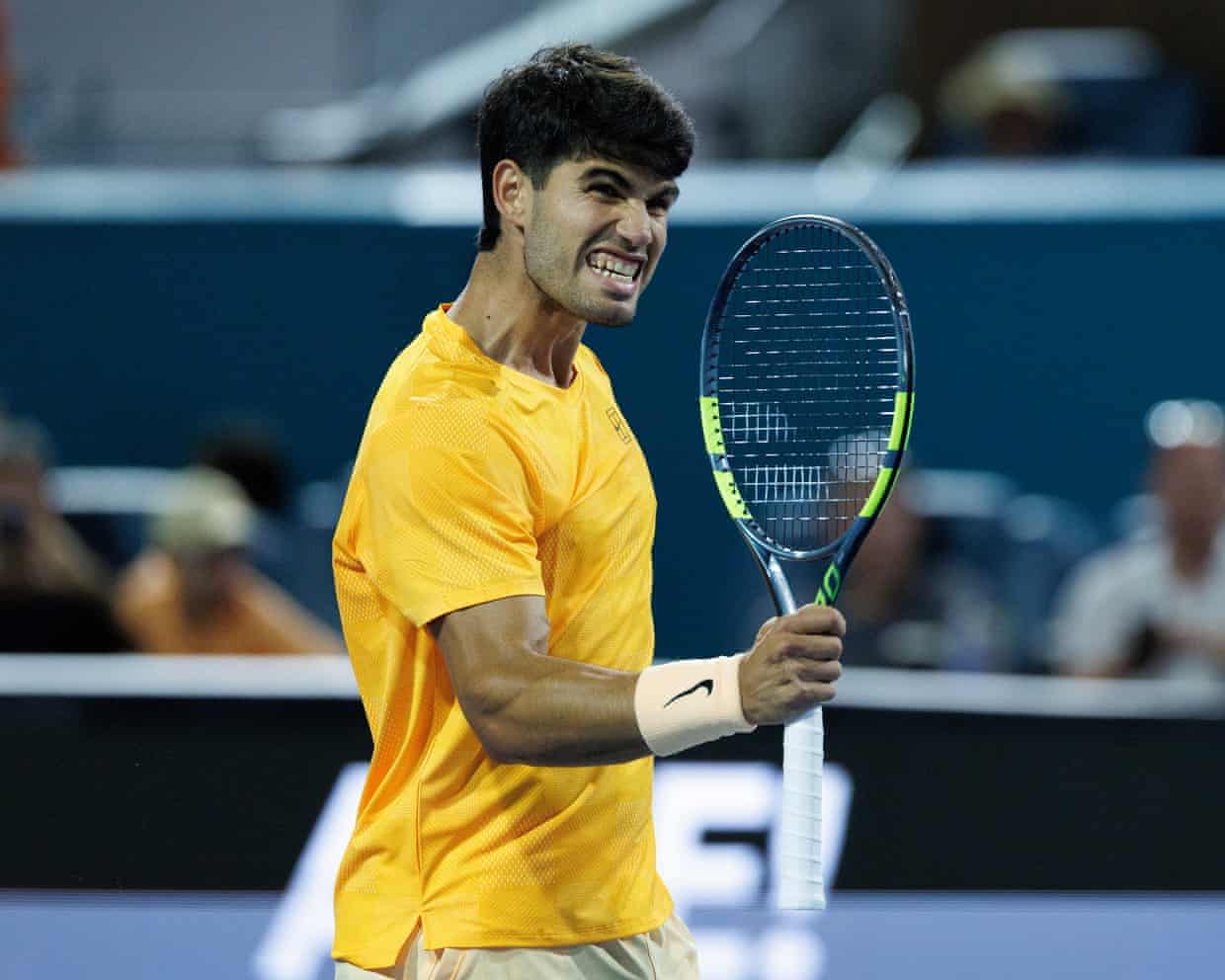
As Carlos Alcaraz worked through his service motion midway through his opening match at the Miami Open, a scream pierced the night-time air. One of the 16,000 spectators breathlessly cheering Alcaraz’s demise had attempted to distract the Spaniard just before he struck the ball.In a spectacular atmosphere unlike many other Masters 1000 second round matches in recent memory, Alcaraz maturely navigated both a passionate, adversarial crowd and a prodigious teenage opponent in Joao Fonseca to reach the third round of the Miami Open with a 6-4, 6-4 win.This meeting had been greatly anticipated ever since Fonseca began to emerge on the tour. Still just 19 years old, Fonseca has risen rapidly up the rankings, outpacing many legendary players with some of his early achievements, such as an ATP 500 title in Basel last year
Jack Draper blown away in straight sets by US star Reilly Opelka at Miami Open
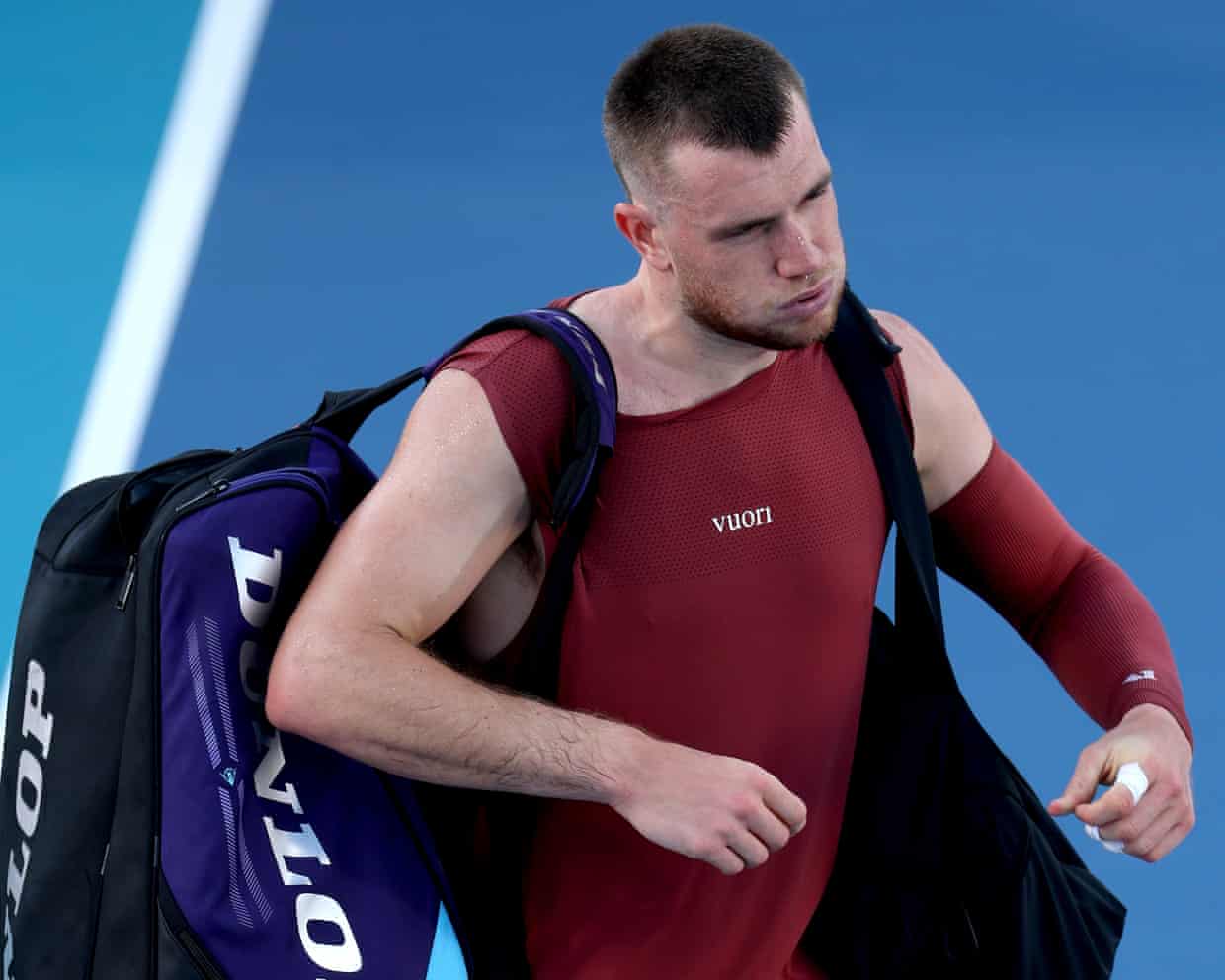
Jack Draper suffered a tough defeat in his opening match at the Miami Open as he could do little to neutralise a dominant serving performance from Reilly Opelka, who fired down 25 aces in two sets en route to a 7-6(3), 7-6(0) win.The defeat is a difficult setback for Draper, the 25th seed, as he continues to navigate the early stages of his return to competition from a bone bruise injury that forced him off the tour for seven months. Miami is just the third ATP tournament of his comeback.While some big servers view the phrase as a pejorative, undermining the other qualities in his game, the 6ft 11in Opelka proudly describes himself as a servebot. This performance was a demonstration of his destructive serving and his ability to completely take his racket out of the hands of his opponents
USA’s Jordan Anthony wins 60m world gold after his blood clot ‘the size of a soccer ball’
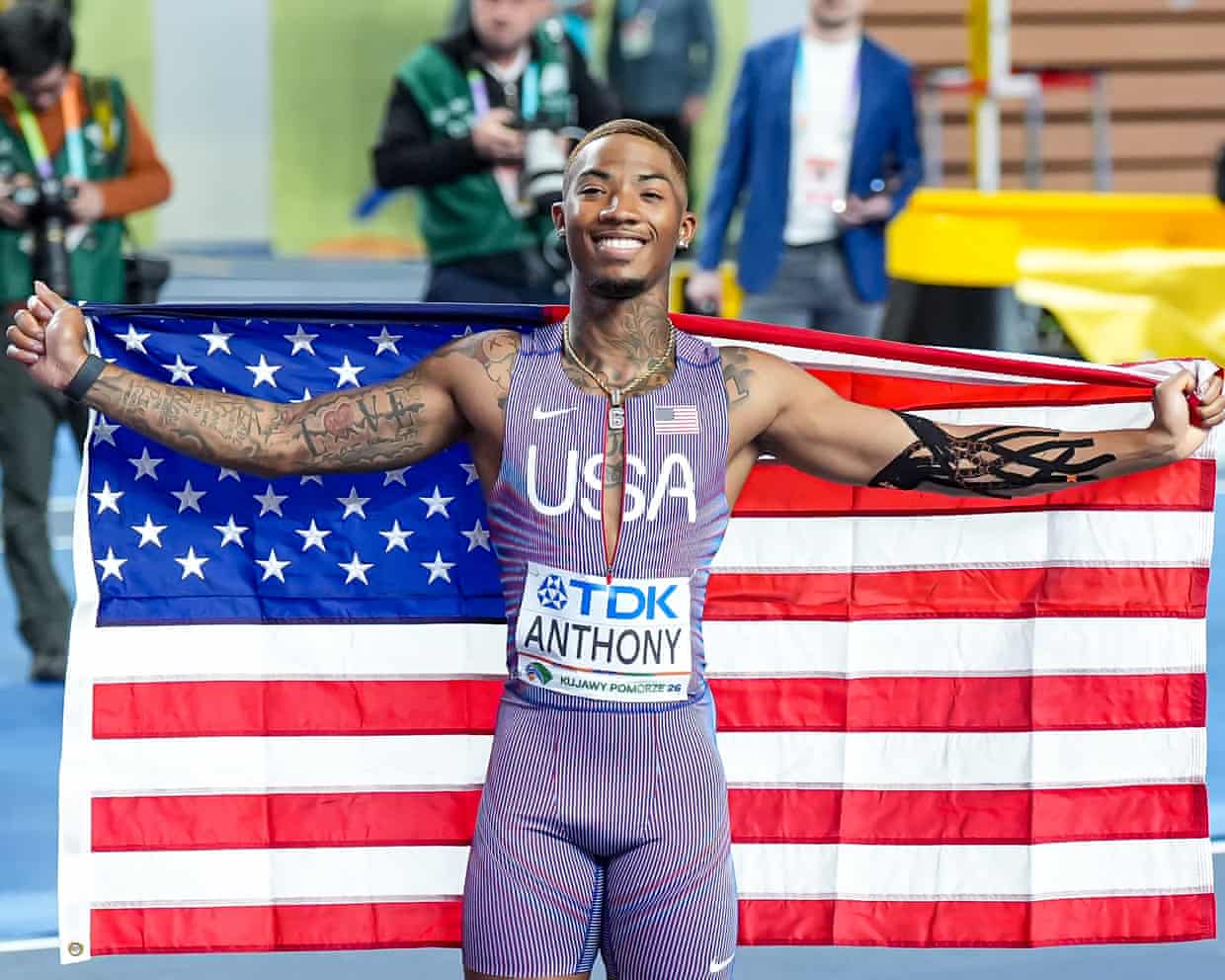
On a night of dizzying speed and freakish drama, track and field found itself a new sprint sensation. It came in the form of Jordan Anthony, a 21-year-old American with one heck of a story, along with the first global gold medal around his neck.“The devil is always going to try, but I will never let him stop me from getting a gold medal,” he said after winning one of the great world indoor championships 60m races of all time in 6.41secs, the fourth-fastest time in history.And then it all came gushing out
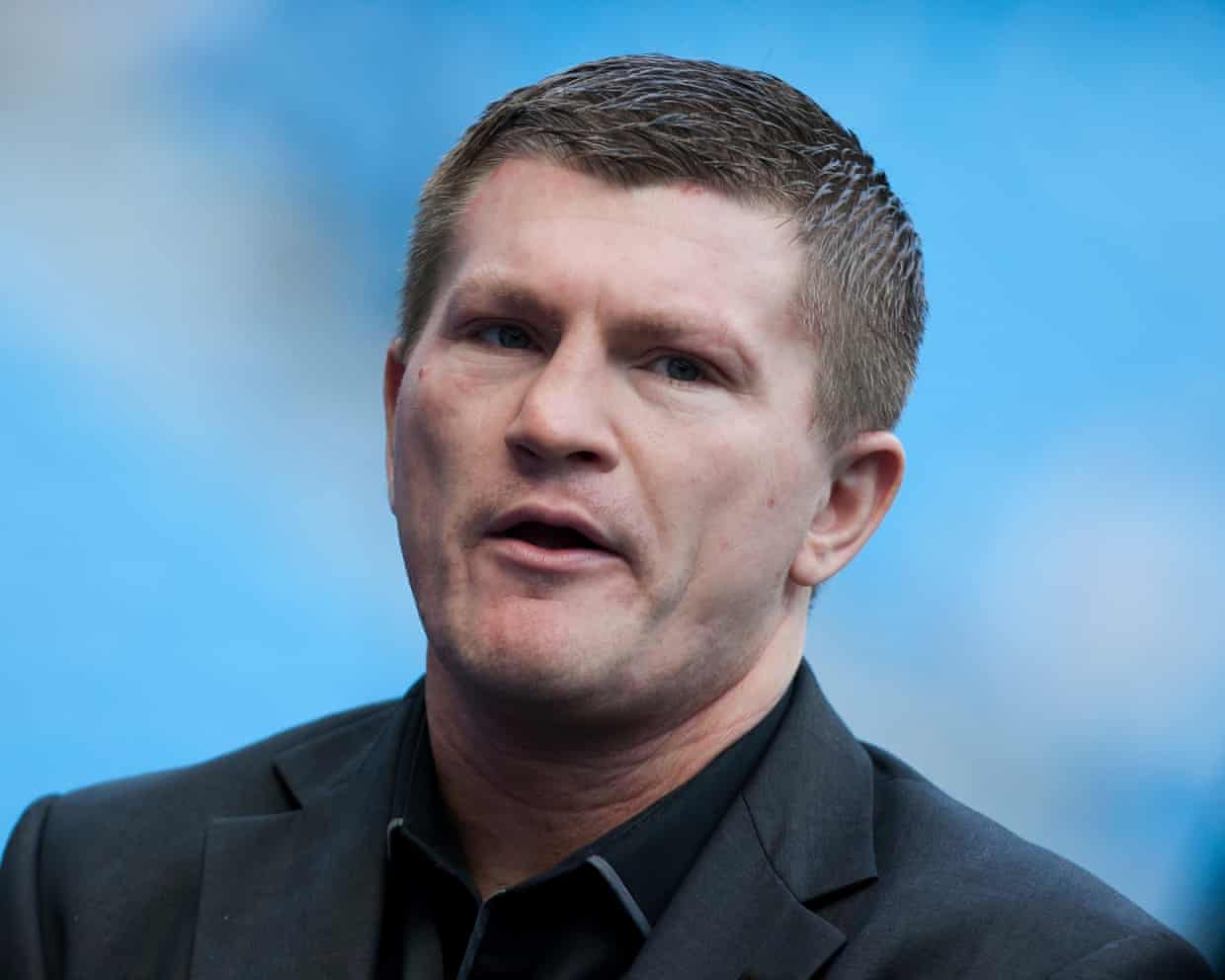
Coroner ‘cannot be satisfied’ that Ricky Hatton intended to take his own life
A coroner has said she “cannot be satisfied” that British former boxing world champion Ricky Hatton intended to take his own life.Hatton, 46, was found dead in his home on 14 September, with the inquest concluding that the official cause of his death was hanging.But the veteran boxer “was the best he had been in years” in the lead-up to his death, his family told Stockport coroner’s court.Hatton’s body was found in his home in Hyde, Greater Manchester, after police received a call from a concerned neighbour, later revealed to have been his manager, Paul Speak.Hatton was last seen by family members on Friday 12 September, when he took his daughters and granddaughter to a pub for a meal, the court heard
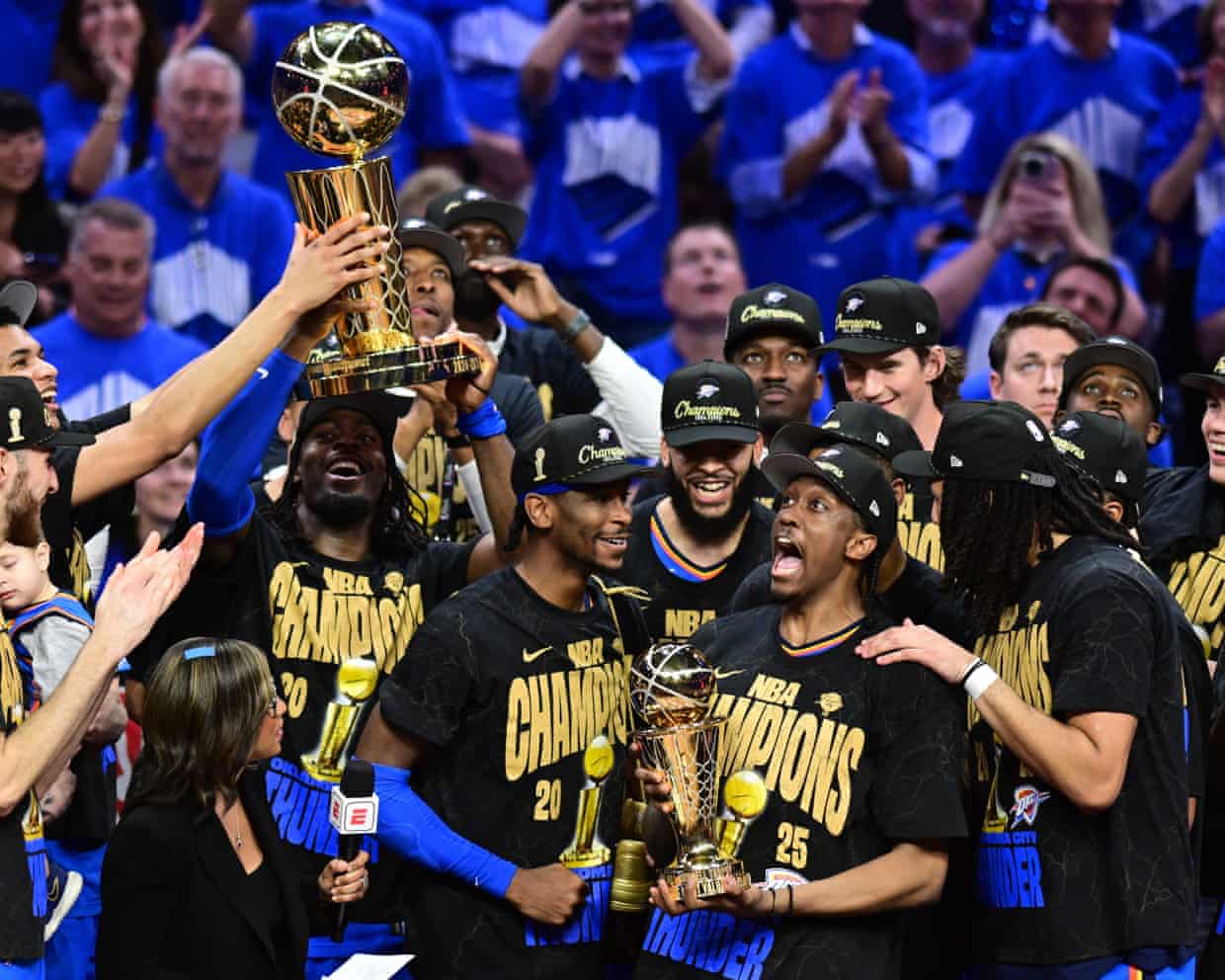
NBA champion Oklahoma City Thunder won’t visit White House, citing ‘timing issue’
The reigning NBA champion Oklahoma City Thunder will not visit the White House during their trip to the nation’s capital this weekend.A Thunder spokesperson confirmed Friday that a “timing issue” will prevent the team from making the traditional appearance. Oklahoma City face the Wizards in Washington on Saturday.“We have been in touch with the White House and we are appreciative and grateful for the communication we have had, but the timing just didn’t work out,” the Thunder said in a statement shared with the Athletic.Championship teams across the major American sports have traditionally received invitations from the president to visit the White House and celebrate their victories
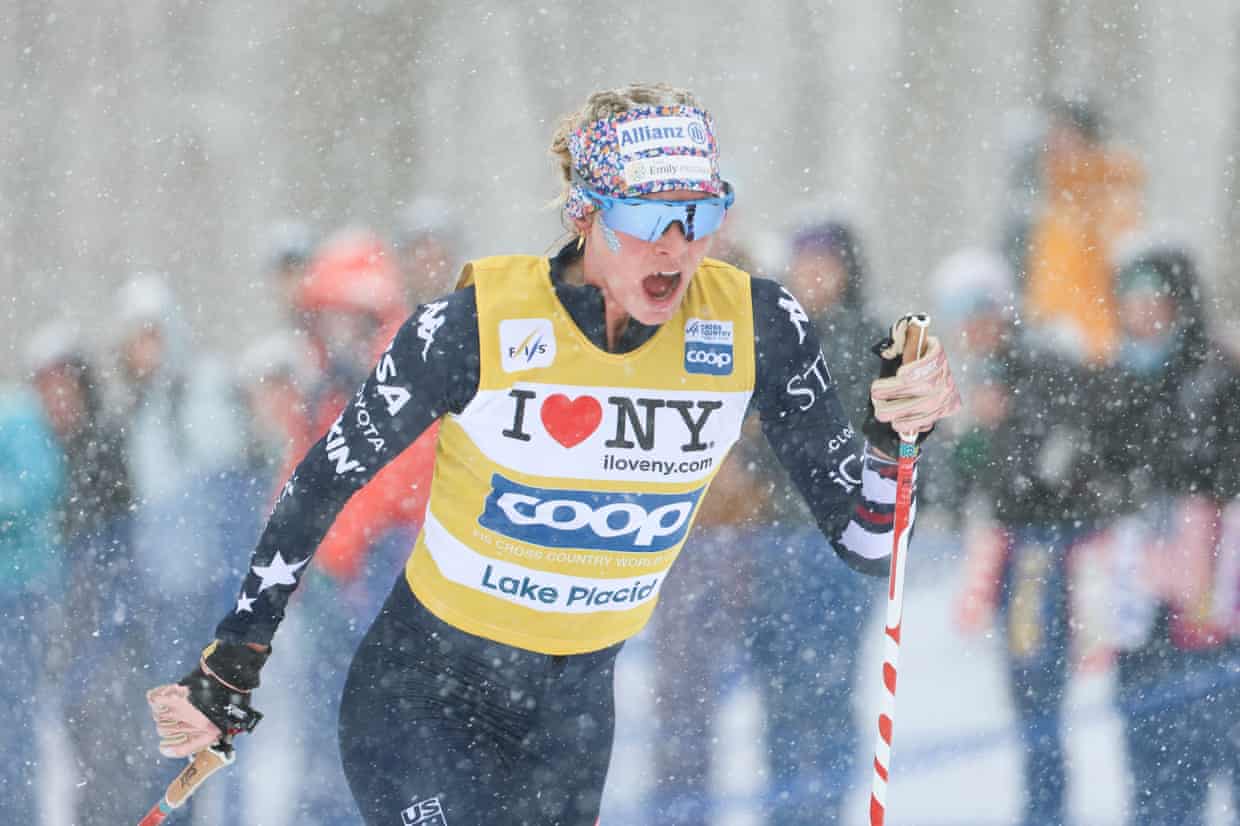
Jessie Diggins seals extraordinary fourth World Cup overall title before retirement on home snow
No woman from outside Europe had ever captured the cross-country skiing World Cup overall title until Jessie Diggins in 2021. Now she’s won it four times.The Minnesota-born star clinched yet another crystal globe in the twilight of her glittering career on Friday, securing the season crown with a fifth-place finish in the 10km classic at the World Cup finals in Lake Placid, New York. Diggins made it a mathematical certainty with two races remaining in the season-ending weekend, giving her a third consecutive overall title and fourth in total.Diggins entered the finals with a 342-point lead over Sweden’s Moa Ilar

Department of Health retracts claim sunbeds are as dangerous as smoking

More British teenagers stranded abroad as result of new rules on dual nationals
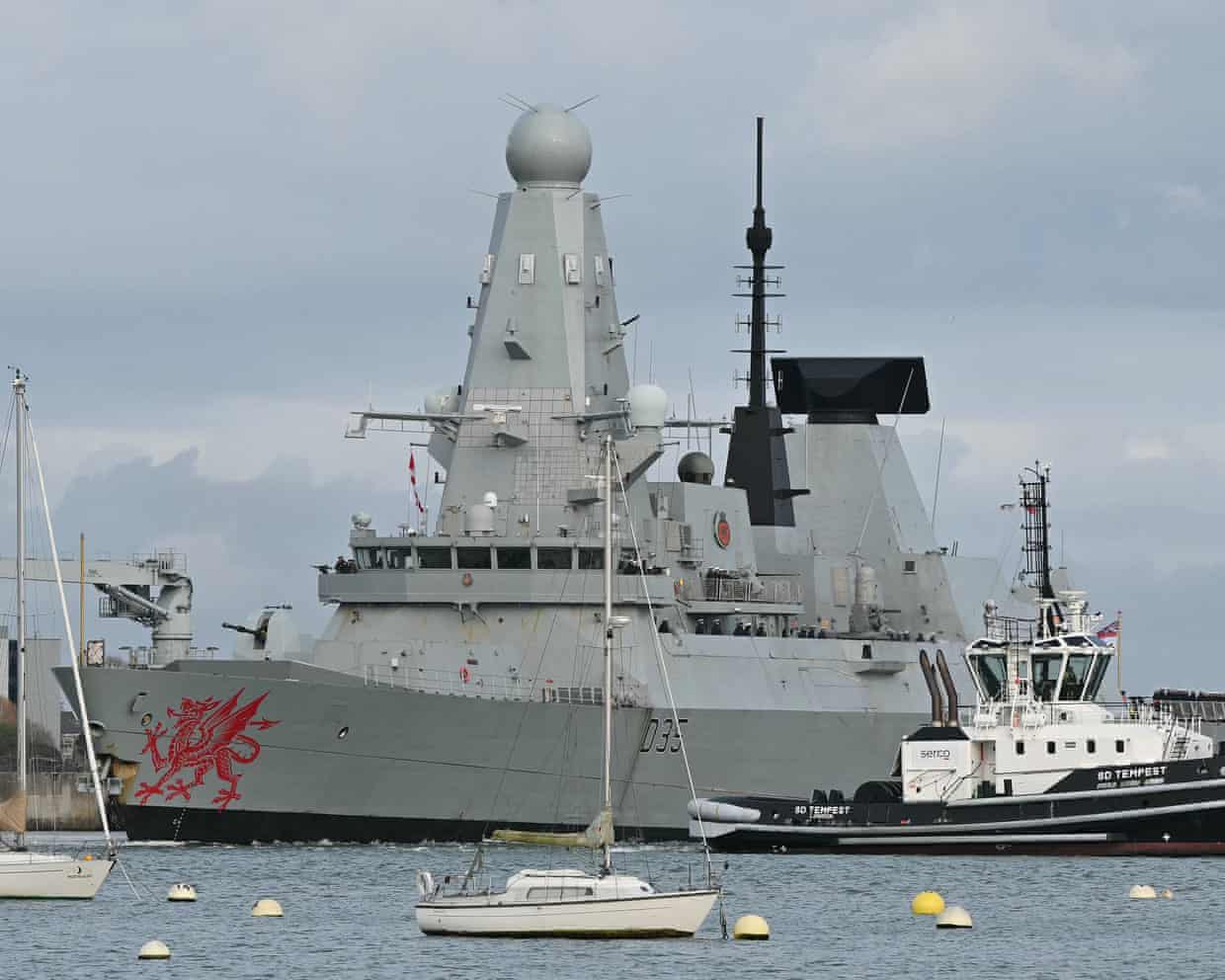
Is it time for the UK to acknowledge the ‘rhetoric to reality gap’ on its military power?
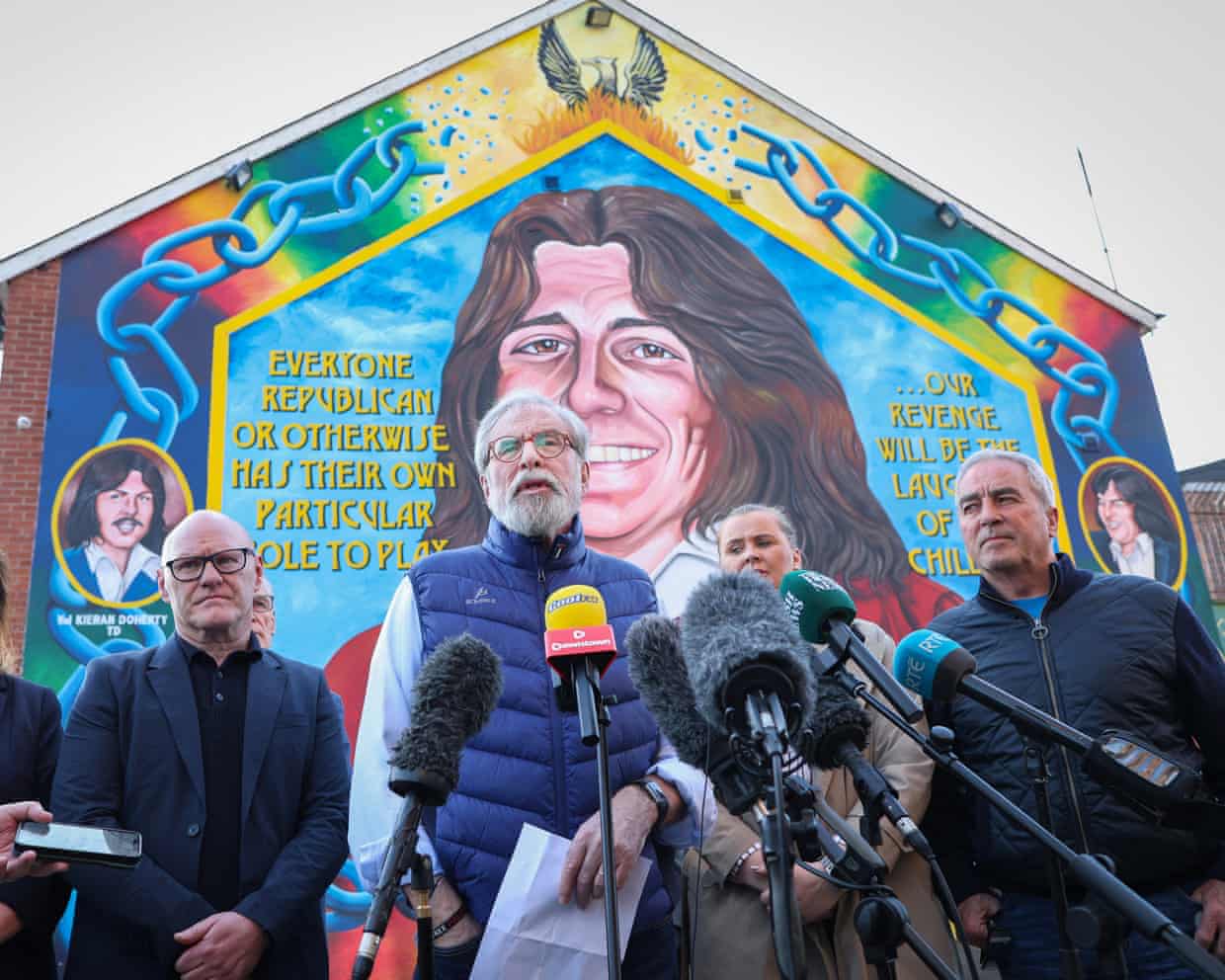
Claimants drop lawsuit against Gerry Adams over IRA bombings

Labour dismisses Reform UK MSP candidates as ‘hopeless Tory rejects and oddballs’ as one is suspended – as it happened
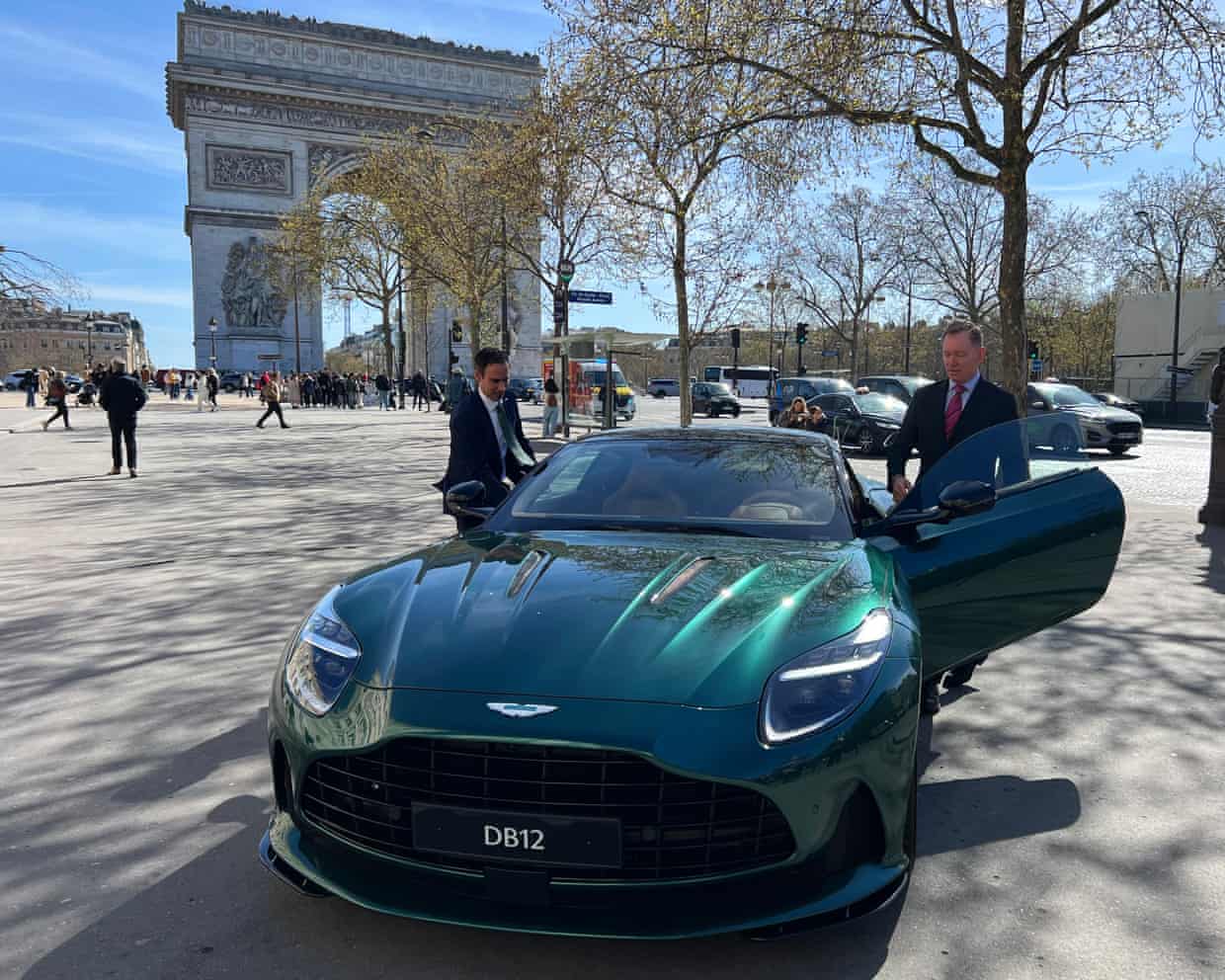
‘We need to think much bigger’: trade minister calls for greater ambition in UK-EU reset