Maritime insurers cancel war risk cover in Gulf as Iran conflict disrupts shipping
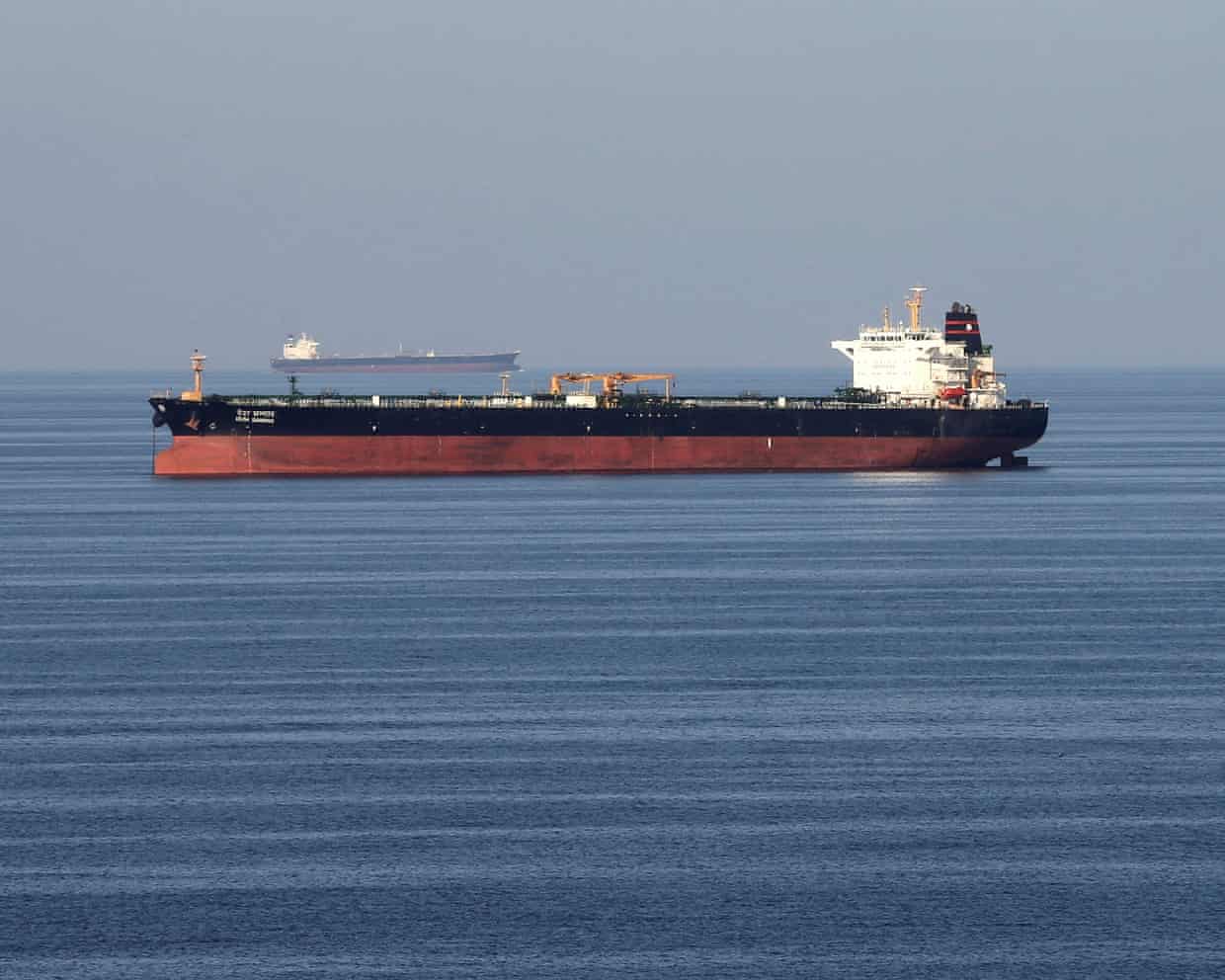
Leading maritime insurers have cancelled war risk cover for vessels operating in the Gulf as the escalating Iran conflict disrupted shipping and sent some freight costs surging.At least 150 vessels including oil and liquefied natural gas tankers have dropped anchor in the strait of Hormuz and surrounding waters, and at least three tankers were damaged and one seafarer killed over the weekend.The vital shipping route, through which about 20% of the world’s oil supplies and 20% of seaborne gas tankers pass, is effectively closed after the US and Israel began intense airstrikes on Iran on Saturday.Several leading mutual marine insurers, including Norway’s Gard and Skuld, the UK’s NorthStandard and the London P&I Club, and the New York-based American Club, said they were cancelling war risk cover for ships operating in the region.This is likely to further dissuade shipowners from traversing the Gulf.
The insurers said war risk cover – which typically covers shipowners for costs and damages resulting from war, terrorism and piracy – would be cancelled in Iranian waters, as well as the Gulf and adjacent waters, with effect from 5 March.Peter Hulyer, the head of UK protection and indemnity (P&I) at the leading insurance broker Marsh, said this related to non-poolable war cover for these mutual insurers, provided for specific, often higher-risk, exposures such as chartered vessels.“In most cases the clubs will be offering to reinstate war coverage at terms to be agreed.Mutual P&I cover offered by the clubs is unaffected by the above.”Marcus Baker, the global head of marine at Marsh, said several other insurance markets, including Lloyd’s of London, had issued notices of cancellation, to give insurers time to look at the heightened risks in the Middle East and assess their rates.
He said insurance rates could go up by 50% to 100%, or even more, from 0.25% to 0.5% or 1% of the value of the insured asset.This compares with a rating of 5% after Russia’s invasion of Ukraine in 2022 for ships going into Odesa.The cost of transporting goods jumped, as shipping was rerouted and oil prices rose sharply on Monday.
The Containerized Freight Index tracked by the website Trading Economics rose by 6,5%,Freightos terminal container rates for Shanghai to Jebel Ali in Dubai, the largest port in the Middle East, rose from $1,800 for a 40ft container on Saturday to about $3,700 on Monday, according to the online shipping marketplace,Dubai-based DP World suspended operations at Jebel Ali over the weekend after an aerial interception caused a fire on Saturday night, though operations have since resumed,Freightos said as only about 2% to 3% of global container volumes passed through the strait of Hormuz, its effective closure may not have much of on impact on the broader container market.
However, given the wider disruption in the region, including the Red Sea, it added: “For importers or exporters trying to move goods in or out of the Middle East, services will be significantly disrupted, and costs will rise for goods that are able to move at all.”John Wyn-Evans, the head of market analysis at the UK wealth asset management group Rathbones, said: “Any rate increases would be linked to a combination of rerouting and higher oil prices; rerouting involves being at sea for longer which reduces capacity and if the cargoes have to get there by a certain time, they have to sail faster, which uses up more fuel (and it’s exponential, like driving faster in a car and watching MPG [miles per gallon] go down).”Iran-backed Houthi rebels in Yemen, who had paused attacks on Red Sea vessels since October, have also threatened to resume strikes.In response, several big shipping companies – Denmark’s Maersk, Germany’s Hapag-Lloyd and France’s CMA CGM – have diverted all their sailings away from the Red Sea until further notice, rerouting them around Africa.Denmark’s Norden has suspended all new business requiring transit through the strait of Hormuz.
CMA CGM has imposed an emergency conflict surcharge of between $2,000 (£1,491) and $4,000 a container on cargo moving through the region.Shares in Beazley, a leading marine insurer that operates in the Lloyd’s market, initially dropped 2.8% as investors fretted about a potential large insurance loss arising from the Middle East and risks to its takeover by its bigger rival Zurich.Its share price rebounded by 1.8%, when the two companies announced on Monday afternoon that the £8.
2bn deal had been agreed, but closed 1.3% lower.“The announcement might also be read as a signal that Beazley’s loss exposures, and likely those of the broader specialty insurance market, remain contained,” said analysts at Jefferies.Beazley wrote just over $500m of premiums for marine insurance in 2024, about 8% of its total book.Matthew Wheatley, the main data analyst at the energy analysts Wood Mackenzie, said: “Freight rates are volatile amid the fresh instability in the Middle East, with most tankers now avoiding the strait of Hormuz as attacks and insurance cancellations make the area increasingly unsafe.
“A substantial number of tankers are currently stranded or rerouting in the region, effectively removing a significant amount of capacity from the market.If the conflict continues and tanker availability remains tight, global freight rates could rise further.”

Most senior council officers in England say building work hit by delays
Almost two-thirds of senior council officers have said they are seeing construction projects delayed, despite the key role of local authorities in creating the wave of new housing and infrastructure promised by Labour.Before Rachel Reeves’s spring forecast on Tuesday, a survey of senior council officers showed that 40% do not think the local authority they work for is well placed to follow through on its construction plans.Local authority finances have been under sustained pressure for more than a decade. Labour recently announced a shake-up of the funding formula for England’s local councils, to redirect resources from affluent parts of the country towards more deprived areas.Among those surveyed, 64% reported project delays, with as many as 94% calling for more certainty about future financing – such as multi-year funding settlements

Three in four women unaware menopause can trigger new mental illness, poll finds
Nearly three-quarters of UK women do not know menopause can trigger a new mental illness, polling shows.This lack of understanding is so acute that the Royal College of Psychiatrists has launched its first targeted “position statement” to raise awareness about menopause and mental health.A YouGov poll, commissioned by the college, which represents more than 20,000 psychiatrists, found that only 28% of women know a new mental illness can be associated with menopause. In contrast, 93% of women associate menopause with hot flushes and 76% with reduced sex drive.As a result, many women are not seeking or receiving vital help, the RCPsych’s report says

The decline in healthy life expectancy in Britain should shock us all | Letters
The decline in healthy life expectancy (HLE) is so momentous it should have ejected the former prince from the front page (Female healthy life expectancy falls three years, print edition, 20 February). The shocking fall of three years for women and two years for men, in just three years, reveals the cumulative impact of the Tory/Liberal Democrat austerity programme and the gross mismanagement of the pandemic.In contrast to the lowest HLE since these figures were first estimated (2011-13), Swedish HLE has continued to rise and is an average of five years higher than the UK’s. It is blindingly obvious that unless the government urgently prioritises extending HLE, it cannot hope to stem the flow of older workers out of the labour market.Alan WalkerEmeritus professor of social policy and social gerontology, University of Sheffield Falling healthy life expectancy and a rising pension age – so work until 67 possibly 68, then spend your last years recovering

UK health official recused from puberty blockers trial after bias claims
A health official who reportedly intervened to pause a clinical trial on the use of puberty blockers has been removed from any further involvement due to accusations of bias.Prof Jacob George, who was appointed chief medical and scientific officer at the Medicines and Healthcare products Regulatory Agency (MHRA) in January, raised concerns that led to the Pathways trial being put on hold by the government, according to the Sunday Times.But the regulator announced on Saturday that George would be recused from involvement in the trial after gender-critical social media posts made last year emerged.In one post he described the author JK Rowling, known for her gender-critical views, as being a “treasure of our time”. In another he said “the denial of basic biological fact is concerning”, in relation to questions about whether the Olympic boxer Imane Khelif was a woman

‘Viruses don’t know borders’: US anti-vaccine rhetoric could impact global measles crisis
The US government has amplified anti-vaccine rhetoric and signaled that it does not consider measles to be a priority, which could have global ramifications as countries around the world have lost or are on the brink of losing measles elimination status.The World Health Organization announced in late January that six European countries: the United Kingdom, Spain, Austria, Armenia, Azerbaijan and Uzbekistan had all officially lost their measles elimination status, which means the virus has been circulating continuously in those countries for more than 12 months. In order to contain measles, at least 95% of children should be fully vaccinated against it, according to health recommendations, but vaccination rates have been falling across Europe.Measles vaccination in the UK has fallen especially dramatically, with only 84% of five-year-olds receiving both recommended doses of the measles, mumps and rubella (MMR) vaccine as of 2024. The UK is also “ground zero”, for vaccine hesitancy, according to Jennifer Nuzzo, director of the Pandemic Center at Brown University

Poorly regulated clinics in England are putting children with ADHD at risk, warn doctors
Children with ADHD are being put at risk by poorly regulated private clinics that prescribe powerful stimulants without key physical examinations, doctors have warned.A surge in remote-only assessments has led to what one clinician described as “widespread and unsafe practice”, where children are being diagnosed and medicated via video link. The clinical warnings have now forced health authorities in Greater Manchester to overhaul prescribing rules, mandating face-to-face checks to protect the safety of children.Rashad Nawaz, a consultant paediatrician with clinics in Manchester and Liverpool, has written to national regulators and health bodies. He warned that he had treated young patients with potential underlying heart conditions who had been prescribed stimulants by national online providers without a single in-person check

Formula One’s Australian Grand Prix hit by travel chaos amid Middle East crisis

Is 14 the magic number? Promoted trio make instant Super League impact
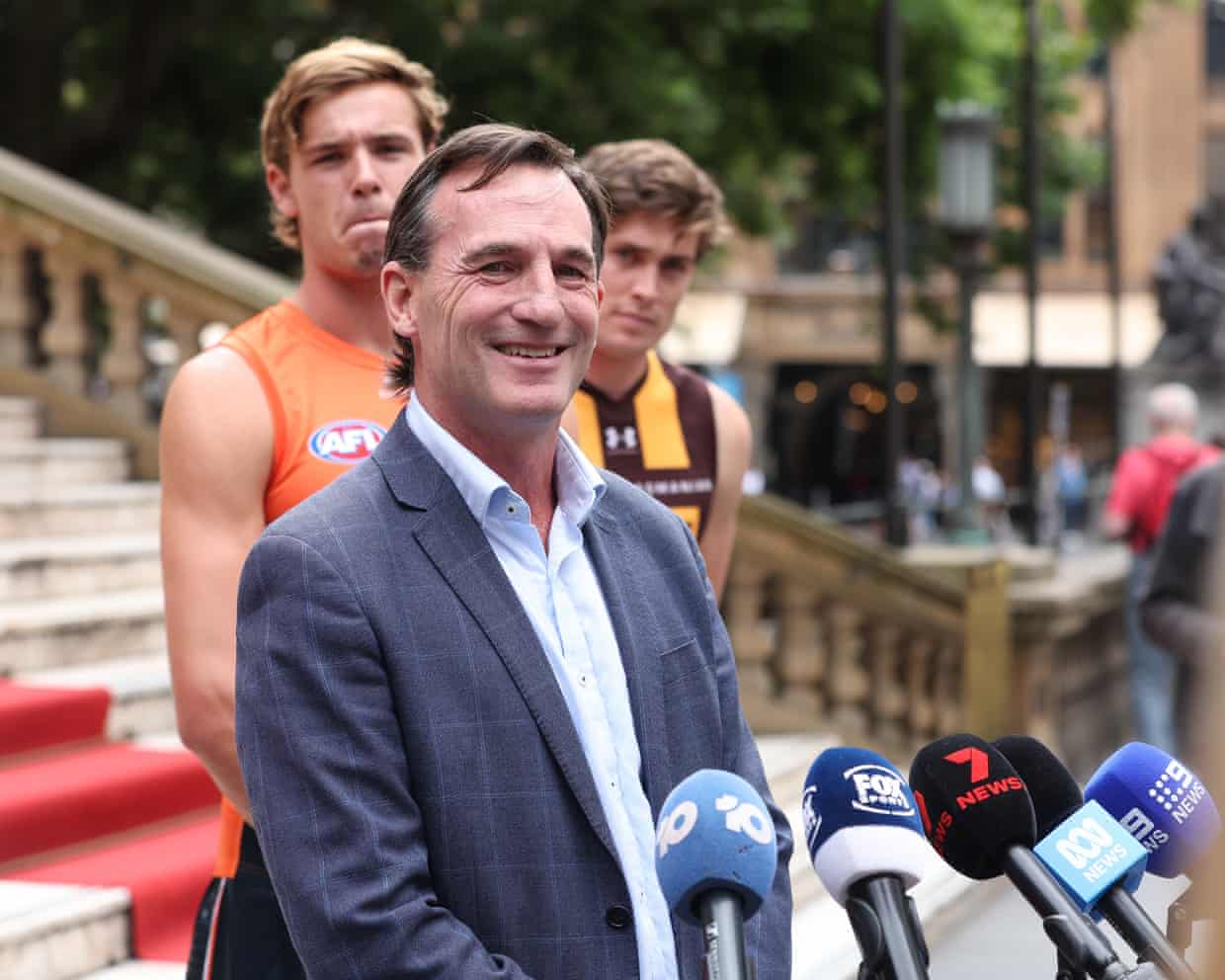
Andrew Dillon reveals AFL’s Olympic-sized ambitions for Brisbane 2032

Strongman Samson takes India past West Indies to set up England semi-final

US Half Marathon Championship ends in chaos as lead runners guided in wrong direction

AFL 2026 predicted ladder part one: Collingwood on a cliff edge as time waits for no one | Jonathan Horn