Public health advocates say more transparency needed in debate over illicit tobacco as industry links questioned
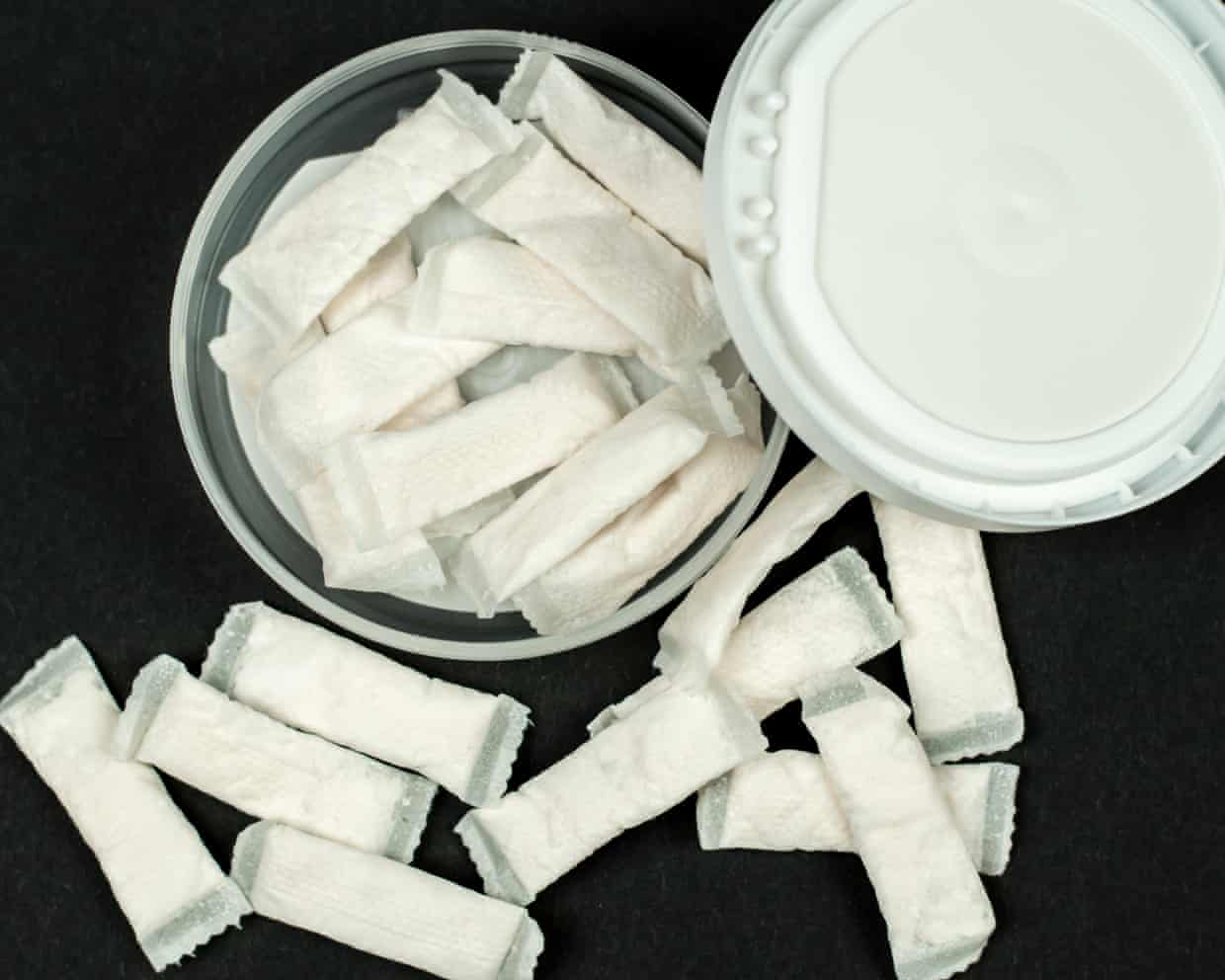
A former Australian Border Force officer who has positioned himself before government inquiries as Australia’s “foremost law enforcement expert” on illicit tobacco also advises nicotine industry-linked organisations – leading public health advocates to argue more transparency is needed.Rohan Pike, who spent more than two decades in law enforcement and now runs a consultancy, has become a prominent media commentator on the illicit tobacco trade, promoting policies that align with those supported by the tobacco industry.Those positions include opposing further excise increases on cigarettes and pushing for the legalisation of nicotine pouches.In May, he was appointed as an illicit-trade adviser to the Global Institute for Novel Nicotine Products (GINN), a UK-based trade association representing manufacturers of alternative nicotine products, including pouches and “heat not burn” nicotine products.Pike said he does not receive funding or payment from GINN.
Although Pike announced the role publicly on his LinkedIn profile, it has not appeared in a range of prominent published media interviews, and does not appear to have been publicly disclosed in a number of meetings with and submissions to governments since his appointment,Pike’s case provides an example of how individuals and organisations linked to the tobacco and nicotine industries can potentially influence public debate and policy, according to Becky Freeman, a tobacco-control expert with the University of Sydney, and highlights the need for greater transparency about the extent of industry links to “independent experts”,“It’s crucial that all policymakers, especially politicians, fully understand if the views being aired through the media, and policy process, like government inquiries, are fully independent,” she saidPublic-health experts say tobacco and nicotine policy is subject to strict conflict-of-interest standards because of the industry’s role in causing 7m deaths annually worldwide, and long-documented history of shaping policy debates through non-transparent funding, third-party experts, trade bodies and front groups,Under the World Health Organization’s Framework Convention on Tobacco Control, governments are advised to protect health policy from industry influence and ensure transparency around industry links,Experts say this makes disclosure of industry-aligned roles to both governments and the media essential, even where no payment is involved.
Pike left the Australian Border Force in 2016 as co-founder of its tobacco strike team, a credential that is widely cited in media coverage.He then worked for the Australian Retailers Association (ARA) until October 2018, at a time it was funded by tobacco companies.The ARA previously counted tobacco companies among its members and entered into vaping advocacy arrangements later revealed to have been secretly funded by Philip Morris International.The association cut ties with tobacco industry funding in 2020 following public scrutiny and internal concern about the use of retail and trade bodies as intermediaries for tobacco policy advocacy.Since 2016, Pike has also run his own agency, Rohan Pike Consulting, and has described himself in multiple government submissions as “Australia’s foremost law enforcement expert in illicit tobacco”.
In a 2022 submission to the Victorian government’s illicit tobacco review, Pike wrote that tobacco excise increases had “inadvertently encouraged and enabled the growth of a crime industry (illicit tobacco) without interference”,This aligns with longstanding tobacco industry arguments,In its most recent federal pre-budget submission, Philip Morris International argued that tobacco excise policy had “failed” and was “directly contributing” to organised crime,Pike is also part of the leadership team of Retail and Trade Brands Advocacy (RTBA), which describes itself as a coalition of businesses, retailers and trademark holders,RTBA is led by Heath Michael, the former public and corporate affairs director of the ARA.
The 2022 submission does not mention his ARA role, but mentions “I am engaged on a part-time basis by (RTBA) group as an Illicit Trade Advisor.This organisation educates and assists various retail groups to form and advocate positions relating to the sale of tobacco which comprises a significant proportion of their trade”.RTBA does not publicly disclose its membership and did not respond to questions from Guardian Australia about whether tobacco or nicotine companies are members and/or fund any of its work.RTBA made a submission to the NSW government’s illicit tobacco inquiry in August 2025 signed by Pike and Michael, again identifying Pike as Australia’s “foremost expert” on illicit tobacco.The submission did not state Pike’s GINN role.
That submission argued that “excise increases well beyond any sensible economic pivot point” were driving illicit trade, a position shared by Philip Morris International, which has called for an immediate freeze on tobacco excise,In May, Pike appeared before the Philippines Senate Committee on Ways and Means, seated beside the chief executive of Philip Morris Philippines and the president of the Philippine Tobacco Institute, Jericho Nograles,The Philippines Tobacco Institute is an industry group whose members include the tobacco company Philip Morris International (PMI), and Nograles told the inquiry that the organisation had flown Pike in as a “resource person”,Described as an “Australian security expert” in local media reports Pike told the hearing: “The annual tax rate increases mandated in both the Philippines and Australia have resulted in diminishing returns in government revenues … and are fuelling organised crime,”Pike later thanked Nograles in a LinkedIn post, writing: “I provided the Australian experience of how [raising the excise] can go wrong if that lever is pulled too hard”.
In early August, Pike appeared as a speaker at a Financial Times anti-illicit trade conference co-funded by PMI, in the Philippines.Pike did not respond to questions about whether he was funded to attend and if so, who funded it.On his LinkedIn profile, Pike states he has previously worked with the Papua New Guinea Manufacturers Council as an illicit taskforce advisor.British American Tobacco (BAT) Papua New Guinea is among the Council’s members.BAT did not directly respond to repeated questions from Guardian Australia about the extent and nature of any relationship with Pike, saying: “Mr Pike, and others – including BAT – have been vocal for many years about Australia’s highly punitive policy settings on legal tobacco leaving the country vulnerable to being taken over by illicit nicotine criminal enterprise, which has now occurred”.
The BAT spokesperson described Pike as “a highly respected former member of the Australian Federal Police who is eminently qualified to provide advice and opinion on the catastrophic failure of policy by the Albanese government” that BAT says is driving illicit tobacco sales.PMI did not respond to questions from Guardian Australia about whether they had any relationship with Pike.In September, Pike met with staff representing the New Zealand minister of customs and associate minister of health, Casey Costello.She said she was not made aware of Pike’s GINN role when he approached her for a meeting.Costello told Guardian Australia she understood Pike was approaching her in his capacity as a former head of the ABF’s tobacco strike team who was now consulting internationally on illicit trade and crime linked to tobacco policy.
“I received a note from Customs and an aide-memoire from the Ministry of Health in preparation for the meeting.This described him as a law enforcement consultant and did not raise any perceived conflicts.”The following week, Pike met with a senior official from the NZ Customs Investigation Unit about the illicit tobacco trade, Costello said.Pike then appeared on a podcast for the New Zealand Taxpayers Union in October, presented as a former Australian Federal Police officer and Customs and Border Force expert.He recommended no more cigarette excise rises, saying the price of legal cigarettes was driving the illicit trade, and he called for the New Zealand government to legalise nicotine pouches.
The Union is a fiscally conservative lobby group that has consistently opposed strict tobacco control measures.It came as the New Zealand Government was proposing to legalise the sale of oral nicotine pouches, which public health experts say is of concern because the flavours, packaging and marketing appeal to young people.“It’s not my practice to ask people I meet to disclose any potential conflicts – those things are usually identified before meetings and I’d expect officials to raise any concerns,” Costello said.“My engagement with Mr Pike was around illicit tobacco controls, but given the concern that some groups have around nicotine products, I would have liked to have known about this (GINN) role.”GINN is led by Shem Baldeosingh, a former public affairs manager at the tobacco company Philip Morris International (PMI).
GINN was co-founded by lobbyist David Roach, who resigned from his GINN role on 29 November after the Guardian revealed he helped establish an anti-WHO campaign.Baldeosingh is also the director of NordicPouch New Zealand, a GINN founding member which sells nicotine pouches online with ads targeting Australians.Asked if his recommendations in support of pouches and against tax increases would likely be beneficial to such GINN members if implemented, Pike responded, “I have no insight into Mr Baldeosingh’s commercial activities”.Pike told Guardian Australia he had “… gladly offered my services as a resource person to GINN out of a well-informed conviction that nicotine pouches provide a safer alternative to cigarettes”.Pike said GINN had sought his expertise in illicit trade “to add value to their organisation given that nicotine pouches are also likely to be subject to criminal activity.
”“I have not been paid by, or received any funding from, GINN,” he said.Pike did not answer questions about whether any tobacco or nicotine companies, in Australia or overseas, had ever funded his travel or work, or whether he consults for them.Pike posted on LinkedIn in May about media reporting on tobacco-linked crime saying that he had “contributed to, and/or generated, 1,279 media stories in the past 12 months, reaching a potential audience of 33 million people.” “Apparently that equates to over $1.6 million in advertising value,” Pike wrote.
Guardian Australia contacted several journalists across print, online and broadcast who have quoted or featured Pike in recent months but without including his GINN role and asked if they questioned, or if Pike voluntarily disclosed any industry links given his background as a lobbyist and the importance of conflict-of-interest disclosures when reporting on tobacco,Some did not respond, while others said they had not asked explicitly whether tobacco or nicotine companies were among his clients,Pike did not respond to repeated questions from Guardian Australia about whether he disclosed any industry links to journalists or whether he was asked,Australian Medical Association president Dr Danielle McMullen said the media “must play a stronger role” in identifying and disclosing potential industry influence,“When industry-linked voices dominate the airwaves presented as neutral experts, it shapes public understanding in dangerous ways.
It confuses people about the risks of smoking and vaping and distracts from evidence-based measures that save lives.”The illicit market is rapidly growing in Australia, with the latest Australian Taxation Office figures from 2023-24 suggesting that one quarter of the total tobacco market is illicit.The illicit tobacco market is being driven by various factors including high tobacco prices and excises but also opportunity, profit, and weak enforcement, reports suggest.Freeman said the tobacco industry has long claimed that tighter regulation alone fuels the illicit trade, an argument which she says has “never been backed by evidence”.“For more than a decade the industry has said we can’t raise taxes or introduce plain packaging because it will increase illicit trade,” she said.
“What’s changed recently is the strategy,Rather than engaging on health, they’re reframing the entire debate around crime, gangs and law enforcement,” Freeman said this repositioning away from health and towards crime allows industry-aligned spokespeople to appear as neutral crime experts while promoting policies that suit the commercial interests of tobacco and/or nicotine companies,“Anyone commenting on tobacco policy who is advising or working with industry bodies should disclose that relationship,” she said,“Transparency is the bare minimum.
”In response to these comments, Pike said he was “always keen to highlight [his] vast experience” in law enforcement and transnational crime, describing his “stellar 25-year career in the public service combined with another 10 years of dedicated research” on illicit tobacco and nicotine.“My stance also reflects my extensive knowledge of how prohibition policies inevitably generate criminal activity and illicit markets which they have in Australia to the tune of over 60% for tobacco and over 95% for vapes and pouches.“My oft-repeated stance in support of legalisation of vapes and nicotine pouches is based on the global harm reduction evidence which I have spent most of this year researching at great expense to myself.”
Qantas unveils bumper $1.46bn profit as Australian travellers shrug off cost-of-living pressures
Qantas has delivered a bumper $1.46bn half-year underlying profit as travellers shrug off cost-of-living pressures to travel within and outside Australia.Australia’s biggest airline credited robust customer demand, new routes and increased flight frequency to “Japan, Bali and across the Tasman”, and more fuel-efficient new aircraft for the strong result, up 5% from a year ago.The chief executive, Vanessa Hudson, is overseeing Qantas’s most expansive fleet-renewal program ever, balancing the huge expenditure required after a prolonged period of under investment.Qantas is replacing its ageing domestic fleet and purchasing long-range planes
Lawyers for US cancer sufferers challenge Bayer’s $7.25bn Roundup settlement deal
A group of 14 law firms representing nearly 20,000 plaintiffs is seeking to intervene in Bayer’s proposed class action settlement of Roundup litigation, citing concerns that the deal will not be fair to cancer sufferers.The group filed both a motion to intervene and a motion for an extension of time for court preliminary approval of the deal in St Louis city circuit court in Missouri late on February 24.The law firms say the deal appears “unprecedented” and raises multiple “red flags”.“It is hard to escape the impression that the proposed settlement would give Monsanto everything it desires – a near-complete release of liability for Monsanto and its parent company, Bayer AG – while giving inadequate consideration to many putative class members, who would surrender their substantive rights in exchange for settlement offers that may never result in payment,” the law firms state in their motion.Bayer and a different group of plaintiffs’ lawyers filed the settlement proposal with the court on 17 February, with a provision to seek preliminary court approval within a 15-day period
Twenty-year-old testifies at US trial about harm from social media addiction
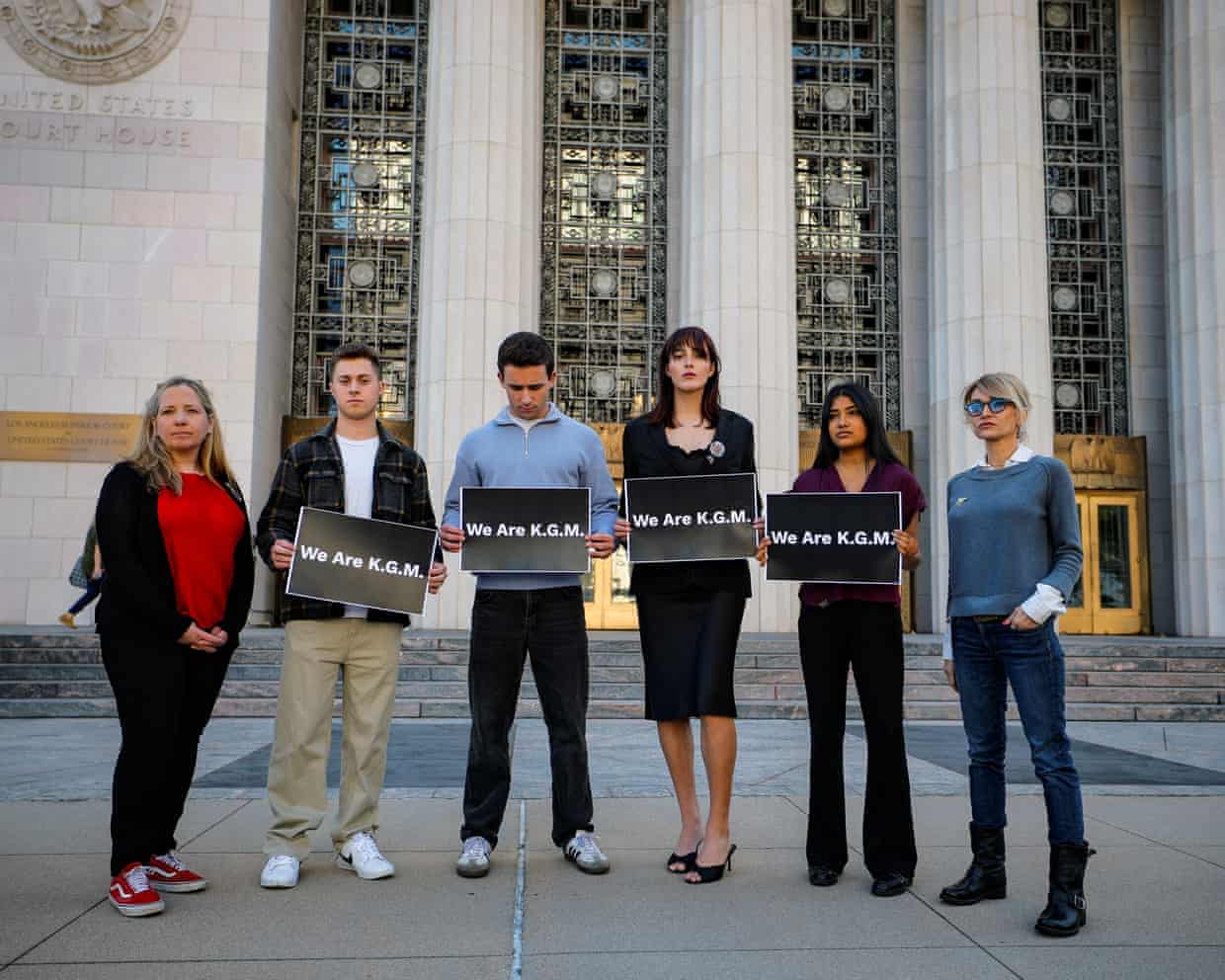
For the first time, a jury will hear testimony on Wednesday from a young woman who alleges social media companies intentionally create addictive products, harming children. The witness taking the stand, known by her initials KGM, is the lead plaintiff in an expansive lawsuit against Meta – which owns Instagram and Facebook – and YouTube currently at trial in Los Angeles.KGM, who is now 20, alleges that she became addicted to social media apps before she was 10 and would spend hours every day scrolling through photos and videos. This led to years of mental health issues, according to her lawyers and court documents.KGM is expected to testify about how her constant use of social media led to depression, anxiety and body dysmorphia

Nvidia quarterly earnings show immunity to AI bubble fears as it cashes in on data center boom
Nvidia released its quarterly earnings on Wednesday, with the chipmaker revealing higher than expected revenues and extending its yearslong streak of surpassing Wall Street’s sky-high expectations.The company receives the vast majority of its revenue from its data center business, which has been buoyed by the tech industry’s immense investment into AI infrastructure. On Wednesday, Nvidia reported 75% year-over-year growth of this vertical to $62.3bn. The world’s most valuable publicly traded company, Nvidia has dominated the chip market as its processing units have become the backbone of the artificial intelligence boom
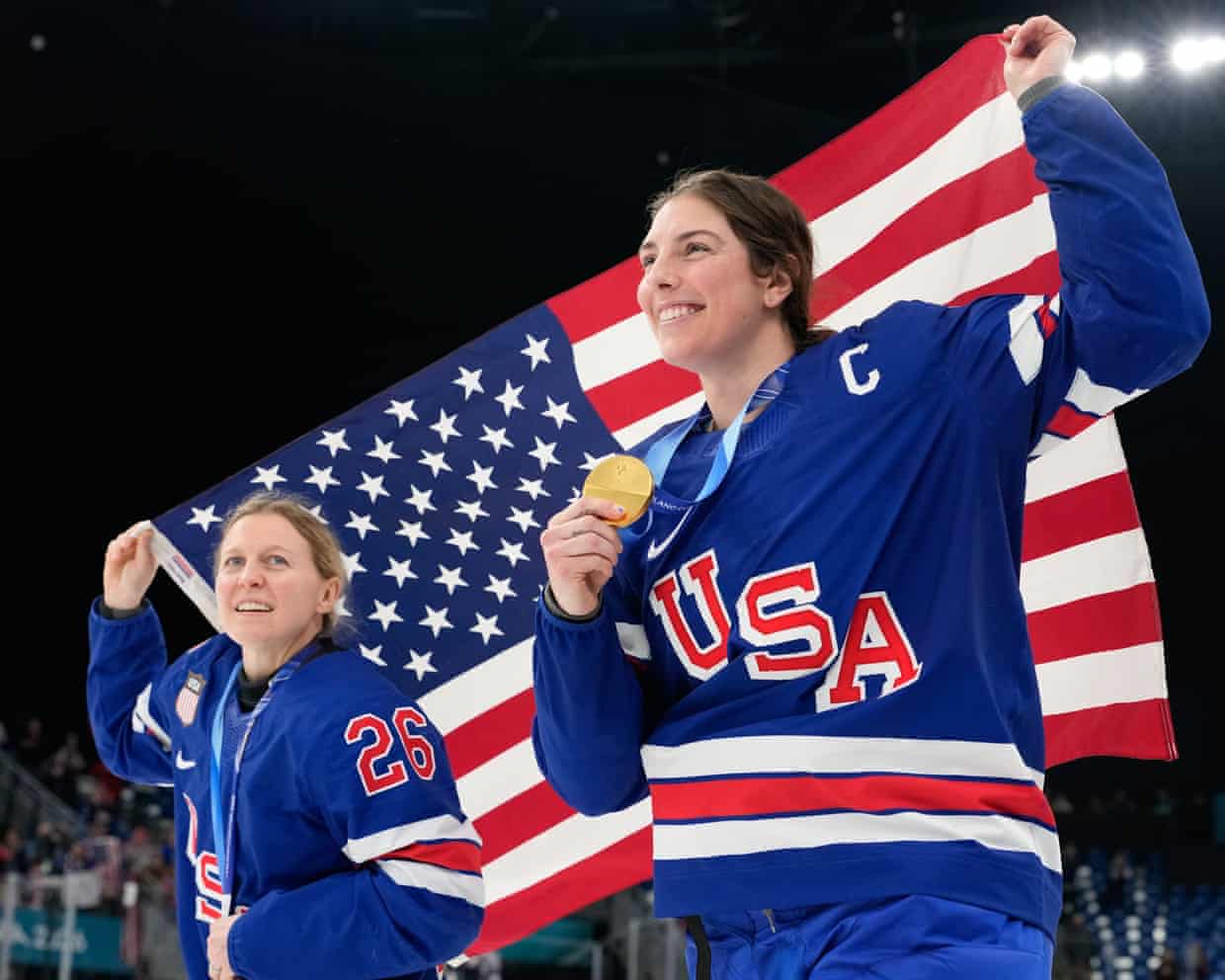
US hockey star Hilary Knight responds to Trump’s ‘distasteful joke’ about women’s team
Hilary Knight, the captain of the US women’s ice hockey team, has responded to comments made by Donald Trump after the Americans won gold at the Winter Olympics, calling the president’s quip a “distasteful joke”.After the US men’s ice hockey team won gold on Sunday, Trump called into the locker-room celebration and invited the players to be his guests at Tuesday’s State of the Union address.“I must tell you, we’re going to have to bring the women’s team,” he said. “You do know that. I do believe I probably would be impeached [if the women’s team wasn’t invited]

Saracens’ salary cap penalty under scrutiny over conflict of interest claims
Saracens will consider their position over an alleged undeclared conflict of interest at the centre of the disciplinary process into the 2019 salary cap scandal. The club were fined an unprecedented £5.36m for salary cap breaches over the previous three seasons and were relegated to the Championship, but the punishment has come under fresh scrutiny with these new allegations.Saracens point to an allegation made about the accounting firm Saffery Champness and claims that the level of fine handed down was “largely based upon advice provided to PRL”.According to the Daily Telegraph, Saffery Champness was auditor for Sale Sharks at the same time that it gave “impartial expert advice” about Saracens
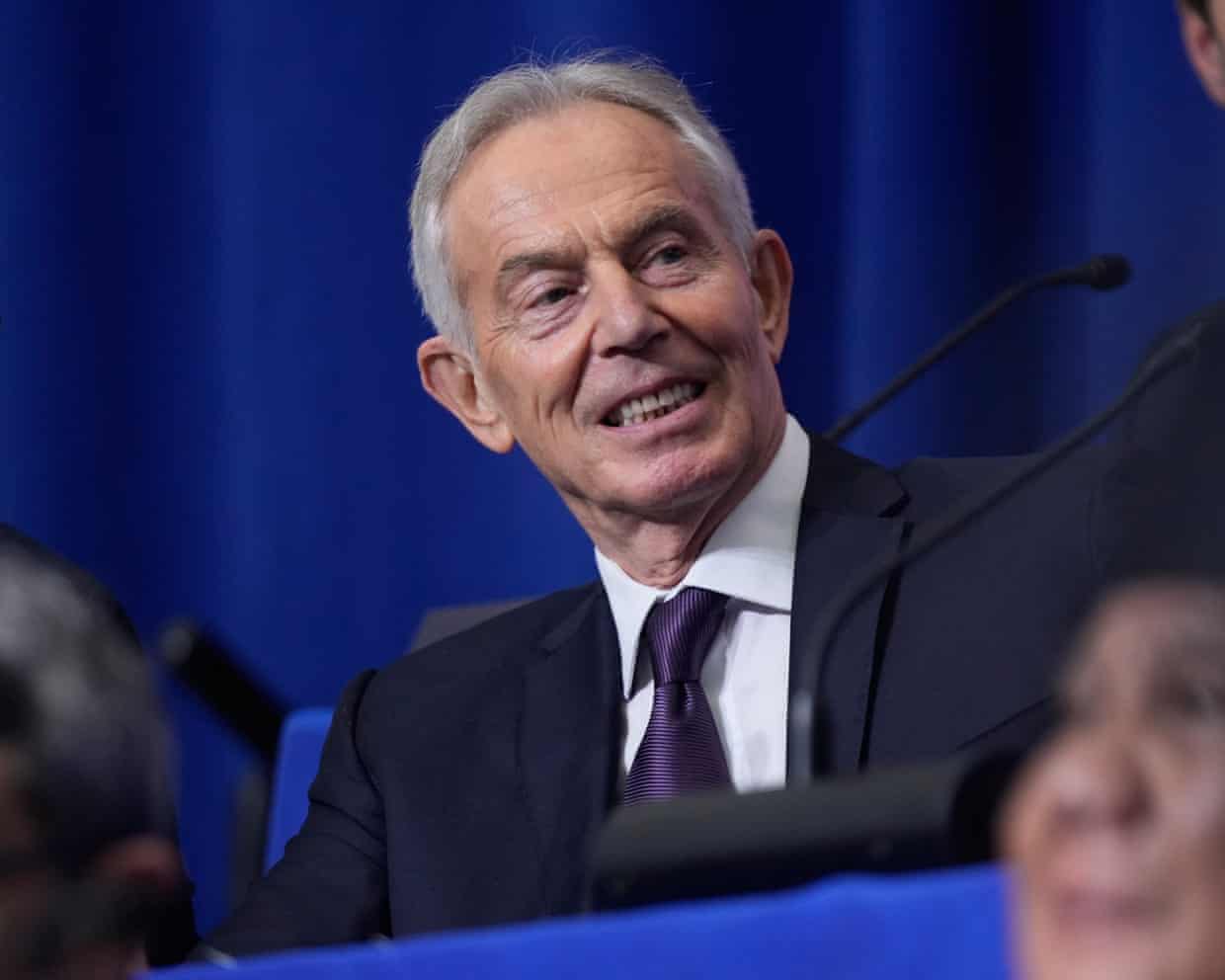
Treasury calls in Blair thinktank to advise on using AI across public services

Facial recognition error prompts police to arrest Asian man for burglary 100 miles away
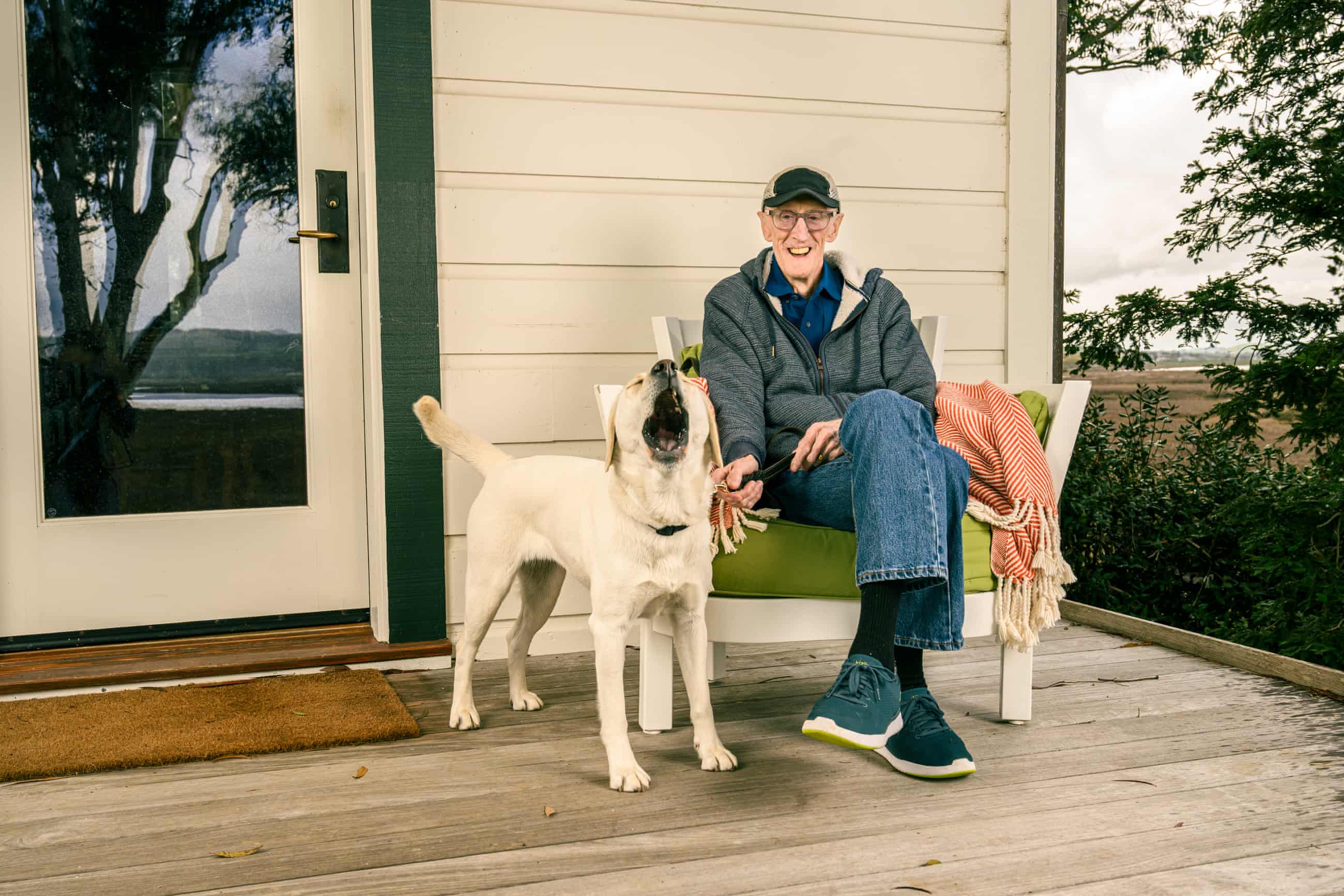
Tech legend Stewart Brand on Musk, Bezos and his extraordinary life: ‘We don’t need to passively accept our fate’

Signs of psychosis seen in Australian users’ interactions with AI chatbots, expert warns

Reddit fined £14.5m in UK over use of under-13s’ data

‘A feedback loop with no brake’: how an AI doomsday report shook US markets