UK inflation falls to 3%, boosting hopes of early cut in interest rates

UK inflation tumbled to 3% in January, giving a boost to hopes of an early cut in interest rates by the Bank of England,The slowdown was in line with a majority of City economists’ forecasts and marks the lowest level since March 2025,The Office for National Statistics (ONS) said that falls in petrol prices, air fares and food had driven the drop,In a welcome boost for households’ shopping budgets, the rise in prices for food and non-alcoholic drinks slowed sharply to 3,6% in the year to January, down from 4.
5% in December, and reaching a nine-month low,Petrol and diesel prices fell by 2,2% over the year compared with a 0,9% rise last year,The average price of petrol fell by 3.
1p a litre between December and January to stand at 133.2p a litre, while diesel fell by 3.2p to stand at 142.5p a litre.Inflation peaked last year at 3.
8% and most economists expect it to drop back quickly to the Bank’s 2% target this year.The latest figures would allow for a rate cut as early as next month, with Threadneedle Street’s policymakers concerned about the slowing pace of economic growth.Suren Thiru, the economics director at the Institute of Chartered Accountants in England and Wales, said: “These figures make a spring interest rate cut look almost assured, though a lingering question among policymakers will be whether to pull the trigger in March or April as some may want slightly more evidence of easing inflation before reducing rates.”Money markets indicated an 86% chance of a rate cut to 3.5% in March, up from 77% before the inflation data was released.
The ONS chief economist, Grant Fitzner, said, along with petrol prices: “Air fares were another downward driver this month with prices dropping back following the increase in December.Lower food prices also helped push the rate down, particularly for bread and cereals and meat.These were partially offset by the cost of hotel stays and takeaways.“The cost of raw materials for businesses fell over the past year, driven by lower crude oil prices, while the increase in the cost of goods leaving factories slowed.”Core inflation, which strips out the more volatile elements such as energy, food and alcohol, slowed to a rate of 3.
1% in the year to January, down from 3,2% in December, and the lowest level since 2021,However, services inflation, which measures consumer-facing services such as hospitality and entertainment, only slowed to 4,4% from 4,5% in December, above the Bank’s forecast of 4.
1%,The inflation figure adds to signs that the Bank may conclude that the economy could benefit from another cut in interest rates from its current level of 3,75%,The country’s economy expanded by only 0,1% in the three months to the end of December, the ONS said last week.
Unemployment also increased to a five-year high of 5,2%, according to official figures covering the same period,Private sector earnings grew by 3,4% over the year to December, down from 3,6% in November.
The chancellor, Rachel Reeves, will be cheered by the inflation figure, having used the budget in November to cut the cost of living, mainly through reductions in energy bills and rail fares.The effects of these measures should lead to a further drop in the consumer prices index in April.Yael Selfin, the chief economist at KPMG, said: “The combined impact of the government’s energy bill package and the fall in wholesale gas prices could see household energy bills decrease by about 7% from April.” She added that food prices were also likely to fall, with recent declines in global food prices being passed on to UK households.Reeves said on Wednesday: “Cutting the cost of living is my number one priority.
Thanks to the choices we made at the budget we are bringing inflation down, with £150 off energy bills, a freeze in rail fares for the first time in 30 years and prescription fees frozen again.“Our economic plan is the right one, to cut the cost of living, cut the national debt, and create the conditions for growth and investment in every part of the country.”
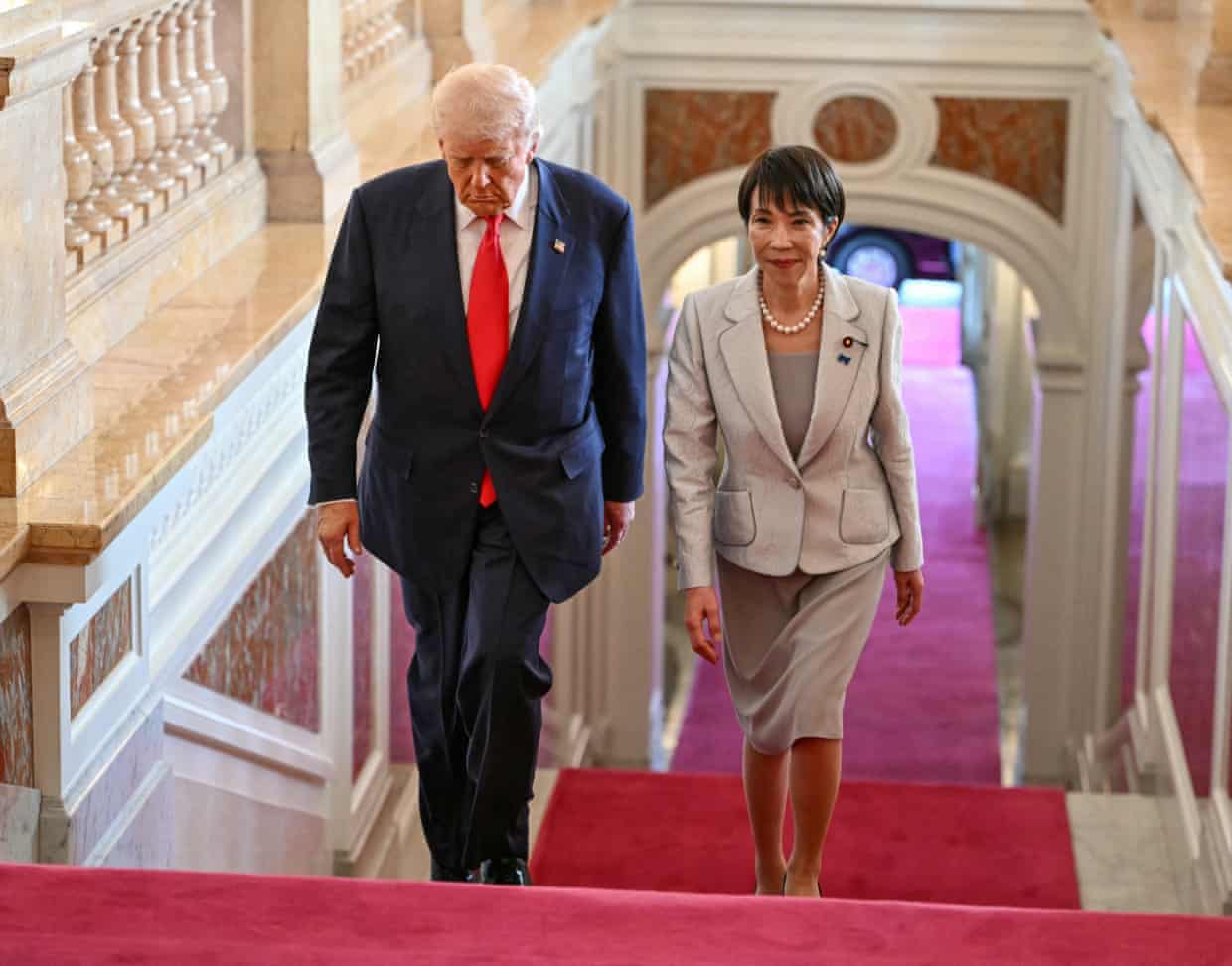
US and Japan unveil $36bn of oil, gas and critical minerals projects in challenge to China
Japan has drawn up plans for investments in US oil, gas and critical mineral projects worth about $36bn under the first wave of a deal with Donald Trump.The US president and Sanae Takaichi, Japan’s prime minister, announced a trio of projects including a power plant in Portsmouth, Ohio, billed by the Trump administration as the largest natural gas-fired generating facility in US history.As a diplomatic row between Japan and China over the security of Taiwan continues, testing the Japanese economy, Takaichi said the projects would strengthen her country’s ties with the US.While Takaichi did not directly mention China, she expressed hope in a statement that the investments would enhance Japanese and US economic security.“Our massive trade deal with Japan has just launched,” Trump declared in a social media post

The death of Heather Preen: how an eight-year-old lost her life amid sewage crisis
In 1999, Heather Preen contracted E coli on a Devon beach. Two weeks later she died. Now, as a new Channel 4 show dramatises the scandal, her mother, Julie Maughan, explains why she is still looking for someone to take responsibilityWhen Julie Maughan was invited to help with a factual drama that would focus on the illegal dumping of raw sewage by water companies, she had to think hard. In some ways, it felt 25 years too late. In 1999, Maughan’s eight-year-old daughter, Heather Preen, had contracted the pathogen E coli O157 on a Devon beach and died within a fortnight
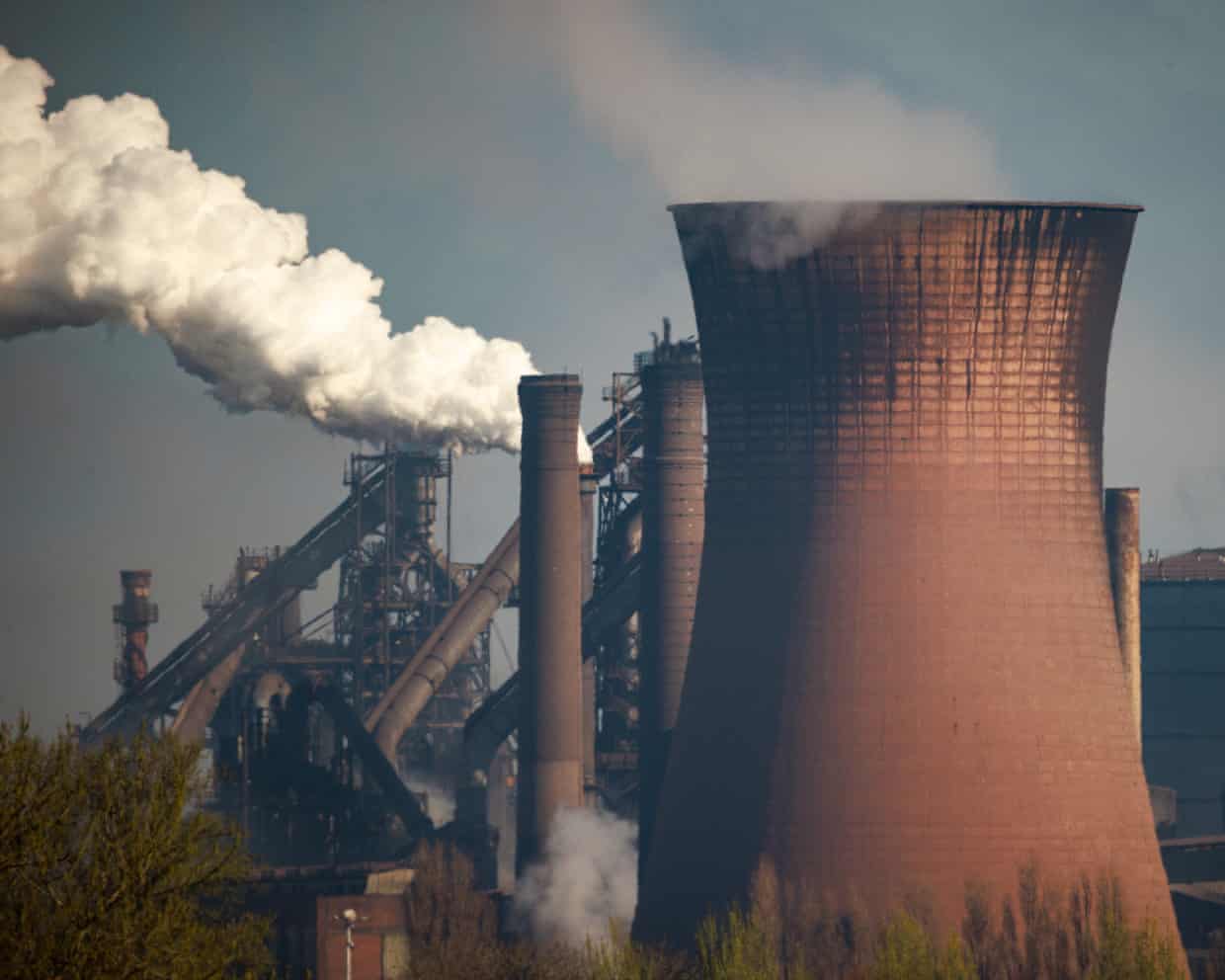
Boost to British Steel as Turkey places high-speed rail order
British Steel has secured an order worth tens of millions of pounds to supply rail for a high-speed electric railway in Turkey, amid continuing uncertainty over the long-term future of the government-controlled steelworks in Scunthorpe.The site will supply 36,000 tonnes of rail to ERG International Group, the company announced, in what it called an “eight-figure agreement”.The rail is destined for a 599km railway line being built to connect the Turkish capital, Ankara, with the western port city of İzmir, which will reduce the travel time and cut carbon emissions.British Steel said securing the contract had allowed it to create 23 new roles at the north Lincolnshire site and to restart round-the-clock rail manufacturing for the first time in more than a decade.The deal, which was supported by UK Export Finance, is seen as a commercial boost for the loss-making manufacturer
Goldman Sachs to drop race, gender and LGBTQ+ criteria from board evaluations
Goldman Sachs is removing race, gender and other diversity-related considerations when evaluating prospective candidates for its executive board after pressure from an activist shareholder group to remove the criteria.The National Legal and Policy Center (NLPC), a small Goldman shareholder, quietly submitted a request to the company last September asking the bank to eliminate its diversity, equity and inclusion (DEI) board criteria.According to a Wall Street Journal report, Goldman recently informed the group that it plans to remove the DEI criteria, and the two parties signed an agreement under which the NLPC would withdraw its proposal.Goldman’s board is expected to approve the changes this month, people familiar with the matter told the Journal.Currently, the board’s governance committee evaluates qualified candidates based primarily on four factors
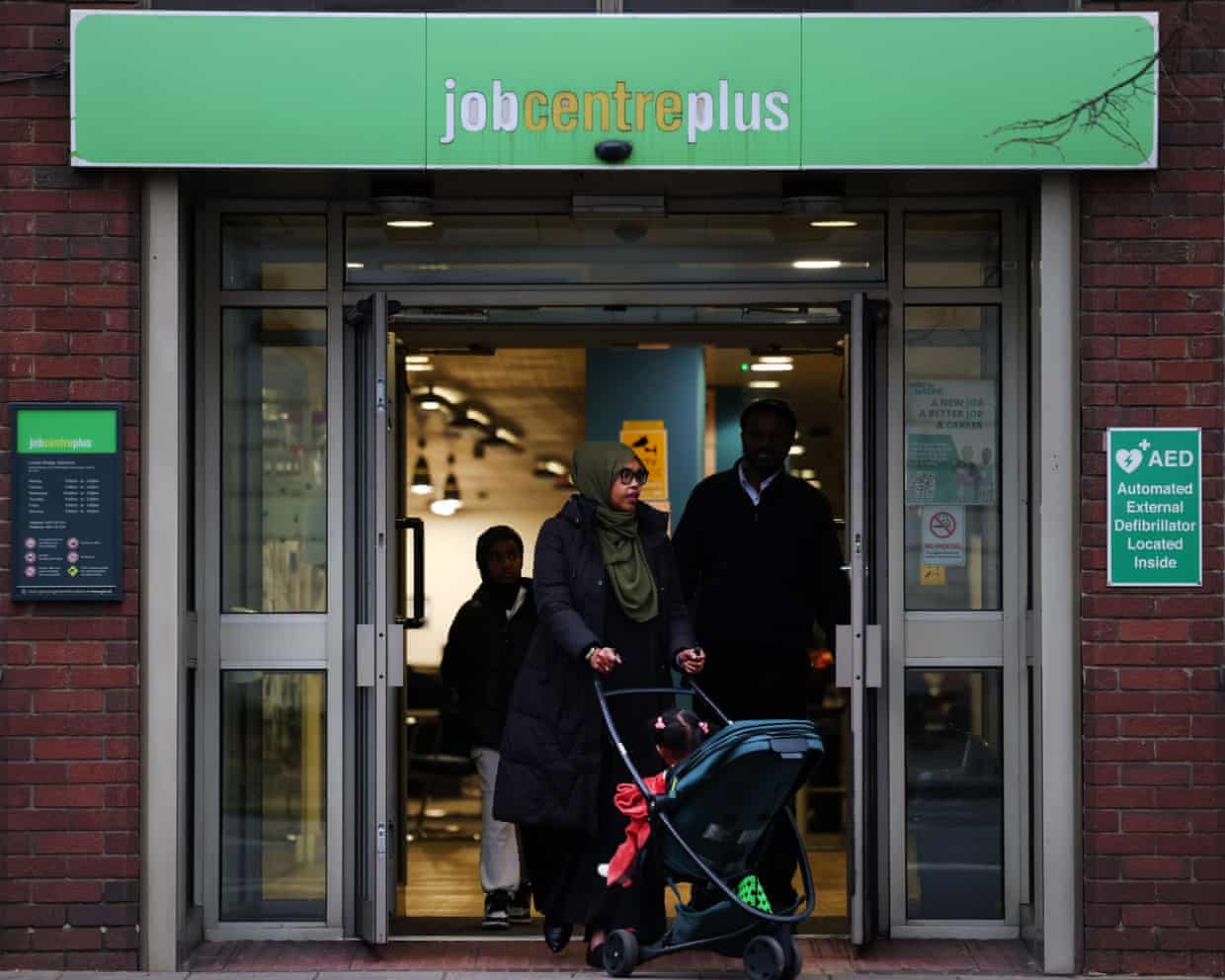
UK interest rate cut likely in March as unemployment rate rises; youth joblessness to ‘increase significantly’ in coming months – as it happened
The chances of a cut to UK interest rates next month have risen, following this morning’s data showing a rise in unemployment and a slowdown in wage growth.The City money markets now indicate there’s a near-75% chance that the Bank of England lowers interest rates to 3.5% at its next meeting, in March, up from 69% last night.Investors now fully expect two rate cuts by Christmas, which would bring Bank Rate down to 3.25%

Surging prediction markets face legal backlash in US: ‘Lines have been blurred’
State lawmakers and gaming regulators across the US are escalating their fight against prediction markets, arguing that the fast-growing platforms are “basically gambling but with another name”.At least 20 federal lawsuits have been filed nationwide, disputing whether companies such as Kalshi and Polymarket should be treated as federally regulated financial exchanges, as they maintain, or as gambling operations that should be regulated like state-licensed sportsbooks.The row escalated this week, when the chair of the US Commodity Futures Trading Commission (CFTC), which oversees these platforms, announced that it was filing a friend-of-the-court brief in defense of “its exclusive jurisdiction over these derivative markets’”.The legal battle comes as the sector surges. More than $1bn was traded on Kalshi alone during Super Bowl Sunday, and Bloomberg reported that Kalshi’s January trading volume reached nearly $10bn, most of it tied to sports

Hull KR’s rollercoaster ride from the depths to chance of World Club Challenge glory

The Spin | Lancashire’s new second home brings renewed hope and old grumbles

Ukraine officials to boycott Winter Paralympics opening ceremony over Russian athletes

From cursing curlers to comeback: is Canada on the turnaround after slow Olympic start?

Winter Olympics briefing: Italy’s blades of glory deliver a lights-out performance
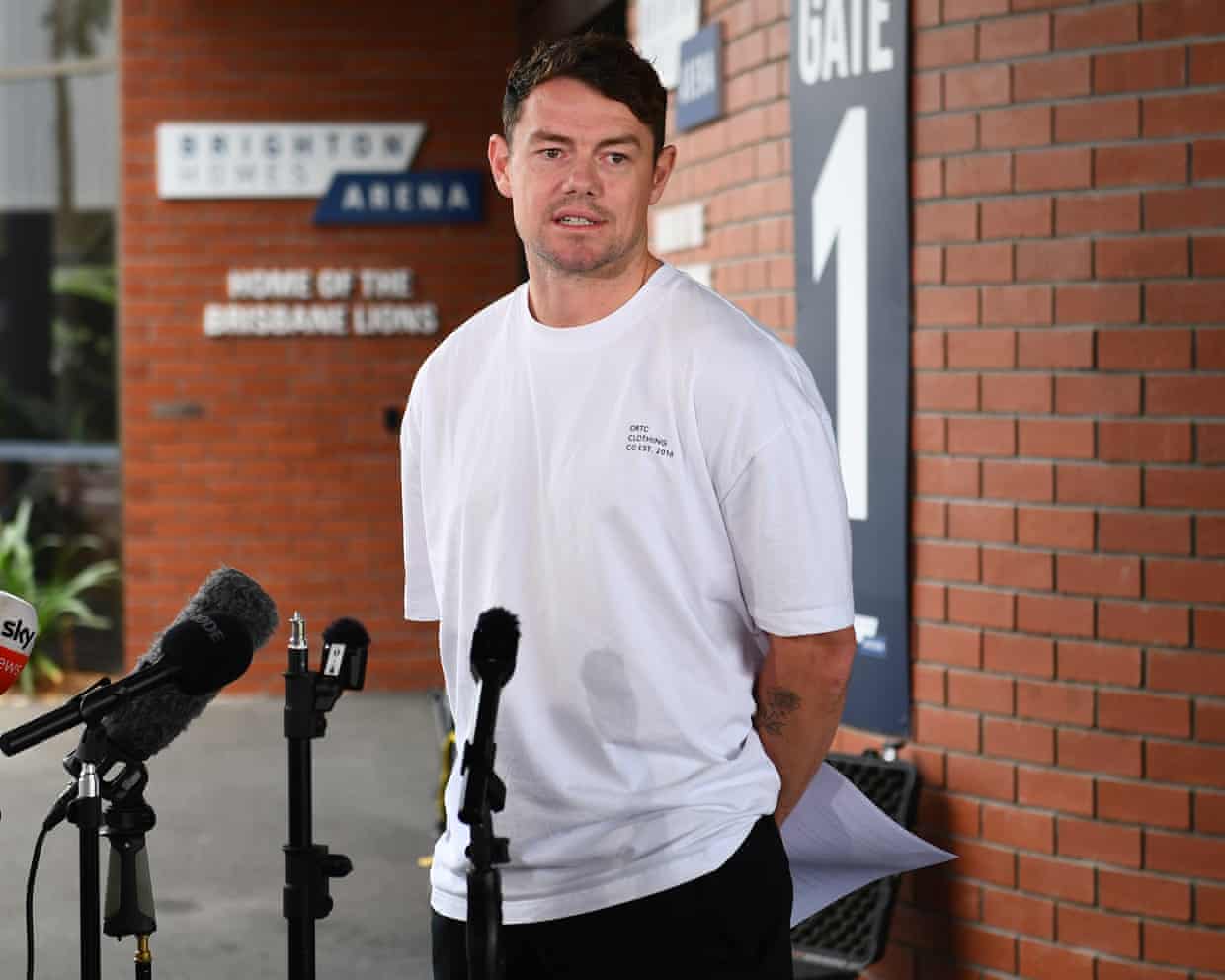
From the Pocket: only winners in Lachie Neale media storm are those counting the clicks