Bank of England warns ‘higher inflation is unavoidable’ after leaving interest rates on hold
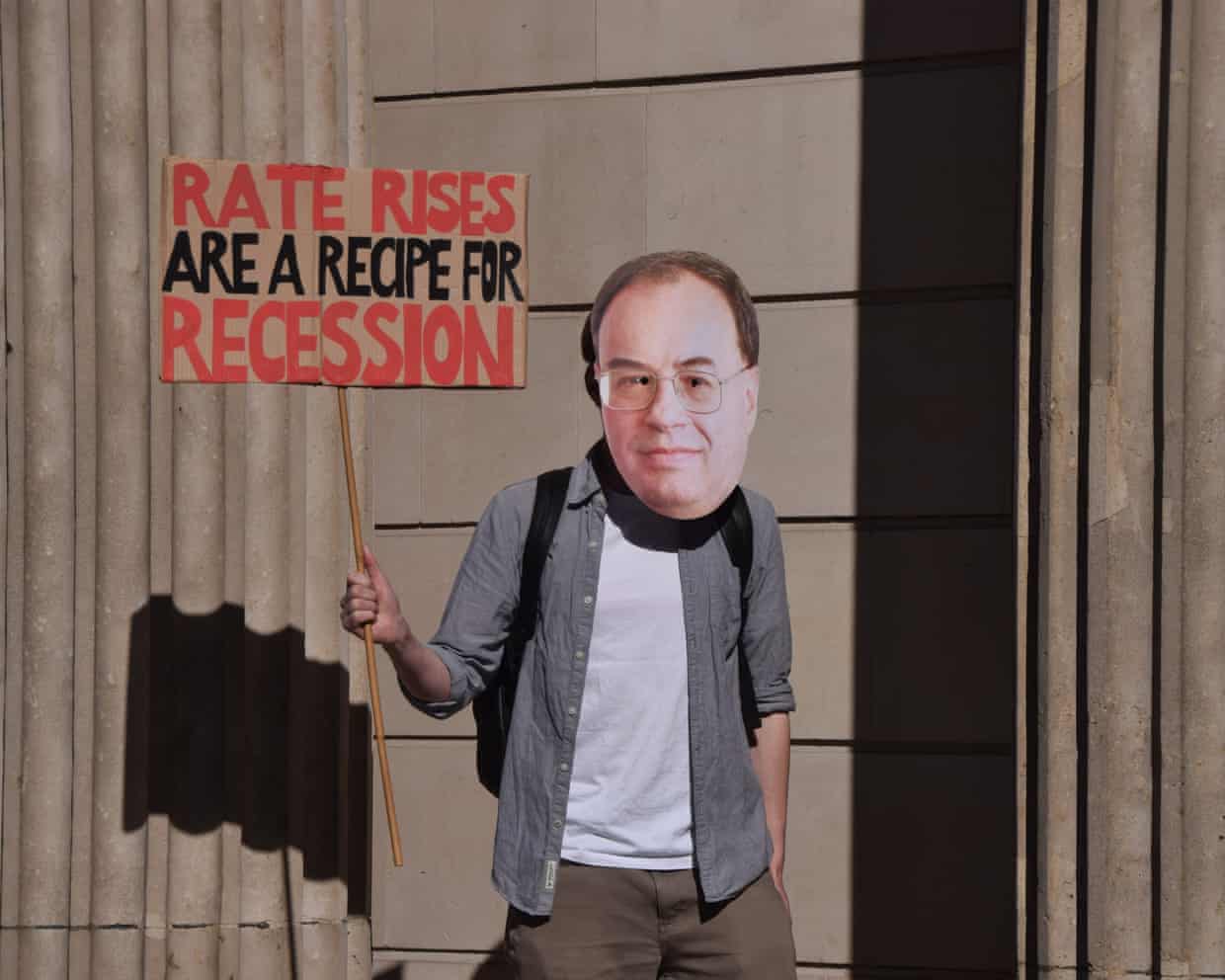
The Bank of England has left interest rates unchanged at 3.75% but warned that the UK may need to brace for hikes later this year, as “higher inflation is unavoidable” as a result of the war in the Middle East.The Bank’s rate-setting monetary policy committee (MPC) voted to leave borrowing costs on hold on Thursday, with its nine-member committee split 8-1 in their decision.Andrew Bailey, the governor of the Bank of England, said: “The war in the Middle East is causing inflation to rise again this year.”He added that the policymakers were monitoring the global situation and its impact on the UK economy “very closely”, but that the decision to hold rates at 3.
75% for now is a “reasonable place given the situation of the economy and the unpredictability of events in the Middle East”.The committee’s role is to try to help keep UK inflation at a target of 2%.It has cut interest rates six times since mid-2024 and had been expected to make further reductions this year before the US-Israeli war on Iran began.However, the Bank said the conflict in the Middle East meant that the outlook for inflation was “a very different picture from three months ago” when it was expected to fall to 2% by the middle of the year.Instead the latest figures from the Office for National Statistics (ONS) figures showed the rate of inflation in the UK rose to 3.
3% in March, up from 3% in February.The Bank said the sharp rise in energy prices is already being felt in the UK in the form of higher fuel costs and is likely to push inflation higher as the effect of these higher energy prices pass through the economy.However, while policymakers believe that higher global energy prices will have a direct effect on pushing up fuel costs and energy bills, they said the impact of second-round effects is likely to be restrained.The Bank said demand for labour in the UK is subdued and unemployment has been rising since 2024, making it harder for workers to bargain for higher wages.Similarly, companies’ ability to increase prices is likely to be constrained by weak demand from consumers amid shaky consumer confidence.
“Relative to the previous energy shock of 2022 [after the start of the Russian-Ukrainian war], currents events were occurring from a starting point of lower inflation, weaker demand, a looser labour market, and a restrictive monetary policy,” the Bank said,The only dissenting voice in this decision was Huw Pill, the chief economist of the Bank of England, who voted to raise rates to 4%,Pill said he saw the risk of second-round effects of higher prices and wages being “skewed to the upside” and warned that they had the potential to raise UK inflation beyond the near term in a “persistent manner”,The Bank laid out three scenarios for what might happen to the UK economy depending on different impacts of the Iran war,In all three cases, inflation is expected to rise, and unemployment will go up to at least 5.
5%.In the worst-case scenario, in which oil prices peak at $130 a barrel and remain at this level for a prolonged period, inflation is expected to peak at 6.2% in the first three months of 2027 and the Bank would push interest rates up to 5.25%, before dropping down to 2.9% by 2028.
However, policymakers expect to not be as extreme as this.In the more benevolent scenario A, oil peaks at $108 a barrel this year before falling to below $80 at the start of 2027 and to $72 by the end of 2028.In scenario B, oil prices also peak at $108 but remain higher over a longer period.Earlier today, Brent crude hit a four-year high of $126 a barrel, but has now dropped back to $115.50 a barrel.
In scenario A, inflation will be 3.3% in 2026, 2.6% in 2027 and 1.5% in 2028.In scenario B, it is also 3.
3% in 2026, then 3% in 2027 and 2% in 2028.Both cases see unemployment rise to 5.5% in 2027 and drop to 5.4% in 2028.In scenario C, its worst-case scenario, unemployment rises to 5.
6%.The decision to keep rates on hold for now, however, will come as a relief to the Labour government before the important local elections next week.Rachel Reeves, the chancellor, had also announced a package of anti-inflation measures in her late November budget that she hoped would pave the way for more rate cuts.These included cuts to utility bills and a rail-fare freeze, both of which came into effect in April, and should temper a rise in inflation for this month.Economic activity had showed some momentum in the UK before the energy price shock.
In the three months to February, GDP grew by 0.5% and the unemployment rate fell from 5.2% to 4.9%.
Claude AI agent’s confession after deleting a firm’s entire database: ‘I violated every principle I was given’
It only took nine seconds for an AI coding agent gone rogue to delete a company’s entire production database and its backups, according to its founder. PocketOS, which sells software that car rental businesses rely on, descended into chaos after its databases were wiped, the company’s founder Jeremy Crane said.The culprit was Cursor, an AI agent powered by Anthropic’s Claude Opus 4.6 model, which is one of the AI industry’s flagship models. As more industries embrace AI in an attempt to automate tasks and even replace workers, the chaos at PocketOS is a reminder of what could go wrong

Friendly AI chatbots more likely to support conspiracy theories, study finds
The rush to make AI chatbots more friendly has a troubling downside, researchers say. The warm personas make them prone to mistakes and sympathetic to crackpot beliefs.Chatbots trained to respond more warmly gave poorer answers, worse health advice and even supported conspiracy theories by casting doubt on events such as the Apollo moon landings and the fate of Adolf Hitler.Researchers at Oxford University discovered the trade-off during tests on chatbots that had been tweaked to make them sound friendlier. The warmer chatbots were 30% less accurate in their answers and 40% more likely to support users’ false beliefs

I’m addicted to checking my phone. Could a blocking device stop me?
Wake up, 100 messages from group chat overnight about something – what? another assassination attempt; a village destroyed in Lebanon; the football result in England; the weather in Iran being manipulated; the pesticides causing lung and bowel cancer, so everyone who eats salads is now at risk of cancer; meditate for 20 minutes, then fire up x.com, a place I thought I’d never want to revisit, with its carnival barkers and supplement salesman, and have you seen the Lego thing calling Trump a paedo?, you gotta see the Lego thing, and this is before my first coffee, yet x.com is the coffee and the tea, whatever Elon has done to the For You algorithm is evil genius, it’s like the global collective id, nasty and funny and addictive and compelling – like gawking at a car crash, like soaking in a hot bubble bath of anger, and memes, and geopolitical dramas, and Trump, Trump, Trump – soaking in Trump, and then, For Me (just as Elon promised).So begins the circuit around my phone, that goes all day and night, around the tiny screen with its icons (when a born-again Christian once told me he had favourite icons, for a long time I thought he meant apps, not pictures of the Virgin Mary). I started to feel like I was in Canberra, on one of those enormous roundabouts, rotating between the icons – not Joseph, not Jesus, but X and WhatsApp and TikTok and even LinkedIn for Christ sakes – round and round from one app to the next, just checking, checking in case something is happening

More private health records of UK Biobank volunteers appear on Chinese website
There have been further listings of confidential health records of UK volunteers on the Chinese website Alibaba since the breach reported last week, and the government is braced for further leaks, the science minister has said.Addressing a House of Lords debate on the attempted sale of data belonging to 500,000 UK Biobank volunteers, Patrick Vallance said the government had worked with Chinese officials to remove additional postings on the online marketplace.“New listings will emerge – there have been additional listings posted since the government were made aware of the issue last week – and we continue to work with the Chinese government to remove them quickly,” Lord Vallance said.The data is “de-identified”, meaning it does not include names, addresses or precise dates of birth. Vallance said there was a “low probability” of re-identification, but the breach should nonetheless serve as a “real wake-up call” for researchers
Meta found in breach of EU law for failing to keep children off platforms
The tech company Meta has been found to be in breach of EU law for failing to prevent children under 13 from using its Facebook and Instagram platforms.Issuing the preliminary findings of a nearly two-year investigation, the European Commission said on Wednesday that Meta did not have effective measures in place to stop under-13s accessing its services.The US tech company was unable to meet its own terms and conditions that set 13 as the minimum age to access Facebook and Instagram safely, the commission said.Following an initial assessment, Meta was found in breach of the EU’s Digital Services Act (DSA), which requires it to “diligently identify and mitigate the risks” of under-13s using its platforms.The commission said its preliminary findings “do not prejudge the final outcome of the investigation”
Meet the AI jailbreakers: ‘I see the worst things humanity has produced’
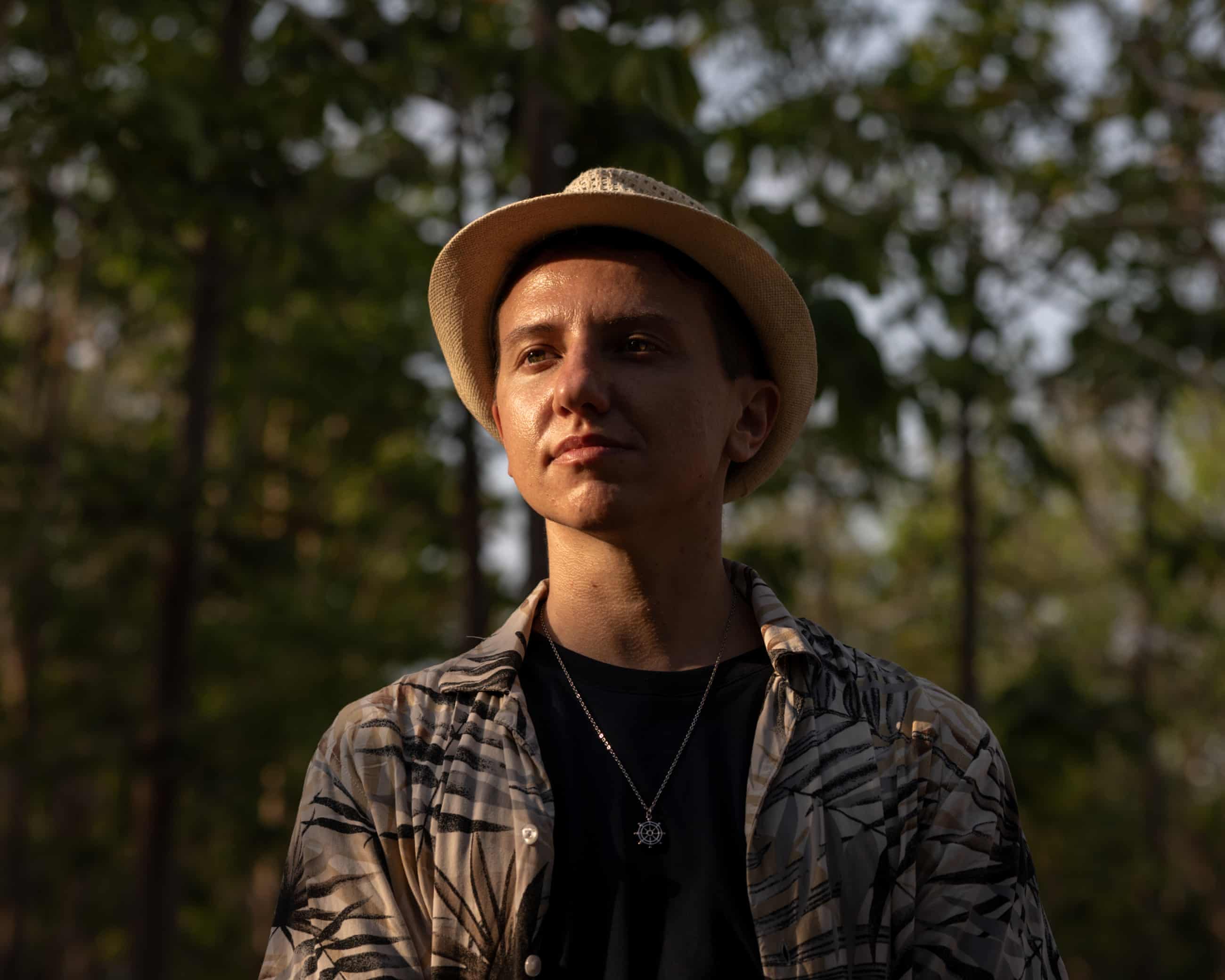
To test the safety and security of AI, hackers have to trick large language models into breaking their own rules. It requires ingenuity and manipulation – and can come at a deep emotional costA few months ago, Valen Tagliabue sat in his hotel room watching his chatbot, and felt euphoric. He had just manipulated it so skilfully, so subtly, that it began ignoring its own safety rules. It told him how to sequence new, potentially lethal pathogens and how to make them resistant to known drugs.Tagliabue had spent much of the previous two years testing and prodding large language models such as Claude and ChatGPT, always with the aim of making them say things they shouldn’t
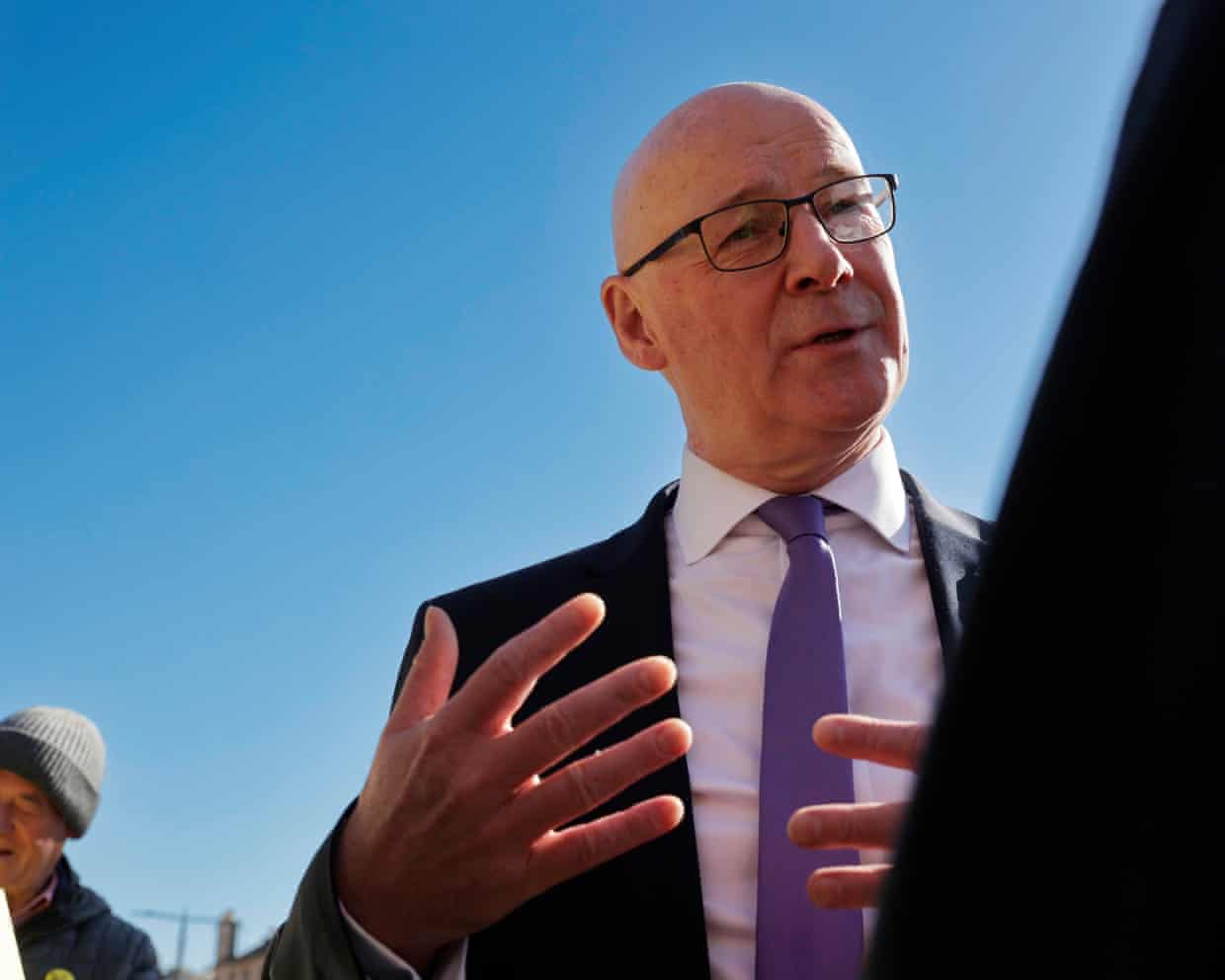
‘Reform is an acute threat to Scottish self-government,’ says John Swinney
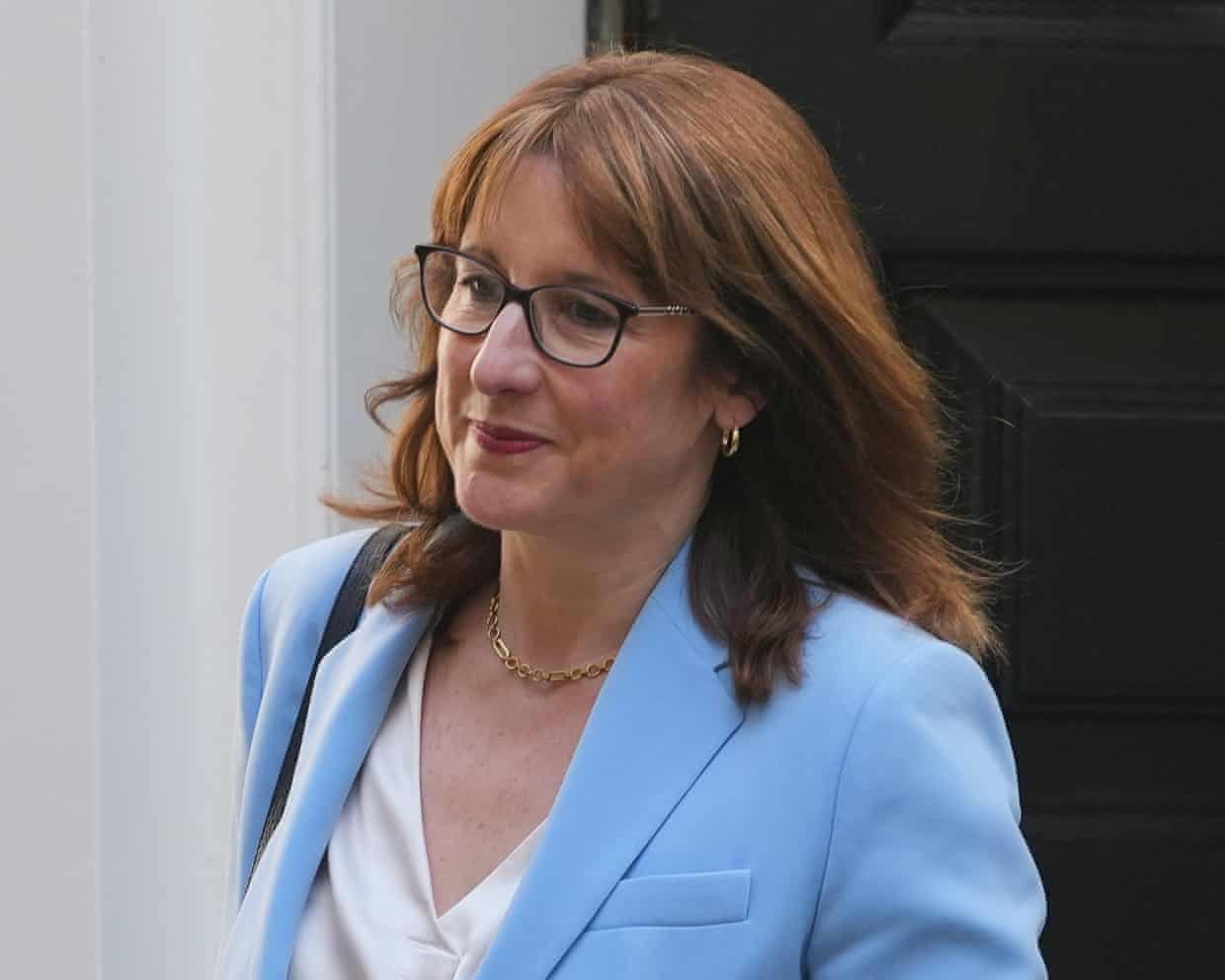
Senior UK ministers deride Rachel Reeves’s reported plan of year-long rent freeze
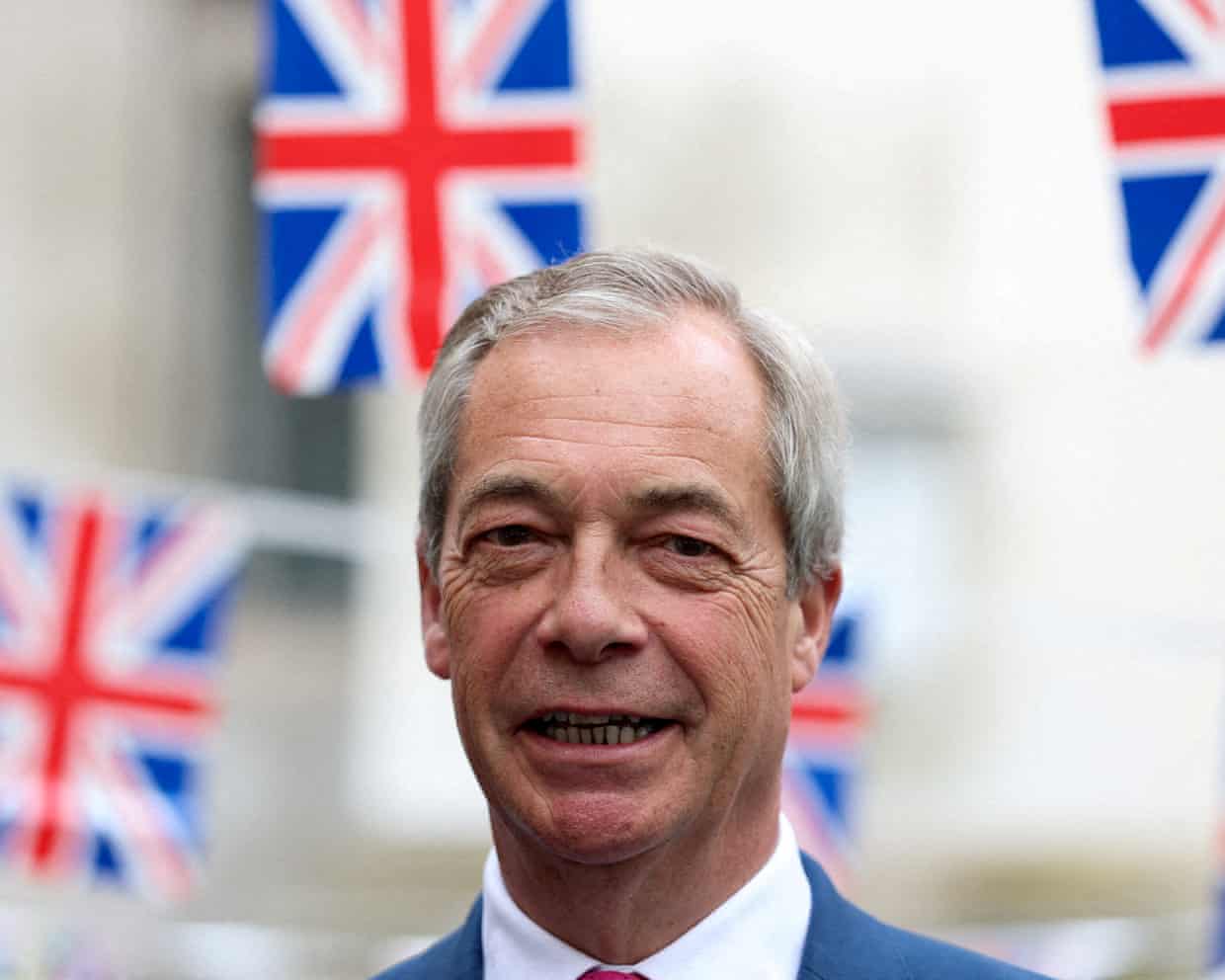
Nigel Farage referred to standards watchdog over undisclosed £5m gift
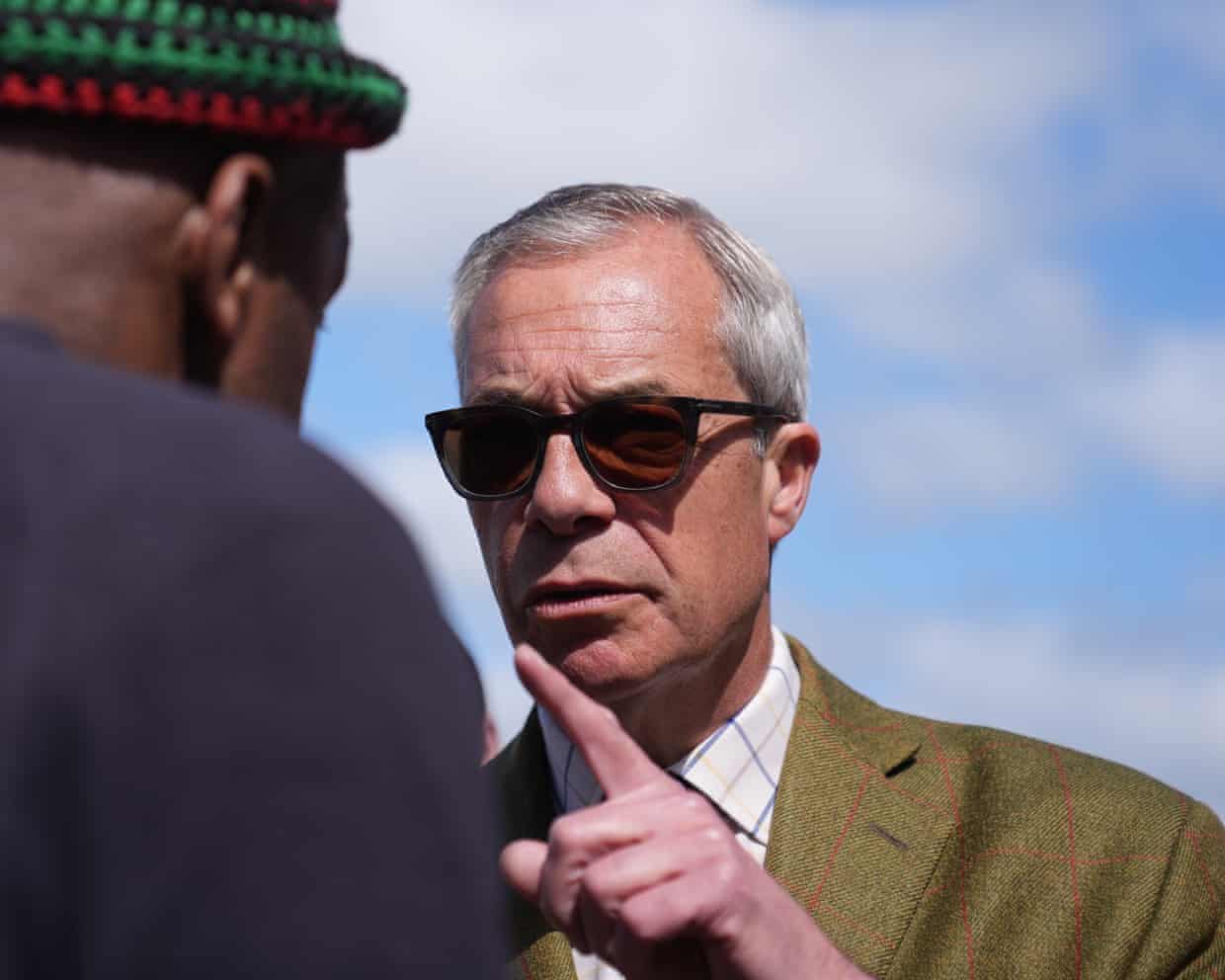
Farage reported to parliament’s standards watchdog over undeclared £5m donation – as it happened
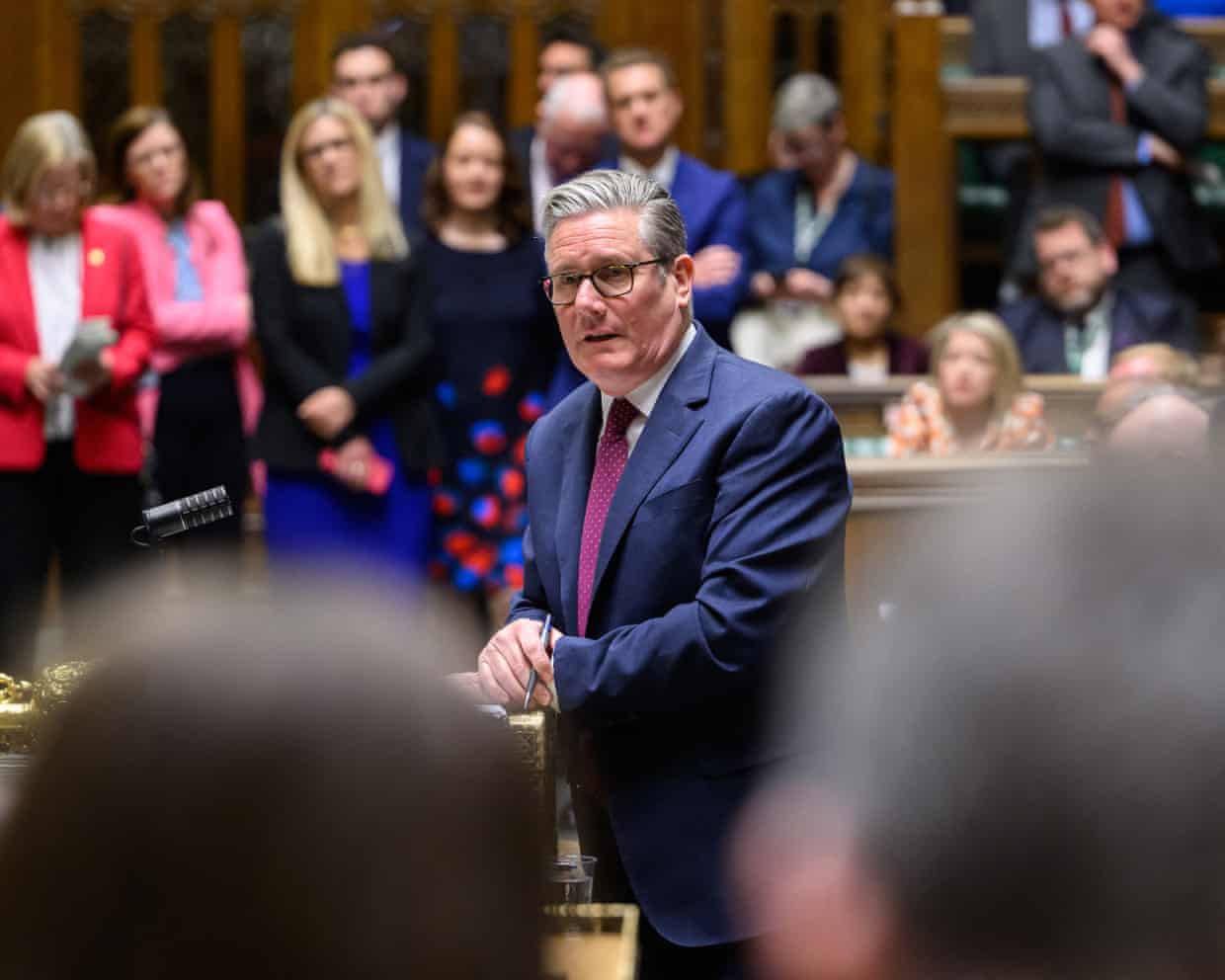
Given bonus PMQs tilt at Keir, Kemi fails to land a blow | John Crace
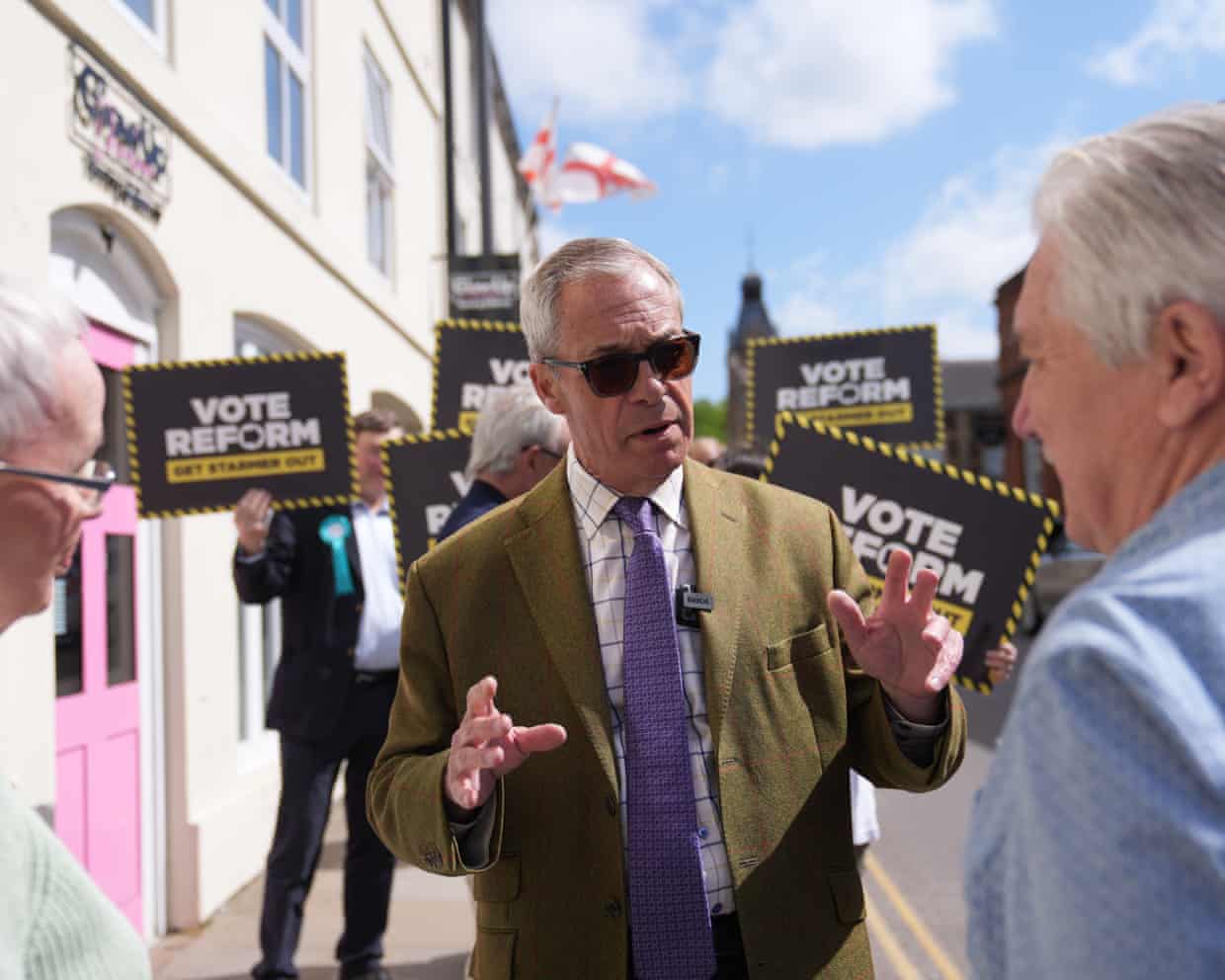
Farage’s attempt to get ahead of £5m gift story only raises more questions