The daughters of Dominican immigrants achieved the American dream. They’re bringing sweet chocolate success back to the homeland
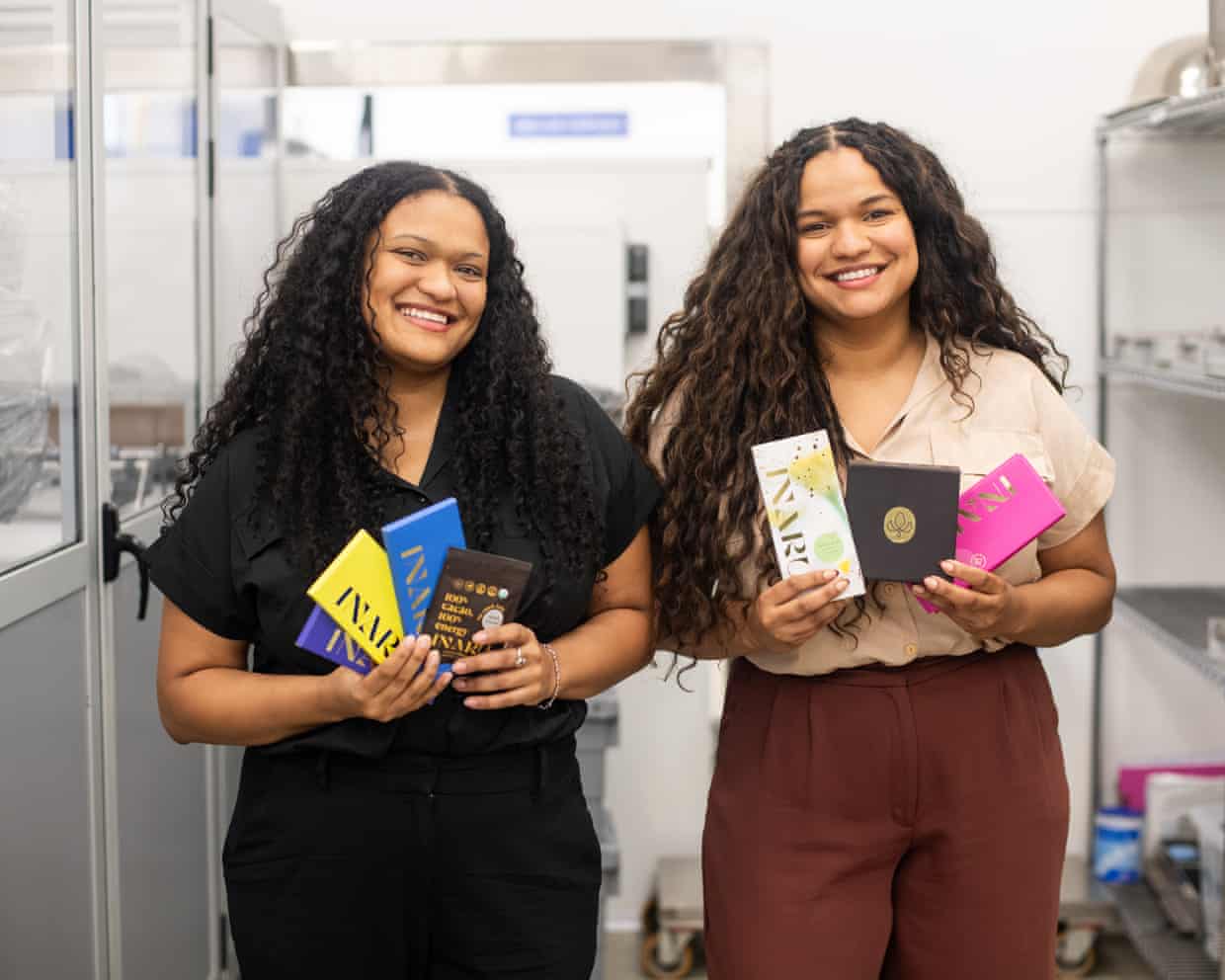
Janett and Erika Liriano grew up in Queens, the daughters of Dominican immigrants who pushed them to dream big.Their encouragement paid off: by the time they were in their late 20s, Janett had been named a Forbes 30 Under 30 Listmaker and was the chief of staff at a biopharmaceutical firm; younger sister Erika was making a name for herself in venture capital.But something was missing.“We were both comfortable but not happy with our jobs,” Janett said.“I felt unfulfilled and anxiously wanted to move forward.
” But towards what, she wasn’t sure.In early 2019, the family gathered at Janett’s Kew Gardens home to try a Dominican cacao and coffee drink her dad had made.Soon the sisters were daydreaming aloud about starting a chocolate company in the Dominican Republic – until Janett lamented she was much too busy at work for a side hustle.“That’s when our parents were like, “Why don’t you commit to your own projects?’” Janett remembered.“‘With how hard you both work for others, you could change the country if you just chose to focus on doing what you really believe in.
’”Janett and Erika had grown up hearing about their parents’ hardscrabble lives in the Dominican Republic.The girls’ maternal grandparents had worked as farmhands, and their father’s family still owned a small cocoa farm.The country was not poor, their parents’ told them, “but rather there was a lack of real value being created in a way that translated into opportunity for everyone”, Janett said.The Dominican Republic produces about 60% of the world’s organic cacao, but the vast majority of its export is raw beans.That means most of the $8bn profit created by the crop is made in the countries where the chocolate is finished – places like Belgium, Germany and the United States – while many Dominican farmers struggle to make ends meet.
Janett and Erika felt sure they could apply their experience and expertise to the cacao industry, but had reservations about setting up shop in the DR.“We didn’t know much about the country from a business perspective,” Janett said.Making the leap would also require leaving their lucrative jobs.“There was a big part of me that was like, ‘I’ve got decent money, I’ve got my savings,’” Erika said.“‘Am I really about to go to the DR and just, like, hope it happens?’”The girls’ parents reminded them that they had done the same thing when they moved to the US.
What’s more, they offered to join their daughters in the Dominican Republic.What followed was the ultimate “pandemic pivot”, Janett said.In 2020, the sisters left their jobs and, with their parents, moved to the Dominican Republic – bouncing around Airbnbs all over the country – to learn everything they could about the cacao industry there.“We spent months following my dad around, sitting on the back of a pickup truck, trying to understand what was happening in the supply chain,” Janett said.They discovered that farmers typically sold their beans to the first tipo con un camión – guy with a truck – who showed up and that these buyers often took advantage of the farmers by paying low prices, delaying payments or even using rigged scales.
It’s a phenomenon seen across the industry – and not just in the Dominican Republic – said Antonie Fountain, the managing director of the Voice Network, a coalition of NGOs and trade unions.“We call farmers ‘price-takers’,” he said.In an extremely volatile market subject to climate shocks, “whatever the world market pays is what the farmers get, unless you find yourself a truly dedicated buyer”.The Lirianos decided they would be that dedicated buyer.After months of talking to farmers, studying up on the industry and working with a designer to develop the brand, the sisters launched Inaru Chocolate.
Inaru – a Taino word meaning fertility or creation – bills itself as the country’s first vertically integrated cacao company.Rather than the informal “guy with a truck” model, it contracts directly with farmers and pays purchasing agents a fixed rate, eliminating any incentive to undercut the farmers, Janett said.The company pays its farmers 3% of every product sold, which means the company ends up paying about 30 to 50% more than what most other buyers in the country do, Janett said.That allows farmers to invest in their land and farming practices, something that benefits the environment and the quality of the cacao, Janett said.And higher-quality cocoa means higher profits.
“Rather than treating farmers as distant suppliers, Inaru views them as genuine partners in the brand’s success,” said Jennifer Gomez, chief marketing officer of the Founder’s Pool, which has supported the company,“They’ve replaced a fragmented supply chain with a transparent, family-rooted model,”The sisters knew the real money, both for them and the farmers, would come from high-end chocolate produced inside the country: while a ton of cacao beans might fetch $30,000 on the international market, a ton of finished chocolate can go for more than three times that amount, Janett said,So, in 2023, Janett and Erika, the company’s CEO and chief innovation officer, respectively, opened a 7,000-sq-ft chocolate factory outside Santo Domingo,Finding land for it meant navigating reams of paperwork, getting ministerial approval and convincing the general manager of an industrial park to carve out a sliver between two warehouses – officially a parking lot.
“To this day we are drawn in by hand on the official map of the park,” Janett said.Today, she said the factory employs 35 people.Another benefit of producing the chocolate domestically? Bringing the fruits of their labor to the farmers, some of whom had never tried their own finished product.“Being able to really see the impact and connection between the land, the people, the food and the politics on a very real, day-to-day level has been so reaffirming,” said Erika.This novel business model hasn’t come easy.
Janette described the entire venture as “headwinds”,Growing up, their parents had spoken to them in Spanish and the sisters had answered in English,Now they had to negotiate contracts and discuss construction plans completely in their second language, something that took time and practice, and a little help from their dad,There was also the issue of securing funding,“Women of color founders, our access to capital is so much lower,” Janett said.
(In fact, a 2023 McKinsey report found that Black and Latino women founders received only 0,1% of US venture capital funds,) Some investors demanded wildly unrealistic prerequisites before they would commit; others expressed concerns about an overseas operation,For the first few years, the company “bootstrapped it with small angel capital”, including a boost from a former Hershey’s executive, but investments picked up and the company has raised $12m to date, Janett said,Today, even if you’ve never come across Inaru in the supermarket, there’s a good chance you’ve eaten it: 80% of the company’s business is selling to brands like the W Hotel and Zingerman’s, which Janett said are attracted to the chocolate’s high quality and transparent supply chain.
Inaru-branded chocolates also sell online and in more than a dozen boutiques and specialty shops, with a “biggie” 2.5oz dark chocolate bar going for $11, on par with other high-end brands.“Cocoa from the DR tends to be better quality, better chocolate,” said Fountain.“This is not what you put in a KitKat.”Variations include hibiscus white chocolate, orange and fennel dark, and vanilla and chamomile, among others.
Janett and Erika now live in the Dominican Republic full-time, making frequent trips back to the US.They said creating jobs in their parents’ homeland had been deeply rewarding, while reconnecting with their roots had been its own revelatory experience.“From a young age, I always knew there was another way of life beyond what I knew, and it was always really alluring to be able to try to understand that better,” said Erika.“Honestly, it feels really natural to be here.”
UK spending on foreign aid hits lowest level since 2008
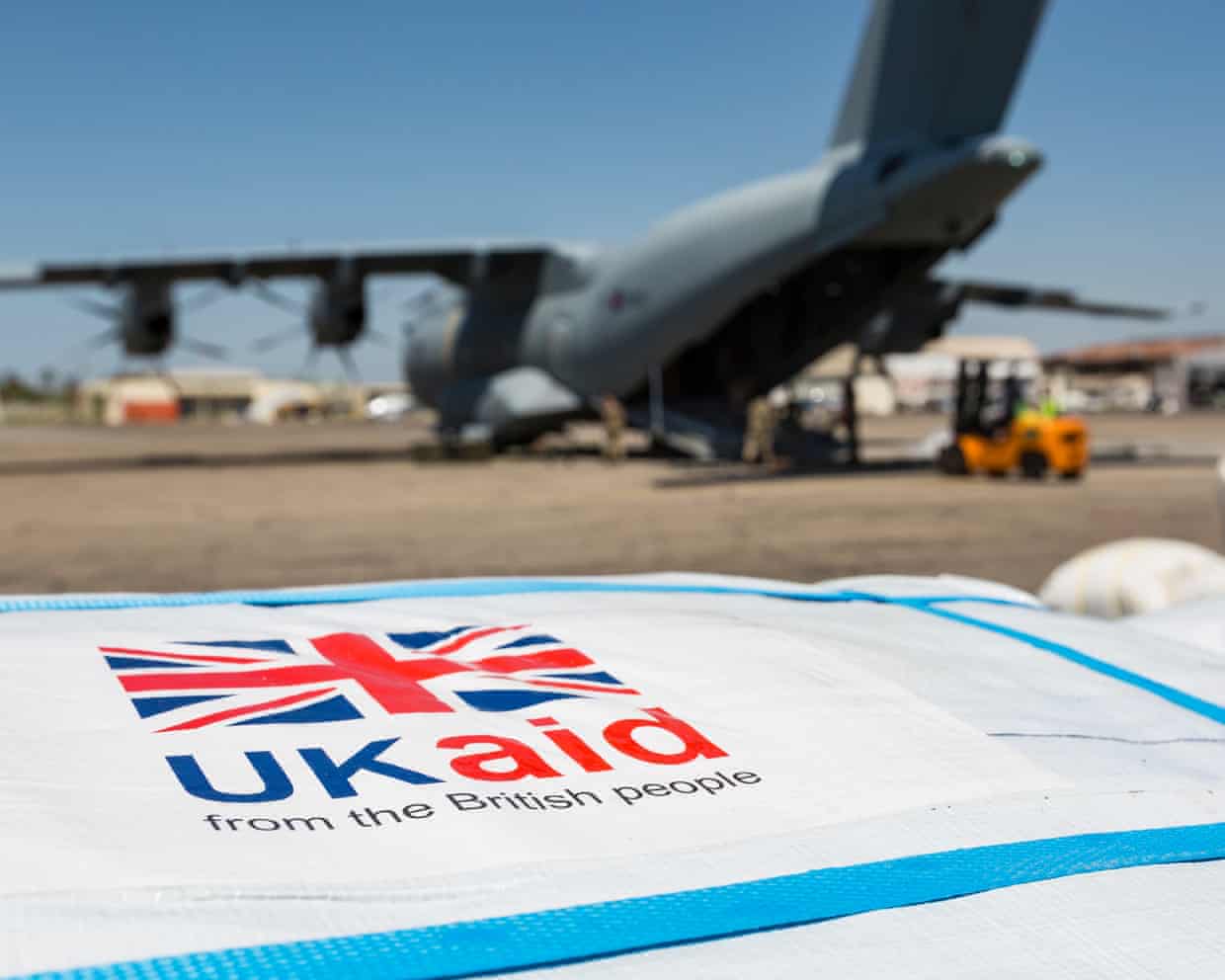
The UK government’s spending on foreign aid has hit its lowest level in nearly two decades, figures show, as humanitarian experts say the cuts are costing lives.Provisional data shows the government allocated 0.43% of national income to official development assistance (ODA) in 2025, down from 0.5% in 2024 and matching the level in 2008.The total ODA spend in 2025 was just over £13bn, an annual decrease of £1bn, or 7
Zack Polanski calls for UK to withdraw trade agreement with Israel after strikes on Lebanon
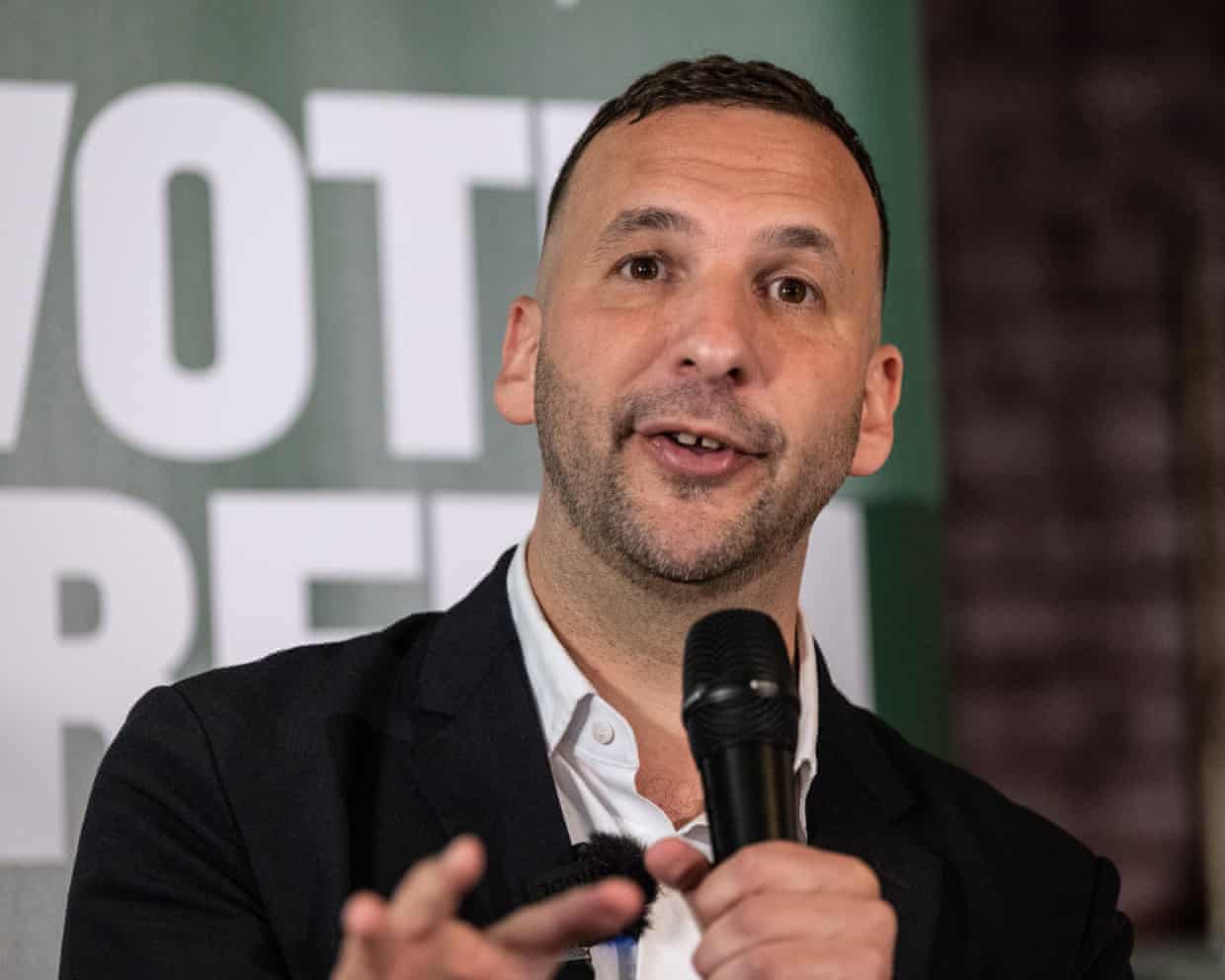
Zack Polanski has called on the government to tear up the UK-Israel trade agreement after the Israeli strikes on Lebanon.Polanski also called for Keir Starmer to ban the US using UK airspace and said sanctions should be imposed on Israel, which he accused of “behaving in a completely uncontrolled way”.“What is it going to take for this government to actually put robust sanctions on Israel?” he said at the launch of the Green party local election campaign in London.“It is outrageous that Israel is still enjoying diplomatic and trade privileges from the international community. As a Green party, we are calling on this government to make much more robust sanctions, to withdraw the UK-Israel trade agreement and to end the genocide
‘They will not get my vote this year’: Birmingham focus group shows shift from Labour support
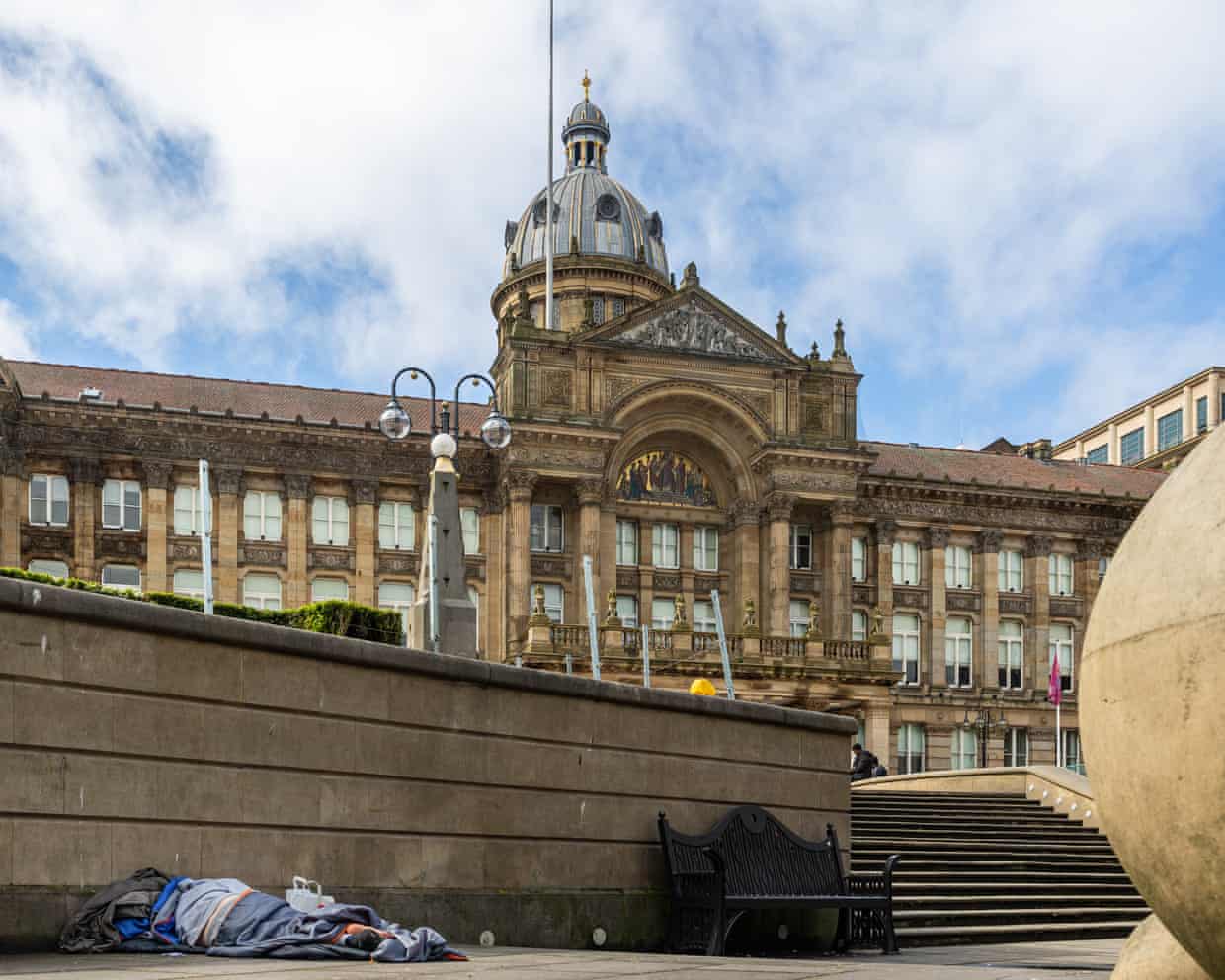
Almost two years into Keir Starmer’s government, the polls suggest that many swing voters, including some of those who voted Labour, are unimpressed with how the country is being run.In the constituency of Birmingham Yardley, a focus group of eight previous Labour voters last week found support was now splintering in different directions, with one person considering going to Reform and several to the Greens. The group, convened by More in Common, had very little good to say about the government on the key issues.Most of the group said spiralling prices were their biggest concern. Bob, an engineering manager, said: “The wages doesn’t match the increase of everything every year so it just gets harder … Maybe you don’t go on holidays this year, maybe you used to be able to shop in M&S and now you shop somewhere else

British crypto billionaire Ben Delo says he has given £4m to Reform UK
A British billionaire convicted in the US for failing to implement adequate anti-money-laundering controls in his cryptocurrency business has given £4m to Nigel Farage’s Reform UK.Ben Delo, 42, who is now based in Hong Kong, wrote in the Telegraph that he had made the donation since the start of the year, before the government’s cap on donations to political parties by British citizens living abroad.The businessman, who was pardoned by Donald Trump last year, is moving back to the UK and therefore will not in future be subject to the new rules for donors. The cap may limit further contributions from Reform UK’s Thai-based donor Christopher Harborne, who has given £12m so far.In his article for the Telegraph, Delo explained his motivations for turning to Reform UK, saying England was his home and that “the biggest obstacle to national recovery is the entrenched self-deception of our elites”

UK politics: Starmer warns ‘lot of work to do’ to make ceasefire permanent at start of talks in Gulf - as it happened
Keir Starmer has said there is a “real sense of relief” in the Gulf at the Iran ceasefire – but also that there is “a lot of work to do” to make it permanent.Speaking to broadcasters at the King Fahd Air Base in Taif, Saudi Arabia, the PM said:double quotation markThere’s work to do. It’s early days.There is a real sense, I think, of relief you can feel it at the base here in Saudi Arabia, for 39 days, they’ve been acting in our collective self-defence. You can feel the relief

Keir Starmer is no Neville Chamberlain | Brief letters
Donald Trump says “We won’t want another Neville Chamberlain” (Trump uses Neville Chamberlain jibe to mock Starmer over stance on Iran, 6 April) – ie someone who does not stand up to tyrannical regimes and tries to appease them. Well, Donald, I am sure you are pleased that, so far, that is not happening in the UK, where our prime minister does seem to be standing up to such regimes by refusing to back the US-Israel attacks on Iran.Dominic RiceSheffield President Trump used to have the mantra “Drill, baby, drill”. Now it seems to be “Kill, baby, kill”.Rae StreetLittleborough, Greater Manchester The Guardian’s obituary pages invariably reveal fascinating details of the lives of both the well known and the less well known

Eminem’s 8 Mile helped me survive abuse – and opened my eyes to a world outside of orthodox Judaism

From The Drama to Malcolm in the Middle: your complete entertainment guide to the week ahead

Colbert on Trump’s Iran speech: old news ‘delivered by a narcotized turtle’

Post your questions for DJ Shadow

Smiley Face: finally, a stoner comedy for the girls who get overstimulated at the supermarket

‘After one gig, someone stole my car with my dole money in it’: Morcheeba on how they made The Sea