Fifty years of sexing up tech: Apple’s epic hits – and misses
Remember the iPod? How about the Pippin? In the half-century since it launched its first PC, Apple has given us some amazing innovations.We round up its biggest triumphs and flopsThe Guardian’s journalism is independent.We will earn a commission if you buy something through an affiliate link.Learn more.Fifty years after Steve Jobs, Steve Wozniak and Ronald Wayne founded the company in Jobs’ parents’ garage in Los Altos, California, Apple has become a behemoth, and billions of us use its products every day.
From the first successful home computers with colour screens, to the iPod, to the smartphone that set the template for the modern mobile era, the company has repeatedly reset consumer expectations.The Guardian’s journalism is independent.We will earn a commission if you buy something through an affiliate link.Learn more.As a result, the firm occupies a central position in the tech world, initiating trends and popularising products.
Here are five of its most influential products from the past half-century – alongside some unusually big misses.Apple II (1977)The Apple II put the small, scrappy upstart company on the map.It was Apple’s first mass-market personal computer, designed by Wozniak as a complete, ready-to-use machine rather than a bare circuit board for hobbyists – which had been the home-computing norm up to that point.The Apple II combined the electronics, keyboard and power supply in a single case, and could plug straight into a monitor screen, making computing feel far less intimidating.The ethos behind it was simplicity, says Apple analyst Horace Dediu.
“When Steve Jobs looked at this in the 70s, it was like: ‘Well, how do we bring tech to the masses?’ The answer was: ‘Make it easy to use.’”The Apple II offered colour graphics, Basic (Beginner’s All-purpose Symbolic Instruction Code) in read-only memory and expansion slots, which encouraged a flourishing ecosystem of third-party hardware and software, from games to the VisiCalc spreadsheet that made it a serious business tool.Aggressive education discounts helped to put it into US classrooms, making it the first computer many students used.Its success transformed Apple from a small startup into one of the defining companies of the early PC revolution.Macintosh (1984)The next big paradigm shift that Apple was involved in was the release of the Macintosh personal computer.
Unlike the boring black-and-white command-line machines most people were used to, the Mac – named by Apple employee Jef Raskin in honour of his favourite apple variety – popularised the graphical user interface, with windows, icons, menus and a mouse, bringing ideas pioneered across the IT sector into an affordable, self-contained consumer product.Ridley Scott’s famous “1984” Super Bowl advert positioned it as a cool, rebellious alternative to the grey world of IBM PCs, and the friendly on-screen interactions made computers feel less like tools for specialists and more like devices anyone could learn to use.“The key to where Apple really established itself, even from the beginning, and still does today, is that it decided to conquer, master and control the human-computer interface,” says Dediu.iMac G3 (1998)More than a decade on from the Macintosh, Apple sexed up PCs again.It ditched the beige boxes in favour of translucent all-in-one machines, available in a range of bright colours, that became instant design icons and starred in a wave of playful TV ads.
“The important thing to remember about those iMacs was that the internet was the big new thing,” says Apple analyst Avi Greengart, who runs Techsponential, a technology analysis firm,While we might remember the vibrant candy colours that grabbed attention for the devices, the guts of the hardware were equally important to their success,“The ads showed how many cables and connections it took to connect to the internet, and it was two,” says Greengart,“The simplicity of that design, where everything was all in one, felt approachable, fun and the design was elevated,”That all combined to make the iMac G3 a roaring success, says Greengart.
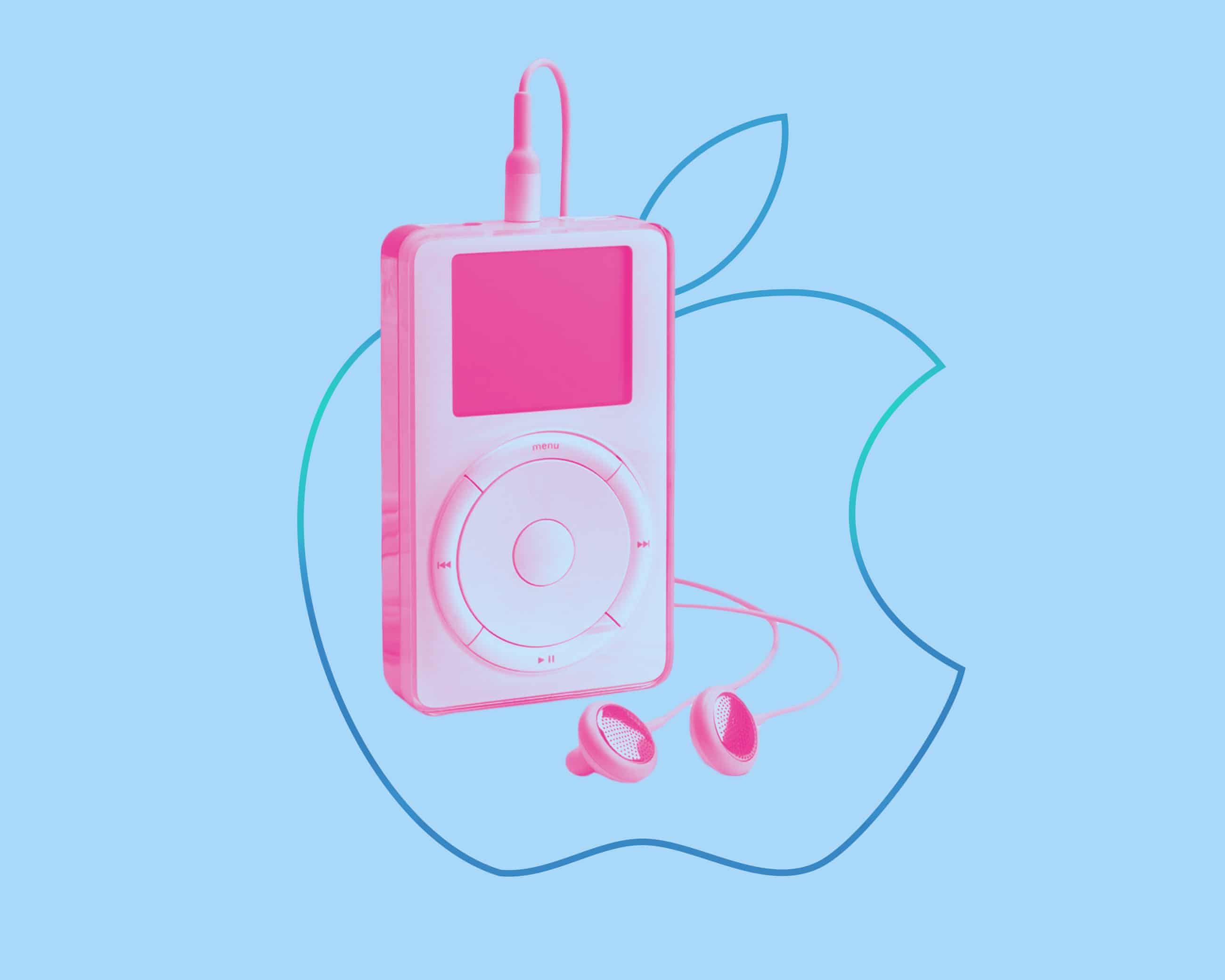
“If it had just come out with ridiculously cool designs, it would not have been enough.And we know that because there was a company who did just that in that era.Their name was Sony.” Sony’s Vaio computers were considered state of the art in terms of 90s computer design, but Apple’s added user-friendliness helped it eclipse them.iPod (2001)These days, our all-powerful smartphones mean we don’t need separate devices for listening to music, but at the turn of the millennium, in the age of Walkmans and disc players, the iPod was a revolutionary product.
Apple’s white, pocketable music player offered an unheard-of “1,000 songs in your pocket” thanks to its tiny hard drive, tight integration with iTunes and a simple scroll-wheel interface that made navigating big libraries painless.It wasn’t the first MP3 player, but it was the first to feel mainstream, combining slick hardware, easy music syncing and memorable marketing built around a series of iconic ads with dancing figures and white earbuds.Over successive generations it shrank, gained more storage, added colour screens and video, and became a cultural phenomenon that re-energised Apple’s business in the 2000s.But arguably as important, it trained millions of people to buy digital media through Apple’s ecosystem, paving the way for the iPhone and App Store that followed.iPhone (2007)Apple didn’t release the first smartphone – that footnote in history goes to IBM’s Simon Personal Communicator, a chunky touchscreen device launched in 1994 that combined a mobile phone with personal digital assistant features such as email, faxing and a calendar – but it did popularise the product when it unveiled the iPhone in 2007.
When Jobs gave his hands-on live demonstration of the iPhone’s capabilities, some didn’t believe it was genuine.“It was one of those things where you weren’t sure that what they showed on stage was real until you got hands-on and you saw the snap-back,” says Greengart.It helped introduce the norms we now take for granted when we interact with devices, including scrolling, swiping, tapping and pinching to zoom with our fingers.Alongside its intuitive ease of use, the reason the iPhone was so successful was because it established a principle that Apple has continued to hold central to its work and helps differentiate it from competitors: near-absolute control over its ecosystem.The iPhone gave birth to the App Store, which standardised the ways in which services could be controlled on the device, both in terms of how the apps actually work, but also how they look and feel.
“Their best products are the products they fully control,” says Carolina Milanesi, founder and principal analyst at The Heart of Tech, a market research and consultancy firm.Greengart agrees: “It’s all based on entering Apple’s ecosystem and finding the garden – whether its walls are to the height of your liking or not, it’s a pretty damn nice place to spend time.”Apple III (1980)Just as with movie sequels, the third version of Apple’s namesake product was a bit of a blunder.For as much as the Apple II was a shot in the arm for the company, the Apple III, which was rushed to market three years later, was a sizable miss.Designed as a business-focused upgrade with better graphics, a built-in keyboard and more memory, it suffered catastrophic hardware flaws, including severe overheating thanks to Jobs’ insistence on a fanless chassis.
Chips would pop out of their sockets because of thermal expansion and faulty assembly, forcing Apple to recommend that users lift the machine several inches and drop it to put them back in place – a humiliating fix that damaged the brand’s reputation.Priced at $4,340, way above the Apple II, it also had some unusually un-Apple-like design choices, such as upper-case-only displays that frustrated users, leading to poor sales.Apple stopped making it within two years of release.Macintosh Portable (1989)The first battery-powered Macintosh was a harbinger of the laptops that many people now use in place of bulky desktop computers.But while we now covet Apple’s sleek, precisely machined Macbooks, its first foray into the area was a massive flop.
The company spent a million dollars at a glitzy launch in a California amphitheatre, bringing more than 5,000 tastemakers to see the product – unusual for the time.Apple aimed to sell 50,000 Mac Portables, which, when fully specced-up, would cost $8,000.People balked at the product, though.“It’s too big, too heavy and too expensive,” was the Los Angeles Times’ damning verdict.By 1990, the price had been slashed to $1,000.
It still didn’t sell; Apple had stopped producing it by 1991.Newton MessagePad (1993)Apple experts are split on the role that the later iPad has played in Apple’s history, with some suggesting that it has largely occupied an uncomfortable position, neither as good as a laptop nor as useful as a smartphone.Nevertheless, Apple shifts bucketloads of them, with hundreds of millions in sales since the iPad’s launch in 2010.But few people realise that it was Apple’s second attempt at a tablet-like device.The Newton MessagePad aimed to lead the world of personal digital assistants.
It had a touchscreen, stylus handwriting recognition, email, fax and calendar features, all in a handheld device.But its notoriously inaccurate handwriting recognition – famously mocked on The Simpsons for mangling simple words such as “Beat up Martin” into “Eat up Martha” – turned it into a joke, while the high price ($700) and battery-life issues killed sales.Later models improved, but Jobs axed the line on his 1997 return to the company, though the principle of the Newton MessagePad foreshadowed what was to come.Apple Pippin (1996)You might not have realised that Apple released a games console back in the 90s (named, like the Macintosh, after an apple variety).In part that’s because of the madness of the console wars of the time, where Sony’s PlayStation, the Nintendo 64 and the Sega Dreamcast competed for market share.
But it’s also because the Apple Pippin, co-developed with Bandai in Japan, just wasn’t very good.Branded as “@world” in the US, the $599 console device touted its multimedia versatility as a game machine, CD player and internet appliance via modem and custom controller (the boomerang-shaped design was, as so often with Apple, ahead of its time).But a pitiful launch library of only 18 titles, many Japan-only, left it barren compared with rivals’ hits such as Final Fantasy VII, while clunky performance and high cost doomed it from day one.The Pippin bombed in the US with only 12,000 sold, fire-sale prices failing to revive it.(It wasn’t just an American problem – it sold only 30,000 units in gaming-mad Japan.
) Jobs killed it upon his 1997 return, refocusing on core strengths; reviews slammed it as “too slow, too expensive and lacking games,” cementing its place as Apple’s most embarrassing hardware dead end.The lesson for Apple? “When they are dealing with something where they don’t have full control, then it’s harder,” says Milanesi.Apple Vision Pro (2024)Apple’s most recent high-profile stumble is the Vision Pro, its $3,499 “spatial computing” headset launched with huge fanfare and chief executive Tim Cook’s bold claims that it would redefine how we work and interact with technology.But two years on, it has become a cautionary tale of a product too far ahead of consumer appetite: production was halted by partner Luxshare early in 2025 after dismal sales.Analysts estimate 390,000 units were shipped in 2024, followed by 45,000 in the fourth quarter of 2025 – peanuts compared with the number of iPhones sold, which was nearly 250m in 2025.
Part of the reason is that the Vision Pro isn’t a nice device to wear,It’s heavy, has a short battery life, and may produce “symptoms of visual discomfort” after a lot of use,Critics said the demos showing off the device’s capabilities were impressive, but it was impractical for real life, similar to the issues the Newton faced in being ahead of its time,It’s for that reason that Dediu thinks we shouldn’t count out the Vision Pro quite yet,“I know this still seems like a dead end.
It was a dead end for Meta.It was a dead end for a lot of companies – but maybe it’s still too early,” he says.Give it another half-century, maybe? Do you have an opinion on the issues raised in this article? If you would like to submit a response of up to 300 words by email to be considered for publication in our letters section, please click here.
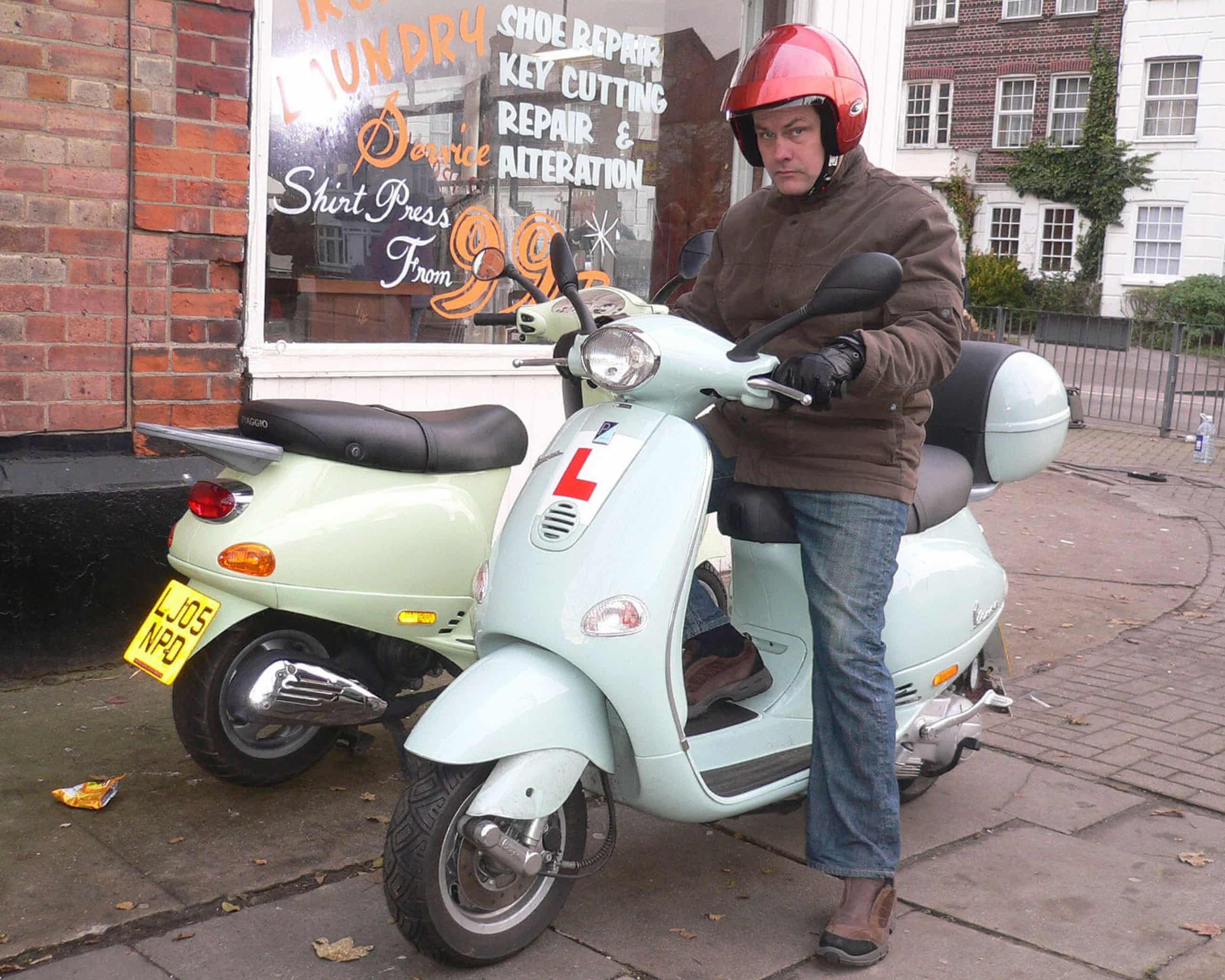
‘A lot of comedians don’t have a sense of humour’: Jack Dee on his loser Lead Balloon creation Rick Spleen
‘Rick’s basically a what-if version of me. Had I not found success, that’s how I would have been – deluding myself into thinking success will come, or believing it’s not my fault that it hasn’t’I was doing a lot of standup, working with other comedy writers. I was interested in the relationship between writer and performer. I wondered: “What if the writer is funnier than the performer?” I approached Pete Sinclair, who I’d written with for a long time, and said: “What do you reckon?” BBC4 commissioned a pilot.We developed the world of Rick Spleen and his relationship with his writer and the public
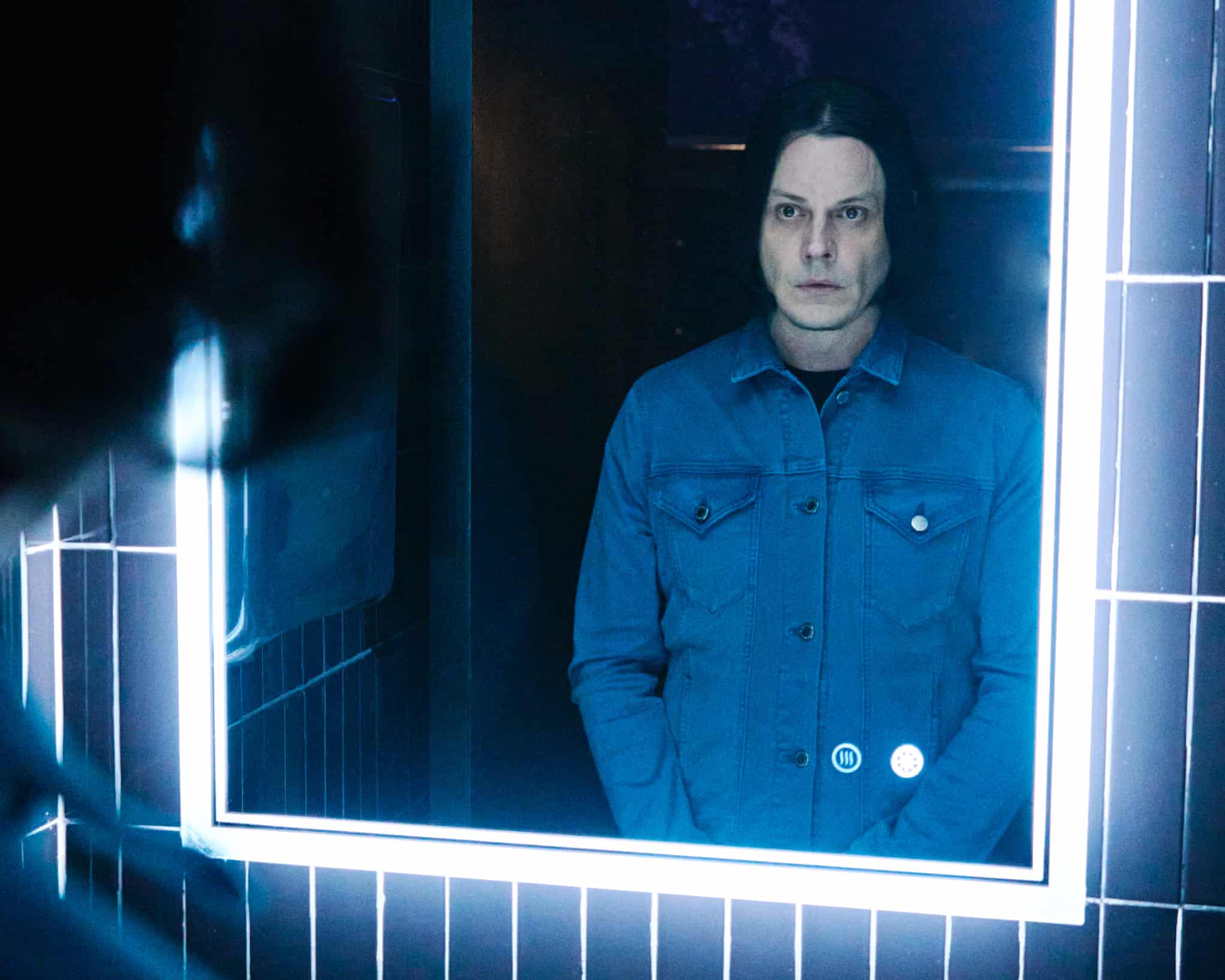
Jack White: ‘I’m not going to put a painful thing out there for some idiot on the internet to stomp all over’
As a new book of his lyrics, poems and selected musings is published, the White Stripes’ singer, songwriter and general guitar hero reflects on poetry, politics and why writing a song is like reupholstering a chairOn the jacket of Jack White: Collected Lyrics & Selected Writing Volume 1, the poet and critic Hanif Abdurraqib writes: “I wish I read more people who talked about Jack White as a writer of lyrics.” He makes a good point. White is celebrated as a singer, guitarist, producer and generator of indelible riffs but not so much as a wordsmith. His new book, edited by official archivist Ben Blackwell, sets the record straight. Following 2023’s The White Stripes Complete Lyrics 1997-2007, it covers every song White has written outside that band, along with several poems, Instagram ruminations and scans from his notebooks

‘Kitty karma’? Jessie Buckley tries to claw back approval after enraging cat-lovers
If Jessie Buckley fails to win the Oscar for best actress next week it will be a sign that cat lovers have got their claws out.The Irish actor is the runaway favourite for her performance in Hamnet, but in recent days has stumbled into a controversy over a stated antipathy to cats.She has said she once gave her husband an ultimatum to banish his two cats because they would defecate on pillows, telling a podcast: “I was like, ‘it’s me or the cats.’”Cat-lovers have responded with indignation and condemnation, sparking a wave of headlines and warnings that “kitty karma” could deny Buckley, 36, her first Academy award.She attempted to repair the damage on Jimmy Fallon’s chatshow on Thursday, saying it was a “misconception” that she loathed cats

The Guide #233: From Wonder Man to Girl Taken, here’s one thing to watch on every streamer
Streaming services: there’s a lot of them (with yet another, HBO Max, on the way later this month) and everyone seems to be signed up to different ones, making recommendations a challenge. Step forward the Guide’s fourth edition of A Show for Every Streamer (previous versions can be seen here, here and here), which does exactly as it describes. As is tradition, we’ve tried to avoid series that everyone has been nattering about (unlucky, Heated Rivalry), and instead spotlight less heralded, more surprising picks, starting with …Apple TV | Drops of God … a Japanese-American-French drama about warring wine experts, of course. A curious one, though it does fit in with Apple’s penchant for high-end subject matter. After a first series that saw the daughter of a deceased French wine expert face off against his Japanese mentee for ownership of his multimillion-dollar wine collection, season two – which arrived in January – sees the two team up to investigate the mysterious origins of a bottle of red from dad’s collection
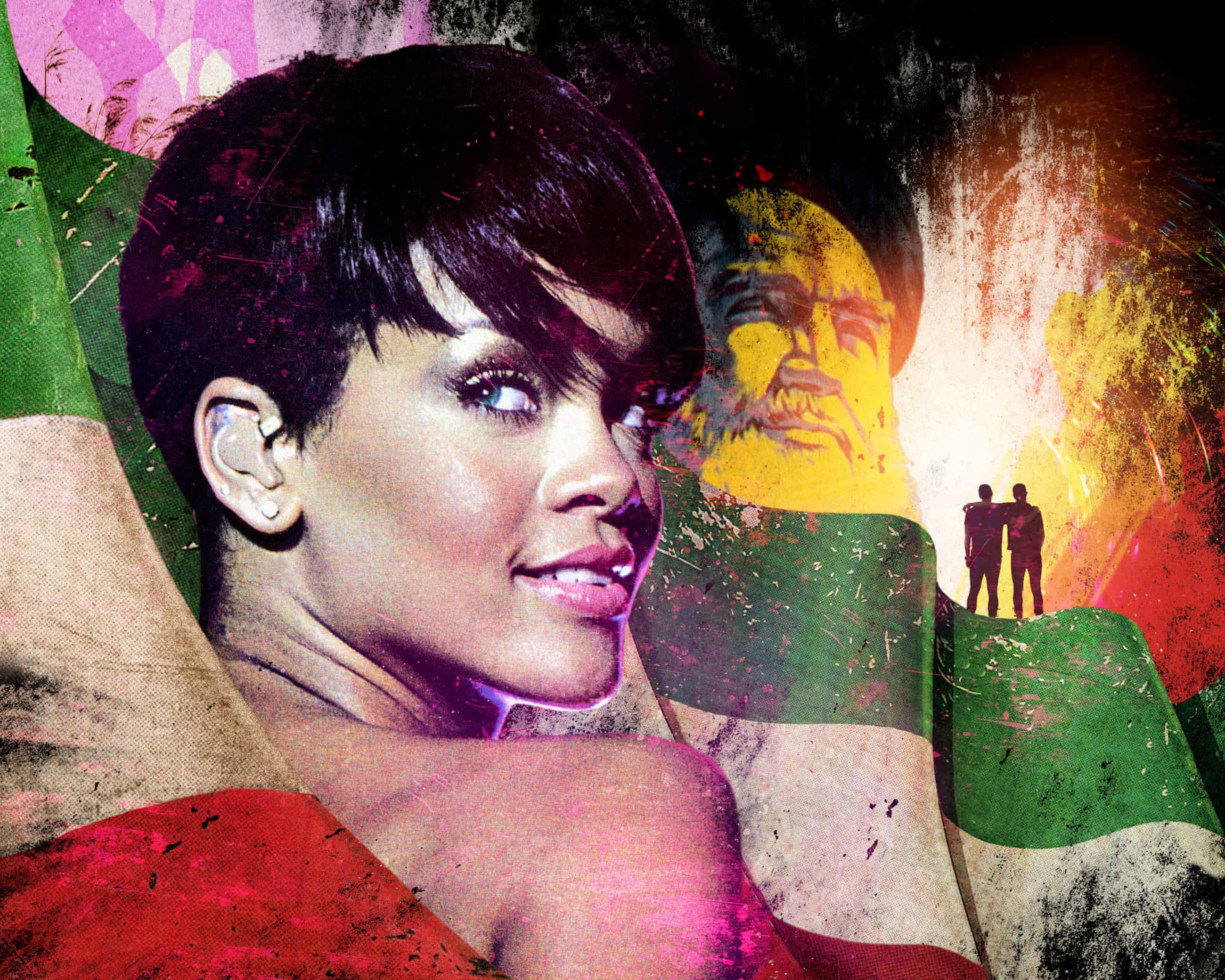
My cultural awakening: a Rihanna song showed me how to live as a gay man in Iran
My sexuality had to be hidden from my friends, my parents, not to mention the authorities. Then I found freedom at house parties and one song that sums up me finally being able to be myselfI was raised in Tehran, under the Ayatollah’s sharia law and daily watch of Basij – the “morality police”. My parents fell in love with the Islamic Revolution when I was a baby and welcomed life under its strict religious rules. The Ayatollah’s face stared down from the walls at home, a daily reminder of what was expected and what was forbidden. This included being gay, but by my teenage years I knew I was different from my peers, and began hiding my sexuality from my parents and the world outside
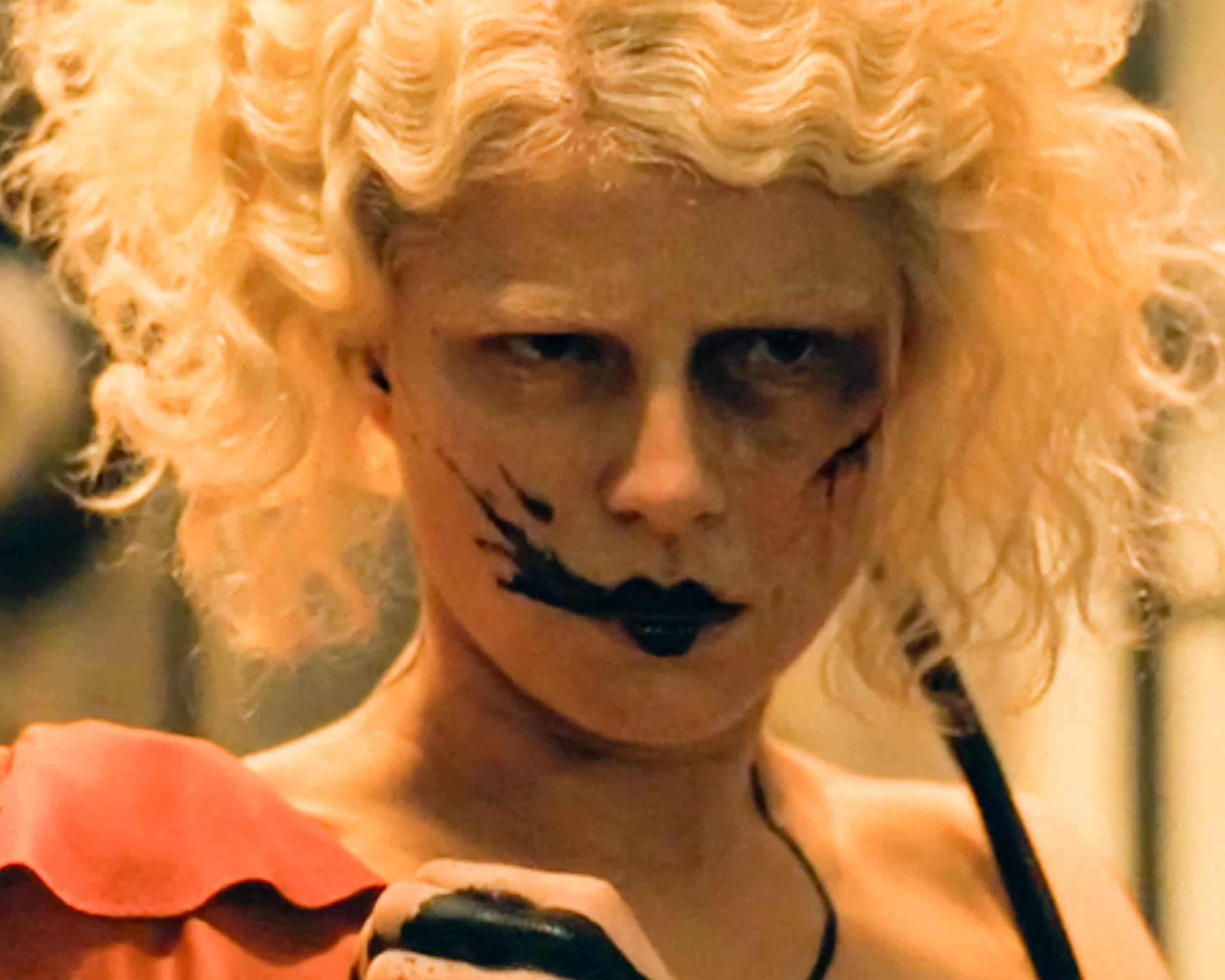
From The Bride! to Harry Styles: your complete entertainment guide to the week ahead
Maggie Gyllenhaal gives us a new take on The Bride of Frankenstein, and the stadium-conquering pop prince is back with a new albumThe Bride!Out now Maggie Gyllenhaal directs this Chicago-set gothic romance starring Jessie Buckley and Christian Bale. Per James Whale’s 1935 classic Bride of Frankenstein, on which it is loosely based, a lonely monster wants a mate and taps up a scientist, Dr Euphronious (Annette Bening), to create her.Peaky Blinders: The Immortal ManOut now As The Rachel was to women who watched Friends in the 90s, so the Peaky Blinders mop chop was to male fans. Will the return of the Birmingham gang drama in feature film form prompt another wave of ill-advised dos? Only time will tell. Just remember, Cillian Murphy looking amazing with that haircut doesn’t mean it’s a good idea for absolutely everyone

Middle East crisis could push UK inflation back up to 3%, says OBR

Pipeline of new drugs to fight superbugs is ‘worryingly thin’, experts warn

Datacenters are becoming a target in warfare for the first time
‘I wish I could push ChatGPT off a cliff’: professors scramble to save critical thinking in an age of AI

Cheltenham festival 2026: Lossiemouth leaves rivals in wake to win Champion Hurdle – as it happened
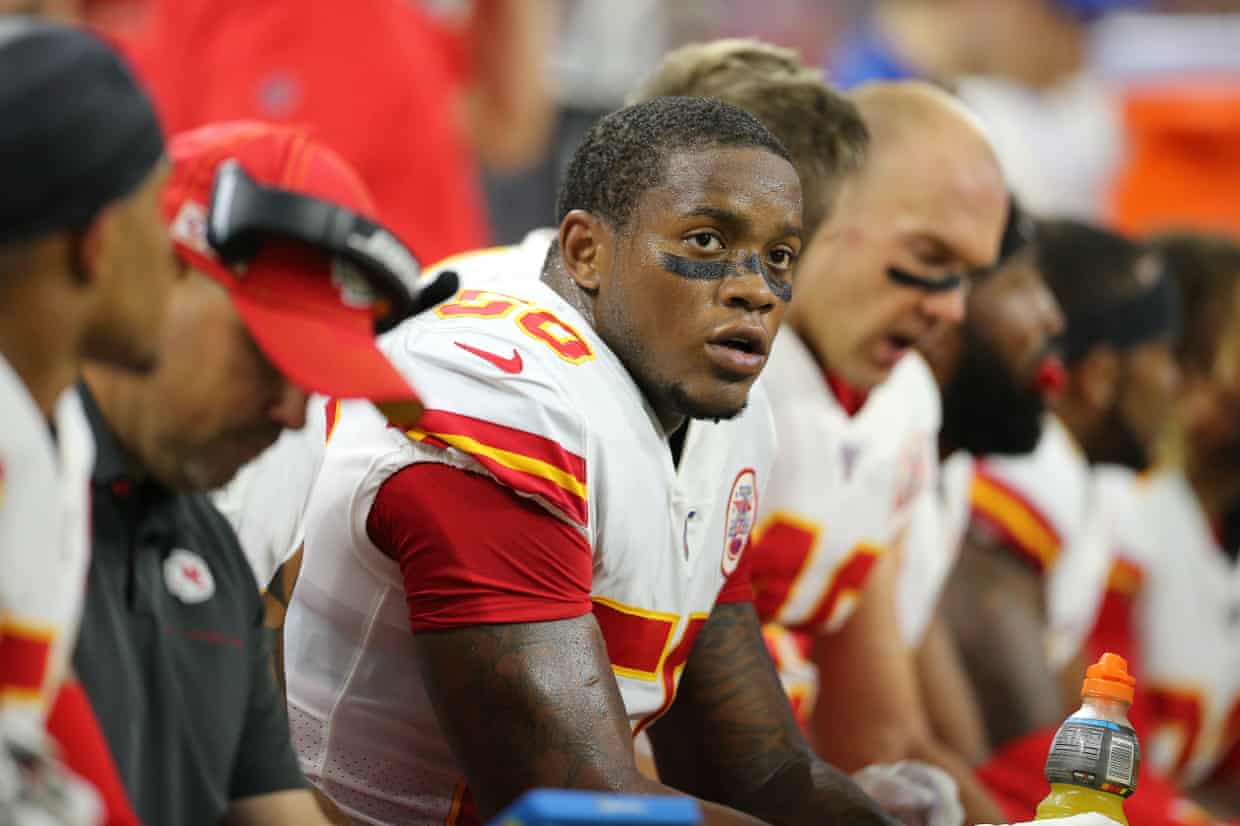
Former Super Bowl champion asked ChatGPT about injuries before girlfriend’s death, court hears