Leading AI expert delays timeline for its possible destruction of humanity

A leading artificial intelligence expert has rolled back his timeline for AI doom, saying it will take longer than he initially predicted for AI systems to be able to code autonomously and thus speed their own development toward superintelligence.Daniel Kokotajlo, a former employee of OpenAI, sparked an energetic debate in April by releasing AI 2027, a scenario that envisions unchecked AI development leading to the creation of a superintelligence, which – after outfoxing world leaders – destroys humanity.The scenario rapidly won admirers and detractors.The US vice-president, JD Vance, appeared to reference AI 2027 in an interview last May when discussing the US’s artificial intelligence arms race with China.Gary Marcus, an emeritus professor of neuroscience at New York University, called the piece a “work of fiction” and various of its conclusions “pure science fiction mumbo jumbo”.
Timelines for transformative artificial intelligence – sometimes called AGI (artificial general intelligence), or AI capable of replacing humans at most cognitive tasks – have become a fixture in communities devoted to AI safety,The release of ChatGPT in 2022 vastly accelerated these timelines, with officials and experts predicting the arrival of AGI within decades or years,Kokotajlo and his team named 2027 as the year AI would achieve “fully autonomous coding” although they said that this was a “most likely” guess and some among them had longer timelines,Now, some doubts appear to be surfacing about the imminence of AGI, and whether the term is meaningful in the first place,“A lot of other people have been pushing their timelines further out in the past year, as they realise how jagged AI performance is,” said Malcolm Murray, an AI risk management expert and one of the authors of the International AI Safety Report.
“For a scenario like AI 2027 to happen, [AI] would need a lot of more practical skills that are useful in real-world complexities.I think people are starting to realise the enormous inertia in the real world that will delay complete societal change.”“The term AGI made sense from far away, when AI systems were very narrow – playing chess, and playing Go,” said Henry Papadatos, the executive director of the French AI nonprofit SaferAI.“Now we have systems that are quite general already and the term does not mean as much.”Kokotajlo’s AI 2027 relies on the idea that AI agents will fully automate coding and AI R&D by 2027, leading to an “intelligence explosion” in which AI agents create smarter and smarter versions of themselves, and then – in one possible ending – kill all humans by mid-2030 in order to make room for more solar panels and datacentres.
However, in their update, Kokotajlo and his co-authors revise their expectations for when AI might be able to code autonomously, putting this as likely to happen in the early 2030s, as opposed to 2027.The new forecast sets 2034 as the new horizon for “superintelligence” and does not contain a guess for when AI may destroy humanity.“Things seem to be going somewhat slower than the AI 2027 scenario.Our timelines were longer than 2027 when we published and now they are a bit longer still,” wrote Kokotajlo in a post on X.Creating AIs that can do AI research is still firmly an aim of leading AI companies.
The OpenAI CEO, Sam Altman, said in October that having an automated AI researcher by March 2028 was an “internal goal” of his company, but added: “We may totally fail at this goal.”Andrea Castagna, a Brussels-based AI policy researcher, said there were a number of complexities that dramatic AGI timelines do not address.“The fact that you have a superintelligent computer focused on military activity doesn’t mean you can integrate it into the strategic documents we have compiled for the last 20 years.“The more we develop AI, the more we see that the world is not science fiction.The world is a lot more complicated than that.
”
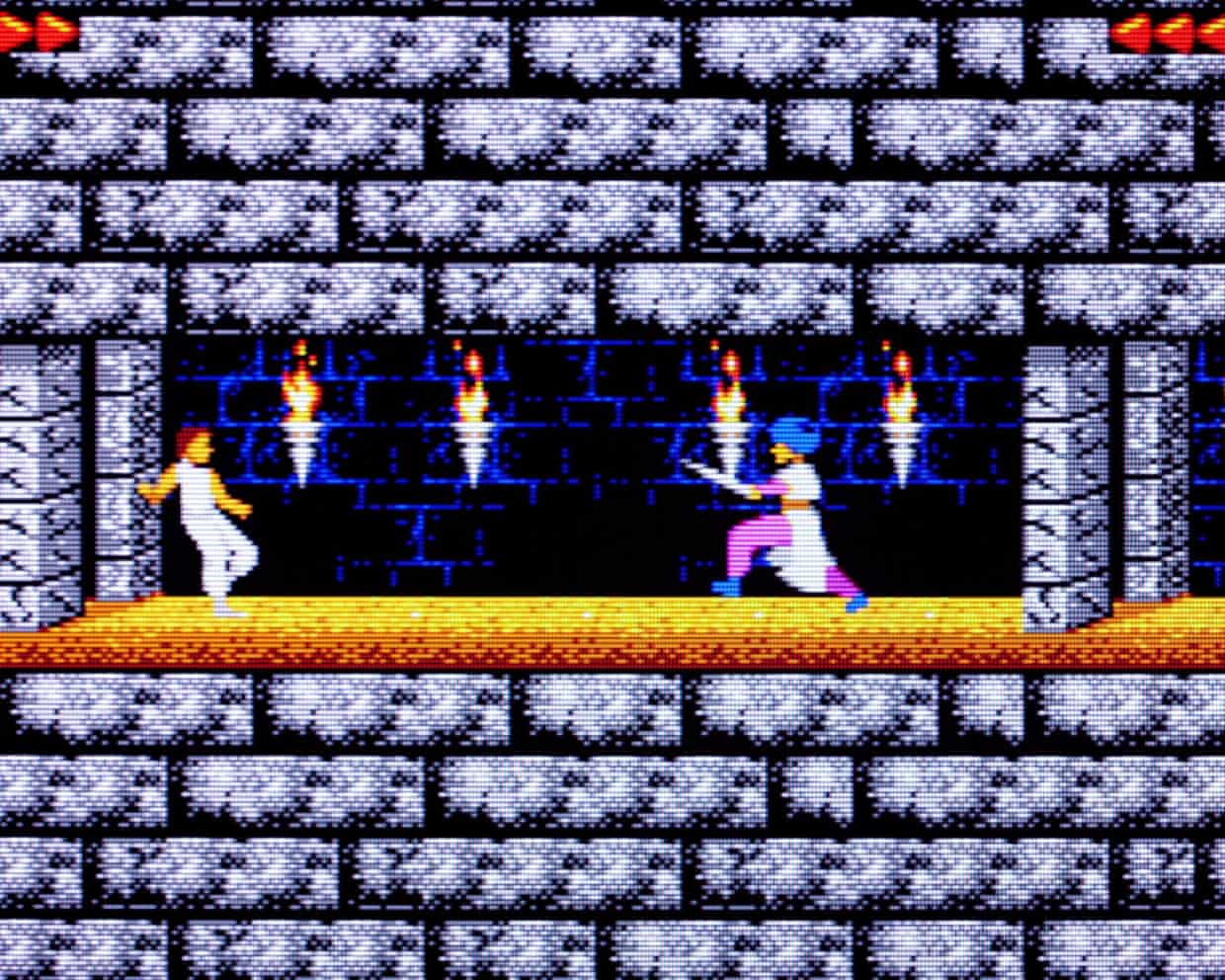
‘I wanted that Raiders of the Lost Ark excitement – you could die any minute’: how we made hit video game Prince of Persia
Programming was very open back in the 1980s. You had to teach yourself, either from magazines, or by swapping tips. When you wrote a video game, you submitted it on a floppy disk to a publisher, like a book manuscript. In my freshman year at Yale university, I sent Deathbounce, an Asteroids-esque game for the Apple II computer, to Broderbund, my favourite games company. They rejected it, but took my next effort, Karateka, a side-scrolling beat-’em-up

The Guide #224: Bondage Bronte, to more comeback tours – what will be 2026’s big cultural hitters ?
Welcome to 2026! I hope you are enjoying the final dribblings of the festive break, before reality bites on Monday. As is now tradition (well, we did it once before), this first newsletter of the new year looks at some of the big questions we hope will be answered in the next 12 months, across film, TV, music and games. Hopefully it will double up as a decent primer for the year ahead too, though for a more exhaustive rundown check the Guardian’s 2026 previews for film, music, TV, gaming, stage and art. Right, let’s get on with it:A storyline likely to rumble on through the year is the proposed purchase of Warner Bros by Netflix, which will require government approval (certainly not a given), not to mention all manner of contractual fine-tuning, before that big red N gets stamped on Warners’ famous water tower. Just enough time then for Hollywood’s greatest wrangler of spectacle, and newly installed head of the Director’s Guild, Christopher Nolan to demonstrate the value to Netflix of putting mass-market movies on the biggest screens possible
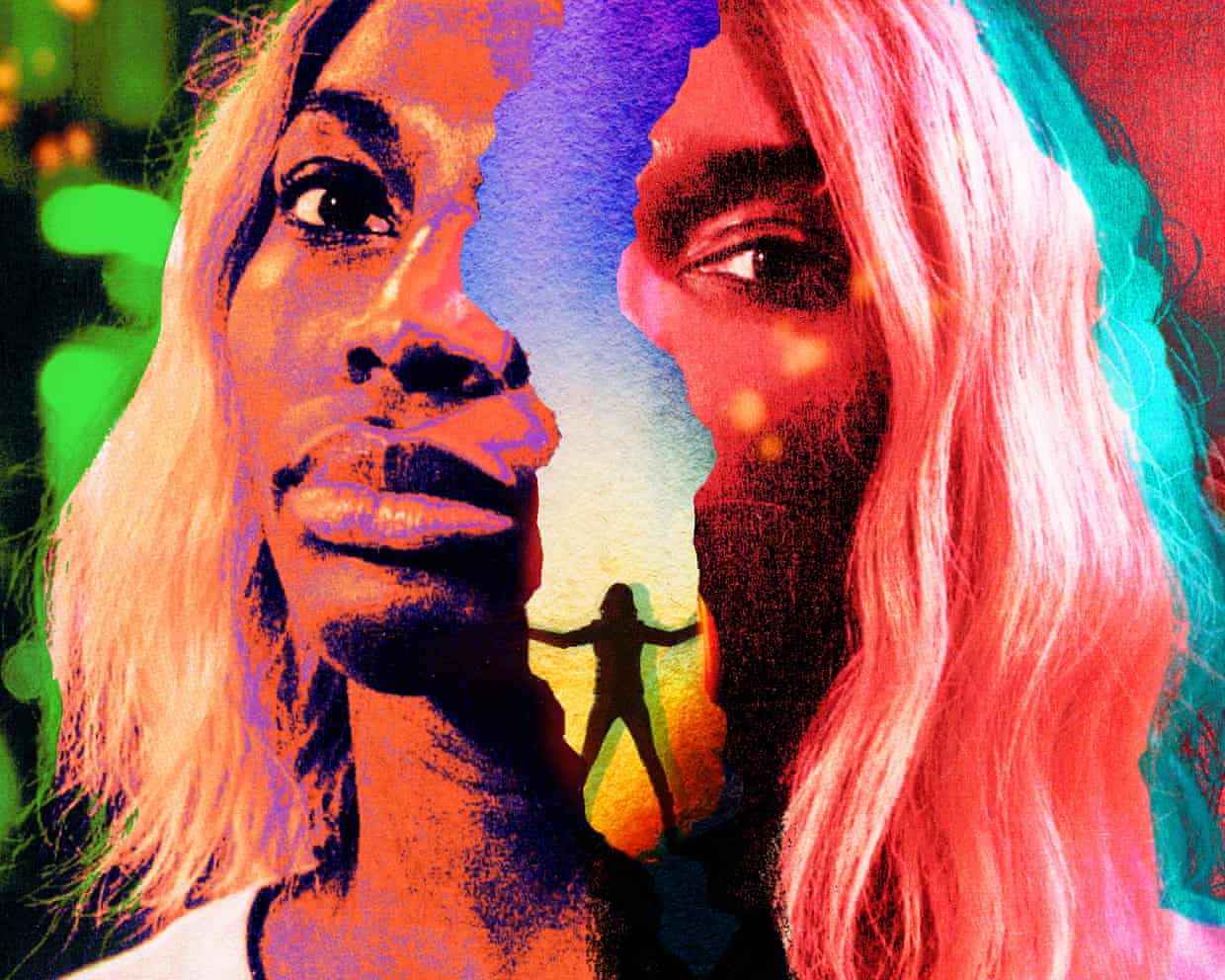
My cultural awakening: I May Destroy You helped me confront being spiked
When I May Destroy You aired in the summer of 2020, I hadn’t yet been spiked. Michaela Coel’s comedy-drama, based on her own experience of sexual assault, follows Arabella (Coel) as she realises she was drugged and raped on a night out. With one in four women in Britain having experienced sexual violence, the 12-part series was a difficult watch for many. If not relatable, then confronting and familiar; something that had happened to others, but close enough to know that it could happen to you. Three months later, it did happen to me

The Traitors to Dry Cleaning: the week in rave reviews
Claudia Winkleman returns with the regular version of the hit gameshow, while the left-field indie quartet spread their wings. Here’s the pick of the week’s culture, taken from the Guardian’s best-rated reviewsBBC iPlayer; next episode SaturdaySummed up in a sentence Series four of the “civilian” Traitors introduces an audacious new wrinkle to keep its players – and its viewers – on their toes.What our reviewer said “Having grown the series’ following with The Celebrity Traitors, the BBC could easily have rolled out another civilian season using past templates and felt sure of a record-breaking audience. Instead, they’ve upped the ante and made the format even twistier.” Elle HuntRead the full reviewFurther reading New Traitors contestants include detective, crime writer and psychologistBBC iPlayerSummed up in a sentence David Attenborough brings his lifelong sense of wonder to the city’s wildlife, from foxes to peregrine falcons, in this exquisite special

From Song Sung Blue to Theatre Picasso: your complete entertainment guide to the week ahead
Song Sung BlueOut now In 2008, an inspirational documentary about Neil Diamond tribute band Lightning & Thunder warmed hearts with its unconventional love story about Mike and Claire Sardina. Now it’s been adapted into this drama, with all Neil Diamond songs present and correct, and Kate Hudson and Hugh Jackman in the lead roles.Peter Hujar’s DayOut nowBen Whishaw stars as the photographer and artist-activist of New York’s gay liberation movement, who photographed figures such as Susan Sontag, Fran Lebowitz and John Waters. Set over the course of one day in 1974, this is an adaptation of the book by Linda Rosenkrantz, played here by Rebecca Hall.Menus-Plaisirs: Les TroisgrosOut nowFrederick Wiseman, the godfather of durational documentary, is back with a four-hour epic, observing a Michelin-starred family restaurant in rural France

Forget Keanu: Ulster Scots translation of Beckett classic takes on spate of celebrity Godots
Beneath a stark steel tree in a bleak upland bog, a literary masterpiece is set to assume a different linguistic mantle.Samuel Beckett’s enigmatic tragicomedy Waiting for Godot will make its world premiere in Ulster Scots, a moment described as a “coming of age” for the minority language, and the antithesis of the trend for celebrity Godots.On Good Friday, after an uphill trek of about 3km, the audience will arrive at a spot in the vast volcanic Antrim Plateau in Northern Ireland, if not footsore then certainly empathic to the physical discomfort of Estragon struggling to remove his ill-fitting boots.The “existential landscape of heath, moss and bog” in County Antrim lends itself to a script “peppered with exterior references”, said Seán Doran, of festival organiser Arts over Borders, which is staging the production as part of a major new arts festival, the Samuel Beckett Biennale.But while there have been previous outdoor productions, it will be the “forceful pronunciation and sound” of delivering it in Ulster Scots, or Ullans, for the first time and in a region where the language is spoken, that will “bring a whole new total register” and change the whole performative aspect of the play, said Doran

UK housebuilding in deepest slump since 2020 lockdowns; Warner Bros rejects ‘inferior’ $108bn Paramount hostile bid – as it happened
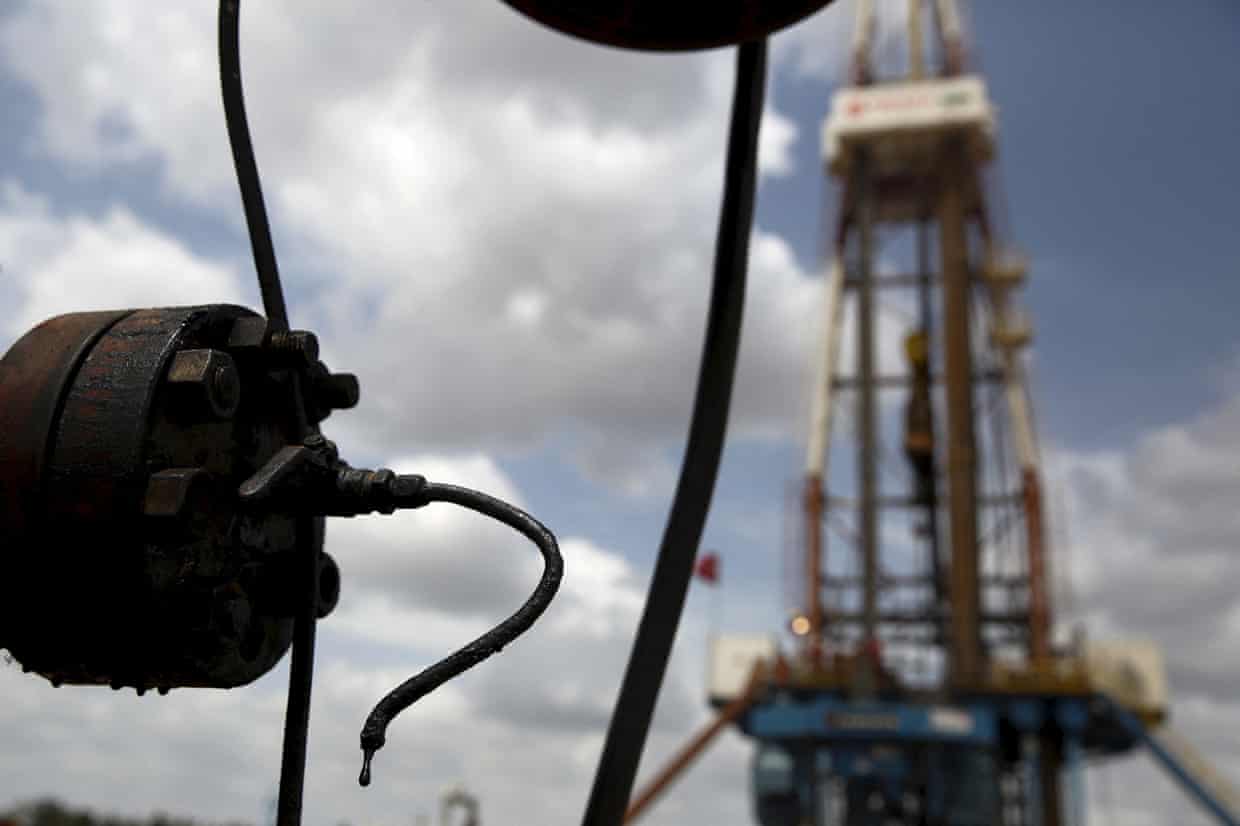
Venezuela to continue supplying oil to US ‘indefinitely’, White House says

Elon Musk’s xAI announces it has raised $20bn amid backlash over Grok deepfakes
AI consciousness is a red herring in the safety debate | Letters
Former Bengals and Texas receiver Jordan Shipley severely burned in ranch accident

Injured Stokes to spend final day of Ashes tour watching from SCG pavilion