The US moved away from its heartland to set a Winter Olympics high in Italy
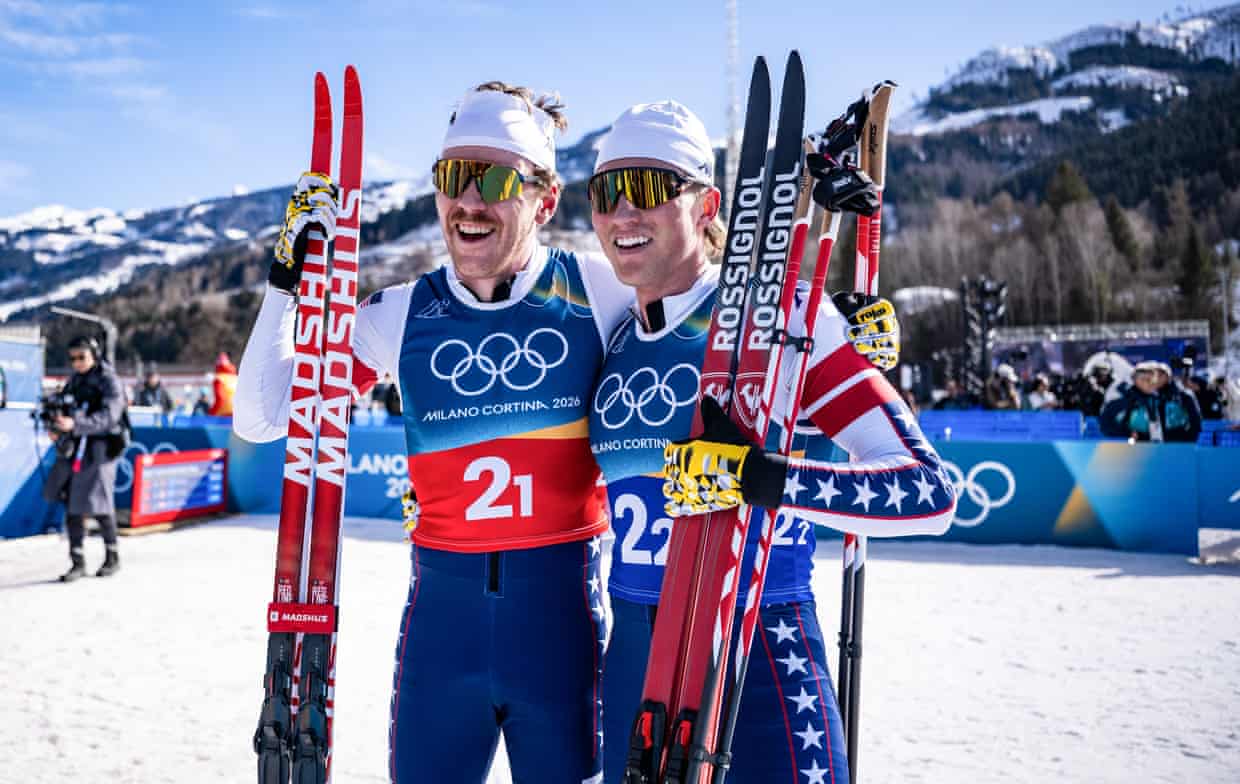
In 2002, on home ice and snow in Utah, the USA obliterated its records for most gold medals (10, beating the previous high of six) and most overall medals (34, more than two times the previous high of 13) by the country in a single Winter Olympics.In 2026, the USA broke that national record for gold medals with 12, and broke the 30-medal mark for the first time outside North America (Norway broke the overall record with 18 golds).If that stat seems surprising, perhaps it’s because the bulk of those US medals were won by people who are not household names.You won’t see Snoop Dogg and Martha Stewart cheering them on US TV.You may not even know their sports.
Sure, some of the athletes drawing the pre-Games hype followed through – Mikaela Shiffrin, Alysa Liu, Jordan Stolz and the men’s and women’s hockey teams among them.Ilia Malinin fell short in his individual event, but we can’t forget that his otherworldly skills nailed down gold in the team event.But you could win a lot of trivia contests by naming other US medalists and asking contestants to name their events.Elizabeth Lemley? Connor Curran? Ben Ogden? Jaelin Kauf? Paula Moltzan and Jackie Wiles?One stunning stat sums it up: In Milano Cortina, the USA won more medals in cross-country skiing than snowboarding.That’s right.
Cross-country skiing.The USA’s GOAT, Jessie Diggins, overcame a rib injury in her first event to take a hard-earned bronze.To give away one of the trivia answers above: Ogden took silver in the men’s sprint and teamed with Gus Schumacher for another silver in the team sprint.Snowboarding medals? Two-time defending halfpipe champion Chloe Kim took silver.Jake Canter, who came into the Games with a thinner resume than many of his teammates, took bronze in slopestyle – a medical marvel, given that he survived a horrific accident as a 13-year-old that left him in a medically induced coma for nearly a week.
And that’s it.In 2002, US snowboarders won more than that in one event, sweeping the men’s halfpipe podium.This year, USA fared only slightly better in the related freestyle skiing events that have, like the snowboard events, been eagerly roped into the Olympic programme by the IOC as it tries to capture the youth audience.Alex Ferreira completed his medal set in ski halfpipe, veteran Alex Hall picked up silver in slopestyle, and Mac Forehand got a silver in big air.Four years ago, the USA got five medals in the same three events.
What’s going on? In a sense, the USA’s “extreme sports” stars are victims of their own success,And that may not be a bad thing,Consider basketball, which dominates much of US culture from isolated farmhouse hoops to busy inner-city asphalt courts,For decades, the US ruled the Olympics, even with college players going against de facto pros from elsewhere,They restored order when NBA players joined the fray, but the men’s team failed to win gold in 2004 and have been challenged in every Olympics since then, even as the US women continue at a level far above their peers.
Not coincidentally, the NBA’s talent pool is now roughly one-fourth foreign, and the US men will have to get past the likes of Giannis Antetokounmpo, Luka Dončić and Victor Wembanyama at the next Summer Olympics.While the US hoops community may gnash its teeth watching the US men’s team labor to victory, it can also congratulate itself on evangelizing the sport.Compare basketball with women’s hockey, in which the two finalists in almost every world championship and Olympic tournament are Canada and the US, rendering the round-robin and early knockout phases nearly meaningless.Snowboarding has gone through the same global growth.Like basketball, the sport was born in the USA, and American athletes have long dominated.
This year, Kim winning silver rather than gold was seen as a shock.But it’s also an indirect victory that demonstrates the impact US snowboarders as a whole, and very specifically Kim herself, have had.Kim didn’t falter in her event.She was outdone by South Korea’s Gaon Choi.And who inspired and even directly mentored Choi? That would be Kim.
So the glass-half-full interpretation of the world’s rising challenge in snowboarding and freestyle skiing would be that sports and entertainment are still major US exports, as evidenced by the sounds of Sweet Caroline during hockey intermissions in Italy.The glass-half-empty approach is that US athletes are struggling to remain the masters of the sports that were invented in the States.Meanwhile, the US did just fine elsewhere in Italy.Alpine skiers rebounded from a one-medal showing in 2022 to win four this time around, even with Lindsey Vonn suffering a horrific injury and Shiffrin only taking one medal.Long-track speedskaters picked up five medals, the most since the trio of Joey Cheek, Shani Davis and Chad Hedrick won seven in 2006.
Other medals came in both typical (ice hockey, figure skating, women’s bobsleigh) and atypical (luge, curling) sports.And snowboarding and freestyle skiing are both in a very good place, with new generations in and out of the USA pushing the sport’s boundaries and finding new ways to flip and spin.
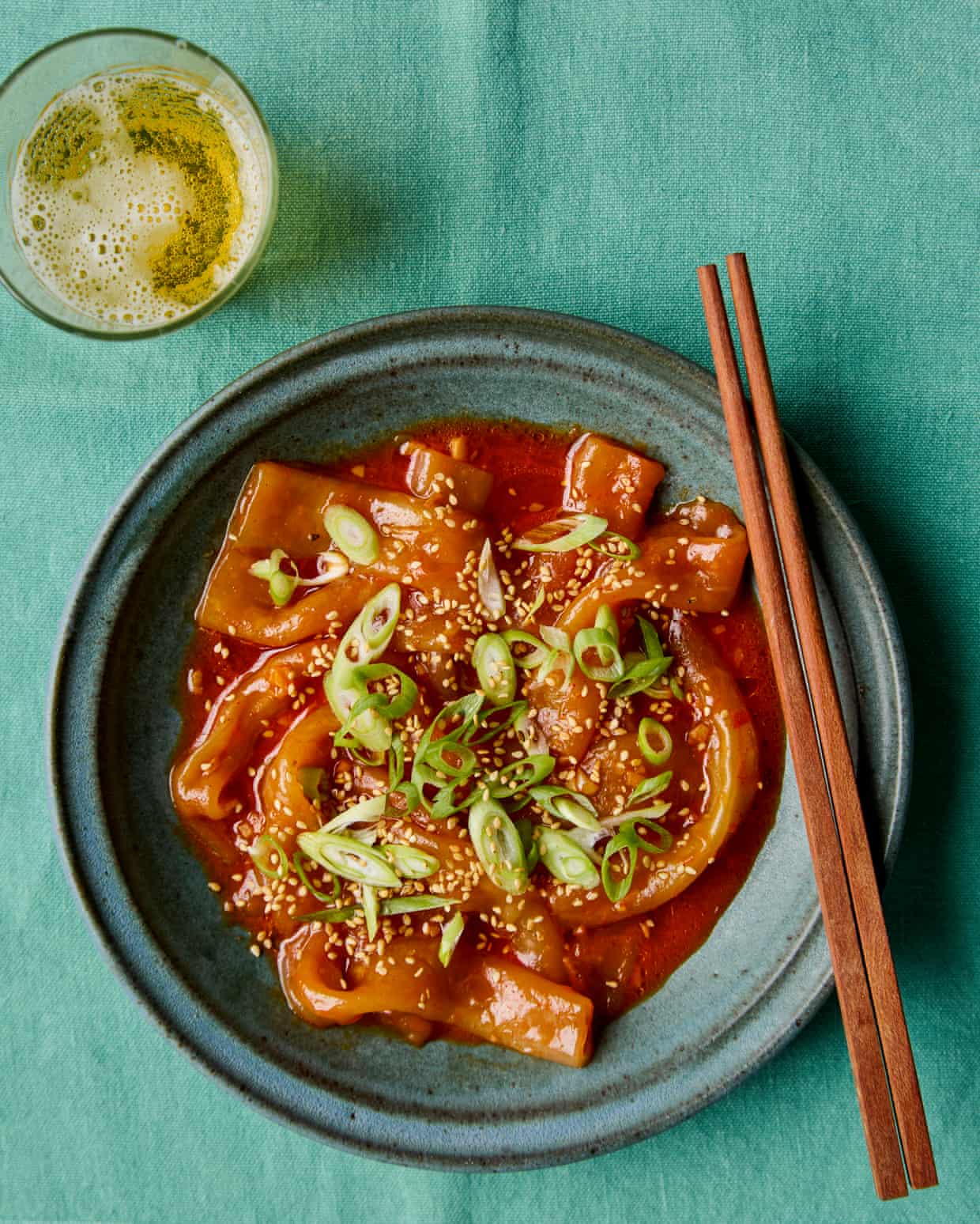
Nadiya Hussain’s recipes for chicken half-moons and rice paper tteokbokki
I use a lot of rice paper and always have plenty at home, because it can be used in a wide variety of ways. It’s delicious fried, as are most things! These half-moons are filled with an aromatic chicken mince, while tteokbokki is a Korean dish of chewy rice tubes that are often cooked in a stew. They are not always easy to find, but I love them, so I make my own.Prep 5 min Cook 20 min Makes 12134g pack rice paper spring roll wrappers 3 tbsp oil 6 garlic cloves, peeled and finely chopped 3 tbsp gochujang paste 2 tbsp soy sauceTo serve Sesame oil Spring onions, trimmed and thinly sliced Sesame seedsDunk each sheet of rice paper in a lipped plate or shallow bowl of cold water, submerging them until soft. Roll each one into a log, then cut in half and set aside
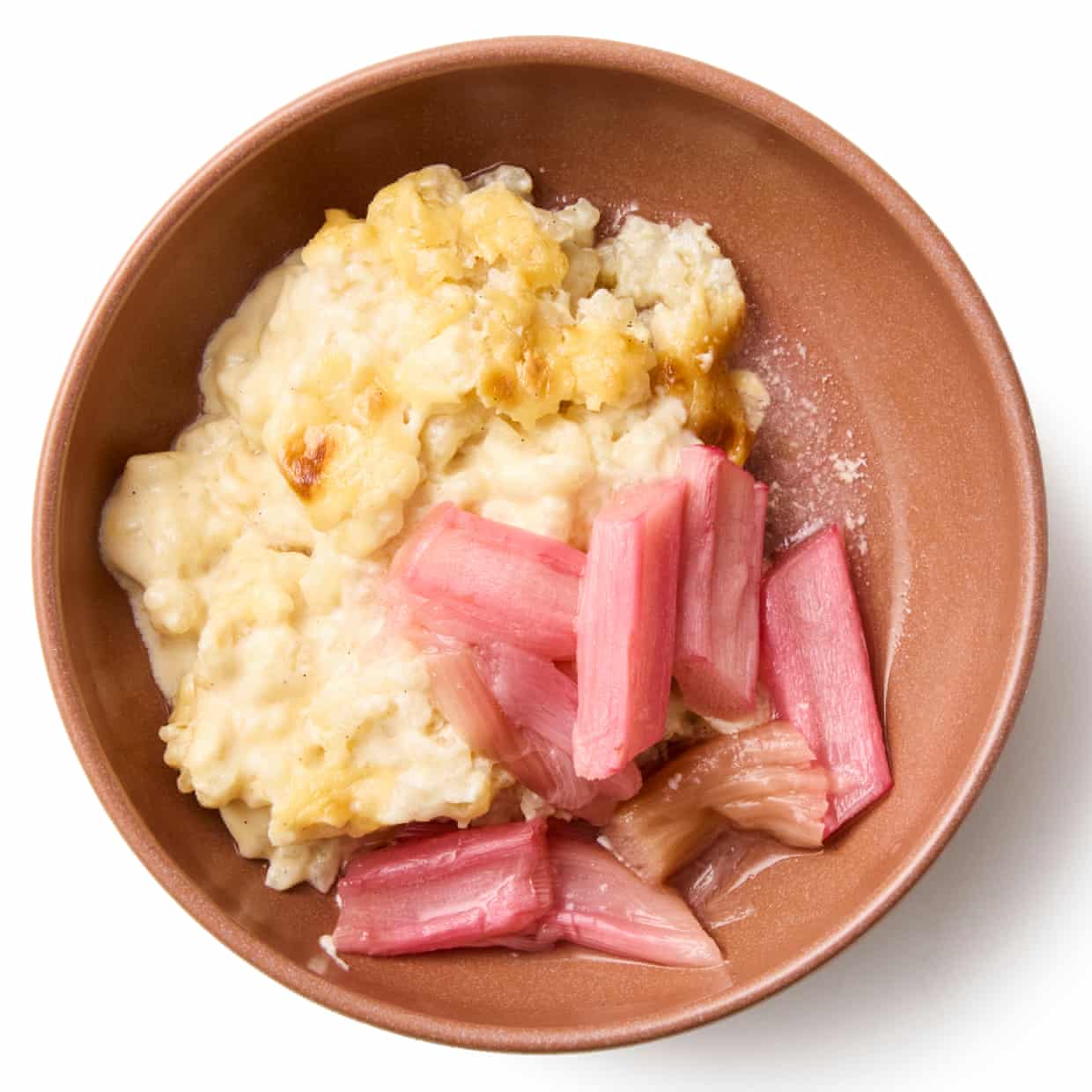
How to make proper rice pudding – recipe | Felicity Cloake's Masterclass
There are almost as many rice puddings as there are savoury rice recipes. If you were also put off by that dazzlingly white, school dinner gloop, fear not, this is a much more luxuriant baked dessert, gently spiced and finished with sweet wine and cream. It can be enjoyed warm or cool, on its own or with a spoonful of jarred fruit or some vivid pink spring rhubarb.Prep 5 min Cook 2 hr 10 minServes 450g butter, plus extra for greasing50g soft light brown sugar 100g pudding rice 1 litre whole milk (see step 4)1 unwaxed lemon ¼ tsp freshly grated nutmeg¼ tsp ground cinnamon, or a small length of cinnamon stick1 bay leaf ½ vanilla pod, or 1 tsp vanilla extract 1 pinch salt 2 tbsp sweet fortified wine –eg pedro ximenéz or cream sherry, madeira, tawny port (optional)150ml double creamHeat the oven to 160C (140C fan)/325F/gas 3. Find a wide baking dish or ovenproof pot large enough to hold about 1
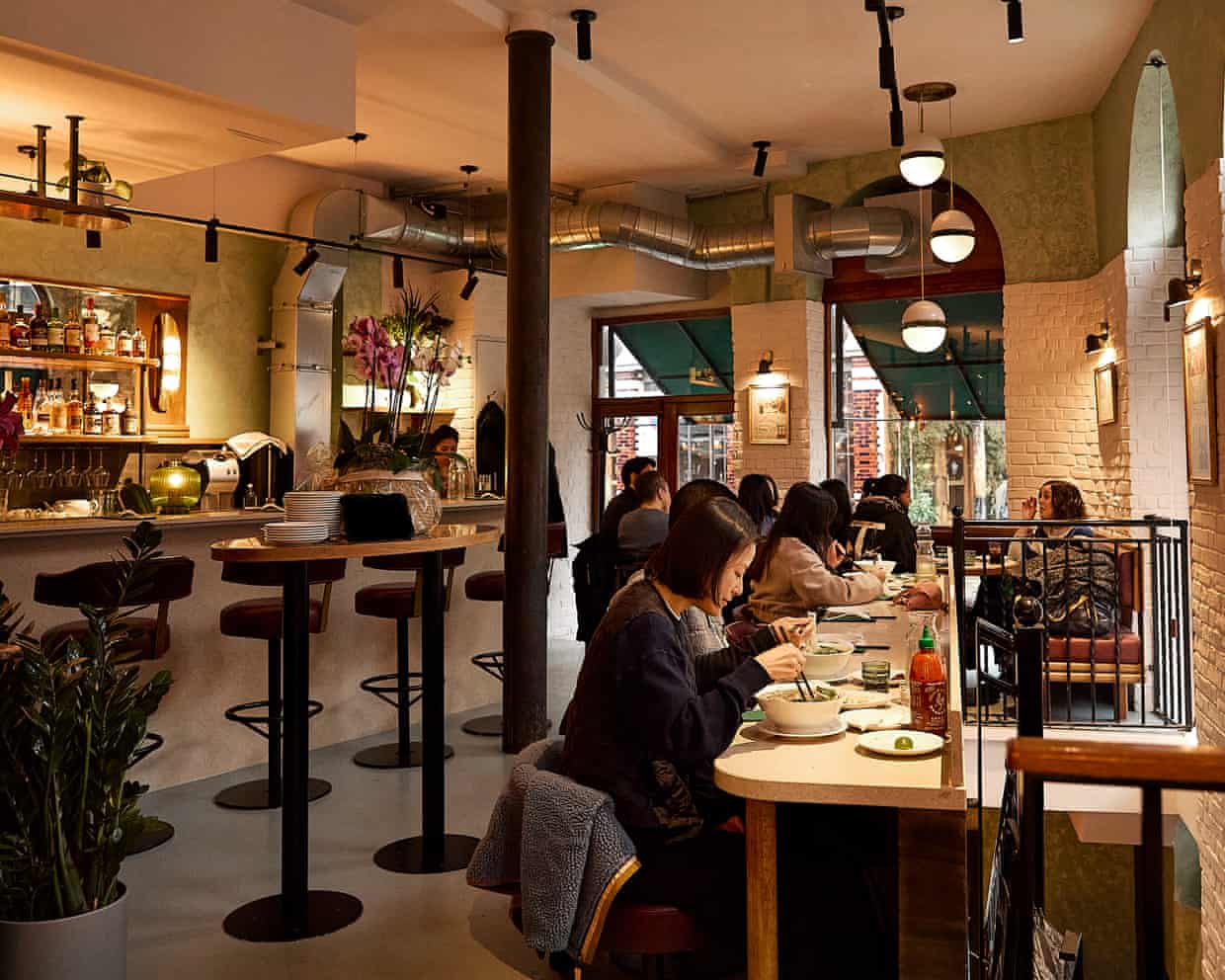
Sông Quê Phở Bar, London E1: ‘The best phở in town’ – restaurant review | Grace Dent on restaurants
Some hot dining spots seem to expand almost the moment they open, but east London’s Vietnamese stalwart Sông Quê has waited almost 25 years to spawn a little sister, Sông Quê Phở Bar. The new offshoot sits on Commercial Street, a mile or so down the road, and serves a tiny menu focusing on phở, as well as a smattering of the original cafe’s small plates in the form of summer rolls, green papaya salad, grilled lamb chops and savoury banh khot cupcakes.Quite why Sông Quê, with its regular weekend queues and well-known name, took so long to branch out, however, is unknown. Still, why rush things? After all, the road to restaurant ruin is paved with premature brand roll-outs, and even if managers think they’re superhuman, they cannot be in two – or three or four – sites all at the same time. Plus, the big question with an institution such as the OG Sông Quê is: can you really recreate the magic elsewhere?The new phở bar has appeared in what at a glance seems a pretty good location, almost directly opposite the much-adored (not least by me) Xian Biang Biang Noodles (go for the belt noodles, I implore you), and close to the beloved Thai hotspot Som Saa
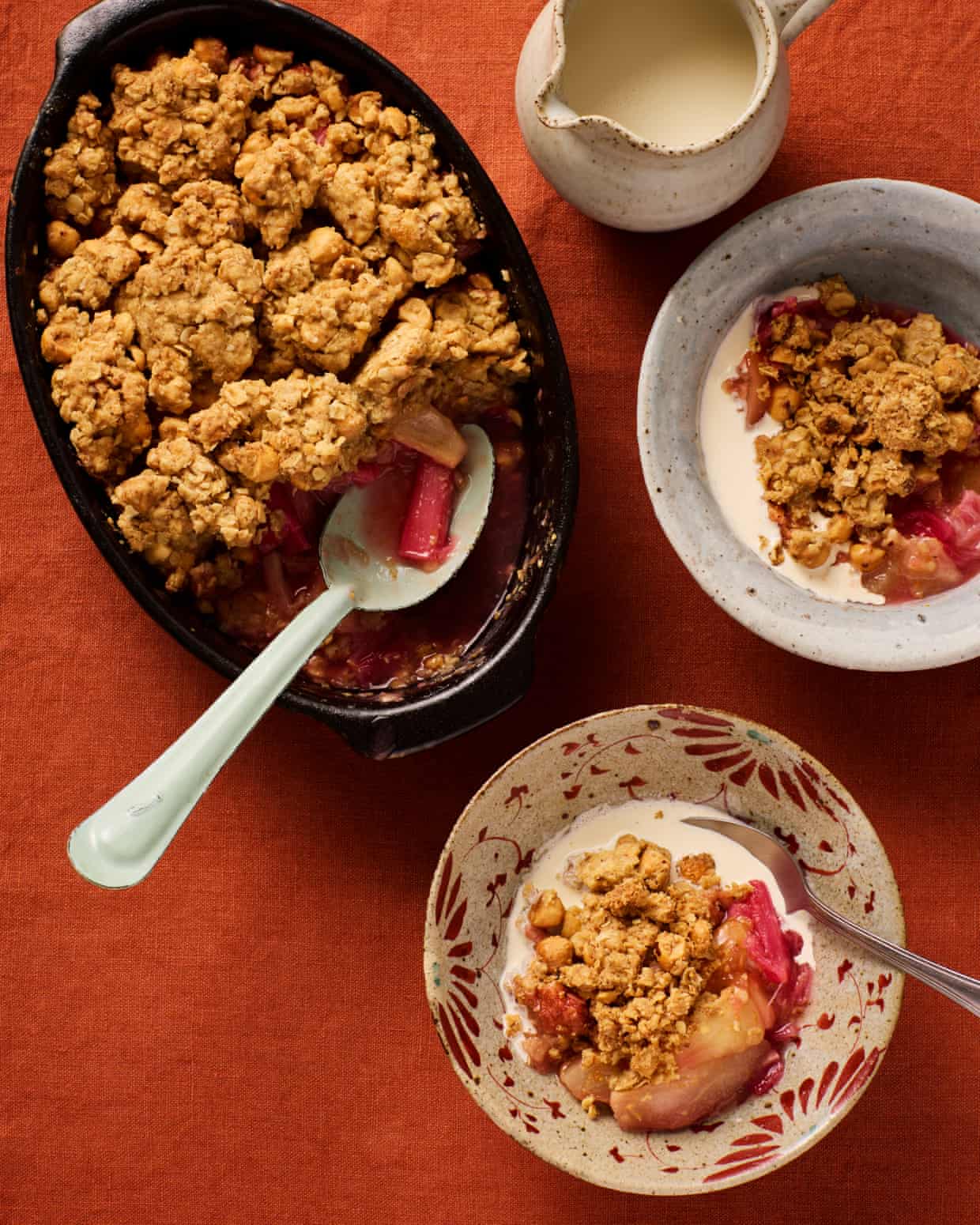
Helen Goh’s recipe for rhubarb, pear and hazelnut crumble with browned butter | The sweet spot
Rhubarb brings its late-winter brightness to this favourite pudding, while ripe, buttery pears soften the edges and add a gentle creaminess. Instead of the traditional rubbing-in method, the crumble is made by pouring warm browned butter straight into the dry ingredients, creating a pebbly topping with a deeper toasted flavour. Leave out the crushed fennel seed, if you prefer, but this small addition, bloomed briefly in the butter, gives the whole thing a subtle aromatic lift.Prep 15 min Cook 1 hr 15 min, plus cooling Serves 680g caster sugar Finely grated zest of 1 orange, plus 1 tbsp juice 1½ tbsp tapioca flour, or cornflour500g rhubarb, trimmed and cut into roughly 2cm pieces2 large, ripe pears, peeled, cored and cut into 2cm pieces 1 tbsp orange juice 1 tsp vanilla bean pastePouring cream, vanilla ice-cream or thick yoghurt, to serveFor the crumble topping130g unsalted butter, plus 10g extra, softened, for greasing1 tsp fennel seeds, lightly crushed (optional)130g plain flour 80g light brown sugar 70g rolled oats 70g toasted blanched hazelnuts, roughly chopped ¼ tsp fine sea saltStart by making the topping: put the butter in a small saucepan over a medium heat, swirling the pan occasionally until the butter has completely melted. Keep cooking until the butter smells nutty and turns golden; it will splutter and hiss at first, then quieten as the foam subsides
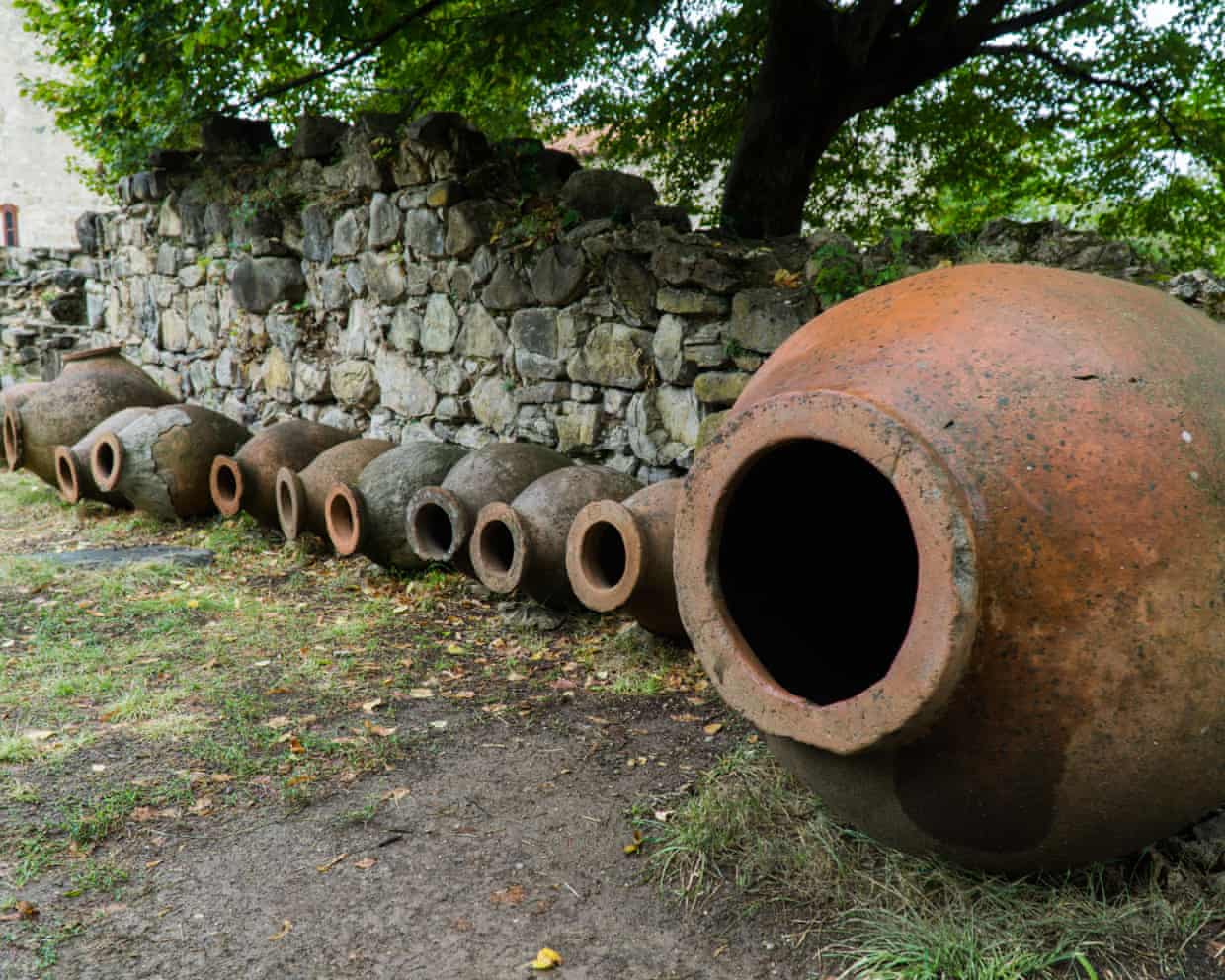
The story of Georgian wine has been 8,000 years in the making | Wine
France, Italy and Spain purport to be the best-loved classical wine regions, but if you’re in the market for the real old-world deal, look no further than Georgia, which has more than 8,000 years of winemaking prowess. There’s something about this place on the lush intersection of the silk roads between Europe and Asia that gets under the skin. Perhaps it’s the combination of unpolished authenticity paired with profound generosity (guests are considered a gift from God and fed accordingly), all while being gently rocked in a cradle of civilisation, that make Georgian wine so beguiling. (My first visit in August 2023 – a khachapuri-fuelled reconnaissance for my book, Drinking the World: A Wine Odyssey – lingered in my mind long after my flight touched back down on British tarmac.The Guardian’s journalism is independent

The feast before the fast … my pre-Lent indulgent recipes
In terms of religious food festivals, this week is kind of a double whammy. First up was pancake day, which is always a whole-day affair in our kitchen, with both sweet and savoury stations, crepe pans and all the toppings (you can always rely on Felicity Cloake for a foolproof recipe). And, because of the way the calendars fall this year, we are also celebrating Orthodox Maslenitsa, or cheesefare, week at the same time.OK, so the sentiment is pretty much the same (it’s the week before the start of Lent, when people ease into their strict fasting period), but these two celebrations can often be weeks apart (blame the battle of the Gregorian and Julian calendars). For those of Orthodox faith, last week was all about eating meat, and this week is all about dairy

Keir Starmer opens investigation into Josh Simons over targeting of reporters

The minister and the alleged smear campaign: key unanswered questions

Reform UK’s ICE-style deportation plan condemned as ‘sadistic’
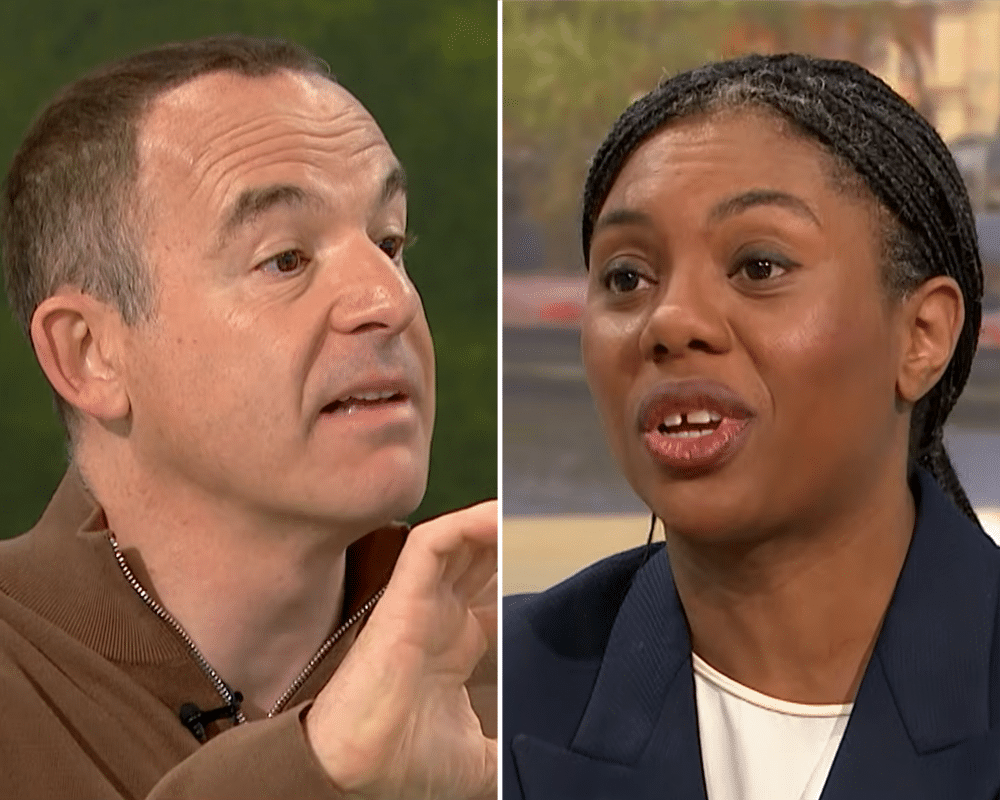
Martin Lewis ambushes Badenoch on Good Morning Britain over student loans plan

Reform would create ICE-style agency and end leave to remain, Zia Yusuf to say

Labour must take drastic action to regain its standing | Letters