Victorian parlours, whiff-whaff and a Soviet spy: ping-pong’s coming home
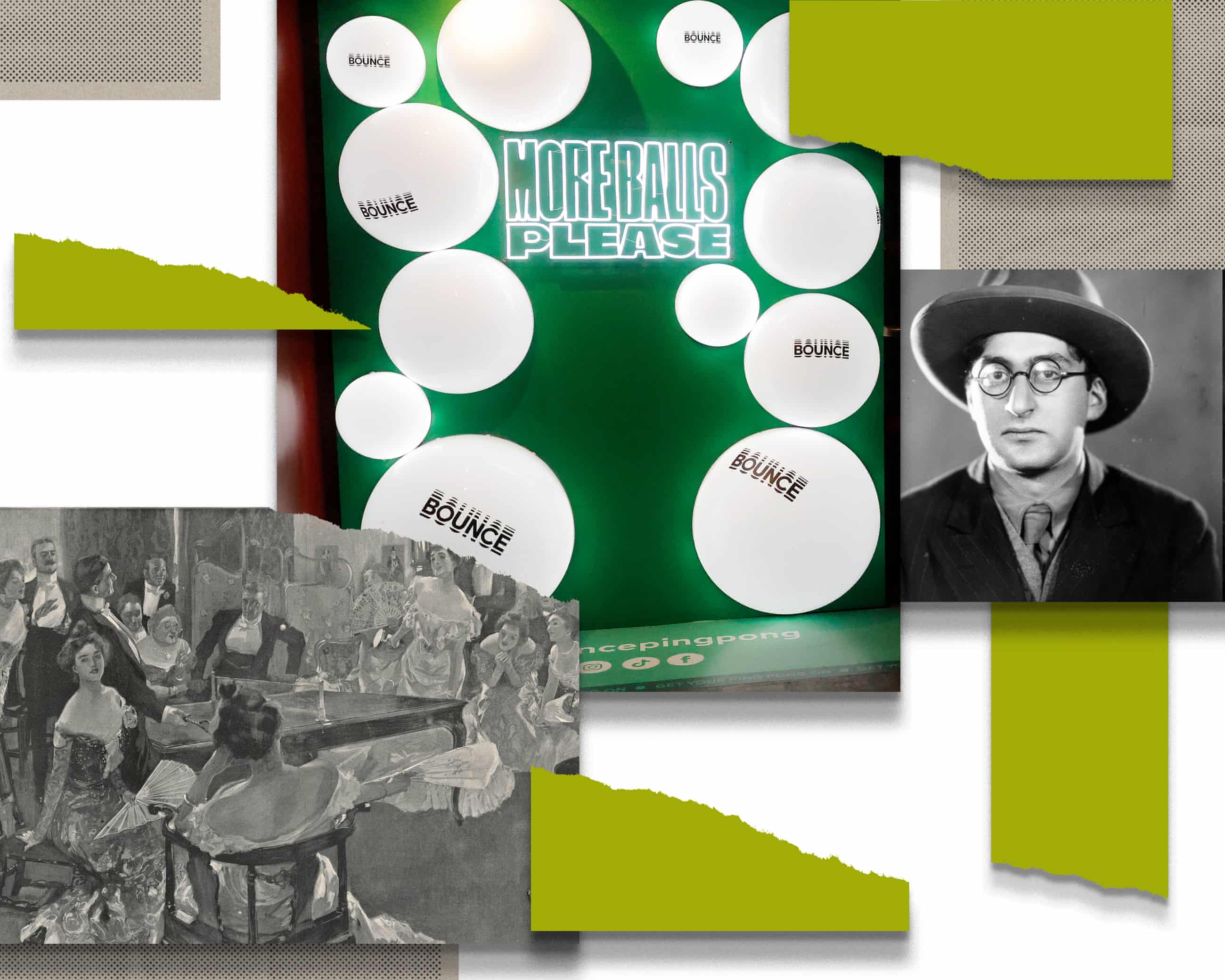
A century on from the first tournament in London, the table tennis world championships are back – with a fascinating history attachedThe way Wang Chuqin plays, ping-pong is a physical impossibility.By the time you made it to the end of the first two words of that sentence, Chuqin, the men’s world No 1, has seen the ball, calculated its speed, direction, and height, judged whether it is travelling with topspin, backspin, left or right sidespin, or a combination of the four, decided how to return, forehand, backhand, attack, block, push, spin, and where to aim, shifted his weight, positioned his feet, rotated his hips, brought his racket into position, and hit the ball.By the time you got to that first full stop, he has done it all 12 times over.You almost certainly didn’t know it, but Thursday was world table-tennis day.The England Federation set up a trail of golden tables around London to mark the occasion, and raise a little publicity for the World Team Table Tennis Championships, that are being held in the city for the first time since 1954.
During a sunny lunch hour outside Temple Bar, underneath the walls of St Paul’s, city workers are playing during their break, pick-pock, pick-pock, and in among all the noise of the city there’s that familiar rat-a-tat-tat of a runaway ball skipping away from the table into some far corner while the players scurry after it,It is the easiest and most familiar of games, and also one of the very hardest to master,“That’s the beauty of it, it can be anything you want,” says Chris Brown, who is in charge of development at Table Tennis England,“If you want to pick it up and have a chat while you play you can do that,” It is one of the very few sports where an eight-year-old and an 88-year-old can compete on an even footing.
The latest research shows it has therapeutic benefits for the elderly, and especially people with Parkinson’s.There’s even an annual world championships for people affected by the disease.Table Tennis England recently opened a free playing hub at the Exchange shopping centre in Ilford.It is, the manager says, the only thing that has ever brought footfall up to the top floor.The English love it as a game.
More than 600 people used the table in St Paul’s in the first week it was there.Sport England’s latest data shows that around 2.5 million English adults played at least once last year.There are more than 100 public tables just in London, a series of ping-pong themed bars, even table tennis clubs in Bermondsey and King’s Cross where players compete under pseudonyms.At the Bounce club, a short walk from that public table at St Paul’s, the manager says they pull in 600 people an evening to use their 17 tables, one of which was used in the 2012 Olympic final.
But we’re somehow less sure about it as a sport.There isn’t a single English player in the top 50 on either side of the world rankings, and only one, men’s No 1 Tom Jarvis, is in the top 100.“It’s quite a small community at the top,” says England’s female No 1, Tin-Tin Ho.Like everyone else I talk to on the English team, she came to the game through her family.Her father was so obsessed with it that he picked her name because he wanted her to have the same initials as the game.
Her elder brother is called Ping.“He was going to call me Pong,” she says, “until my mum persuaded him he was taking it a bit too far”.Ho has won the women’s national title eight times in the last decade.“And I still find people don’t really respect the sport or understand how many hours I have to spend in the gym to be fit enough to compete.”These days she plays in the Spanish league.
The sport draws a bigger audience in mainland Europe, Germany, Sweden, and France all have players ranked in the world’s top 10, and Félix Lebrun’s run to the bronze medal match at the Paris Olympics made him one of the star turns of the Games in 2024.You likely didn’t know this, either, but by some measures the International Table Tennis Federation is the largest sports organisation in the world.It has 227 members.Fifa has 211.These world championships, that are being held at the Copper Box Arena in Stratford and the OVO Arena in Wembley, will include matches between North Korea and the Democratic Republic of the Congo, Mongolia and Mexico, Tahiti and Moldova.
It is at one and the same time one of the smaller sports events being held in London this month, and one of the very largest in the world this year, with 64 countries competing on either side, 380 players, and a global audience that runs well into the hundreds of millions.The majority of them, of course, are in China.Chuqin’s social media following got so out of hand that his official fan group on Weibo actually disbanded itself in a protest against “fandom culture” after he complained about being repeatedly mobbed by fans with cameras while out in public.“Table tennis players in China are similar to the football players here,” says Paul Drinkhall, who has won more than 50 national titles, but is currently ranked 390 in the world.“It’s pretty much their national sport, the thing most kids grow up wanting to do.
” Brown says the Chinese media have been over here in the UK for months already, “spending hours and hours doing links and clips for TV and internet shows.”The British government will use it as an opportunity to do a little ping-pong diplomacy.When Keir Starmer took a trade delegation to China in January, Sally Lockyer, the CEO of Table Tennis England, went with him.The tournament is also a homecoming.The ITTF brought it back here to mark the 100th anniversary of its founding, and the very first tournament, in London in 1926.
It was only supposed to be a European tournament, but two Indian players arrived and asked to compete at the last minute, so the organisers upgraded it.It was all held at the Congregation Memorial Hall, which was demolished in 1968.There are three plaques outside the office block that’s there now, one for the Great Ejection of 1662, another the founding of the Labour party in 1900.“Table tennis?” says the man behind the lobby desk beyond the revolving doors.“Not here.
”But it was, once, the home of the sport.The early days are all a little obscure.There’s an idea that it was brought back to England by army officers serving in India during the Victorian era, along with kedgeree, chutney and puttees.It was a parlour game until a man called Ivor Montagu got his hands on it in the 1920s.Montagu is the man who made ping-pong what it is today, and the ITTF say, World Table Tennis day is held in tribute to him.
Montagu was an Old Etonian and inveterate clubman.He was the founder of the Cheese Eaters League, member of the Association of Cine Technicians, the Zoological Society, the World Council of Peace, Southampton United, the Woolwich-Plumstead branch of the Anti-War Congress, Marylebone Cricket Club, and the Friends of the Soviet Union.He was a film-maker and producer, author of a series of monographs on the short-tailed field vole, a committed Communist, and the founder of the English Table Tennis Federation.Montagu learned the game playing on a Queen Anne table in his family’s manor house, and stuck with it for life.Montagu claimed to have come up with the name table tennis when he was faced by a copyright claim by a manufacturer called Jaques, who had the copyright on ping-pong, (that Bounce club is, happy coincidence, based in their old headquarters, and the manager there still insists that no one is allowed to use the phrase ‘table tennis’ in their four walls).
Both names were more successful than the one used by Jaques’ rival, Slazenger, who branded their version whiff-whaff,Certainly Montagu personally stumped up the money to guarantee the first World Championships, which made a loss of £150, organised the inaugural conference of the International Federation, and also persuaded his mother to donate the Swaythling Cup, which is still awarded to the winner of the men’s tournament today,The English establishment considered all this highly suspicious,The head of MI6’s counter-intelligence unit seems to have been entirely convinced that Montagu’s extensive, evangelical foreign correspondence with assorted ping-pong enthusiasts around the world about the latest developments in bat and ball technology was in fact an elaborate ruse being used to share industrial secrets on the grounds that “we find it hard to believe that a gentleman can spend weeks upon weeks testing tennis balls”,In 1954 Montagu was deported from a table tennis tournament in France on the grounds that he was “politically undesirable”.
Well, it turned out they were right.Years later it was revealed that Montagu had been running a spy ring for the Soviets all along, under the codename Intelligentsia.They were wrong about the ping-pong though.That bit was entirely genuine.

Retail sales rise in Great Britain after Iran war prompted ‘panic at the pumps’
Motorists stocking up on fuel helped to push up retail sales in Great Britain last month as the Iran war prompted “panic at the pumps” amid rapid rises in petrol and diesel prices.The Office for National Statistics (ONS) said the volume of retail sales rose by 0.7% last month, well above analysts’ forecasts of just 0.1%.That rise was driven by a 6
Stock markets will fall, Bank of England deputy governor says
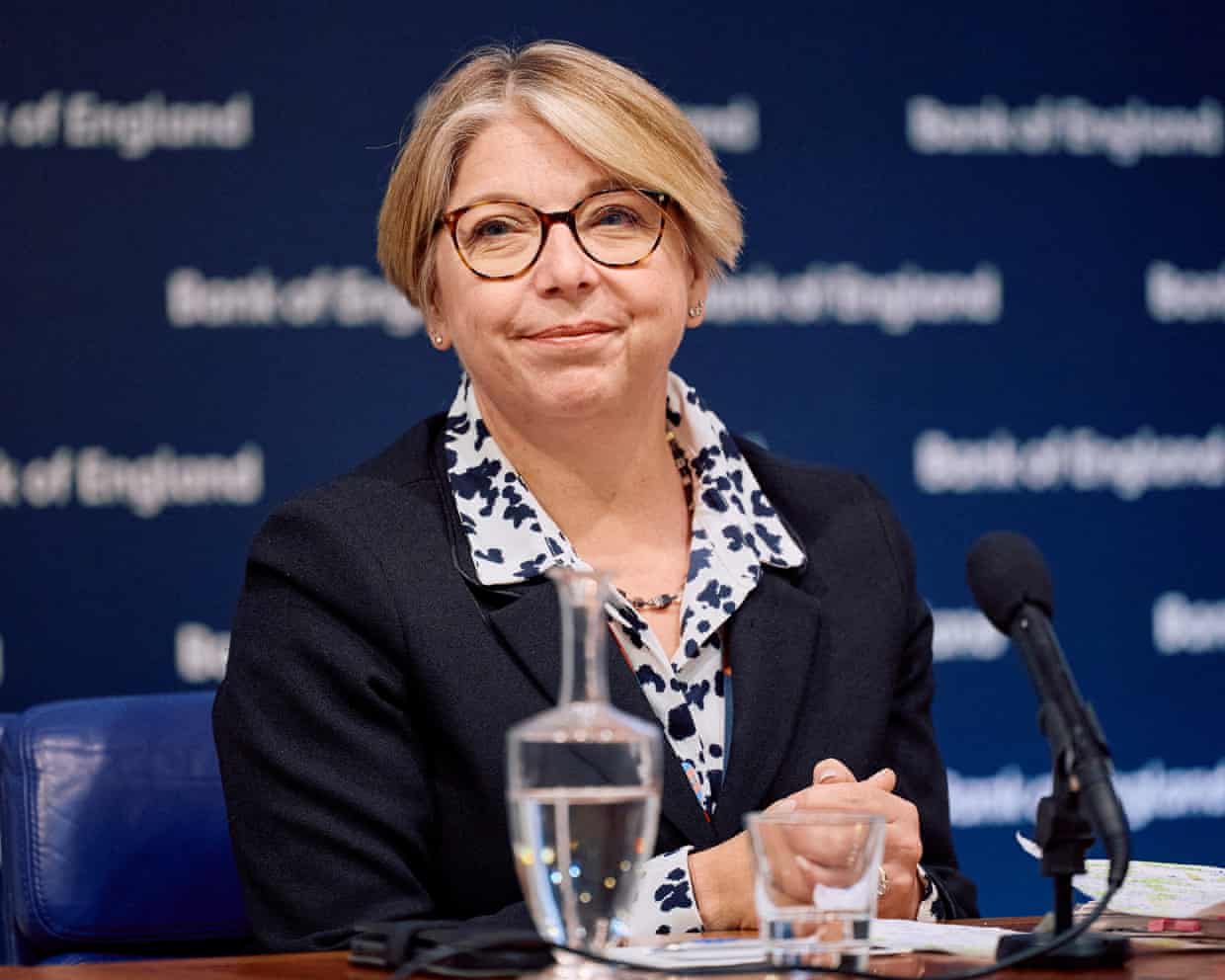
Record-high global stock markets do not reflect the risks in the global economy, and will fall back, a deputy governor at the Bank of England has said.Sarah Breeden, the deputy governor for financial stability at the Bank, fears that macroeconomic risks are not fully priced into equity markets. She cited concerns about private credit markets, highly valued artificial intelligence stocks, and other “risky valuations”.Breeden told the BBC: “There’s a lot of risk out there and yet asset prices are at all-time highs. We expect there will be an adjustment at some point
‘Dumb mistake’: Mayfair club Annabel’s gave managers bonus from staff service charge
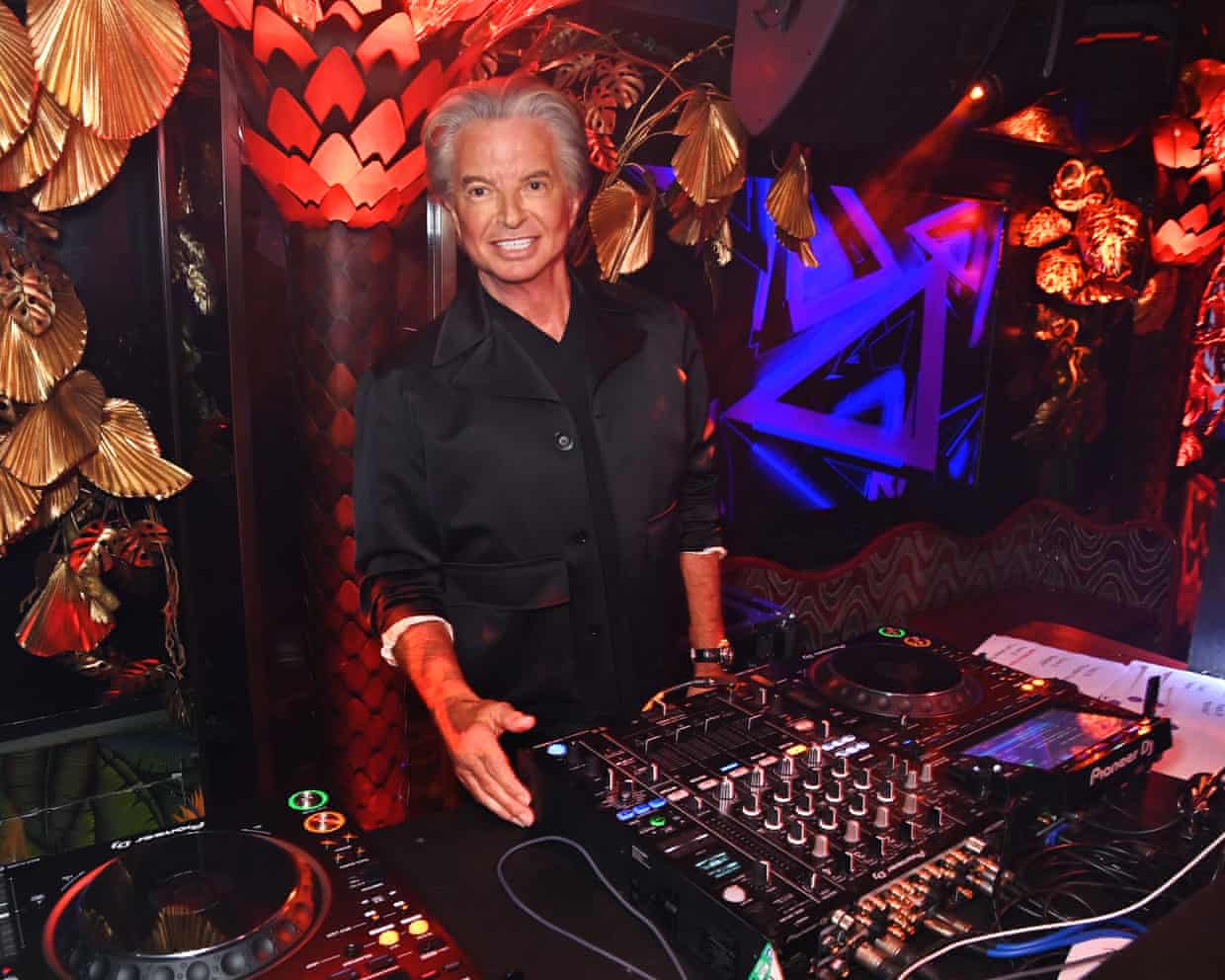
The restaurant tycoon Richard Caring has admitted his private members club Annabel’s made a “dumb mistake” after staff revolted over the use of more than £70,000 of their pre-Christmas service charge takings to pay managers’ bonuses.Just one table of diners at the exclusive Mayfair venue, which has hosted celebrities, financiers and aristocrats ranging from Kate Moss and Harry Styles to the late queen, can spend more than £10,000 in an evening, according to workers.Guests pay an optional 15% service charge, which goes to staff, and a further £3-a-head cover charge, which is kept by the company. The Guardian has seen evidence that Annabel’s, where a latte costs £6, a cheeseburger £26 and a ribeye steak £125, can collect more than £100,000 in service charges in just one week.One member of staff said that “everyone got mad” when workers realised their share of the bumper service charge takings in the run-up to Christmas had been reduced by as much as £70,000 to hand bonuses to about 50 managers

Feeling gloomy about the economy? The ‘vibecession’ has arrived in Australia – but experts are less worried
Australian households were already on edge before the bombs started falling in Iran.The cost of living was high and inflation was accelerating again, forcing the Reserve Bank to start ratcheting up interest rates.It’s clear that this is a time of deep uncertainty and anxiety.Nevertheless, it is striking that more than six in 10 Australians reckon the country is either already in a recession, or will be in the next 12 months, according to a poll conducted for the Nine newspapers.Just 15% thought the country would avoid a deep downturn, while 22% said they were unsure
Reform UK asks steel bosses to draft ‘alternative strategy’ for industry
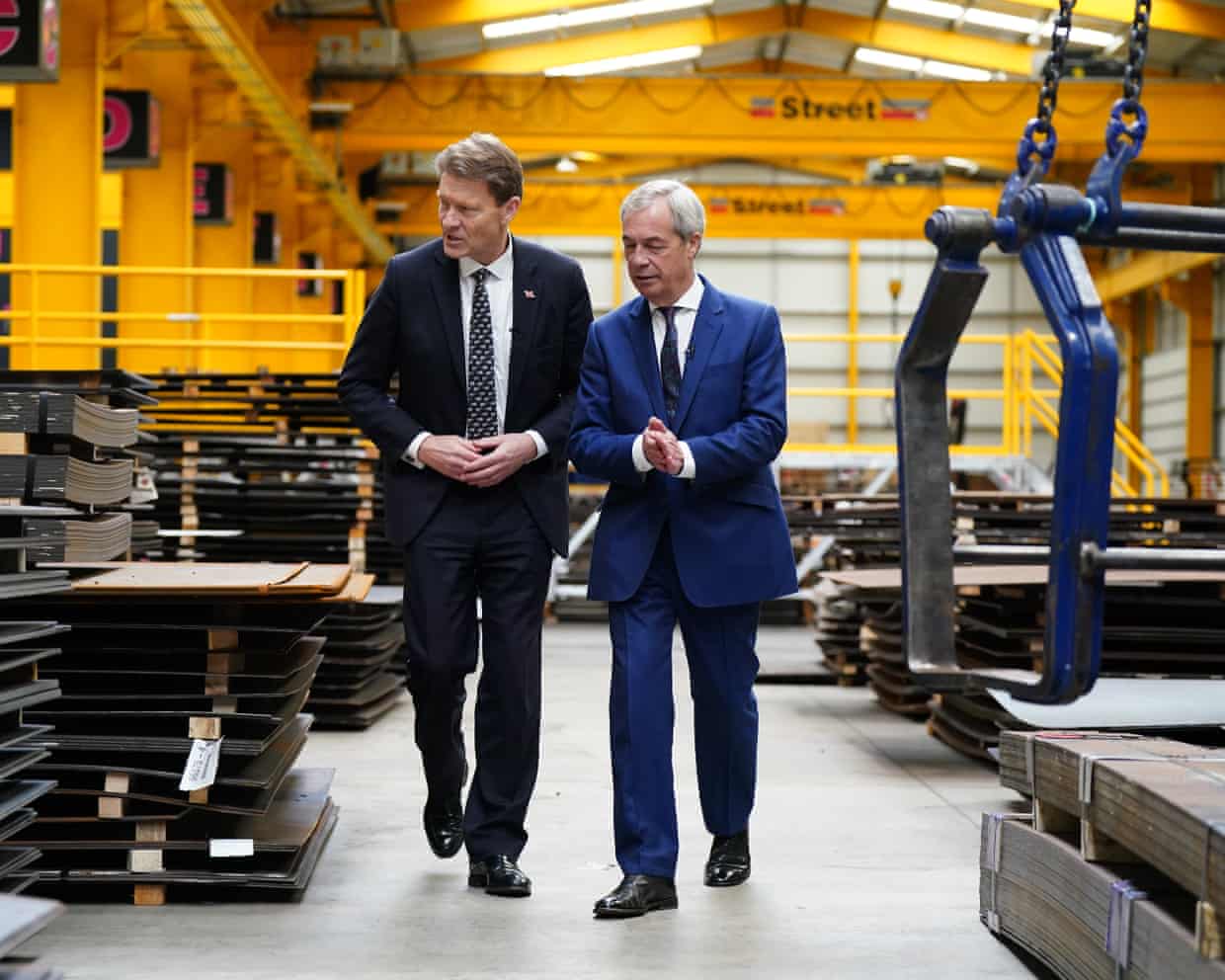
Reform UK has asked steel bosses to draw up an “alternative steel strategy” to rival recent government plans, stoking industry fears over a charm offensive by Nigel Farage’s party as it eyes gains in former Labour heartlands.Richard Tice, Reform’s deputy leader, met a group of bosses shortly before Labour announced new steel tariffs in March and commissioned them to draft a competing plan that will include scrapping net zero policies.The party is trying to harness growing anger at the government for high business energy bills, exacerbated by the Iran war, which are damaging steel companies and the wider manufacturing sector. Reform’s overtures have received a mixed reception across the industry.One of the plan’s authors, the boss of a steel fabricating company, said Tice had made them feel Reform “cares about the industry” more than Labour
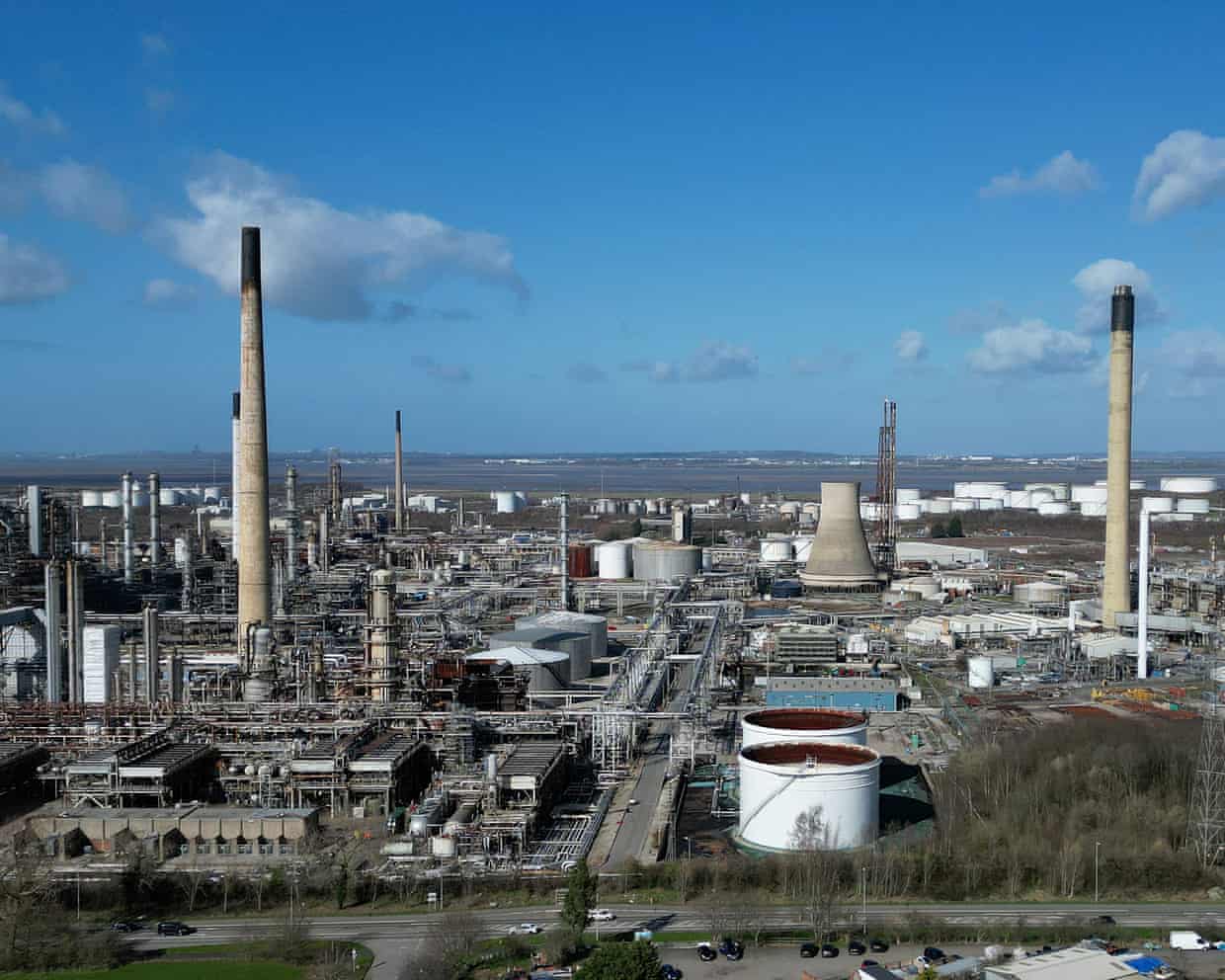
Revealed: UK oil refinery owner moved Russian loans to offshore subsidiary where sanctions did not apply
Days after the first wave of Russian tanks surged over the border into Ukraine in March 2022, dockers at a port in northern England took a stand.Appalled by Vladimir Putin’s brutality, workers at Ellesmere Port in Cheshire vowed never to unload any Russian oil destined for the nearby Stanlow refinery, a major hub for UK fuel supplies.As the spotlight fell on Essar, the Indian-owned conglomerate that is Stanlow’s parent company, it also acted fast, ceasing all imports of Russian fuel.But analysis of the Essar group’s company accounts by the Guardian and SourceMaterial, an investigative journalism organisation, raises questions about whether the flow of money was staunched as swiftly as the flow of oil.In the months after the invasion, Essar entered into complex offshore arrangements that appear to have enabled the group to keep dealing with a Russian bank under sanctions from the west

US justice department drops criminal investigation against Jerome Powell
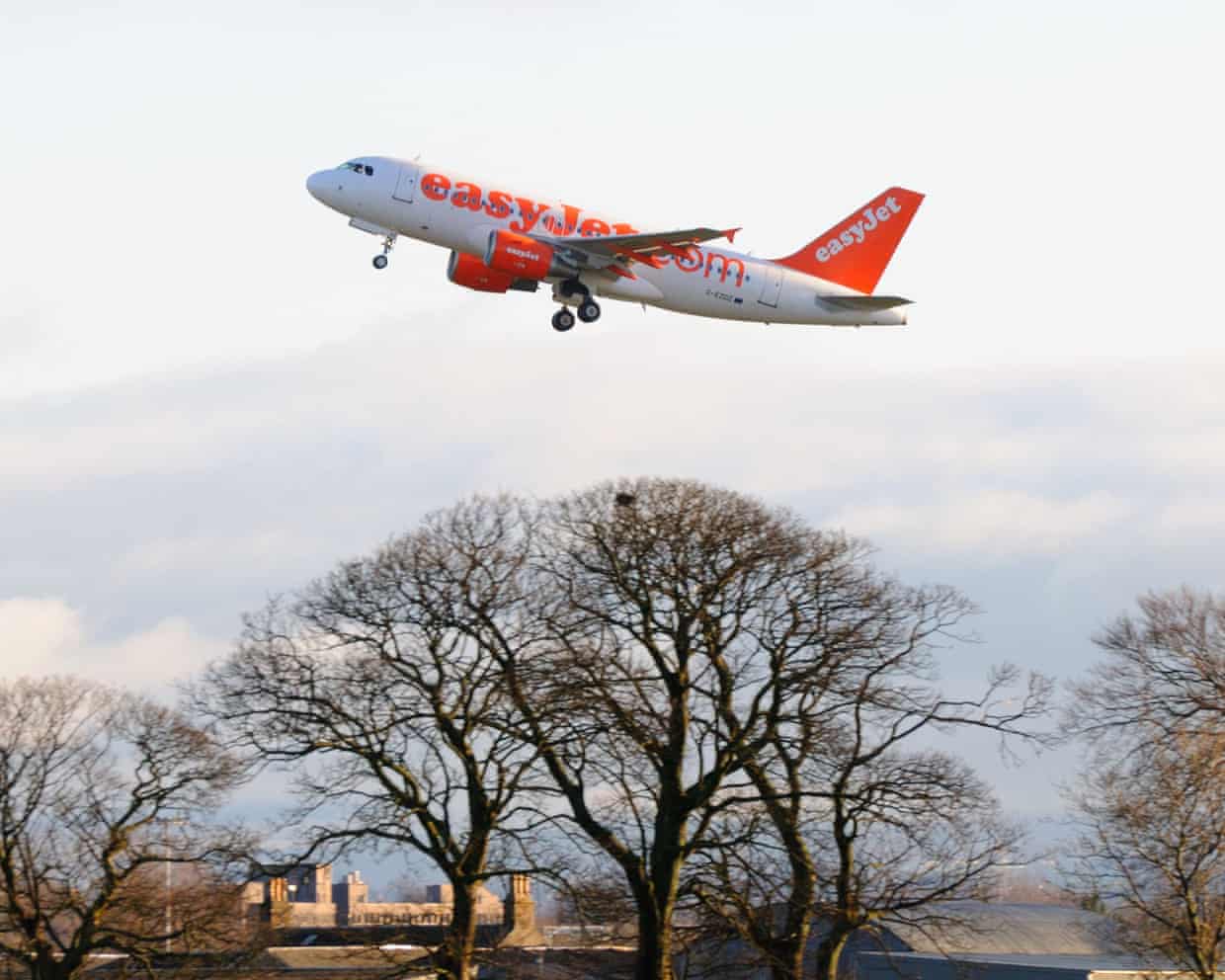
UK eases airline penalties as jet fuel shortages threaten flights

TikTok and Visa launch debit card to speed payouts to UK creators
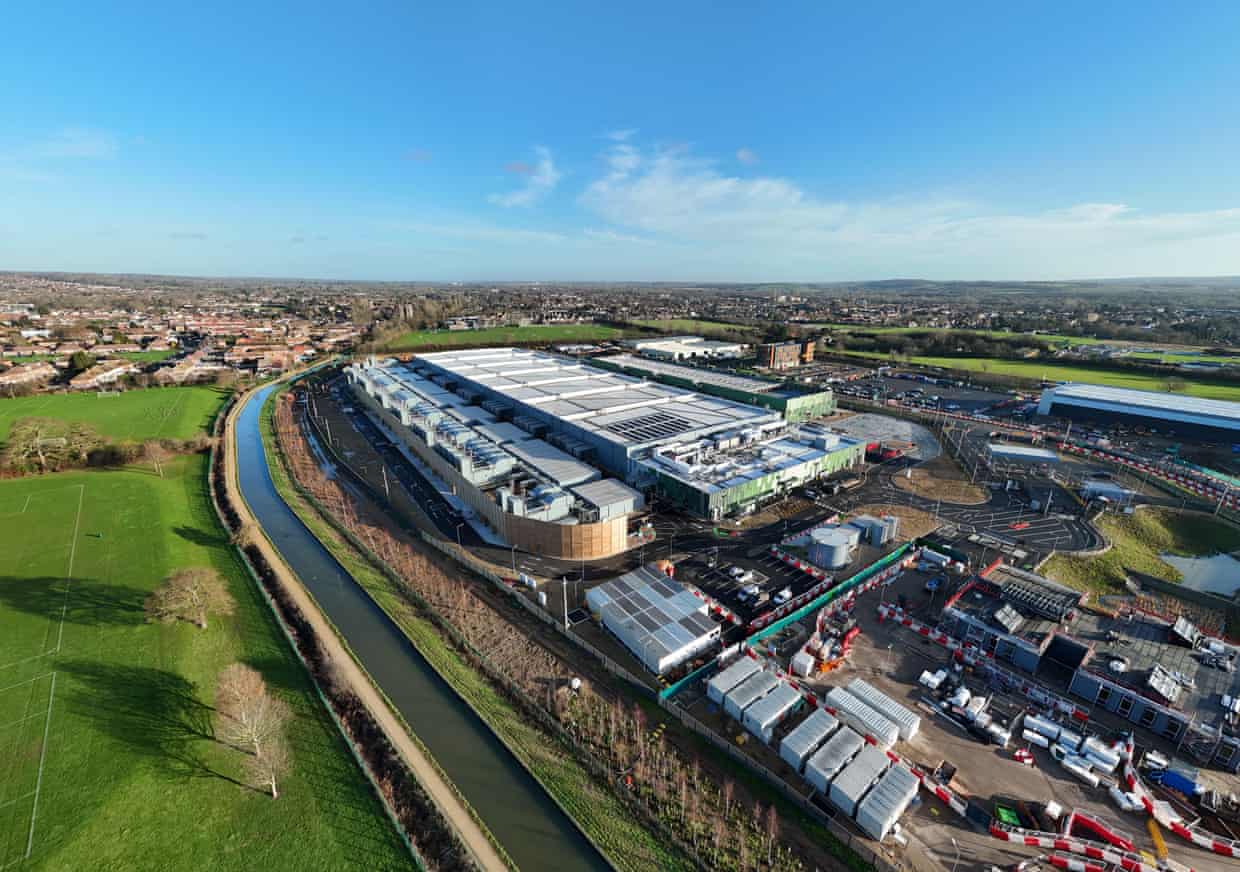
Officials hugely underestimated impact of AI datacentres on UK carbon emissions
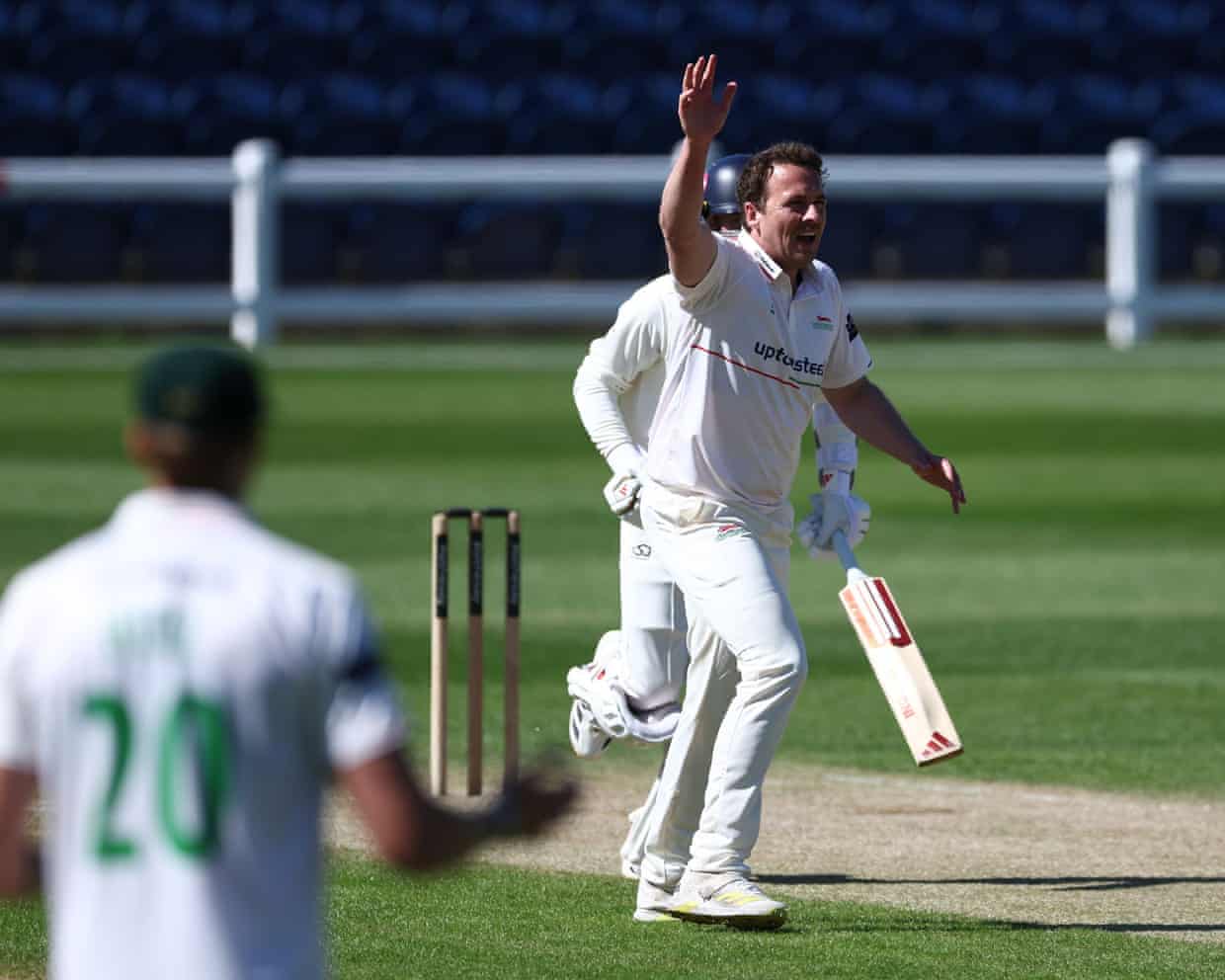
Surrey v Essex, Kent v Worcestershire, and more: county cricket, day two – live
NBA’s Rwanda ties face scrutiny after sanctions-linked BAL withdrawal