‘You need enemies’: joy for Super League as Bradford and Leeds finally resume rivalry
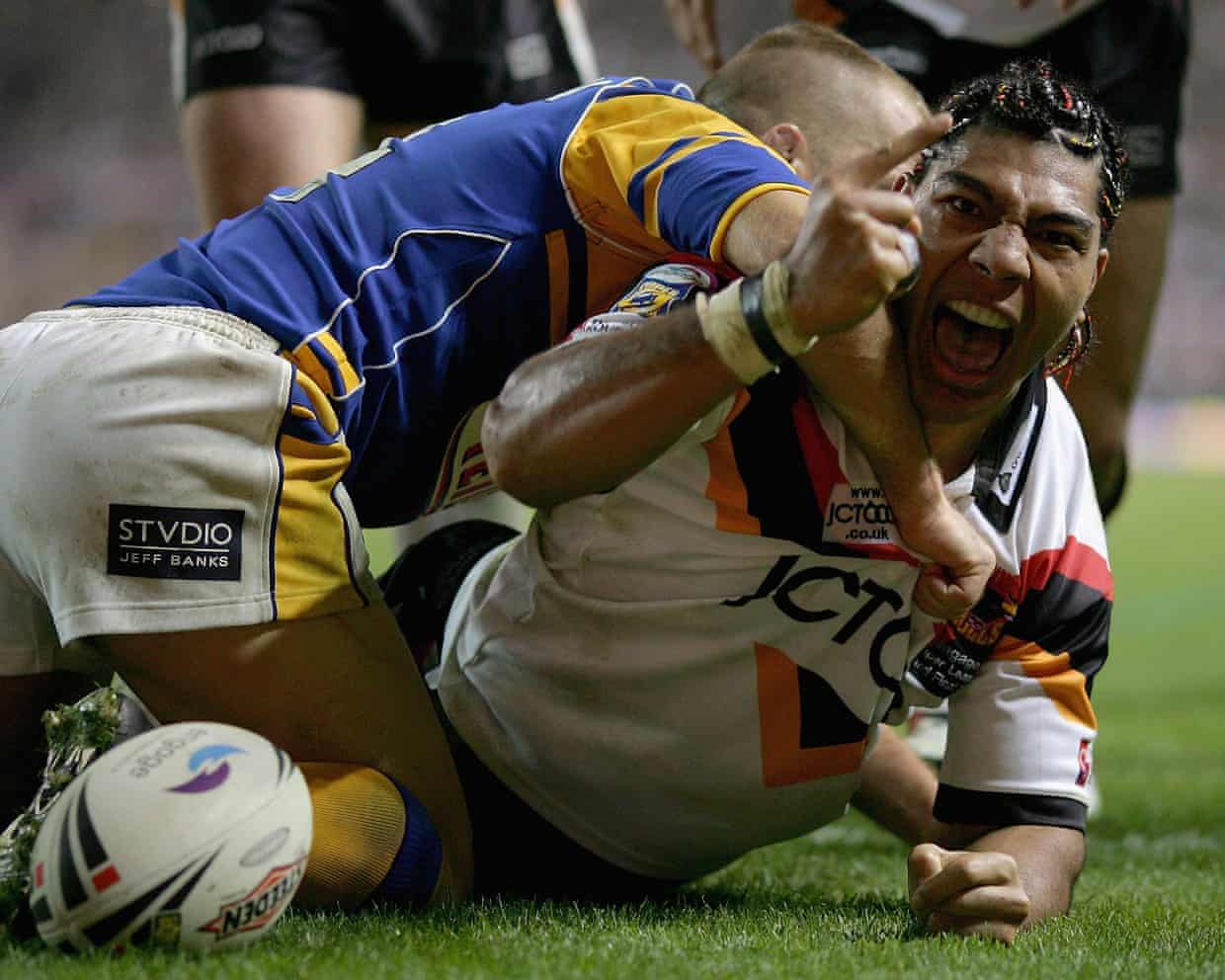
It will almost feel as if Super League has stepped back in time on Friday night as the rivalry that defined the competition’s early years returns after a 12-year hiatus, and it will not just be across West Yorkshire that eyes will be on Odsal Stadium for Bradford Bulls’ derby with Leeds Rhinos.In a small corner of New Zealand, Lesley Vainikolo will interrupt his Saturday morning to watch the return of the derby he starred in for Bradford during the early 2000s, and he will probably not be alone.Dubbed the Volcano because of his incredible try-scoring record, with 149 in 152 games for the Bulls, Vainikolo rarely gives interviews these days.But the lure of discussing one of Super League’s biggest fixtures returning was too much to resist.“There is no way I’d miss it,” says the 46-year-old, who is now director of rugby at Wesley College near Auckland, the school that forged the career of Jonah Lomu.
“I’ll be up early with my Bulls shirt on watching it.There was no bigger game than playing Leeds back in the day.We treated the Rhinos matches as our biggest of the year: the battle to be the best team in Yorkshire.It’s so cool to see it back.I’ll be texting some of the Kiwi boys that were at Leeds who I played against if we win!”For a time, this was the heavyweight fixture of Super League.
In 2003, 2004 and 2005 the two clubs, split by 15 miles down a solitary junction of the M62, met in major finals.Sellouts at Headingley and 20,000-plus crowds at Odsal were commonplace and Kevin Sinfield, the late Rob Burrow and Vainikolo were among those to star in the derby.They meet on Friday in Super League for the first time since 2014, the year Bradford were relegated from the top flight.The fixture’s memorable moments include the long-running battle between the enforcers Stuart Fielden and Barrie McDermott, Vainikolo’s try-scoring heroics and Leeds’s historic first title of the modern era, in the 2004 Grand Final.Another of those men who defined the derby was the Bulls’ long-serving captain Robbie Hunter-Paul, who won nine major trophies with Bradford.
“It was genuinely the closest thing you could get to a Grand Final,” he recalls,“They’re bigger than any semi-final you would play in; these games made you so much more nervous and excited,Everyone in Bradford wanted to beat Leeds and vice versa,”The fact it has not been on the menu for so long could hint at the passion perhaps fading but to understand it truly, few are better positioned to explain the rivalry than Jamie Peacock,He was the best forward in the world when he captained Bradford to the 2005 title but towards the end of that season, it was announced he would sign for Leeds, his hometown club, in 2006.
“The backlash I got was incredible,” Peacock says.“There were loads of other players moving on but all the vitriol was directed at me, the captain moving on to their big rivals.I remember running out in my final games and there were cardboard cutouts of my face with a noose around it with the word Judas on it.”Having gone on to dominate the domestic game with Leeds before retiring in 2015, Peacock is qualified to speak about the ferocity of the desire to win on both sides.With the Bulls having only just returned to Super League and Leeds now entrenched as heavyweights of the British game, there is a feeling this latest instalment may mean more to Bradford than it does the Rhinos.
Peacock insists that is not true.“They might play it down in Leeds this week but you need your rivals and you need your enemies: that’s sport.Leeds is my hometown club but when I played at Bradford, I wanted to beat them so I could go back to Leeds and have the bragging rights.They wanted to do the same.To have it back is brilliant.
”The importance of the game is huge for Super League too,Only five English cities have teams in the competition so to have two of them jostling in a heated rivalry is significant for the sport’s footprint at a time when it is trying to negotiate a new TV deal,“These are two of our biggest brands,” Hunter-Paul says,“If you go anywhere, you have heard of Bradford and Leeds,Can you say that about some other places in Super League?”Peacock agrees.
“This game has huge cut-through on a wider scale than most others in the competition.It was integral to the success of Super League in the early years and you can’t argue the game needs Bradford versus Leeds.” This article was amended on 3 April 2026 to reflect the fact that as well as Bradford and Leeds, three other cities – York, Hull and Wakefield – have Super League teams, not two.

Calling us Auntie or Uncle is no insult | Letters
Re Lola Okolosie’s article (Is calling a woman ‘auntie’ ageist harassment – or a mark of respect? It’s a trickier question than you think, 31 March), I was interested to read uncle/auntie described as honorifics. Growing up (I’m 60-plus years old, Scottish), I think it operated as a familiar term. I was taught to call close friends of my parents Aunt Jane or Uncle John. Otherwise Mister/Miss.Clearly, there is an honorific element – if I am (as a child) calling you Aunt, you are close to my parents, but it was not related to age – I would never have dreamed of calling anyone Aunt/Uncle on an age basis

Young people ‘more likely to leave for health reasons when in low-paid, insecure jobs’
Young people in the UK are more likely to leave their job for health reasons and become economically inactive when they work in insecure, low-paid sectors, a study has found.Research carried out for the Trades Union Congress by the consultancy Timewise charts a connection between the jobs young people are most likely to do – in hospitality, retail and care, for example – and the proportion of people leaving because of ill health.“The occupations that young people are concentrated in are associated with high numbers of people moving into long-term sickness and worklessness,” the analysis said.The authors said that these sectors were also among those most likely to offer precarious or low-paid jobs.More than 40% of staff in accommodation and food services are in insecure working arrangements, for example
NHS rehabilitation care staff shortage fails stroke patients, say health leaders
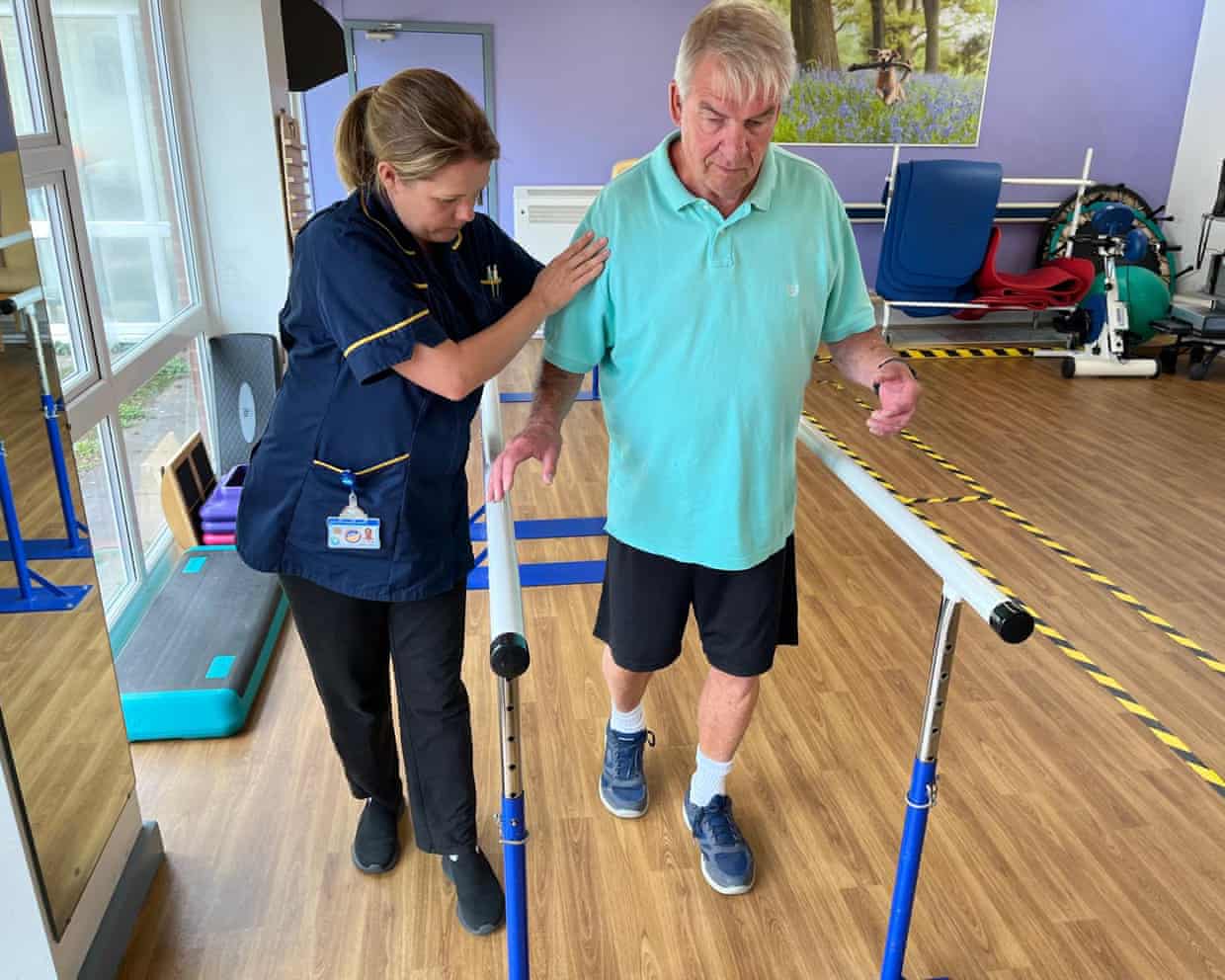
The NHS is failing stroke patients and limiting their chances of recovery because of a shortage of rehabilitation care staff, health leaders have said.More people are surviving strokes than ever before in the UK. But their hopes of getting better are being dashed because of a lack of physiotherapists and other specialist staff, according to the Chartered Society of Physiotherapy and the Association of Chartered Physiotherapists in Neurology.National guidelines say people who have had a stroke should receive therapy-based rehabilitation for three hours a day, five days a week. But data suggests that, on average, people only receive rehab three to four days a week in hospital, and one to two days once they are discharged, the CSP and Acpin said
CPS considering 13 suspected cases of assisted dying in England and Wales
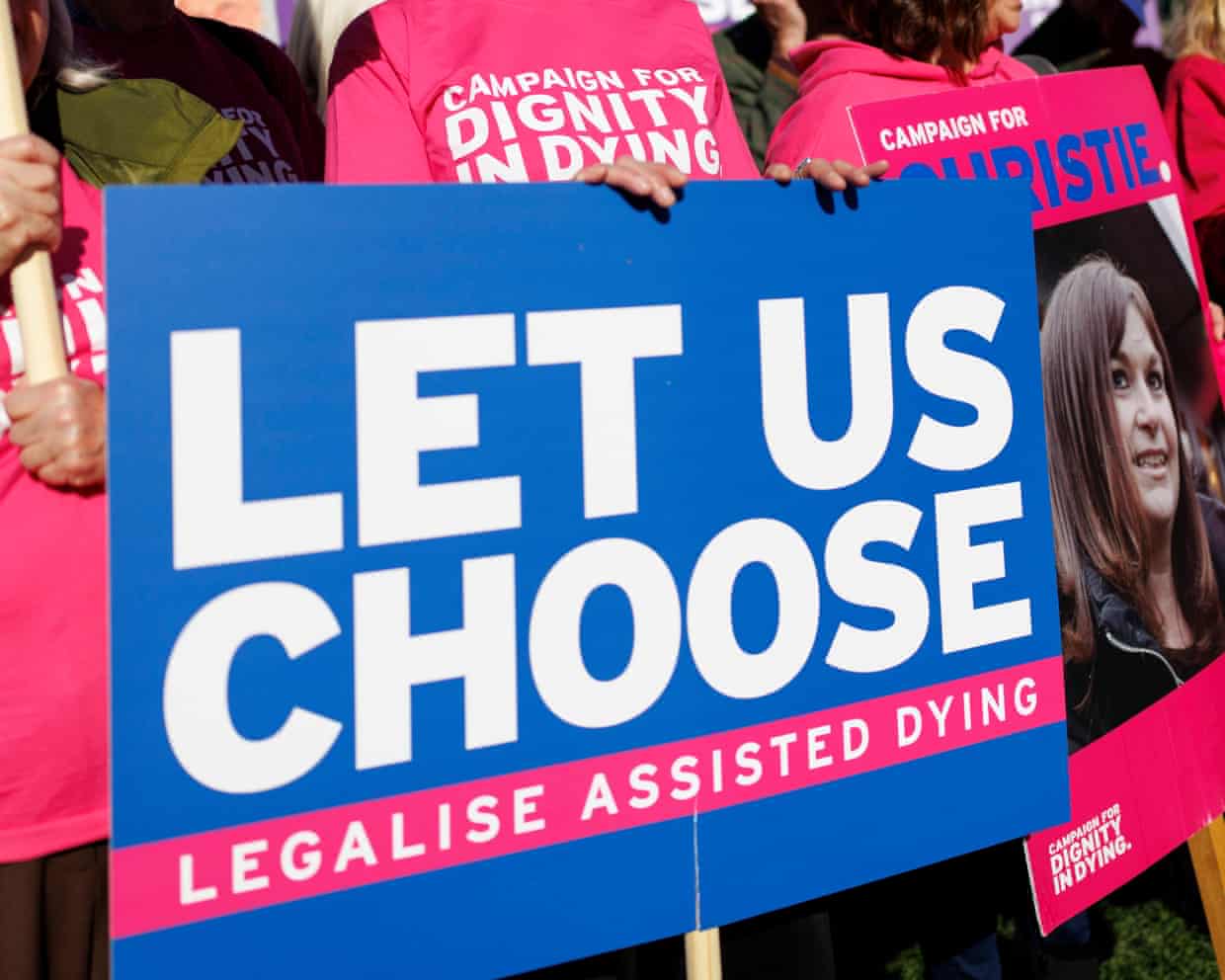
Thirteen cases of suspected assisted dying are being considered by prosecutors in England and Wales, according to the latest data.Encouraging or assisting the suicide or attempted suicide of another person is against the law in England and Wales, under the Suicide Act 1961.The Crown Prosecution Service (CPS) said its latest data showed 209 cases that have been recorded as assisted dying have been referred to it by the police between 1 April 2009 and 31 March this year.This was up from 199 cases that had been referred by the end of March last year.Of the 209 cases, 131 were not taken forward by prosecutors and 42 were withdrawn by police, the CPS said
UK drug exports to US spared tariffs under deal critics say will cost NHS billions
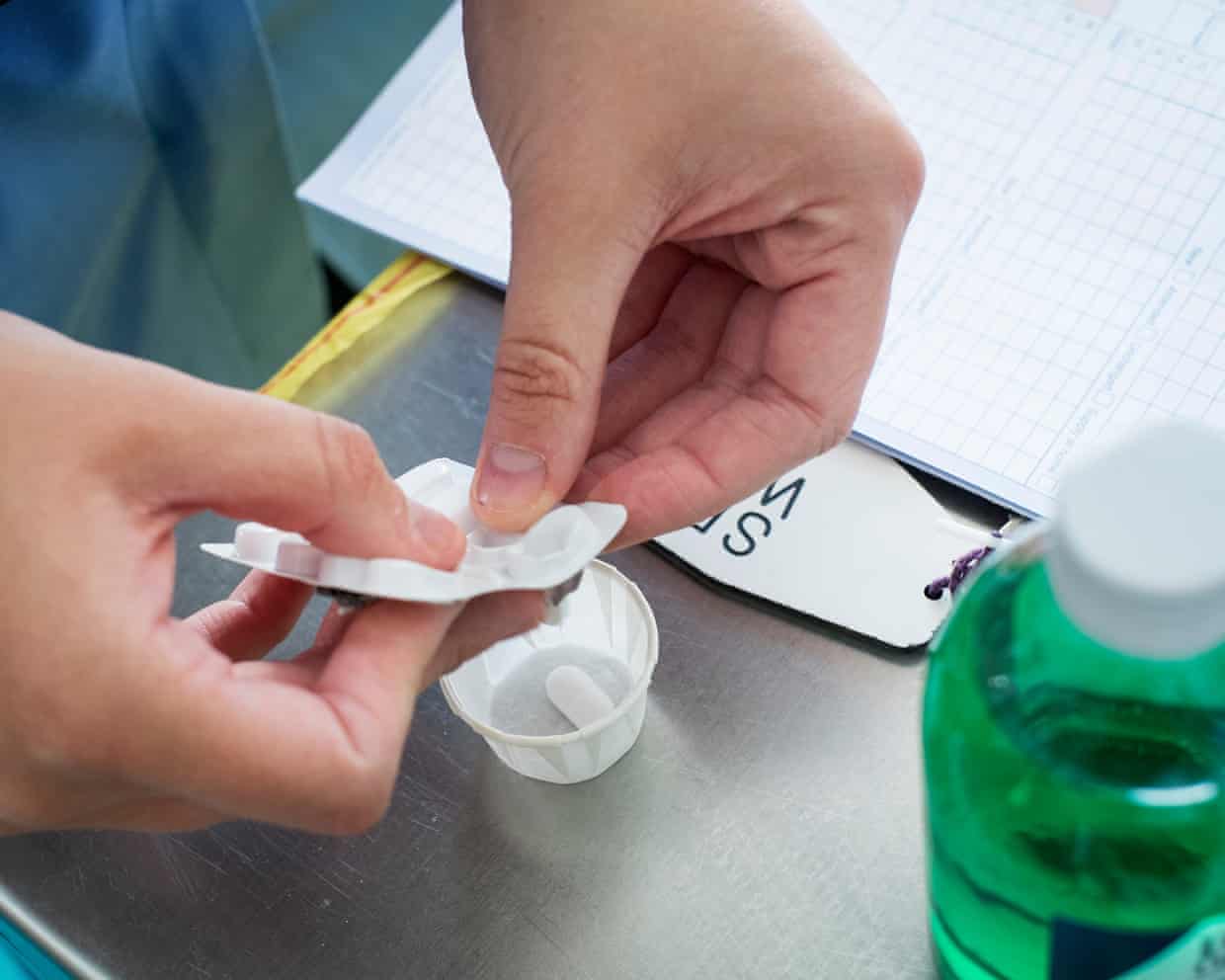
British drug exports to the US will escape tariffs imposed by Donald Trump as part of a controversial UK-US medicines deal that critics fear will mean less money for the NHS.The deal will also give patients in Britain greater access to potentially life-extending drugs because the rules have been relaxed to allow the NHS to pay more for particular treatments.In an announcement on Thursday, the UK government highlighted the recent approval of two cancer medicines as representing good value for money and proof that its agreement with the US administration will benefit the very unwell, not just pharmaceutical firms.They are now available because the National Institute for Health and Care Excellence (Nice) from this week has increased the amount of money the NHS can spend on a treatment in the hope of giving patients a longer and higher quality of life from £30,000 to £35,000 a year.Ministers, drug industry bosses and patient groups hailed the deal as good news
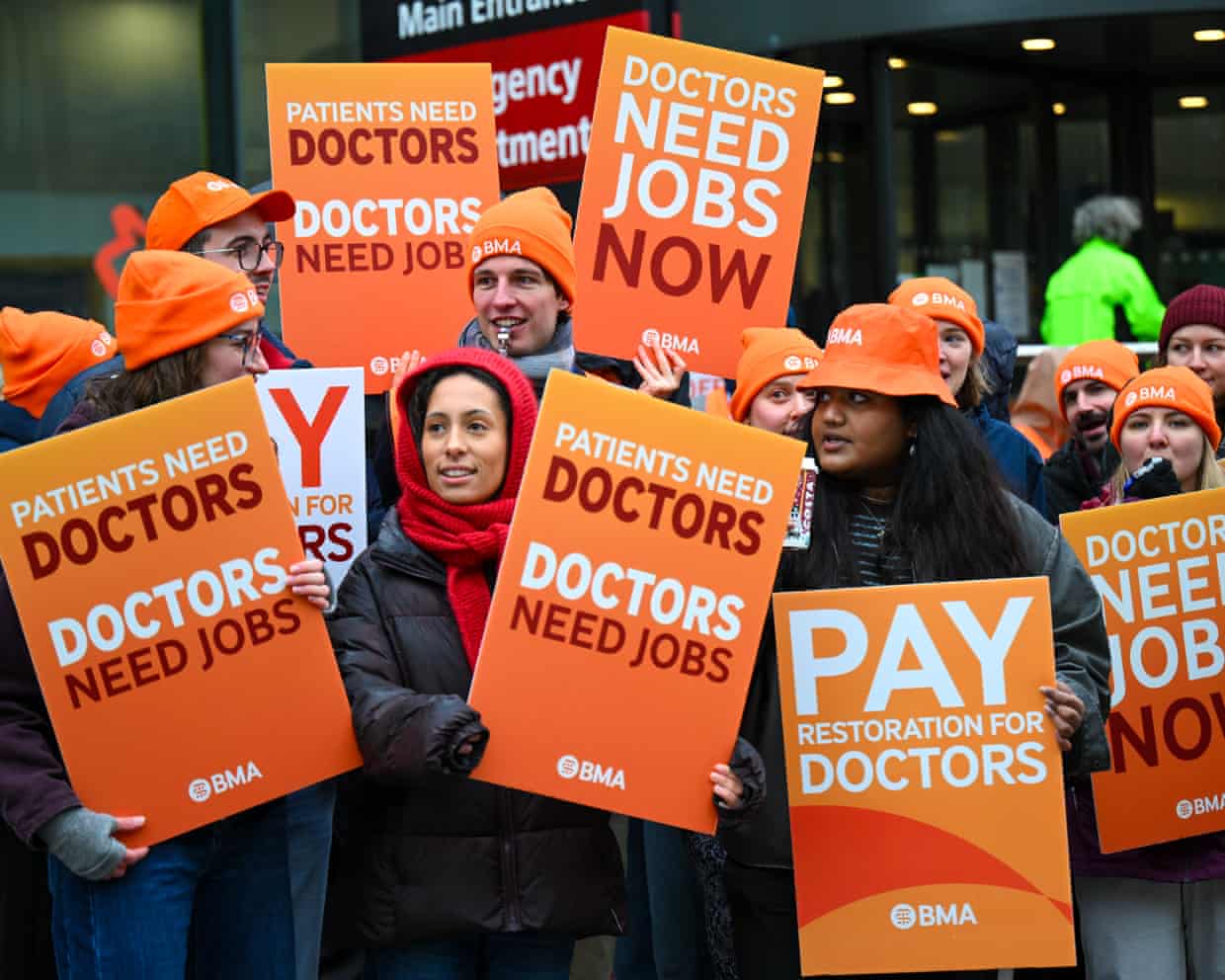
Streeting hits out at BMA ‘delusion’ as talks to avert resident doctors’ strike fail
The NHS in England is bracing for the longest strike yet by resident doctors after last-ditch talks failed, prompting Wes Streeting to accuse the medics of suffering from “delusion”.Many thousands of resident – formerly junior – doctors will stage a six-day stoppage over pay and jobs starting at 7am on Tuesday, just after the Easter weekend. A deadline for agreement ended on Thursday.It will be the 16th walkout the doctors have staged since their first strike in March 2023, and there are growing fears that the dispute could drag on for another year.Streeting confirmed in a letter to the British Medical Association that he had withdrawn his offer to create 1,000 extra places in specialist medical training this year, as that was conditional on the BMA accepting the government’s most recent offer, which it rejected last week
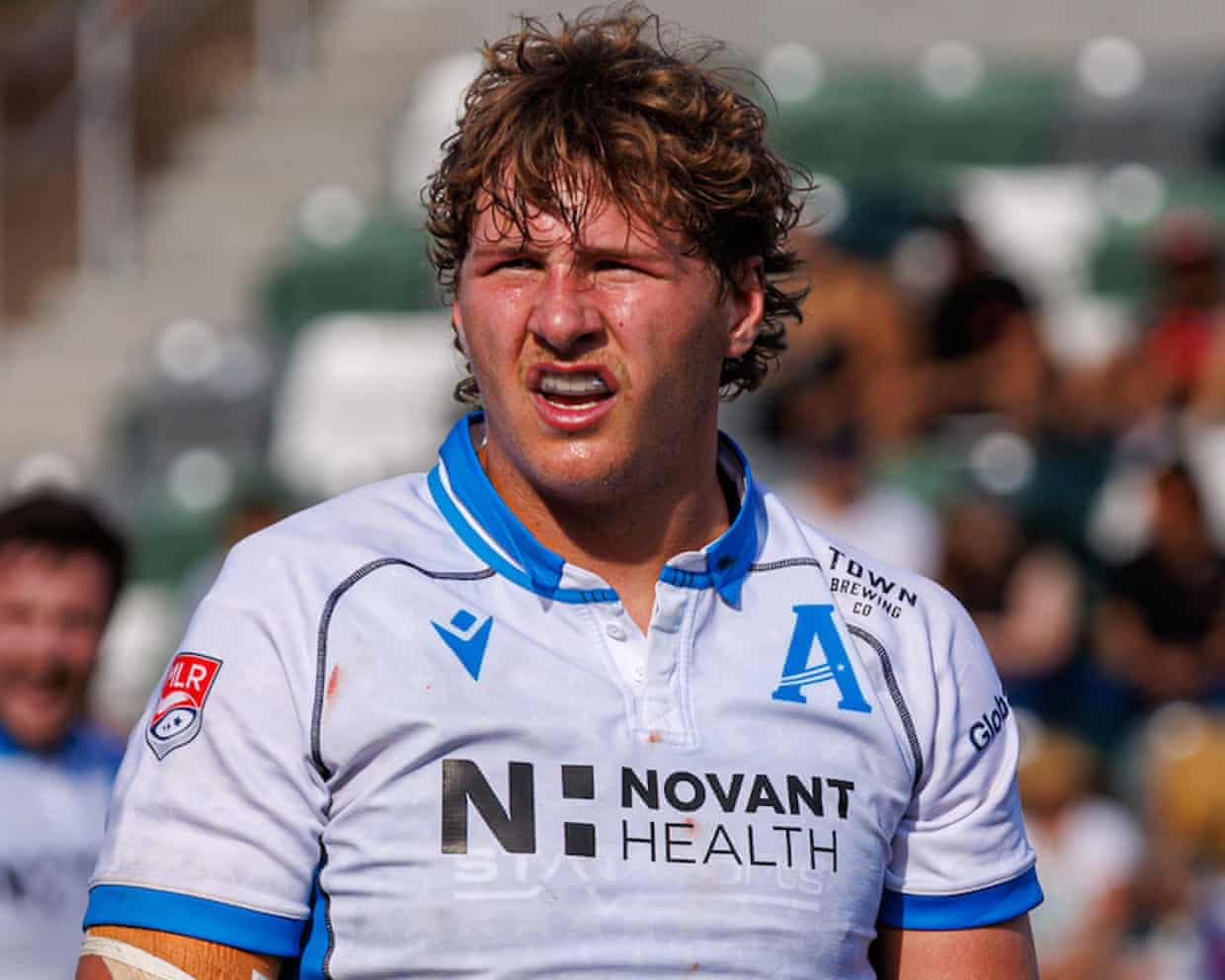
Rising star ‘Wreck-It Will’ Sherman has roots in US rugby’s past and eyes on its future
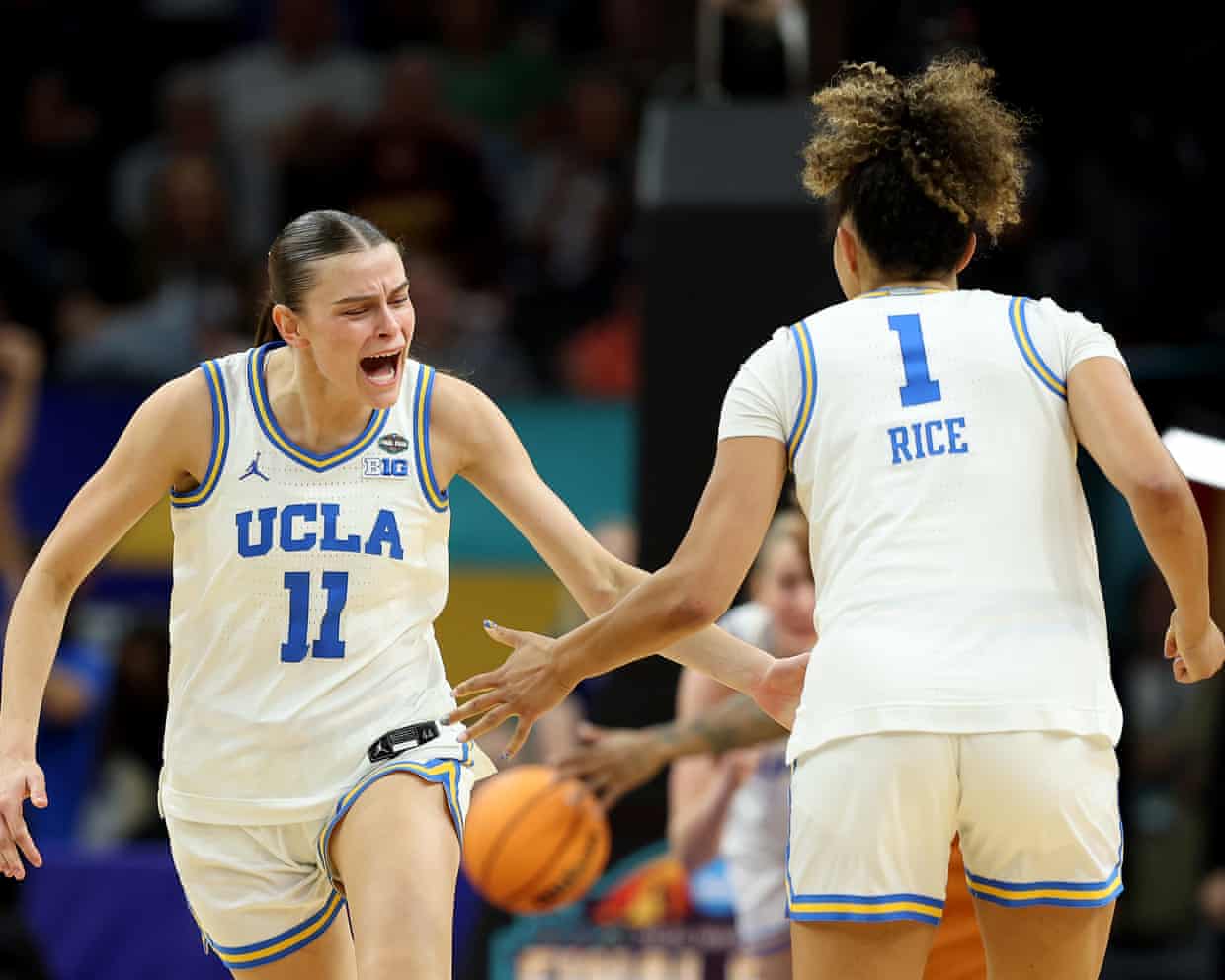
NCAA women’s Final Four: UCLA 51-44 Texas; South Carolina 62-48 UConn – as it happened
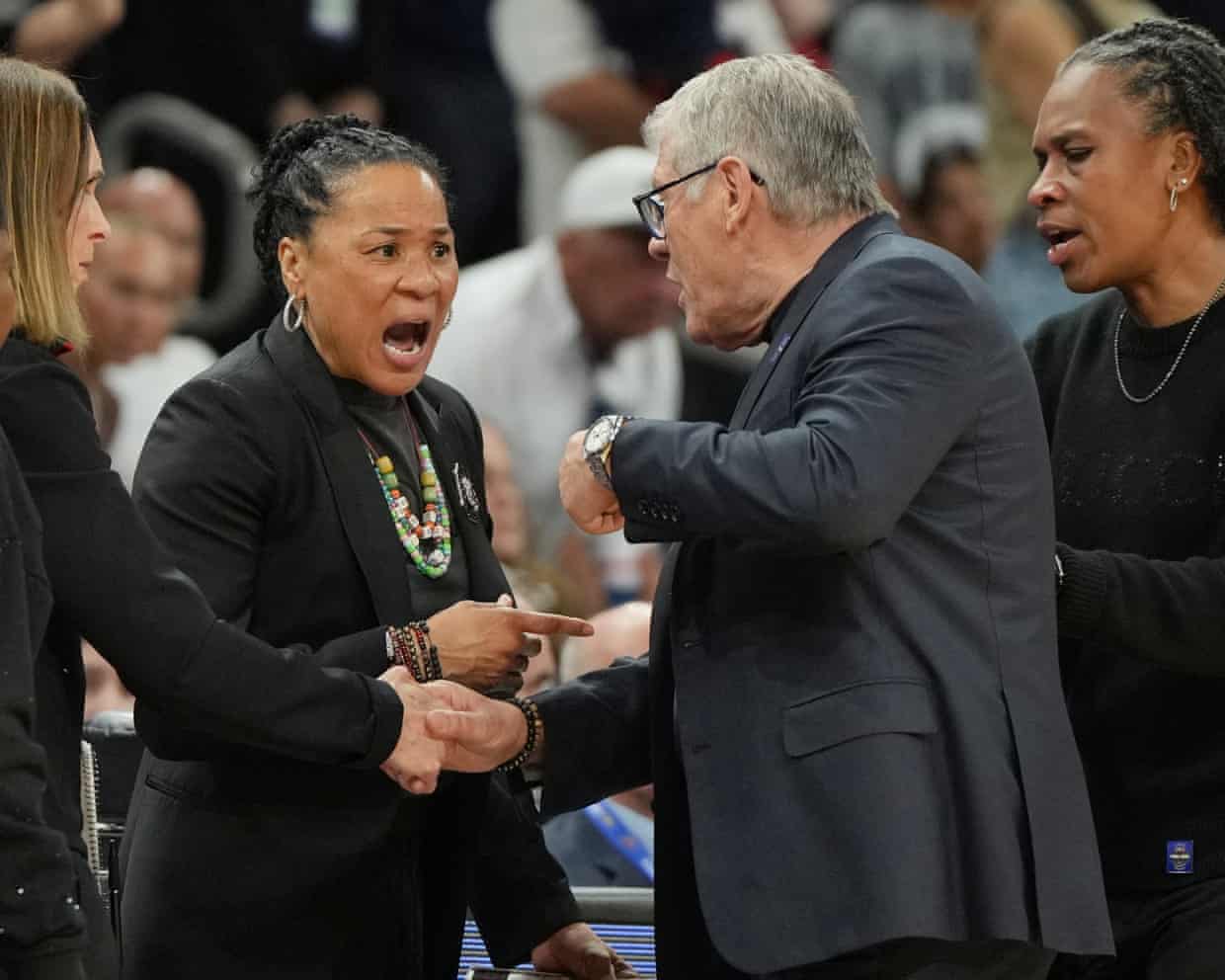
Geno Auriemma and Dawn Staley have tense postgame exchange after South Carolina shock UConn in Final Four

County cricket: Gay makes hay on opening day to blast season’s first century
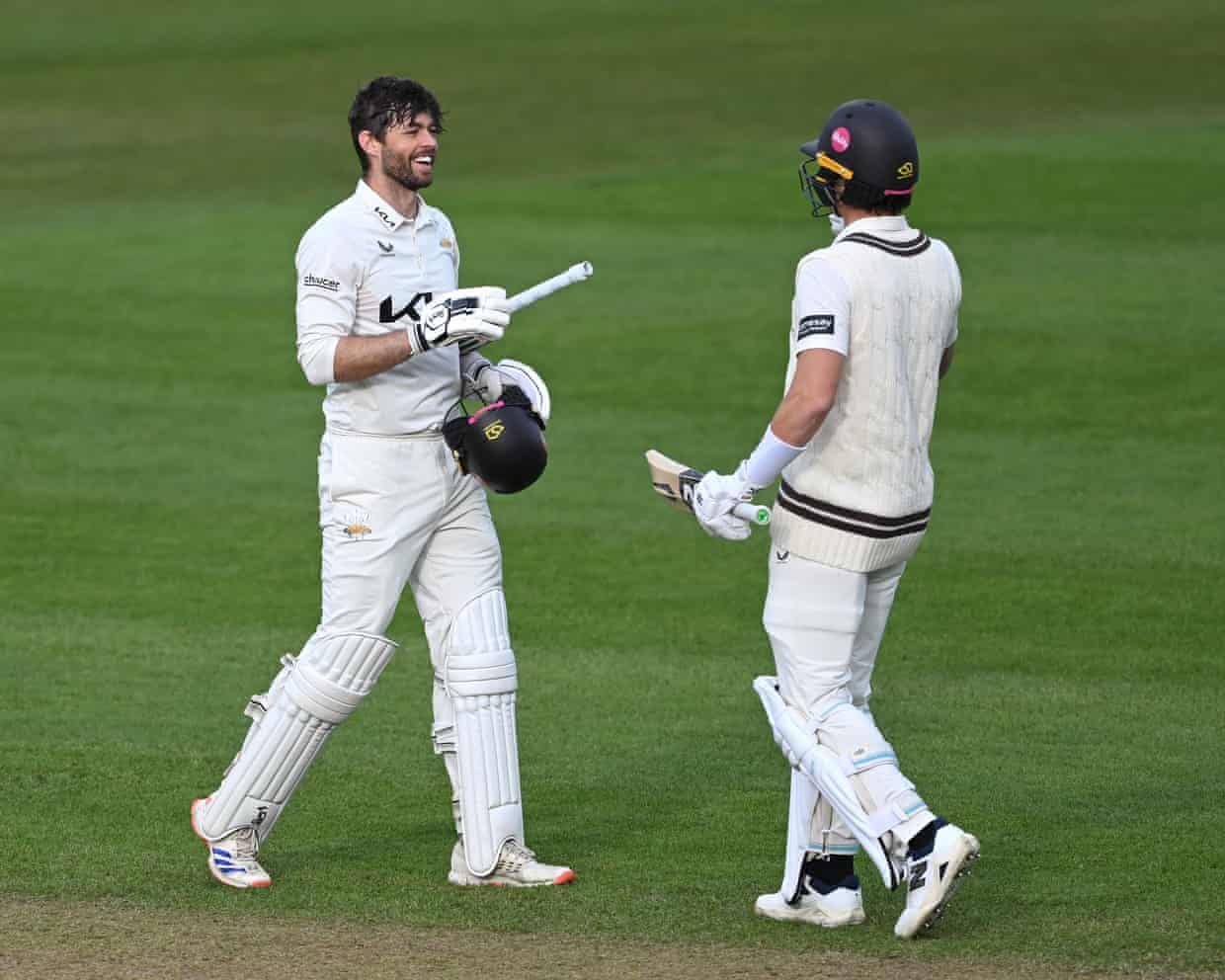
Foakes to the rescue for Surrey as County Championship makes its earliest start
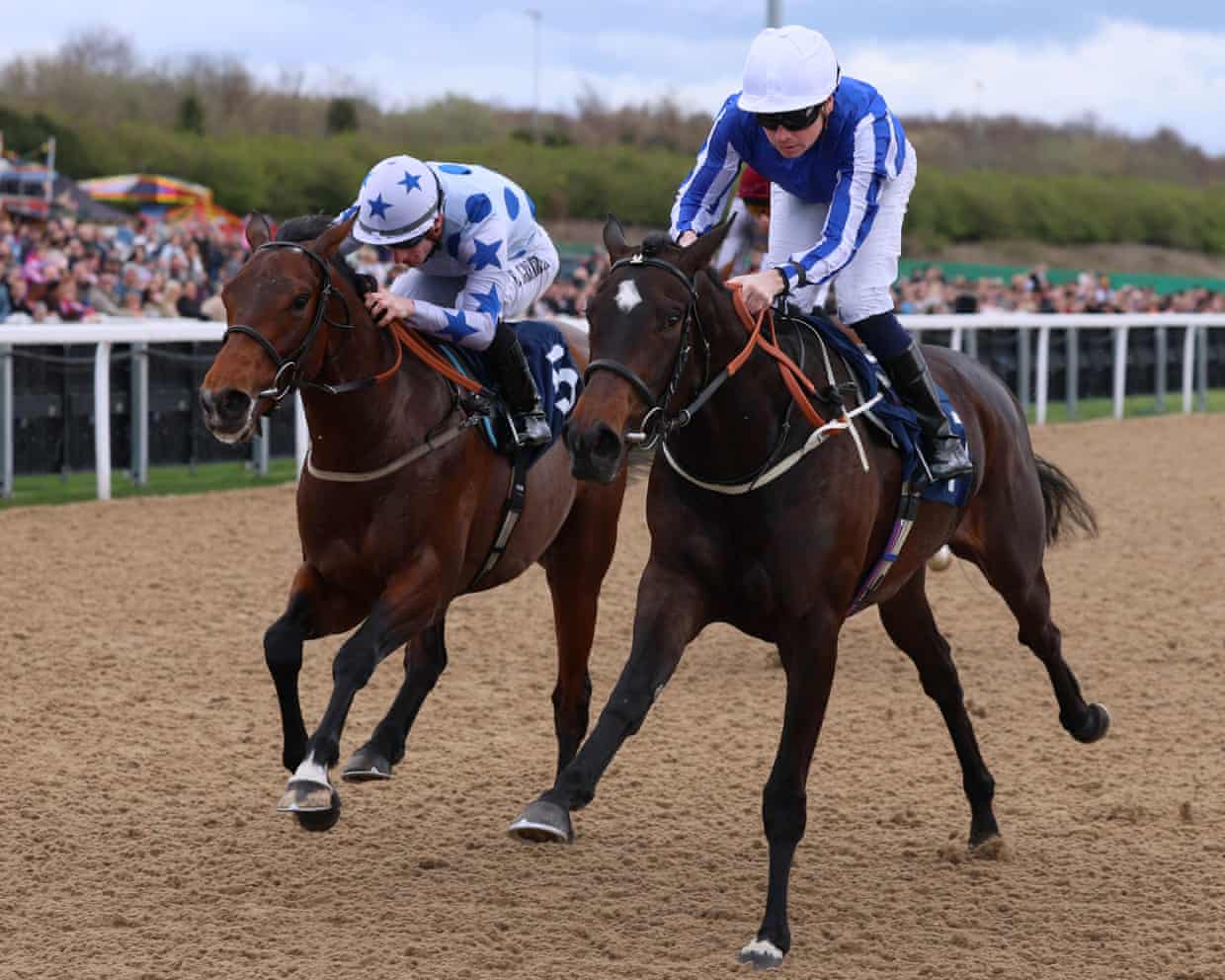
Timeforshowcasing into Classic contention after Burradon success