Cook more at home to reduce ultra-processed food intake, say cardiologist groups
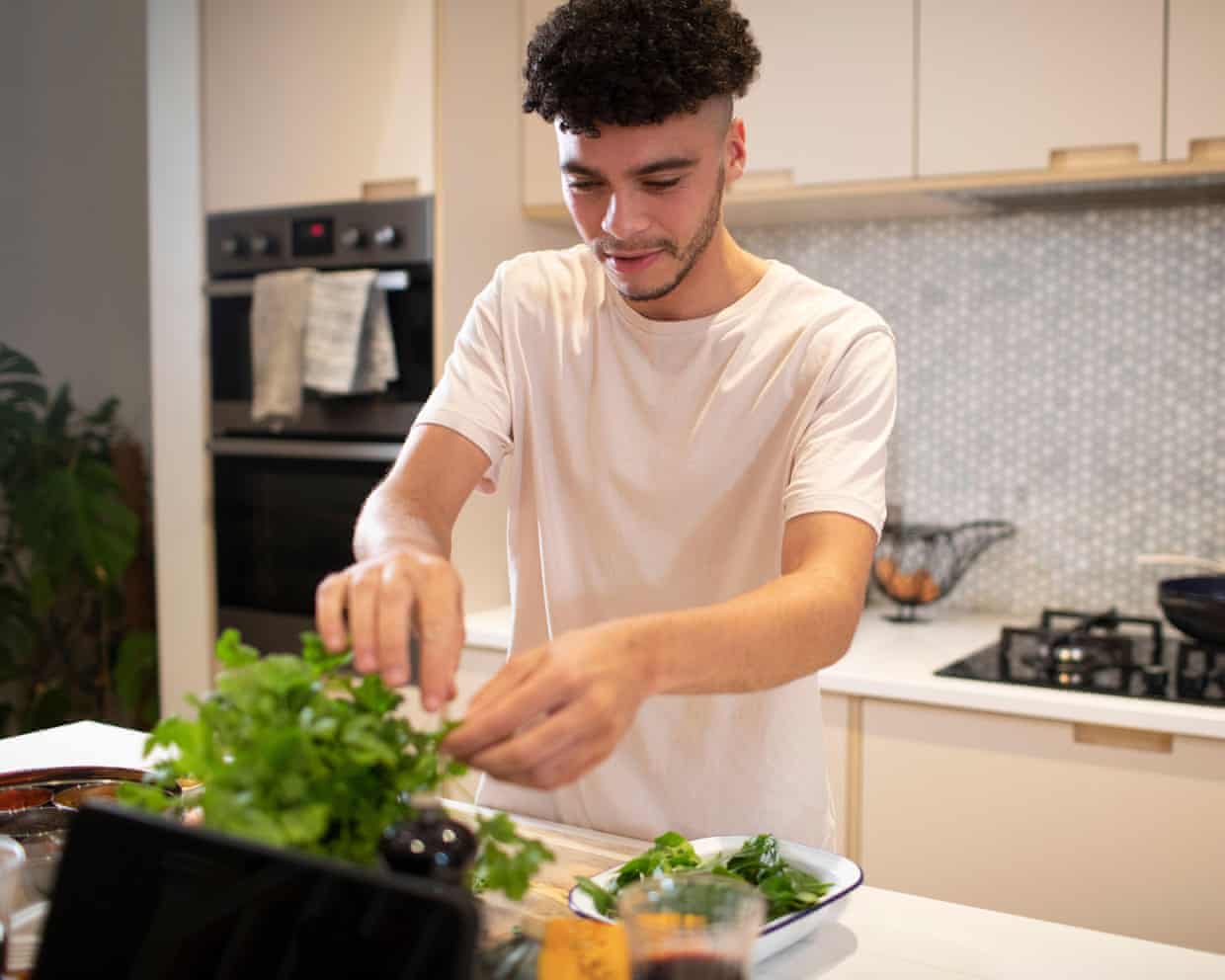
Want to reduce your intake of ultra-processed food? If so, cook at home more often, don’t eat late at night and chew your food more slowly.Those are among some of the tips doctors have offered to help people limit the amount of UPF they consume given the acute and growing danger it poses to human health worldwide.Their recommendations also include eating plain rather than flavoured or sweetened yoghurt, replacing sugary drinks with water and reading the nutrition label and list of ingredients on any tin, packet or sachet of food before buying anything.Those are some of the things specialist heart doctors are being urged to advise patients to do if they already have heart disease or are at risk of developing it.An estimated 8 million people in the UK are estimated to have been diagnosed with cardiovascular disease, which claims about 170,000 lives annually and is one of the country’s biggest killers.
That means they are at risk of having, or have already suffered, a heart attack or stroke or have a condition such as atrial fibrillation,The advice is outlined in a new “clinical consensus statement” on how to tackle UPF drawn up by the European Society of Cardiology and European Association of Preventive Cardiology,They have set out steps they think cardiologists should take when talking to patients about their health,For example, they should “encourage patients to cook at home more frequently”, “discuss with patients the potential benefits of avoiding late eating” and “advise patients to prefer high-fibre, minimally processed foods and practice slower, mindful eating to enhance satiety and reduce overeating of UPFs”, according to the paper, published in the European Heart Journal on Thursday,Cardiologists should start to include discussion of UPF when talking to patients.
They should routinely ask how much UPF they consume and then “apply UPF counselling in outpatient clinics and during routine lifestyle assessment, particularly in preventive cardiology”.Showing patients images of UPF foods for sale in shops to remind them which products they are is better than relying on merely verbal explanations of such foods, which are of little or no nutritional value, the statement adds.“Doctors should be having much more practical conversations with heart patients about the food they eat every day.In simple terms, that means encouraging people to cook more at home where they can, although this can often be difficult, choose more fresh or minimally processed foods, and cut back on products such as sugary drinks, packaged snacks, processed meats, ready meals and takeaways that are often high in salt, sugar and unhealthy fats,” said Dr Kawther Hashem, a senior lecturer in public health nutrition at Queen Mary University of London and head of research and impact at Action on Salt and Sugar.Doctors should advise people with existing heart problems to eat less salt in particular, because it raises blood pressure, a leading cause of heart disease, stroke and kidney disease, she added.
“For people with heart problems, reducing salt is especially important because it helps lower blood pressure, one of the biggest risk factors for heart disease, stroke and kidney disease.Cutting sugary foods and drinks can also help reduce excess calorie intake and the risk of weight gain and type 2 diabetes.”Prof Luigina Guasti, a co-author of the paper, said: “Evidence shows that people who cook more meals at home tend to have better overall diet quality and eat less ultra-processed food.Even small and gradual increases in home-prepared meals can improve health over time.”Consuming fewer sugary drinks, packaged snacks and processed meats – which are common types of UPFs – would be “a good first step towards a healthier diet overall”, she added.
The paper is based on a review of the existing evidence about UPF’s risks to health.It confirmed the known danger that eating such foods too often increases the risk of obesity, diabetes, high blood pressure, chronic kidney disease and dying from cardiovascular disease.Tracy Parker, a senior dietitian at the British Heart Foundation, said that individuals could only achieve so much on their own in a quest to consume less UPF and that the government should do more to create a healthier food environment.

Joseph Fiennes on parenting, politics and banning children from social media: ‘Stand up, Keir, this is your kids’ generation’
He’s played English titans from William Shakespeare to Gareth Southgate, but what does the actor really think about the country today?The Guardian’s journalism is independent. We will earn a commission if you buy something through an affiliate link. Learn more.We are at a corner table in a breakfast place in Chelsea, Joseph Fiennes opposite me on the banquette with his jack russell, Noa. “Dog duty,” he says, apologetic

From The Sheep Detectives to Rivals: your complete entertainment guide to the week ahead
Hugh Jackman and Emma Thompson star in a farmyard mystery, while the spirited bonkbuster returns for a smutty second outingThe Sheep DetectivesOut now Few can claim a writing career as varied as Craig Mazin, creator of TV’s Chernobyl, co-writer of several Scary Movie and The Hangover films, and co-creator of The Last of Us. Here, he turns his hand to a comedy-mystery about sheep, starring Hugh Jackman and Emma Thompson. Adapted from a novel by Leonie Swann.KokuhoOut now Two-time Japan Academy film prize best director winner Lee Sang-il directs this prestige adaptation of Shuichi Yoshida’s novel. It holds the record for the highest-grossing Japanese live-action release ever in Japan – an impressive feat for a nearly three-hour-long period drama set across five decades in the kabuki theatre world

Historic Oxford cinema under threat as Oriel College refuses to extend lease
The survival of one of the UK’s oldest independent cinemas is under threat while its landlord, the University of Oxford’s Oriel College, refuses to extend its lease to allow what its director says are vital renovations.The Ultimate Picture Palace in east Oxford opened in 1911, and has entertained generations of students and residents, including the Oscar-winning director Sam Mendes. It sells tickets for its 106 seats through an old-fashioned box office window to patrons queueing on the street, and its screen is behind a manually opened curtain.After decades of instability, the UPP, as it is known by locals, recently became a community-owned business when more than 1,200 supporters raised funds to keep the cinema operating in the Grade II-listed building.But plans to secure its long-term future have been dashed by Oriel College’s reluctance to approve an extension that would allow further investments and renovations to take place

Arthur Miller opens up about marriage to Marilyn Monroe in newly unearthed recordings
He was one of the greatest playwrights of the 20th century and she was one of the greatest actors. In newly unearthed recordings made over a period of nearly three decades, Arthur Miller opened up about his short-lived marriage to Marilyn Monroe, saying she wanted a husband who was a “father, lover, friend and agent,” and the child she longed for would have been an “additional problem”.In taped conversations with his friend and biographer Prof Christopher Bigsby, Miller said he had felt “death was always on her [Monroe’s] shoulder – always”. He had believed that if he did not “take care of her life” she would come to a “catastrophic end”.“One time I brought doctors to pump her out because she had swallowed enough stuff [drugs] to kill her,” he said

Man charged over bomb hoax after Peter Kay show evacuated
A man has been charged over a bomb hoax after a live show by comedian Peter Kay in Birmingham was stopped when a “potentially suspicious bag” was found around the venue.The Utilita Arena Birmingham was evacuated and a 19-year-old man was taken into custody, West Midlands police said on Friday evening.On Saturday, the force said: “A man has been charged in connection with the events which led to the evacuation of the Utilita Arena in Birmingham last night.“Omar Majed, 19, has been charged with false communications relating to a bomb hoax,” a police spokesperson said. “Majed, of Washwood Heath, Birmingham, has been remanded to appear before magistrates in Birmingham on 4 May

Royal Opera House calls for release of Georgian bass singer jailed over democracy protests
The Royal Opera House in London has urged Keir Starmer to intervene in the case of Paata Burchuladze, a world-renowned bass singer who has been imprisoned in Georgia since October on a charge of leading a coup against the country’s authoritarian leader.The 71-year-old has performed at the Royal Opera House and the Metropolitan Opera House in New York and collaborated with the likes of Luciano Pavarotti, Plácido Domingo and José Carreras. He was arrested after joining a protest outside the presidential palace in the Georgian capital, Tbilisi. Last week he was given a seven-year jail sentence which Burchuladze suggested to the court was equivalent to a life sentence given his age.Burchuladze became a rallying figure at nightly demonstrations against the government’s perceived pivot away from the west last autumn

Stephen Colbert on Trump’s 22ft gold statue at his golf club: ‘recreational idolatry’

One in seven in UK prefer consulting AI chatbots to seeing doctor, study finds
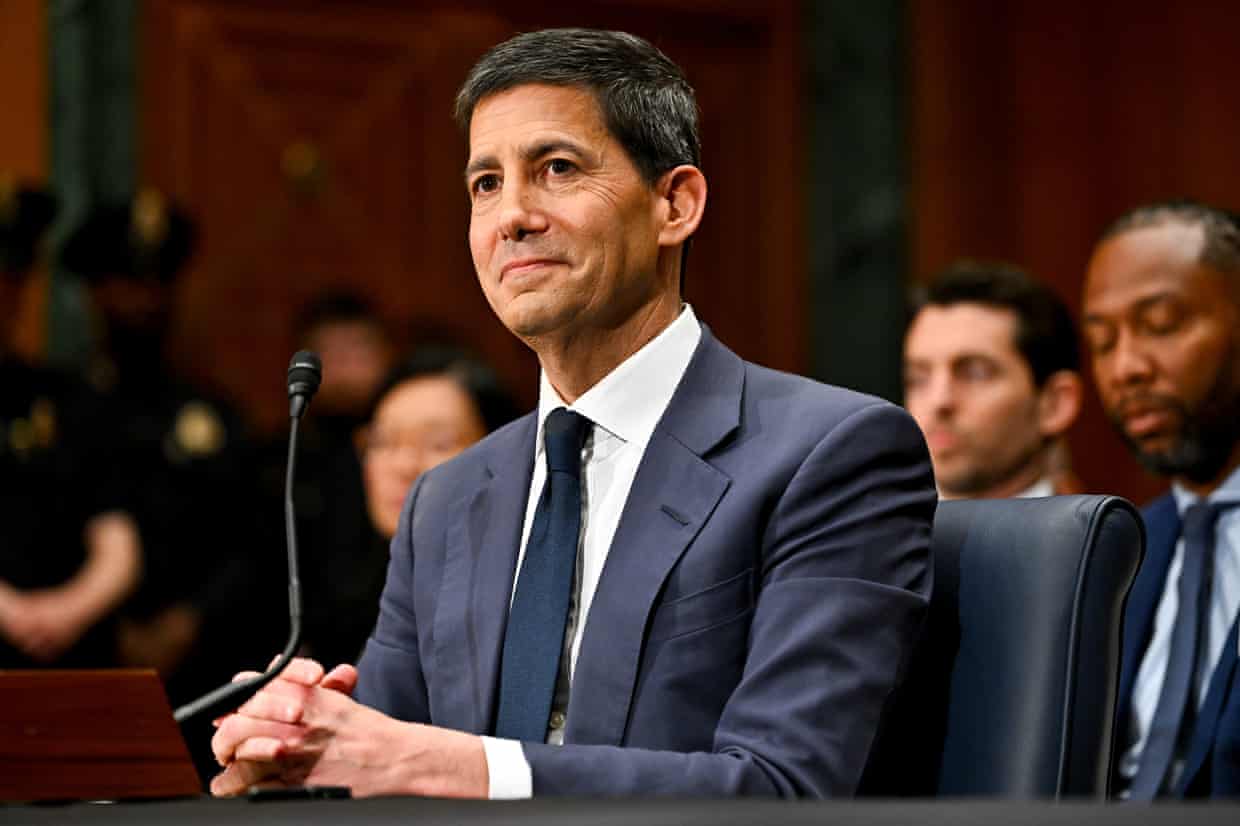
US Senate confirms Kevin Warsh as Federal Reserve chair, replacing Jerome Powell

Sam Altman defends OpenAI in courtroom showdown with Elon Musk
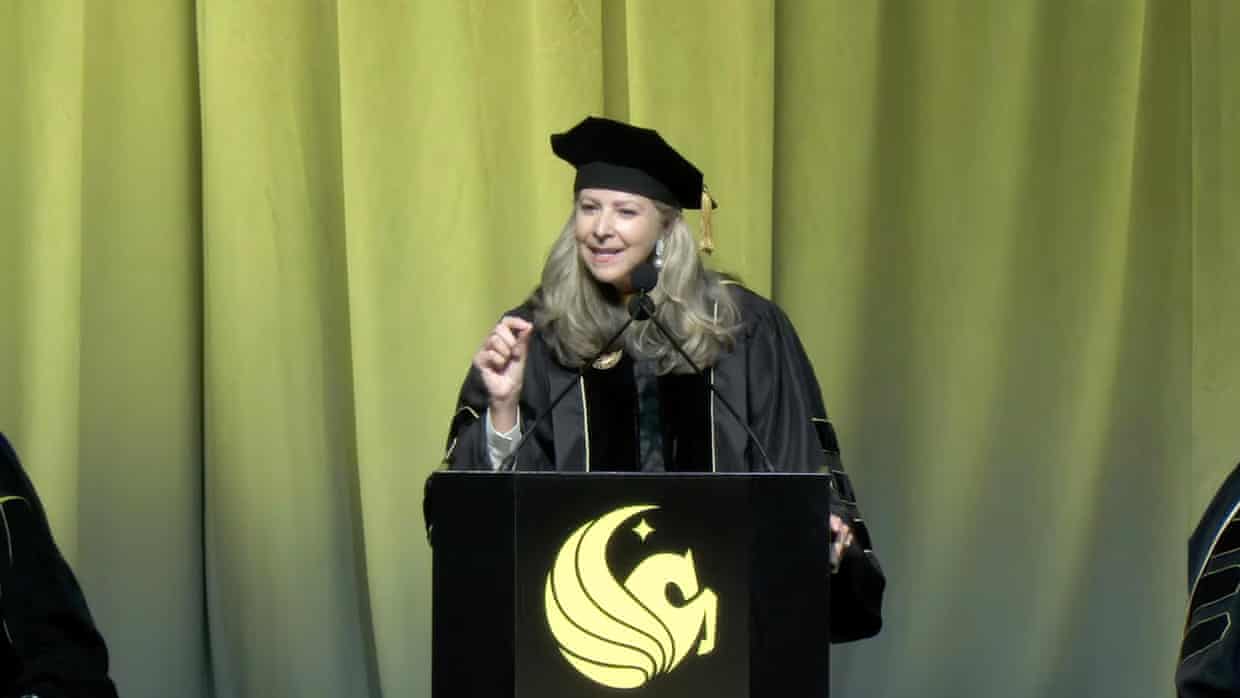
Florida students boo graduation speaker who called AI ‘next Industrial Revolution’
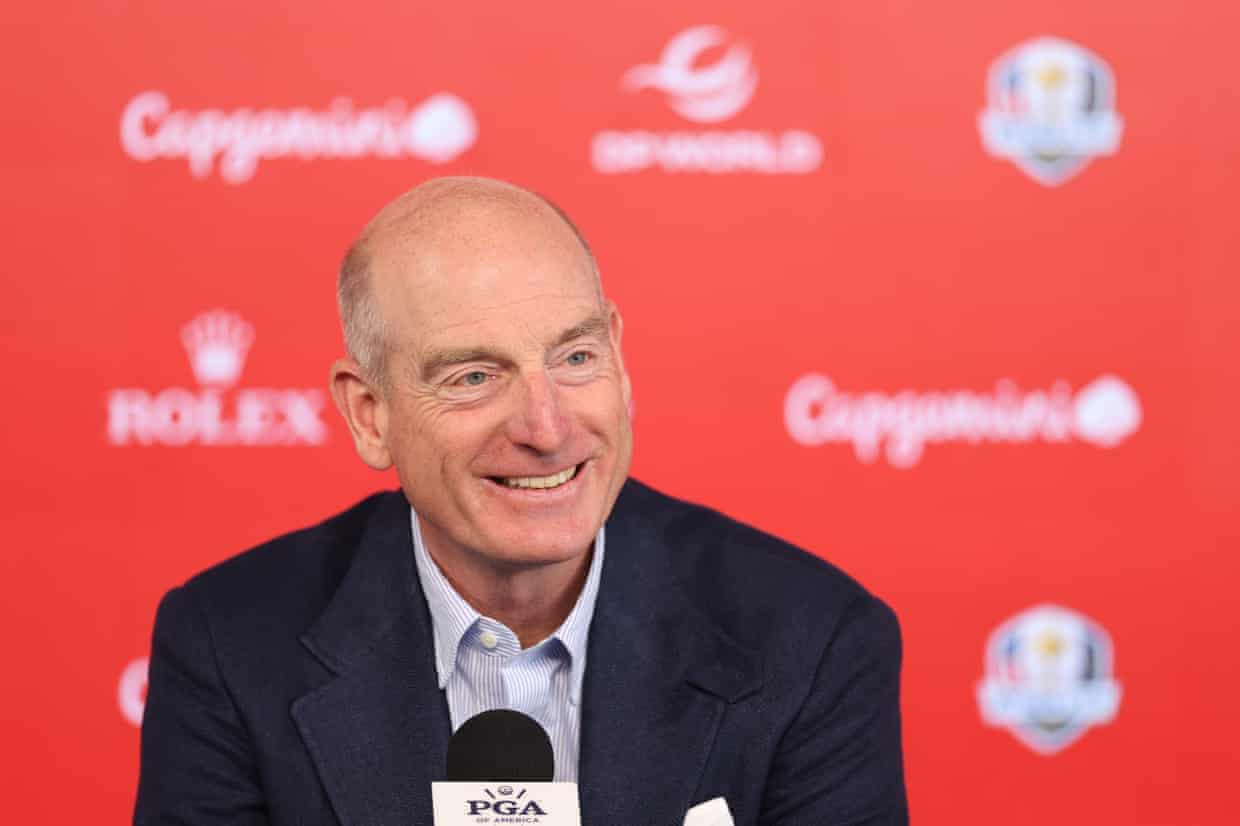
Jim Furyk tells US players they need to make Ryder Cup more of a priority