UK arts groups offer therapeutic support to performers as they challenge myth of tortured artist
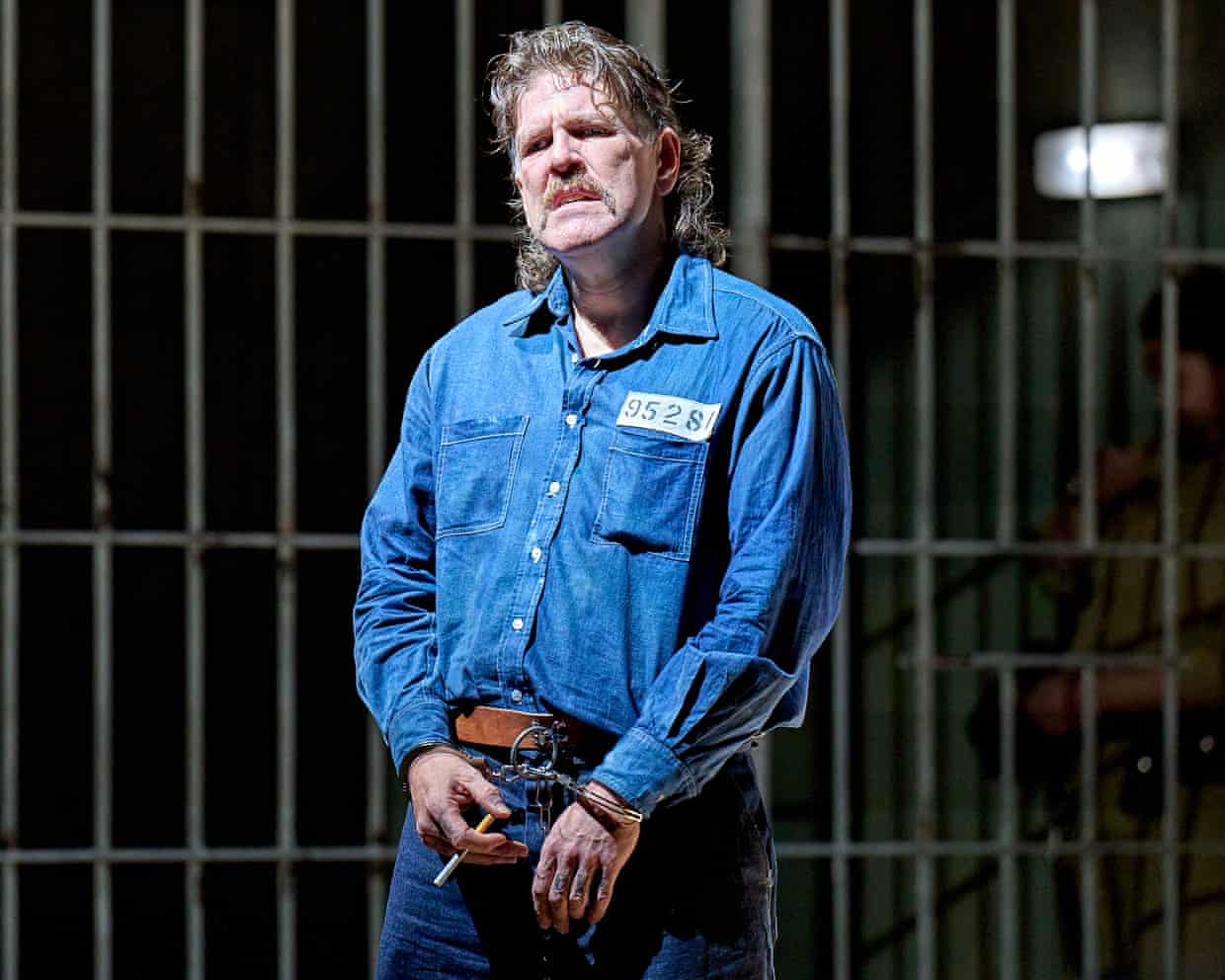
From Vincent van Gogh to Virginia Woolf, from Nina Simone to Amy Winehouse, the tortured-artist archetype looms large: private torment fuelling public brilliance,But across opera, theatre, film and television, a growing movement is pushing back against what many now insist is a corrosive myth – the romanticised necessity of creative martyrdom,“Artists don’t need help because they’re weak; they need it because they’re strong,” said Annilese Miskimmon, the artistic director at English National Opera,“They’re strong enough to rehearse deeply traumatic parts multiple times a day and then perform those roles to order in front of thousands of people,”Miskimmon recently directed Dead Man Walking, a true story that opens with the rape and murder of two teenagers – and closes with the state-sanctioned killing of the murderer, scrutinised by the grieving parents and the teenagers’ ghosts.
Before rehearsals began, Miskimmon called in Artist Wellbeing, a company that has provided mental health and wellbeing support for cultural centres including the Royal Opera House, the Royal Court and Regent’s Park Open Air Theatre.“The deal was that I wouldn’t know which of our artists had spoken to them, and the support they gave would be available up to a fortnight after the show had finished,” said Miskimmon.Miskimmon said it was the first time she or ENO had employed the organisation.“With Dead Man Walking, it would not only have been irresponsible not to provide support for everyone involved but it would have risked the final production not being as emotionally powerful as it was,” she said.“Society’s obsession with the tortured artists is misguided.
We don’t think twice about athletes having psychological support, so why should artists have to feel mentally tortured to give their best performances?” she asked,Therapeutic support is fast becoming widespread: the Actors’ Trust, in partnership with the British Association for Performing Arts Medicine, now offers mental health support for artists suffering stress and burnout linked to emotionally challenging material,Wellbeing in the Arts, which works to improve the mental health of the arts and creative sector, has welcomed the change,But research underlines how urgent such support has become: the Film and TV Charity’s most recent wellbeing survey found that 84% of respondents suffered work-related stress or anxiety, with one in four considering leaving the industry as a result,In theatre, similar studies point to persistently high levels of depression, financial instability and emotional overload.
“Too many artists still labour under the belief that suffering is essential for creative excellence and artistic authenticity,” said Lou Platt, the founder of Artist Wellbeing.“Suffering is often part of the creative process, but you don’t have to be tortured to make great art.”Since the #MeToo movement, directors have increasingly stepped back from the once celebrated practice of pushing artists to breaking point – a method openly embraced in the eras of Alfred Hitchcock, Stanley Kubrick and Francis Ford Coppola.Liz Counsell, the executive director of Dan Daw Creative Projects, which recently produced Outlier at the Bristol Old Vic and the Battersea Arts Centre, celebrated that shift.“As well as being wrong, the ‘tortured artist’ isn’t a safe or reliably productive way to create art,” said Counsell.
“If an artist is still processing trauma, then it’s quite likely they’ll get to a certain point with a work and then shut down,” she said,“But if they’ve had time with a specialist therapist, they’re far more likely to be able to push further and explore more deeply than they otherwise would,”Yet many artists are still made to endure suffering as if it were simply part of the job, said Platt,“When actors are asked to act out sexual violence, domestic abuse, war and systemic injustice night after night for weeks on end, the trauma can bury itself deeply,” she said,“We frequently talk to artists who are so disturbed by either the subject they’re tackling or the conditions they’re working in that they have to take medication just to cope,” she added.
But if you remove the suffering, do you destroy the art? For playwright Sophia Griffin, the opposite is true.Far from being the kernel of genius from which creativity springs, she argued, trauma can throttle it.“I’ve used wellbeing practitioners for the past four years, and had I not, I can honestly say that my work would not have been as strong or as emotionally true as it has been,” she said.Griffin recently suffered writer’s block when writing a play for the Bush Theatre in London.“It was only by working with an expert that I realised I was subconsciously resisting tapping into painful things I’d buried or not confronted in myself,” she said.
“Realising that freed me up to write the work,”Stories such as that, said Platt, are evidence that artists don’t need to be tortured to be brilliant,“With therapeutic help, artists can still access those emotional pathways they draw their creativity from,” she said,“They simply find they’re able to use their lived experience in service of the art, rather than letting the art use them,”
The FTSE at 10,000: a missed opportunity for some marketing razzmatazz | Nils Pratley
There are three ways to view the FTSE 100 index hitting 10,000 points for the first time. One is to say round numbers are irrelevant. Since share prices are meant to go up over the long term, an index that was created in 1984 at a starting value of 1,000 was bound to get there eventually.In any case, a pure value-weighted points measure doesn’t capture the dividends paid by component companies, which can add up to a material part of an investor’s return over time if reinvested. Nor is the Footsie guaranteed to stay above 10,000, obviously
FTSE 100 posts best day in six months as stock market rally continues – as it happened
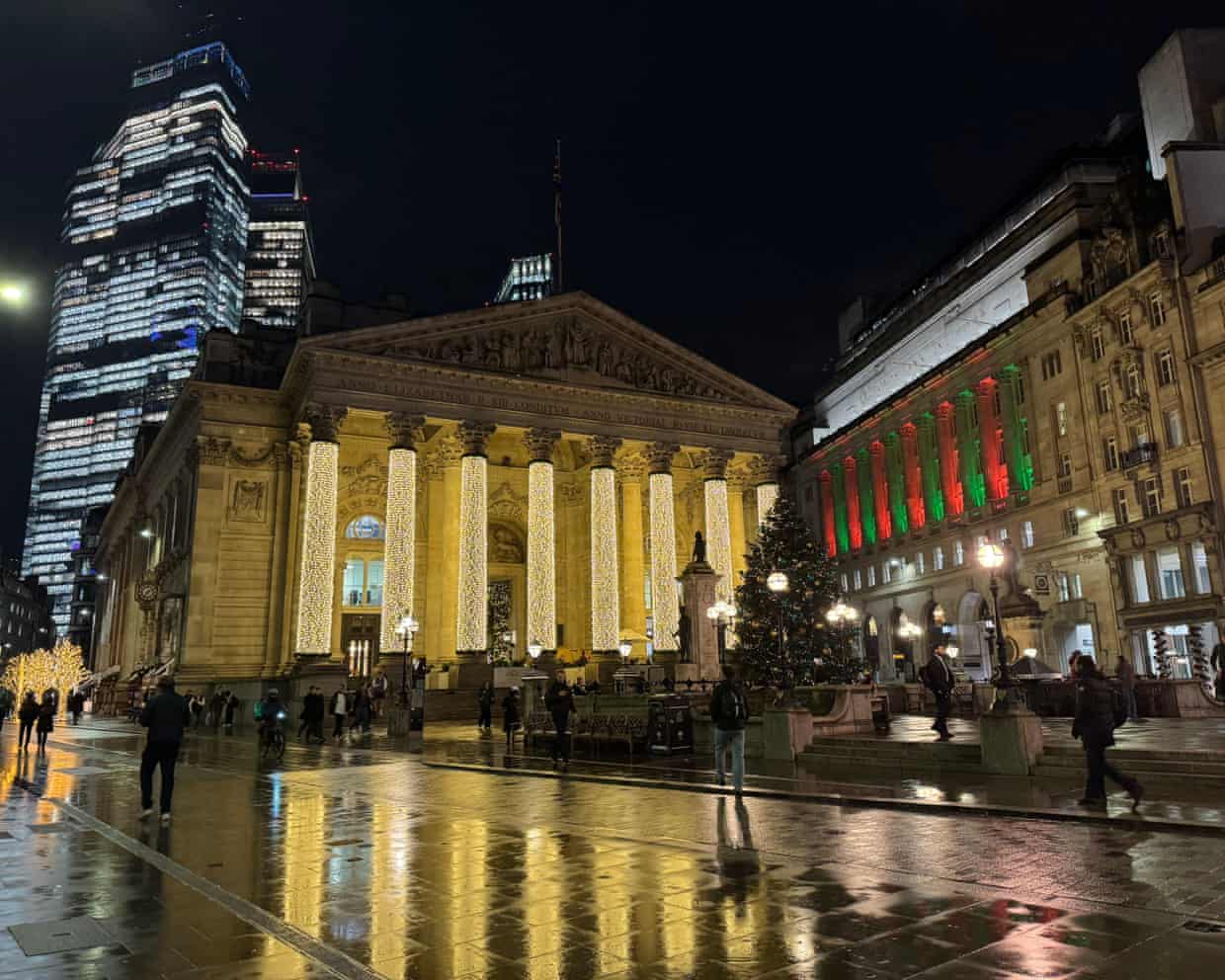
And finally, a newsflash! The UK’s stock market has just posted its best day in six months.The FTSE 100 index, which tracks the biggest companies listed in London, has closed 118 points higher tonight at 10,122 points, a gain of 1.18% and a new closing high.That’s the biggest daily percentage increase since 10 July, and also the largest points gain since last April when markets were rallying after Donald Trump paused his ‘Liberation Day’ tariffs.Precious metals producer Fresnillo (+5

Kent water failure was foreseen and could have been stopped, regulator says
A failure at a water treatment centre that left tens of thousands of Kent households without water was foreseen weeks before it happened and could have been stopped, the regulator has said.Twenty-four thousand homes in the Tunbridge Wells area were without drinking water for two weeks from 30 November last year due to a failure at the Pembury water treatment centre.At first there was no water coming from taps, and then the town was put under a boil water notice. South East Water told residents the water from their taps was unsuitable for drinking, giving to pets, brushing teeth, washing children or bathing in with an open wound.Marcus Rink, the chief inspector at the Drinking Water Inspectorate (DWI), said the problem began on 9 November when there was a “noticeable deterioration” at the plant
US will be exempt from global tax deal targeting profits of large multinationals
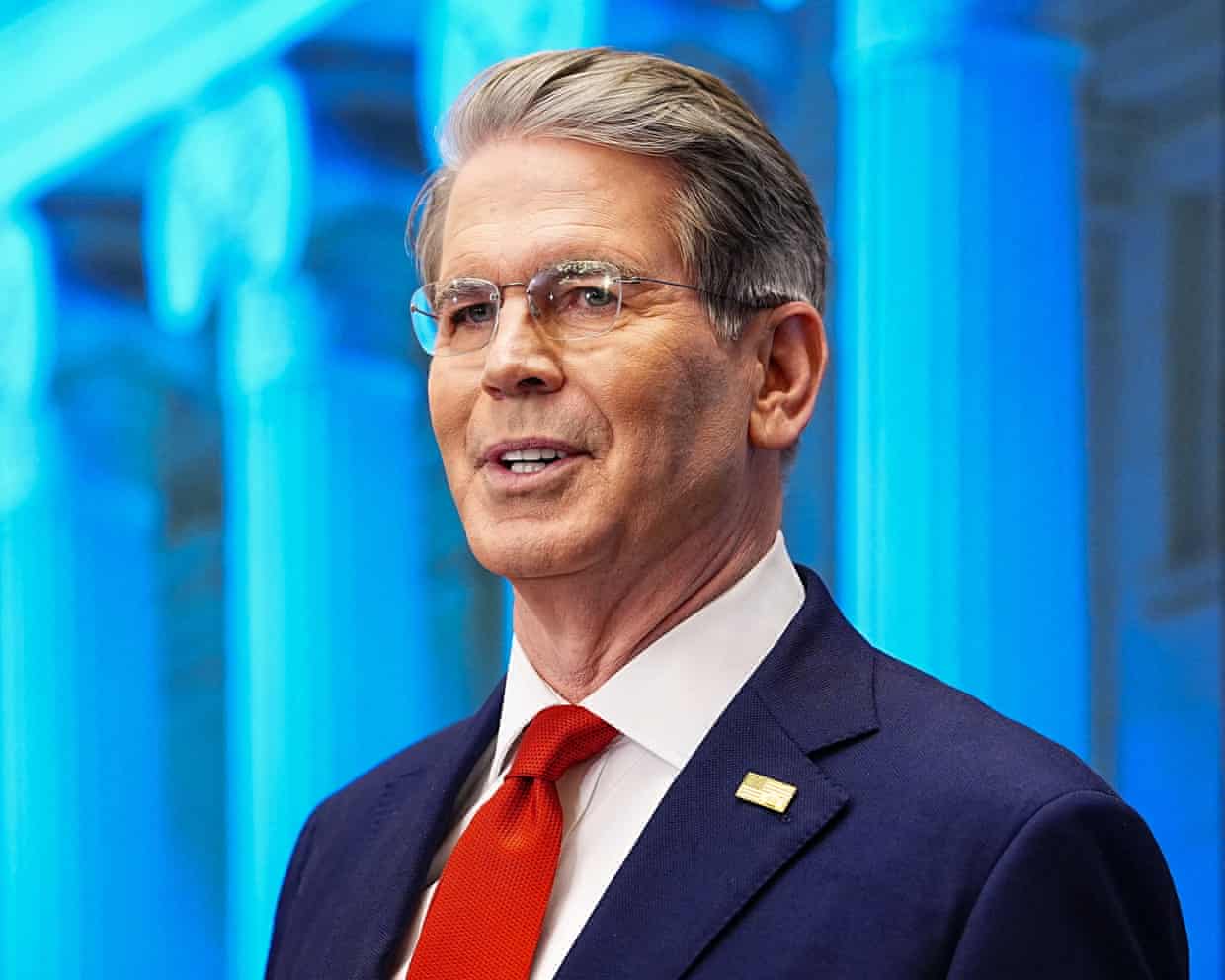
Nearly 150 countries have agreed on a landmark plan to stop large global companies shifting profits to low-tax jurisdictions, but the US will be exempt from the deal, angering tax transparency groups.The plan, finalised by the Organisation for Economic Cooperation and Development, excludes large US-based multinational corporations from the 15% global minimum tax after negotiations between the Trump administration and other members of the G7.The OECD secretary general, Mathias Cormann, described the agreement as a “landmark decision in international tax cooperation” that “enhances tax certainty, reduces complexity, and protects tax bases”.Scott Bessent, the US treasury secretary, called the deal “a historic victory in preserving US sovereignty and protecting American workers and businesses from extraterritorial overreach.”Cormann was elected to head the OECD in 2021 with Donald Trump’s support
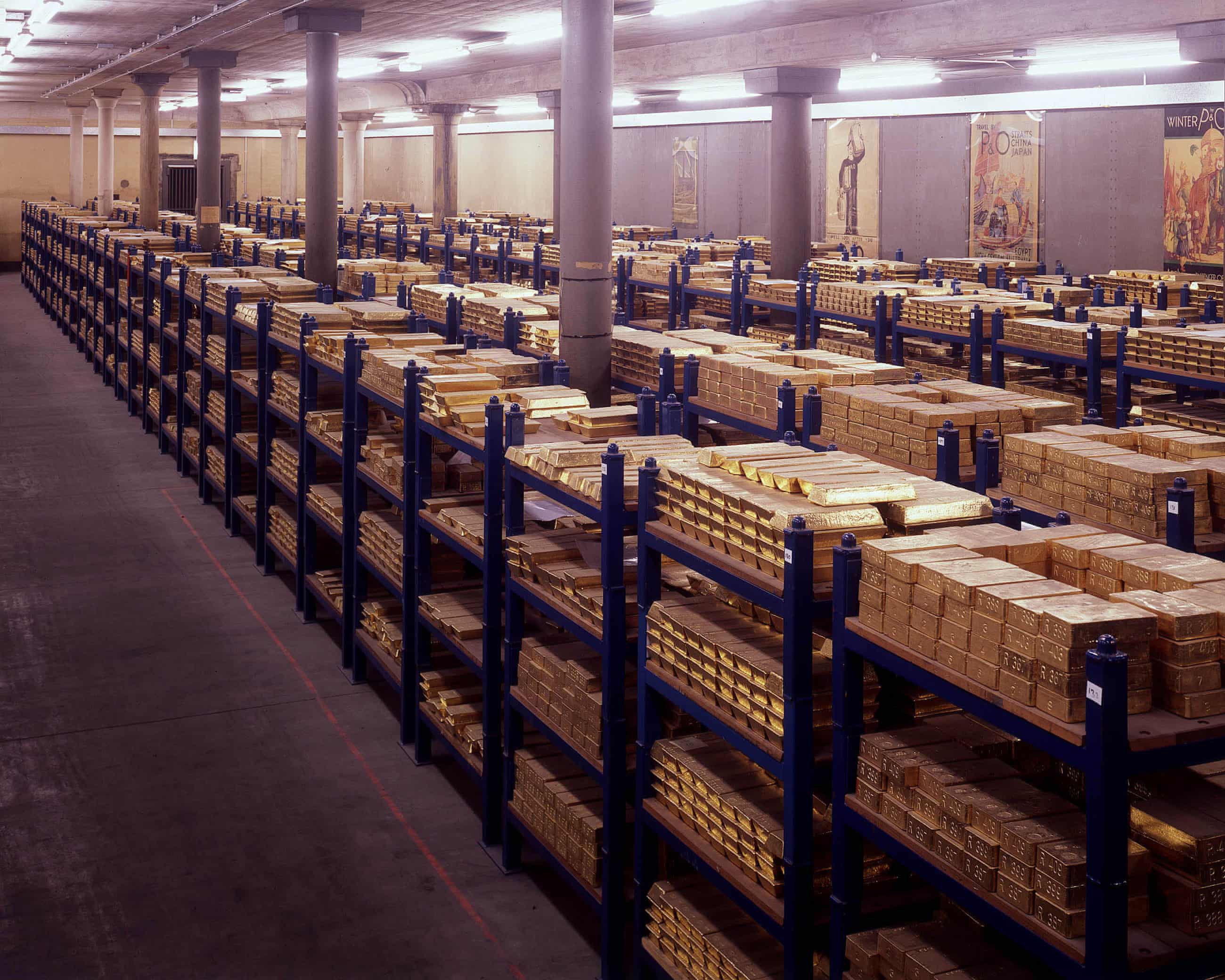
Deep in the vaults: the Bank of England’s £1.4bn Venezuelan gold conundrum
Nicolás Maduro’s seizure by US reopens question of who controls country’s reserves held in the UKTrump suggests US taxpayers could reimburse oil firmsBusiness live – latest updatesVenezuela live – latest updatesDeep under London’s streets, thousands of miles from Caracas, Nicolás Maduro’s seizure by the US has reopened a multibillion-dollar question: who controls Venezuela’s gold reserves at the Bank of England?After the ousting of Maduro, global attention has largely focused on the South American country’s vast oil wealth – believed to be the largest reserves of any nation in the world. However, Venezuela also has significant gold holdings – including bullion worth at least $1.95bn (£1.4bn) frozen in Britain.For years the gold bars have been the subject of a tussle in the London courts, entangling the Bank and the UK government in Venezuelan politics and a geopolitical battle that is now taking a fresh twist
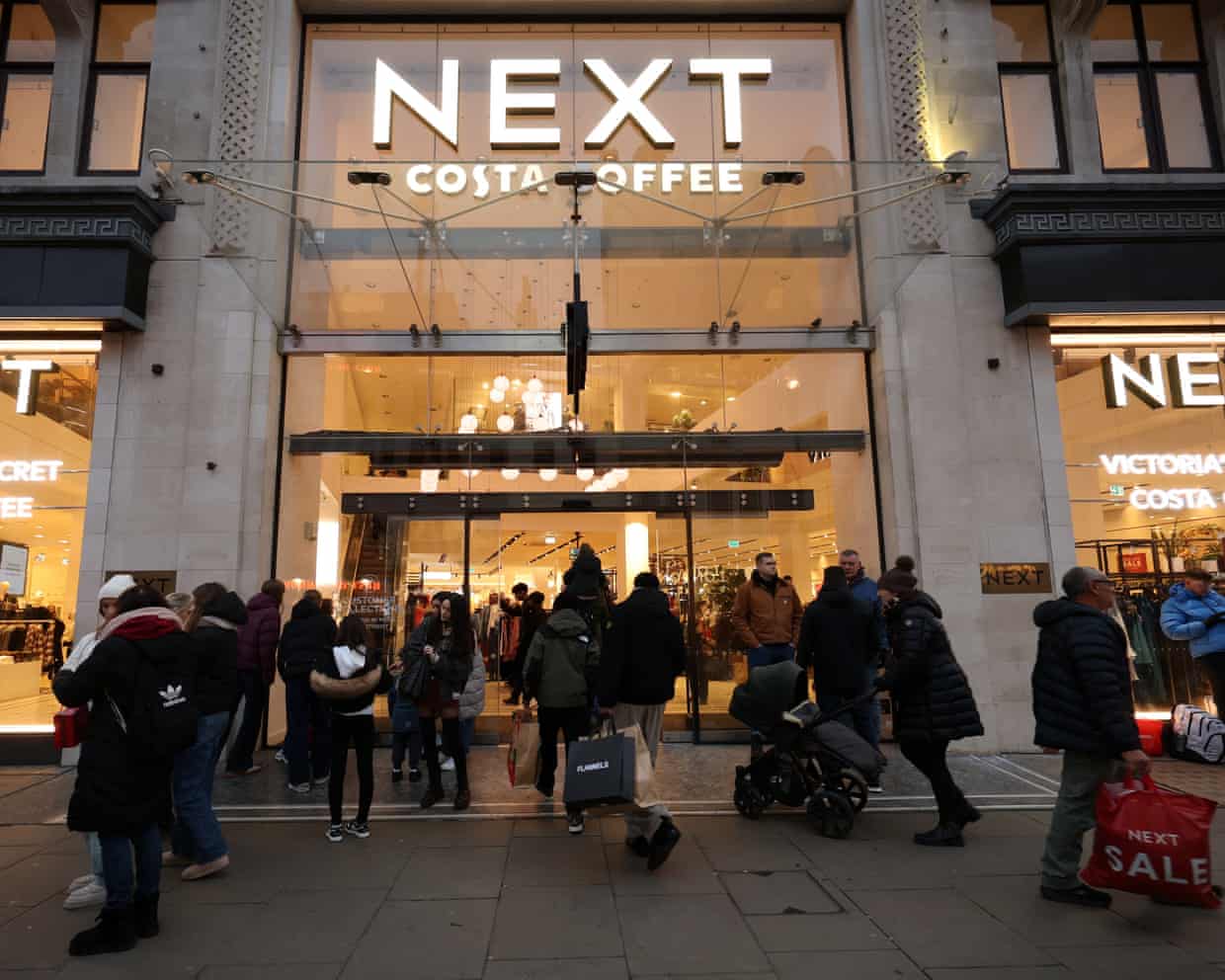
Next expects profits to top £1.1bn after bumper festive sales
The high street retailer Next expects its annual profits to top £1.1bn after it rang up much stronger sales than expected over Christmas – but it has warned that 2026 will be tougher amid “continuing pressures on UK employment”.The clothing and homewares retailer said it was improving annual profit forecasts by £15m, its fourth upgrade in eight months, after UK sales rose by 5.9% in the nine weeks to 27 December, far stronger than the 4.1% expected

In KemiWorld, might makes right. Just don’t mention Greenland | John Crace
The corporate greed that has ravaged the US has wrecked Britain too | Letters
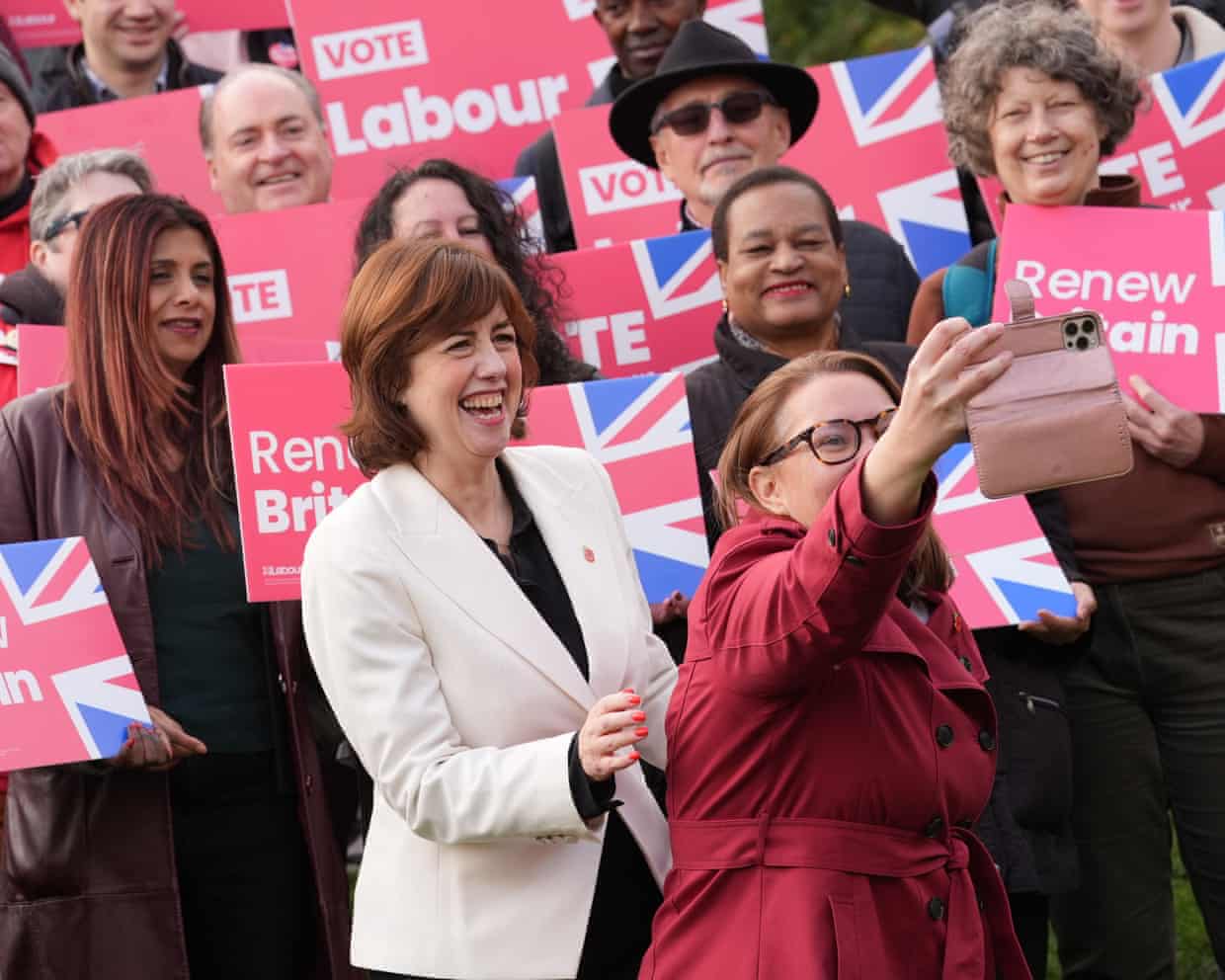
Labour to protect existing MPs above winning more seats at next election, deputy leader says
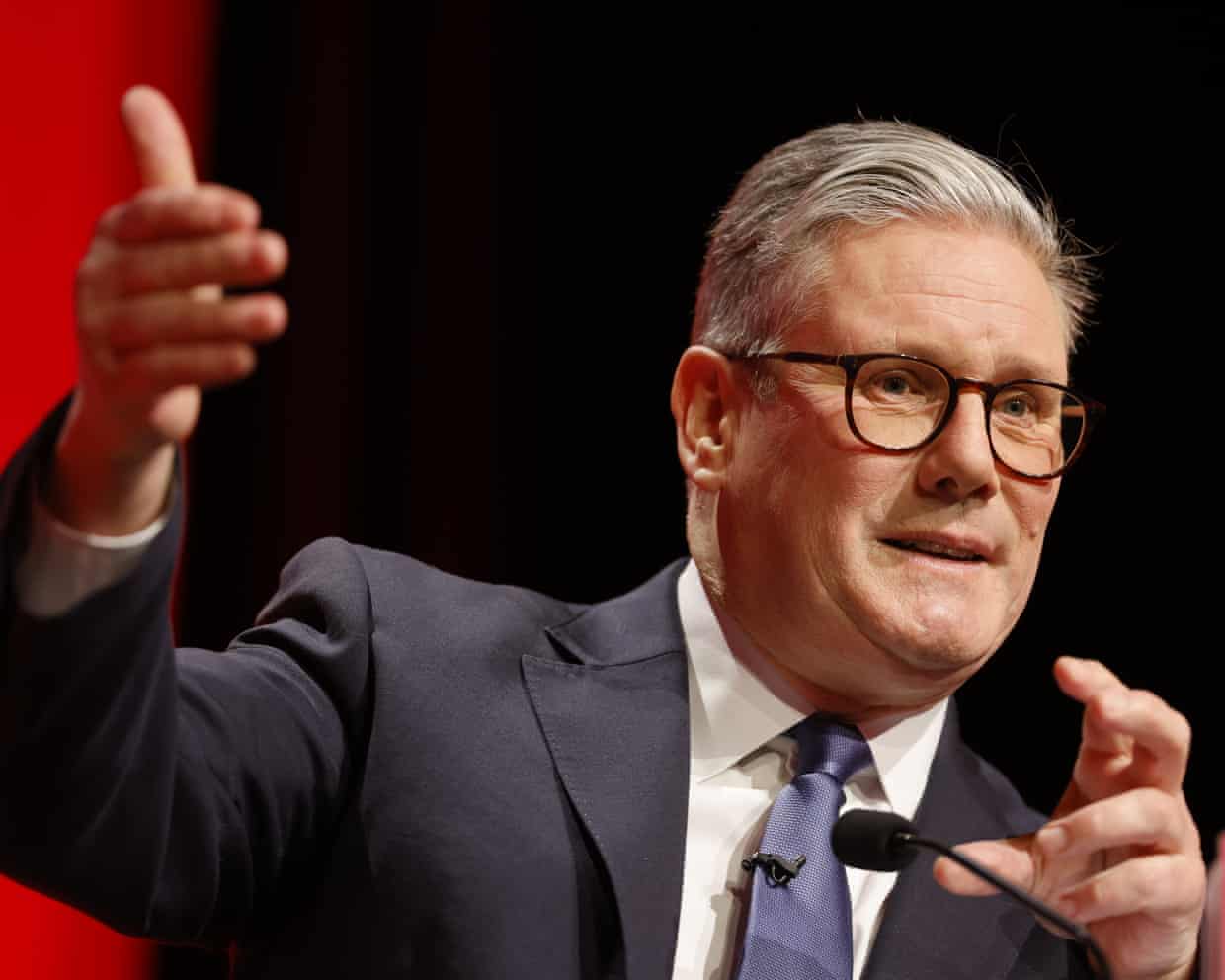
Starmer prepares for parliamentary battles over imminent EU ‘reset’ bill
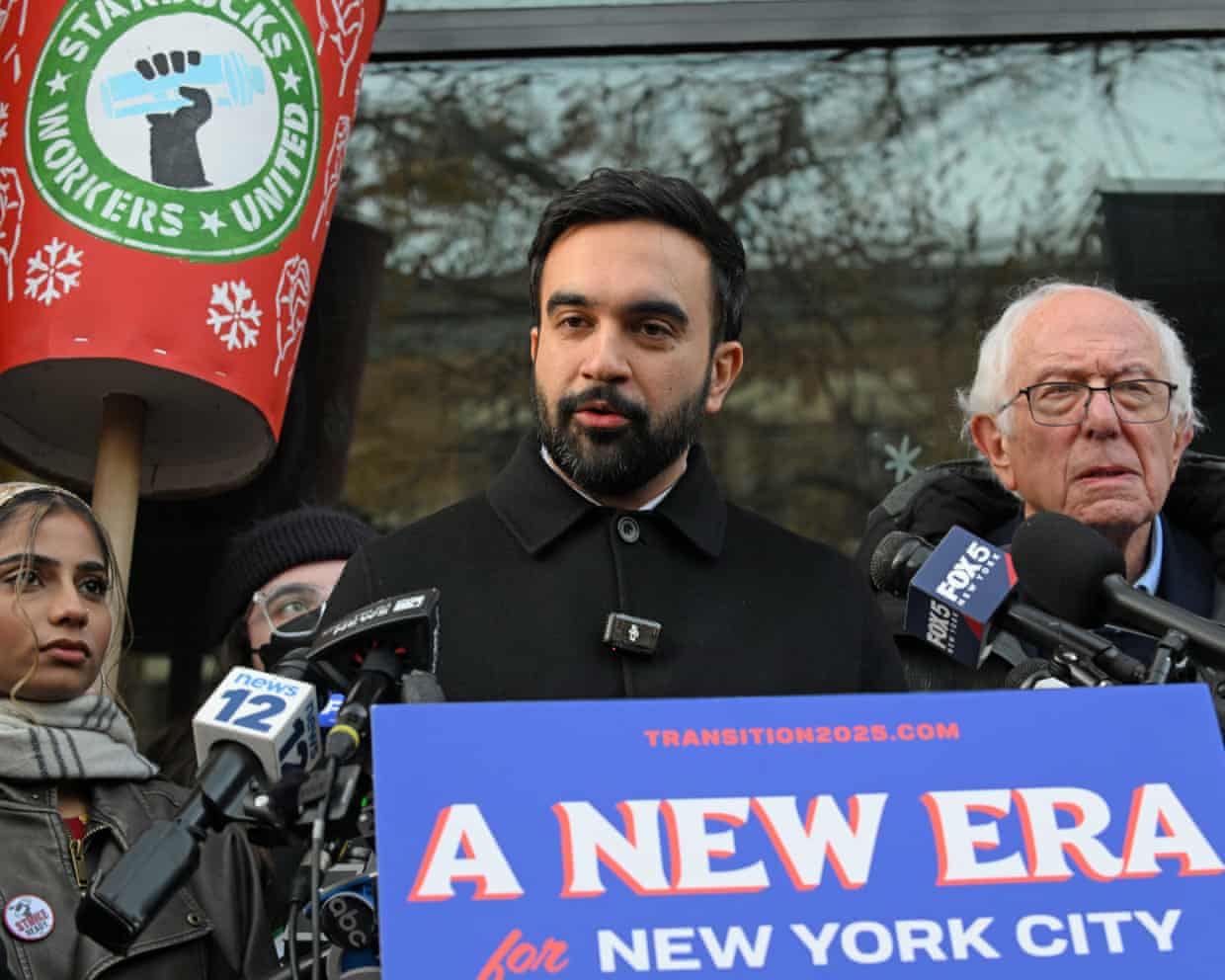
‘We have a new role’: mayors across the world increasingly taking on society’s biggest challenges
No 10 suggests UK would not vote for UN security council resolution condemning US arrest of Maduro – as it happened