NHS improves genetic testing for minority ethnic cancer patients
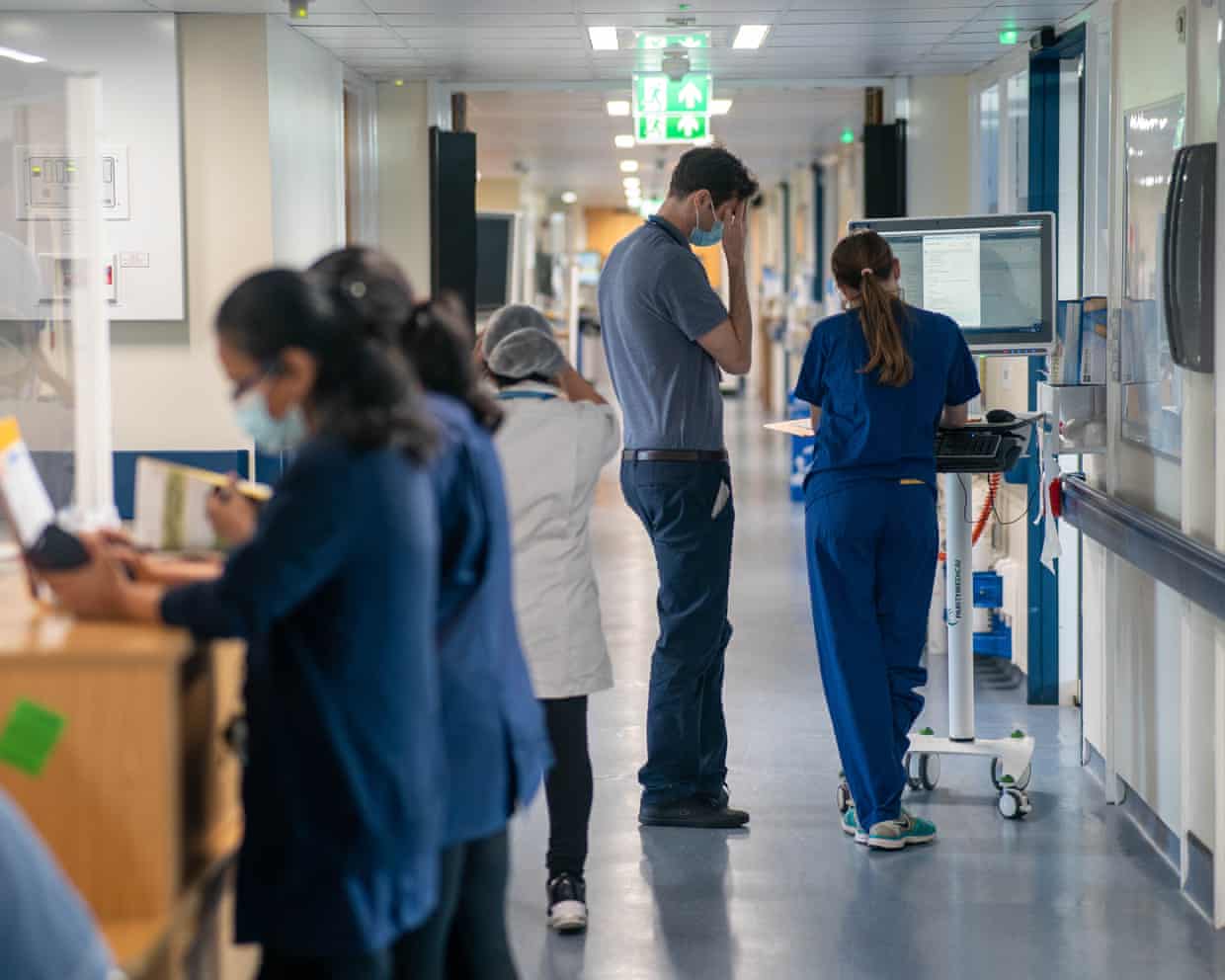
Thousands of cancer patients from minority ethnic backgrounds will have access to “groundbreaking” genetic testing on the NHS that previously discriminated against them.This routine form of genetic testing, used before chemotherapy treatment, could save the lives of Black and minority ethnic cancer patients who already face poorer health outcomes after diagnosis compared with their white counterparts.Before undergoing chemotherapy, cancer patients across England undergo genetic testing that can lead to changes in treatments to reduce the adverse side-effects chemotherapy can have, including mouth sores, hair loss, nausea and fatigue, and which can also be fatal.Up to 40% of the 38,000 patients treated with fluoropyrimidine-based chemotherapy in England will develop an adverse drug reaction to the treatment.Until last year, these genetic tests only looked for four types of DPYD gene variants, which are mainly found within the DNA of people from white European backgrounds.
Consequently, this genetic testing was less effective on Black cancer patients, leading them to be more likely to experience severe side-effects including death after chemotherapy.These genetic tests are now being offered by the NHS across England to include testing for a fifth DPYD genomic variant, which is more prevalent among people from Black and minority ethnic backgrounds.Before this fifth variant was introduced, Black cancer patients could falsely be given the all-clear on their chemotherapy dosage because the genetic test was never designed to find the variant they were carrying.Dr Veline L’Esperance, the senior clinical adviser at the NHS Race and Health Observatory, said that the introduction of these new genetic tests represents “tangible results for patients who have historically been left behind”.“Patients of African ancestry deserve the same standard of safety as everyone else, and now clinicians have the means to deliver it,” L’Esperance said.
“What makes this significant is that it moves the conversation about ethnic health inequality in cancer care from words to action.This is the first concrete, clinical response to the evidence that Black and ethnic minority patients were being failed by tests designed around white European genetics.”“The research that underpins cancer drug safety testing has historically been done on white patients.Variants more common in Black, African and minority ethnic communities have been studied far less which means the safety net has never been designed to catch everyone equally.”Since the test went live at Manchester University NHS Foundation Trust last September, three cancer patients from minority ethnic backgrounds have undergone this new genetic testing and consequently received altered starting doses of chemotherapy which reduced their risk of a potentially fatal reaction to the drugs.
Black and Asian cancer patients face various inequalities in regards to their health outcomes and care.Previous analysis has found that people from ethnic minority backgrounds wait longer for a cancer diagnosis than their white counterparts, require more visits to the GP before receiving a diagnosis, and also are less likely to feel they are receiving adequate support while receiving cancer treatment in hospital.Prof Habib Naqvi, the chief executive of the NHS Race and Health Observatory, said the introduction of the new genetic testing is a “groundbreaking outcome in the use of chemotherapy, which is already having a positive impact on patients’ lives.”Naqvi added: “Genomics and precision medicine are currently at the cutting edge of medical technology, promising a world in which treatments can be more targeted and effective.However, we also know that ethnic minority groups are under-represented in medical research and in genomic biobanks.
Research needs to be conducted with diverse populations – only then can medical advances benefit everyone,”Prof Dame Sue Hill, chief scientific officer for NHS England and senior responsible officer for NHS Genomics, said: “It is fantastic news that we have now discovered a fifth gene variant that allows chemotherapy to be personalised, helping us to deliver more tailored care and reduce harmful side effects, which could be lifesaving for cancer patients with this gene,“The North West NHS Genomic Medicine Service has already shown how this can improve treatment for patients of African ancestry, building on the NHS’s firm commitment to reducing race and health inequalities in cancer care, ensuring no patient is disadvantaged by lack of access or opportunity,”

Officials debate withholding Mandelson vetting documents from parliament
Exclusive: Opinions split on ‘unprecedented’ release of files, despite demand for ‘all papers’ related to ex-US ambassador’s appointmentRevealed: Mandelson failed vetting but Foreign Office overruled decisionFive key questions: who overruled decision to deny Mandelson security clearance?Senior government officials have been considering whether to withhold from parliament sensitive documents that show Peter Mandelson failed security vetting before he assumed the role of US ambassador, the Guardian can reveal.Any such decision could amount to an extraordinary breach of a parliamentary vote, known as a humble address, that ordered the release of “all papers” relevant to Mandelson’s appointment.The Guardian has revealed that Mandelson did not receive vetting clearance from security officials, but that their decision was overruled by the Foreign Office to ensure he could take up his post.According to multiple sources, officials across government have been in dispute over whether to release documents that would reveal those facts, and other information about Mandelson’s security vetting, to the parliamentary intelligence and security committee (ISC).The committee has been entrusted by parliament with the role of assessing the most sensitive papers relating to Mandelson’s appointment

Revealed: Mandelson failed vetting but Foreign Office overruled decision
Guardian investigation uncovers decision by UK security officials to deny clearance before Mandelson took up role as US ambassadorTop civil servant Olly Robbins forced out over vetting rowOfficials debate withholding Mandelson vetting documents from parliamentFive key questions: Who overruled the decision to deny Mandelson security clearance?Peter Mandelson failed his security vetting clearance but the decision was overruled by the Foreign Office to ensure he could take up his post as ambassador to the US, an investigation by the Guardian can reveal.According to multiple sources, Mandelson was initially denied clearance in late January 2025 after a developed vetting process, a highly confidential background check by security officials.Keir Starmer had by then announced he would be making Mandelson the UK’s chief diplomat in Washington, posing a dilemma for officials at the Foreign Office, who decided to use a rarely used authority to override the recommendation from security officials.Mandelson’s failure to secure vetting approval has not previously been publicly revealed, despite intense scrutiny over his appointment and the release by the government of 147 pages of documents supposed to shed light on the case.Downing Street released a statement late on Thursday confirming the Guardian’s story
A decade on from Brexit, Britain still flounders without a place in the world | Letters
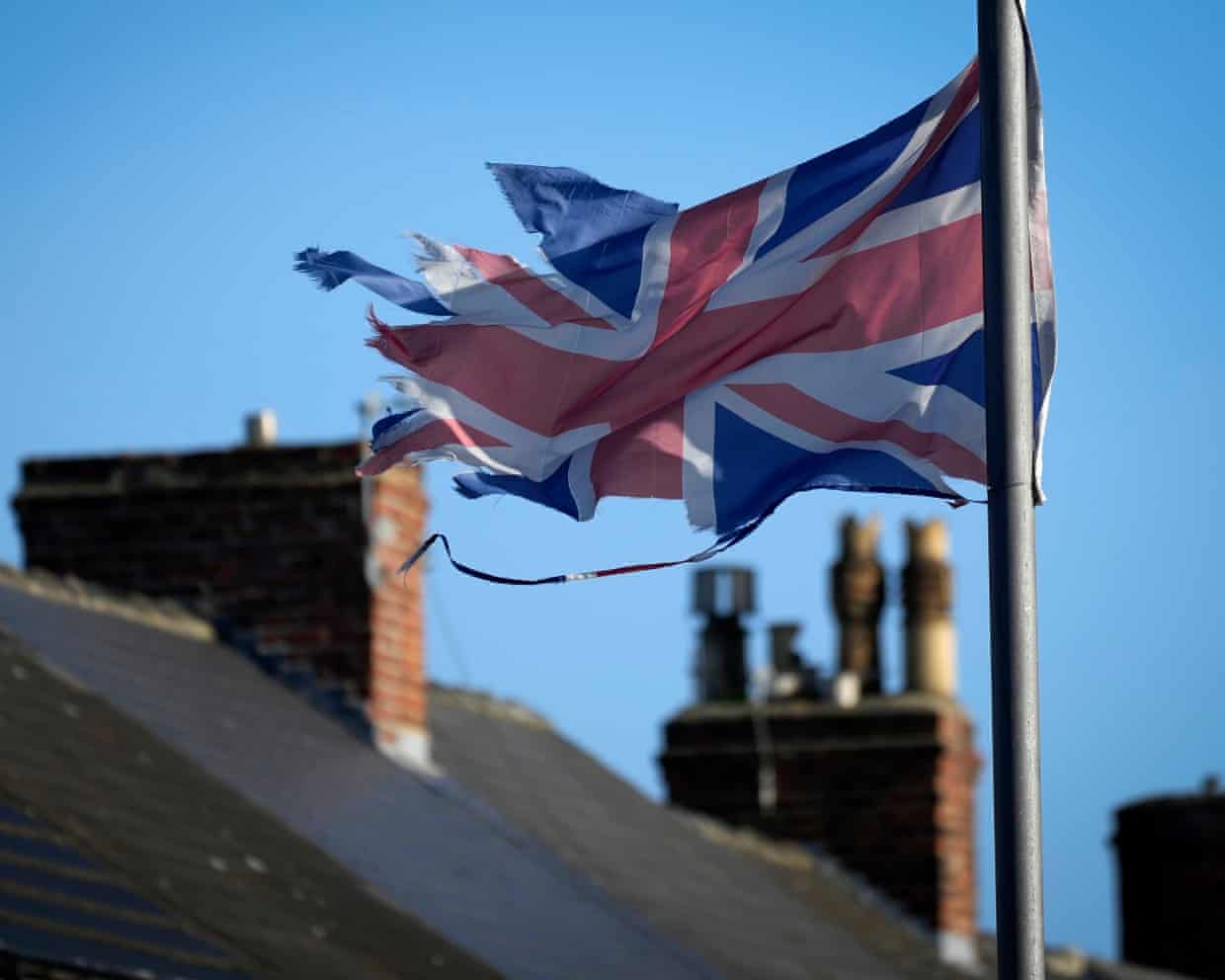
Perhaps the saddest consequence of Brexit is that it has left the UK a profoundly unhappy country (Ten years after Brexit, this is the UK: a divided nation frozen in time, 9 April). For Brexit supporters, the dream of a proud, independent Britain able to direct its own destiny in the world is nowhere near fulfilled, as if it ever could be. And they continue to grasp at the nearest proximate cause – an “invasion” of immigrants undermining British identity and draining its resources. For those who wished to remain, Brexit has left them unmoored from the security of membership of a grouping that gave them an identity and clear position in the world.Unfortunately, that unhappiness is now exacerbated by the state of the world outside the UK
SNP pledges to cap bread and milk prices if it wins Scotland’s parliamentary elections
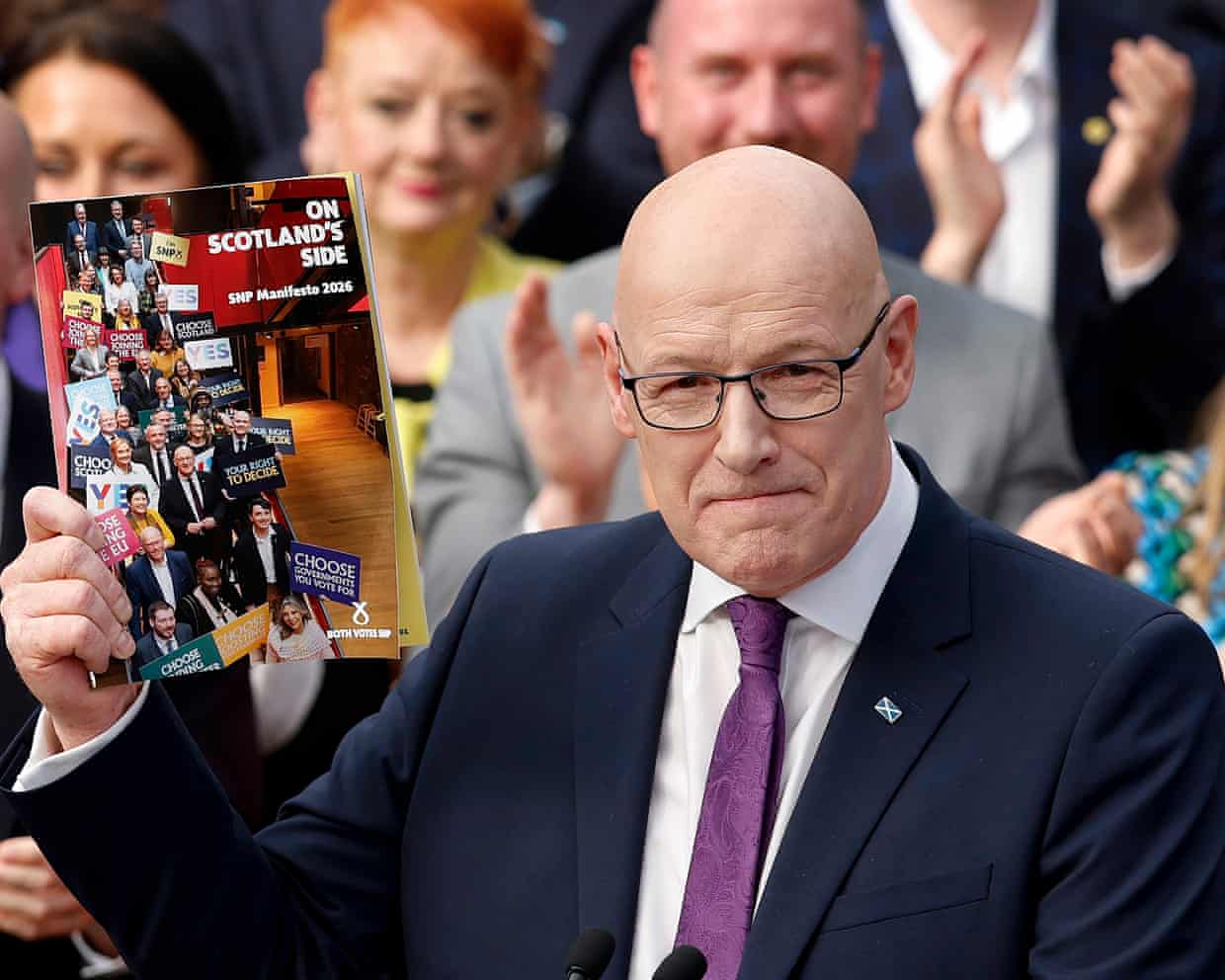
The SNP will cap supermarket prices for essential goods such as bread and milk if it retains power, John Swinney has pledged, after describing the cost of living as “the defining issue of this election”.With polls pointing to a fifth Holyrood term for the Scottish National party, its leader said he would use devolved public health powers to fix prices on 20 to 50 items such as bread, milk, cheese, eggs, rice and chicken because their rising cost was “impacting our nation’s nutrition”.The eye-catching pledge, made at the launch of the SNP manifesto for the Scottish parliament election, was immediately dismissed as a “potty gimmick” by retailers. It could also put the party on a collision course with the UK government because it may breach the Scotland Act of 1998 that created a devolved parliament.Ewan MacDonald-Russell, deputy head of the Scottish Retail Consortium, said supermarkets already paid significantly higher rates in Scotland, £162m more over the next three years than in England
CEO of bitcoin firm championed by Nigel Farage leaves company
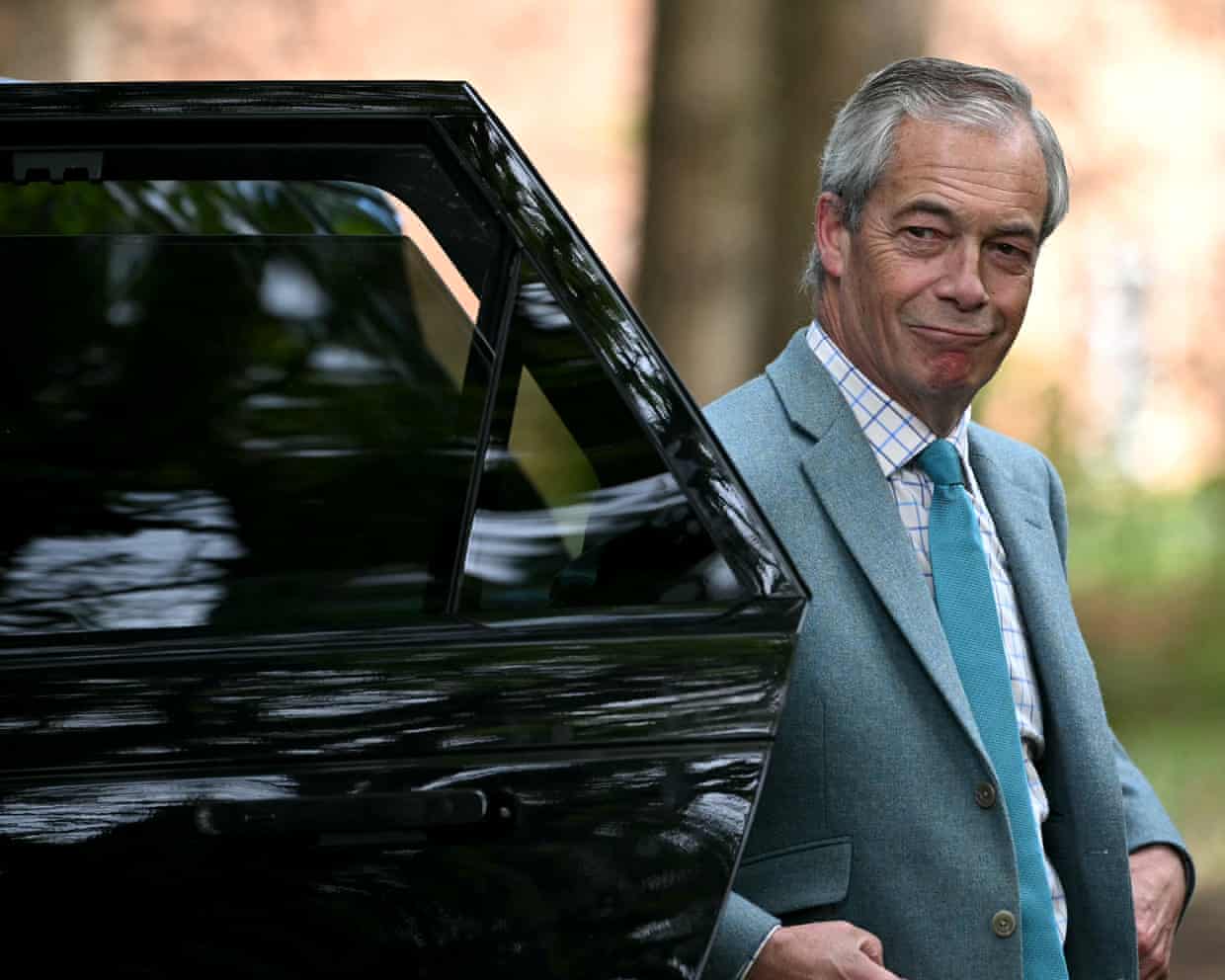
The chief executive of a bitcoin company promoted by Nigel Farage has left his role as the venture attempts to convince investors that it is going to deliver “long-term value” for shareholders.Stack BTC was launched to much fanfare in March this year, with Farage and former chancellor Kwasi Kwarteng becoming some of its first shareholders. The company says its founder is Paul Withers, a friend of the Reform UK leader who owns a gold bullion company that Farage has also promoted, Direct Bullion.However, Stack BTC is a renamed company which was founded in 2021 by Jai Patel, whose departure as chief executive was announced on Wednesday. The company, formerly called Kasei Investment Holdings, invested in cryptocurrency and a range of other digital assets
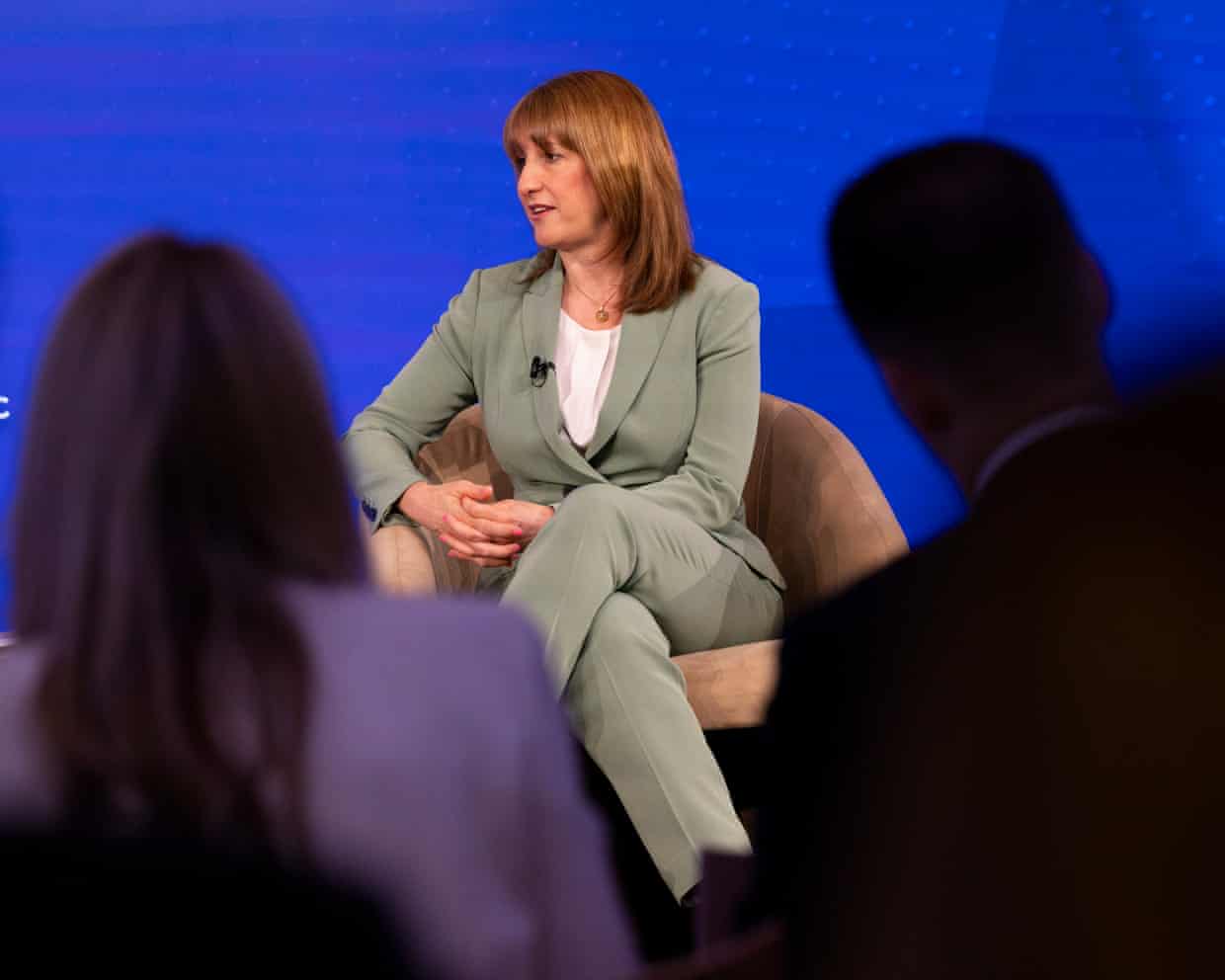
Reeves tells Americans Trump’s Iran war is a ‘mistake’
Rachel Reeves has stepped up her criticism of Donald Trump’s war on Iran, describing it as a “mistake” that has destabilised the global economy and damaged living standards around the world.In a marked fraying of the transatlantic relationship, the British chancellor said Trump breaking off from diplomatic talks with Iran and launching airstrikes seemed to have left the president in a worse place than he started.“I think it was a mistake to end those [talks with Iran] and to enter into conflict, because I’m not convinced that we are safer today than we were a few weeks ago,” she told an event in Washington.Taking aim at the White House on the president’s home turf, the chancellor’s comments added to blunt criticism of him she made just before flying out on Tuesday, when she expressed frustration at the “folly” of his decision to go to war without a clear exit plan.Speaking as she prepared to meet global finance ministers at this week’s spring meetings of the International Monetary Fund (IMF), Reeves said the war had hit living standards in the UK and the US

Trump threatens to fire Fed chair Jerome Powell amid pressure campaign

Norwegian group in talks to buy former Liberty Steel works in South Yorkshire
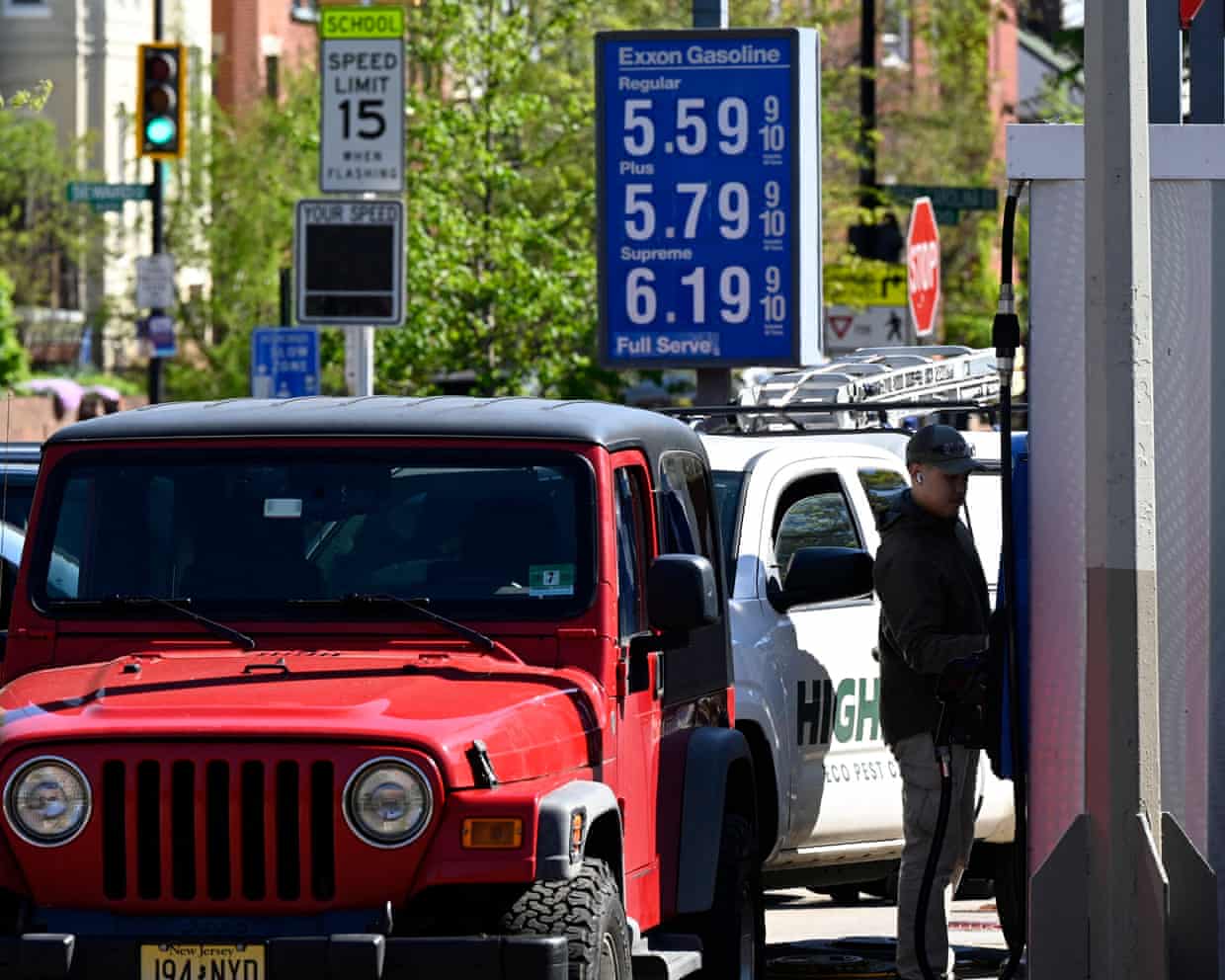
$30m an hour: big oil reaping huge war windfall from consumers, analysis finds
IMF chief Georgieva warns ‘everyone will feel the impact’ of energy price shock, as UK growth beats forecasts – as it happened

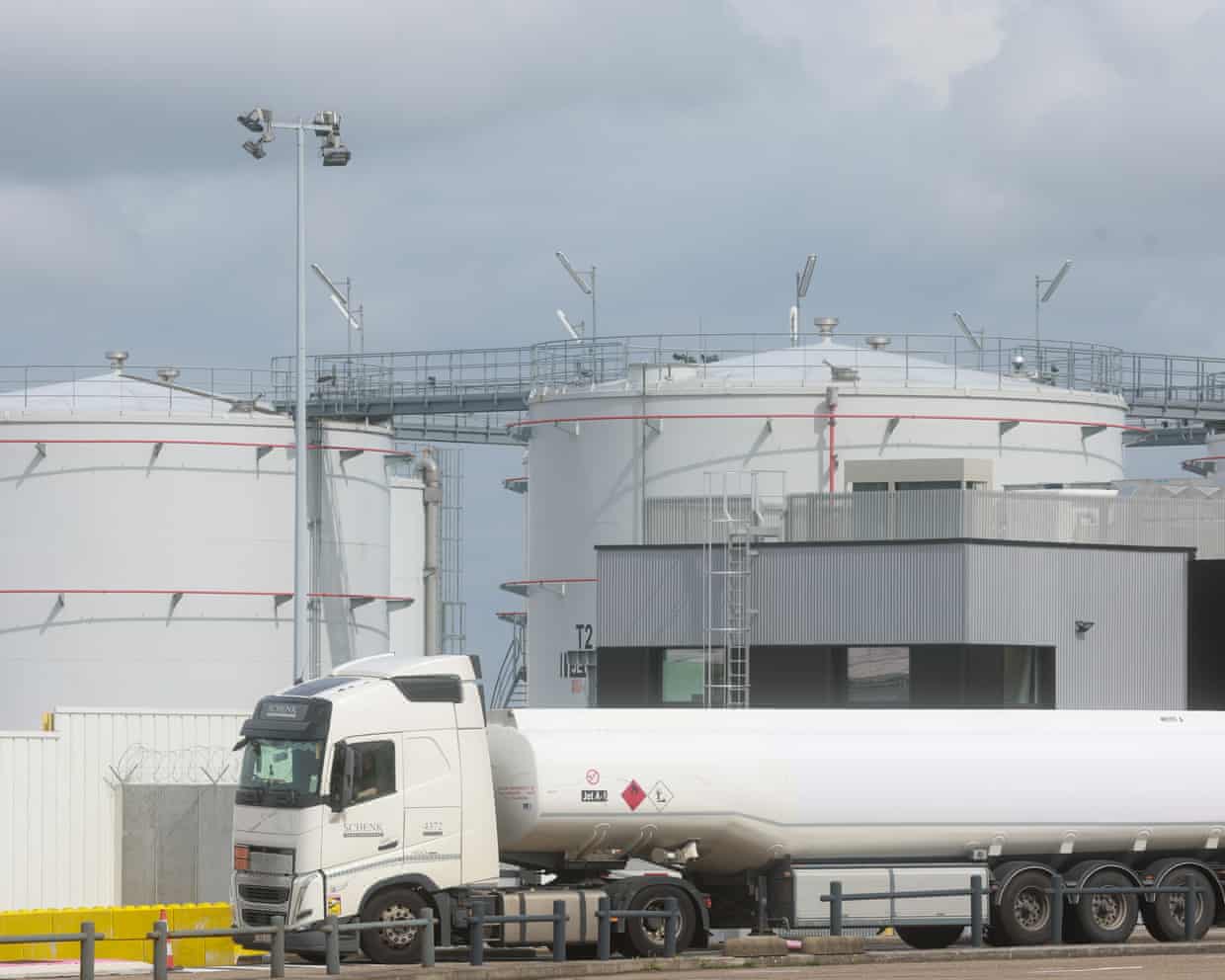
Europe has only six weeks’ supply of jet fuel left owing to Iran war, says energy chief
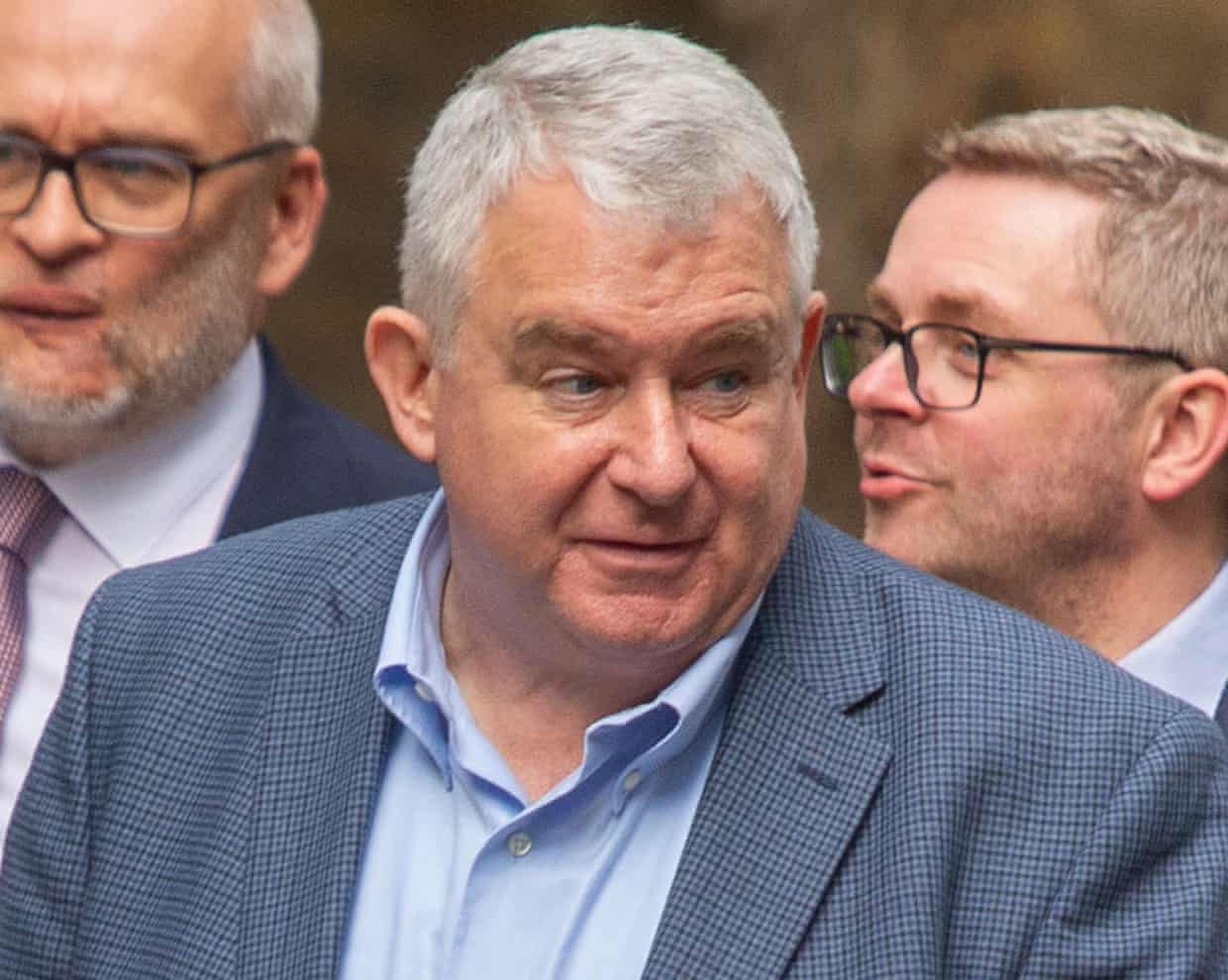
Metro Bank boss handed record £2.6m a year after slashing 1,000 jobs