Weighing up the risks and benefits of prostate cancer screening | Letters
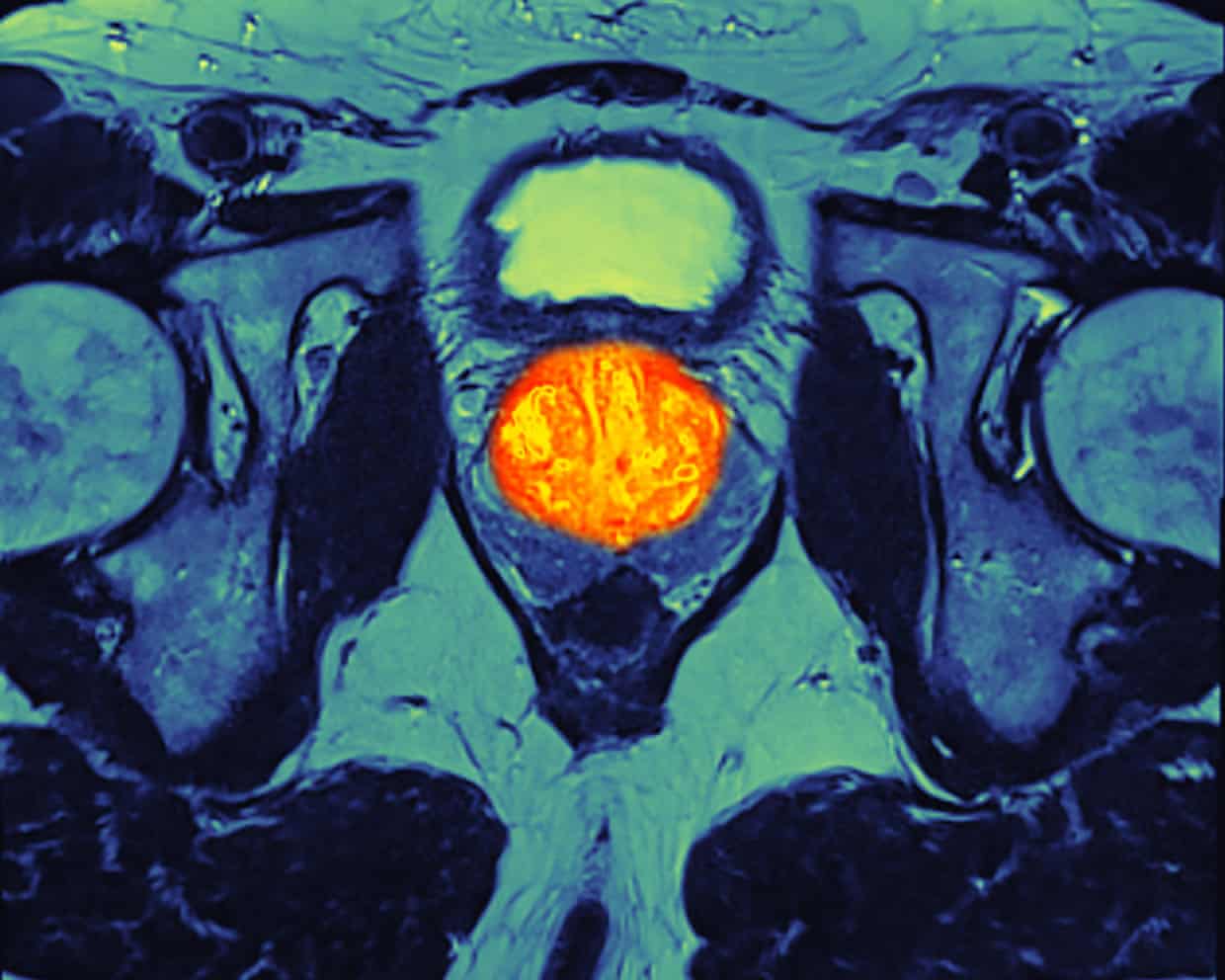
It is understandable for patients suffering from a late diagnosis of prostate cancer, or families who have lost loved ones, to demand that something should be done (Letters, 5 December),I, however, respect the UK National Screening Committee’s recommendation not to screen most men using the prostate specific antigen (PSA) test,The job of the committee was to weigh up the benefits and harms of any available test for routine screening,PSA testing, as a first step to diagnose cancer, results in false negatives and a significant number of false positives, meaning it has both low sensitivity and low specificity, making it a poor screening marker,PSA screening has been conducted in the US; there are varying estimates that, over three decades, it has resulted in more than 1 million patients receiving treatment (eg surgery or radiotherapy) they did not need.
Randomised trials are considered the gold standard in modern medicine.Approximations from the European Randomized Study of Screening for Prostate Cancer estimate that PSA-based screening prevents about 1.3 deaths from prostate cancer per 1,000 men screened over 13 years.This illustrates the problem of overdiagnosis of low-volume, low-risk cancers that would not cause patients harm.In addition to a huge psychological burden for patients, any treatment may be unnecessary and result in possible lifelong side-effects (such as incontinence and erectile dysfunction).
As difficult as it may seem, we should not settle for PSA tests for routine screening.We must redouble efforts to identify screening markers with high sensitivity and high specificity, and accelerate research into treatment for this terrible disease.Aamir AhmedLondon I deeply sympathise with your letter writer Pat Sharpe regarding the loss of her husband.However, as a retired consultant physician, I have always refused PSA testing.There is a naive belief that early detection and treatment improves outcomes.
For most cancers this is true, but sadly not so for prostate cancer.The best study I know of (Hamdy et al, New England Journal of Medicine, 2023) clearly shows that outcomes in terms of mortality are essentially identical whether patients are assigned to radical surgery, radiotherapy or simple observation.Few patients die in any group, and active treatment doesn’t influence this.However, radical treatment has frequent and horrible side-effects.Screening is only worthwhile if there is effective treatment.
This isn’t so for prostate cancer.Dr Graham SimpsonMelbourne, Australia Pat Sharpe’s letter resonates forcefully with my wife and me.I had always understood PSA testing to be little more than worthless.However, a year ago, I had to undergo routine blood tests and decided to ask the nurse to include a PSA test because of an interview I had heard on the radio that morning.I was 62, with no symptoms or reason to test.
I am so glad that I asked.I had an elevated PSA (6.4) and was swiftly diagnosed with high-risk, high-volume prostate cancer; fortunately it was still contained.I have had a prostatectomy, which brings its own consequences, but my wife and I can live with those.Had I continued in my ignorance, I wonder just how many more Christmases I would have enjoyed.
Adrian BellGosport, Hampshire I first showed a (slightly) elevated PSA level some 20 years ago in the course of an annual check-up.The consultant to whom I was referred explained that I could have a biopsy but that it carried a risk of erectile dysfunction and/or impotence.So, valuing my continence and sexual life, I declined.This set a pattern over the ensuing years of a gradually but consistently rising PSA.Eventually I had a multi-parametric MRI (mpMRI) and a number of other non-invasive tests, and I was advised that the likelihood of my having cancer was very low.
As I understand it, mpMRI is a far more accurate predictor than PSA.Why is it not used in routine screening? Men who, like me, do not want to undergo the painful and potentially damaging biopsy, might be much more likely to have the painless and safe mpMRI scan.David GollanczLondon Have an opinion on anything you’ve read in the Guardian today? Please email us your letter and it will be considered for publication in our letters section.

ICE is using smartwatches to track pregnant women, even during labor: ‘She was so afraid they would take her baby’
Pregnant immigrants in ICE monitoring programs are avoiding care, fearing detention during labor and deliveryIn early September, a woman, nine months pregnant, walked into the emergency obstetrics unit of a Colorado hospital. Though the labor and delivery staff caring for her expected her to have a smooth delivery, her case presented complications almost immediately.The woman, who was born in central Asia, checked into the hospital with a smartwatch on her wrist, said two hospital workers who cared for her during her labor, and whom the Guardian is not identifying to avoid exposing their hospital or patients to retaliation.The device was not an ordinary smartwatch made by Apple or Samsung, but a special type that US Immigration and Customs Enforcement (ICE) had mandated the woman wear at all times, allowing the agency to track her. The device was beeping when she entered the hospital, indicating she needed to charge it, and she worried that if the battery died, ICE agents would think she was trying to disappear, the hospital workers recalled

From ‘glacier aesthetic’ to ‘poetcore’: Pinterest predicts the visual trends of 2026 based on its search data
Next year, we’ll mostly be indulging in maximalist circus decor, working on our poetcore, hunting for the ethereal or eating cabbage in a bid for “individuality and self-preservation”, according to Pinterest.The organisation’s predictions for Australian trends in 2026 have landed, which – according to the platform used by interior decorators, fashion lovers and creatives of all stripes – includes 1980s, aliens, vampires and “forest magic”.Among the Pinterest 2026 trends report’s top 21 themes are “Afrohemian” decor (searches for the term are on the rise by baby boomers and Gen X); “glitchy glam” (asymmetric haircuts and mismatching nails); and “cool blue” (drinks, wedding dresses and makeup with a “glacier aesthetic”).Pinterest compared English-language search data from September 2024 to August 2025 with those of the year before and claims it has an 88% accuracy rate. More than 9 million Australians use Pinterest each month
UK police forces lobbied to use biased facial recognition technology
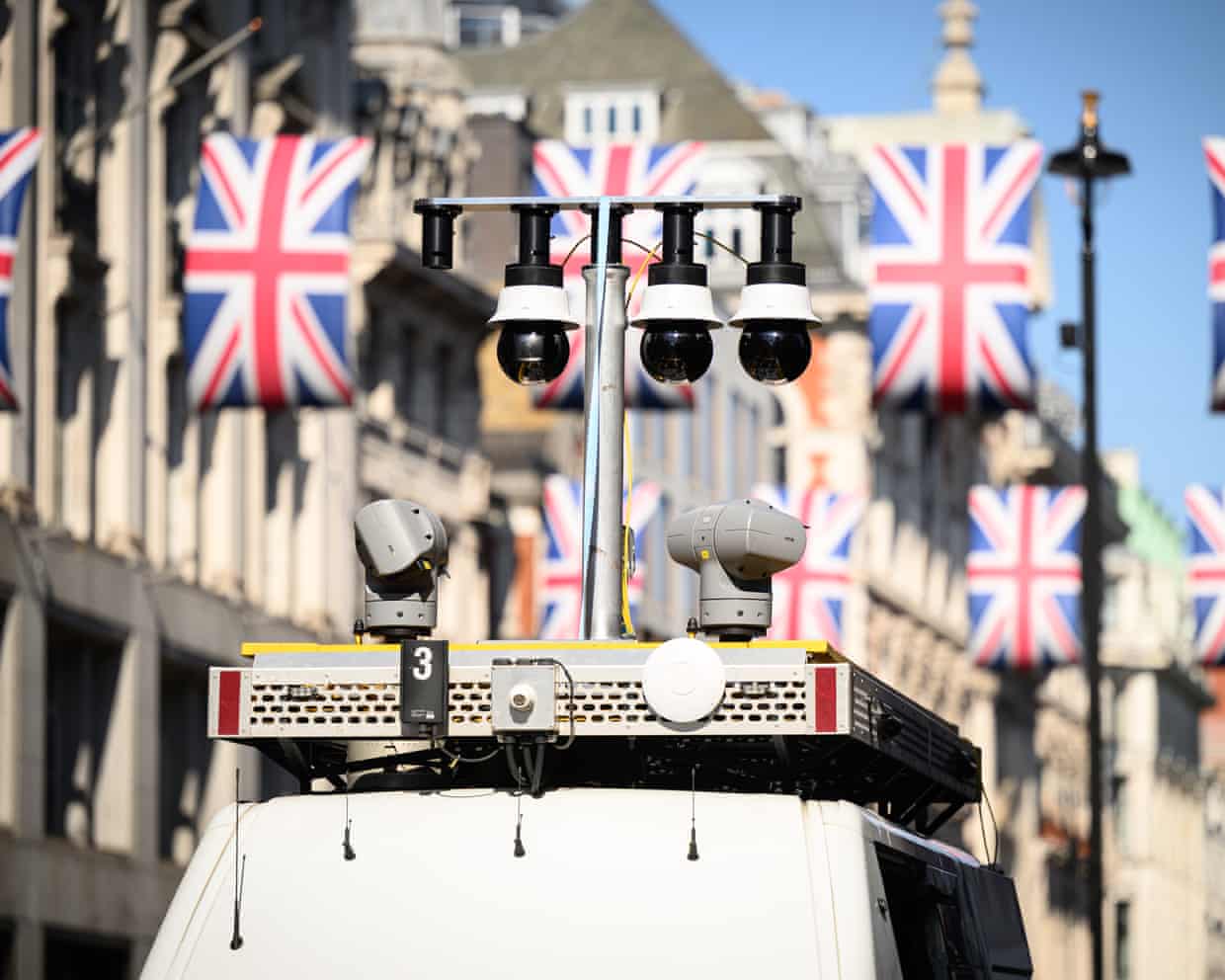
Police forces successfully lobbied to use a facial recognition system known to be biased against women, young people, and members of ethnic minority groups, after complaining that another version produced fewer potential suspects.UK forces use the police national database (PND) to conduct retrospective facial recognition searches, whereby a “probe image” of a suspect is compared to a database of more than 19 million custody photos for potential matches.The Home Office admitted last week that the technology was biased, after a review by the National Physical Laboratory (NPL) found it misidentified Black and Asian people and women at significantly higher rates than white men, and said it “had acted on the findings”.Documents seen by the Guardian and Liberty Investigates reveal that the bias has been known about for more than a year – and that police forces argued to overturn an initial decision designed to address it.Police bosses were told the system was biased in September 2024, after a Home Office-commissioned review by the NPL found the system was more likely to suggest incorrect matches for probe images depicting women, Black people, and those aged 40 and under

Trump clears way for Nvidia to sell powerful AI chips to China
Donald Trump has cleared the way for Nvidia to begin selling its powerful AI computer chips to China, marking a win for the chip maker and its CEO, Jensen Huang, who has spent months lobbying the White House to open up sales in the country.Before Monday’s announcement, the US had prohibited sales of Nvidia’s most advanced chips to China over national security concerns.Trump posted to Truth Social on Monday: “I have informed President Xi, of China, that the United States will allow NVIDIA to ship its H200 products to approved customers in China, and other Countries, under conditions that allow for continued strong National Security. President Xi responded positively!”Trump said the Department of Commerce was finalising the details and that he was planning to make the same offer to other chip companies, including Advanced Micro Devices (AMD) and Intel. Nvidia’s H200 chips are the company’s second most powerful, and far more advanced than the H20, which was originally designed as a lower-powered model for the Chinese market that would not breach restrictions, but which the US banned anyway in April

AI researchers are to blame for serving up slop | Letter
I’m not surprised to read that the field of artificial intelligence research is complaining about being overwhelmed by the very slop that it has pioneered (Artificial intelligence research has a slop problem, academics say: ‘It’s a mess’, 6 December). But this is a bit like bears getting indignant about all the shit in the woods.It serves AI researchers right for the irresponsible innovations that they’ve unleashed on the world, without ever bothering to ask the rest of us whether we wanted it.But what about the rest of us? The problem is not restricted to AI research – their slop generators have flooded other disciplines that bear no blame for this revolution. As a peer reviewer for top ethics journals, I’ve had to point out that submissions are AI-generated slop

EU opens investigation into Google’s use of online content for AI models
The EU has opened an investigation to assess whether Google is breaching European competition rules in its use of online content from publishers and YouTube creators for artificial intelligence.The European Commission said on Tuesday it would examine whether the US tech company, which runs the Gemini AI model and is owned by Alphabet, was putting rival AI owners at a “disadvantage”.The commission said: “The investigation will notably examine whether Google is distorting competition by imposing unfair terms and conditions on publishers and content creators, or by granting itself privileged access to such content, thereby placing developers of rival AI models at a disadvantage.”It said it was concerned that Google may have used content from web publishers to generate AI-powered services on its search results pages without appropriate compensation to publishers and without offering them the possibility to refuse such use of their content.The commission said it was also concerned as to whether Google had used content uploaded to YouTube to train its own generative AI models without offering creators compensation or the possibility to refuse

UK politics: No 10 brushes off claims Streeting’s criticism of ‘technocratic approach’ refers to Starmer –as it happened

Trump wants to destabilise European democracy. Where on earth is parliament? | John Crace

US engaging in ‘extreme rightwing tropes’ reminiscent of 1930s, British MPs warn

UK denies Milei’s claim of talks over Falklands-era ban on Argentina arms sales

Sajid Javid told Boris Johnson he was Dominic Cummings’ ‘puppet’

Keir’s performance in PMQs panto sets bar low enough for Kemi to stay as Tory leader | John Crace