Does the NHS trans doctor ruling mean there is no bathroom ban?
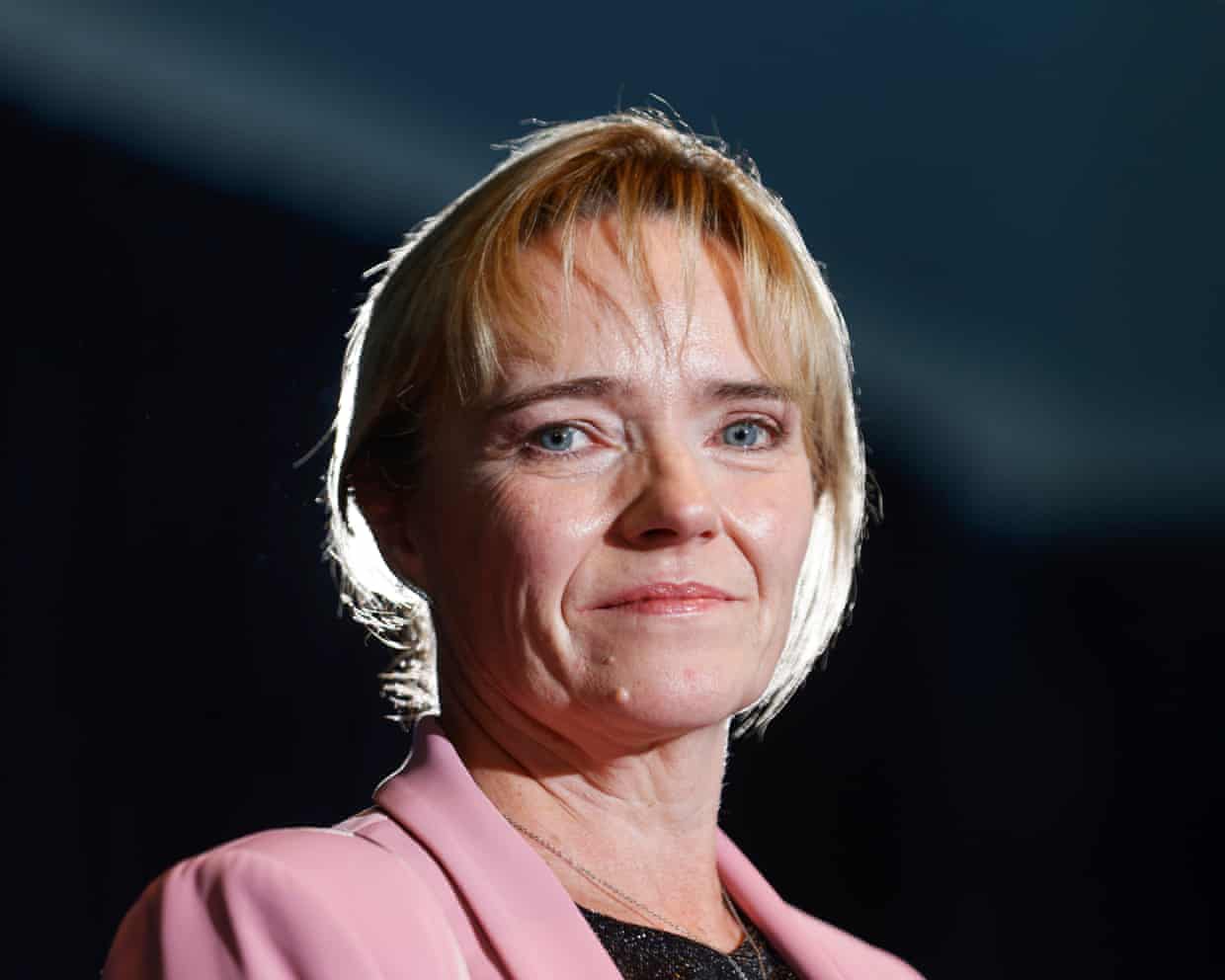
On Monday, a Dundee employment tribunal ruled a narrow win for Sandie Peggie, the nurse who complained about sharing a changing room with a transgender doctor.But the lengthy judgment also takes on the pivotal question that has been challenging employers, lawyers and campaign groups since April – does a supreme court judgment mean that transgender people must now be excluded from same-sex facilities that align with their chosen gender? Does it amount to a bathroom ban or not?The supreme court ruled earlier this year that the legal definition of a woman is based on biological sex.Interim advice released by the Equality and Human Rights Commission soon after the judgment in effect banned trans people from using facilities according to their lived gender, and its official guidance is expected to closely reflect that advice.But the Peggie ruling concluded that the supreme court judgment did not make it inherently unlawful for a trans female, who is biologically male under the Equalities Act, to be given permission to use a female changing room at work.And a week earlier, another employment tribunal reached a similar conclusion, ruling in favour of the trans-inclusive toilets policy at aerospace firm Leonardo UK’s office in Edinburgh.
Equalities law experts are quick to point out that both these rulings are first-instance cases, so they do not set a binding precedent.Maria Kelly, who brought the Leonardo action, is appealing and on Thursday Peggie will set out her next steps at a press conference.As is typical of this highly contested territory, immediate reactions diverge sharply: Sex Matters, the gender-critical campaign group that assisted Peggie at the start of her case, condemned the rulings as fundamentally misunderstanding the law.Stonewall’s Simon Blake argued they made clear that a blanket ban on all trans women from women’s toilets and changing rooms “will not necessarily hold up in court.”.
Trans support groups say the rulings offer “a small glimmer of hope that the tide of exclusion after the supreme court decision might be turning”, but acknowledge this doesn’t counter the broader effect of relentless litigation,Writing for Guardian Opinion earlier this week, Jess O’Thomson of the Good Law Project argued that recent decisions by Girlguiding and the Women’s Institute to exclude trans women were the result of “lobbying and legal threats” from groups “pressuring organisations on the basis that the case is closed, and exclusion is now legally required – when that is far from the case”,“Ultimately, we’re going to need a higher court to make some rulings regarding toilets and changing rooms, because they seem to be the big clash issue,For the people at the centre of the case it is more years of stress,” said Audrey Ludwig, equality lawyer and trainer who believes the supreme court “essentially confirmed what the law should have been since 2010 when the Equality Act was passed”,But it is not unusual, says equalities specialist Melanie Field, to see “a flurry of litigation seeking to firm up what these things mean in practice” when new provisions are introduced or there’s a significant clarification as happened with the supreme court.
“Much of equality law is drawn in terms of broad principles,” says Field, who played a key role in drafting the Equality Act and has previously argued the supreme court’s ruling contradicted the act’s original intentions.“So it’s not unusual for cases to arise and the courts to put more flesh on the bones of those broad principles and how they apply in different situations.”Nonetheless, Field says it is “encouraging” to see tribunals take “a balanced and nuanced approach that is very dependent on the individual circumstances”.And where does that leave women like Kelly or Peggie who don’t want to use a trans-inclusive facility? “The menstruation issue really hasn’t been adequately addressed,” says Ludwig.On the night of the confrontation between Peggie and her trans colleague Beth Upton, the nurse explained in evidence that she had a heavy period and went to change her clothes, fearing she had bled through her scrubs.
“The different female and male experience of undressing and toileting goes to the heart of why we have separate female and male changing rooms and toilets in the first place.To understand what constitutes harassment, what privacy and dignity mean in practice, you have to understand why women might not want to get undressed in front of [biological] males they don’t know.”Field says the tribunal recognised Peggie’s gender-critical belief “was one that she was entitled to hold and she shouldn’t be discriminated against for holding it, but there are boundaries on how beliefs should be expressed in the workplace”.In practice, said the judgment, this meant speaking to her manager about her concerns, and changing shift patterns, not confronting Upton herself.But the ruling was also clear about the responsibilities of employers – it set out how ineptly NHS Fife handled Peggie’s concerns, which were “brushed off’ when earlier intervention could have prevented the row escalating.
Many businesses are still waiting for the final guidance from the EHRC before making definitive changes, and firms that moved early to exclude trans people show no sign of backtracking.Ludwig says she is seeing more and more organisations recognising the need for “legally defensible policies, not just blanket declarations that they’re going to ignore the ruling”.The Co-op, one major business that has stated it intends to remain trans-inclusive, welcomed the recent rulings “which help clarify what does – and importantly what does not – constitute harassment in this space” and hopes it will inform the forthcoming EHRC guidance.“The general lesson for employees is to exercise some tolerance towards each other, and for employers to remain scrupulously impartial between employees when disputes arise,” says Georgina Calvert-Lee, an employment and equality barrister at Bellevue Law.But the ruling leaves employers to carry out “a balancing act”, she adds, “in which they weigh up various factors in order to decide what is a fair approach.
“Some of these factors are easy enough for employers to ascertain: the facilities options available in the physical space, whether any complaints have been made or opinions expressed by staff.But others are more problematic: the extent to which the trans person has changed physiological attributes of sex; how the trans person appears to others.This balancing act itself risks creating a minefield for the employer, which will have to be trodden very carefully.”
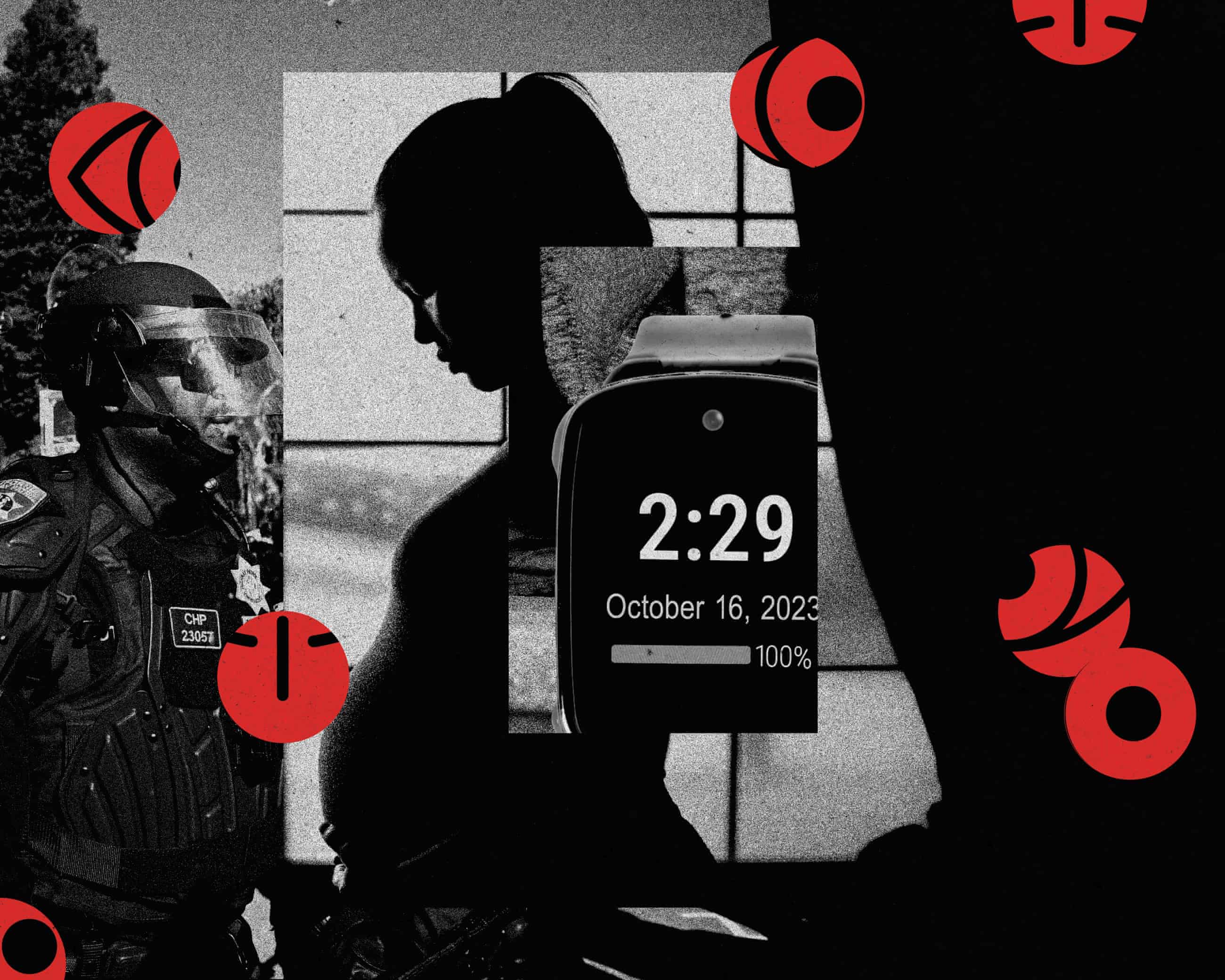
ICE is using smartwatches to track pregnant women, even during labor: ‘She was so afraid they would take her baby’
Pregnant immigrants in ICE monitoring programs are avoiding care, fearing detention during labor and deliveryIn early September, a woman, nine months pregnant, walked into the emergency obstetrics unit of a Colorado hospital. Though the labor and delivery staff caring for her expected her to have a smooth delivery, her case presented complications almost immediately.The woman, who was born in central Asia, checked into the hospital with a smartwatch on her wrist, said two hospital workers who cared for her during her labor, and whom the Guardian is not identifying to avoid exposing their hospital or patients to retaliation.The device was not an ordinary smartwatch made by Apple or Samsung, but a special type that US Immigration and Customs Enforcement (ICE) had mandated the woman wear at all times, allowing the agency to track her. The device was beeping when she entered the hospital, indicating she needed to charge it, and she worried that if the battery died, ICE agents would think she was trying to disappear, the hospital workers recalled
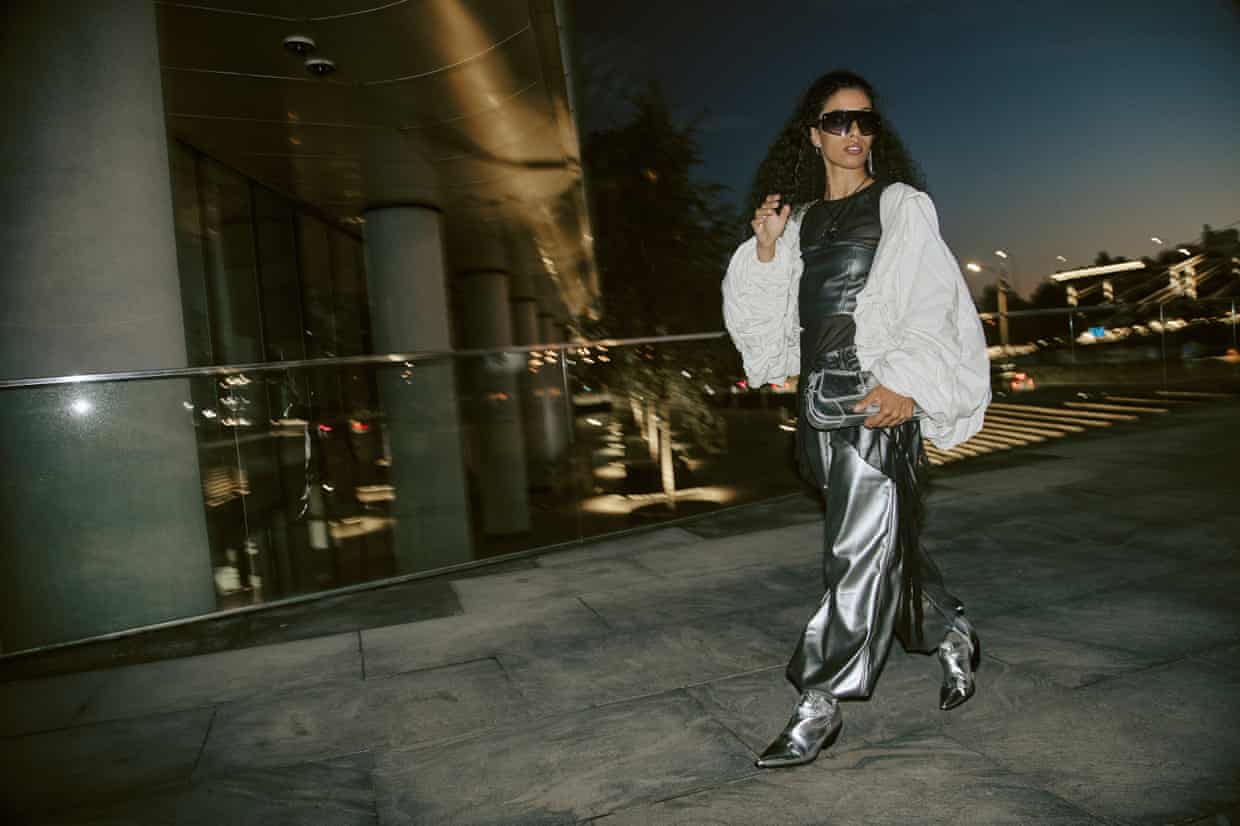
From ‘glacier aesthetic’ to ‘poetcore’: Pinterest predicts the visual trends of 2026 based on its search data
Next year, we’ll mostly be indulging in maximalist circus decor, working on our poetcore, hunting for the ethereal or eating cabbage in a bid for “individuality and self-preservation”, according to Pinterest.The organisation’s predictions for Australian trends in 2026 have landed, which – according to the platform used by interior decorators, fashion lovers and creatives of all stripes – includes 1980s, aliens, vampires and “forest magic”.Among the Pinterest 2026 trends report’s top 21 themes are “Afrohemian” decor (searches for the term are on the rise by baby boomers and Gen X); “glitchy glam” (asymmetric haircuts and mismatching nails); and “cool blue” (drinks, wedding dresses and makeup with a “glacier aesthetic”).Pinterest compared English-language search data from September 2024 to August 2025 with those of the year before and claims it has an 88% accuracy rate. More than 9 million Australians use Pinterest each month
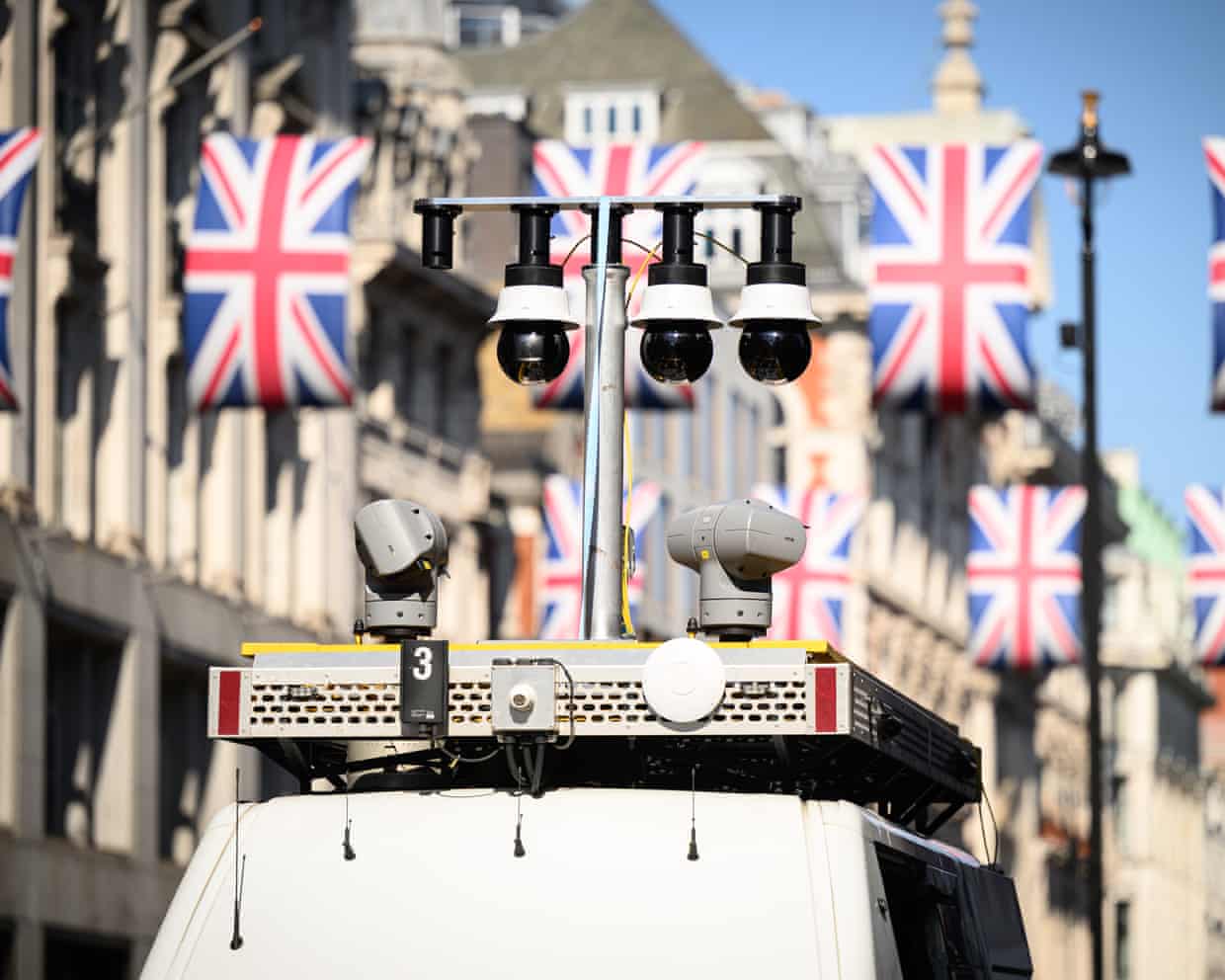
UK police forces lobbied to use biased facial recognition technology
Police forces successfully lobbied to use a facial recognition system known to be biased against women, young people, and members of ethnic minority groups, after complaining that another version produced fewer potential suspects.UK forces use the police national database (PND) to conduct retrospective facial recognition searches, whereby a “probe image” of a suspect is compared to a database of more than 19 million custody photos for potential matches.The Home Office admitted last week that the technology was biased, after a review by the National Physical Laboratory (NPL) found it misidentified Black and Asian people and women at significantly higher rates than white men, and said it “had acted on the findings”.Documents seen by the Guardian and Liberty Investigates reveal that the bias has been known about for more than a year – and that police forces argued to overturn an initial decision designed to address it.Police bosses were told the system was biased in September 2024, after a Home Office-commissioned review by the NPL found the system was more likely to suggest incorrect matches for probe images depicting women, Black people, and those aged 40 and under

Trump clears way for Nvidia to sell powerful AI chips to China
Donald Trump has cleared the way for Nvidia to begin selling its powerful AI computer chips to China, marking a win for the chip maker and its CEO, Jensen Huang, who has spent months lobbying the White House to open up sales in the country.Before Monday’s announcement, the US had prohibited sales of Nvidia’s most advanced chips to China over national security concerns.Trump posted to Truth Social on Monday: “I have informed President Xi, of China, that the United States will allow NVIDIA to ship its H200 products to approved customers in China, and other Countries, under conditions that allow for continued strong National Security. President Xi responded positively!”Trump said the Department of Commerce was finalising the details and that he was planning to make the same offer to other chip companies, including Advanced Micro Devices (AMD) and Intel. Nvidia’s H200 chips are the company’s second most powerful, and far more advanced than the H20, which was originally designed as a lower-powered model for the Chinese market that would not breach restrictions, but which the US banned anyway in April

AI researchers are to blame for serving up slop | Letter
I’m not surprised to read that the field of artificial intelligence research is complaining about being overwhelmed by the very slop that it has pioneered (Artificial intelligence research has a slop problem, academics say: ‘It’s a mess’, 6 December). But this is a bit like bears getting indignant about all the shit in the woods.It serves AI researchers right for the irresponsible innovations that they’ve unleashed on the world, without ever bothering to ask the rest of us whether we wanted it.But what about the rest of us? The problem is not restricted to AI research – their slop generators have flooded other disciplines that bear no blame for this revolution. As a peer reviewer for top ethics journals, I’ve had to point out that submissions are AI-generated slop
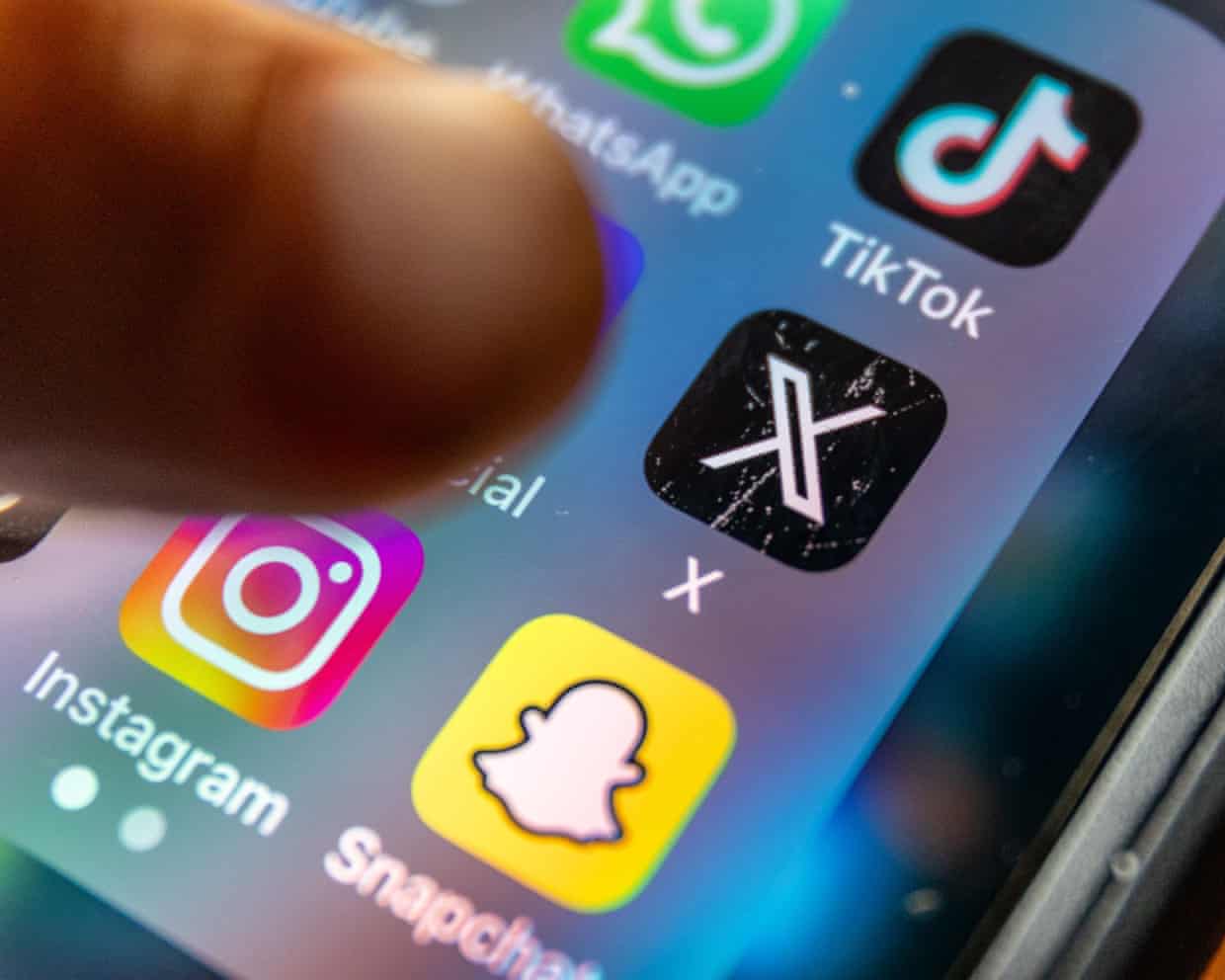
Australia launches a social media ban – and is AI a bubble about to pop?
Hello, and welcome to TechScape. I’m your host, Blake Montgomery, writing to you from a New York City that feels much colder than last December. 🥶In a world first, Australia implemented a ban on social media use for people under 16. It’s the first country to take such a far-reaching measure. Starting on 10 December, children and teens under 16 will not be allowed to use social media in Australia
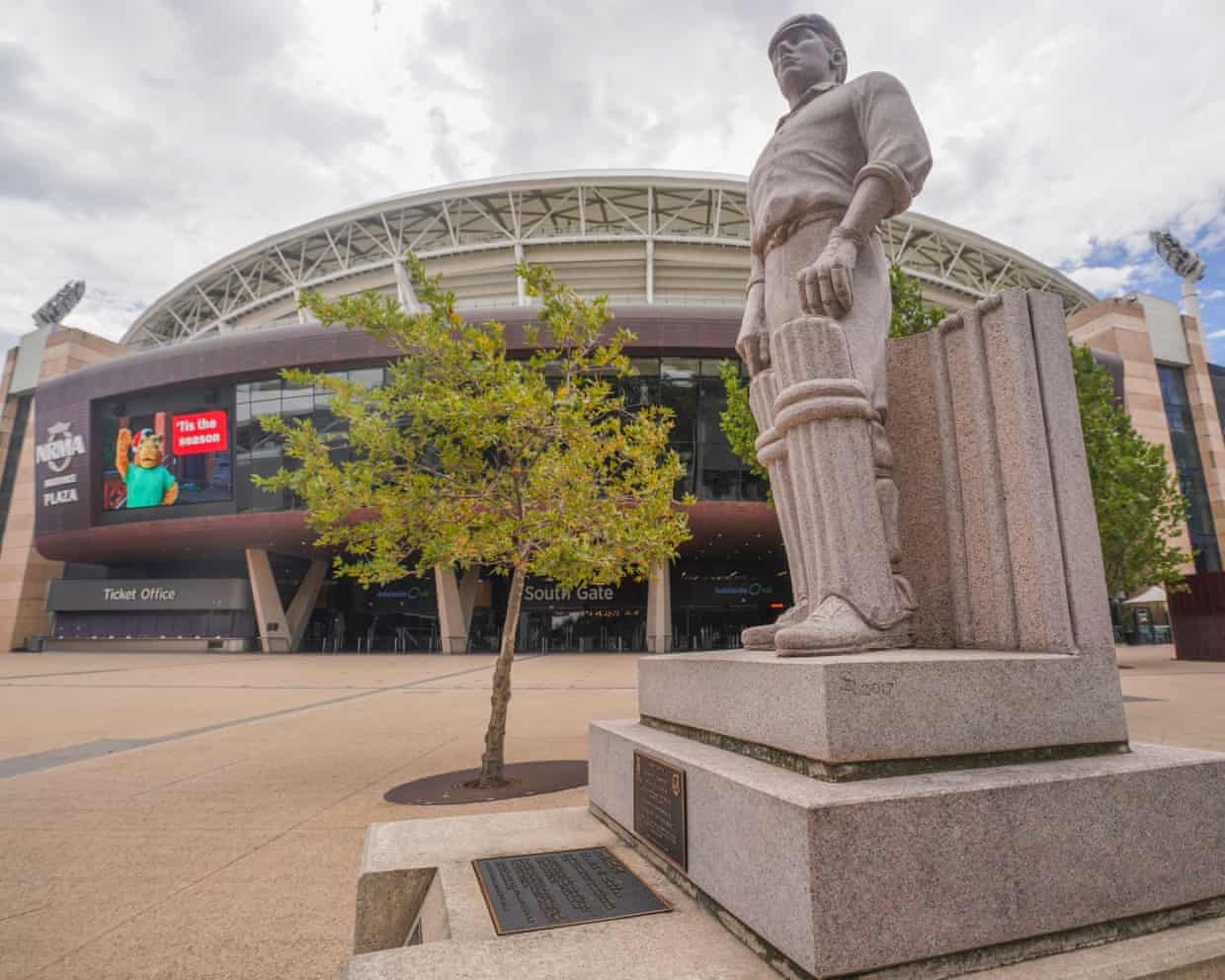
Records, revenge and rollercoasters: three tales from Adelaide Oval’s rich history

Epsom reveals £6m, five-year plan to revive flagging fortunes of the Derby

Lindsey Vonn continues remarkable comeback with World Cup ski victory at 41
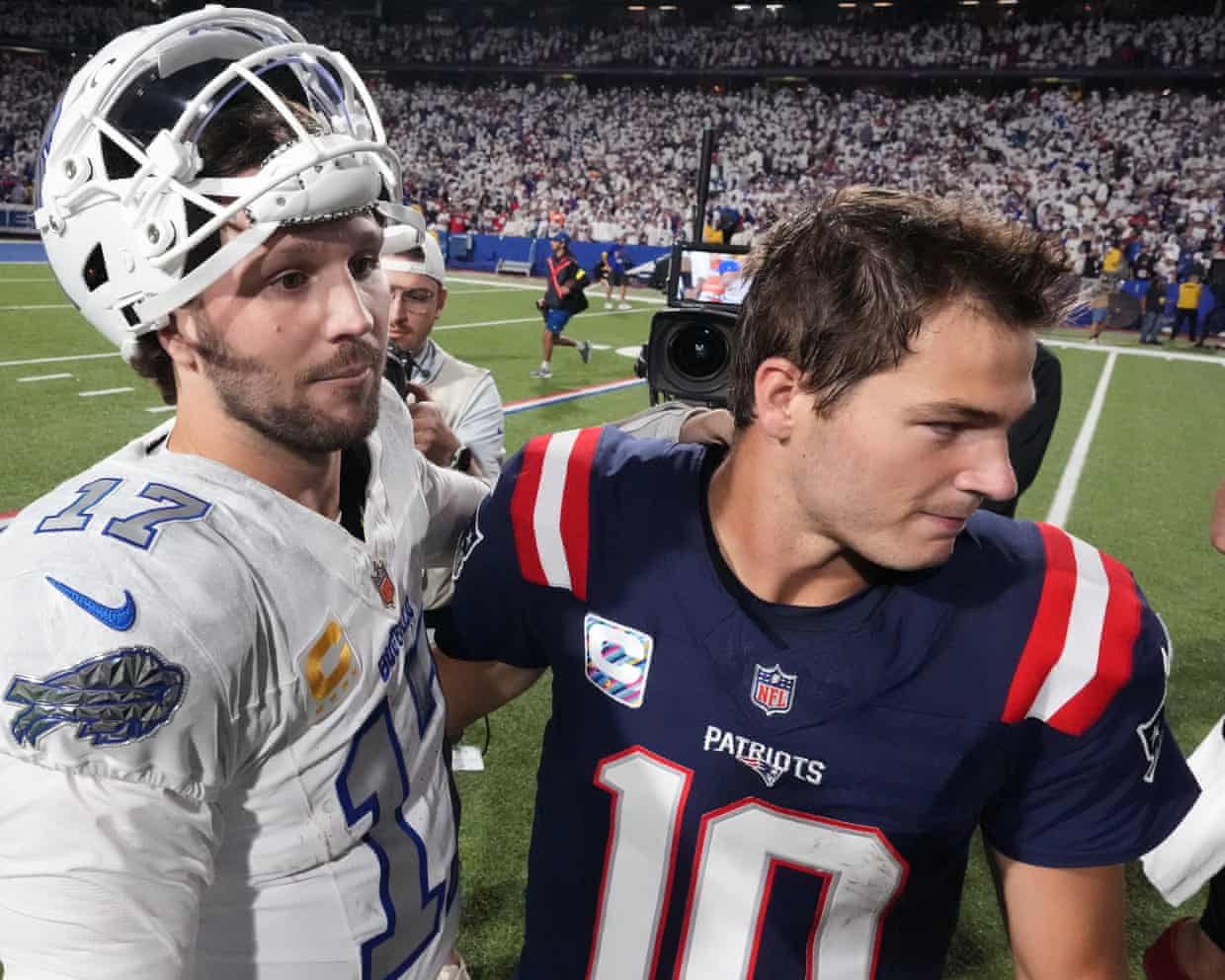
NFL playoff race: Patriots and Bills battle in AFC East as Rivers runs it back

A Hollywood ending? Inside the final days of LeBron James in Los Angeles
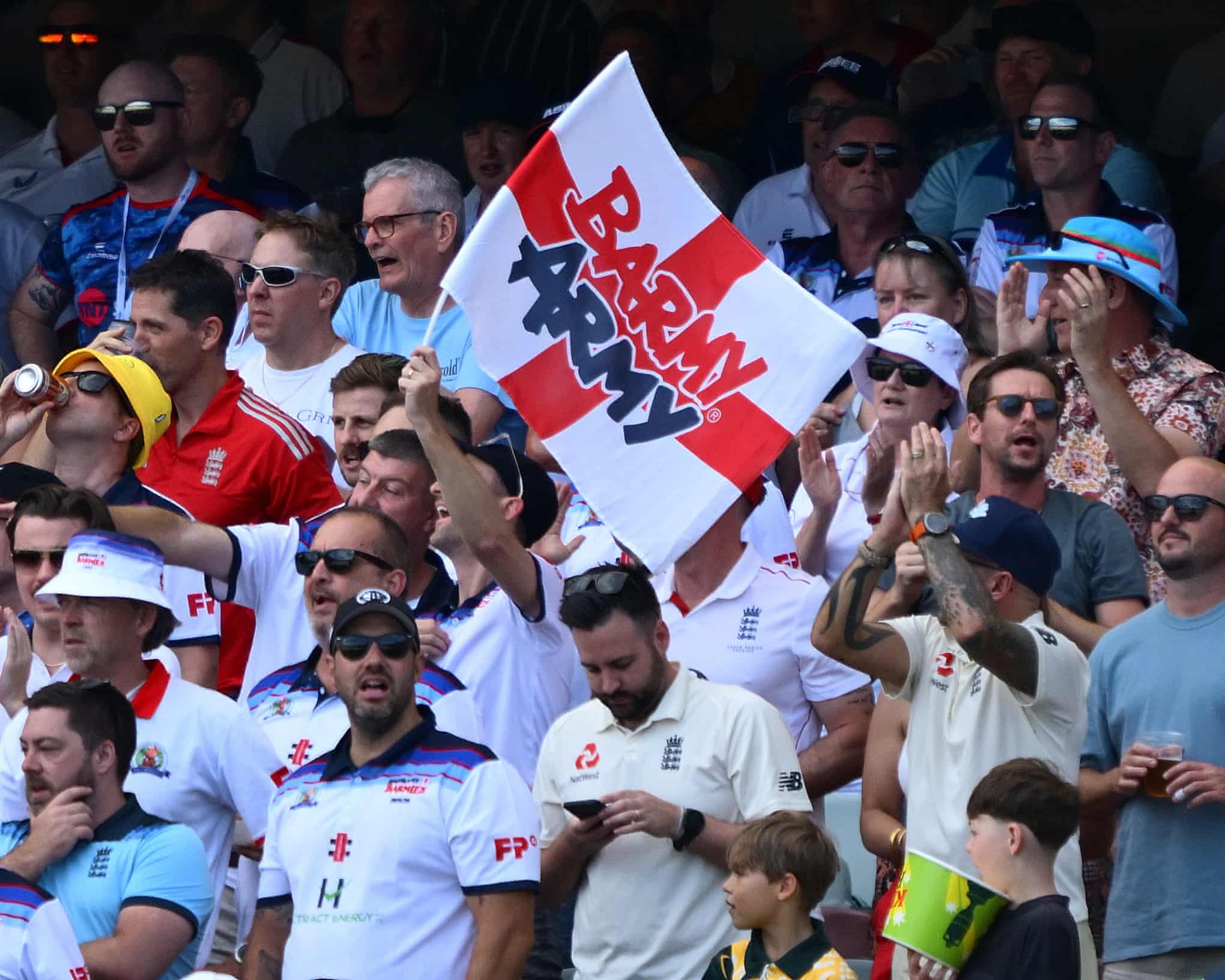
Even Bazball’s implosion can’t shake Barmy Army’s crew of Ashes veterans | Emma John