Google parent earnings beat projections amid plans to invest deeply in AI
Google’s parent company, Alphabet, beat Wall Street expectations on Wednesday, and is planning a sharp increase in capital spending in 2026 as it continues to invest deeply in AI infrastructure.Alphabet on Wednesday reported profit of $34.5bn in the recently ended quarter, as revenue from cloud computing soared 48%.The company also forecast spending between $175bn and $185bn this year, a figure much higher than analysts’ expectations of roughly $115bn.In an earnings call, investors pressed Alphabet’s chief executive, Sundar Pichai, on the significant increase.
“We’ve been supply constrained, even as we’ve been ramping up our capacity,Obviously, our CapEx spend this year is an eye towards the future,” Pichai said, in response,“We are constantly planning for the long-term,” Pichai added that he expects Google to “go through the year in a supply-constrained way”,Alphabet’s chief financial officer, Anat Ashkenazi, elaborated on the ways Google is trying to free up capital.
According to Ashkenazi, that includes constructing its own data centers “to ensure that we do it in the most efficient way”, having an AI-powered tool known as a “coding agent” write about half the company’s codes (before being reviewed by engineers), and using AI across departments, even for smaller tasks such as handling invoices.“We’re seeing our AI investments and infrastructure drive revenue and growth across the board, Pichai said.Alphabet’s annual revenue exceeded $400bn for the first time, Pichai added.The company reported $113.83bn in revenue for the fourth quarter of 2025 – surpassing Wall Street estimates of $111.
43bn.Earnings per share (EPS) also beat Wall Street expectations: the company reported $2.82 in EPS, compared with estimates of $2.63.The report comes after several months of good news for the company in the AI race.
The newest version of Gemini, released by Google in November, is considered to be at the forefront of the generative AI industry, a development that has prompted panic at competitor OpenAI.Alphabet’s stock jumped 3% when Google debuted the model.Then in January, Google and Apple announced the company will start using Gemini to power AI features like Siri; the Apple assistant has previously faced criticism for not being as advanced and accurate as its competitors.Google’s valuation shot up to $4tn after the deal, making it the second-most-valuable company in the world.Analysts viewed the multi-year agreement as a huge win for Google: the tech giant beat out competitors like OpenAI, and got access to Apple’s user base of 2.
5bn active devices.“Gemini is becoming the AI engine for the world’s most successful software companies,” Pichai said on Wednesday.Alphabet’s projected spending on AI infrastructure means its capital expenditure could as much as double this year.Shares were volatile in after-hours trading, with investors weighing the swell in spending against surging revenue and profit.Like larger rivals Amazon Web Services and Microsoft’s Azure, Google Cloud has been grappling with capacity constraints, and Pichai said the expenditures were necessary “to meet customer demand and capitalize on the growing opportunities we have ahead of us”.
But investors have increasingly grown concerned about payoffs from AI investments, as the big cloud companies collectively spend massive amounts building out their infrastructure.Meta last week hiked capital investment for AI development this year by 73%.As the AI arms race heats up, Google’s Gemini AI assistant app exceeded 750 million users per month, Pichai said, up by 100 million compared with November.The driverless car division Waymo is working to integrate the AI model, and Google announced that its Chrome browser will adapt more Gemini AI features, too.Google is still dealing with scrutiny from lawmakers and regulators; the company has faced years of legal battles with US antitrust regulators over allegations it built an illegal monopoly over online search and advertising.
That fight resurged this week when the Department of Justice and several states filed an appeal to a landmark antitrust ruling last year, in which a judge imposed only modest limits on the company’s contracts.The federal government wanted tougher restrictions.Google executives did not discuss the legal proceedings on the earnings call.
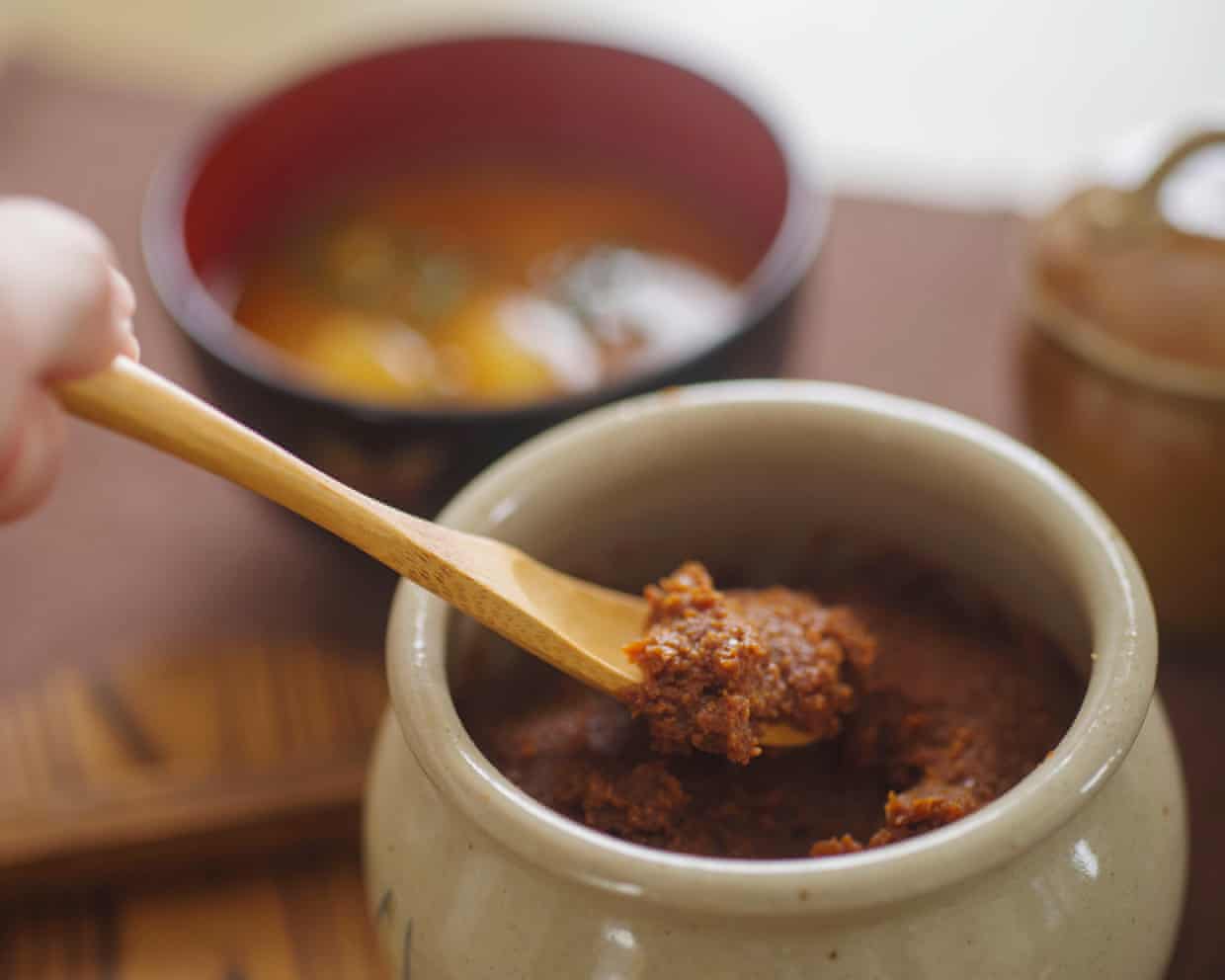
Miso mystery: red, white or yellow – how does each paste change your dish? | Kitchen aide
What’s the difference between white and red miso, and which should I use for what? Why do some recipes not specify which miso to use? Ben, by email“I think what recipe writers assume – and I’m sure I’ve written recipes like this – is that either way, you’re not going to get a miso that’s very extreme,” says Tim Anderson, whose latest book, JapanEasy Kitchen: Simple Recipes Using Japanese Pantry Ingredients, is out in April. As Ben points out, the two broadest categories are red and white, and in a lot of situations “you can use one or other to your taste without it having a massive effect on the outcome of the dish”.The Guardian’s journalism is independent. We will earn a commission if you buy something through an affiliate link. Learn more
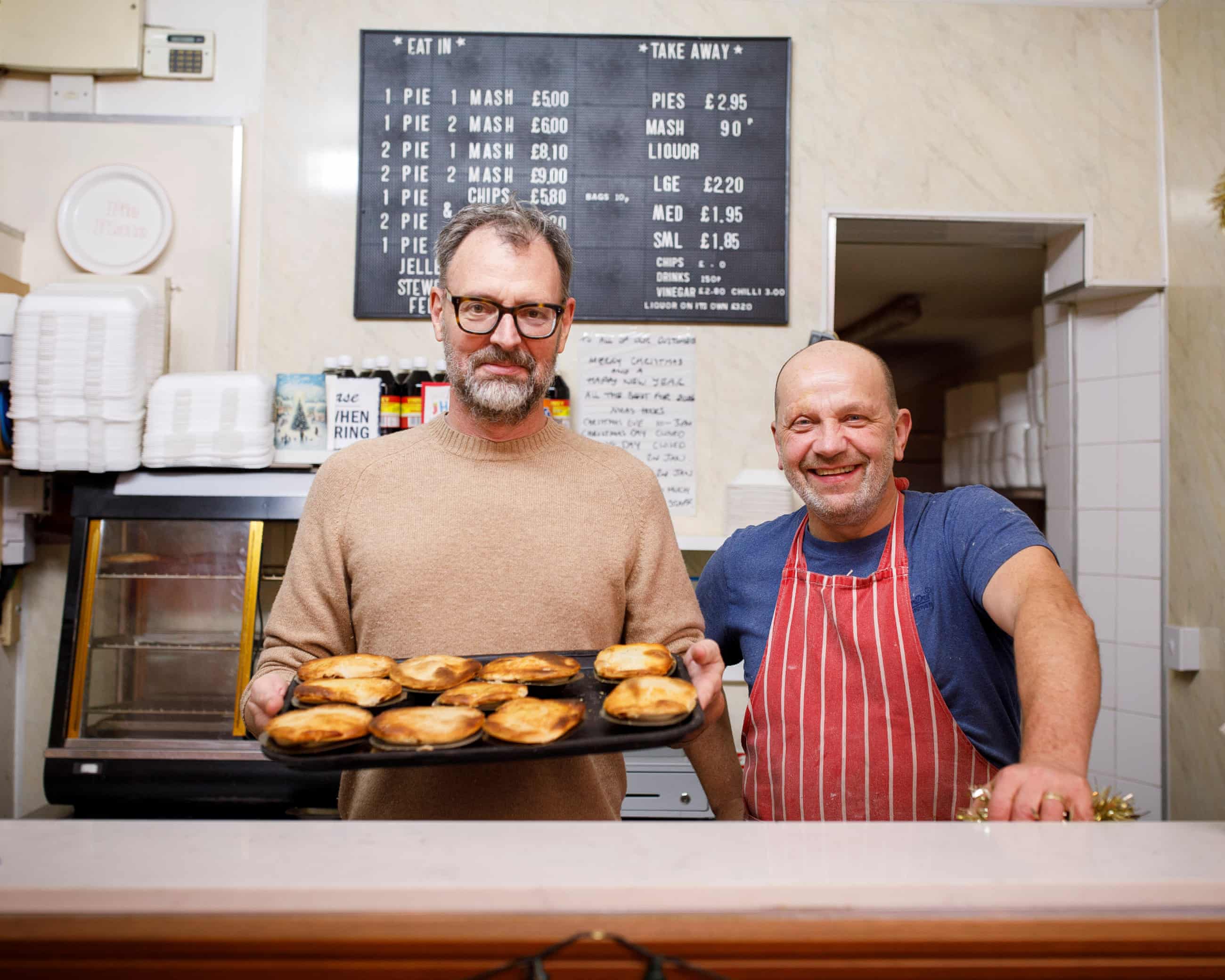
The pie and mash crisis: can the original fast food be saved?
There used to be hundreds of pie and mash shops in London. Now there are barely more than 30. Can social media attention and a push for protected status ensure their survival?Outside it’s raining so hard that the sandwich board sign for BJ’s pie and mash (“All pies are made on the premises”) is folded up inside. The pavement along Barking Road in Plaistow is a blur through the front windows and deserted, and there are only two customers in the shop. Another sign – this one on the counter – says “CASH ONLY”
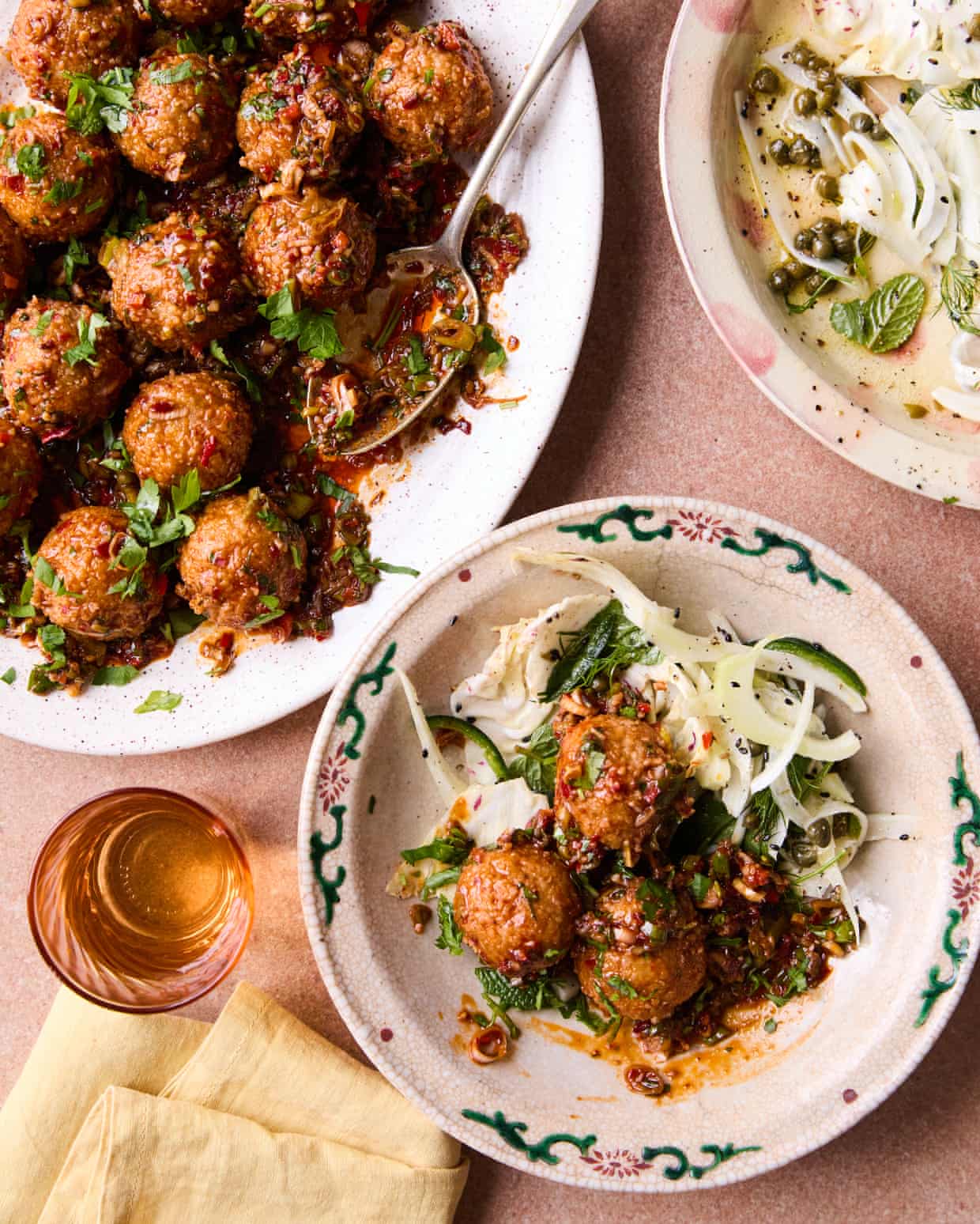
Sami Tamimi’s recipes for spiced bulgur balls with pomegranate, with a herby fennel side salad
I have always dreamed of a return to the golden age of Arab trade, when spices, fruits and ideas voyaged across deserts and seas, creating extraordinary food cultures through exchange and curiosity. I’ve imagined bringing new flavours home, letting them transform the kitchen – but with all the madness in today’s world, that dream must stay a dream, for now. So, these recipes become my journey, a way to reconnect with that spirit and taste the magic of the Arab golden age today.This dish originates in Latakia, a port in Syria. Kbeibat bulgur in Arabic translates to “small kibbeh”, and refers to a range of dishes that are popular across the Arab world and beyond
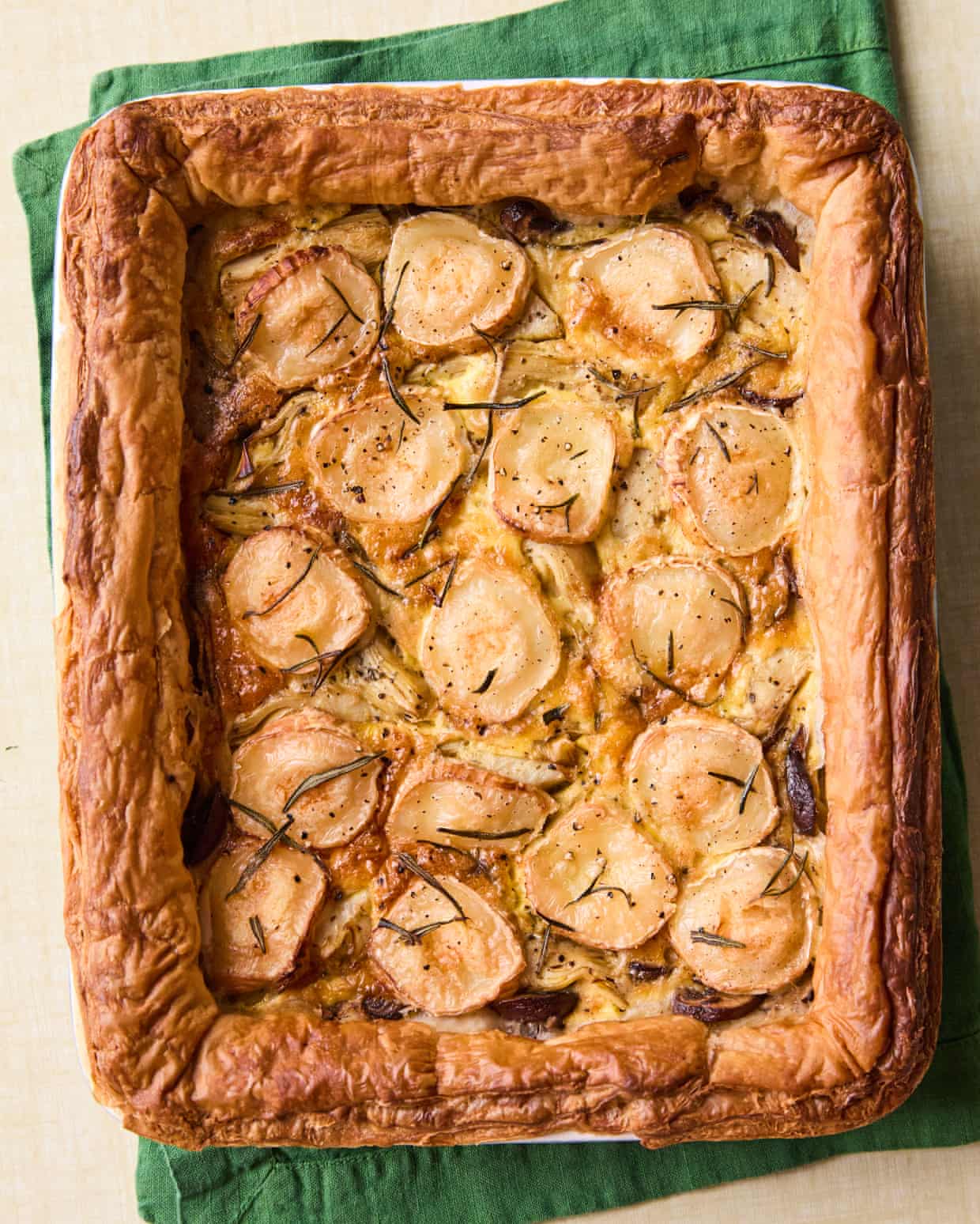
Rukmini Iyer’s quick and easy recipe for mushroom and artichoke puff-pastry quiche | Quick and easy
No time to make shortcrust? Bought puff pastry makes an instant (and decadent) alternative. Yes, I know you can buy ready-rolled shortcrust, but I wouldn’t: it’s trash. If this column didn’t have a 30-minute time constraint, I’d blitz 200g plain flour and 100g cold cubed salted butter to sand, then add one egg yolk and a tablespoon of cold water, then blitz for a few seconds, and no longer, until it just comes together. I’m unorthodox, so I then tip the pastry straight into a pie dish, quickly pat it into place and freeze for 15 minutes. Blind bake for 10 minutes at 180C(160C fan)/350F/gas 4, before removing the paper and baking beans and tipping in the filling – it’s really not very much work
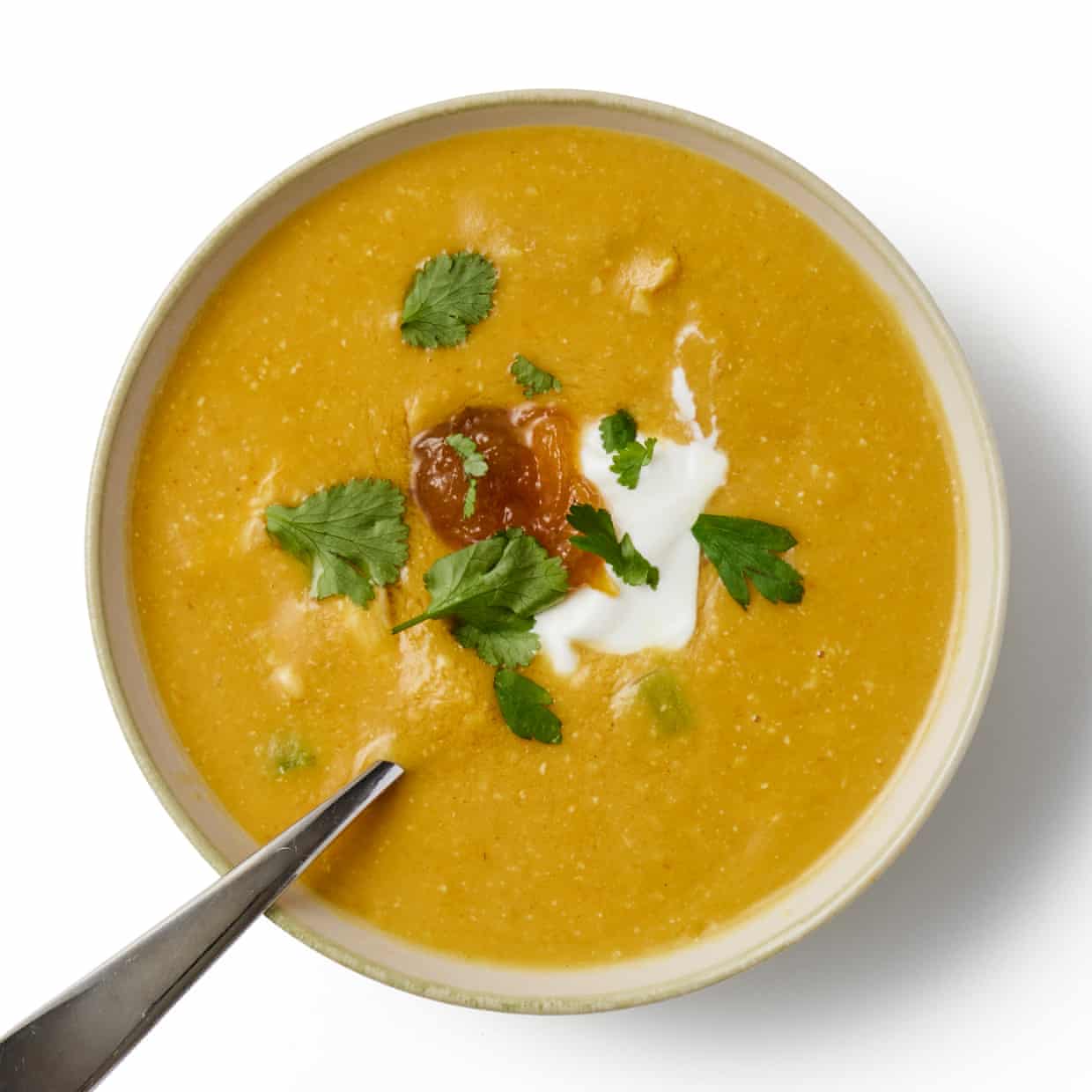
How to make mulligatawny – recipe | Felicity Cloake's Masterclass
I have yet to see anyone eating mulligatawny in an Indian restaurant – perhaps unsurprisingly, given that it’s a product of the British occupation, and the very name has an off-putting Victorian feel, which is a shame, because it’s aged a lot better than imperialism. Based, historians think, on the Madrassi broth molo tunny, it’s a lovely, gently spiced winter soup that’s well worth rediscovering.Prep 15 min Cook 50 min Serves 4-61 onion 1 carrot 1 parsnip 1 celery stick 2 tbsp ghee, or oil (eg, coconut)4 garlic cloves 1 knob fresh ginger ½ tsp cayenne pepper or mild chilli powder 2½ tsp madras curry powder (see step 5) 1½ litres good-quality chicken stock, or vegetable stock1 chicken thigh, bone in. skin on (optional; see step 1)150g masoor dal (AKA split orange lentils)4 tbsp flaked almonds (optional; see step 7)100ml hot milk, or water1 tbsp lemon juice Salt 1-2 tbsp fruity chutney (eg, mango; optional)1 small bunch fresh coriander, roughly chopped, to servePlain yoghurt, to serveThough often made with chicken, mulligatawny was also traditionally prepared with mutton or goat, and works well with lamb, too; any fairly tender cut of either will be fine (or, indeed, you could just add some cooked meat at the end). For a lighter dish, leave it out; to make it plant-based, just swap the fat and stock as suggested below
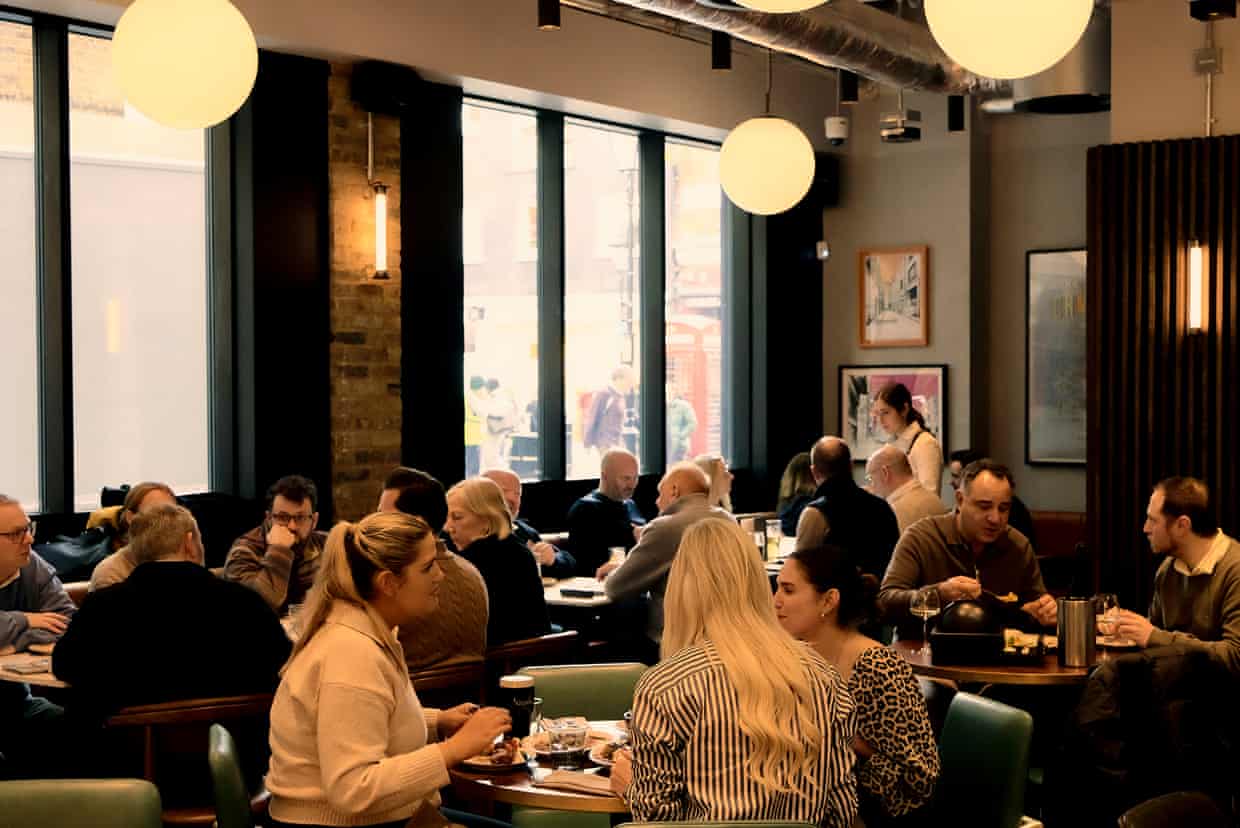
Guinness Open Gate Brewery, London WC2: ‘Absolute “will-this-do?” nonsense’ – restaurant review | Grace Dent on restaurants
The new Guinness Open Gate Brewery, with its tours, gift shop and dining options, has appeared in Covent Garden, slap-bang in the centre of London’s most nosebleedingly expensive real estate.This multi-multi-million-pound paean to “the black stuff”, where Guinness disciples can make pilgrimage, has been on the capital’s horizon for what seems like an era. The project has been tantalisingly dangled as an opening for some years, then delayed umpteen times, because, quite understandably, erecting a purpose-built, gargantuan, multi-floor Willy Wonka’s Booze Factory in the West End of London for a corporate behemoth is no easy feat. Imagine the layers of global, bureaucratic, cross-platform multi-media team Zooms that had to happen to hone the ultimate Guinness experience. So many Is to dot and Ts to cross, particularly, because food is a central part of the venture, with two restaurants on site – The Porter’s Table and Gilroy’s Loft – where exec chef Pip Lacey is serving non-challenging yet hearty menus, as well as a courtyard pie stall by Calum Franklin

How much did Starmer really know about Mandelson’s ties to Epstein?

Last chance, Keir? MPs in despair as crisis engulfs Downing Street

Nigel Farage’s two-day trip to Davos cost more than £50,000, documents reveal
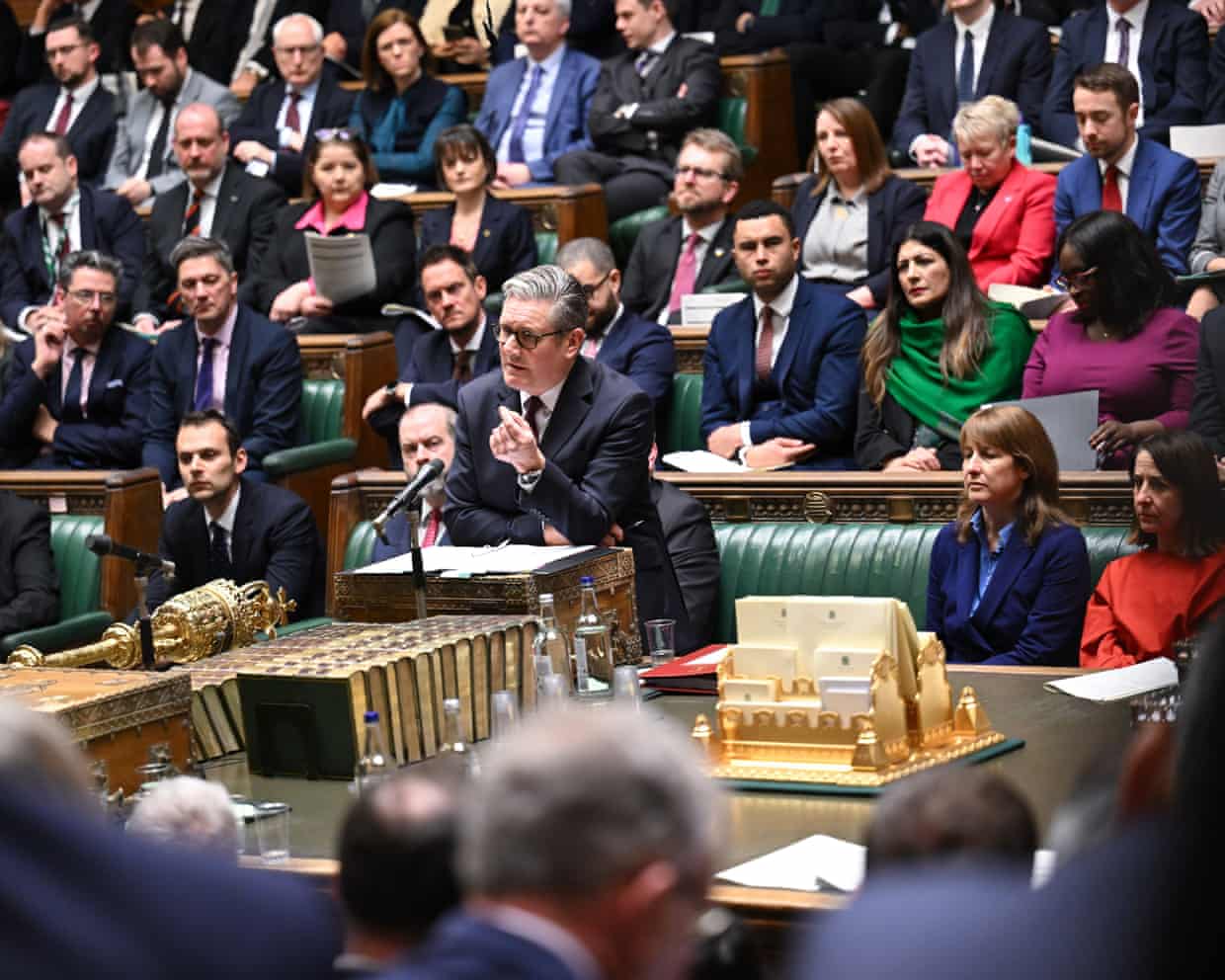
Labour forced into humble pie address over Mandelson disclosures | John Crace
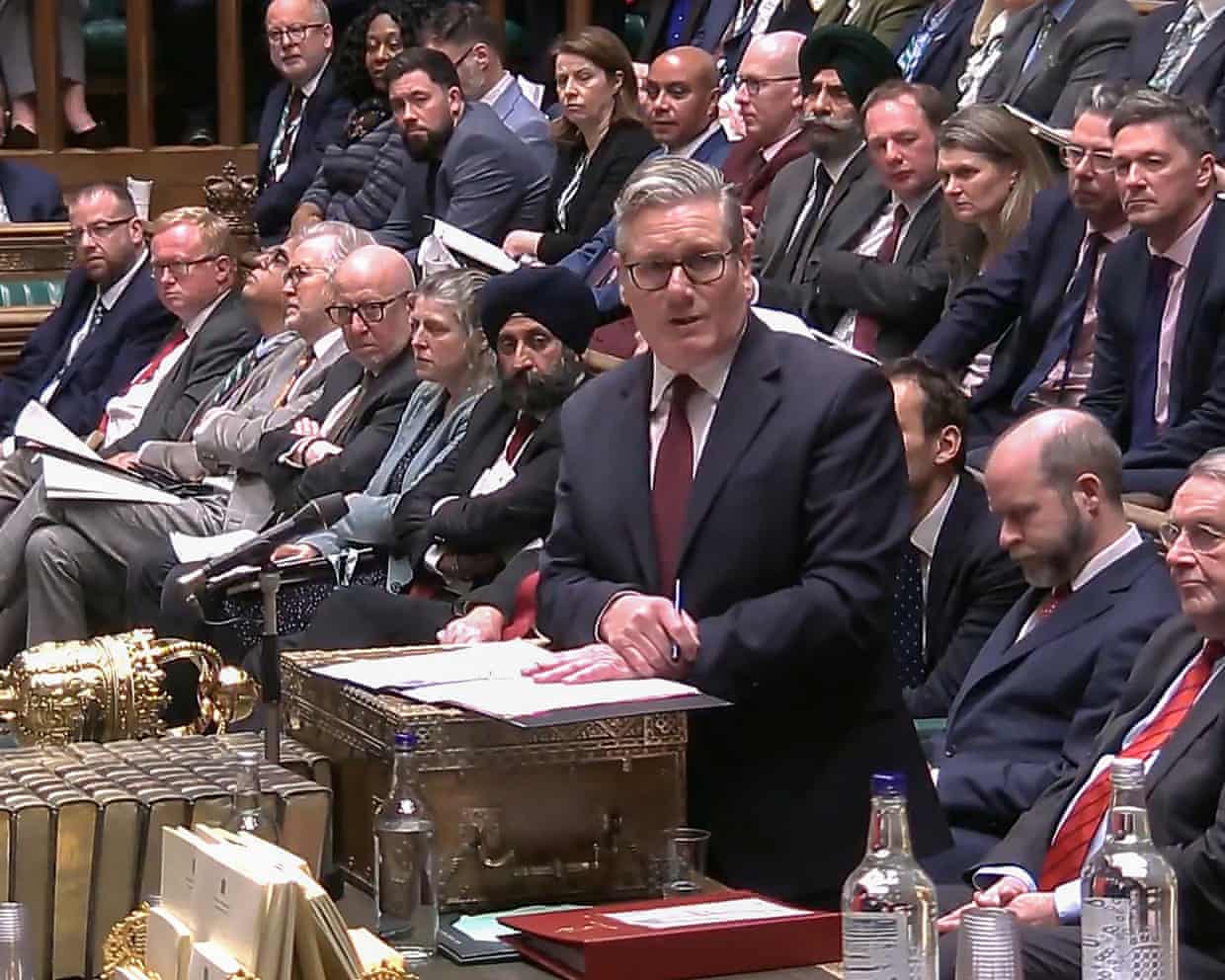
Committee to review Mandelson disclosures after Labour MPs threaten to rebel

Nigel Farage made ‘non-apology’, says school contemporary who accused him of racism