MCG pitch is easy scapegoat but sloppy cricket is to blame for early Ashes finishes | Geoff Lemonff
You know that something has gone wrong when the man in charge of the cricket pitch is giving a post-match press conference,Australian pitches are celebrities in their own right, each with a distinct perceived personality,Perth – gasoline, bounce,Sydney – intrigue, spin,Adelaide – graft, a late finale.
Like any possessor of fame who has been around long enough, some trade on past glories that no longer apply, but what those ideas mean to the people repeating them is worth more than the truth itself.Aptly, these celebrities have agents, representatives, fluffers, heading to media appearances before each Test to prognosticate.Where the English grass gaffers are still called groundsmen, clomping around in gumboots yelling at interlopers to get off their giant lawn, the Australians are curators, artfully synthesising the elements of sun and rain and dew and morning mist into something tangible.Their pre-match appearances are oracular, reading the grass clippings like Babylonians did the heavens to say what might happen, to give the mood of the soil, to press one ear to the ground and tell you whether she be restless or still.These pre-game rituals are PR, gardeners as hype men, giving the coverage another discussion point.
Damian Hough set the trend in Adelaide in 2015 for the first pink-ball Test, a justified appearance given how experimental the format was, and then every ground wanted one.But following up the preview with a post-game bookend, as the Melbourne Cricket Ground curator, Matt Page, had to do on Sunday, can only mean that what happened in the interim was a disaster.For the venue and the host board, that’s what a two-day Test match is.Right now, everyone is suddenly an expert on pitch preparation and will tell you that 10 millimetres of grass was too long.If pitch prep was as simple as lowering the blade on the mower – each millimetre means one degree of difficulty out of ten – then anyone could do it.
Instead it’s a wildly variable practice.In New Zealand we have seen lush live grass play like the deck of an aircraft carrier.In Abu Dhabi we’ve seen Mohammad Abbas nip the ball on a slice of wholewheat.In Melbourne, Page was worried about imminent hot weather baking the earth, while longer grass was supposed to offer UV protection.While that proved as helpful as swallowing sunscreen, there was a rationale.
The rationale didn’t work, the pitch gave too much seam movement – to a point.But not enough to explain the match that we saw.Consider that, before this series, Australia and England had played each other in 361 Tests.Six of them had ended in two days.The first five came between 1882 and 1890, the other was in 1921.
During this series, it has happened twice in four matches.For a thought experiment, try making the argument out loud that the 2025 Melbourne pitch was literally the worst Ashes surface produced in more than a century, including several series in England before the use of covers during rain.Think about how credible that sounds.Try backing up that claim while also explaining that the Perth Test a month ago was five balls shorter, on a pitch whose only sin was offering bounce.Account for two Tests in one series that now sit ninth and 10th on the list of shortest concluded Ashes matches by deliveries bowled.
These pitches were not suddenly more extreme than the parameters of the last century,If looking for what is, you have to land on the current approach to batting,Having moved past the “play your natural game” cliche, the most corrosive thought bubble in modern cricket is now “a ball with your name on it”,Players wheel this out any time a surface is difficult, assuming a philosophy of fatalism: dismissal is inevitable, therefore defence is as risky as attack, therefore they should slog and hope for the best,You’ll see it in England’s chase, and how Steve Smith batted with Australia’s lower order.
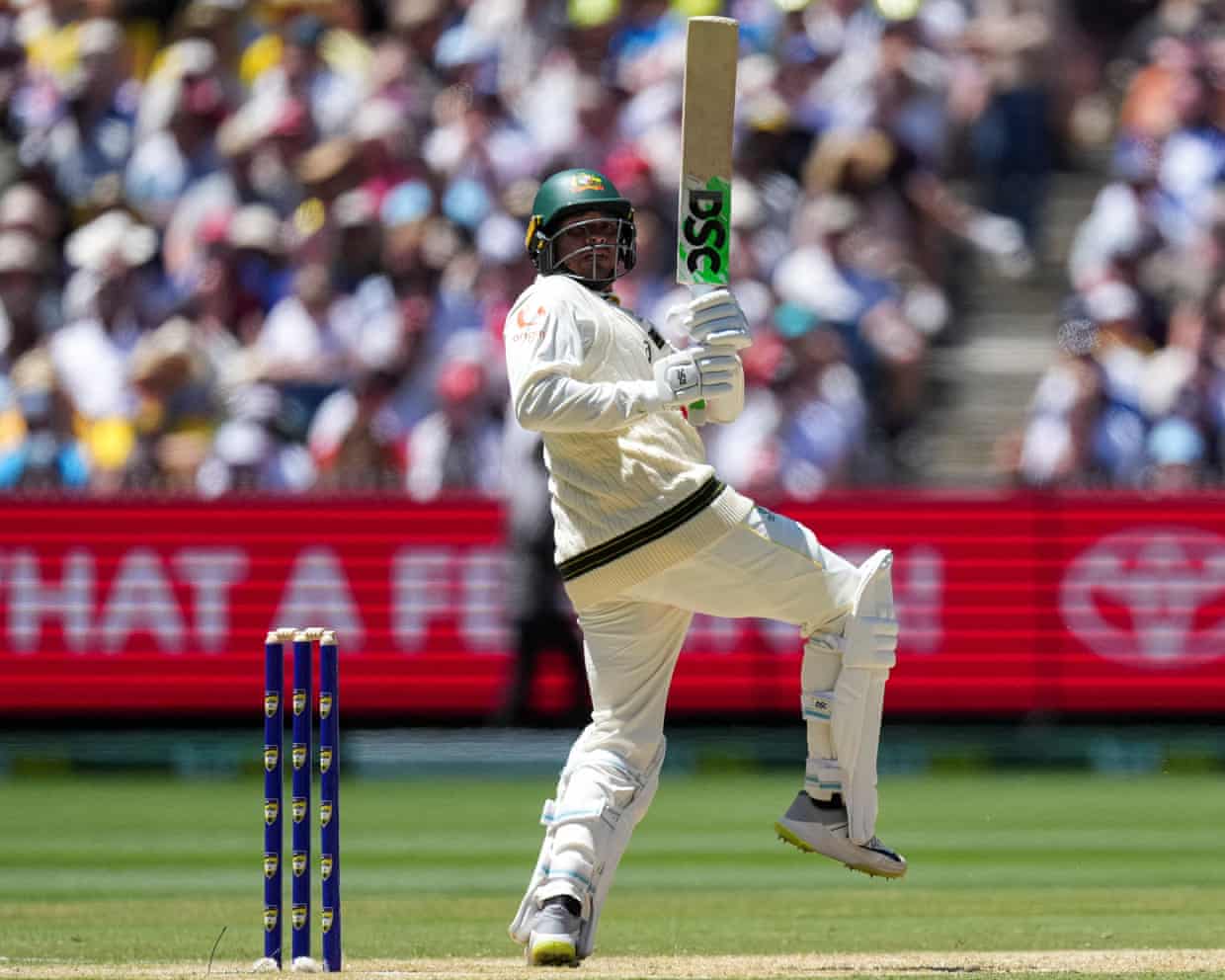
Get the bowlers before they get you, maybe a quick 30 helps win the game,It introduces a manic flavour to the match, a contagion that spreads through teams, careering towards a close one way or another instead of trying to maintain control,Then on top of that were so many other Australian wickets, not a product of unplayable conditions or deliveries, or a frenzy to score, but of basic sloppy cricket,Jake Weatherald was bowled by swing through the air, having nicked down the leg-side first dig,Usman Khawaja pulled without looking at the ball, flinching and turning his head away.
Cameron Green chased one so wide that it was harder to hit than to leave, after running himself out the previous day,Alex Carey opened his blade to a stacked cordon, having previously flicked straight to leg slip,Good bowling with assistance is not the only strand of the tale,Australia batted like a team that had switched off with the main mission accomplished,England were wilder but not much better.
Perhaps that’s all understandable given the series pressure, the mental strain.But it doesn’t mean a pitch that wasn’t right deserves an exaggerated casting into folklore as an MCG minefield.Batters of a different mindset, different technique, different era, could have found a way; the current cohort didn’t and couldn’t.Perhaps that skill is lost to them.It shouldn’t be.
Page being sent to face the press was an apology in itself, but a few players could offer him one in return.

The 2025 US economy – in charts: rising prices, hiring slowdown, rollercoaster growth
The US economy is thriving, according to Donald Trump: jobs are surging, prices are falling, wages are soaring. The government’s own official statistics paint a more complicated picture of 2025.“The Trump Economic Golden Age is FULL steam ahead,” the president claimed on social media, after growth data for the third quarter of the year – covering July, August and September – was unexpectedly strong.But other key indicators have been far less robust in 2025. If Trump is right, and an unprecedented economic boom is about to take hold, the foundations appear fragile

Labour must learn lessons from history as automation hits jobs market | Richard Partington
Walk through a supermarket and the technology is everywhere. Self-service checkouts, electronic shelf labels, handheld barcode scanners and the video screens showing you – caught by AI facial recognition cameras – leaving the shop.In an economy struggling for growth, the encroachment of these machines in our everyday lives could be an early sign of a new dawn – a tech-driven renaissance in activity after years of flatlining growth in productivity and stalled business investment. No bad thing.On the other hand, it could be the glimpse of a dystopian future that is already beginning to take shape

More than 20% of videos shown to new YouTube users are ‘AI slop’, study finds
More than 20% of the videos that YouTube’s algorithm shows to new users are “AI slop” – low-quality AI-generated content designed to farm views, research has found.The video-editing company Kapwing surveyed 15,000 of the world’s most popular YouTube channels – the top 100 in every country – and found that 278 of them contain only AI slop.Together, these AI slop channels have amassed more than 63bn views and 221 million subscribers, generating about $117m (£90m) in revenue each year, according to estimates.The researchers also made a new YouTube account and found that 104 of the first 500 videos recommended to its feed were AI slop. One-third of the 500 videos were “brainrot”, a category that includes AI slop and other low-quality content made to monetise attention

How Las Vegas police ended up with a fleet of free Tesla Cybertrucks
The Las Vegas police department rolled out a new fleet of tactical vehicles to city streets last month: all Tesla Cybertrucks. The steel cars, wrapped in black-and-white vinyl, come decked out with warning lights and flashing sirens on the roof. They seem to be heftier, more angular versions of a traditional police car. Las Vegas is the first city in the US to grant its officers access to a battalion of the futuristic trucks, which have become synonymous with the Tesla CEO, Elon Musk, the richest person in the world.“They represent something far bigger than just a police car,” Sheriff Kevin McMahill said at a recent press conference showcasing the vehicles

Gout Gout turns 18 as whirlwind year ends amid high hopes for even faster 2026 | Jack Snape
Sprint phenomenon Gout Gout turned 18 on Monday, marking the formal end to the childhood of Australia’s fastest man. It’s a sentence as ridiculous as the Queenslander’s times, which have propelled him towards a medal assault at the 2026 Commonwealth Games and World Junior Championships.The past 12 months delivered Gout a first national title and a first senior world championships semi-final appearance. He was clocked under 10s in the 100m and under 20s in the 200m, even if the times were scrubbed from records due to excessive tailwinds.Yet he believes his achievements off the track – in a year during which he completed year 12 at school – are just as significant, including the purchase of a newly built home for him and his family

Root backs McCullum after MCG win but Stokes needs support from system | Ali Martin
In fairness to Australian cricket, it rarely sticks its head in the sand. On Sunday in Melbourne, when 90,000 fans should have been enjoying day three of the fourth Test, they put Matt Page, chief curator at the MCG, in front of the media to face a grilling over that casino of a two-day pitch.Page was contrite, admitted his mistakes, and vowed to never repeat the 10mm of grass that, while designed to guard against hotter weather later in the match, delivered a second hammer blow to Cricket Australia’s finances this series. For all the public anger Stuart Fox, the ground’s chief executive, did not sound as if he was about to issue Page with his marching orders.Aberrations happen, people are only human and everyone deserves a second chance
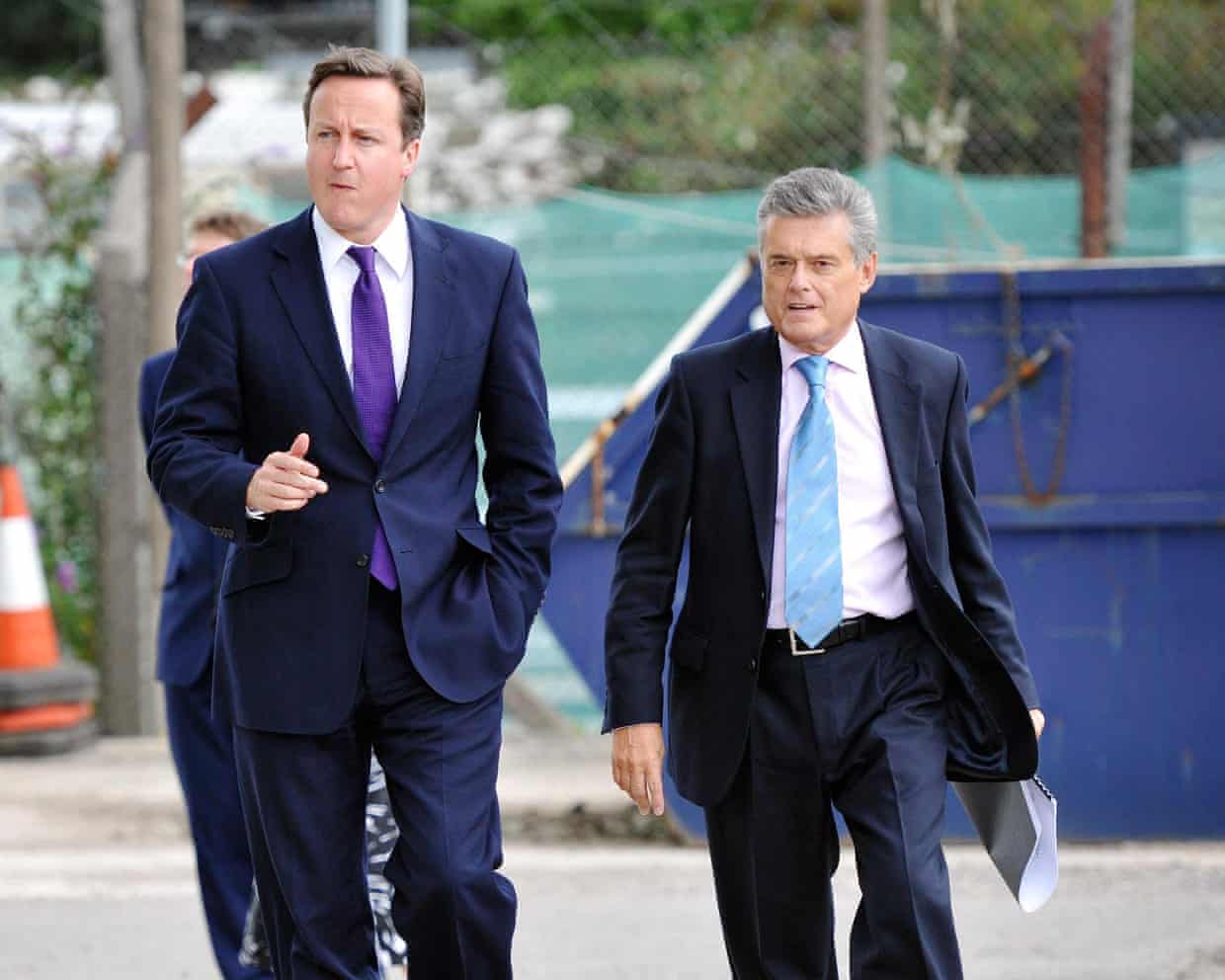
Former Wessex Water boss received £170,000 bonus despite ban on performance pay
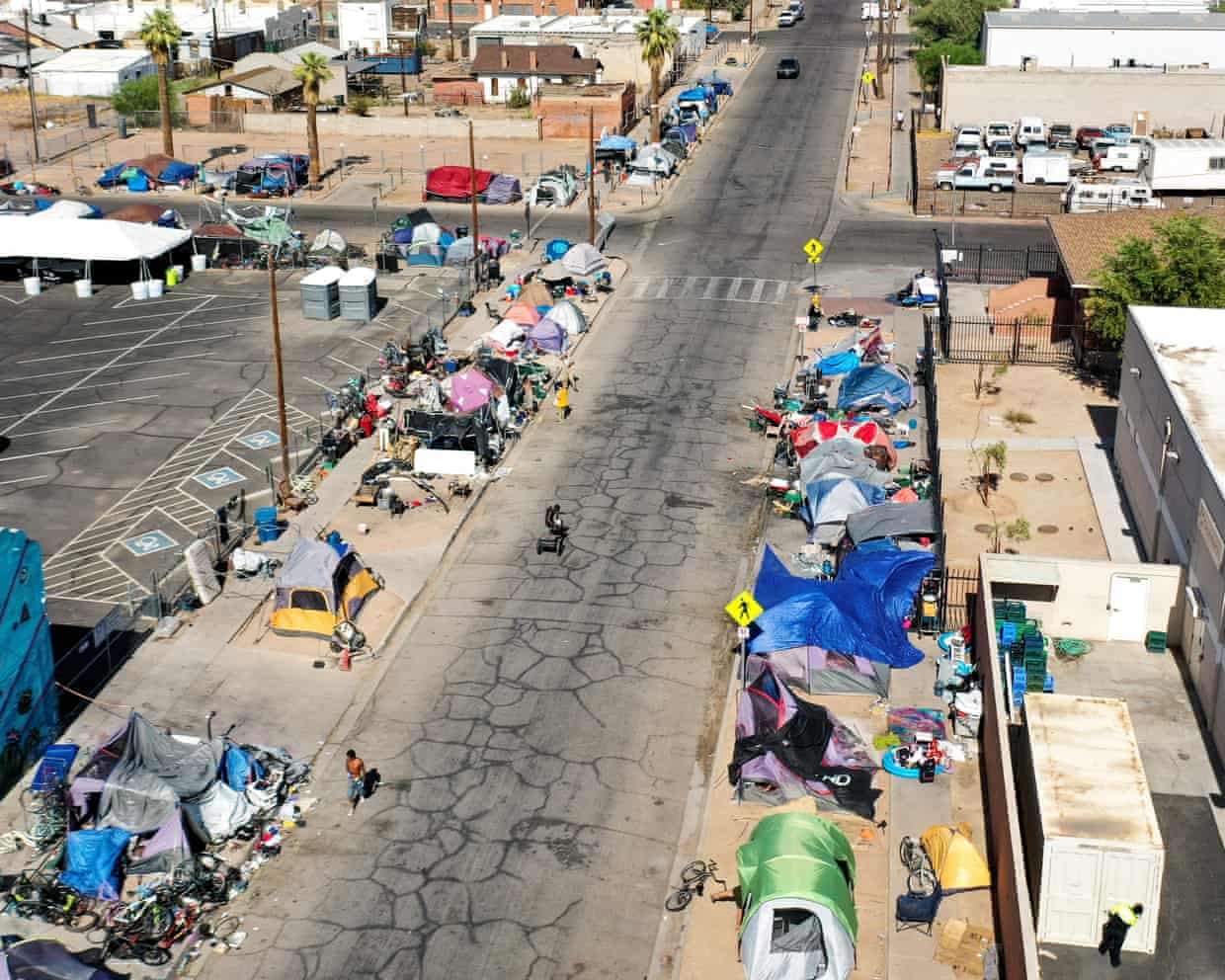
US capitalism casts millions of citizens aside, yet Badenoch and Farage still laud it | Phillip Inman

No longer ‘unloved’: retailers investing more in physical stores, UK data shows

Shoppers shun UK high streets despite lure of Boxing Day sales

AI boom adds more than half a trillion dollars to wealth of US tech barons in 2025

VIP viewing: cinemas bet on luxury bars and beds to usher in a new film era