Top Cabinet Office official to give evidence to MPs about Peter Mandelson’s vetting – UK politics live
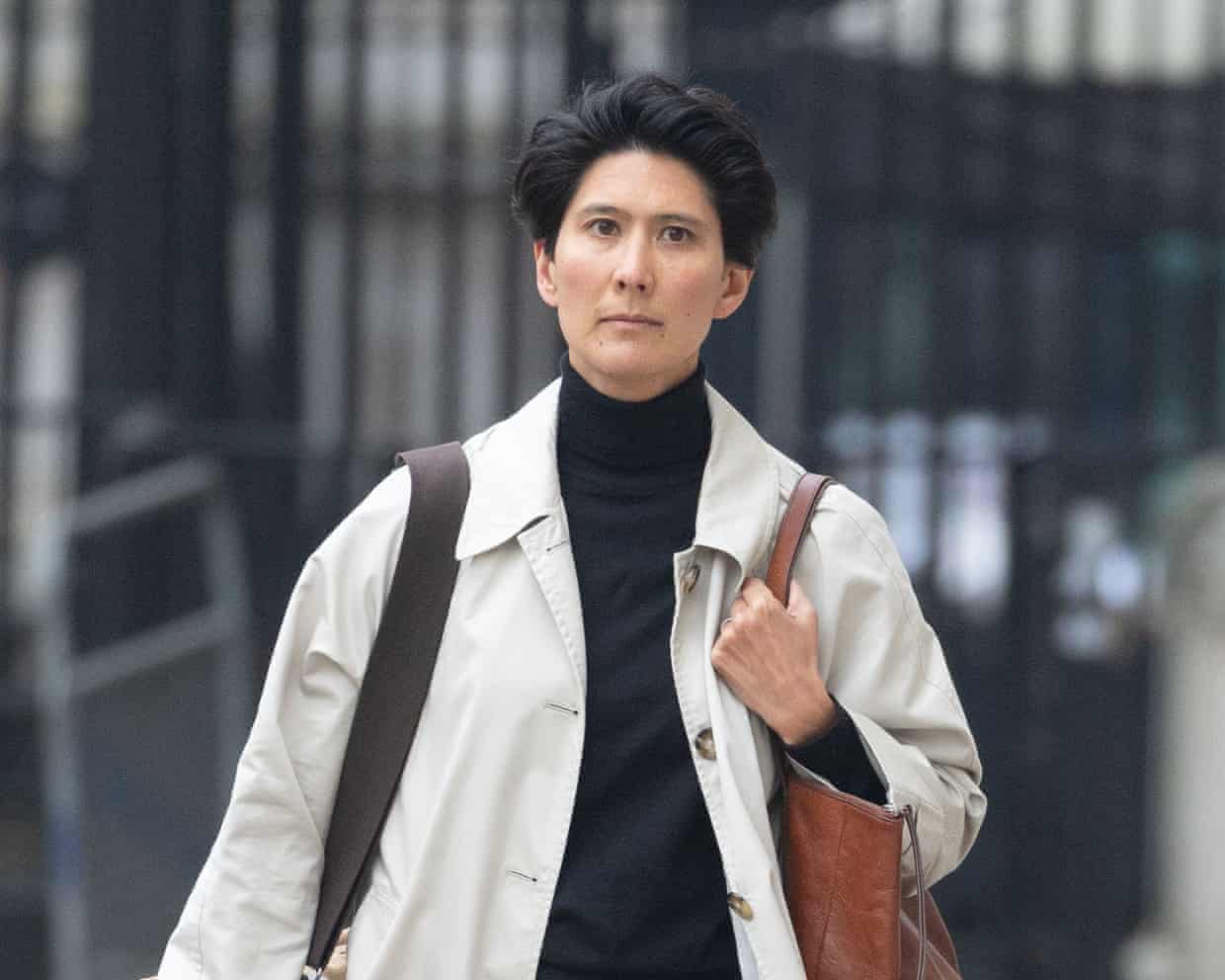
The UK government budget came in below its annual borrowing target by £700m, official figures show – but the Iran war is likely to blow a hole in Rachel Reeves’s carefully calculated fiscal “headroom” over the coming months,Tom Knowles has the story,Good morning,As Kiran Stacey, Pippa Crerar and Jessica Elgot report in the Guardian’s splash, “Keir Starmer is looking increasingly isolated over his handling of the Peter Mandelson scandal with divisions emerging in cabinet over his decision to sack the Foreign Office civil servant Olly Robbins,”And this morning the saga continues, with Cat Little, permanent secretary at the Cabinet Office, giving evidence to the Commons foreign affairs committee about the Peter Mandelson vetting controversy.
The Little hearing is unlikely to be as revelatory as the Olly Robbins session on Tuesday.But Little is a key figure in this story, for two reasons.First, as head of the Cabinet Office, she is in charge of collecting all the documents relating to Mandelson’s appointment as ambassador to the US, and Mandelson’s communications with ministers and officials, which have to be published as a result of the humble address passed by parliament.It was in this capacity that she discovered the UK Security Vetting (UKSV) document that revealed that the UKSV officials who interviewed Mandelson for his developed vetting (DV) advised that he should not get clearance.At a meeting on Tuesday last week she reported this bombshell news to the PM.
Here is the extract from the minute of that meeting released by No 10,double quotation markCat set out that the vetting process involved UKSV in the Cabinet Office producing a vetting file which included a recommendation on whether DV should be granted, which was then passed to the sponsor department, in this case FCDO,As part of the humble address process, that file had been shared with Cat,On reviewing the file she had therefore learned that the recommendation from the vetting officer had been that DV should not be granted to Peter Mandelson,There is some discretion for departments to proceed with clearance and the FCDO had exercised it in this case, granting Mandelson vetting clearance.
Cat had not seen the audit trail for this decision so we did not yet know on what basis the decision had been taken, contrary to the recommendation.Second, UKSV is part of the Cabinet Office, which means she has oversight that entire process.After Keir Starmer learned about this information, and after it was made public by a Guardian report, he sacked Olly Robbins, the Foreign Office permanent secretary, on the grounds that he should have followed the UKSV advice in relation to Mandelson – or at least flagged up these concerns to No 10.As Robbins explained to the committee on Tuesday, he insists that UKSV can only make a recommendation, that the final decision was one for the Foreign Office and its own security team, and that he was fully entitled to conclude that the risks flagged up by UKSV could be managed.Little may shed some light on this dispute, although we know whose side she will take.
Unlike Robbins, she is still a serving civil servant; she works for the PM.It will be surprising if she says anything that will cause him significant embarrassment.But these hearings are also interesting for what they tell us about the workings of the British state.The Cabinet Office is at the centre of the UK’s security network, and the DV process is one of the most secretive parts of this system.It will be odd if we don’t learn something.
Here is the agenda for the day.9.30am: Cat Little, permanent secretary at the Cabinet Office, gives evidence to the foreign affairs committee.9.30am: The ONS publishes crime figures for England and WalesMorning: Keir Starmer is on a St George’s Day-related visit in the north-east.
11,30am: Downing Street holds a lobby briefing,Afternoon: Kemi Badenoch is on a visit in Pembrokeshire, with the Welsh Tory leader, Darren Millar,Afternoon: Starmer attends a military planning meeting at Northwood headquarters as part of strait of Hormuz coalition process4,30pm: Lord Hermer, the attorney general, speaks at an Oxford University event alongside the Council of Europe secretary general, Alain Berset.
If you want to contact me, please post a message below the line when comments are open (between 10am and 3pm), or message me on social media.I can’t read all the messages BTL, but if you put “Andrew” in a message aimed at me, I am more likely to see it because I search for posts containing that word.If you want to flag something up urgently, it is best to use social media.You can reach me on Bluesky at @andrewsparrowgdn.bsky.
social.The Guardian has given up posting from its official accounts on X, but individual Guardian journalists are there, I still have my account, and if you message me there at @AndrewSparrow, I will see it and respond if necessary.I find it very helpful when readers point out mistakes, even minor typos.No error is too small to correct.And I find your questions very interesting too.
I can’t promise to reply to them all, but I will try to reply to as many as I can, either BTL or sometimes in the blog,

AI hallucinations found in high-profile Wall Street law firm filing
The elite Wall Street law firm Sullivan & Cromwell has told a court that a major filing it made in a high-profile case contained errors resulting from hallucinations generated by artificial intelligence.Andrew Dietderich, the co-head of the firm’s global restructuring group, apologised in a letter to the New York federal judge Martin Glenn on Saturday for the string of mistakes, which included inaccurate citations.The errors, uncovered by the law firm Boies Schiller Flexner (BSF), which was also working on the case, included misquoting the US bankruptcy code and citing cases incorrectly in a filing made on 9 April.In multiple instances, S&C, which employs more than 900 lawyers and has one of the top reputations for corporate work in the US, filed inaccurately summarised conclusions made in other cases using AI.“We deeply regret that this has occurred,” said Dietderich in the letter

‘An element of exploitation’: the world of TikTok child skincare influencers
In a TikTok video a young girl – her age anywhere between 10 and 15 – sits unboxing package after package of products she says were sent to her by skincare brands. She calls it a “PR haul”.In another video, a 16-year-old opens a box of products she received from a well known brand. She says: “I know I have younger people watching,” before reading out a note from the brand that says: “Can’t wait for you to share your thoughts.”This is the rapidly growing world of children’s skincare, in which online influencers as young as 13 accept free products from brands and promote them to their followers

UK could face ‘hacktivist attacks at scale’, says head of security agency
The UK could face “hacktivist attacks at scale” if it becomes embroiled in a conflict and the impact could be similar to recent high-profile ransomware incidents, according to the head of the country’s online security agency.Richard Horne, chief executive of the National Cyber Security Centre (NCSC), will warn today that nation states now account for the most significant incidents the NCSC deals with.“Were we to be in, or near, a conflict situation, the UK would likely face hacktivist attacks at scale. With similar effects and sophistication to the ransomware attacks we see today. But … no option to pay a ransom to help recover,” the NCSC chief will say in a speech on Wednesday opening the annual CyberUK conference in Glasgow

Rental platform unnecessarily collected the data of millions of Australians, privacy commissioner finds
An online rental platform has been urged to stop collecting users’ personal information after the Australian privacy commissioner found the gathering of “excessive” data compounded the vulnerability of tenants amid the housing crisis.RentTech platforms are increasingly used by real estate agents in Australia for people applying for rental properties to submit applications and supporting documentation. The Australian Housing and Urban Research Institute has identified 57 different rent platforms operating in Australia.An Ahuri report released in January found while providing personal information is necessary for rental agreements, the “over-collection of data poses significant risks to renters’ data security and privacy”.In a first-of-its-kind determination against one of the platforms, published on Wednesday, the privacy commissioner, Carly Kind, found 2Apply, operated by InspectRealEstate, had collected excessive personal information in an unfair manner
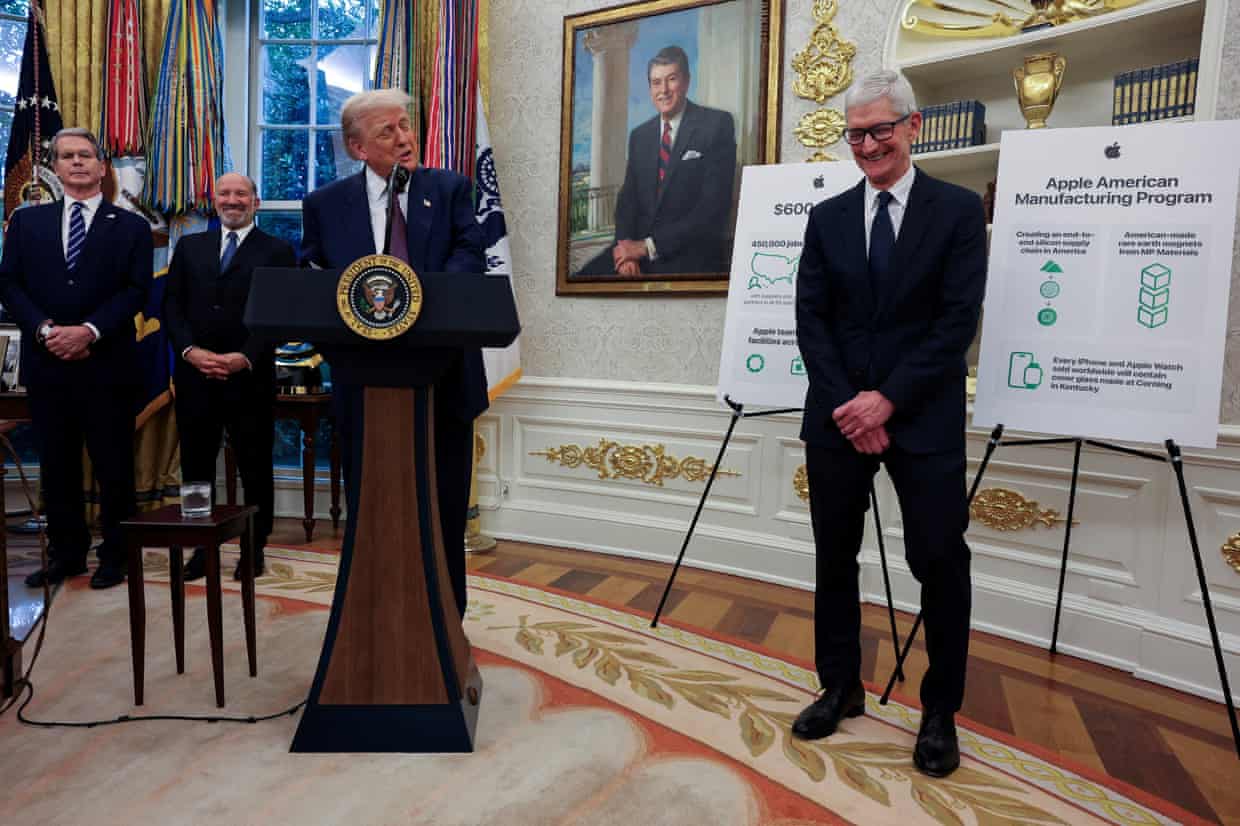
Apple’s Tim Cook leaves behind complicated legacy on privacy
In his 15 years as Apple’s top executive, Tim Cook has projected an image of the company as a champion of privacy rights. As he prepares to leave that role in September, that legacy has come back into focus. Cook trumpeted the iPhone maker’s commitment to privacy at home in the US and the EU, calling privacy “a fundamental right” but his acquiescence to government demands abroad call his dedication to protecting users into question.Cook cemented Apple’s pro-privacy reputation in 2015 when he resisted the FBI’s demands to unlock the iPhone of a mass shooter in San Bernardino, California. The company played up that public image in 2019 with playful ads that read, “Privacy

‘I’ll key your car’: ChatGPT can become abusive when fed real-life arguments, study finds
ChatGPT can escalate into abusive and even threatening language when drawn into prolonged, human-style conflict, according to a new study.Researchers tested how large language models (LLMs) responded to sustained hostility by feeding ChatGPT exchanges from real-life arguments and tracking how its behaviour changed over time.One expert not connected with the study described it as “one of the most interesting ever done into AI language and pragmatics”.Dr Vittorio Tantucci, who co-authored the research paper with Prof Jonathan Culpeper at Lancaster University, said their research found AI mirrored the dynamics of real-world disputes.“When repeatedly exposed to impoliteness, the model began to mirror the tone of the exchanges, with its responses becoming more hostile as the interaction developed,” he said

Lewis Moody ‘picking up baton’ left by Doddie Weir with MND fundraising cycle ride

South Africa struggling to secure UK TV deal to screen England Test series
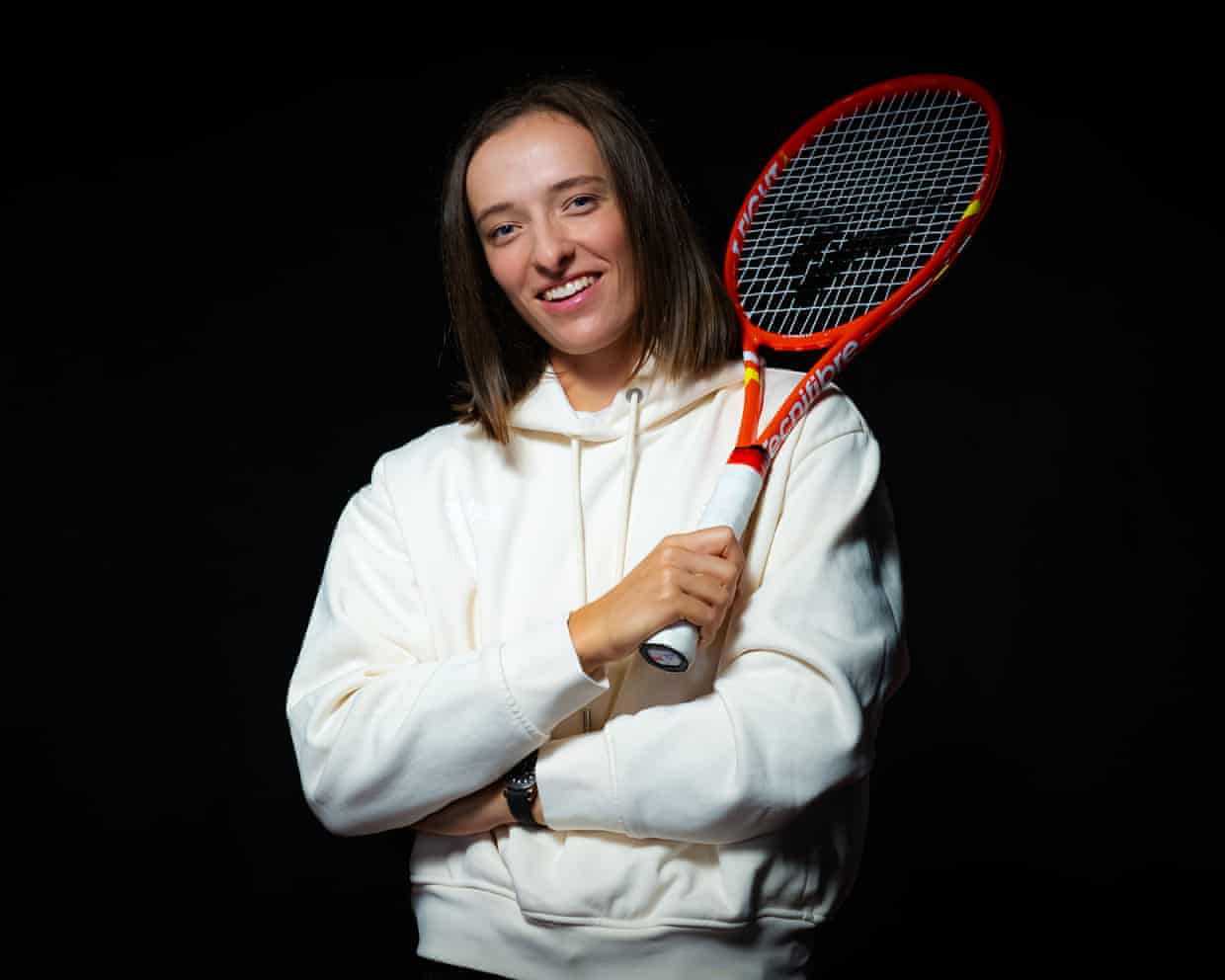
‘Tennis is about being fluid’: how Iga Swiatek is drawing on her time with Rafael Nadal to regain No 1 spot
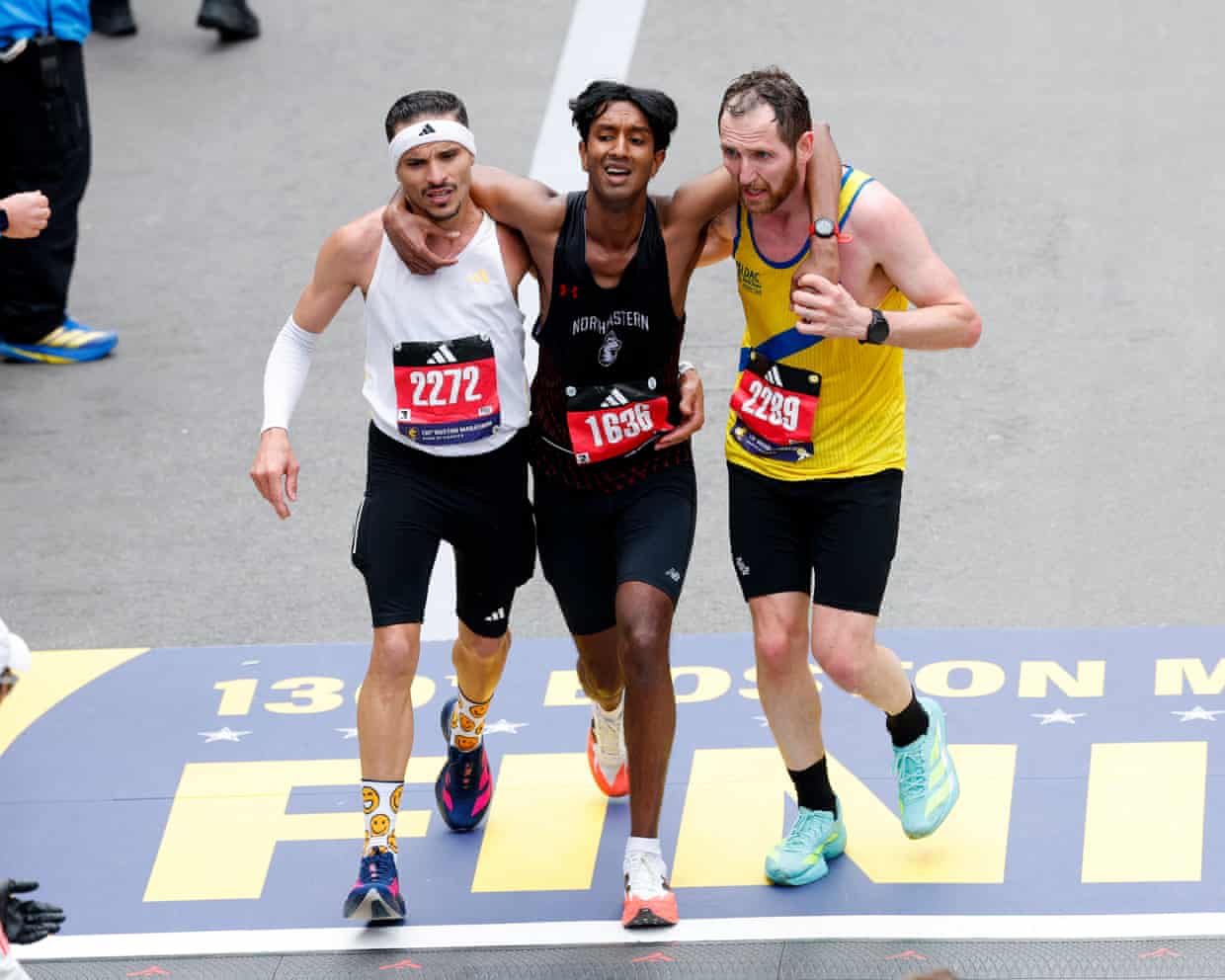
‘Two are stronger than one’: Boston Marathon duo praised for helping struggling runner cross finish line
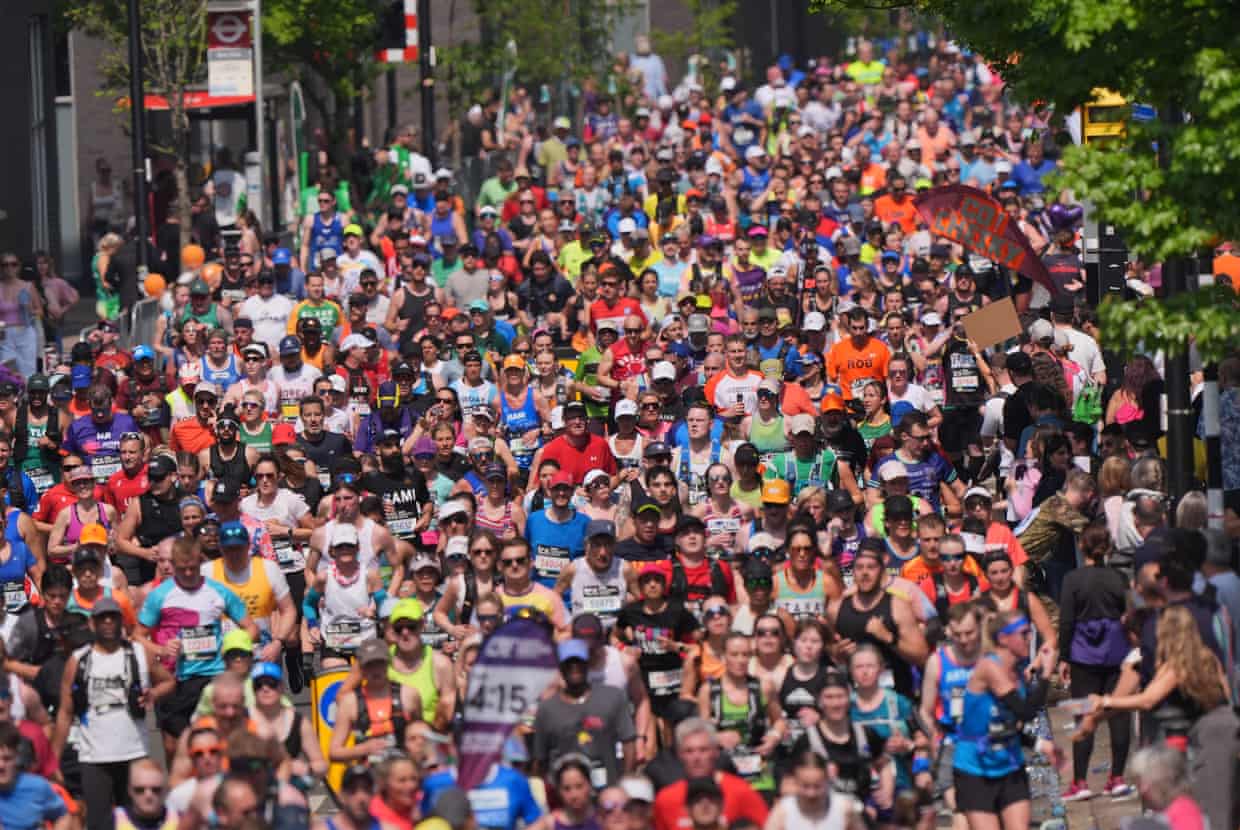
London Marathon organisers believe two-day event could bring £400m economic boost
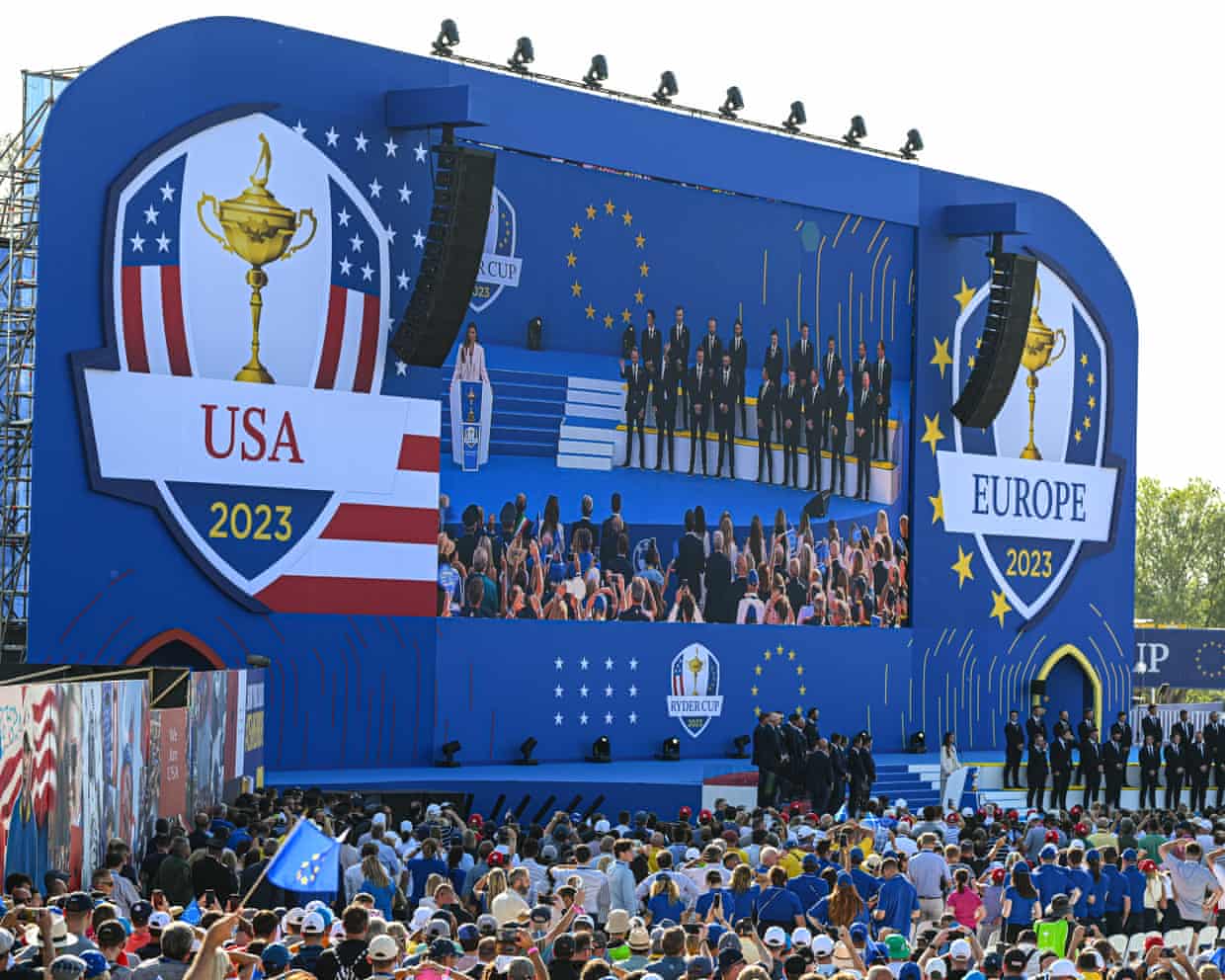
Ryder Cup tickets hit record Europe high at £434 a day in Ireland next year