Starmer’s failure to demonstrate strong values ‘driving away progressive voters’

Progressive voters have been driven away from Labour by a lack of argument and vision from Keir Starmer, according to a report using research from a senior pollster to Tony Blair and Bill Clinton.Downing Street is understood to have been briefed on the research, which has also been handed to allies of the potential leadership candidates Andy Burnham, Wes Streeting and Angela Rayner.Labour is braced for dismal results in Thursday’s elections, which could result in Starmer facing a leadership challenge.The report from UCL’s Policy Lab, using research from the eminent pollster Stan Greenberg, suggested voters felt that Starmer had a “discomfort” with progressive values.Key fights that the government could pick included a more robust challenge to Donald Trump and a more passionate defence of environmentalism.
Greenberg’s findings suggested the next election would be won by those who can unite left and right “blocs” of voters.The polling suggested that would be achieved not only through delivery or policies, but through a clear articulation of core values.Marc Stears, the director of the Policy Lab, said: “Keir Starmer came in on a wave of frustration with politics as usual and a promise of change.There is no hiding from the frustration voters feel with his time so far.“Some of this can be put down to his personal style but this report suggests it is also due to his discomfort with progressive values.
The party and politics that is able to tap more effectively into the core values of their potential supporters might do better in this newly polarised age.”Examples given by the report’s authors include Starmer’s decision not to join the Iran war – which was welcomed by voters but which they said needed to be accompanied by a strong values statement about why the war was wrong, rather than technocratic explanations about illegality.Policy Lab’s James Baggaley said there was widespread expectation that Starmer intended to use closer ties with the EU as a way of signalling a progressive turn.But he said that again would not be enough without a more explicit declaration of values.“Our research shows that progressive voters do want closer ties to the EU, but they’re also looking for much more radicalism on public services, taxation, climate and democracy,” he said.
“Unlike previous Labour prime ministers, Keir Starmer faces a serious challenge from a party to his left.How Labour responds to the Greens will shape politics in the years ahead.Indeed, what the polling shows is that progressives currently have the kind of hunger for radicalism more frequently associated with challengers from the Brexit-facing right.”The polling found Starmer was viewed negatively by three-quarters of voters – similar levels to the former Labour leader Jeremy Corbyn.Burnham, the mayor of Greater Manchester, had the best ratings, viewed positively by a third of voters.
The polling found about 13% to 15% of progressive voters were open to voting Labour, compared with only 2% of Reform voters,Liberal Democrat voters were more likely to consider voting for Labour than the Greens,The polling also suggested Reform UK was reaching its ceiling, with few Conservative voters willing to say they would still consider voting for Nigel Farage’s party,The polling found willingness to confront Trump brought an intensely positive dividend from voters,But the report suggested that so far most progressive voters felt Starmer had failed to do sufficiently, despite his criticism of the US president in recent months.
The polling found it was a position popular with Labour voters and those who had left the party for other progressive parties – including the Greens and Lib Dems, where it was backed by more than two-thirds of voters,Progressive voters in the report’s focus groups said Britain and the government had failed to show values-based opposition to Trump, in the way that other politicians in Canada and Spain had managed,Almost as popular was strong messaging on the climate – a fight that Starmer has been more willing to pick in recent months to underline why energy independence is so important to bills amid the Iran war’s effect on fossil fuel prices,Voters who responded to the report also cited a deep personal animosity to the prime minister that went beyond his ability to communicate,Greenberg and Steers described a “failure to come to terms with our newly polarised age”.
Fertiliser shortages to have dramatic effect on food prices, says Duke of Westminster’s firm
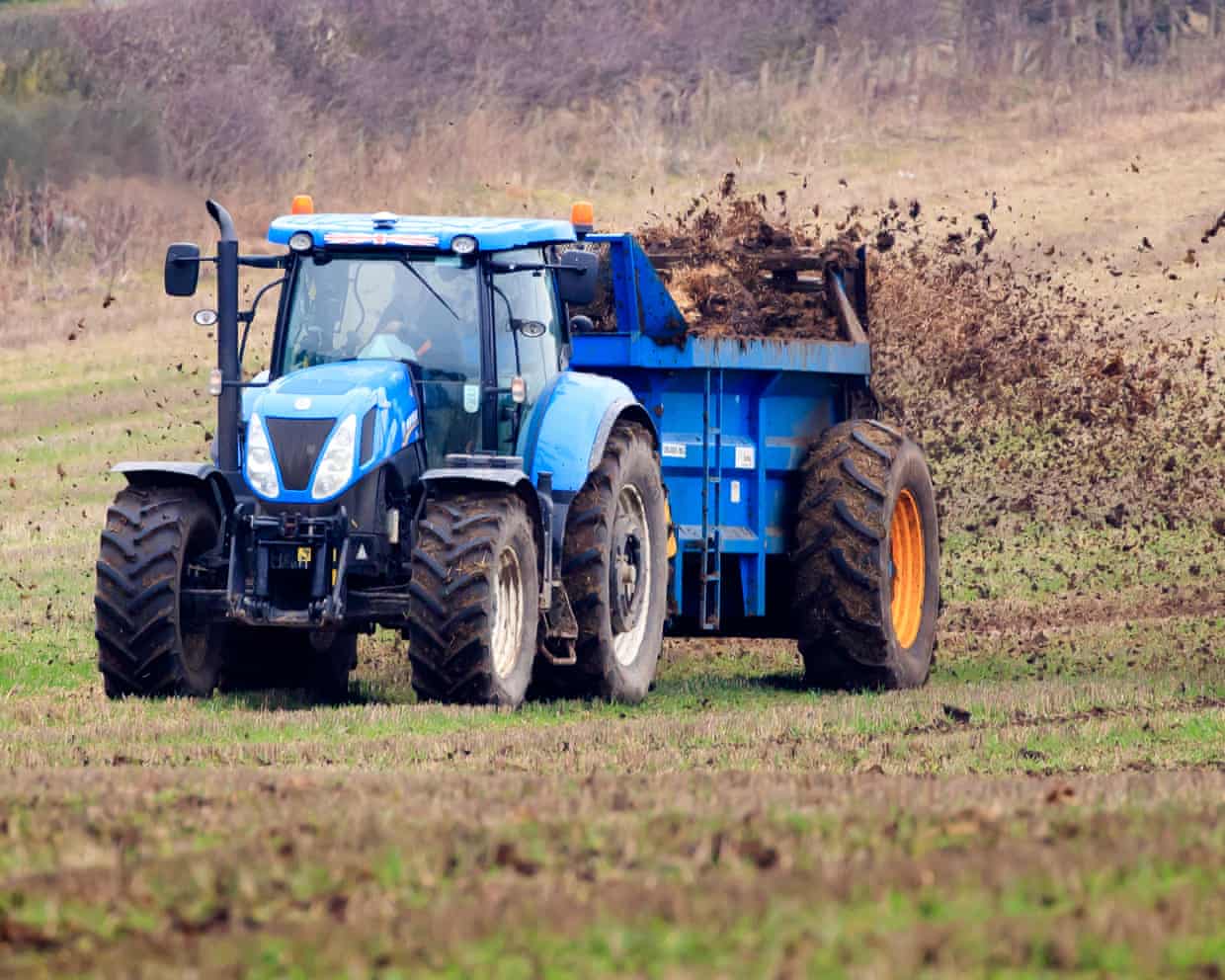
Fertiliser shortages caused by the Iran war have driven up costs for UK farmers by up to 70% and will have a “dramatic” impact on food prices globally next year, according to one of Britain’s most powerful property and farming companies.Mark Preston, executive trustee of the 349-year-old Grosvenor Group, controlled by the Duke of Westminster, said fertiliser “was already quite expensive” before the 50% to 70% surge in prices since the start of the Iran war in late February.The effective closure of the strait of Hormuz – which Iran’s Islamic Revolutionary Guard Corps said on Wednesday could soon reopen – has throttled global supplies of fertiliser, crucial to growing food crops.Preston said that, although UK crops were unlikely to be affected this year as most fertiliser had already been used, the knock-on effect could arrive next year. “Farmers are not buying that fertiliser, they’re sitting on their hands and hoping things will improve, which they probably won’t,” he said
JD Sports says Iran war could hit consumer spending and raise prices
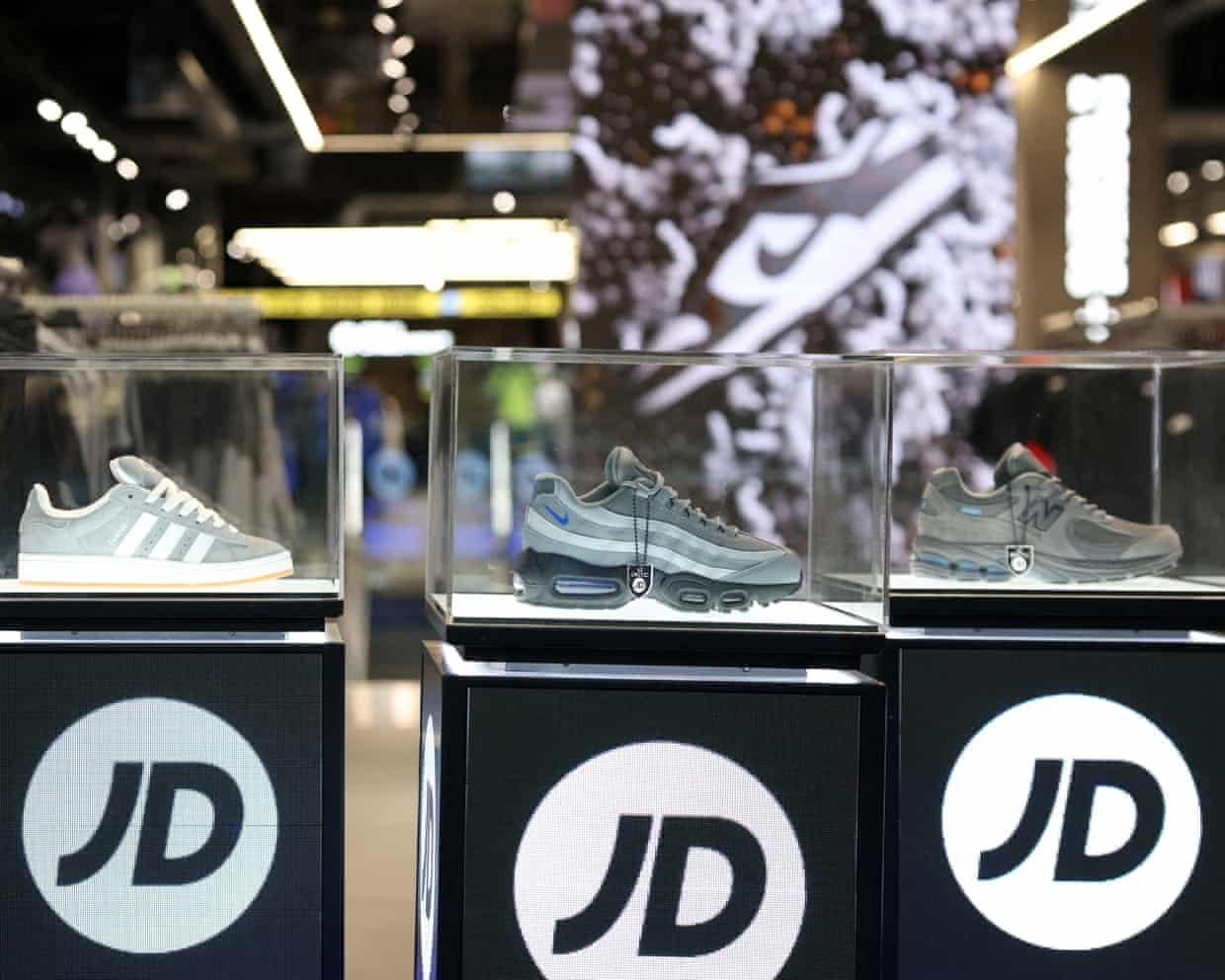
The sports fashion retailer JD has warned that profits will fall this year amid a “muted market” hit by weaker spending by young people and concerns about the Middle East conflict.The company, which runs 4,800 stores worldwide including the JD, Blacks and Millets chains in the UK, said it expected profits of between £750m and £850m in the year ahead, after reporting £852m in the year to the end of January.JD said there had been “no material business impact to date” from the conflict in the Middle East, where it operates a small number of stores through franchise agreements.However, it said that the Iran war could push up costs and prices. It said: “Over time, the potential future impacts of heightened uncertainty may contribute to direct cost pressures, including energy and fuel costs across our store and logistics networks, respectively, as well as potential indirect impacts on pricing and consumer demand should input cost inflation emerge
Climate campaigners attack Shell over ‘windfall’ profits from Iran war
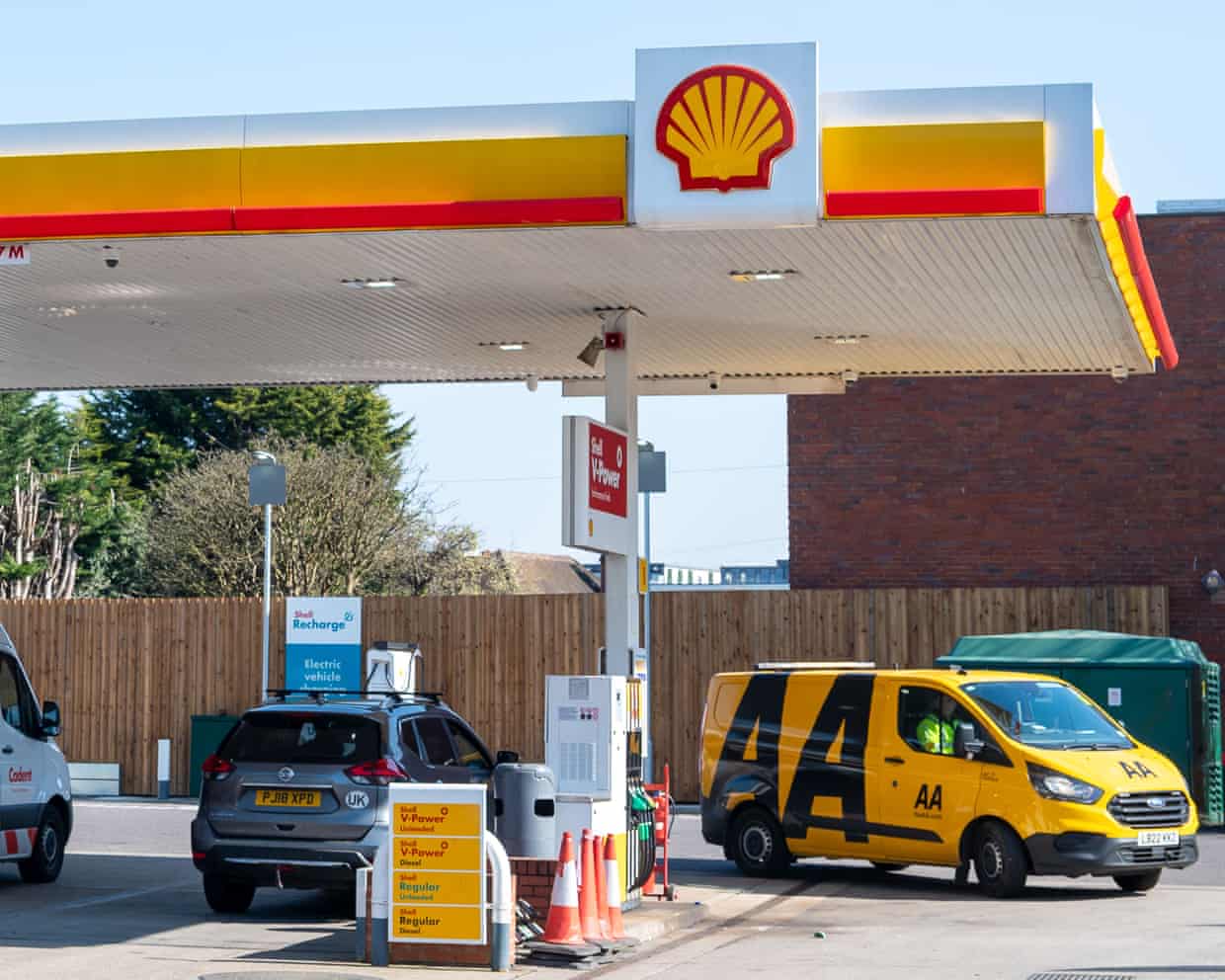
Shell has reported better than expected profits of $6.9bn (£5bn) after its oil traders reaped the benefits of soaring energy prices during the war in Iran, angering climate campaigners.Europe’s biggest oil and gas company posted a 115% jump in first-quarter profits from the $3.2bn reported in the last three months of 2025.The profits easily surpassed the $6
Cut UK speed limits to reduce Iran war impact on consumers, thinktank urges
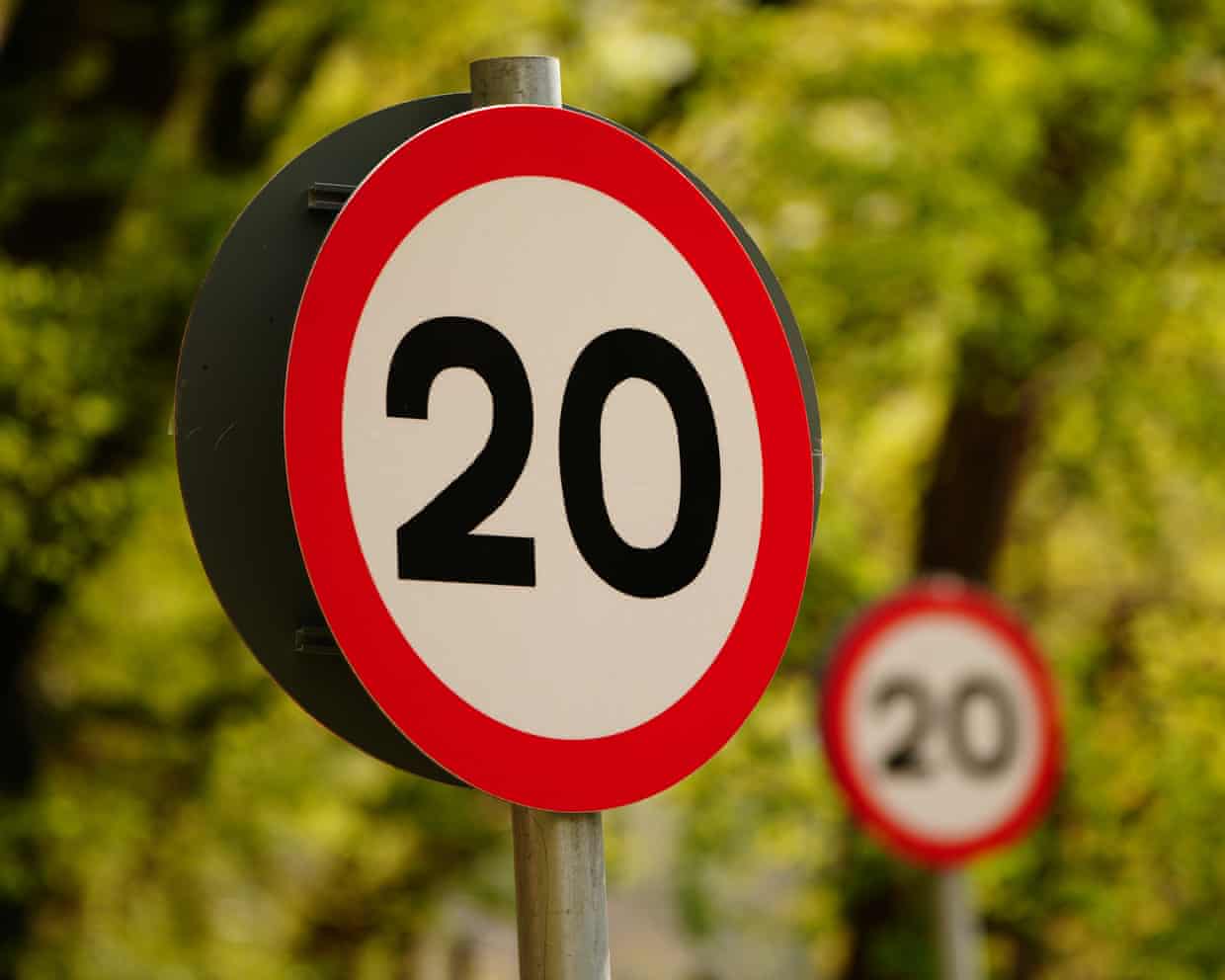
Britain should lower speed limits for drivers as part of a package of measures to reduce the impact of the Iran war on consumers, a thinktank has said.Capping legal speeds at 20mph in towns and cities and 60mph on motorways would help reduce fuel demand and combat soaring oil prices triggered by conflict, according to the Institute for Public Policy Research (IPPR).The institute said ministers should also temporarily cut fuel duty by 10p and bring in a new energy price cap of £2,000 a year to support consumers, while warning that inflation could peak as high as 5.8% if nothing is done to prevent it.“The UK cannot afford to sit back and let another energy shock drive up inflation and damage the economy,” said William Ellis, a senior economist at the IPPR
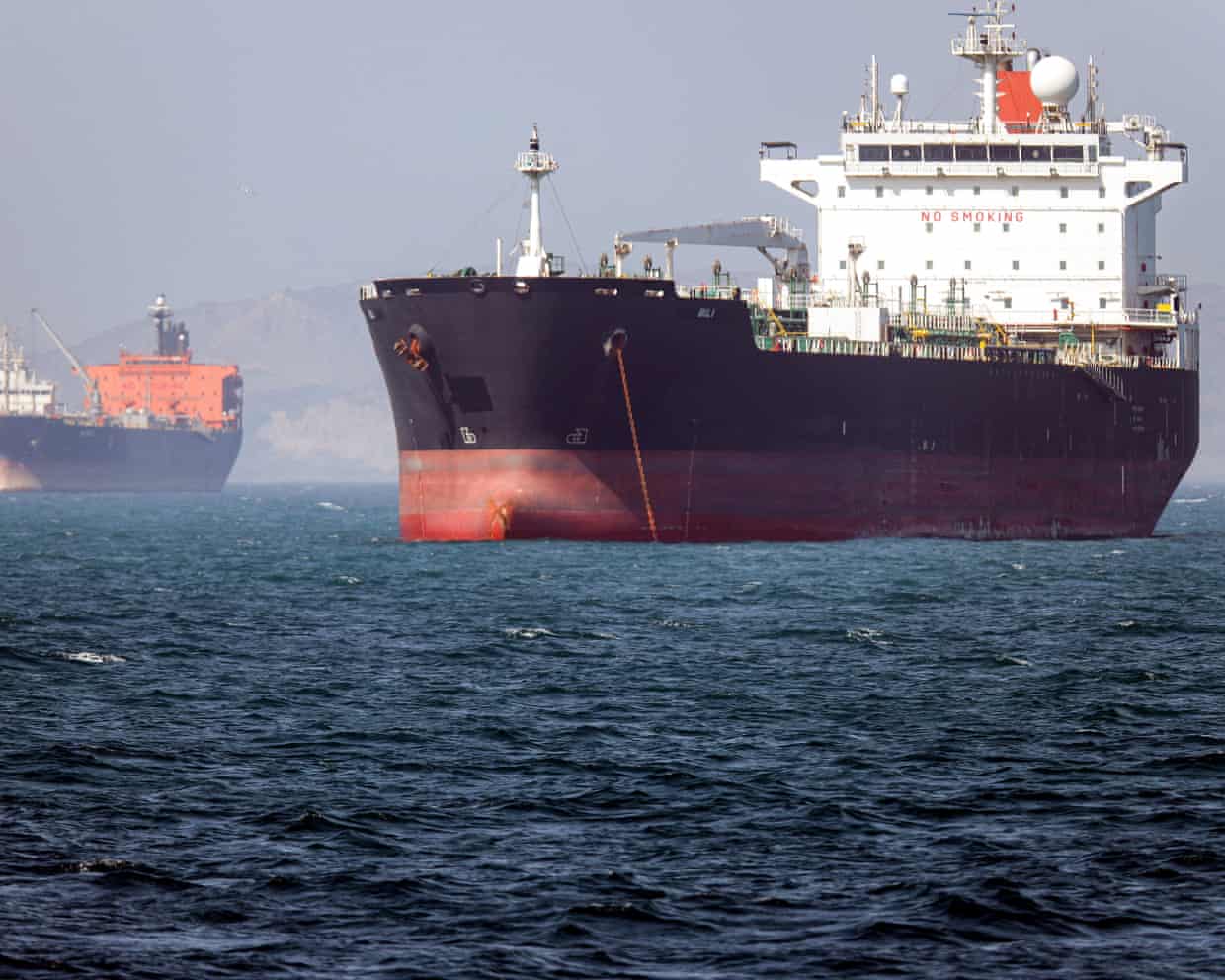
Oil prices fall as Trump says strait of Hormuz ‘open to all’ if Iran accepts deal
Oil prices fell and stock markets rose as Donald Trump said the war with Iran would end and the strait of Hormuz would be “open to all” if Tehran struck a deal with Washington.The US president posted on social media: “Assuming Iran agrees to give what has been agreed to, which is, perhaps, a big assumption, the already legendary Epic Fury will be at an end, and the highly effective Blockade will allow the Hormuz Strait to be OPEN TO ALL, including Iran.”However, he added that if Iran did not strike a deal, “the bombing starts” and “it will be, sadly, at a much higher level and intensity than it was before”.It came after the president said he would briefly pause his “Project Freedom” operation escorting ships through the strait, which carries about a fifth of the world’s oil supplies but has been blockaded by Iran since late February, triggering a global energy crisis.Trump said he was stopping the operation for “a short period” so he could finalise a deal with Tehran but added that his blockade of Iranian ports would remain in place
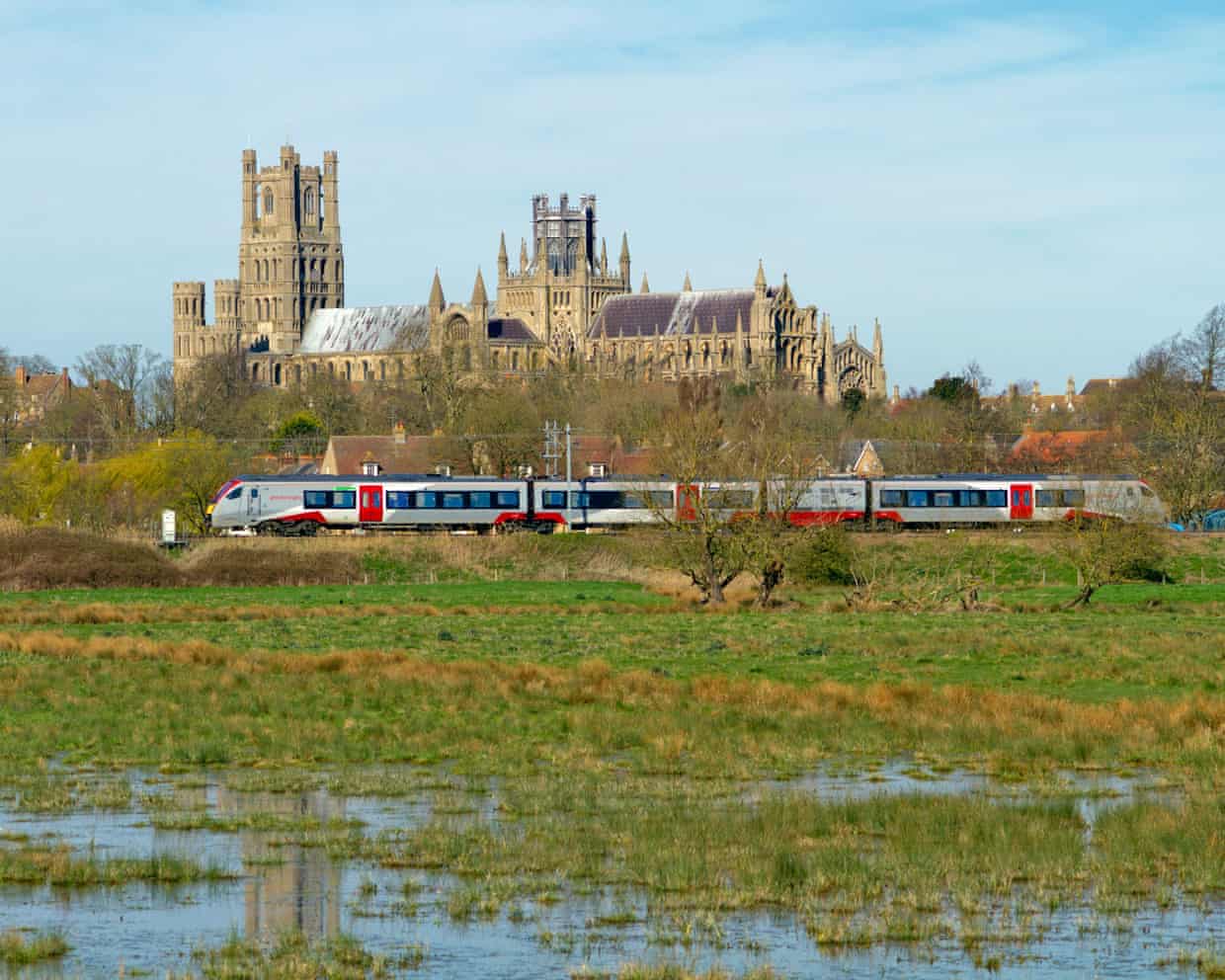
Trainline says Middle East tensions hitting European rail bookings
Trainline has said the US standoff with Iran is hitting its revenues, with rail ticket sales to foreign visitors to Europe affected.The UK-based international ticketing agent said it expected revenues to stay flat or decline over the coming year, citing “the effects of geopolitical tensions in the Middle East on inbound air traffic into Europe”.Airlines have reported later bookings, with considerable consumer uncertainty around summer travel plans. The US-Israel war on Iran, closure of the strait of Hormuz and subsequent blockades have raised doubts about global jet fuel supply, with carriers already beginning to cancel thousands of flights.Shares in the company fell on its earnings guidance, with Middle East tensions adding to Trainline’s prior warnings of headwinds, including UK ticketing policy
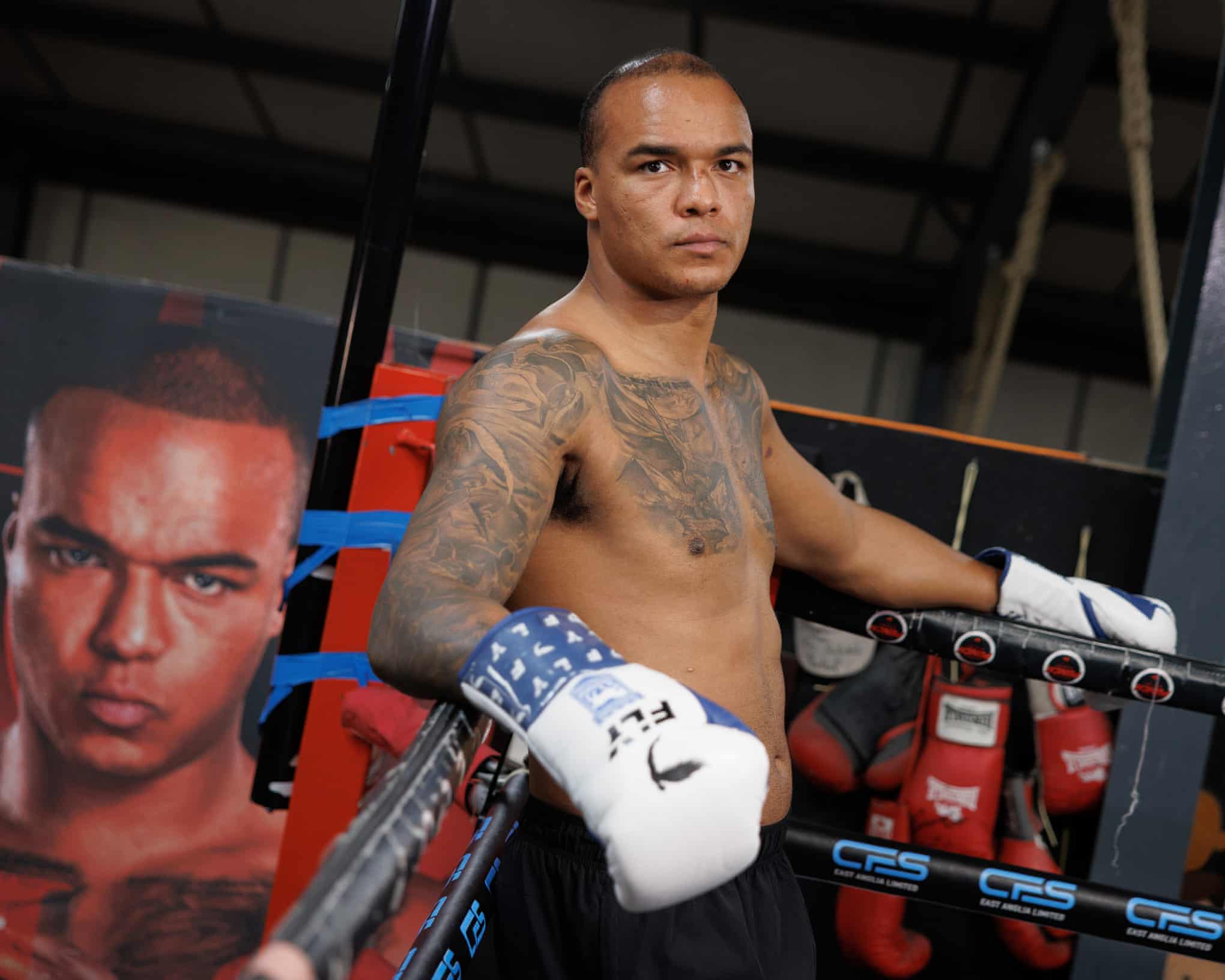
‘The three of us are the next’: Fabio Wardley on Dubois, Itauma and boxing’s heavyweight future
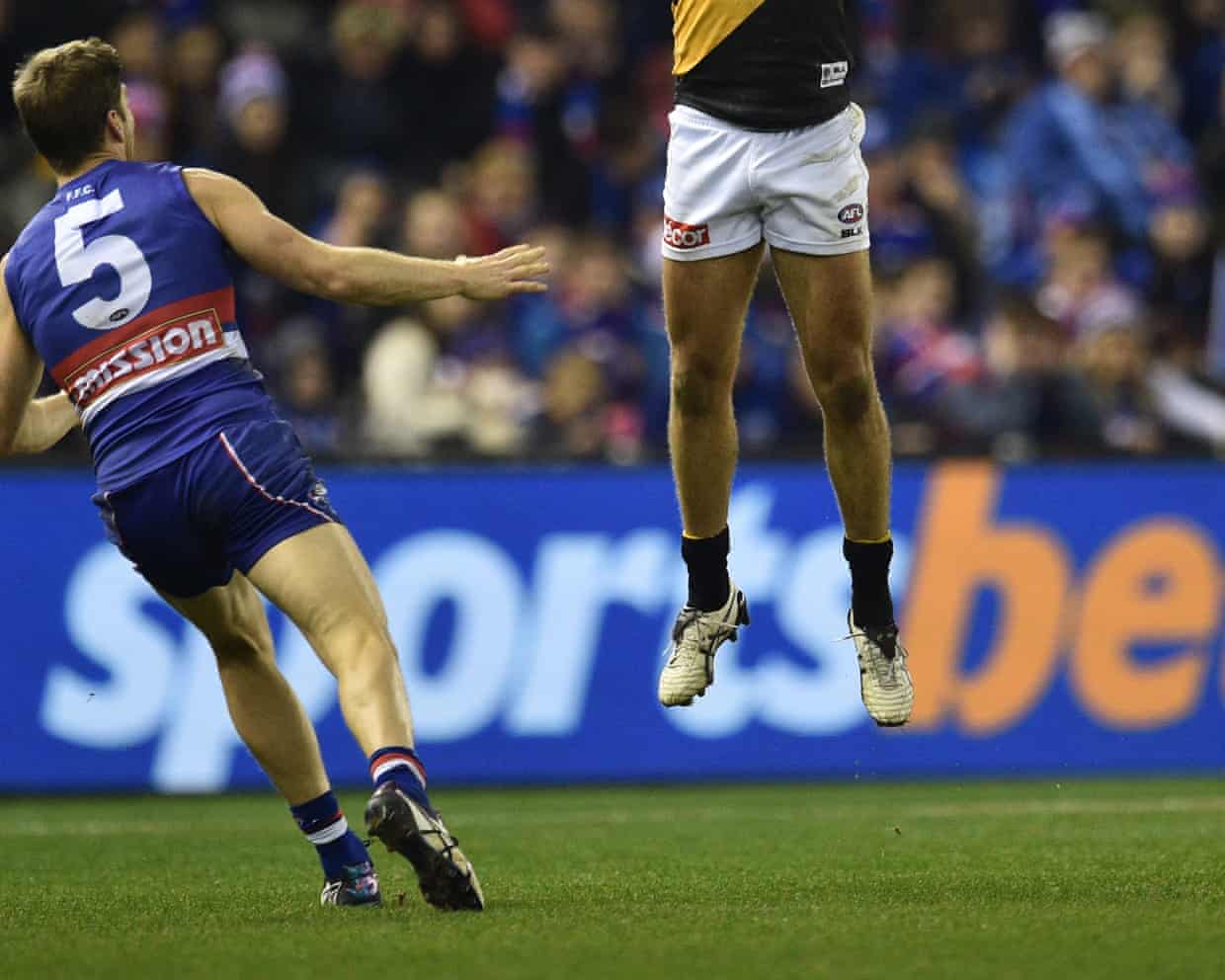
Change in Sportsbet policy engulfs AFL identities amid scrutiny of gambling links

Cornish Pirates boosted by ‘milestone’ seven-figure deal with US private equity firm

Runner dies after medical emergency during 253-mile ultramarathon in Arizona

A UConn reunion and Caitlin Clark’s return: WNBA storylines to follow in season 30 | Jordan Robinson

Raducanu’s road leads from Rome to a French Open fitness race and questions beyond