Ministers to ask 100 UK citizens to advise on digital ID plans
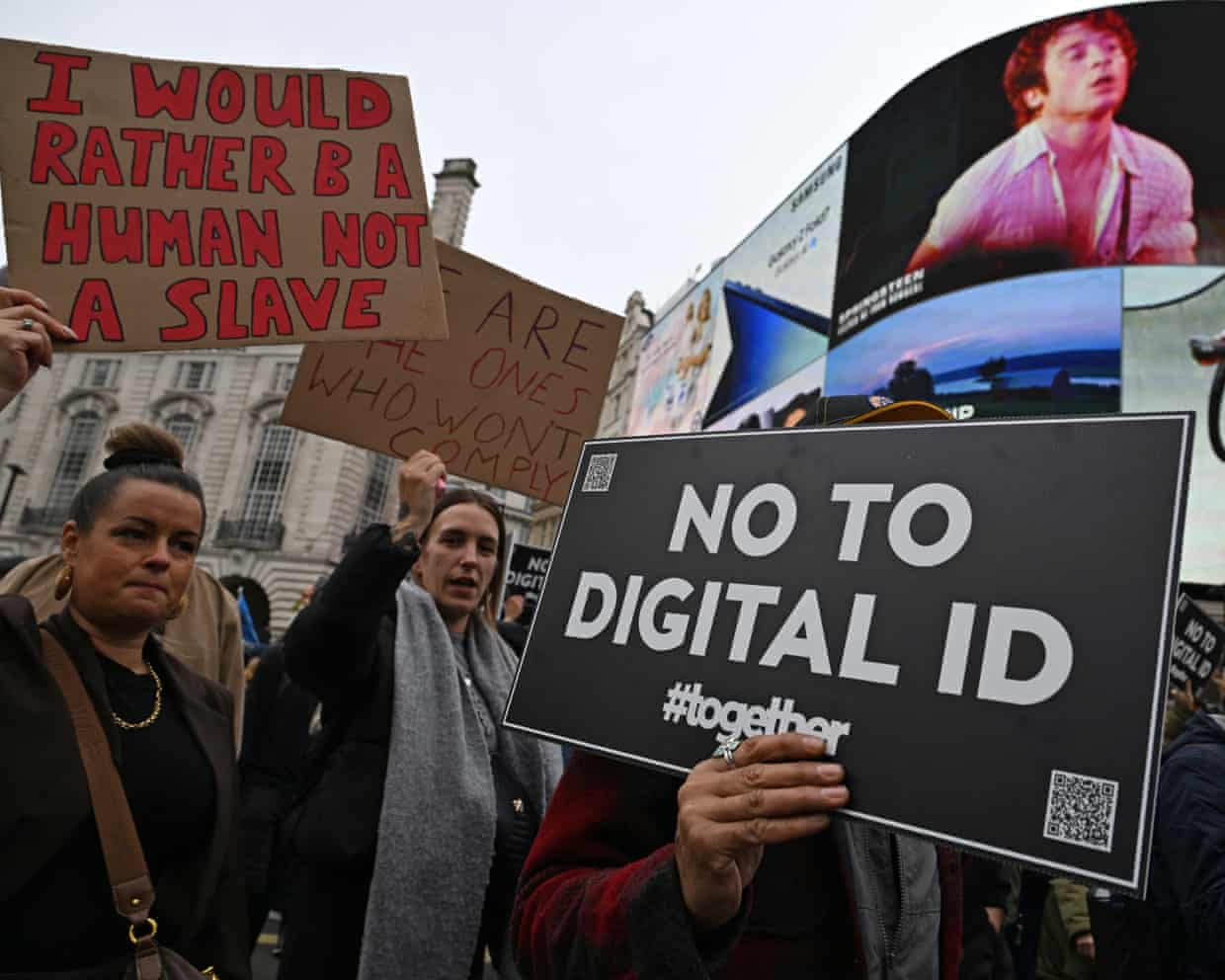
Ministers will ask 100 people randomly selected from across Britain to feed into the government’s consultation on digital IDs as the government hopes to combat conspiracy theories about how it intends to use the technology.Darren Jones, the chief secretary to the prime minister, will announce the details of the consultation on Tuesday, amid scepticism from parts of the public and within the government about the idea.As part of the consultation, ministers will announce a “citizens’ assembly” of people to feed in their views in an effort to hear the concerns of non-experts.Jones is also facing resistance from some of his own colleagues, with the education secretary, Bridget Phillipson, understood to have ruled out using the technology to help allocate special educational needs funding.Jones said: “Public trust in the state has been declining for years, whoever has been in power – and people too often feel shut out of decisions.
“This consultation is going above and beyond to bring people in to all the big debates, and the knotty trade-offs too.We’re deliberately going out to seek the views of ordinary people from all walks of life and from right across the country – so it’s not just the loudest or most powerful voices who are being heard.”Keir Starmer, the prime minister, announced last year that the government would roll out a compulsory national digital ID, at first as a way of proving that employees have a right to work in the UK.The government has since dropped the idea of making it compulsory, saying workers would instead be able to show other forms of ID as proof of right to work, such as passport scans.On Tuesday, Jones will outline possible other uses for the scheme, designed mainly to make it easier to access public services.
A government spokesperson said: “Digital ID will make everyday life easier for people, ensuring public services are more personal, joined-up, and effective.”Those uses will not involve the NHS, however, with the health secretary, Wes Streeting, having expressed his own scepticism about the scheme.Nor will it be used to provide special educational needs support, with Phillipson having decided against digital Send passports as part of the reforms she announced last month.Ministers have been concerned by some of the negative responses the idea has garnered, some of which have been fuelled by misinformation.The BBC recently had to apologise after its comedy show Have I Got News For You said falsely that the contract for the project had been granted to Euan Blair, son of former prime minister Tony.
Officials hope the citizens’ assembly – a process used in Ireland to build consent around issues such as abortion laws – will help improve trust in the scheme,The panel will meet over several weekends, interviewing experts and officials and hosting public debates, before coming up with its own recommendations,
Gerry Adams ‘as culpable as those who planted IRA bombs’, high court hears
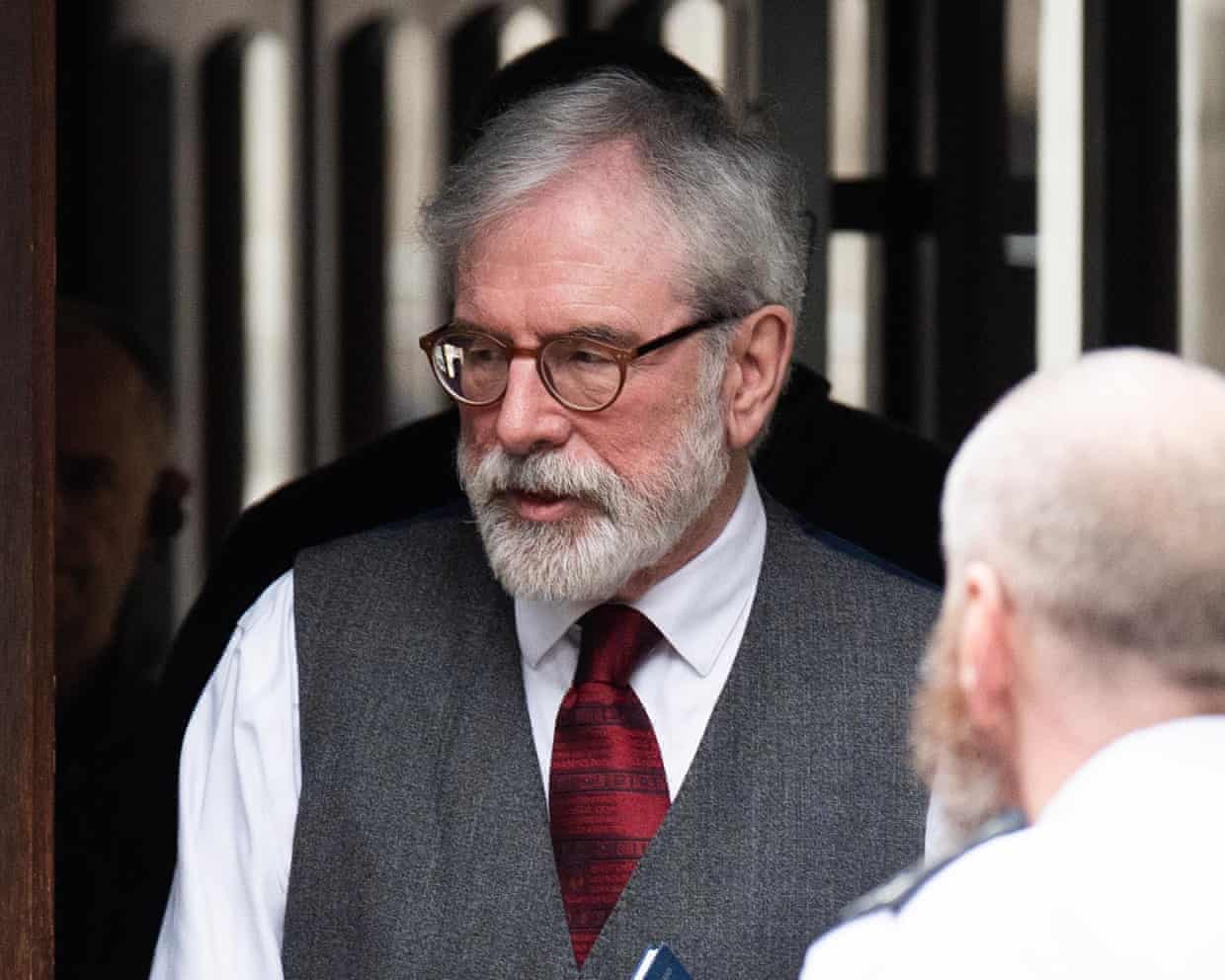
Gerry Adams is as culpable for IRA bombings on the UK mainland as the individuals who planted and detonated the devices, the high court has heard at the beginning of a civil trial.The former Sinn Féin leader is being sued for symbolic “vindicatory” damages of £1 each by John Clark, Jonathan Ganesh and Barry Laycock, who were injured respectively in the 1973 Old Bailey bombing, and the London Docklands and Manchester bombings in 1996.They allege that Adams, who is credited with helping to bring about the Northern Ireland peace process, “was an instrumental force in the organisation of the PIRA [provisional IRA] and building of the two-strand attack – ArmaLite and the ballot box. A foot in each camp.”Opening the claimants’ case in London on Monday, Anne Studd KC, said in written submissions: “Their focus is to shine a light upon the involvement of the defendant in the PIRA in the course of that conflict and to prove on balance of probabilities that he [Adams] was so intrinsically involved in the PIRA organisation that he is as culpable for the assaults giving rise to these claims as the individuals who planted and detonated the bombs
Missing money, shipped chips and a 350,000% profit: key takeaways on AI ‘phantom investments’
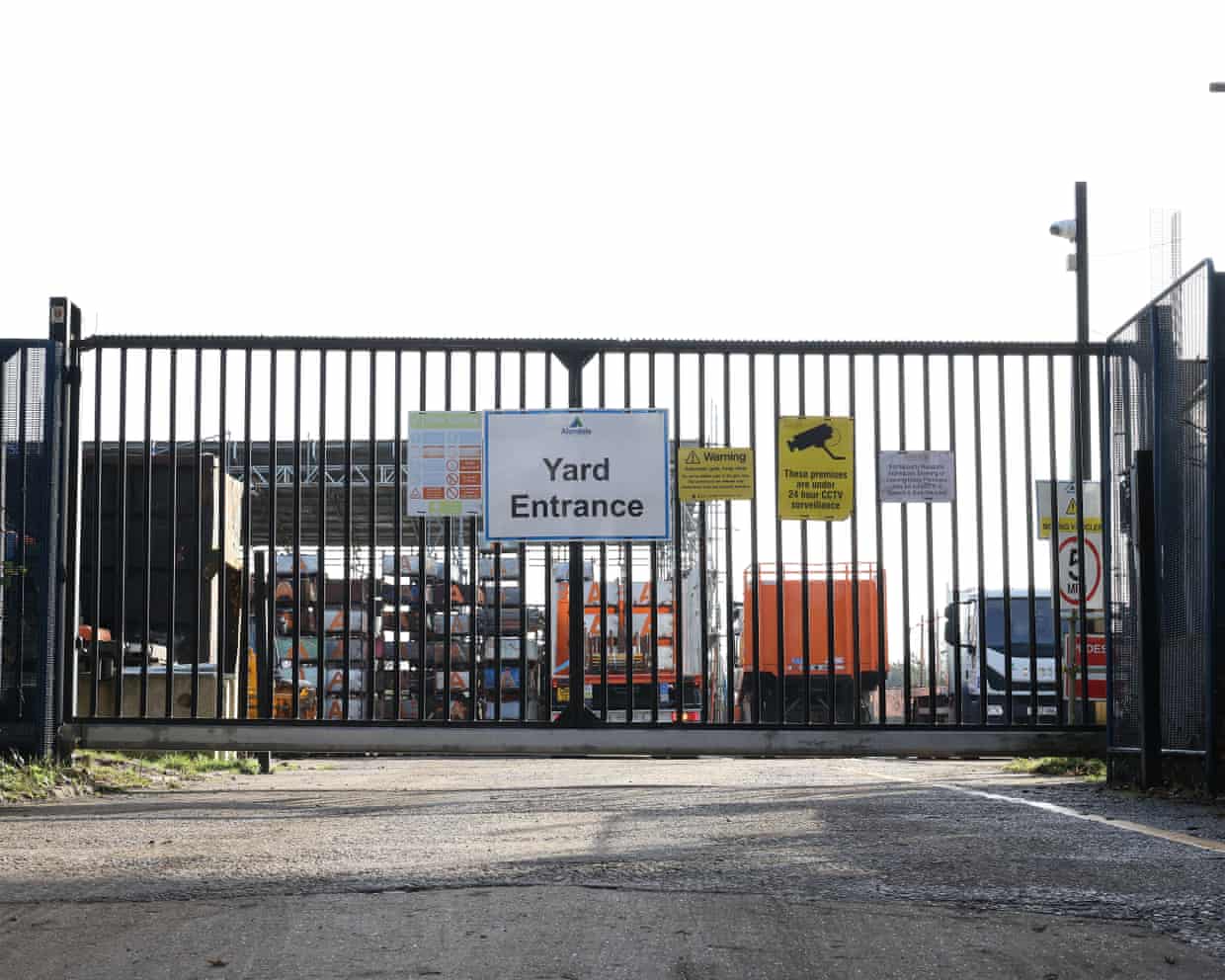
A Guardian investigation has examined a series of massive AI investments announced by the government over the past two years, comparing what was promised with what has so far been delivered.The investigation centres on two companies backed by the chipmaker Nvidia and central to the UK’s AI plans, Nscale and CoreWeave.It has found that large, promised sums do not represent real investments into the UK’s economy, that new datacentres are not in fact new, and that a giant supercomputer set to be online later this year is still being used by a construction company in Essex.Here are some of the key details at a glance.The Guardian visited a site in Essex that is supposed to host “one of the most powerful AI computing centres ever built”, built by Nscale
Starmer warns of bigger impact on economy the longer Iran war continues - as it happened
Addressing the war in Iran, Keir Starmer acknowledged that the longer the conflict went on the greater the likely impact on the UK’s economy. The prime minister said:double quotation markThe job of government is obviously to get ahead, to look around the corner, to work with others, and the chancellor speaks to the governor of the Bank of England on a daily basis, with looking cross-departmental within government, assessing the risks, monitoring and talking to our international partners as well about what more we can do together to reduce the likely impact on people here and businesses here, of course.But it is important to acknowledge that that work is needed, because people will sense, you will sense I think, that the longer this goes on, the more likely the potential for an impact on our economy, impact into the lives and households of everybody and every business.And our job is to get ahead of that, to look around the corner, assess the risk, monitor the risks, and work with others in relation to that.The longer the US-Israel war with Iran continues, the more likely it is there will be economic damage in the UK, Keir Starmer warned as governments around the world braced for major disruption to energy supplies as a result of the escalating US-Israeli war with Iran
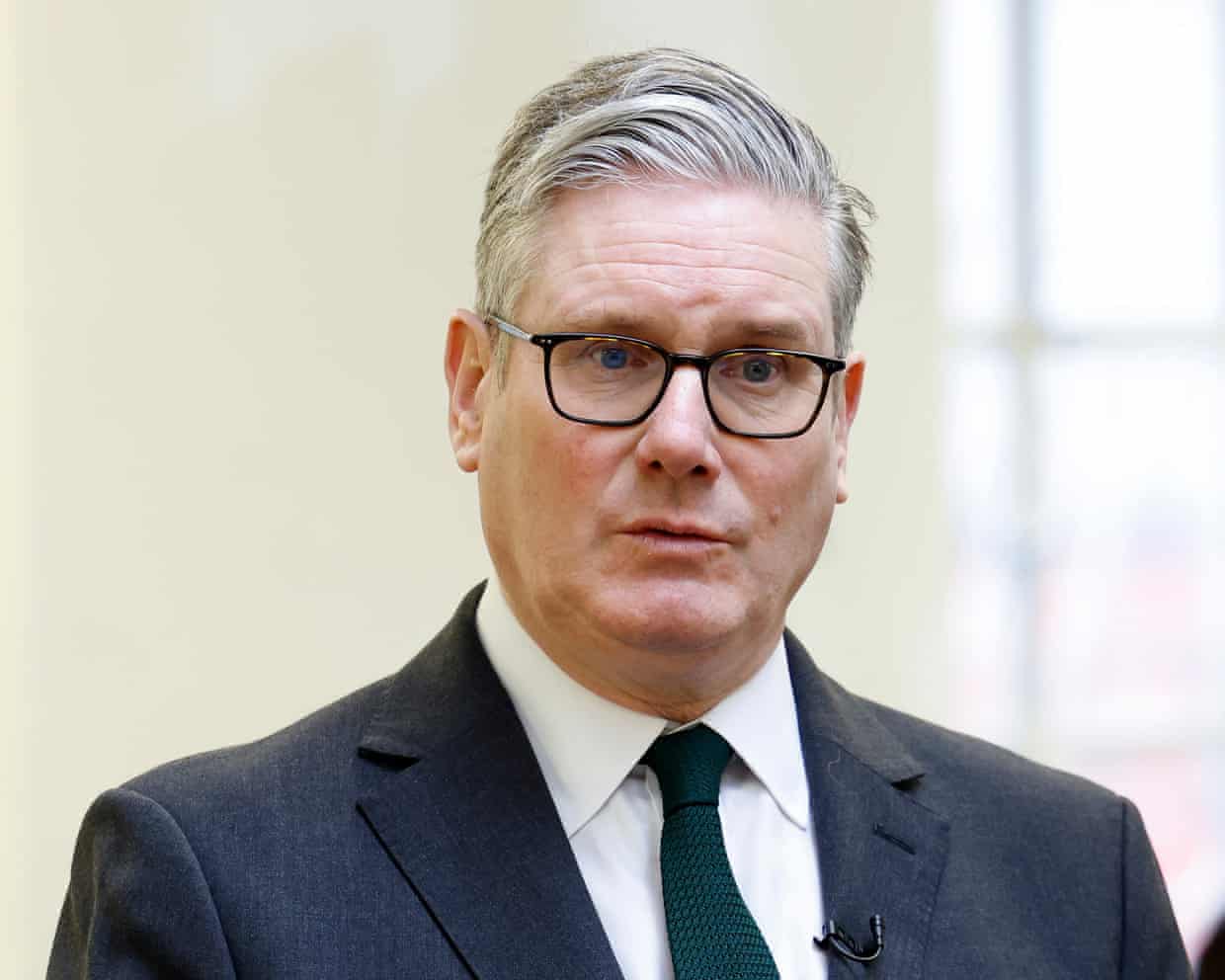
Lengthy US-Iran war would affect ‘lives and households of everybody’, says Starmer
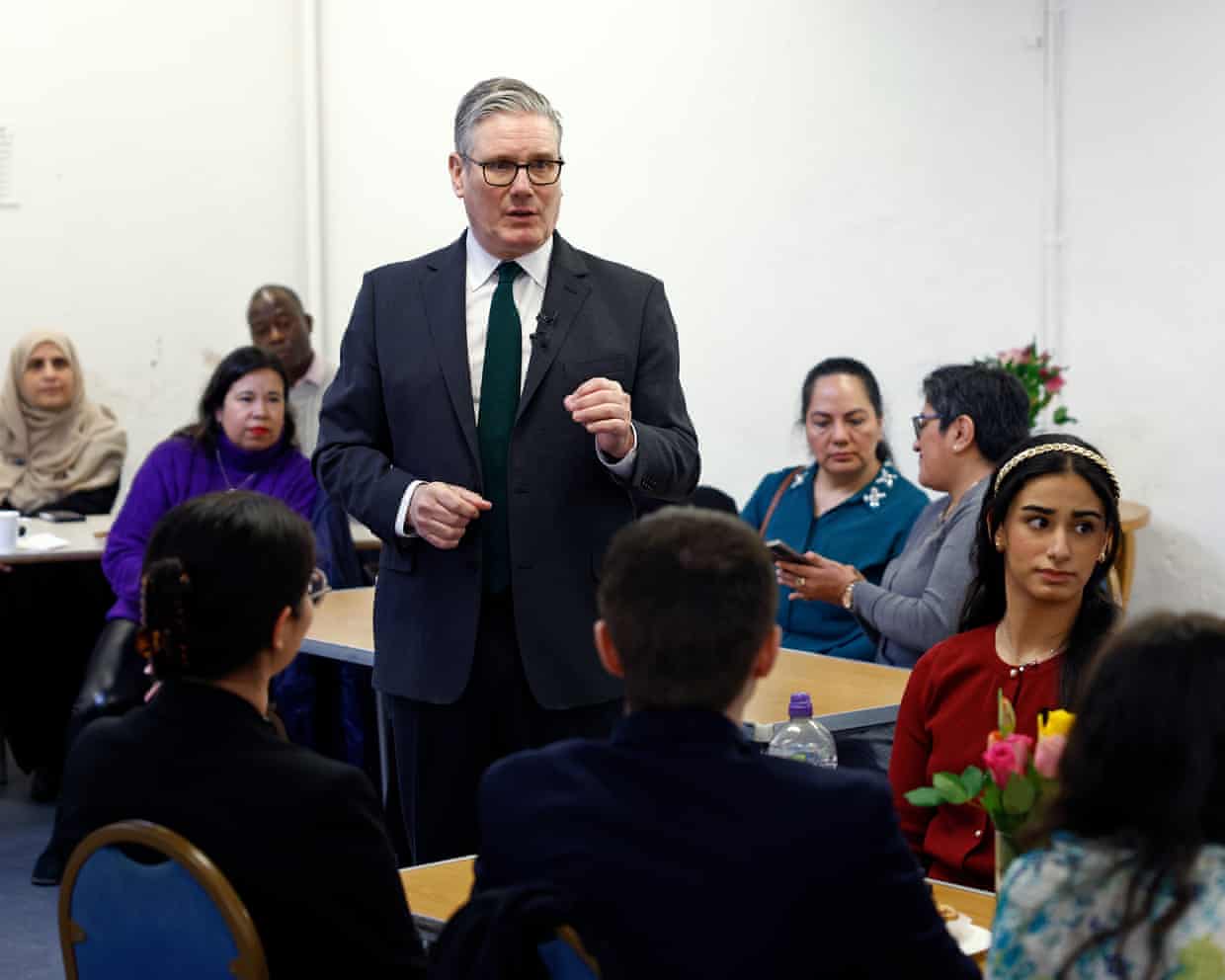
Keir Starmer has said that a long-term US-Iran war would affect the “lives and households of everybody”, as the head of the AA advised motorists against making “non-essential” journeys.On Monday, oil prices surged past $100 (£75) a barrel for the first time since 2022, which will feed through to higher costs at petrol stations, and consumers will also be hit if energy costs push up inflation.Ministers are understood to be looking at ways to potentially mitigate the rising costs on energy bills – and are likely to come under pressure to cancel a planned 5p rise in fuel duty this autumn.Speaking as he launched the government’s community cohesion plan, Starmer said: “The job of government is obviously to get ahead, to look around the corner, to work with others, and the chancellor speaks to the governor of the Bank of England on a daily basis … assessing the risks, monitoring and talking to our international partners as well about what more we can do together to reduce the likely impact on people here and businesses here, of course.“But it is important to acknowledge that work is needed, because people will sense … that the longer this goes on, the more likely the potential for an impact on our economy, impact into the lives and households of everybody and every business
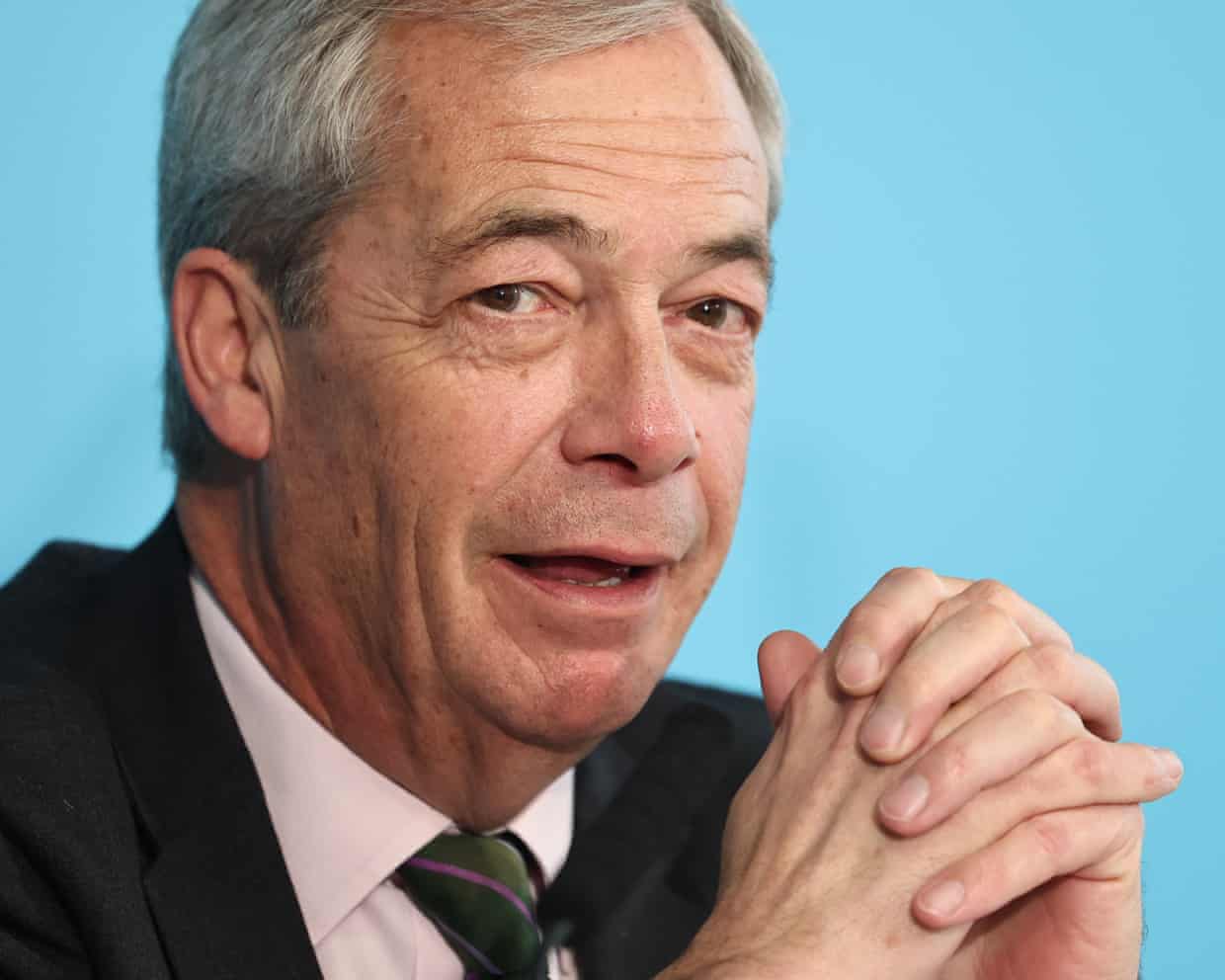
Nigel Farage invests £215,000 in Kwasi Kwarteng’s bitcoin firm
Nigel Farage has invested in Kwasi Kwarteng’s bitcoin reserves company, as the leader of Reform UK aligns himself closer with the cryptocurrency industry.The MP has invested £215,000 in Stack BTC, the crypto business that is chaired by the former Conservative chancellor.Farage, who has long courted the UK’s crypto sector, said he was delighted to have “become an investor in Stack” and “lend my support to the team”.“I have long been one of the UK’s few political advocates for bitcoin, recognising the role digital currencies will play in the future of business and finance,” he said in a statement. “I believe that we can and should be a major global hub for the crypto industry
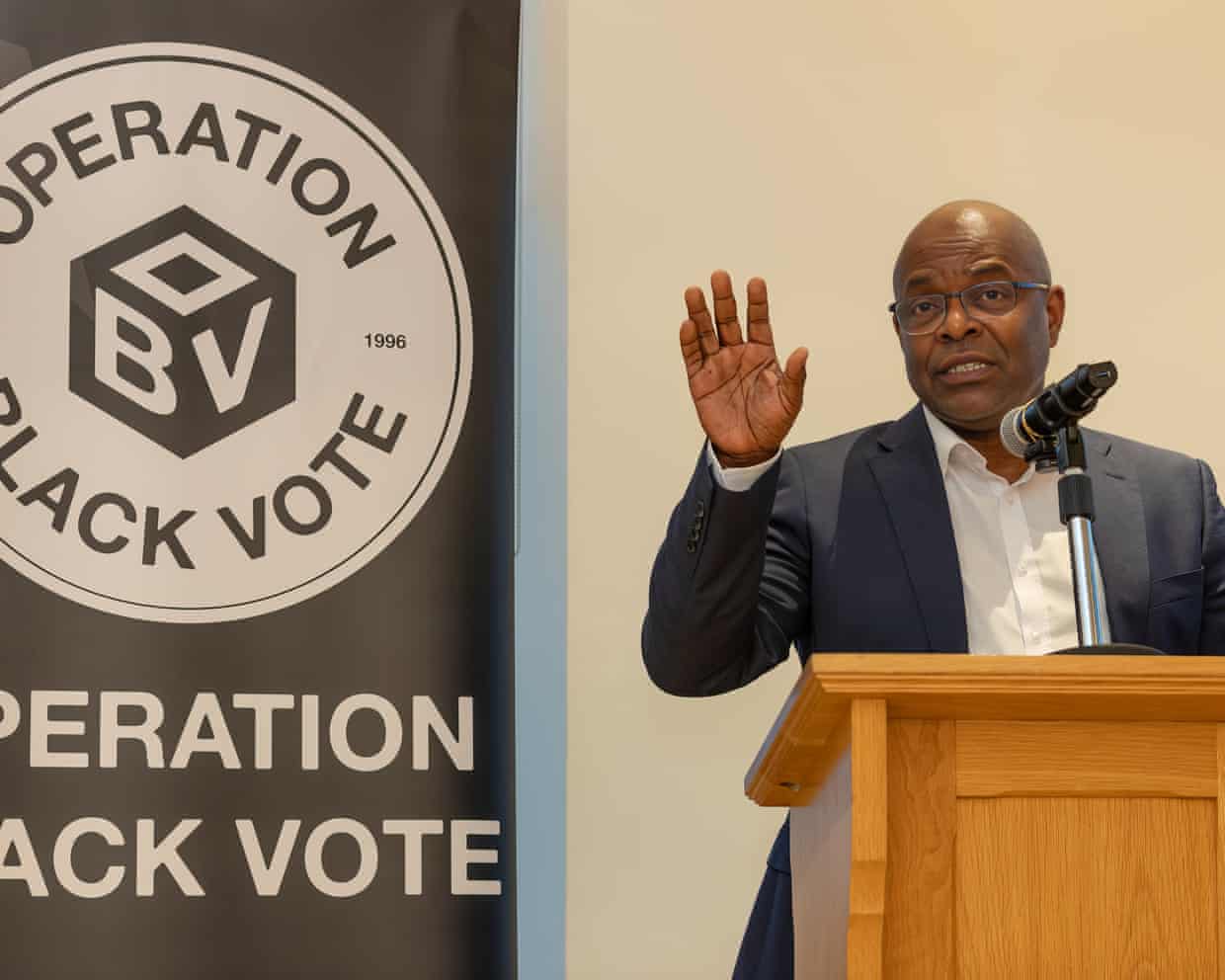
Labour in ‘deep trouble’ with Black voters, Operation Black Vote chair warns
Labour is in “deep trouble” with Black voters, a former government adviser has warned, saying the party is at risk of being seen as “accepting the normalisation of racism”.David Weaver, who is the chair of Operation Black Vote (OBV), said the government’s plans to restrict juries would “heighten, normalise and embed” racial disproportionality in the justice system and that Black voters were saying: “We don’t know what Labour stands for any more.”In November, Keir Starmer vowed to “stand up to racism”. But the “moral panic” over migration and slow progress on tackling racial pay gaps and the Windrush scandal meant sentiment was low, Weaver said.“We’re not happy,” he added

Cheltenham festival day one: The New Lion can roar in Champion Hurdle

Verdict on the start of F1’s new era: five talking points from the Australian GP

Zac Lomax exits limbo via defection as latest NRL star lured by Wallabies jersey | Angus Fontaine

Russia flag raised and national anthem played after first gold at Winter Paralympics

Sky Brown wins second skateboarding world title at rain-hit event in Brazil
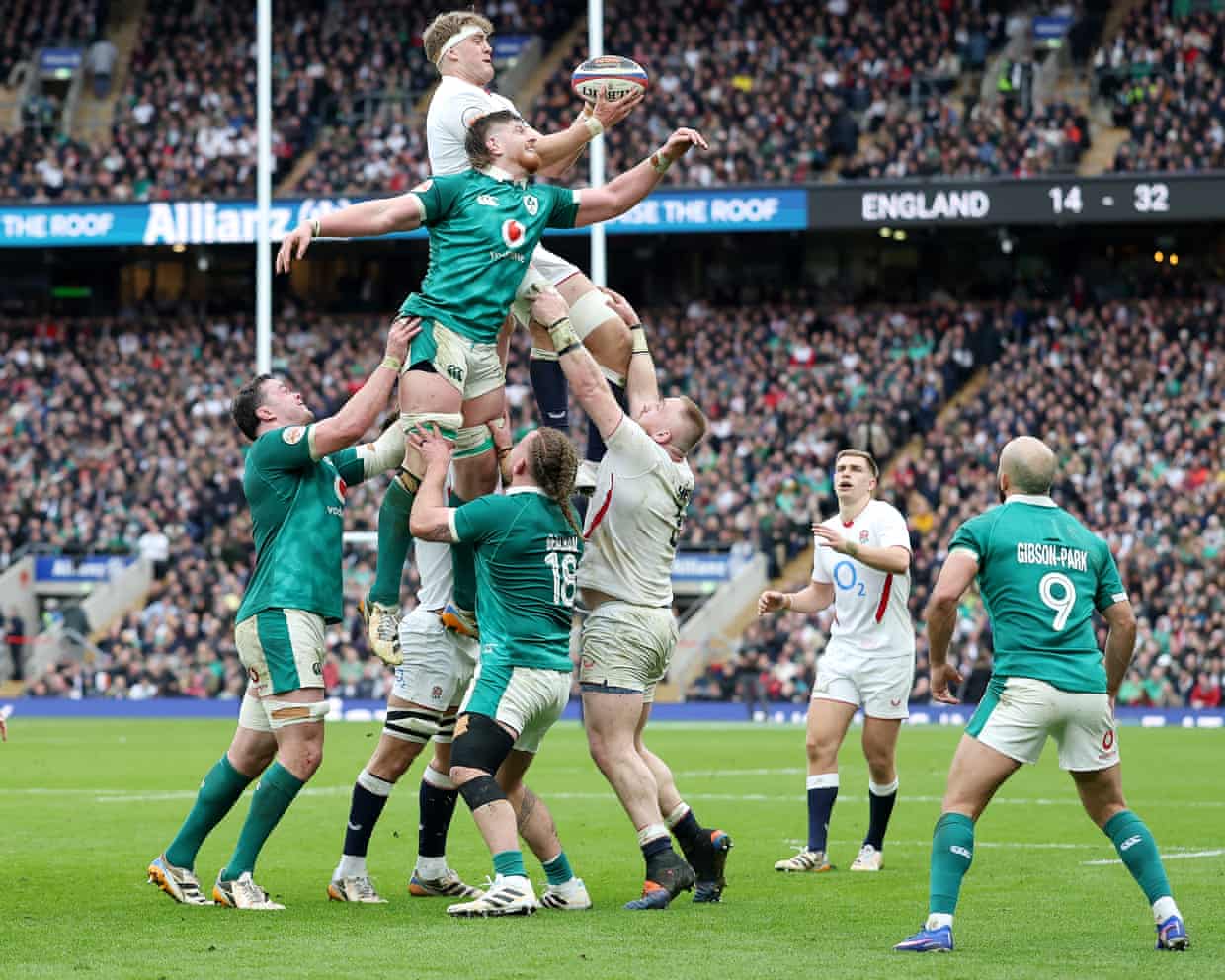
England handed tough Six Nations 2027 opener with Friday night trip to Dublin