Disco hit: Penne alla vodka, popular in New York 80s clubs, is now a menu staple
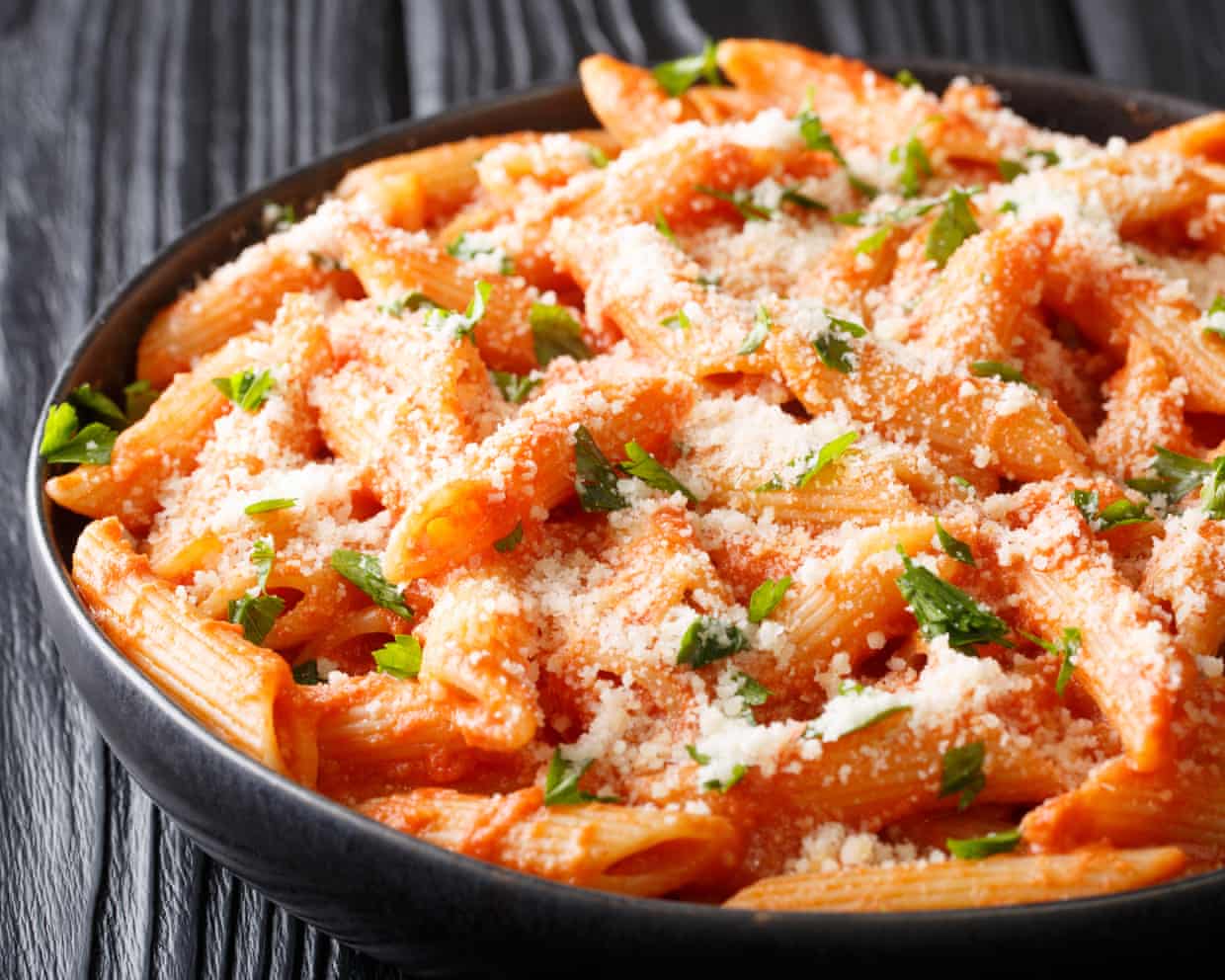
Despite most traditional Italians considering it sacrilegious, penne alla vodka is quickly becoming one of the most in-demand Italian dishes.Previously popular in suburban Italo-American restaurants during the 80s, the dish is now enjoying a widespread resurgence that is being driven by several factors including nostalgia and social media.Featuring a tomato and cream base with a splash of vodka, the silky smooth sauce sits somewhere between coral and carrot on the colour wheel.The Guardian’s Rome-based food writer Rachel Roddy describes it as “luxurious and a bit racy”.Dara Klein, a chef and founder of Tiella Trattoria in London, says the dish “hits lots of comforting notes”, comparing it to a slightly more grownup take on the Italian childhood favourite pasta al pomodoro which is “eaten from day dot”.
From New York to London, you’ll now find penne alla vodka as a beloved fixture on menus spanning budget eateries to fine dining,At Marks & Spencer, you can buy a ready-meal version of the dish for £4,60, while at Waitrose, the retailer sells tubs of its own take on the sauce for £3,75,A spokesperson for the retailer says sales are up 65% year on year.
Meanwhile, at the London outpost of Carbone, the cult New York cucina with a three-month waiting list for weekend reservations, its kitchen serves up more than 120 orders of the rich, glossy pasta each night.“There’s an alchemy to the dish,” says its co-founder and chef Mario Carbone.His recipe features chilli flakes and uses fresh rigatoni, instead of penne, because it cooks quicker.“It’s creamy, spicy and chewy,” Carbone says.“It is quite addictive to eat.
”Rather than diners posting a photo of the Carbone’s smart mosaic floors, gleaming leather banquettes or neon signage, a snap of the plated pasta has become a sort of insider humblebrag on social media.“You don’t even need to add the name or location,” notes Carbone.“It’s hugely flattering that something I’ve made has taken on that effect.”While the dish has been given an Italian name, there are doubts that it is in fact Italian.Some say the dish originated during the 1960s at Fontana Di Trevi in New York.
Some claim it was invented around the corner at Orsini in the 70s.Others allege it stemmed from Dante Casari’s restaurant in Bologna, while some peg it to Alla Vecchia Bettola in Florence.Carbone, who grew up in Queens to parents of Italian descent, says it wasn’t a dish served at home.“My grandparents were born in Italy and that is not a dish you are going to find there.They definitely would have kind of turned their noses up at that idea.
” Instead, he first experienced it as a child in a neighbourhood restaurant.When he suggested putting it on the restaurant’s debut menu in 2013, he said the team chuckled.Many doubted that the retro dish would work for a fancy restaurant, but from the opening night it was an instant hit.By the 80s, vodka pasta had become ubiquitous in the US.It became popular in nightclubs earning the nickname “disco sauce”.
Ian MacAllen, the author of Red Sauce: How Italian Food Became American, isn’t surprised to see it having a comeback almost four decades later.“The world is falling apart right now,” he says.“The warm embrace of this very rich, comforting food is what people are looking for right now.”For gen Z, penne alla vodka has become their equivalent of the 70s prawn-cocktail dinner party, with recipe and serving suggestions on TikTok amassing hundreds of thousands of views.Some refer to it as “the Gigi Hadid pasta” – a nod to the model who posted her own take on the trend.
Part of the appeal is that it can be made relatively cheaply and quickly, but for the cohort who is largely sober curious, it also offers a way of experimenting with alcohol without actually consuming it,Tiella Trattoria says the vodka can help “add body to the sauce” as it acts as an emulsifier between the cream and tomatoes,Carbone says it doesn’t add any flavour, describing its use as “more ceremonial than anything”,MacAllen says many of today’s versions have “been gentrified in some respects”, pointing to New York’s Don Angie that does a lobster alla vodka take,The author says it reflects a changing attitude towards the idea of authenticity.
“In the 90s, it was all about finding original recipes.Nowadays, they are adapted and evolve over time,” MacAllen said.For some that means even pivoting away from pasta.In worrying news for traditionalists, pizza alla vodka and chicken alla vodka sandwiches are now gaining momentum in the US.
Zack Polanski calls for ‘nuance’ when discussing antisemitism in rebuke of PM
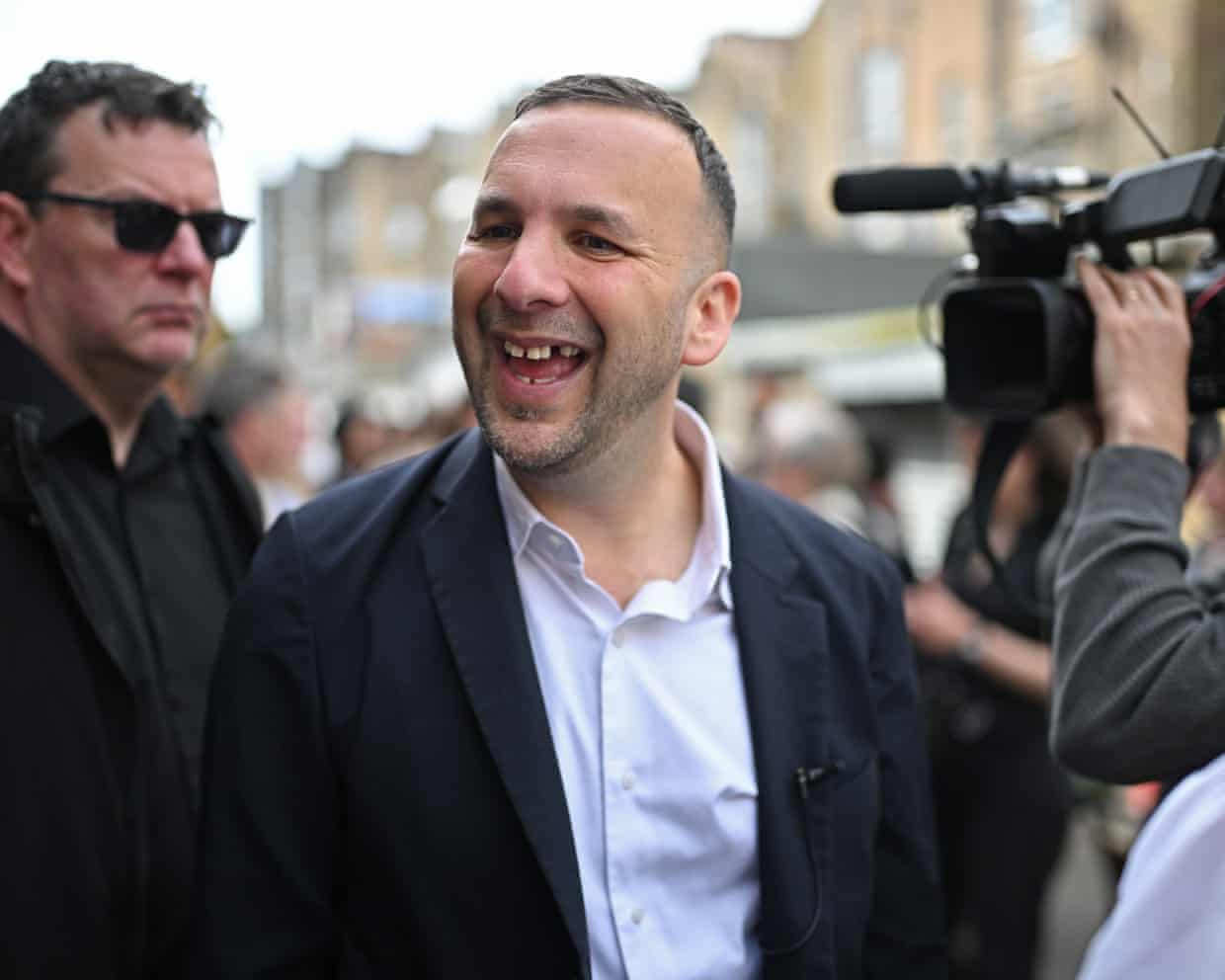
Zack Polanski has called on politicians to treat antisemitism with “consideration, care and nuance” as he accused Keir Starmer of trying to play political games with the issue.The Green leader’s comments come after the prime minister accused him of playing down recent antisemitic incidents. Polanski’s party is facing increasing scrutiny over recent comments by some candidates and members.Some Green members and officials have expressed concern to the Guardian about what they say is the recent arrival of members who are vehemently anti-Israel to an extent that crosses into antisemitism, and the difficulties of countering this in a highly decentralised party.Speaking on a visit to a synagogue, Starmer labelled Polanski “disgraceful” for saying it was important to distinguish between an actual threat to the Jewish community in the UK after recent arson attacks and the “perception of unsafety”
Assisted dying bill fails to become law after running out of time in parliament – as it happened
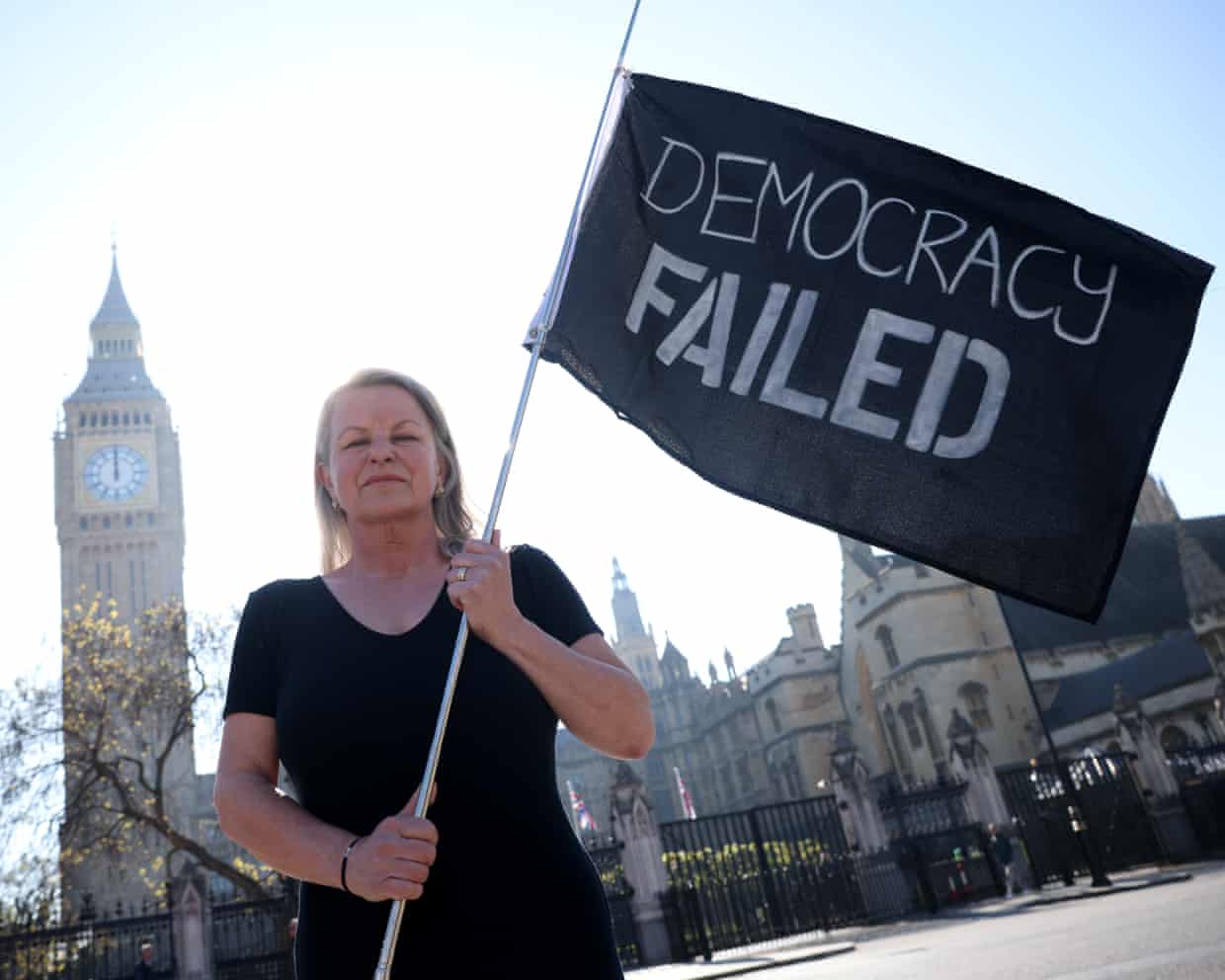
A proposed bill to allow terminally ill adults in England and Wales to choose to end their lives will not become law, after the House of Lords ran out of time to debate the numerous amendments.The assisted dying bill, which passed the House of Commons in June last year, had 16 days in the Lords for peers to debate on it, but due to the number of amendments lodged by opponents – more than 1,280 – the house ran out of time. With the parliamentary session coming to an end next week, the bill will fail.That’s all from us on the UK politics blog, thanks for following along. Here is a recap of the day’s events:A proposed bill to allow terminally ill adults in England and Wales to choose to end their lives will not become law, after the House of Lords ran out of time to debate the more than 1,280 amendments tabled by opponents

Kezia Dugdale, incoming Stonewall chair, says sorry after backlash over JK Rowling remarks
The incoming chair of the LGBTQ+ charity Stonewall says she is “truly sorry” after she expressed “huge respect” for JK Rowling in an interview with the Guardian. Kezia Dugdale, the former leader of Scottish Labour, said she understood that her words had caused “worry, anger and upset and I am truly sorry about that”.In an interview for the Today in Focus podcast in Edinburgh to mark her appointment as Stonewall’s chair, Dugdale was asked what she thought of the way in which Rowling has talked about transgender people.She said: “I have a huge respect for JK Rowling. I’ve had the pleasure of meeting her before and I think her story and how she came to be this prolific, incredible children’s writer in this city as a single mum writing in a cafe is phenomenal and an inspiration

Sir Humphrey moments: a brief history of bust-ups between ministers and mandarins
Olly Robbins gave MPs a classic civil servant’s performance – and there are lessons from the past about how ministers should respondThe Whitehall satire Yes Minister was said to be Margaret Thatcher’s favourite TV show due to its proximity to reality, as the programme’s loquacious top civil servant, Sir Humphrey, might have put it.Yes Minister had a familiar groove: there would be a problem in response to which the mandarin would artfully deploy the most astonishing sophistry to avoid blame or get his own way. Jim Hacker, the largely clueless yet ambitious politician played by the late Paul Eddington, rarely won the day.This week, in a most public way, Keir Starmer, had his own Sir Humphrey moment – potentially an existential one.Olly Robbins, fired by the prime minister as the Foreign Office’s permanent secretary after not informing him that Peter Mandelson had failed his vetting for the role of ambassador in Washington, appeared before the foreign affairs select committee, as many a civil servant embroiled in a crisis has in the past

Britain should seek to rejoin EU, says civil servant who led Brexit department
Britain should start talking about rejoining the EU, according to a former senior civil servant who ran the Brexit department.Philip Rycroft, who was permanent secretary of the Department for Exiting the EU, said the “argument was there to be won” about going back into Europe, adding that a “clear-headed appraisal of what is in the country’s best interests” was needed. However, he said rejoining the bloc could be a “long and windy” road.“Most economic analysis suggests that we have taken a significant hit to GDP as a result of leaving the single market,” he wrote in the Times. “The precise number, and the impact on our export performance to the EU and beyond, might be subject to debate, but no one can credibly claim that we have marched to the sunny uplands of sustained economic growth as a consequence of Brexit
Who is ‘cravat man’? Neckwear steals the show in Olly Robbins parliamentary grilling
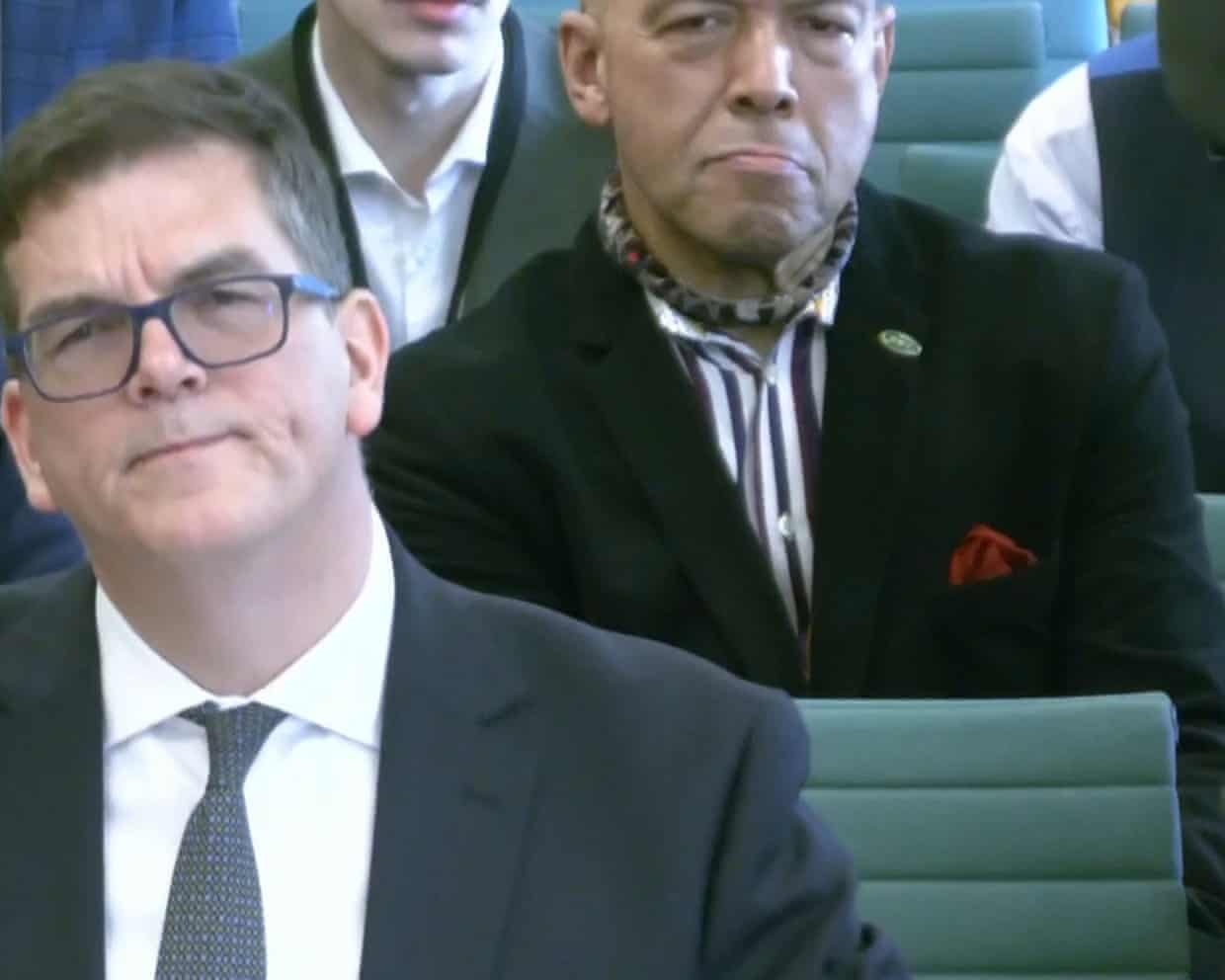
It was blockbuster viewing for politicos across the country: the livestreamed grilling of Olly Robbins. While the sacked Foreign Office civil servant was billed as the star of the show, for many he was upstaged by a well-dressed man wearing a cravat.“I’ve got a big collection,” said Andrew Edwards, the scene stealer in question.His appearance in the background of parliament’s foreign affairs select committee on Tuesday provoked many questions. Who is he and why is he rocking a cravat? The answer to the latter question is actually quite simple

Victorian parlours, whiff-whaff and a Soviet spy: ping-pong’s coming home
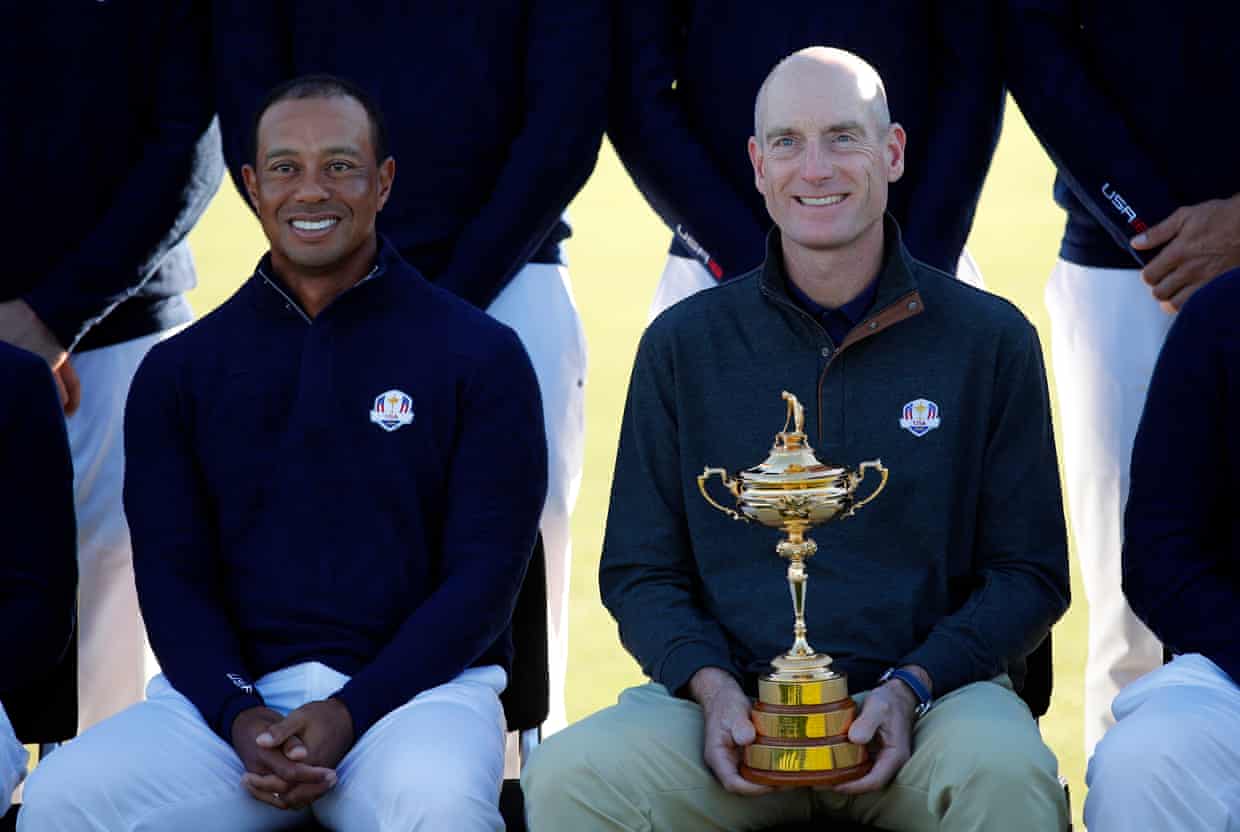
Jim Furyk to lead US Ryder Cup team after Tiger Woods’s withdrawal
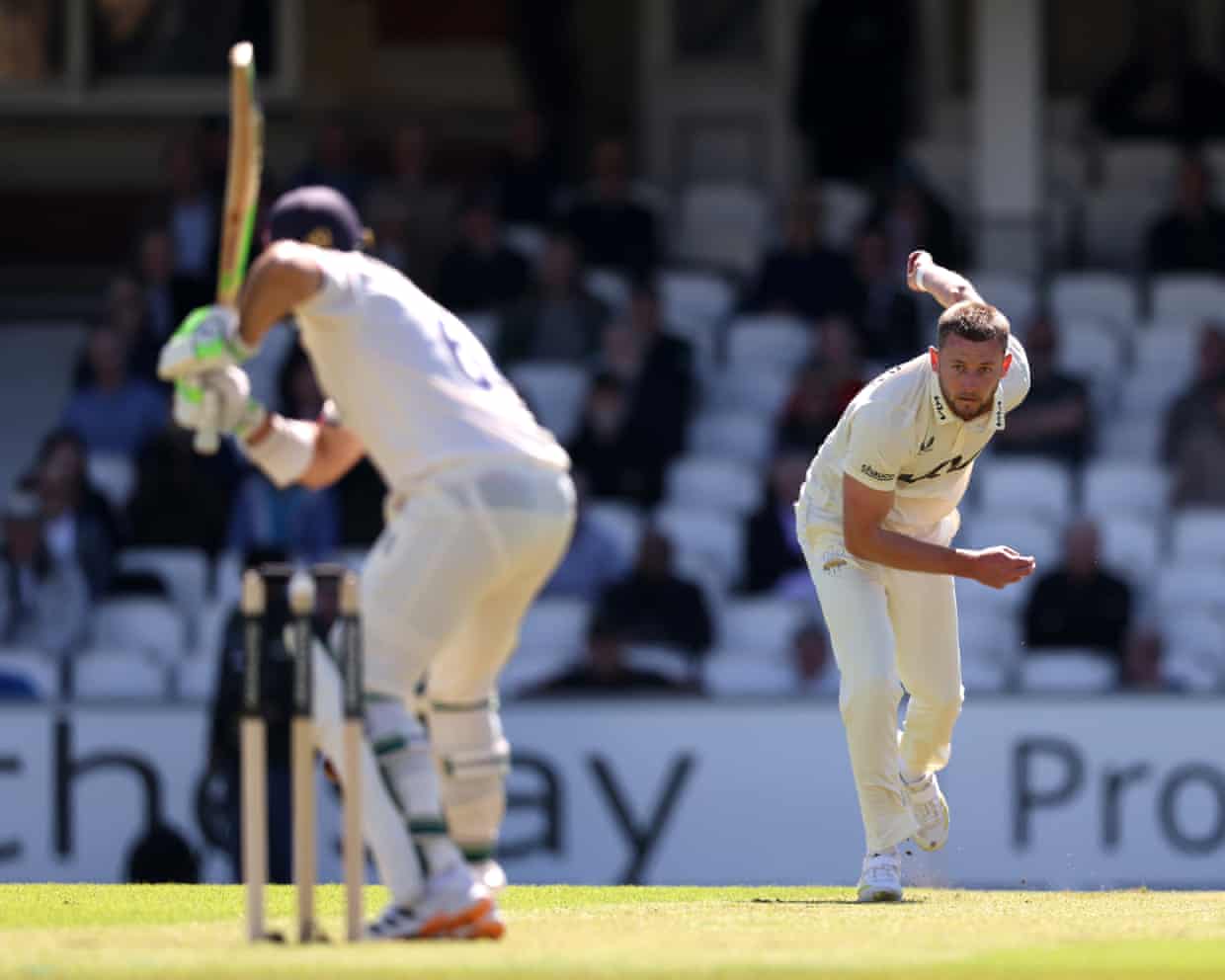
Atkinson made to wait as Essex impress at Oval: county cricket, day one – as it happened

It’s FA Cup and WCL semi-final time, plus mighty London Marathon feats – follow with us

Carlos Alcaraz pulls out of French Open title defence due to wrist injury
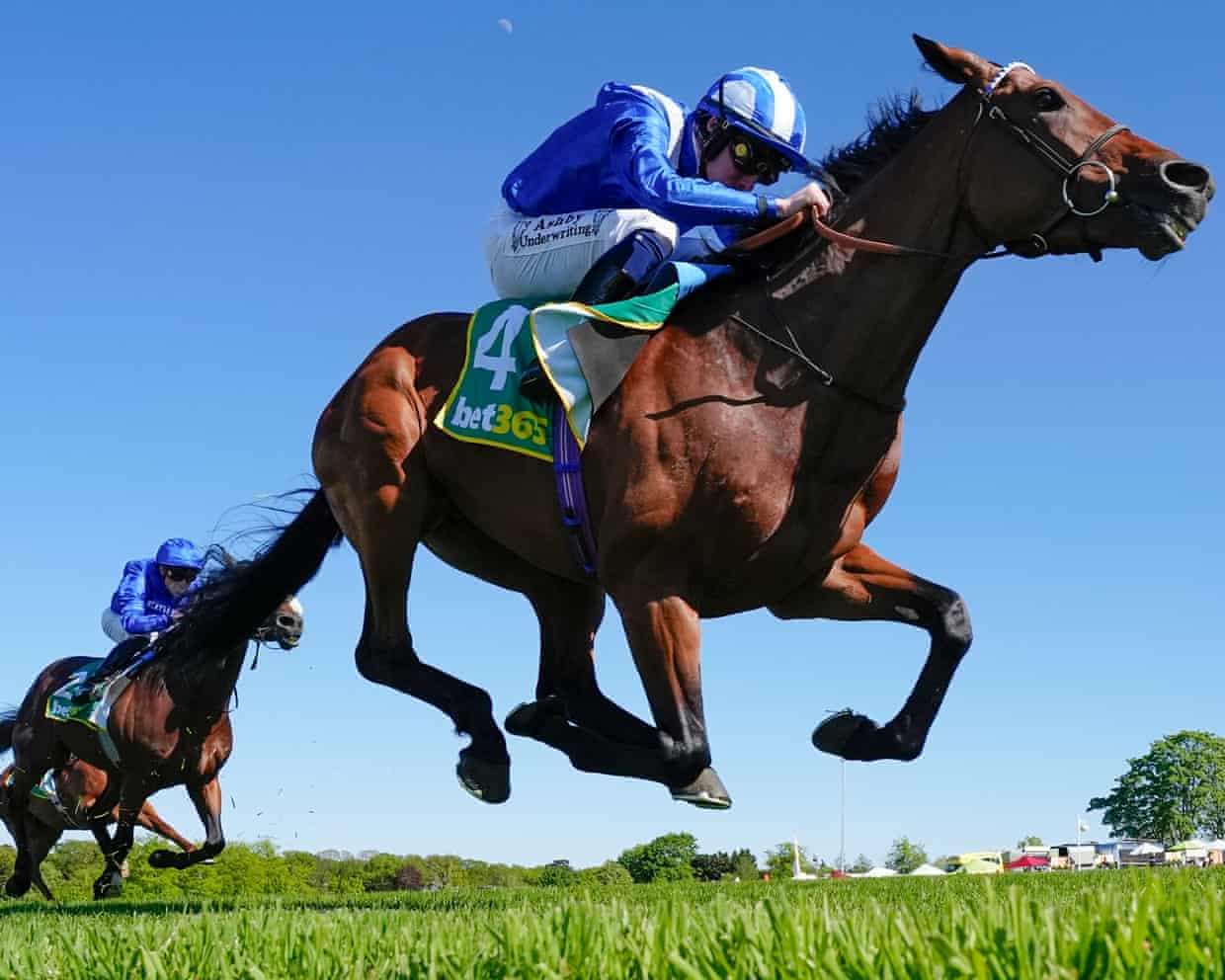
Raaheeb plummets in Derby betting after smooth Classic Trial triumph