The Guide #232: From documentary shock to Bafta acclaim – how the screen shaped our understanding of Tourette’s
The wildfire surrounding last week’s Bafta ceremony – where Tourette syndrome campaigner John Davidson involuntarily shouted a racial slur at actors Michael B Jordan and Delroy Lindo, and the BBC aired the moment – continues to rage,Criticisms have been levelled at, and investigations opened by, the Beeb and Bafta; hundreds of news stories and comment pieces have been devoted to the incident (if you read anything, make sure it’s this clear-eyed piece from Jason Okundaye, who was at the ceremony); and the climate on social media has been toxic, with much of the ire directed at Davidson himself,It’s an ire that is based on a complete misunderstanding of coprolalia, the form of Tourette syndrome (TS) that Davidson has, which results in the unintended and completely involuntary utterance of offensive or inappropriate remarks,There’s an unhappy irony at play here because Davidson, arguably more than any other person in Britain, has been responsible for raising awareness of TS,There’s an unfortunate symmetry, too, to the fact that the incident was shown on primetime BBC, because that was where Davidson was first brought to national attention as the subject of the landmark 1989 documentary John’s Not Mad.
Directed by film-maker Valerie Kaye, and aired as part of the popular science series QED, the half-hour film – available on DVD or to rent or stream on Prime Video – shadows a 15-year-old Davidson around his home town of Galashiels, in the Scottish Borders, as he struggles both with his condition and the intolerance of those around him (his own grandmother claimed that he was possessed by the devil).It’s hard to exaggerate the significance of John’s Not Mad on public awareness.Though TS was first described a century before by the French neurologist Georges Gilles de la Tourette, attention paid to the condition was restricted to specialist medical journals.“It has been so little known that until recently few doctors had ever heard of it,” the Guardian’s first report on the condition in 1978 noted.That all changed with the documentary, broadcast at a time when the vast majority of the country only had access to four channels, and viewing figures were far higher.
The broadcaster Ben Bailey Smith, who had just started secondary school at the time, remembered the documentary being “huge … Everyone in the playground was quoting him,”That was, of course, the negative side of the documentary’s popularity: for Davidson, increased attention was often accompanied by ridicule,But the film, which opens with him admitting suicidal thoughts, is at pains to underscore the seriousness of TS – almost to a fault,At times it’s an unbearably sombre watch, particularly in comparison to Kaye’s follow-up The Boy Can’t Help It,Broadcast in 2002, that film catches up with Davidson, now in his late 20s, doing caretaker work in a community centre, and a strikingly different character from the anguished teen of the original film: thoughtful, charitable and full of humour.
“I don’t mind it when people laugh with me,” he says at one point and later cheerfully recounts the challenges of playing hide and seek as a kid (“I was always the one shouting ‘I’m here’”).By the time the 2009 follow-up documentary Tourette’s: I Swear I Can’t Help It aired, awareness had increased even further, thanks to Big Brother.Eight million viewers had watched Pete Bennett, who has TS, win the seventh series of the reality show in 2006, a victory that campaigners hailed as “the best PR job anyone could have done” for the condition.A whole suite of Tourette syndrome programming would be commissioned in its wake, from documentaries investigating its causes to a reality series that saw people with TS put on a variety show.Along with offering a more hopeful tone than early coverage of the condition had, many of these shows also avoided focusing solely on coprolalia – which only affects a small number of people with TS.
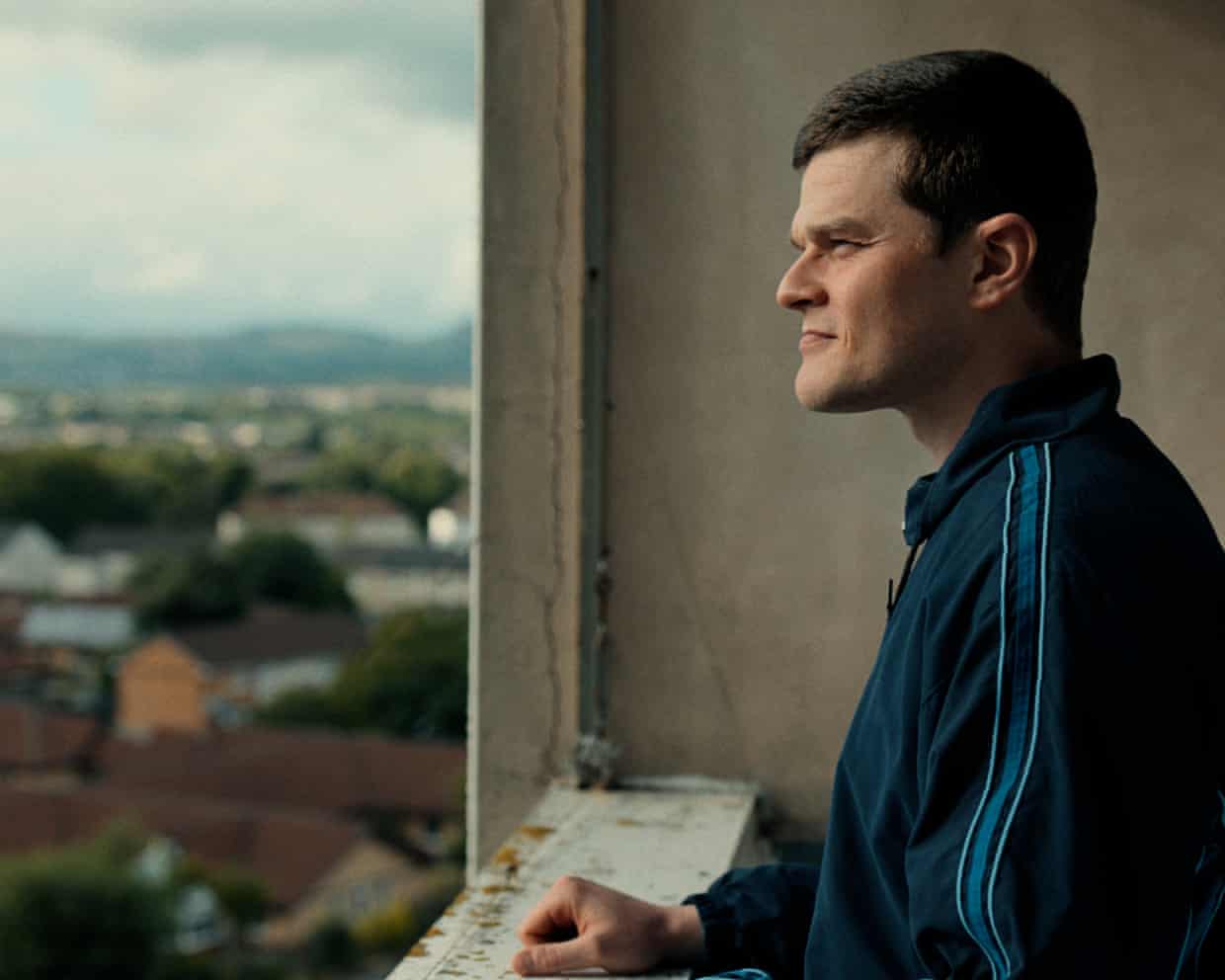
Even so, people with the condition believe there is still too much of a media focus on its “most ‘extreme’ and ‘entertaining’ aspects”, as well as a “tragedy mindset” that doesn’t tally with reality.I Swear, the terrific biopic of Davidson’s life – and the reason that he was attending the Baftas in the first place (the film was nominated for six awards and won two, including best leading actor for Robert Aramayo, who plays Davidson) – is hopefully another step away from those tropes and towards greater understanding of TS.Davidson, played with remarkable care by Aramayo, is never framed as a simple victim, but rather someone with agency, and the capacity to make mistakes.And the film follows Davidson’s own mantra about laughing with him – witness the scene where a teen with TS (played by an actor with the condition) and Aramayo’s Davidson embark on a flurry of offensive outbursts before nodding and laughing in shared recognition.Praised by reviewers and campaigners for its compassion and accuracy, the film has also enjoyed the sort of slow-building success that moderately budgeted British dramas weren’t thought to achieve any more.
Hopefully a rare positive to come out of the Baftas incident and its aftermath will be that even more people see the film – from the vitriol Davidson has faced since the ceremony, it’s clear that plenty need to.To read the complete version of this newsletter please subscribe to receive The Guide in your inbox every Friday
PM vows to ‘keep fighting’ after Greens sweep past Labour and Reform to win byelection – as it happened
Keir Starmer has vowed to “keep on fighting” despite Labour’s humiliating defeat in the Gorton and Denton by-election. Speaking to reporters, he acknowledged it was a “disappointing” result and that voters were “frustrated”, but insisted he would carry on. Asked if he had considered resigning, Starmer said: “I came into politics late in life to fight for change for those people who need it. I will keep on fighting for those people for as long as I’ve got breath in my body.”Starmer doubled down on the anti-Green party language he was using during the byelection campaign

Labour MPs demand Starmer change course after humiliating byelection loss
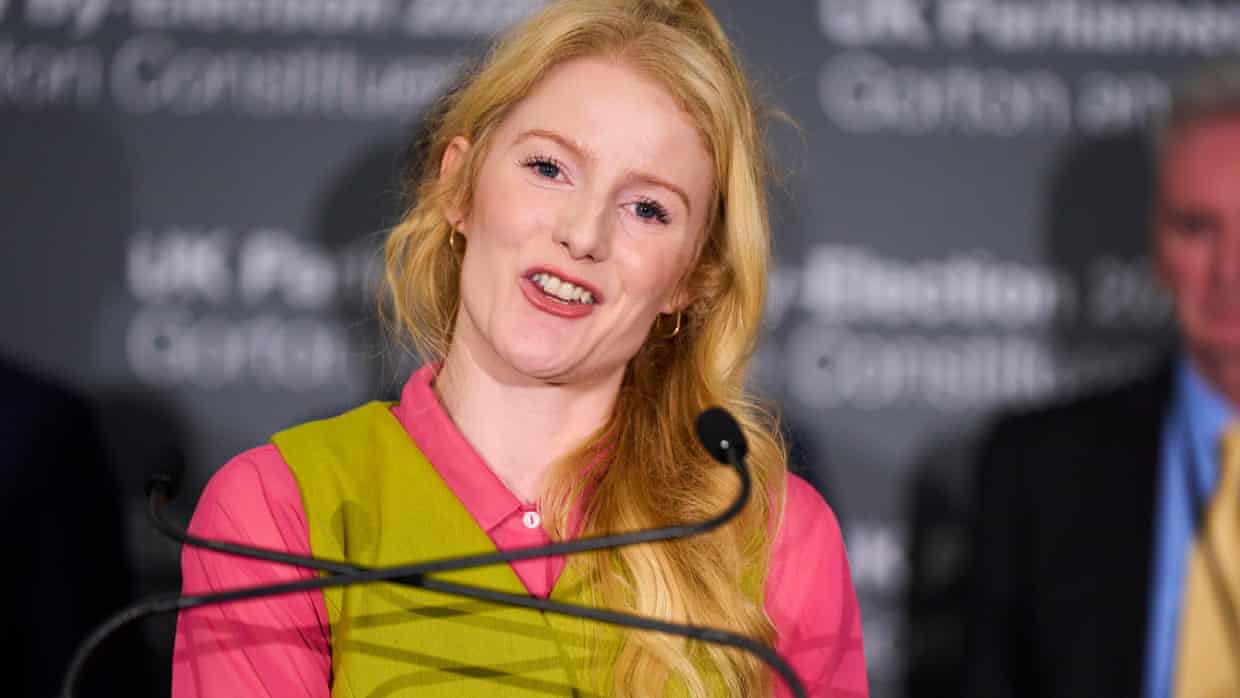
Keir Starmer is facing an ultimatum from his own party to change direction or risk a leadership challenge within months after the Greens humiliated Labour with a historic byelection victory in Gorton and Denton.Overturning a 13,000 Labour majority from the general election, Hannah Spencer, a local plumber and Green councillor, became the party’s fifth MP on Friday. Reform UK’s Matt Goodwin was second, just ahead of the Labour candidate, Angeliki Stogia.The scale of defeat in an area that had returned Labour MPs for nearly a century, and where Starmer’s party still believed it could win even on polling day, plunged his ministers and MPs into renewed despair just weeks after he saw off a challenge to his position.While only a handful of backbenchers called openly for Starmer to depart after the result, even loyal ministers said the surge in the Greens’ fortunes under the leadership of Zack Polanski meant the prime minister had to address an exodus of Labour voters from its left flank

Labour leadership truce holds for now but clock is ticking for Starmer
When Labour’s Scottish leader, Anas Sarwar, urged Keir Starmer to stand down two weeks ago, the prime minister’s closest advisers presented him with a choice: fight, flight or hand over his destiny to his party by calling a leadership contest.The prime minister chose the first option and his Downing Street team sprung into action to contain the threat. At the moment of greatest peril for Starmer, MPs peered over the precipice and didn’t like what they saw.In the fortnight since, not much has changed. Even with Labour’s humiliating defeat in the Gorton and Denton byelection, where it was pushed into third place behind the Greens and Reform UK, the uneasy truce has persisted
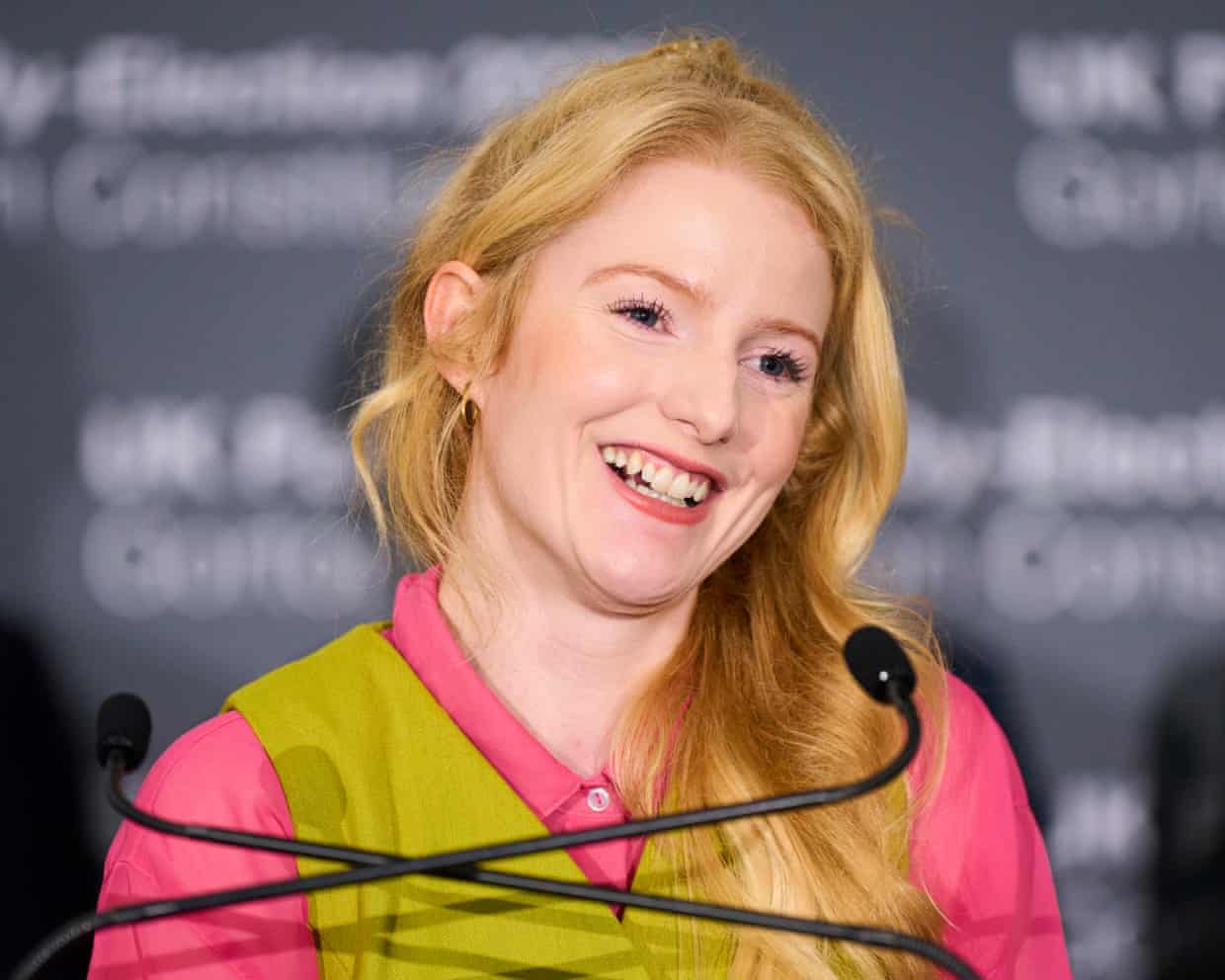
Spencer’s victory speech an object lesson in grace while Reform’s man rages | John Crace
It could have been a flash of arrogance. Hubris for the ages. On Thursday morning, when most pundits were still calling the Gorton and Denton byelection a three-way fight that was impossible to call, the Green party sent a note to journalists. Come to the first press conference of Hannah Spencer MP tomorrow. And while you’re about it, stay on to join her for her first constituency surgery
Welsh elections a choice between culture and ignorance, Plaid leader says
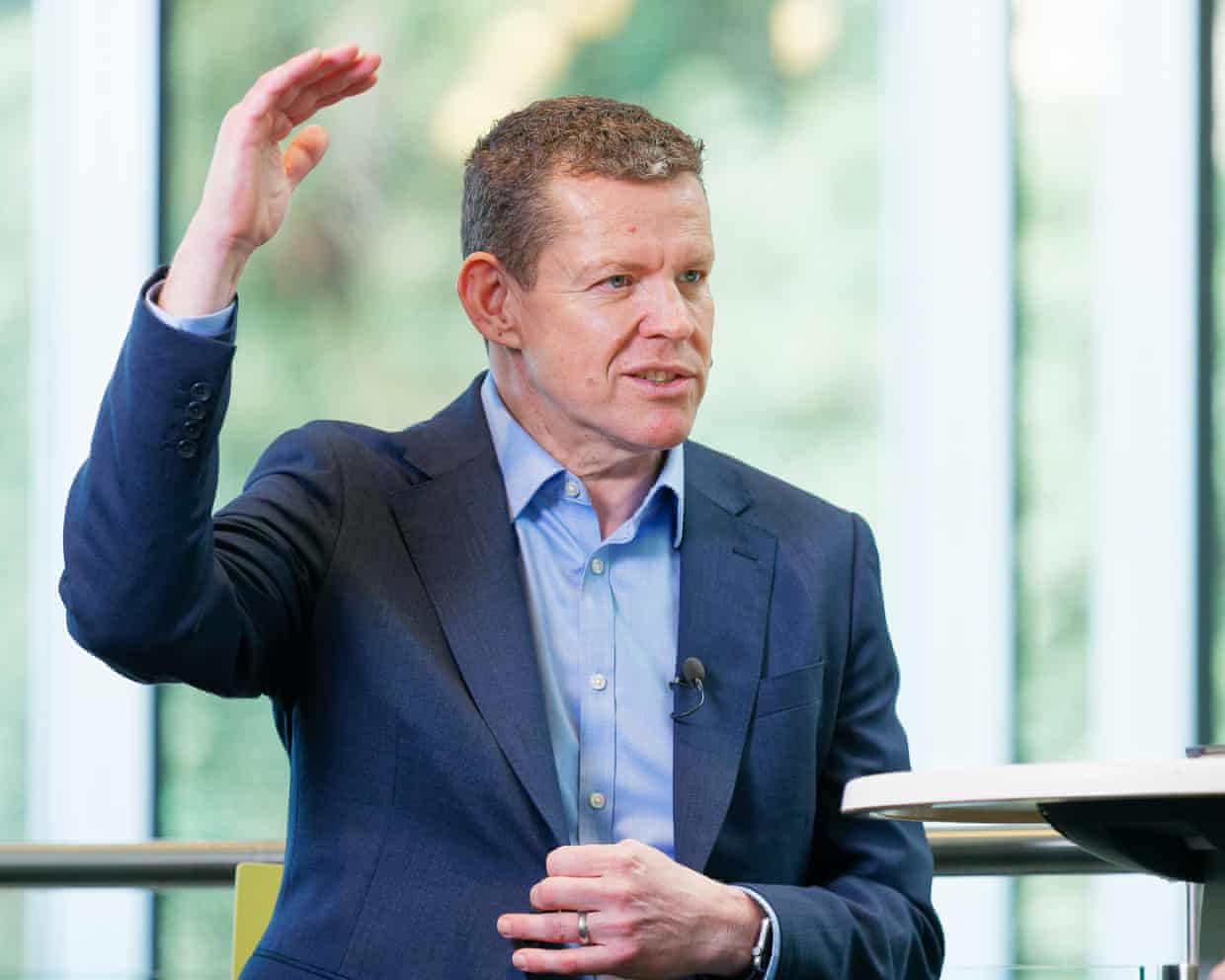
The leader of Plaid Cymru has claimed the Welsh parliament elections in May will be a straight fight between his party and Reform UK, which he billed as a choice between “culture or ignorance, humanity or indifference”.Speaking at the party’s biggest ever conference, Rhun ap Iorwerth, the clear favourite to be the next Welsh first minister, said the Gorton and Denton byelection showed Labour and the Tories were “slipping away”, and he promised Plaid had a radical plan to improve Wales’s fortunes.He said that while the Greens had done well to win in Greater Manchester, he was confident voters in Wales looking for a progressive alternative would turn to Plaid.During the leader’s speech in Newport, south-east Wales, ap Iorwerth highlighted plans such as setting up 10 surgical hubs to tackle NHS waiting lists, and making sure every school has a library.He said the party, which is comfortably leading the polls, would reveal a blueprint on Saturday for its first 100 days in power after the Senedd elections
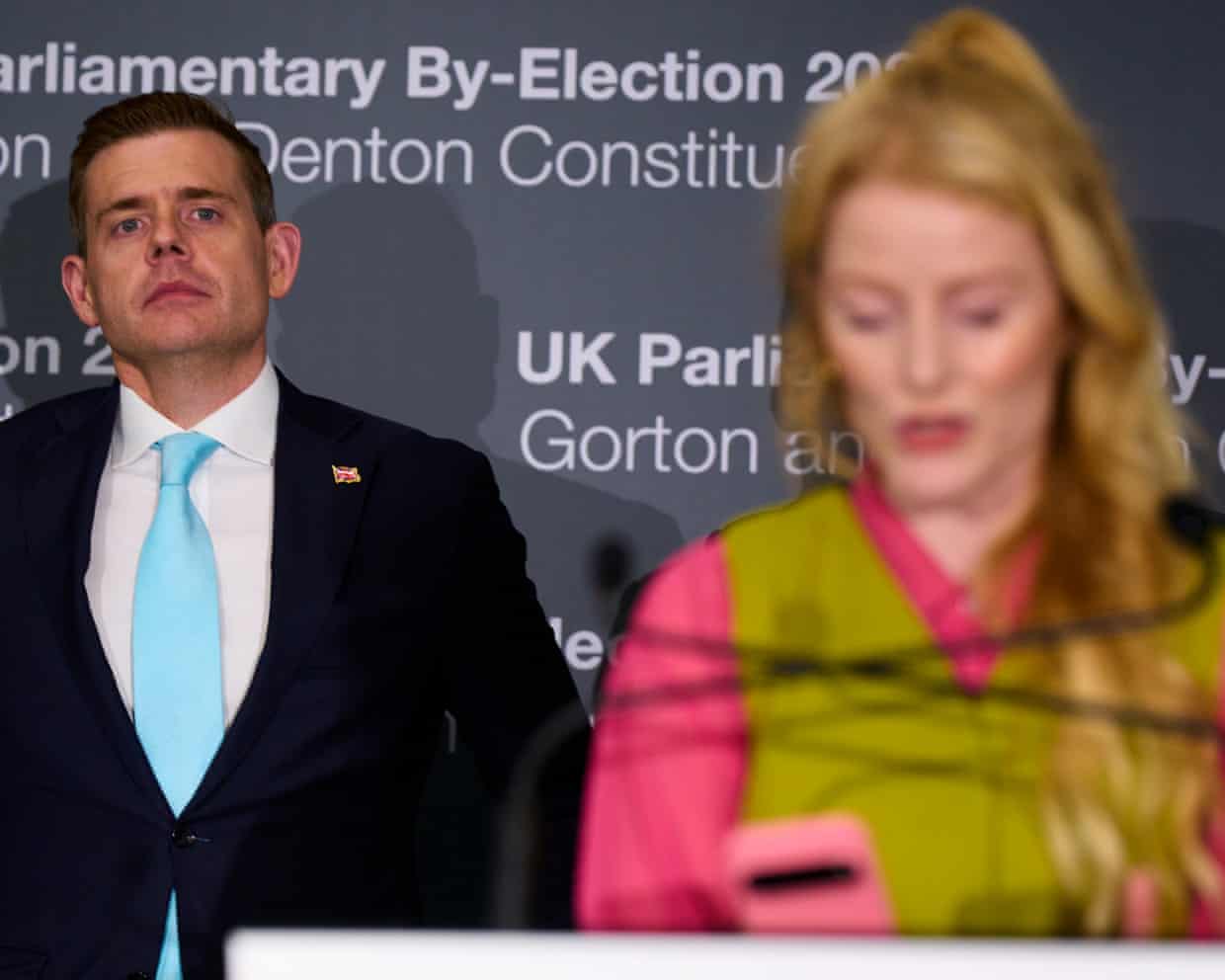
Reform and Tories report ‘family voting’ allegations to watchdog
Reform UK and the Conservatives have asked the elections watchdog to investigate allegations of corrupt voting in the Gorton and Denton byelection as Nigel Farage claimed there had been “cheating”, despite limited evidence of wrongdoing.The reports to the Electoral Commission come after an election observers group, Democracy Volunteers, said they had witnessed “concerningly high levels” of so-called family voting, where one family member dictates how others cast their ballot.One previous election observer for the group said it would be important to know the methodology behind the group’s claim that 12% of observed voters were involved in family voting, given that there was a “grey line” as to what precisely that meant.The group’s report, published as soon as the polls closed on Thursday night, has given impetus to claims by defeated parties of wrongdoing, with Farage part-echoing Donald Trump’s complaints about stolen elections by saying his party was the victim of “sectarian voting and cheating”.Reform’s chair, David Bull, said later this did not mean the outcome of the election had been changed
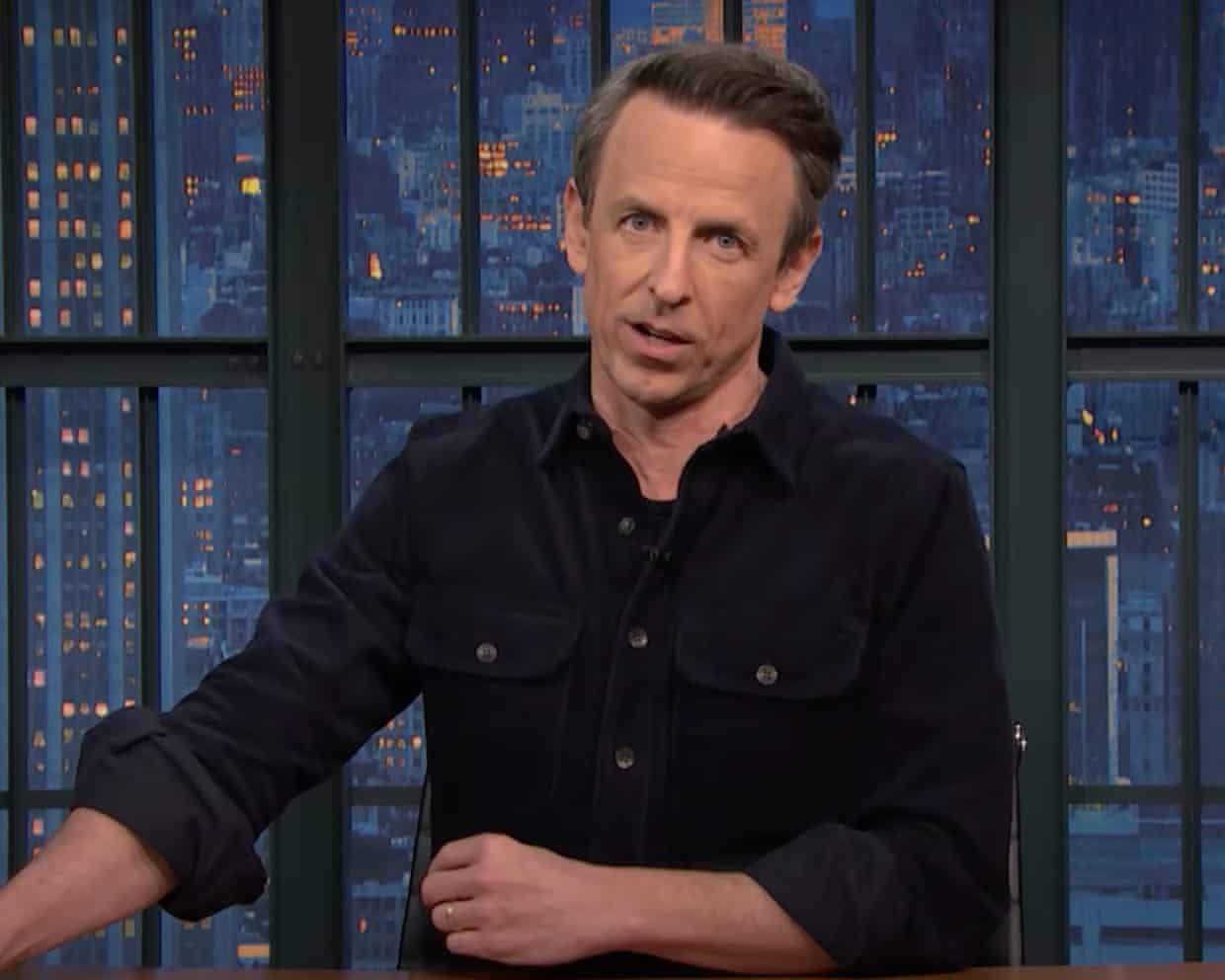
Seth Meyers on Team Trump’s Iran threats: ‘These guys speak like they’ve been hit on the head’
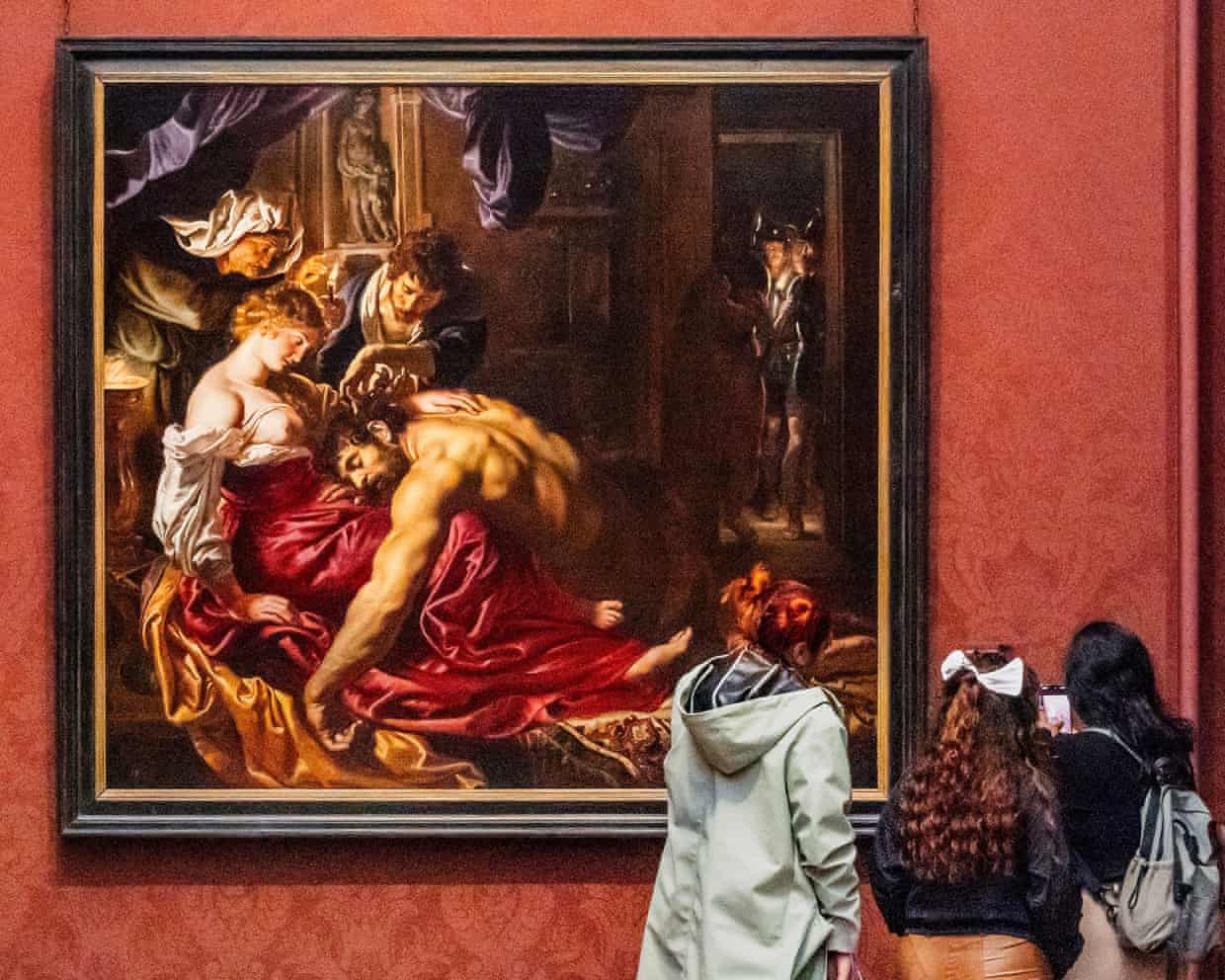
How to keep free entry to UK museums and galleries | Letters
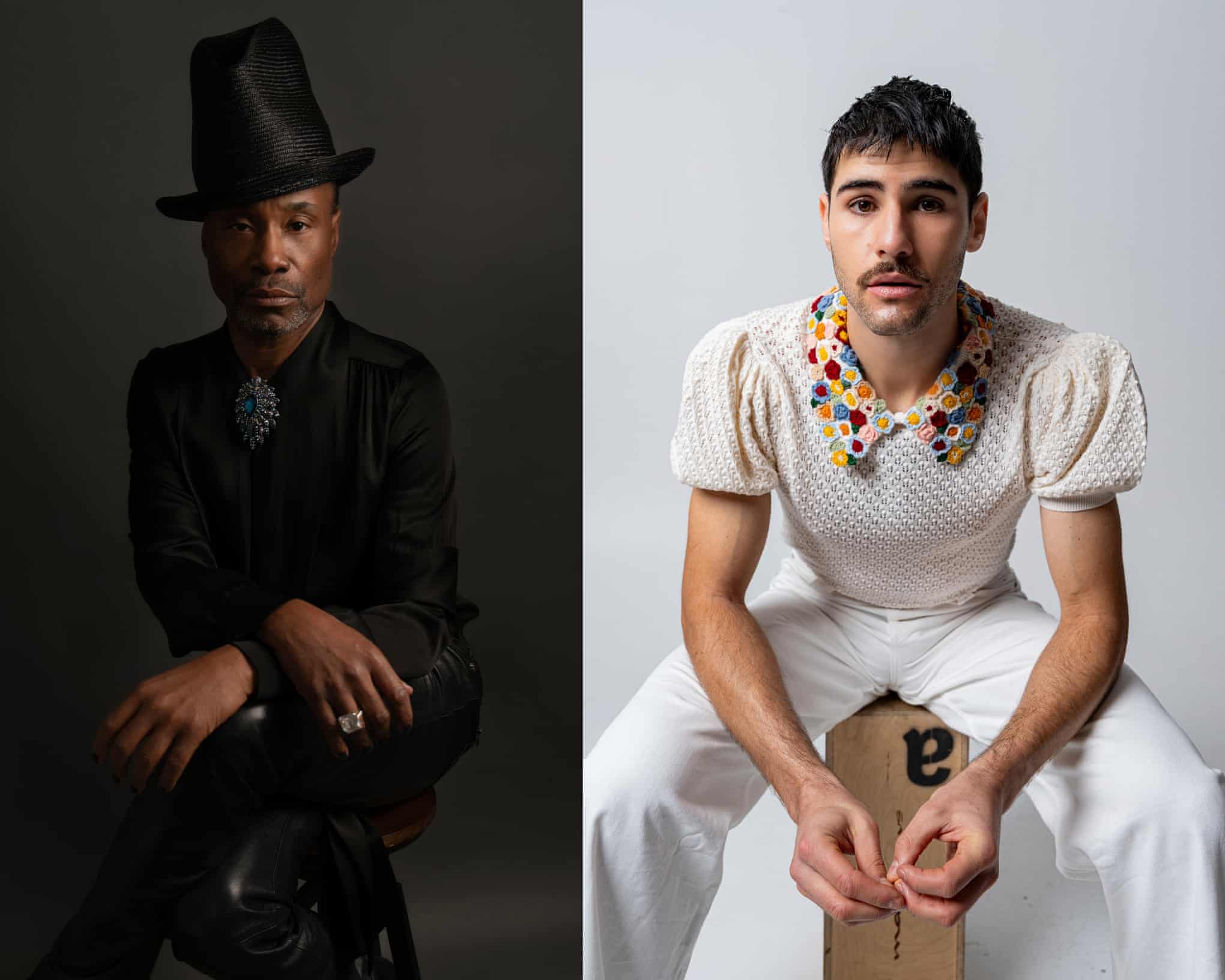
‘You’re sweet – and I’m old!’: Billy Porter and Sam Morrison on teaming up for a comedy about love and death
‘Seems I’m not dead’: Magda Szubanski says she is in remission after treatment for stage four cancer
Seth Meyers on Trump’s State of the Union address: ‘A vehicle to attack anyone who doesn’t bend the knee’
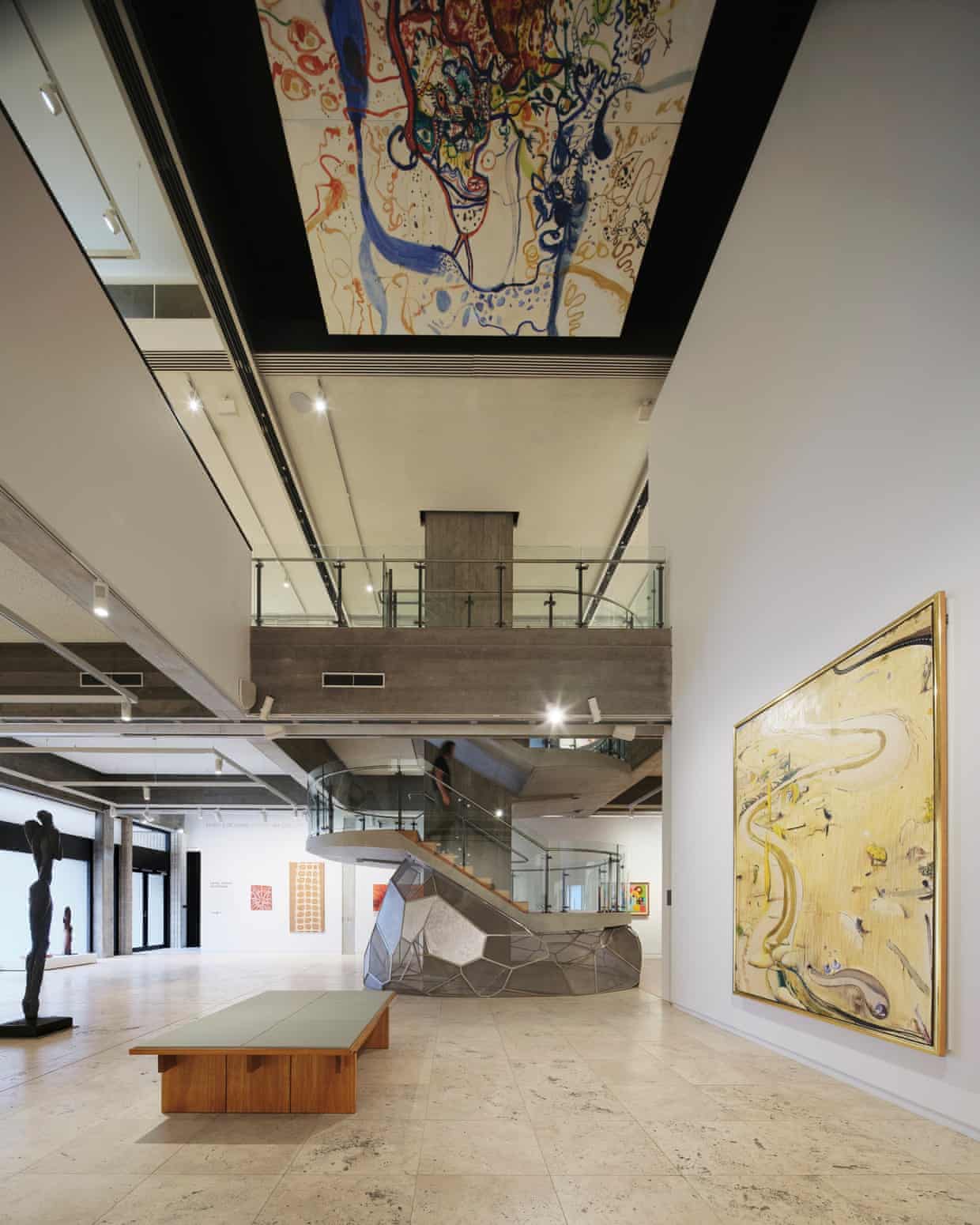
‘The sky’s the limit’: Newcastle Art Gallery unveils its ‘divisive’ $48m expansion with a blockbuster opening show