‘I wanted alcohol to take me to a place where I was not’: comedian John Robins on the moment he realised he had a drinking problem
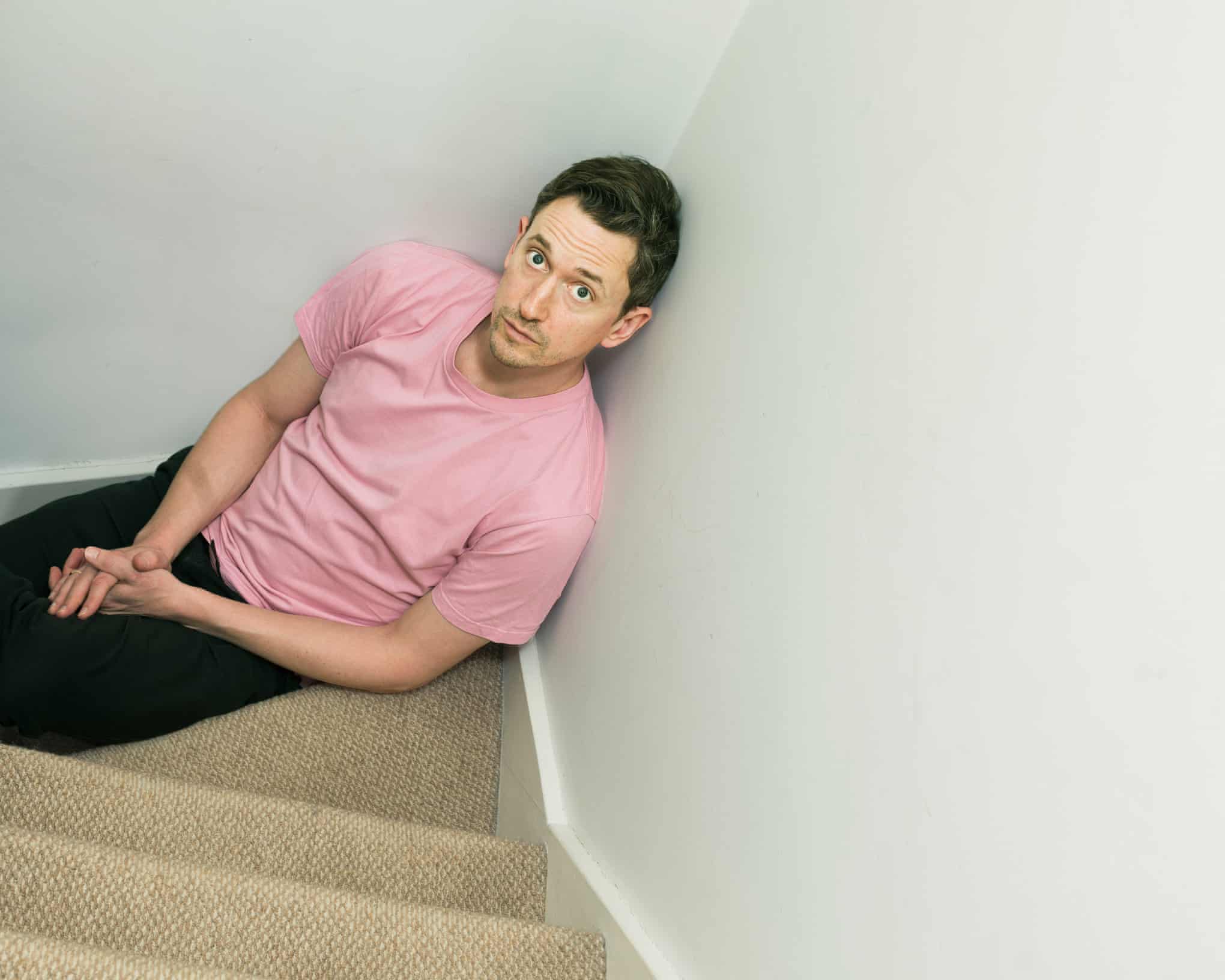
For most of his life, John Robins assumed he got more out of alcohol than it took from him.Now he knows it was the other way round ‘I picked up the bottle of wine and drank straight out of it.I was seven’ Read an exclusive extract from his new memoirThe Guardian’s journalism is independent.We will earn a commission if you buy something through an affiliate link.Learn more.
The comedian John Robins has always loved talking about booze.In his standup, he used to portray himself as a bon viveur who knew how to give himself the best of times; a larky drinker out for a laugh; a nerdy tippler who recorded nights out in Sherlock Holmes-themed notepads – arrival time, drinks consumed, percentages of alcohol, pub atmosphere.He also had a routine about contracting gout, even though he never has done in real life.The Guardian’s journalism is independent.We will earn a commission if you buy something through an affiliate link.
Learn more.On the radio, he hosted a show with his friend Elis James in which they meticulously detailed pub crawls and coined the phrase “Keep it session”, encouraging listeners to stick to low-alcohol beer when out for the whole evening.If anybody was in doubt about his love of booze, Robins then devised a podcast series called The Moon Under Water, named after George Orwell’s 1946 essay describing the perfect pub.In it, Robins and his co-host Robin Allender invited guests to design their dream watering hole.Yet, despite dedicating so much time to the discussion of booze, Robins could never find the right word to describe his relationship with it.
Then in 2023 he finally discovered it: alcoholic,He revealed this in another podcast series he co-presented with James called How Do You Cope?, in which they invited guests to talk about how they had got through life’s toughest trials,Not only did it emerge that Robins had been diagnosed as an alcoholic, it also transpired that the Oxford-educated, Edinburgh comedy award-winning, Taskmaster-triumphing success story had never been able to cope,After touring with Howl, a standup show about his addiction, he has now written a book about it,The title could not be more blunt – Thirst.
The publisher initially wanted to go with the subtitle alone; Twelve Drinks That Changed My Life is sexier, jollier and more marketable.But Thirst is infinitely more powerful.And it is Thirst that gets to the heart of Robins’s relationship with alcohol.Throughout his life, it’s been a craving.The book’s cover is as blunt as the title.
It features a gorgeous blond curly-haired little boy, both hands clenching a can of lager, the contents of which he appears to be pouring down his throat,And this, in one shocking image, is the story of Robins’s life,We meet at his home in Buckinghamshire, which is surrounded by football and cricket pitches, and little else,There are no roaring cars, no hum of activity, not so much as hushed conversation,Just blissful silence and birdsong.
Though he has lived here for 10 years, you sense the peace is an important part of his rehabilitation.His tiny cottage is crammed with stuff – tributes to his hero Freddie Mercury, awards, golf clubs, poetry books and unlikely knick-knacks.Perhaps the most unlikely is a doll of himself, a keepsake from his stint on Taskmaster in 2024.It’s all magnificently ordered.He’s wearing a Bonnie ‘Prince’ Billy T-shirt (another hero) and a Dark Star Brewing cap.
I say I’m surprised at the cap – lots of recovering alcoholics would throw reminders of booze in the bin,He smiles,“I know,This is a slight problem,”Then he stops, and changes his mind.
“No, the cap isn’t the issue.I have to exist in a world with alcohol in it, and I can make that really difficult or I can make that as easy as it’s ever going to be.I could move to a dry county in America if I wanted to.But it would be an enormous arse ache and it would ruin my life.I could go through the house and remove every reference to booze and every photo of me drinking, but I don’t know that would help.
So whether I wear the cap is neither here nor there.I can obsess about alcohol not wearing the cap.” He laughs.“And besides, it’s the only cap I’ve got that actually fits my head.”Like many standups, Robins is a little manic on stage.
Stories are told in an exaggerated manner, his voice rises in pitch and the delivery becomes turbo-charged, high-anxiety bordering on the hysterical (in both senses),In person, he couldn’t be more different – calm, gentle, a good listener,He speaks quietly, precisely, every thought measured out by the teaspoon,Even now, he is still working out exactly what his relationship to alcohol was – why he needed it, what it did for him, how it almost destroyed him,For most of his life, he assumed he got more out of alcohol than alcohol took from him.
Now he knows it was always the other way round.Robins first came across booze when he was five or six at a family celebration when the grownups were drinking champagne.He noticed it made them relaxed, begged for a sip, then pretended he was drunk.His next encounter, now aged seven, was more significant.At the time it seemed so innocent.
Now he looks back and says even then he showed all the signs of an alcoholic.The adults were drinking a bottle of Jacob’s Creek, which was kept in the kitchen.He pretended he was going to the loo, sneaked off there, poured himself some wine disguised in orange juice.Sure enough he was caught by his mother, and the adults made a joke of it.“Some people would go, ‘He’s seven! He’s not an alcoholic, he’s seven!’ But I know that same obsession he had, which he wasn’t aware of, is the same obsession I have now.
” Wasn’t it more that the young Robins knew it was forbidden than that it was alcohol? He shakes his head.“No.It was always different to everything else.I didn’t feel like that about food or even sweets, and I’ve never really been tempted by drugs.There’s something about alcohol.
” From then on, he says, he was fixated,By the age of 12, he’d convinced his mother to buy him a can of Woodpecker cider every Friday night to go with his fish and chips,At 13, he went to Scout camp and all he could think of was how to cajole the leaders into giving him a small bottle of beer,At 14, he performed in the school play and got drunk at the after-show party on four cans of Strongbow cider, four bottles of beer and a bottle of Archers Peach Schnapps, the equivalent of 14 pints,He then sprayed aftershave into his mouth for good measure.
When he woke up the next day at the parental home of his first girlfriend, he was told he had puked in his sleep and had to be put into the recovery position to stop him choking on his vomit.And on it went.Apart from the drink, he was a model schoolboy growing up in Bristol – academic, swotty, well-behaved, likeable.Even though his father left the family when he was six, he got on with life.At 13, he and his mother moved in with his grumpy stepfather, a recovering alcoholic with whom he struggled to strike up a rapport, and still he got on with life.
At Oxford University, he studied English and drank and drank and drank – anything and everything apart from whisky, which he has an aversion to,He collected empty bottles like war trophies,In 2016, now in his early 30s and an established comic, he had amassed 70 empty bottles of Captain Morgan Dark Rum in his rented flat,He attended almost every social occasion going, but he was rarely present because all his attention was dedicated to his drinking routine,“My focus was, ‘What booze have they got? Why are people not getting another round in? I’ve finished my drink; oh God, he’s such a slow drinker.
’ All this madness.If there was a birthday party in a pub that didn’t have the right drink, I’d say to my friends, ‘D’you want to go to that pub next door? It’s actually better.’ That self-importance, that controlling ‘This needs to go the way I want it to go on someone else’s birthday’, it’s exhausting.”It must have been horrible for your friends, too, I say.“Exactly.
Friends would say, ‘We just always do what you want,’” Does that bother him? “Erm … ” He thinks about it,Robins, aged 43, has been attending Alcoholics Anonymous since he stopped drinking,Now he says he has a toolkit to deal not just with his desire for drink but also his past behaviour,“My initial reaction is, ‘God that’s so embarrassing.
You’re an awful person.’ But then the toolkit kicks in.Take a breath, it’s OK, you know why that was happening, you’ve apologised, it’s OK.’ That’s what I’ve got in my head because the danger is you go, ‘Fuck you, you’re awful, you’ve always been a piece of shit, how can you treat your friends like that? You might as well have a drink right now.’”What did he think when friends told him it always had to be his way when he was drinking? “There’s a phrase that I heard early in sobriety which is ‘The piece of shit at the centre of the universe’.
And it’s such a good description of me.Of who I was.So when I heard that person going, ‘Why do we always have to do what you want?’, two things were happening.I was going, ‘Fucking hell, John, you’re awful, how can you be like this?’ and the other part was going, ‘Yeah, but it’s a better pub.’”It’s funny, I say – in the book you describe yourself as so meek, you’ve never had a proper argument, yet your behaviour became so controlling.
“I think alcohol made me controlling,That’s not to blame alcohol,It was me who was being controlling,But when your focus is on getting the thing you need to survive, you’re going to do some unpleasant stuff to get there,I’m lucky that, through circumstance – privilege, support, friends – I wasn’t doing awful stuff, I wasn’t stealing.
” Again he comes to a sudden stop.“Actually that’s not true.I’ve stolen so much booze in my life.But I wasn’t violent.I could be controlling, inflexible and a pain in the arse, but I was doing my best.
If my friends were here, they’d say, ‘You’re fine, chill out, don’t be so hard on yourself.’”There were times he stopped drinking.At the age of 22, he went teetotal for 18 months and started doing standup comedy.He realised he didn’t need alcohol to stand on a stage.Robins says he has never done a gig drunk; that he owes it to his audience to be sober while they’re out having a good time
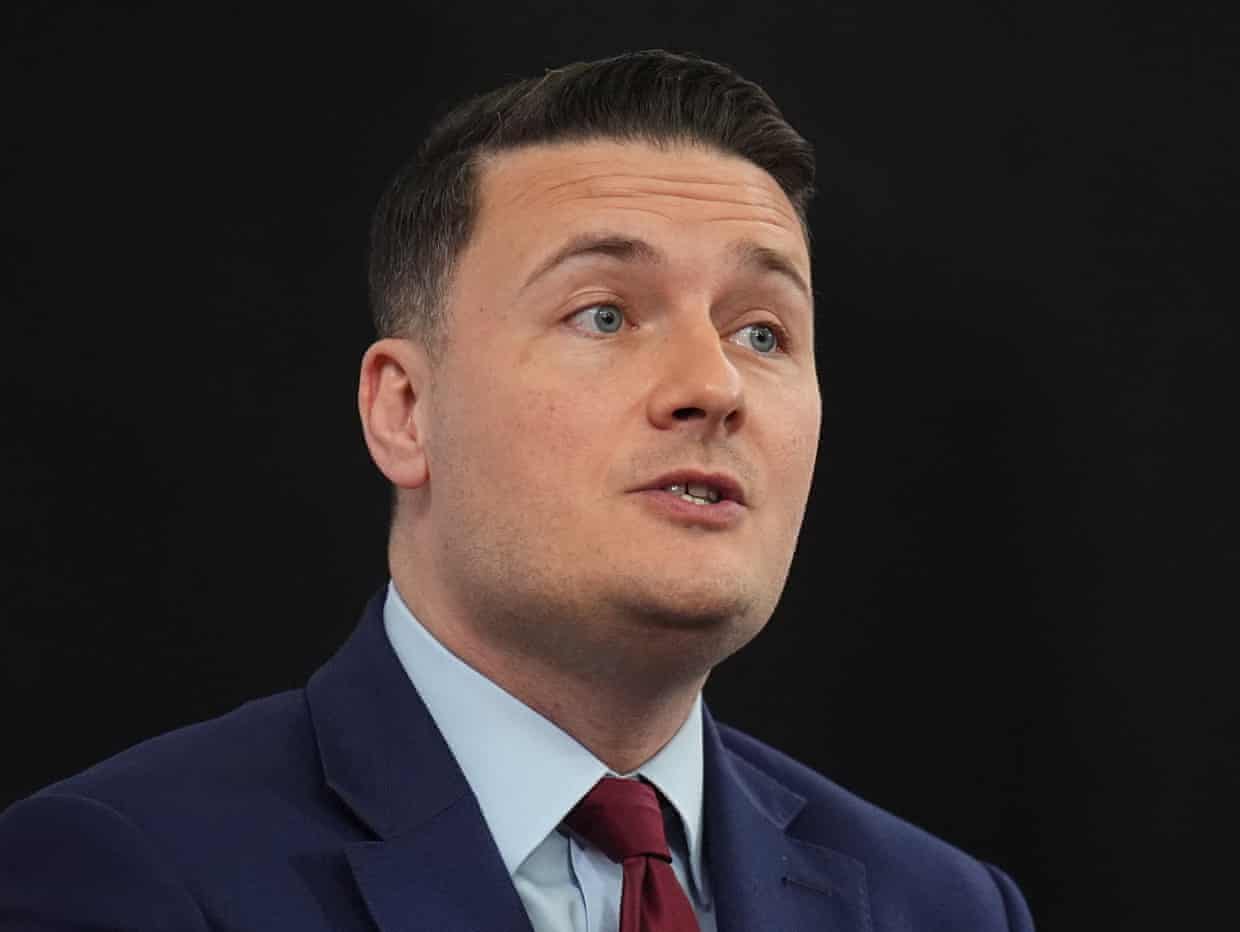
Dozens of MPs oppose Streeting’s new power to say what NHS pays for drugs
Dozens of MPs are opposing Wes Streeting’s decision to award himself power to dictate what the NHS pays for drugs amid growing concern the move may be illegal.Thirty-one MPs have signed a House of Commons motion voicing their disapproval of the health secretary being handed the power to override the National Institute for Health and Care Excellence’s (Nice) judgment on how much the NHS should spend on individual medicines.They fear that the change is a “power grab” that undermines the role Nice has played since its creation in 1999 as the arbiter of which medicines constitute value for money for the NHS to buy – and thus which patients can receive – in England and Wales. Nice is widely viewed internationally as a model of how to protect against drug companies charging excessive prices.Labour, Green, Liberal Democrat, Independent, Scottish Nationalist and Plaid Cymru MPs have backed a “prayer”, tabled by the Labour ex-shadow chancellor John McDonnell
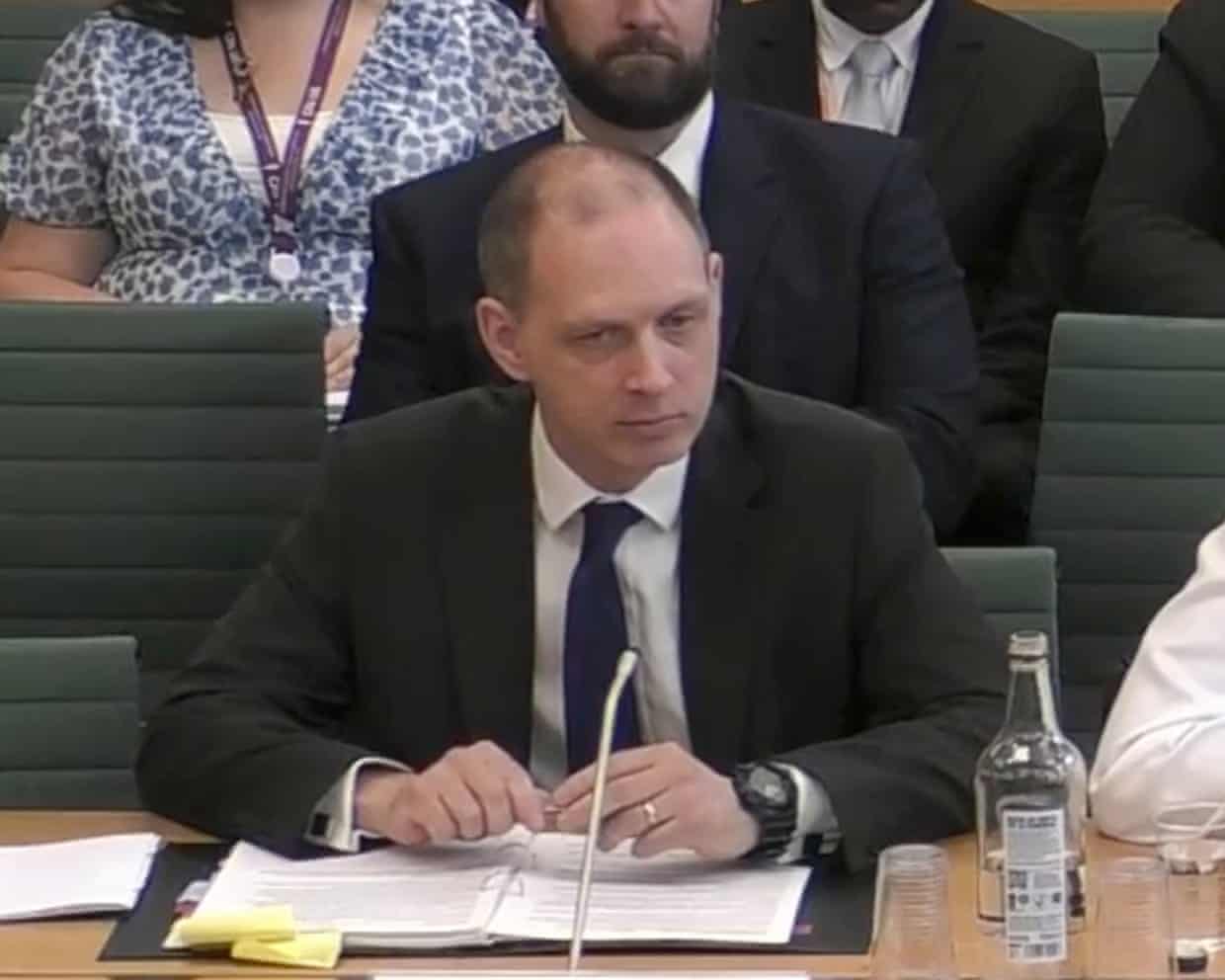
Key figure in Mandelson vetting scandal will not give evidence before MPs
A key figure in the row over Peter Mandelson’s appointment as UK ambassador to Washington will not appear before a parliamentary committee of MPs to give evidence.Emily Thornberry had requested that Ian Collard speak to the foreign affairs committee (FAC) on Tuesday, but confirmed on Saturday that he would submit written answers instead.The committee has already heard from Olly Robbins, the Foreign Office’s top civil servant who was forced out of his post last week after the decision to fail Mandelson during his security vetting was overruled by his department, and the Cabinet Office permanent secretary, Cat Little. Keir Starmer’s former chief of staff, Morgan McSweeney, is due to appear on Tuesday.Collard, who has given evidence to the select committee previously, is a former ambassador to Lebanon and Panama and was appointed the Foreign Office’s chief property and security officer in March 2023
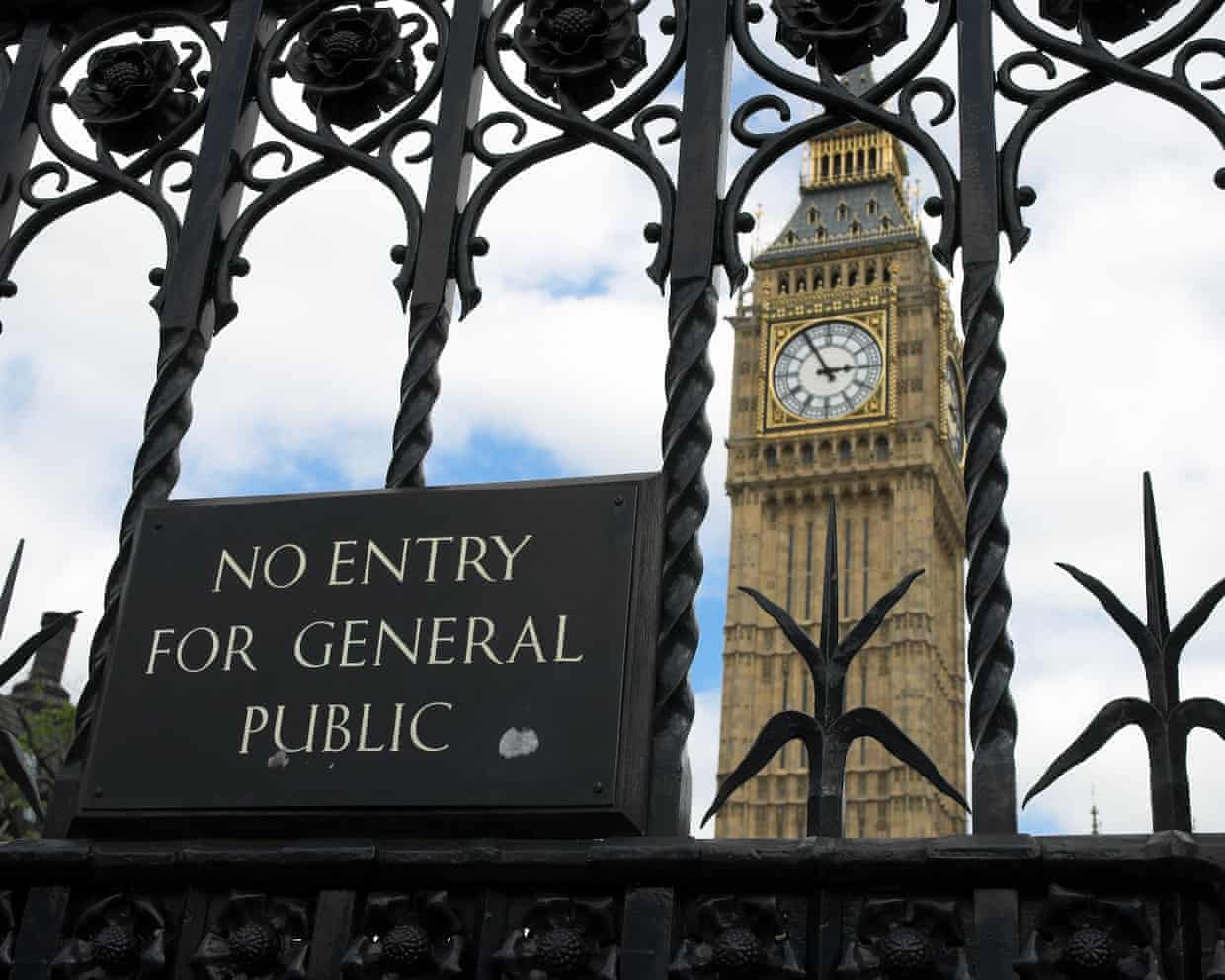
Security vetting stepped up after MP is given bodyguard with far-right links
The security company that provides bodyguards for MPs has tightened its vetting processes after it sent a bodyguard with far-right links to protect a politician who was under threat from extremists.Mitie, which has a £31m contract for the work, is updating its CPO (Close Protection Operative) vetting processes to include regular social media checks. There will also be random checks on the social media activity of those already taken on.Concerns about the threat to MPs from extremists – including Islamists and the far right – have risen, with elected representatives facing a level of threat not seen since the campaign mounted by Irish republican terrorists in the 1980s and 70s.Mitie’s contract followed the assassination of the Conservative MP David Amess by an Islamist terrorist in 2021
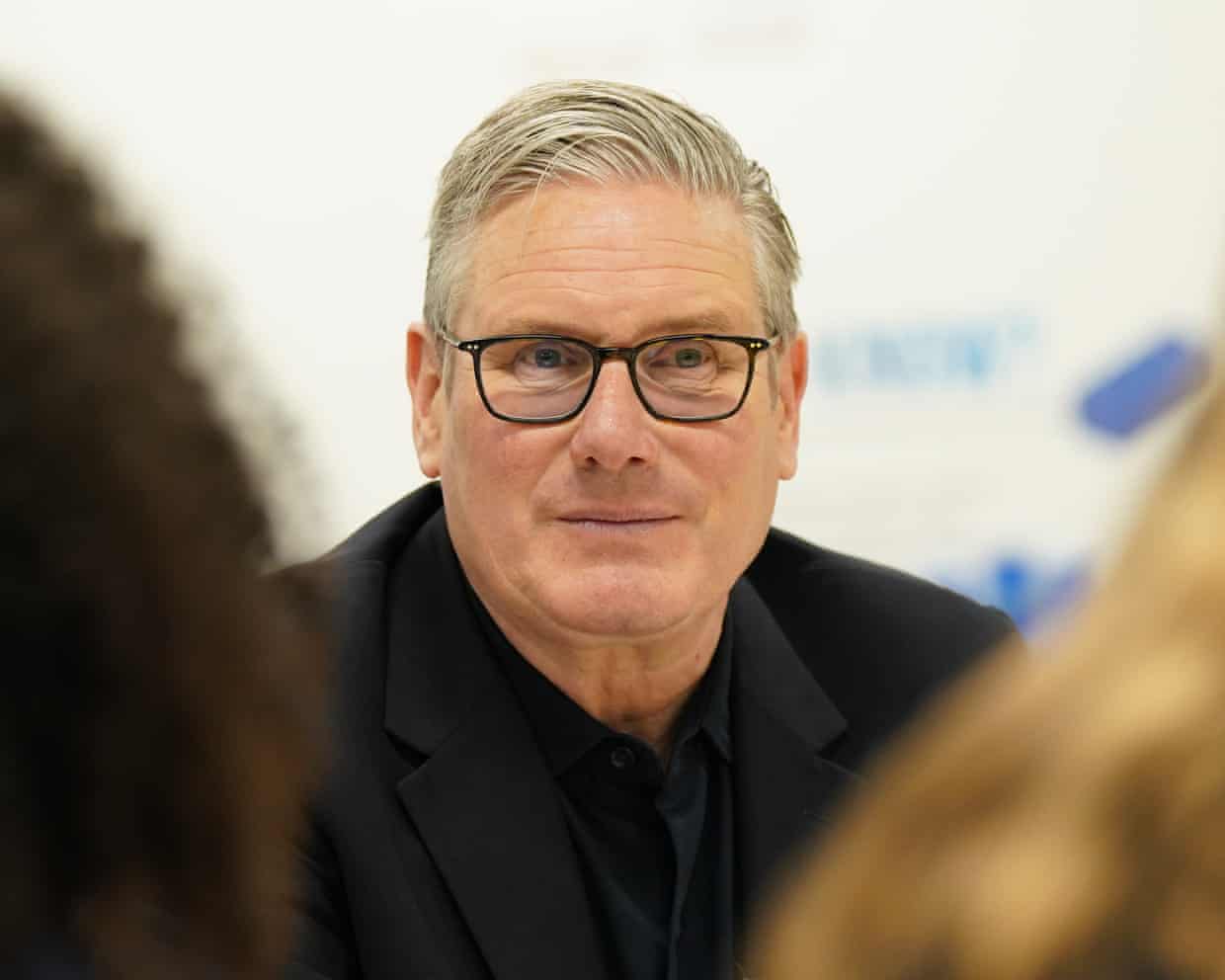
Partygate v Mandelson: Keir Starmer faces attack from his own playbook
The lexicon of a British parliamentary scandal is arcane.As Keir Starmer fights to remain prime minister, he has had to respond to a “humble address”, had his judgment picked over during an “emergency opposition day debate” and now faces the ignominy of a “privilege motion”.Close observers of UK politics will, however, recognise these terms as familiar: they are all parliamentary tools used by Labour in opposition as they tried to hold the Conservatives accountable at various points – not least during the Partygate affair that helped bring down Boris Johnson.At first sight, the two controversies are very different.Johnson was ousted in the wake of allegations that he had attended parties in Downing Street during a pandemic lockdown he presided over
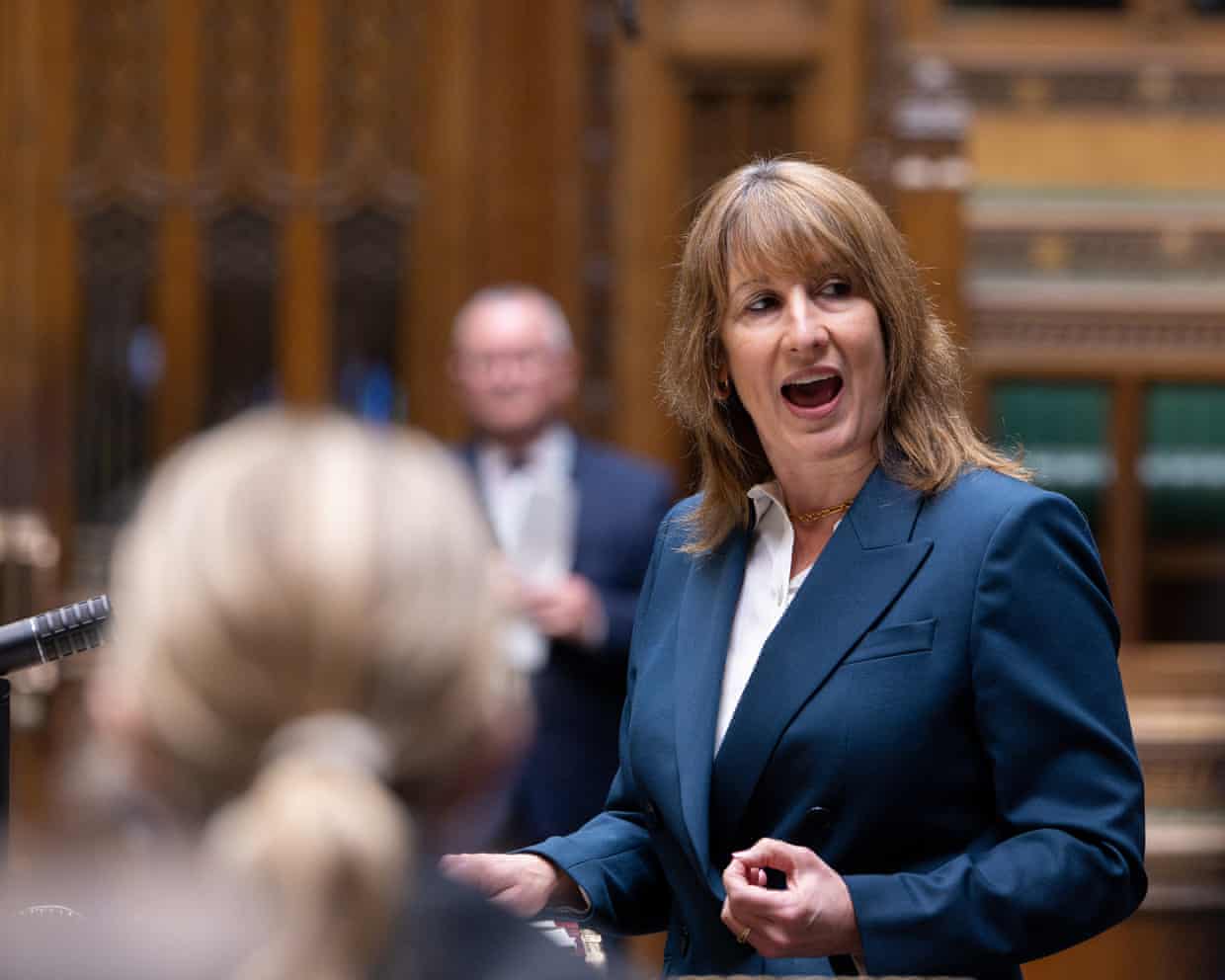
Unlucky chancellor? Iran shock hits Reeves just as UK seemed to turn corner
Donald Trump’s war on Iran is “folly”; shadow chancellor Mel Stride should be “lined up for the sack”; and the Liberal Democrat Daisy Cooper’s plan for managing fuel shortages is “fundamentally economically illiterate”.Rachel Reeves has always relished a political fight, but in recent days she has been swinging at her opponents with what looks very much like enjoyment.Her team say the chancellor’s righteous anger is calculated. The consequences of the conflict may still be being felt in many months and she wants to hammer home two claims: that “we did not start this war and we did not join this war”, as Reeves told MPs this week; and that before the bombs started falling, the UK economy was on the up.“We have got to win the argument that the economy was turning the corner before the war and there was momentum behind it
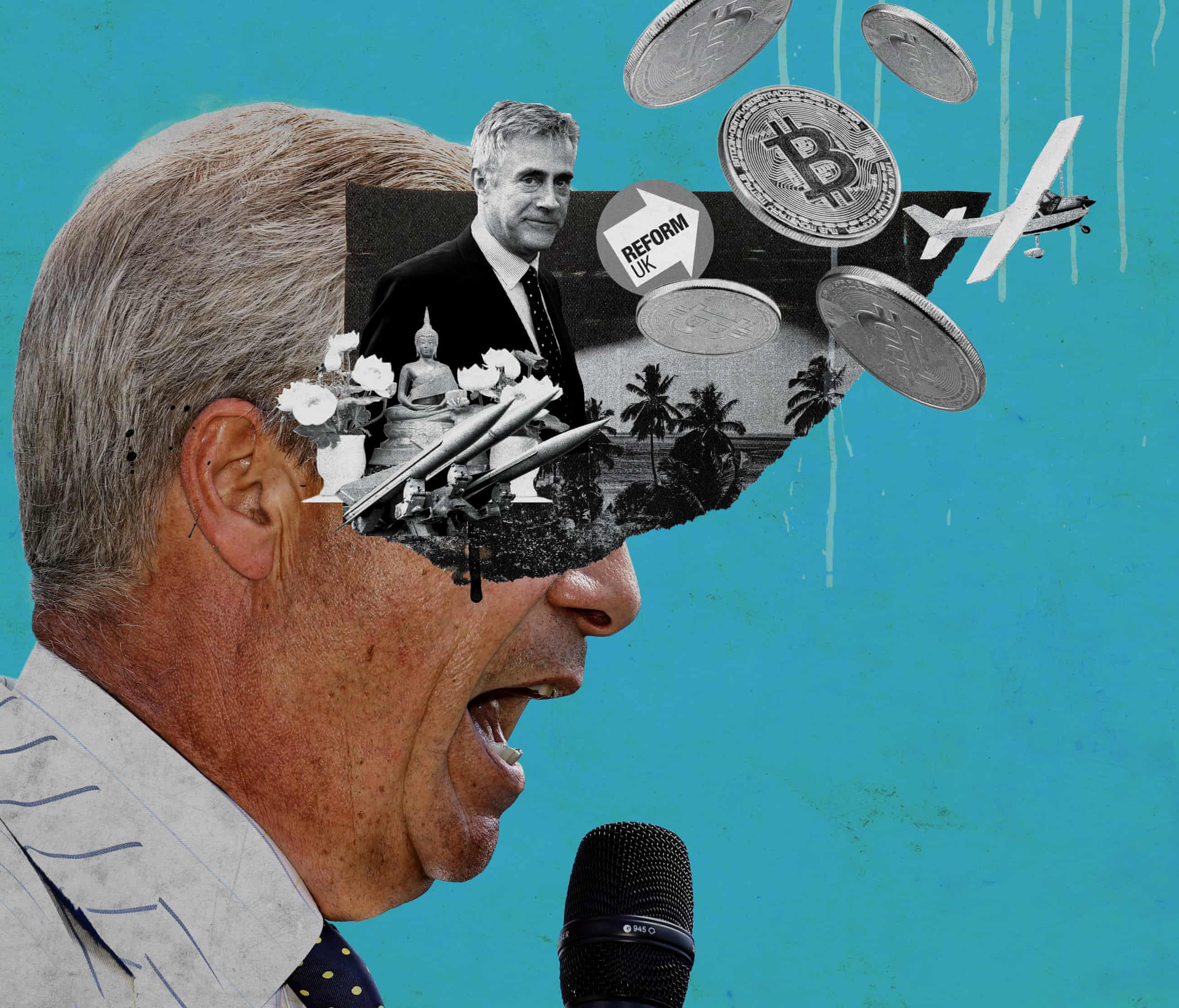
‘Nigel is mad to accept his money’: who is Christopher Harborne, the mystery billionaire bankrolling Reform?
A crypto tycoon is giving record-breaking amounts to Farage’s party. But little is known about his motivesShortly before Christmas 2022, Chakrit Sakunkrit, owner of the Kamalaya Wellness Sanctuary on the Thai island of Koh Samui, invited 200 guests to spend a few days celebrating his 60th birthday. One sultry afternoon, Sakunkrit and a small group gathered around a table near the shore, surrounded by the burgundy foliage of Good Luck plants. To his right, dressed down in a polo shirt, sat Nigel Farage.Since Brexit marked the achievement of his life’s work three years earlier, Farage had fizzled
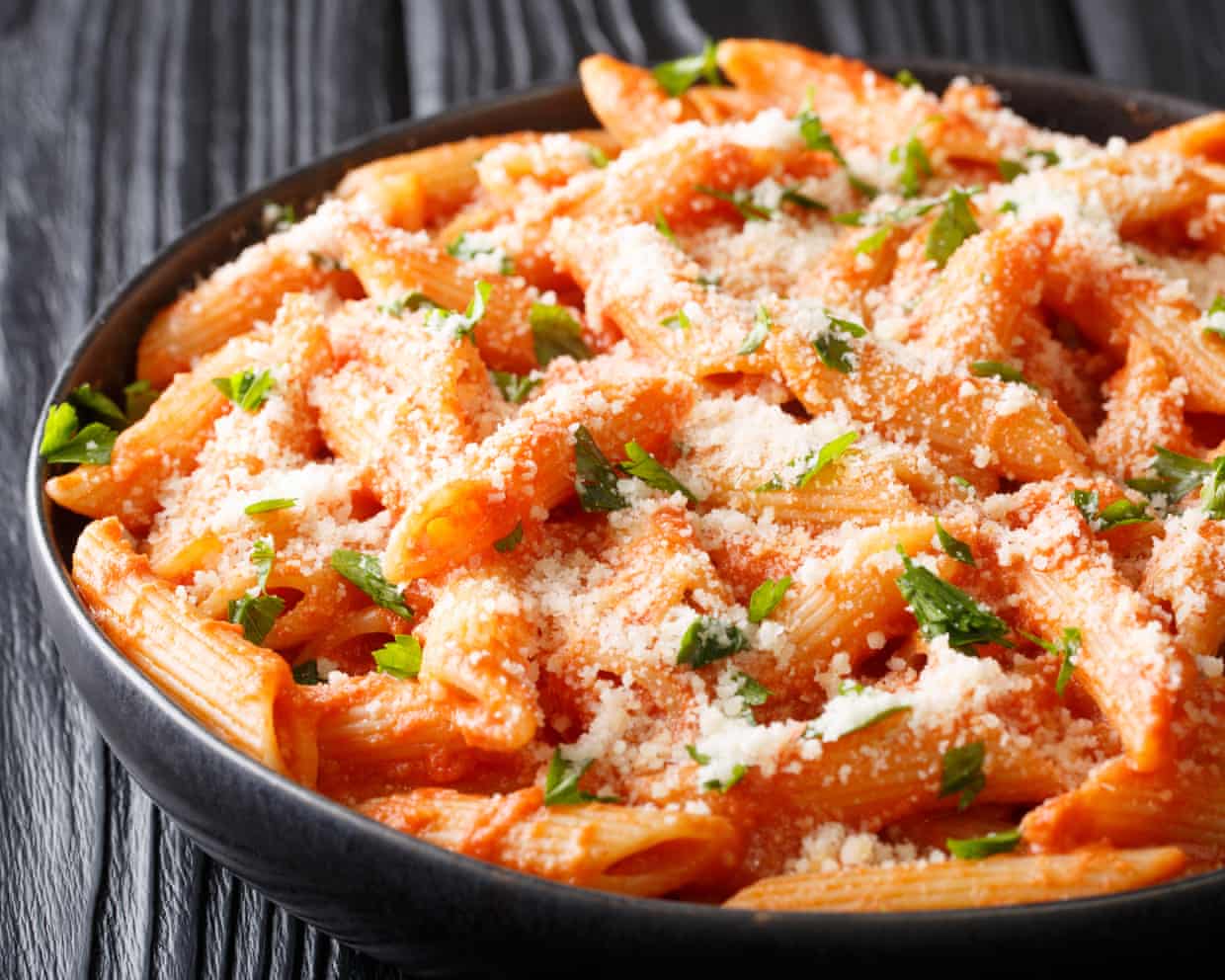
Disco hit: Penne alla vodka, popular in New York 80s clubs, is now a menu staple
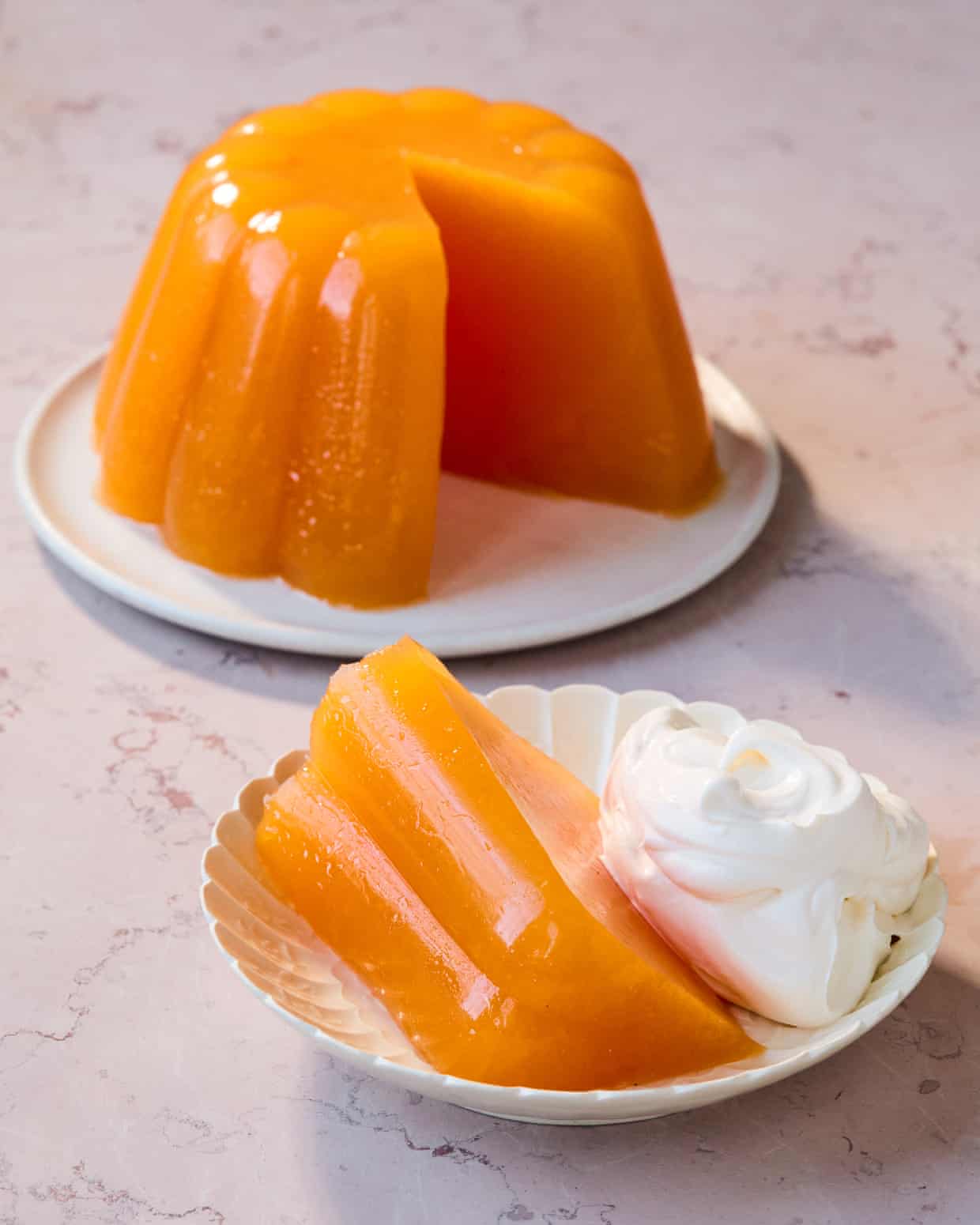
Benjamina Ebuehi’s recipe for orange, grapefruit and bay jelly | The sweet spot
‘As intense as perfume’: which eaux de vie are worth trying?
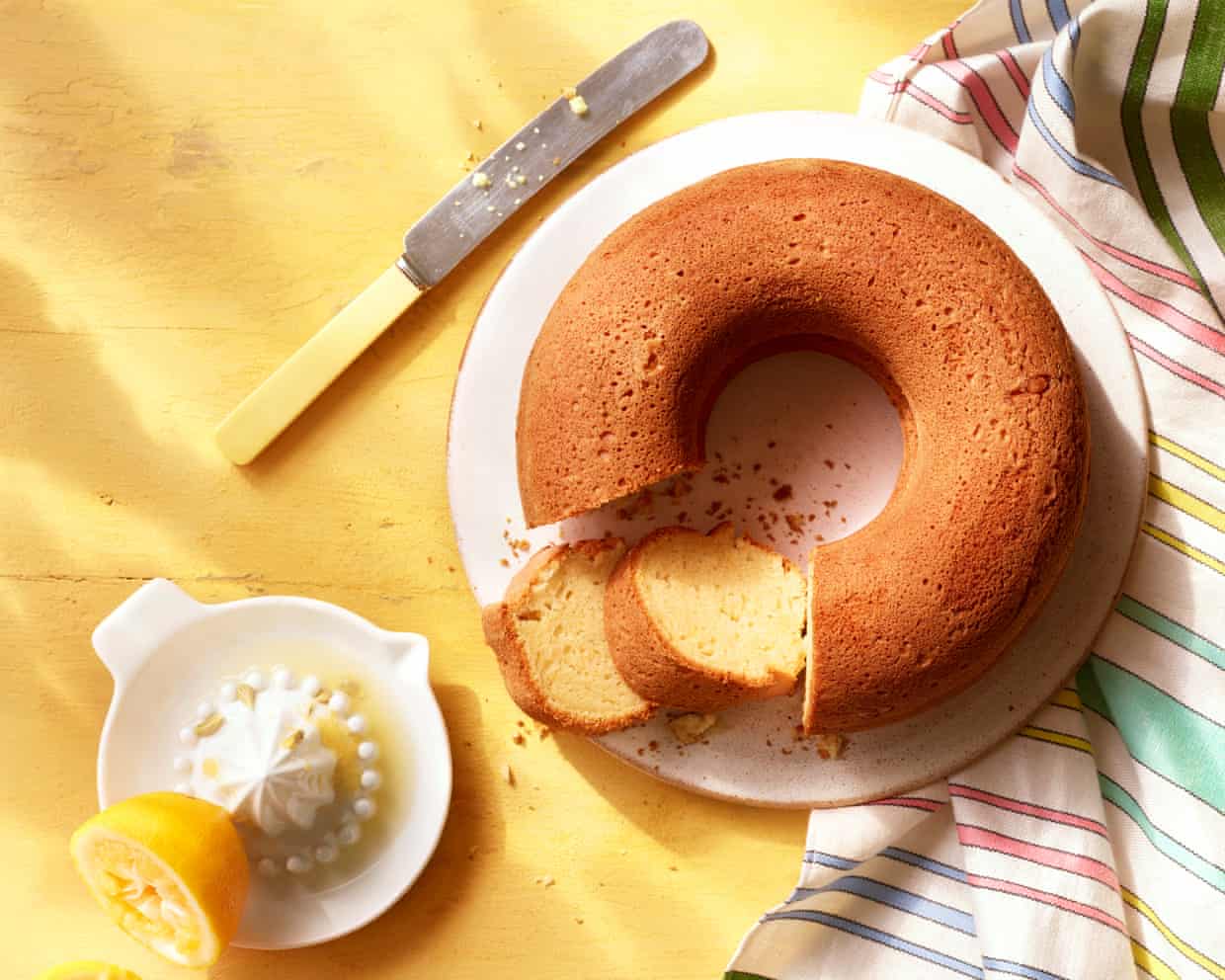
Folded, whipped or baked into something golden, ricotta is brilliant and adaptable
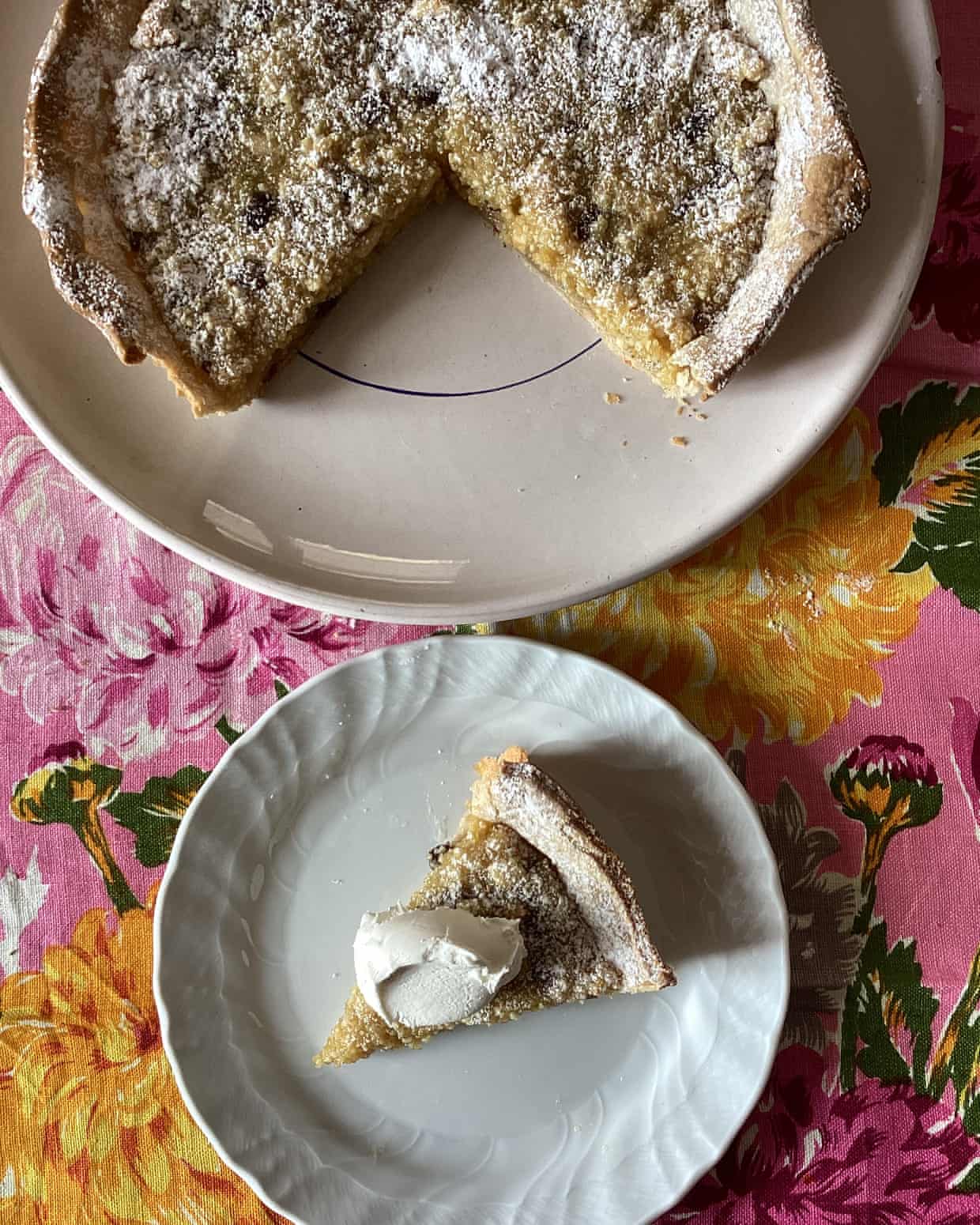
Rachel Roddy’s recipe for almond and lemon spiced treacle tart | A kitchen in Rome
I’m welcoming in spring with big Mediterranean flavours