‘True activism has to cost you something’: Bridgerton’s Nicola Coughlan on politics, paparazzi and parasocial fandom
Back in 2008, when Nicola Coughlan was at drama school, a guy in her class swaggered over and, with all the brimming confidence of young men in the noughties, asked her, “Do the Irish think the English are really cool?” Coughlan, born in Galway, mimes processing the question.“Well,” she said, “it’s quite complicated.Like, there’s a lot of history there, between the two countries.Like, there’s a lot going on.”The Guardian’s journalism is independent.
We will earn a commission if you buy something through an affiliate link,Learn more,Today, people are more knowledgable about the history of the English in Ireland,Coughlan is happy about that,She’s also happy about the explosion of Irish storytelling in popular culture – Normal People, Trespasses, Small Things Like These, not to mention the series that made her name, Derry Girls.
And she’s proud of young Irish actors – Paul Mescal, Barry Keoghan and Lola Petticrew, to name a few,She listens to bands such as Fontaines DC, CMAT and Kneecap,“It’s such a small country and the amount of creativity that comes out of Ireland is really extraordinary,”But now there’s a different kind of English guy, the one who swaggers over “to explain Irish history to you through the music,I’m like, ‘No, no.
I know all of that.’ Like, ‘I know why [Kneecap] is wearing a balaclava, yes.I know why all of it.’” And then there’s the person who congratulates her for having an elected leftwing female president in the form of Catherine Connolly.“I’m like, ‘Our third.
Our third female president.And by the way, Michael D Higgins, her predecessor, is incredibly leftwing.And a poet.’”Depending on your viewing tastes, Coughlan is either most recognisable as Clare Devlin from Derry Girls, the sublime comedy about Catholic teens set in the Troubles in 1990s Northern Ireland, or Penelope Featherington from Bridgerton, the Jane Austen-meets-Gossip Girl Netflix juggernaut in which she plays a Regency debutante with a secret.She’s become equally well known for her frankness – refusing, even under considerable pressure, to stop talking about Gaza or abortion or trans rights.
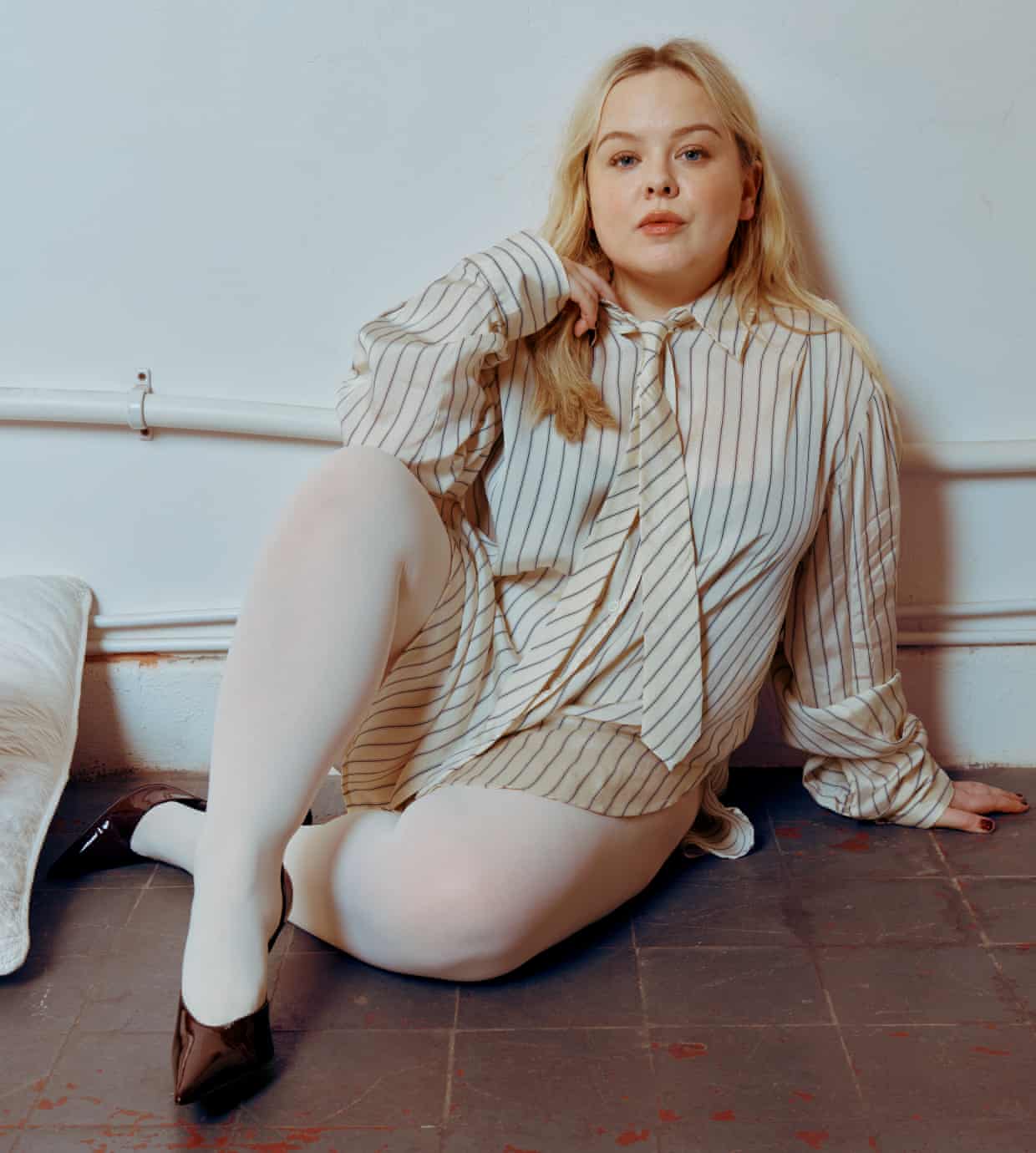
She’s also not going to apologise for not meeting societal expectations of what a starlet should look like.This steel is arresting in person from such a fairy-cake package.She looks like a Norman Rockwell illustration of a child from the 40s or 50s, or an Eileen Soper book cover, blond with the rounded forehead of a china doll, fondant pink cheeks that blotch at times with emotion.And she’s tiny, 5ft at a push, swamped in an oversized beige jersey.(She tells me that back when she’d collect her niece and nephew from primary school, other kids would shout, “Why are you so short if you’re an adult? Why do you look like that?”)This morning, we’re deep in the concrete block that is London’s National Theatre, discussing her latest project, The Playboy of the Western World.
It’s a play set in a pub in 1900s County Mayo and she’s immersed in conversations with the other actors about “the contradictions of being Irish and the perceptions of Irish people and what it means to be Irish”, she says.“Also to be part of a country that was colonised for so long, and had ideas imposed on it, but we’re all sitting around speaking English in the British National Theatre.” She’s interested to see how audiences respond, and a little apprehensive.“I read some reviews from when it was staged at the Old Vic in 2011 and they were like, ‘No one could understand a word!’ You don’t see anyone going to [Shakespeare’s] Globe and writing, ‘I couldn’t understand anything.’”On stage she’ll be reunited with Siobhán McSweeney – Sister Michael in Derry Girls – and directed by Caitríona McLaughlin of Dublin’s Abbey theatre.
The all-Irish cast accounts for the outbreaks of Gaeilge in the corridors, which Coughlan loves.“I saw a report about how many young people are learning Irish now.It’s terrible to admit, but as a teenager, myself and my friends were like, ‘Well, I can’t use this language anywhere else, so why would I learn it?’ Then as you get older, you realise it’s your native language, and you feel ashamed that you can’t speak it.”She’s relieved to be doing something small and intimate after Bridgerton (the show is the reason a group of diehard fans are outside the stage door every day) – her first play since 2018.Bridgerton was already one of Netflix’s hugest shows, but an astounding 45.
05 million viewers watched the first episodes of season three, the season in which Coughlan’s character transforms from bashful and bookish into a ravishing goddess, which climaxed with her near six-minute nude sex scene (a record even for this bonkbuster),How she dealt with journalists’ questions about doing a nude scene – given her voluptuousness – was instructive,She’s done press tours with hundreds of interviews and, sure enough, each time, there it was nestled in among the anodyne and the technical,She tried batting it away, rejecting the label “plus size”, politely asking people to stop contacting her directly to offer their opinion on her curves,One night, doing a Q&A on stage in Dublin, she was asked about her “bravery”.
“You know it is hard,” she said, hand resting gently on her corseted waist.“Because I think women with my body type – women with perfect breasts – we do not see ourselves on screen enough.” She paused to soak up the laughter from the audience.“I am very proud to be a member of the perfect breasts community.I hope you enjoy seeing them.
”The riposte captured both her come-off-it realness and the ludicrousness of what, until recently, has been considered acceptable to ask women in a PR back and forth,No wonder the clip went viral,“It was a joke I’d definitely made to friends,” she says now,“But I’d never said it in public,You know what [journalists] want to get out of you and you think, I’m not going to give you that.
I’m just going be stupid in response.”Although Bridgerton was huge amounts of fun and she’s proud of her work and adores all the cast and crew, it brought a landslide of attention, some of which, well, let’s just say there’s a specific type of parasocial fandom.“With Derry Girls, people really enjoy the show, and say, ‘I love that.’ With Bridgerton, it’s a different beast.” Fans identified strongly with her character.
They devoured theories about Coughlan and her co-star love interest Luke Newton, convinced they were a real-life couple concealing their marriage,They looked for clues in what she wore, what she posted, where she appeared, believing that, like Taylor Swift, Coughlan was telegraphing messages specifically to them – “which I’m definitely not,I definitely just put a jumper on and the colour doesn’t mean anything,”When Newton posted photographs of a summer holiday with his actual girlfriend, those fans felt cheated, called it a PR stunt, a hoax,They wrote wild posts and cancelled their Netflix subscriptions.
“The maddest thing they thought was that I’d had a secret baby and was hiding it,” Coughlan says,“I would like to go on the record and say, ‘I don’t have a secret baby,’” Then she sugars her tone, “But it’s real in the show! They’re married for ever in the show! They have a baby in the show!”There was also acute public scrutiny of Coughlan’s love life, partly because her boyfriend, the actor Jake Dunn, is 25 and she is 38,It was bad enough after paparazzi shots appeared of her with Dunn in the early days of their relationship (“Imagine if you had an evening at the pub and then you walked around, talking, having a lovely time,And a few days later, you see pictures of that.
The violation is immense”).But a widespread assumption that she had courted this publicity meant she was suddenly fair game for anyone with a cameraphone.She was photographed as she went about her day – shops, parks, restaurants, streets – the pictures uploaded online.“People go, ‘Oh, there’s so-and-so from TV.’ They forget you’re a person.
”Soon her world began to contract.Fans were trying to find out where she lived.They posted photos of her and Dunn in real time and she realised that they were being tailed.“That level of attention is hugely intense.And I don’t know how well that suits me.
The intensity gave me horrific anxiety,” she says.“I was like, ‘I really want to go away.’And also, because I’m somewhat politically outspoken, I didn’t know that people didn’t mean me harm.Work is one world and my private life is another.When one started collapsing into the other, I thought, oh my God, what have I done?”Her face goes pink and she apologises because she’s trying not to cry but the tears are spilling over.
And then she’s apologising both because it genuinely stresses her out to think what might have happened if people had found out where she lived, but also because, look at her, she’s being ridiculous, crying in the first interview she’s done in a year.Then she’s laughing and crying at the same time and telling me not to worry because I’m scrabbling around in my Pret bag looking for a napkin.She cries all the time, she says, rallying.She cried last night, in fact, watching Married at First Sight because there was a couple so in love, but he lived in Brighton and she in Liverpool.She cried watching Oasis recently because they played Wonderwall and she hadn’t realised until she heard it live that “it’s a fucking masterpiece”.
She touches the corner of her eye and picks up her point.A year later, she’s still reflecting on the intensity of the Bridgerton experience.It’s made her think twice about her career trajectory.Only the other day, watching Wicked, she thought of Jonathan Bailey: “You are a movie star, like, you are literally huge, but I don’t know that I could do that.” And in the summer when she didn’t get a part she’d auditioned for in a big movie (they cast a man instead), she felt OK.
“It sounds really saccharine, but I do really just want to work with nice people who want to make great things,Those are my guiding principles now,Because I am really sensitive and I can’t work in bad environments,I’m not built for it at all,”When Derry Girls first came out, Couglan’s plan was “to be myself in the public eye”, and if anyone misunderstood, “I’d explain what I meant and it would all be fine.
” She learned quickly enough that the actual way to deal with trolls was “to block and move on”.These days she’s retreated from social media and is mainly on the New York Times games app, trying to do the crossword in under 10 minutes.She uses her Instagram platform mostly to raise awareness and money for charity.Back in April she helped Not A Phase, the charity supporting trans people, to stay open.“I don’t have a Twitter account on which to say ‘I don’t think blah blah blah’, so I was like, well, maybe I should help raise money.
And I did,”So far, she’s also raised more than £1,5m for relief for people in Palestine through organisations such as the Palestine Children’s Relief Fund, ActionAid UK and Medical Aid for Palestine,She knew early on in the conflict that she had to do something, “Not in a holier than thou way,I was just, like, no, I don’t think I can stay quiet about [watching civilians being killed].
But no one was talking about it early on.People were very afraid to.”Some of those she worked with – “people with my best interests at heart” – told her, “You could really damage your career doing this.” Who, I ask? “I feel bad saying who specifically.But that’s the truth, I could.
And I had to go, OK, I have to accept that,They said, ‘You mightn’t be able to do this, this and this [job],’ And I thought, well, then I don’t want to be able to do that, that and that,I can’t throw away my moral conscience,True activism, it should cost you something
Barbican revamp to give ‘bewildering’ arts centre a new lease of life
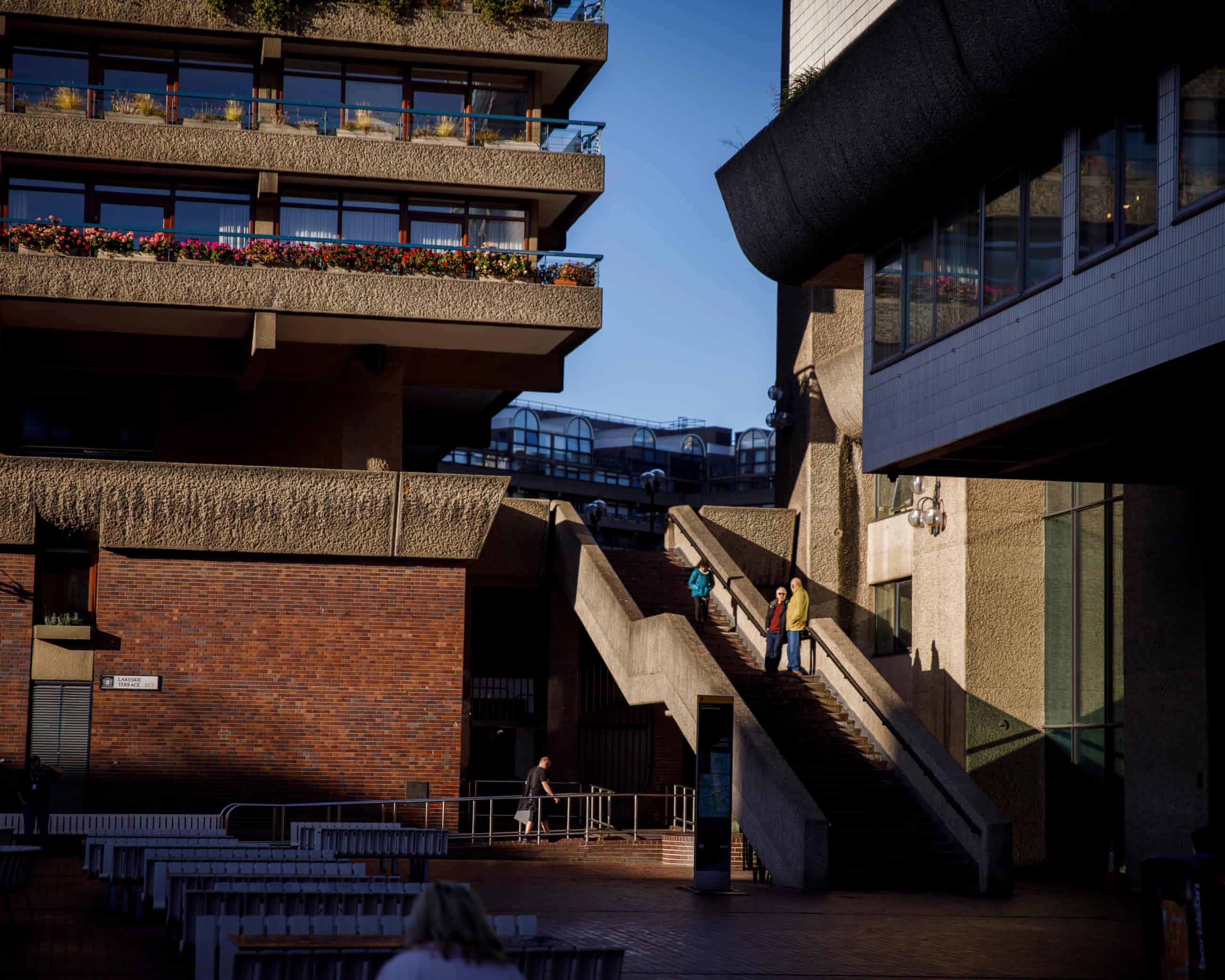
Project will make the famously confusing London landmark easier to navigate and more accessible“Everything leaks,” says Philippa Simpson, the director of buildings and renewal at the Barbican, who is standing outside the venue’s lakeside area and inspecting the tired-looking tiles beneath her feet.Water seeps through the cracks into the building below and serves as a reminder of the job facing Simpson and the team who are overhauling the 43-year-old landmark.The first phase of the project will cost £231m, and Simpson – who did a similar, if less daunting, job for the Young V&A in east London – hopes it will be finished in time for the 50th anniversary in 2032. The overall bill is estimated to be £451m.A mammoth task awaits her
A minimalist statement or just Pantonedeaf? ‘Cloud dancer’ shade of white named Pantone’s 2026 colour of the year
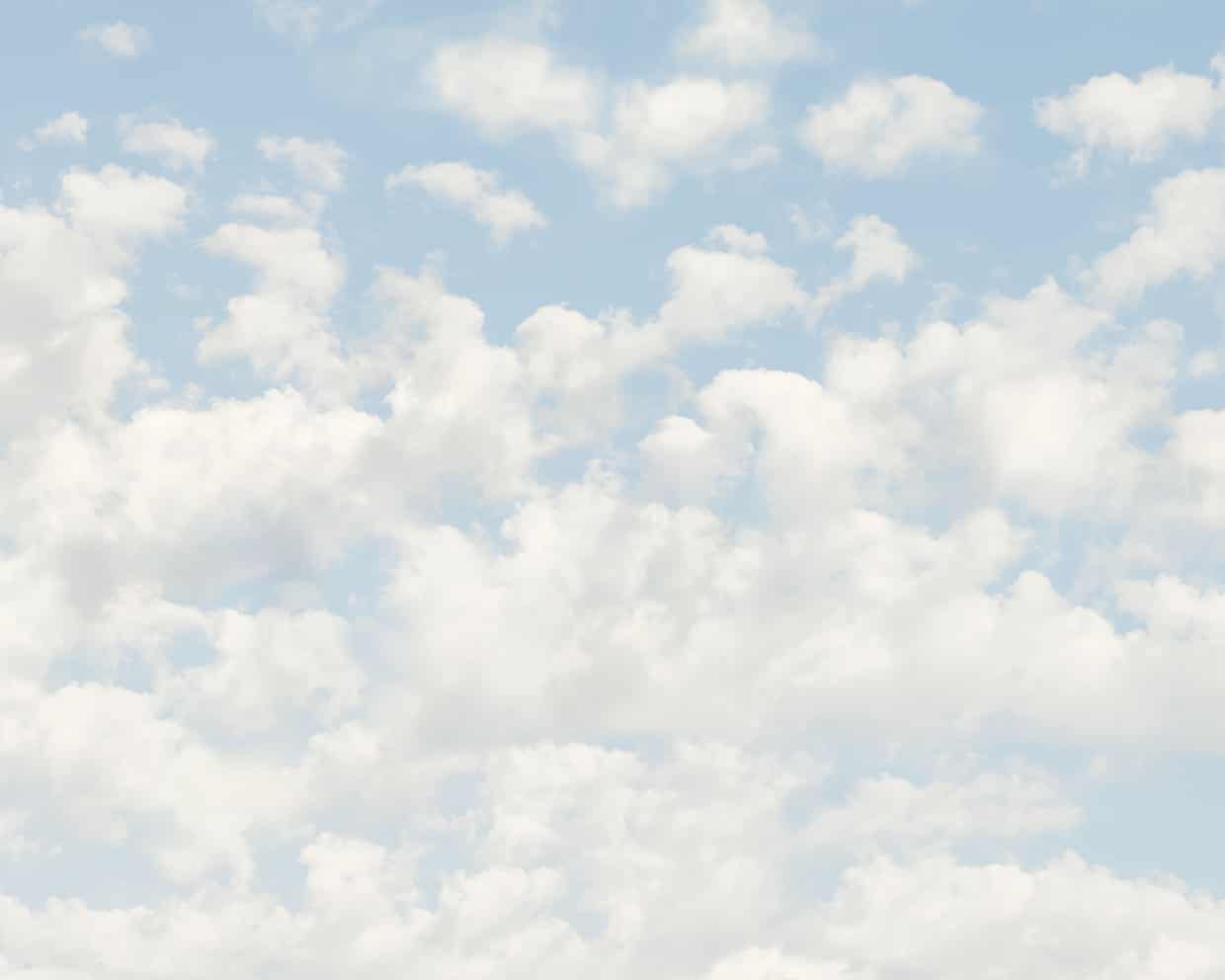
Hi, Emma! I’m so pumped to find out what colour 2026 is going to be. Fill me in!Brace yourself, Nick. Every year since 1999 Pantone chooses a colour for the year, a representation of the zeitgeist – from how we’re feeling to what we’re wearing, how we’re styling our homes and even our eyebrows. Last year’s was the darker shade of beige “mocha mousse”, the year before that was the soft, warm “peach fuzz”.This year’s pick is even more baffling
Jimmy Kimmel on Pete Hegseth, ‘our secretary of war crimes’
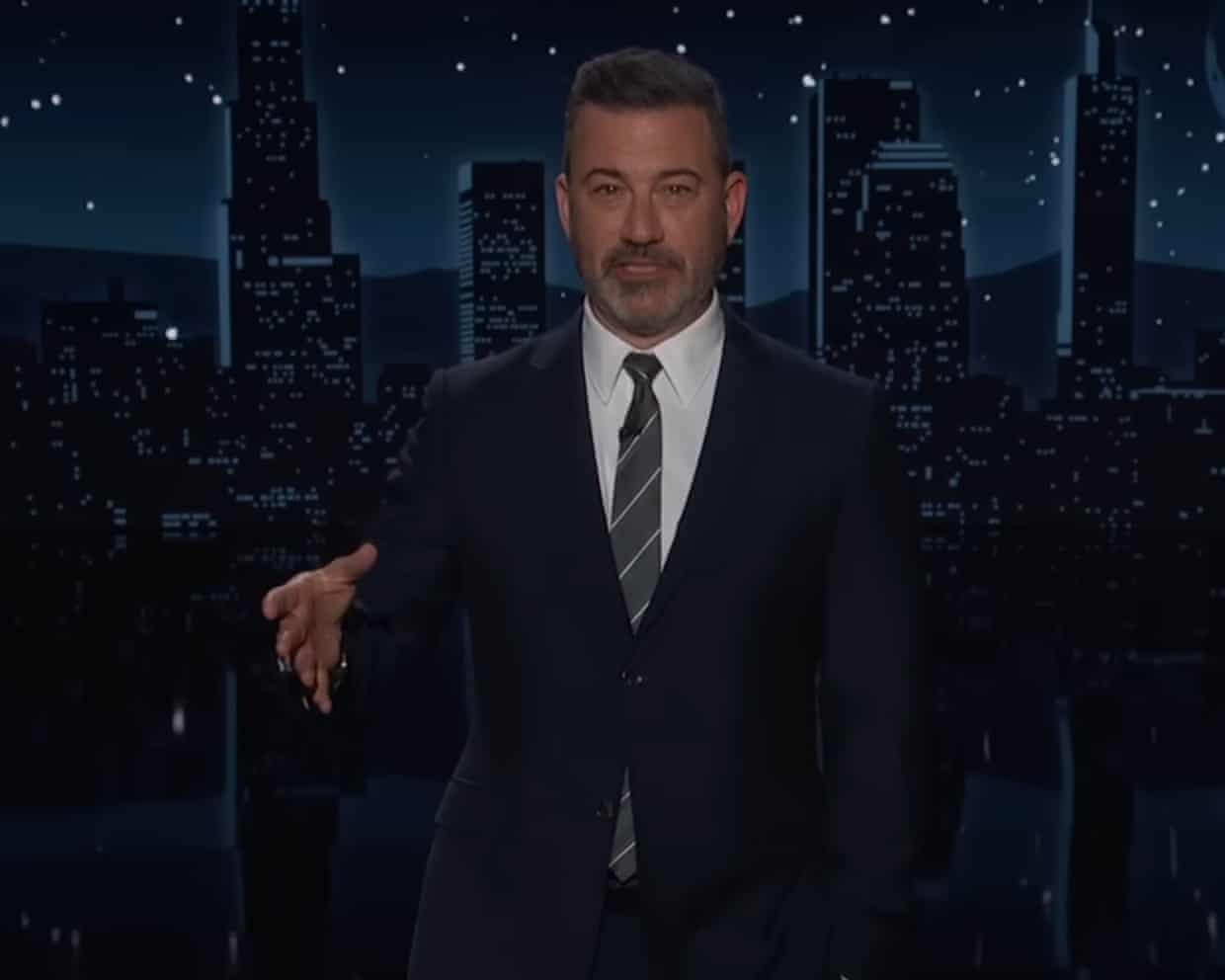
Late-night hosts tore into Pete Hegseth’s Venezuelan boat blame game, Donald Trump’s cabinet meeting naps and the annual Spotify Wrapped lists.Jimmy Kimmel opened his Wednesday-evening monologue with an acknowledgement of a yearly tradition: the annual Spotify Wrapped list, documenting users’ listening habits for the year.“This Spotify, they really have it figured out,” he said. “They spy on you all year. It’s what they do

Jimmy Kimmel on the Trump administration: ‘They have better-quality cabinets at Ikea’
Late-night hosts tore into Donald Trump’s five-hour Truth Social posting spree and his inability to stay awake during cabinet meetings.Jimmy Kimmel wasted no time in returning to his favorite target – Donald Trump – on Tuesday evening. “I know I’ve said this before, but for real this time: he went completely off the rails last night,” the host began. “The man who is allegedly running the country banged out an onslaught of posts and reposts in a furious social media blitzkrieg that started at 7.09pm, went nonstop until almost midnight
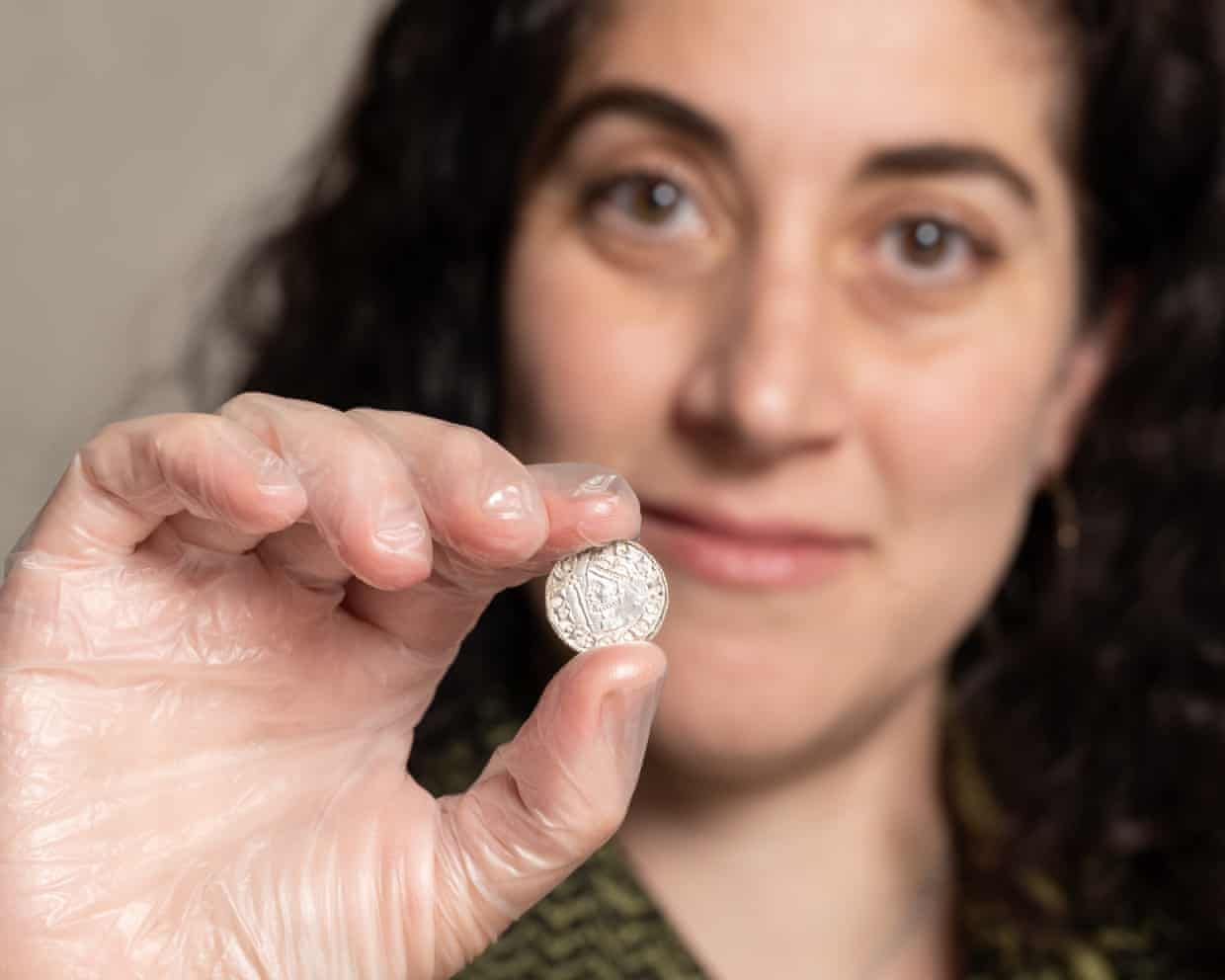
Norman conquest coin hoard to go on show in Bath before permanent display
The coins were buried in a valley in the English West Country almost 1,000 years ago at a time of huge political and social turmoil.A millennium on, plans have been announced to bring the Chew Valley Hoard, 2,584 silver coins hidden shortly after the Norman conquest, back to the south-west of England.The feelgood story of how the coins, worth more than £4m, were found by a band of metal detectorists will be told but visitors will also be encouraged to reflect on how the world continues to be gripped by worries about conflict, the actions of the powerful and money.Sam Astill, the chief executive of South West Heritage Trust, which acquired the hoard for the nation last year, said the idea was not just about showing off the coins and telling their history.He said: “There will also be a conversation about turning points, turning points in history or in people’s lives

Jon Stewart on Trump claiming not to know about his own MRI: ‘That’s not physically possible’
Late-night hosts tore into Donald Trump for his use of an ableist slur and unconvincing attempts to assuage concerns about his cognitive abilities.As the Thanksgiving spirit gave way to the work week, Jon Stewart tore into the president for using an ableist slur to describe the Minnesota governor, Tim Walz. In a Truth Social post over the weekend, Trump called Walz, who ran against him last year as Kamala Harris’s running mate, “seriously retarded”.“On Thanksgiving?! Are you confusing that with Festivus?” the Daily Show host exclaimed on Monday evening.Days later, asked by reporters if he regretted his remarks, Trump doubled down, saying that there was “something seriously wrong” with the Democratic governor
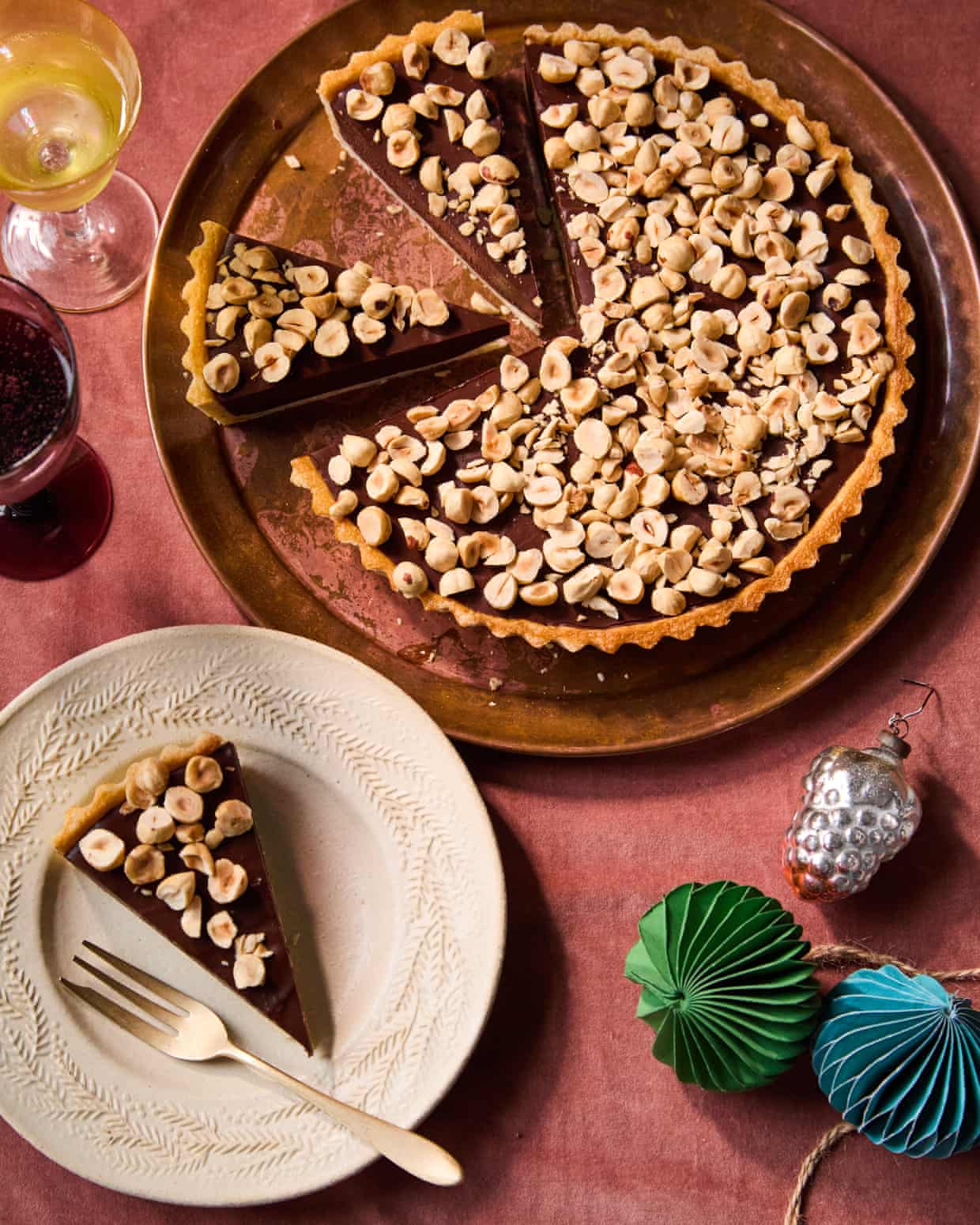
Chocolate tart and zabaglione: Angela Hartnett’s easy make-ahead Christmas desserts – recipes
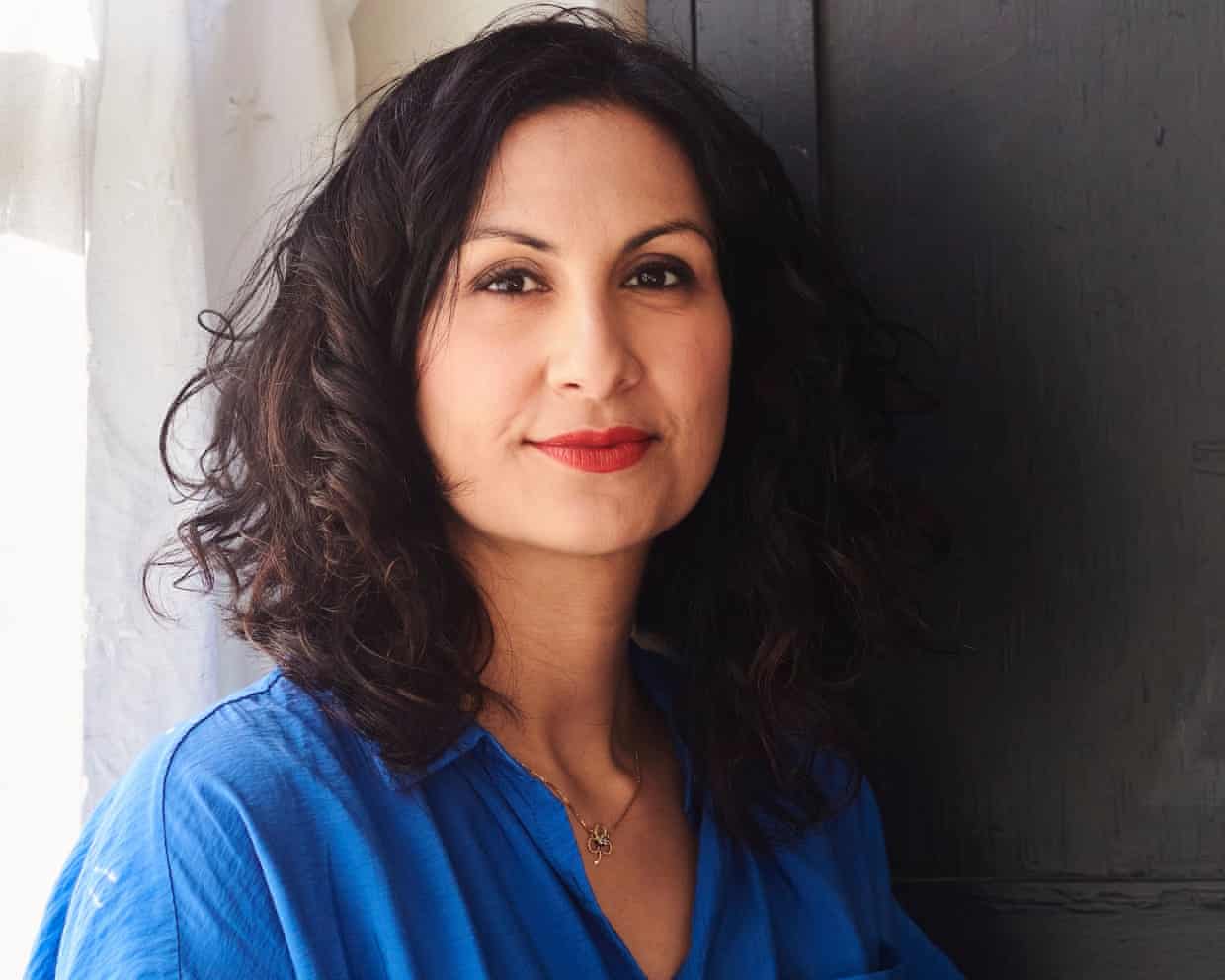
I called my recipe book Sabzi – vegetables. But the name was trademarked. And my legal ordeal began

Goodbye avocado, hello ssamjang: here is the new posh nosh
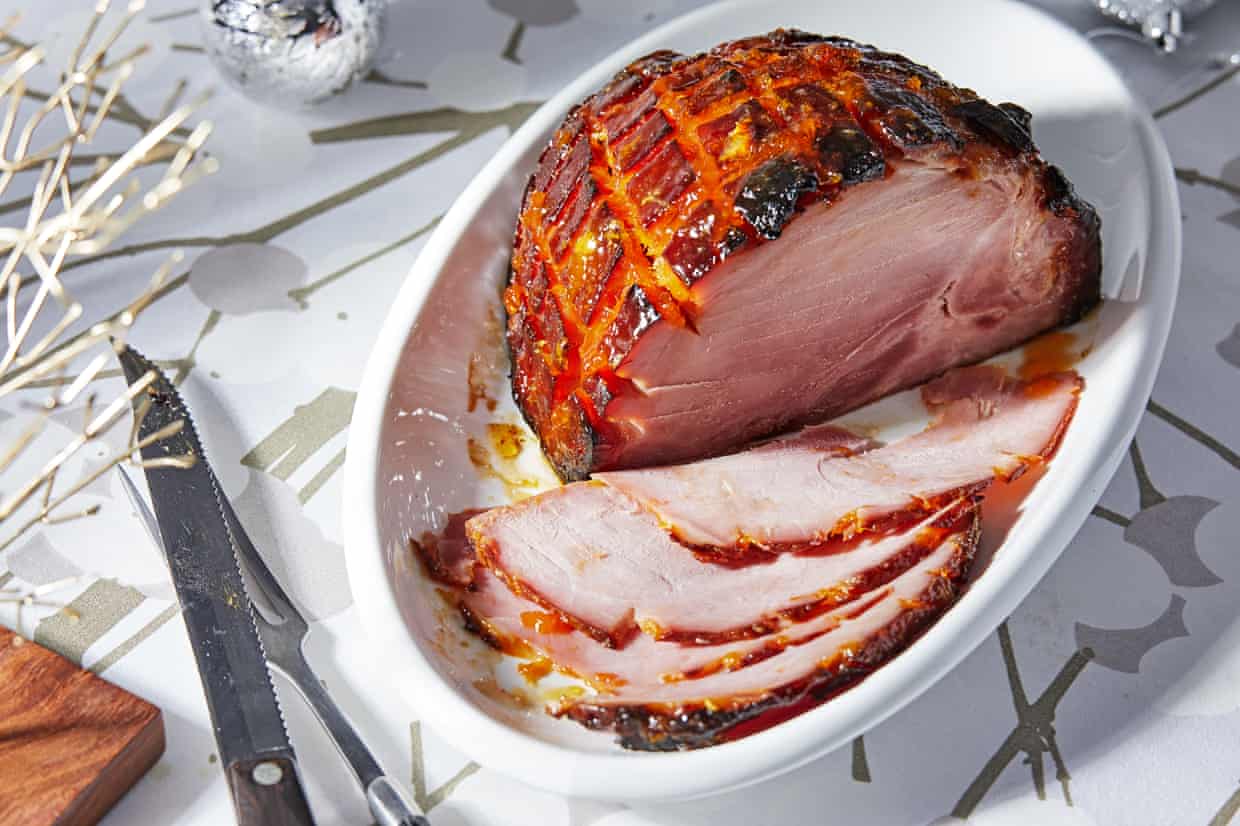
Choice taste test: the best Australian supermarket Christmas ham is also ‘one of the cheapest’
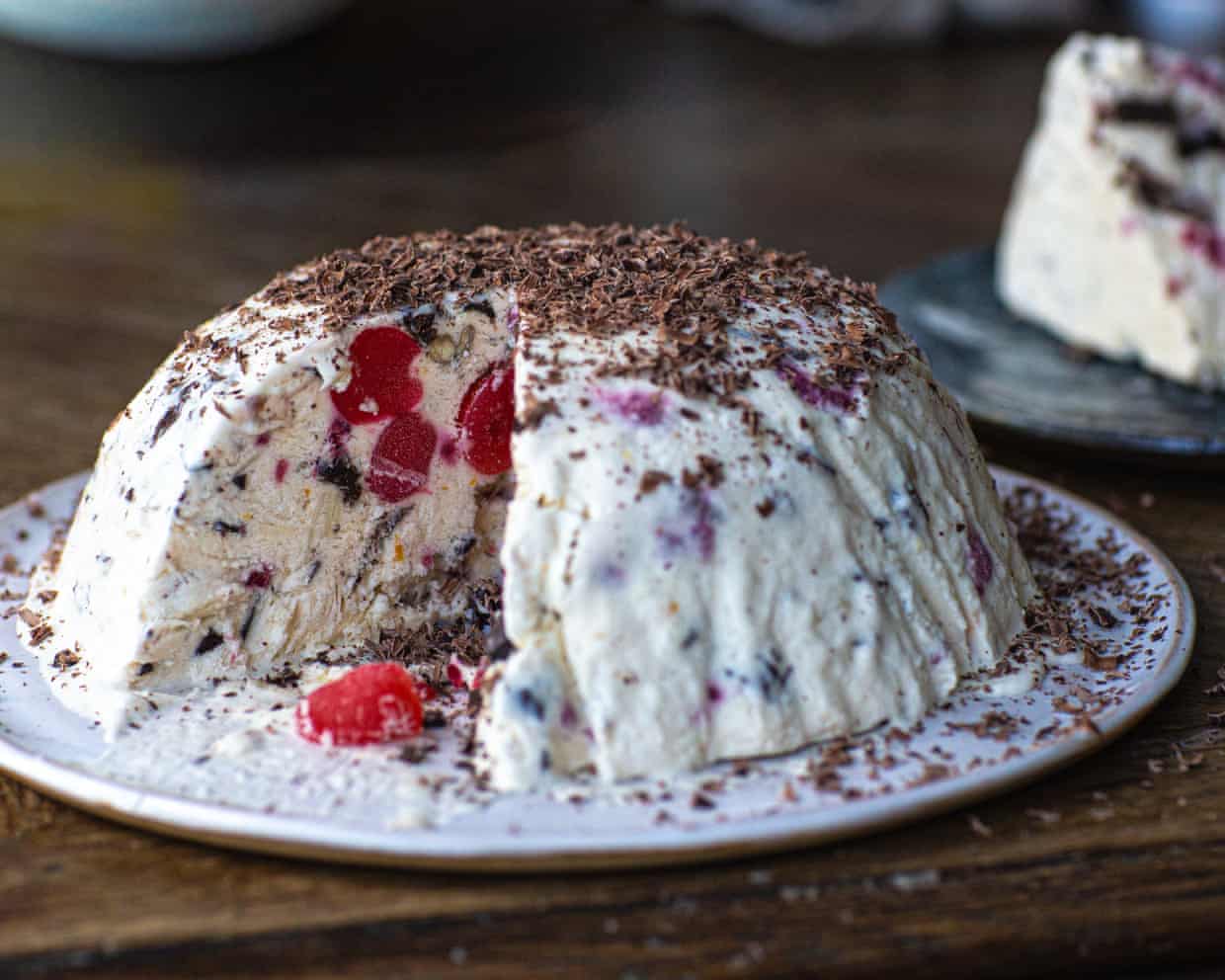
How to turn excess nuts and seeds into a barnstoming festive pudding – recipe | Waste not
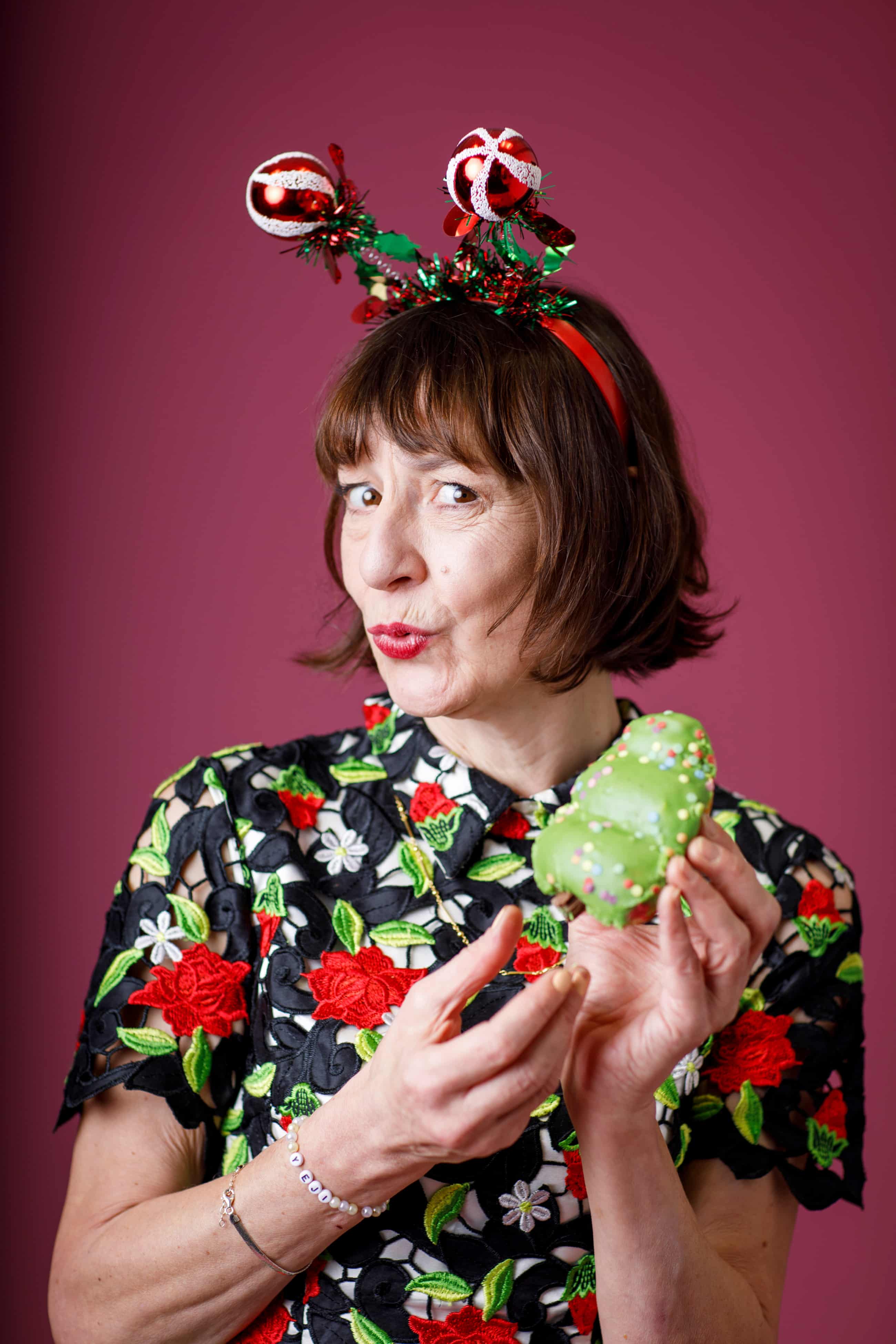
The great Christmas taste test: I tried seven fast food offerings. Which will make me feel festive?