Vodafone to take full control of UK mobile operator in £4.3bn deal
Vodafone is to take full control of the UK’s biggest mobile operator in a £4.3bn buyout deal with the Hong Kong conglomerate CK Hutchison.The billionaire Li Ka-shing’s business said it had agreed to sell its 49% stake in VodafoneThree – a network with more than 27 million subscribers – to its partner Vodafone.Vodafone will buy out CK Hutchison, paying cash, and cancel the shares.The deal is part of CK’s efforts to reshape its global portfolio, offloading major assets to boost shareholder returns.
It is also looking to sell most of its ports and is considering a potential stock market listing of its retail arm.CK Hutchison held a controlling stake in Three before it announced a merger with Vodafone’s British telecoms network in 2023.The £16.5bn tie-up brought the UK’s third and fourth biggest operators together to create a new market leader, ahead of EE, owned by BT, and Virgin Media O2, owned by Spain’s Telefónica and the US-listed company Liberty Global.Last June, Vodafone promised to invest more than £1bn in expanding its network coverage in the next year, as it sealed the merger with its former mobile rival Three UK.
It was the biggest shake-up in years in the British telecoms industry, as it reduced the four main network operators to just three, alongside BT/EE and Virgin Media O2,While Britain’s competition watchdog initially warned that millions of customers could face higher bills as a result of the merger, it eventually approved the deal in December 2024, subject to a set of legally binding commitments,Canning Fok, the deputy chair of CK Hutchison and executive chair of its telecoms division, said: “Our group was one of the first in the world to invest in 3G mobile telecommunications with the establishment of 3UK in 2000 and introduce groundbreaking mobile broadband telephony to consumers,“The company has grown from a startup mobile operator, and through merging and forming the present VodafoneThree, has become the number one operator in the UK by subscriber numbers and a market leader in the delivery of telecommunications products and services to UK consumers,”He said the sale allowed the Hong Kong group to “realise the value of our investment” in VodafoneThree.
The deal is subject to regulatory approval, including under the UK National Security and Investment Act, and is expected to complete in the second half of this year.Frank Sixt and Dominic Lai, CK Hutchison’s co-managing directors, described the deal as a “win-win” for both companies.CK Hutchison’s share price rose 2.6% in Hong Kong on Tuesday, while Vodafone’s rose nearly 1%.

AI facial recognition oversight lagging far behind technology, watchdogs warn
Britain’s biometrics watchdogs have warned that national oversight of AI-powered face scanning to catch criminals is lagging far behind the technology’s rapid growth.With the Metropolitan police almost doubling the number of faces they scan in London over the past 12 months and a rising use of the technology by retailers in the UK, Prof William Webster, the biometrics commissioner for England and Wales, said the “slow pace of legislation was trying to catch up with the real world” and “the horse had gone before the cart”.Dr Brian Plastow, who holds the same role in Scotland, warned the technology was “nowhere near as effective as the police claim it is” and said there was a “patchwork legal framework” throughout the UK. He said in England and Wales, police were “really just marking their own homework”.The watchdogs said new laws were needed to govern when and how police forces used live facial recognition technology, with a new regulator to clamp down on misuse

Guilty until proven innocent: shoppers falsely identified by facial recognition system struggle to clear their names
When Ian Clayton, a retired health and safety professional from Chester, popped into Home Bargains one February lunchtime, he was suddenly approached by a stern-looking member of staff.“Excuse me, can you please put everything down and leave the shop now?” she said. Clayton recalled how he was stunned, and it was only as he was briskly walked past the tills towards the exit that he stopped to ask what he had done.“You’ve come up on our system called Facewatch as a shoplifter,” came the reply. “There’s a poster in the window

How does live facial recognition work and how many UK police forces use it?
The Labour government thinks facial recognition technology is “the biggest breakthrough for catching criminals since DNA matching”. It wants all police forces to use it and recently announced 40 new vans rigged with live facial recognition cameras to be deployed in town centres across England and Wales.Supporters say it streamlines police work and catches criminals. Opponents fear it violates civil liberties and can be biased against minorities.The simplest systems check faces captured on CCTV, mobile phones, dashcams, social media and doorbell cameras against mugshots held on the police national database
UK ‘invention agency’ grants £50m of public money to US tech and venture capital firms
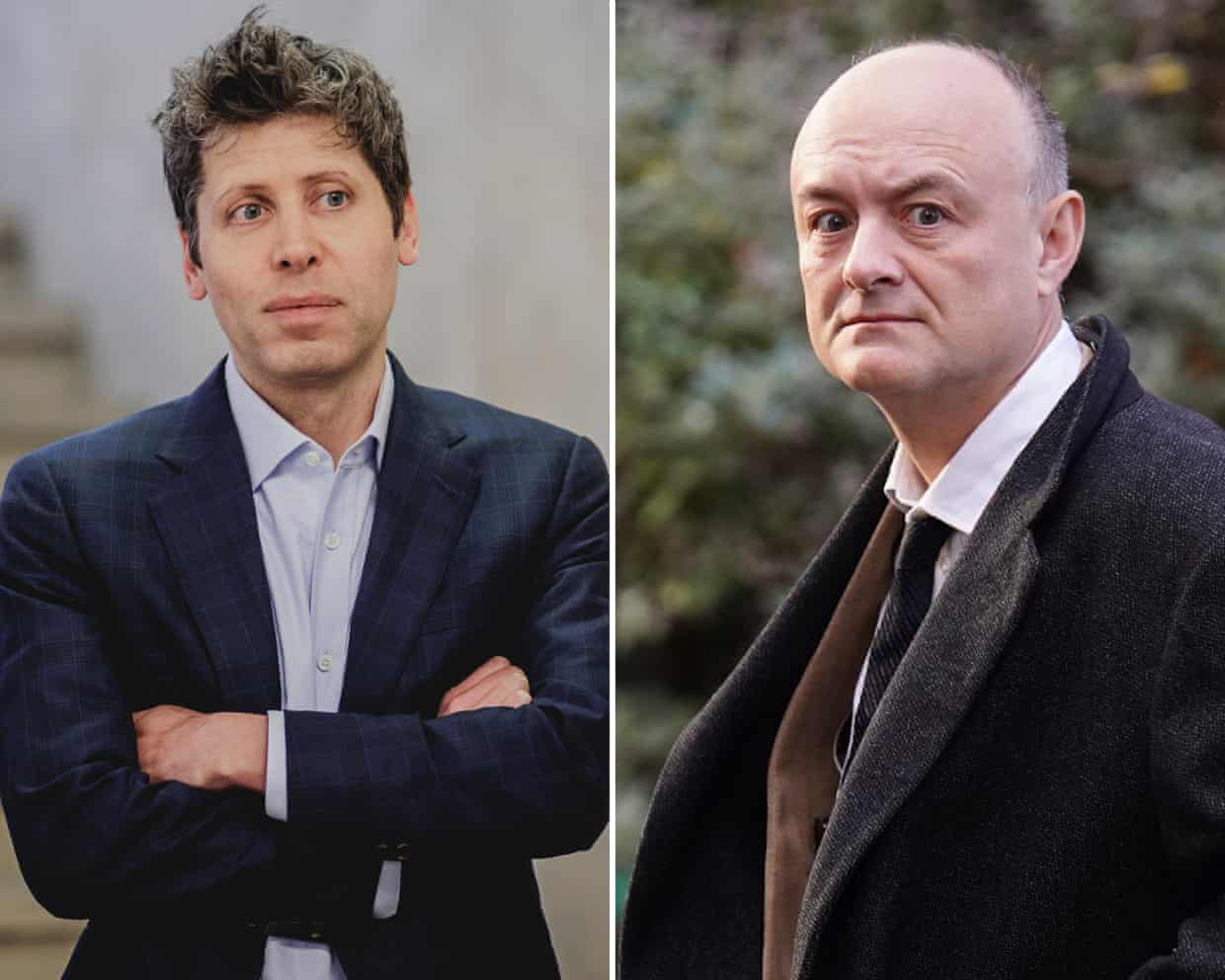
Britain’s “invention agency” has pledged £50m of UK taxpayer money to US tech companies and venture capital projects.Dreamed up by Dominic Cummings to fund “crazy” ideas, the Advanced Research and Invention Agency (Aria) is meant to “restore Britain’s place as a scientific superpower”.But a joint investigation by the Guardian and Democracy for Sale, an investigative website, has established that more than an eighth of the agency’s £400m in research and development funding over the past two years has gone to 14 US tech companies and venture capital groups, in some cases, with no clear return for the UK or Aria.One of these companies, Rain Neuromorphics, is also backed by the OpenAI chief executive, Sam Altman, and was reported to be near collapse last year, shortly after winning Aria money. It did not respond to a request for comment; two of its founders appear to have left the company
Under a cloud: the growing resentment against the massive datacentres sprouting across Australian cities
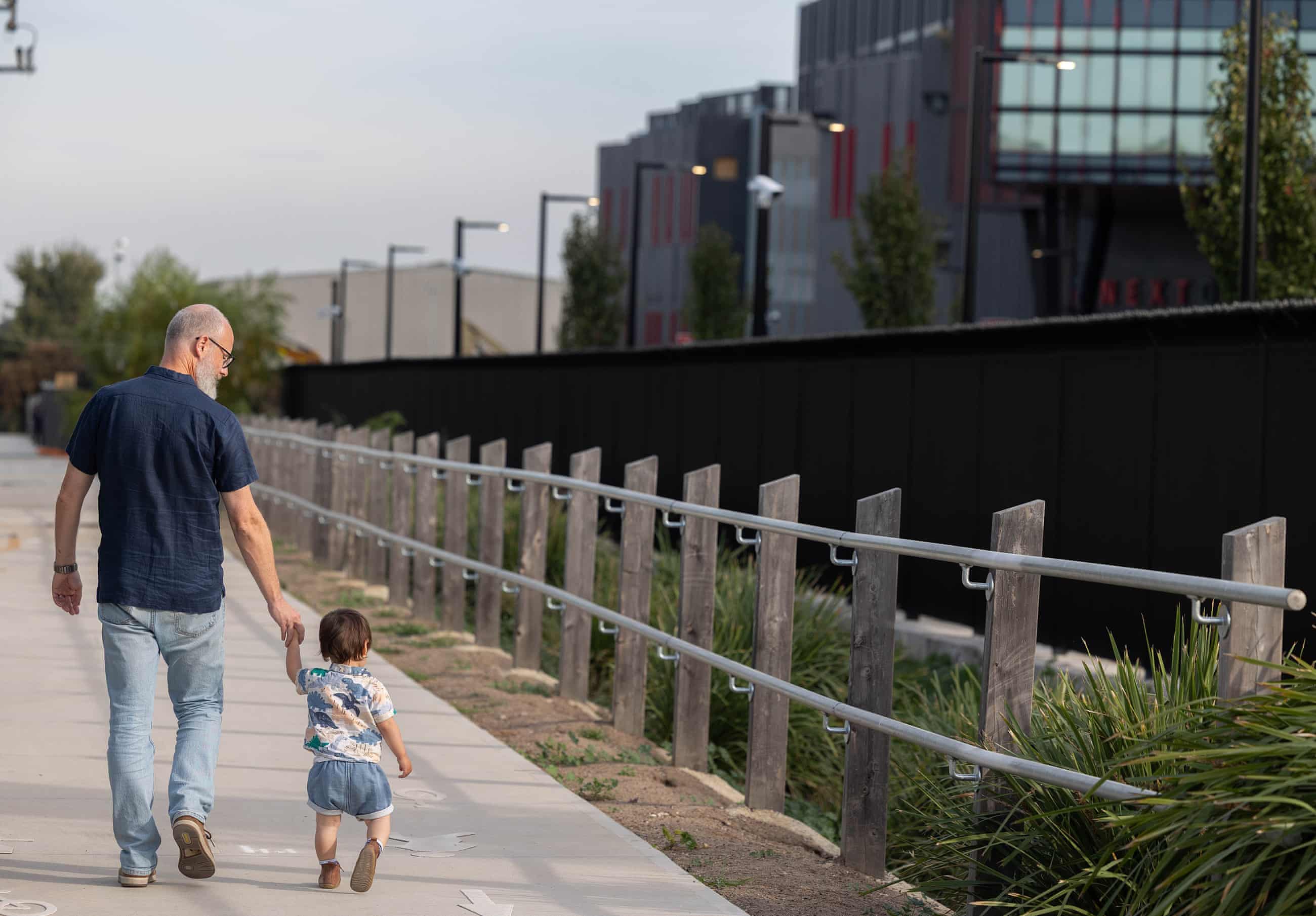
Residents say AI factories with unknown environmental impacts are being rushed into development as proponents argue Australia must ride the data boom or be left behindFollow our Australia news live blog for latest updatesGet our breaking news email, free app or daily news podcastWhen West Footscray resident Sean Brown takes his 19-month-old boy to the park, their walk passes an imposing new building cheerily spruiked as “Australia’s largest hyperscale AI factory”, a datacentre called M3.He hates it: the construction noise from its constant expansion, the looming towers and the insistent background hum, the exhaust from the growing array of diesel generators that can help power the ranks of servers inside.And he worries what it represents for his young child’s future.“He is growing – neurologically, pulmonarily, physically – in the shadow of a facility whose cumulative environmental impact … has never been assessed,” Brown says.“They’re building something which is, frankly, terrible for the community

Parents already have controls over smartphones – they should use them | Letters
A crucial facility seems to be missing from the coverage of smartphones in schools – and outside (I was wrong about the danger of smartphones in schools. It’s far, far worse than I thought, 22 April). Parental controls, which both Apple and Android have, enable downtimes to be set to ensure phones don’t work in school. They can also set downtimes for outside school and block inappropriate apps.We use these for our 14-year-old daughter to keep her safe and manage the addictive effects of phone use

Shaun Murphy v Wu Yize: World Snooker Championship final day two – as it happened

Wu Yize beats Shaun Murphy in thrilling final frame to win World Snooker Championship

Root’s golden arm leads Yorkshire past Somerset, Kent thrash Derbyshire: county cricket, day four
Champions Cup final will have independent TV director in charge
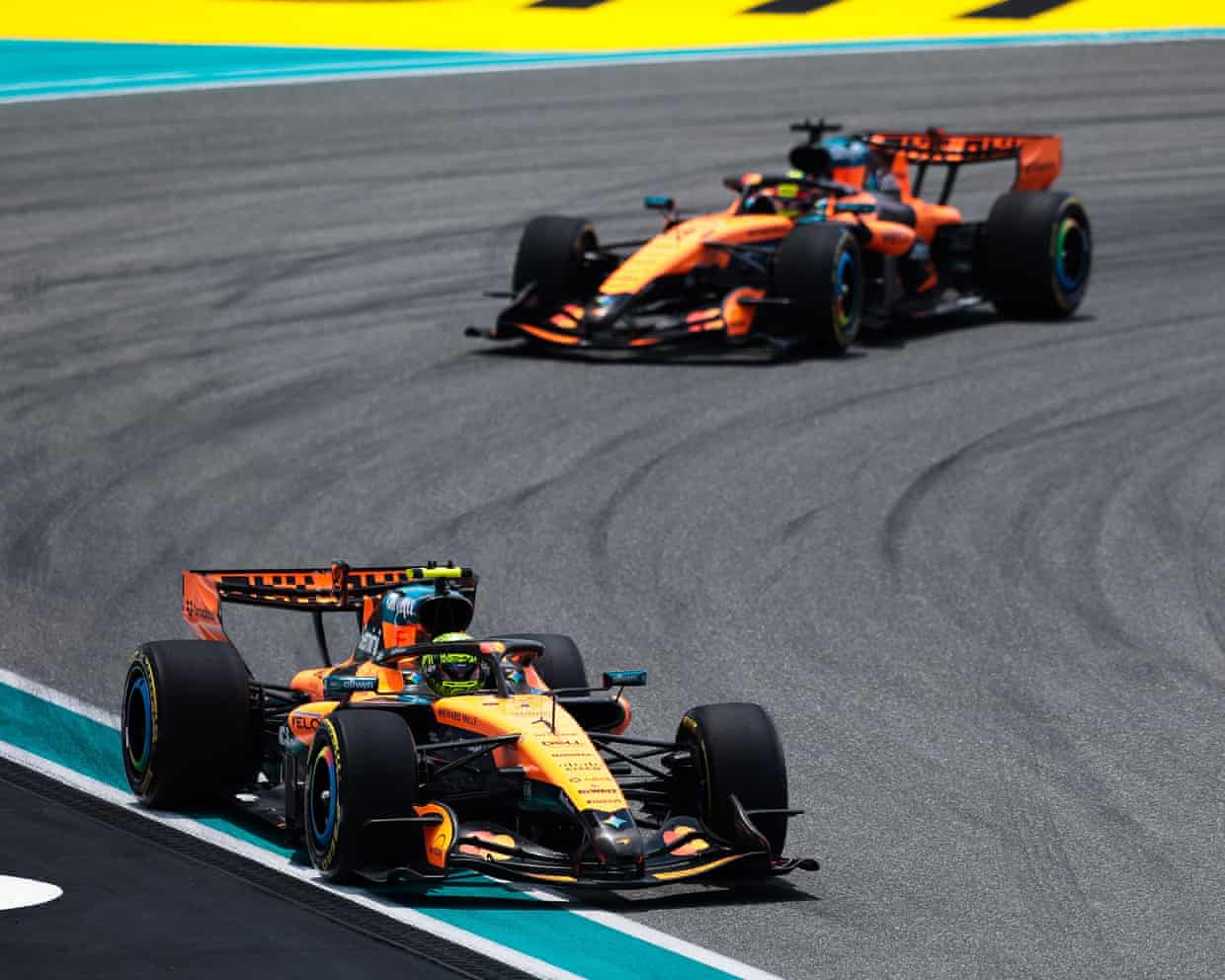
‘Get rid of the battery’: F1 under increasing pressure to make more changes to engine rules
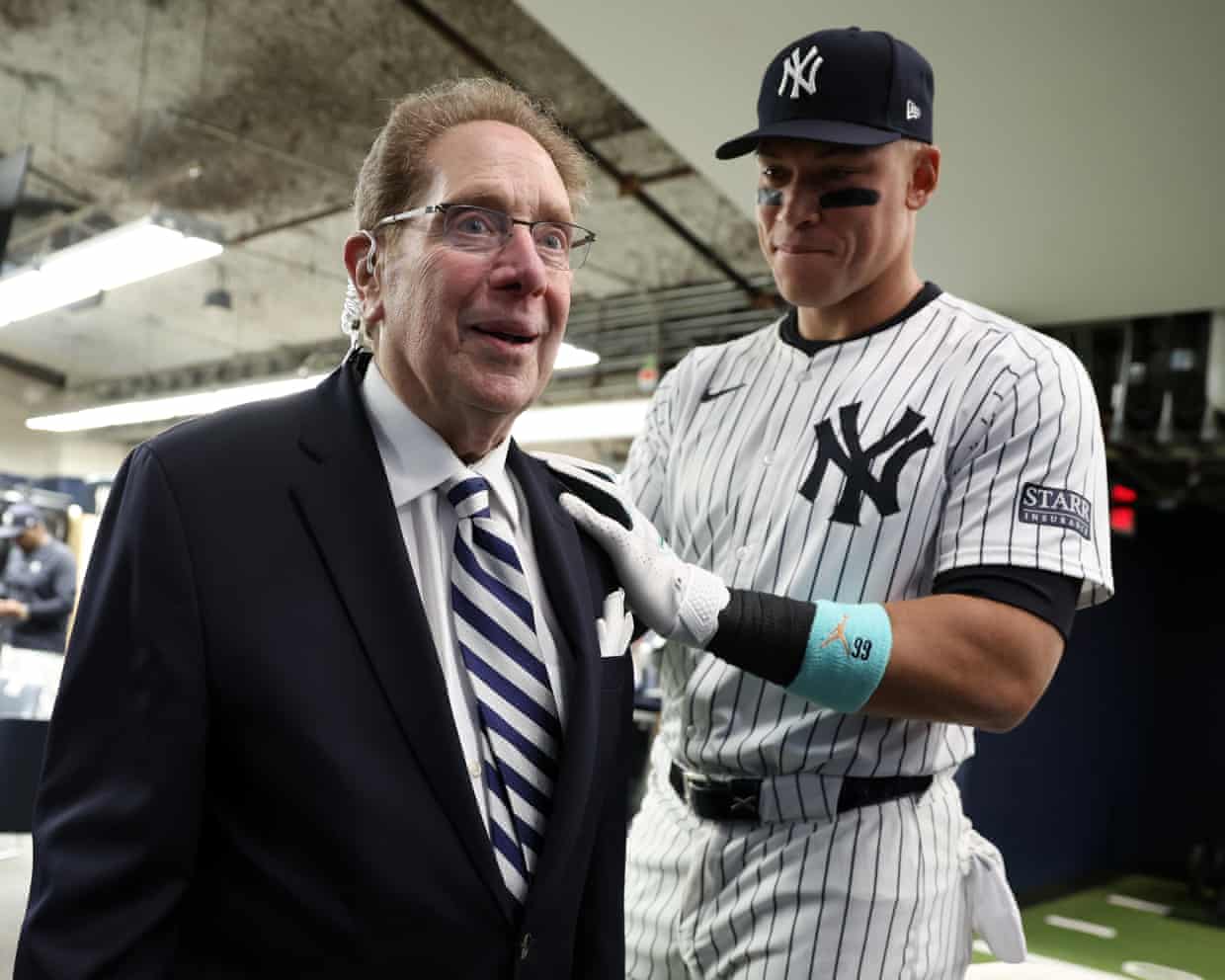
John Sterling, beloved voice of Yankees for 36 seasons, dies at 87