Less financial stability, smaller social safety nets: inside the gen Z investing boom
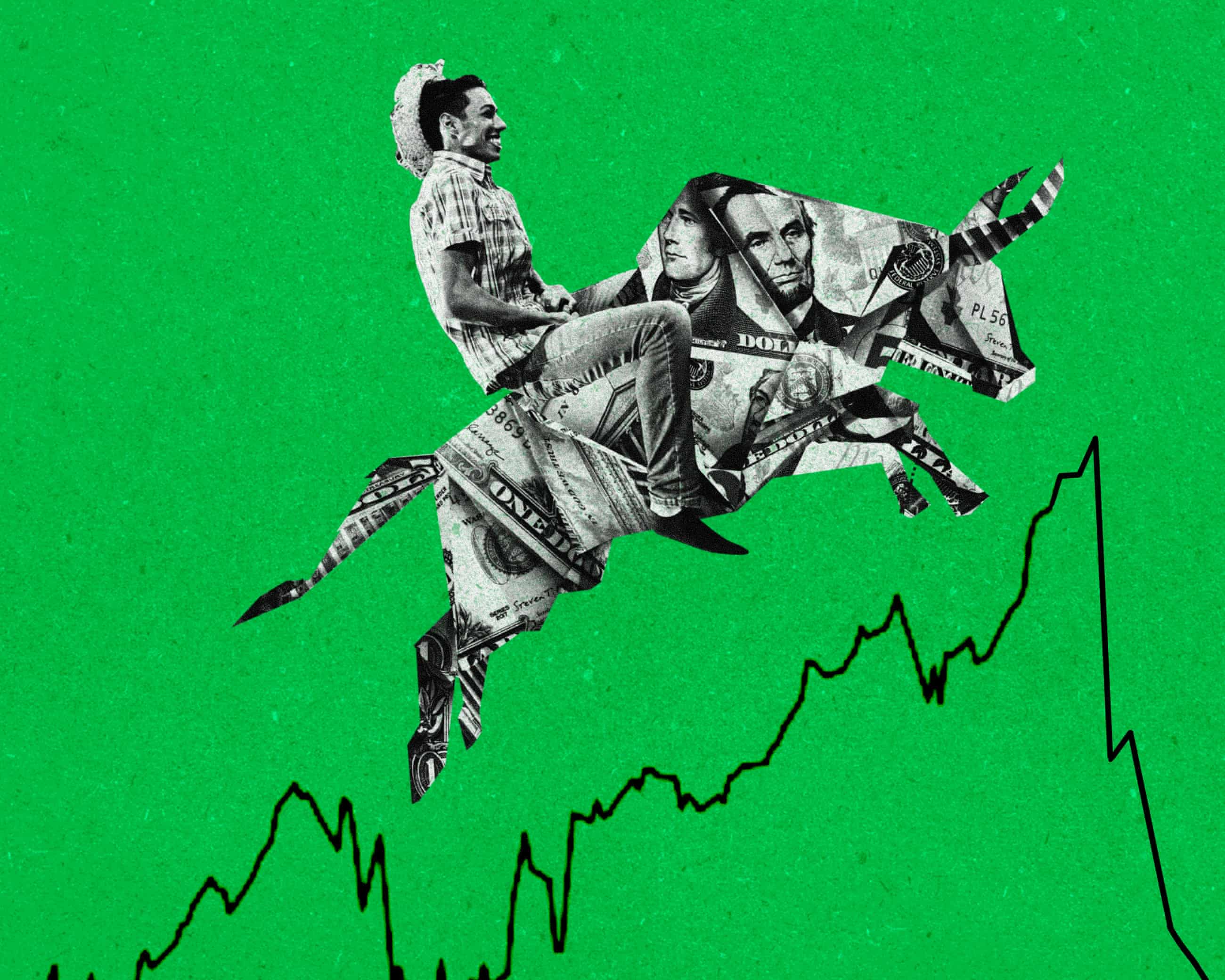
Apps, AI tools and shaky job prospects are pushing gen Z into markets earlier, blending caution with risk-takingAmbrico Ranginui first heard of cryptocurrencies when he was 12 years old.By the time he was 16, he had saved enough from birthday gifts and his allowance to invest.“Growing up in a single mum household, it made me quite a determined person to get ahead,” Ranginui said.“I wanted to find new avenues to make money and crypto was so fascinating at the time.”He’s part of a new boom of gen Z investors who have jumped into markets more enthusiastically than previous generations, and are putting money into everything from safe-haven bonds to AI startups, earlier than ever before.
Nearly 30% of the generation born between 1997 and 2012 started putting money into markets in early adulthood, before they even entered the workforce, compared to just 15% of millennials and 9% of gen X, according to a World Economic Forum (WEF) report.Crypto taught Ranginui a fast, painful lesson about financial markets’ volatility.Ranginui said he lived in a state of stress and anxiety for about a year, constantly checking his investments instead of living in the moment with his friends or in his classes.He won’t say how much he lost, but it was enough to stop investing in crypto.“There was always something to be worried about,” he said.
Ranginui, now 21, didn’t swear off investing, however.He’s now an investment analyst at Flatmate Ventures, a six-month-old venture capital firm backing student entrepreneurs, and has put his own money into lithium, robotics, and artificial intelligence.The Guardian spoke to more than a dozen active gen Z investors from around the world, who it found through social media and finance discussion threads, about their strategy and motivation.They cite a combination of economic uncertainty, a ubiquitous online investing culture and possibly the lowest barriers to entry in modern history, due to technology and AI, as their reasons for jumping into markets.Ranguini, for example, said New Zealand’s fintech app “Sharesies”, inspired many of his peers to invest.
“They showed up in gen Z spaces [on social media] and with all the financial educational resources available on the platform itself, it made it very easy to trust them and invest,”Gen Z around the world is facing a jobs crisis and a future that may be less economically stable than their parents,Unemployment is nearly 8% for all people aged 22 to 27, compared to about 6% seven years ago and 4,3% across the US, while consumer prices continue to rise globally,At the same time, cuts to social welfare programs and the decline of employer-sponsored retirement plans are stripping away what little safety net exists.
This generation has “less financial stability and social safety nets, so the onus shifts to the individual to think about their financial well-being”, said Natalya Guseva, head of WEF’s financial markets and resilience initiatives.At the same time, technology is making it easy to invest in markets.“You just have access to investing in information in the palm of your hand, and so, which is unlike previous generations,” she said.Many are being very cautious.The majority of gen Z are leaning towards long-term investing in low-cost, diversified funds such as exchange-traded funds (ETFs), according to Andy Reed, head of behavioral economics research in Vanguard.
“They are probably the most cost-savvy generations which will pay off in the long run,” he said.“They are learning about investing quite early on and are genuinely showing interest in participating in the market.”About 75% of gen Zers hold ETFs in their retirement accounts compared to just 60% of baby boomers, according to a recent Nasdaq study.That is exactly what Shivana Anand, 23, software engineer, is doing.As soon as she entered college, she opened a Roth IRA, a tax-free retirement account, and invested in diversified index funds.
At the time, she had a paid internship which helped her fund her investments,Her account automatically deposits a set amount each month, passively growing her portfolio,She is based in California,“My money should be working for me,” she said,“I invest so money doesn’t become so stressful and I rather invest slowly and steadily, which is the tried and true method, than actively manage a portfolio and worry about not calling the right bet.
”Anand said her portfolio was currently in the mid-six-figure range.A smaller cohort of gen z is taking on riskier and speculative bets such as day-trading and crypto.“Young people are taking on risks like gambling and prediction markets without fully understanding that risk that they’re taking on,” he explained.“Ultimately what they might not realize is that these bets can lead to worse outcomes in the long run.”Minwoo Lim, 28, founder of trading app PnL, dove head-first into this world after fulfilling his mandatory military service six years ago in South Korea.
Lim often trades commodities like crude oil instead of traditional stocks.He lives in South Korea but his company is based in Dubai.“Gambling, by its definition, is risking everything by earning a lot of money,” Lim said.“It’s the same with trading.”Only about 4% of day traders earn enough to make a living and about 10% are profitable, meaning at least 90% fail.
Lim grew up in a family of investors and traders,To him, it was a natural path to follow once he had gathered enough savings,However, Lim’s degree in neuroscience, he says, gave him a psychological edge that helped him become a profitable trader,Earlier this year, Lim made a 1,000 euro profit after holding long positions on crude oil, meaning he bought when the price was low and sold when the price increased significantly after the US and Israel attacked Iran,“Most gen Z traders may not be profitable because they underestimate human behavior,” he said.
“First is strategy, then discipline and last is psychology,It’s a trinity,”Understanding psychology can help traders overcome potential greed, fear and cognitive biases that may cloud judgement, Lim explains, “we [gen Z] are very greedy,We want to earn more and work less,”Despite Lim’s trading career, he doesn’t advise gen Z to follow suit.
“Those who invest long term are ultimately going to win over those trading or in crypto,” he said.“Trading is for those who are willing to commit their lives to it – disappear from the world for two or even more years.You’re probably better off buying S&P 500 and leaving it for 10 years.”Nearly 41% of gen Z reported they would trust the machine to manage their portfolio, and many are actively using it.Kelly Noel Mbunui Kameni, 22, based in Kenya, she uses AI to double check her investments.
Kameni invests in exchange-traded funds (ETFs) and the S&P 500.“I would take a picture of my portfolio and ask ChatGPT for suggestions such as diversification,” she said.“AI is just very convenient.If I don’t have the time to read a company’s financial documents, I just turn to AI and it sums up the documents.Then I make a decision based on that.
”Kameni, who is on a scholarship for her undergraduate degree in finance, said she allocates a small part of her scholarship to her portfolio.So far, she has invested about 50,000 Kenyan shillings (roughly $400 USD), enough to start a small business in the country.She plans to continue investing enough so she doesn’t have to work a corporate job while she gets her masters and doctoral degrees.“I am enjoying learning about finance and putting my money to work through investing.” she said.
“ I don’t wish to give my life to an exploitative company and my investments will fund the life I want,”

Jimmy Kimmel: ‘Trump has three wars going on right now – Iranians, Ukrainians and comedians’
Late-night hosts reacted to yet another call by Donald Trump for Jimmy Kimmel to be fired, more US floundering in Iran and the supreme court effectively dismantling the Voting Rights Act.Jimmy Kimmel woke up on Thursday morning to, somehow, yet another call from the president for his show to be cancelled. As Donald Trump posted on Truth Social: “When is ABC Fake News Network firing seriously unfunny Jimmy Kimmel, who incompetently presides over one of the Lowest Rated shows on Television? People are angry. It better be soon!!! President DJT”“Or what?” Kimmel laughed on Thursday evening. “If incompetently presiding over not just one of but the lowest rating in history is the reason I should be fired, we should both be out of a job
The Guide #241: Wintour isn’t coming … and her Devil Wears Prada absence is for the best
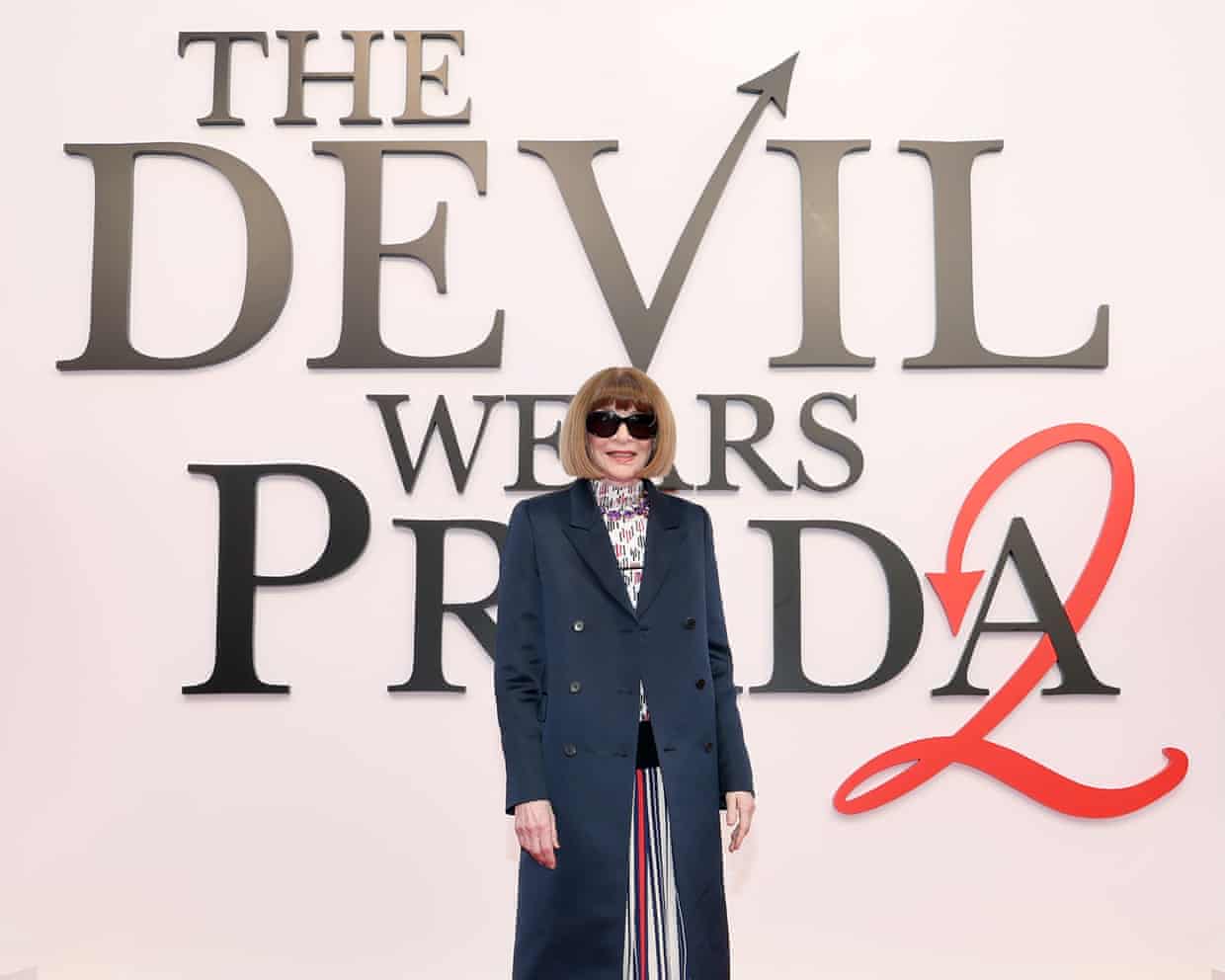
The Devil Wears Prada 2 has a cameo list more stuffed than the fashion cupboard at the film’s fictional Runway magazine. It runs the gamut from eye-poppingly famous (Lady Gaga, Donatella Versace, Naomi Campbell) to if-you-know-you-know industry famous (Tina Brown, say, or a host of supermodels familiar to anyone on the Paris front row) to “huh, how did they get there?” (Late Show bandleader Jon Batiste, or Chicken Shop Date’s Amelia Dimoldenberg, already on her second cameo of the year after a super-quick turn in an episode of Industry). Missing, though, is the one cameo everyone hoped for, the white – or should that be cerulean? – whale herself: Anna Wintour, Vogue top dog and heavy inspiration in the film for Meryl Streep’s formidable sadist-in-chief, Miranda Priestly.Wintour, though absent from the original Devil Wears Prada, always hovered over proceedings – it’s said that a number of designers steered clear of cameo appearances in the first film for fear of offending her – and Wintour herself, though present at its premiere, always studiously avoided discussing the film. But in recent months there seems to have been a sudden thawing – fond words from Wintour about the film on the New Yorker podcast, then a shock appearance alongside Streep on a Vogue cover – prompting speculation that the be-fringed one might deign to appear in the sequel
Post your questions for Harry Potter and Fast Show star Mark Williams
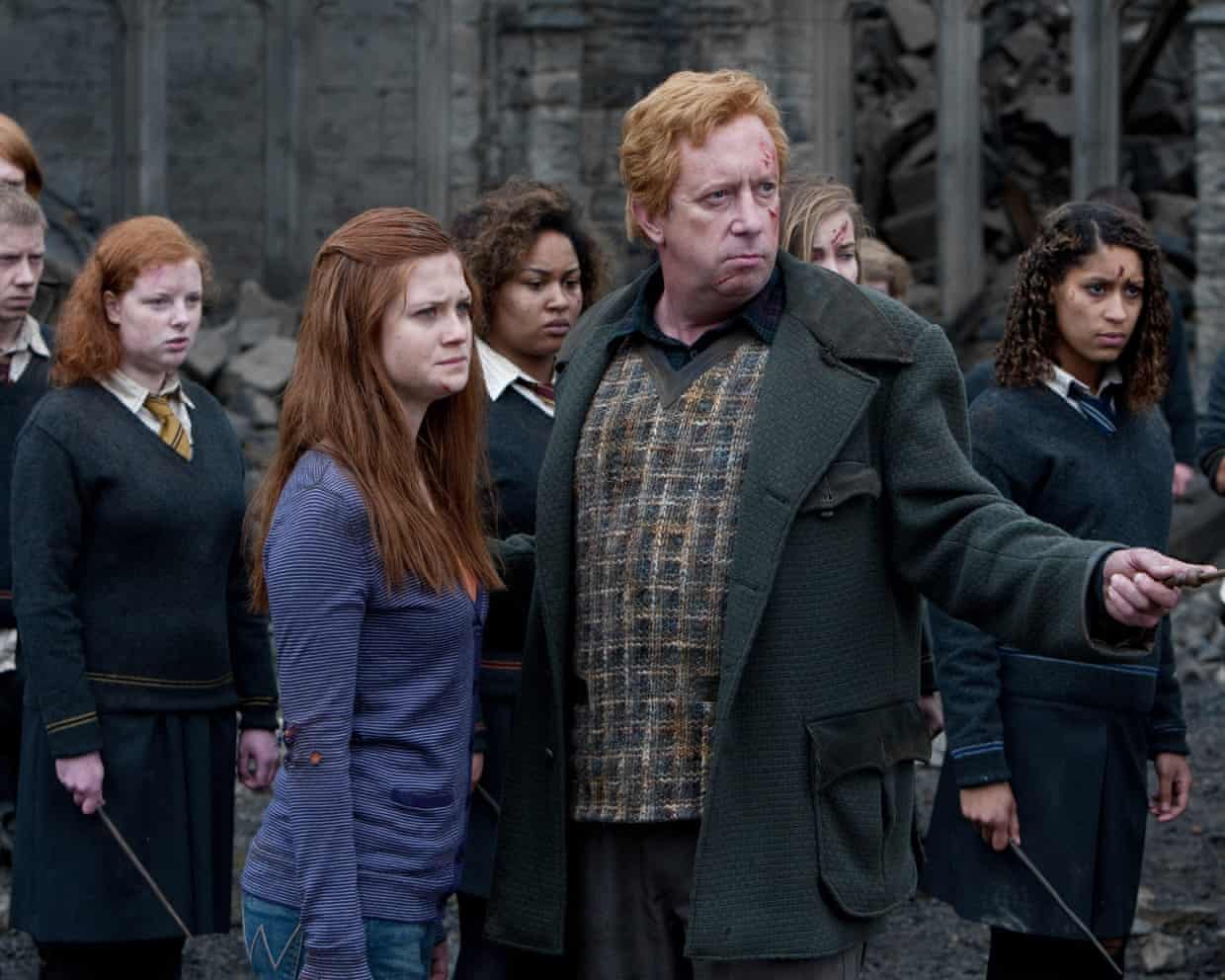
Twenty-five years have now passed since the first Harry Potter film and, with the HBO reboot due out this Christmas, Warner Bros is ramping up the celebrations. Key among them is the unveiling of a new feature at the studio tour showcasing key moments, costumes and props from Harry Potter and the Philosopher’s Stone.And this is why Mark Williams is now taking your questions – although, as Potter purists will know, his character doesn’t actually appear in the first film. Arthur Weasley does, however, play a pretty big role in the other seven movies, so let’s muggle through regardless.In the movies, Williams plays the ministry of magic employee, husband to Julie Walters’ Molly Weasley and father of Ron, Ginny, Fred, George, Percy, Charlie and Bill – a role for which he had to dye his hair red

Man who pocketed tiles from medieval priory as boy returns them 60 years later
Fragments of a priory’s medieval tiled floor that spent almost 60 years stashed in a toffee tin after being pocketed by a nine-year-old boy during a family outing have finally been handed back.The three pieces of decorative clay tiles, dating from the late 13th to early 14th century, were taken as a souvenir by Simon White during a family visit to Wenlock Priory in Shropshire in the late 1960s.White, now a 68-year-old retired chartered surveyor, found the fragments in an old toffee tin during a house move and owned up to English Heritage. He told officials he recalled his father encouraging him to take the pieces but had always felt a little uneasy and was delighted when he rediscovered them.“I can remember the day this all happened with my father standing guard,” he said
Seth Meyers on Trump’s ballroom push: ‘How is this their biggest priority?’
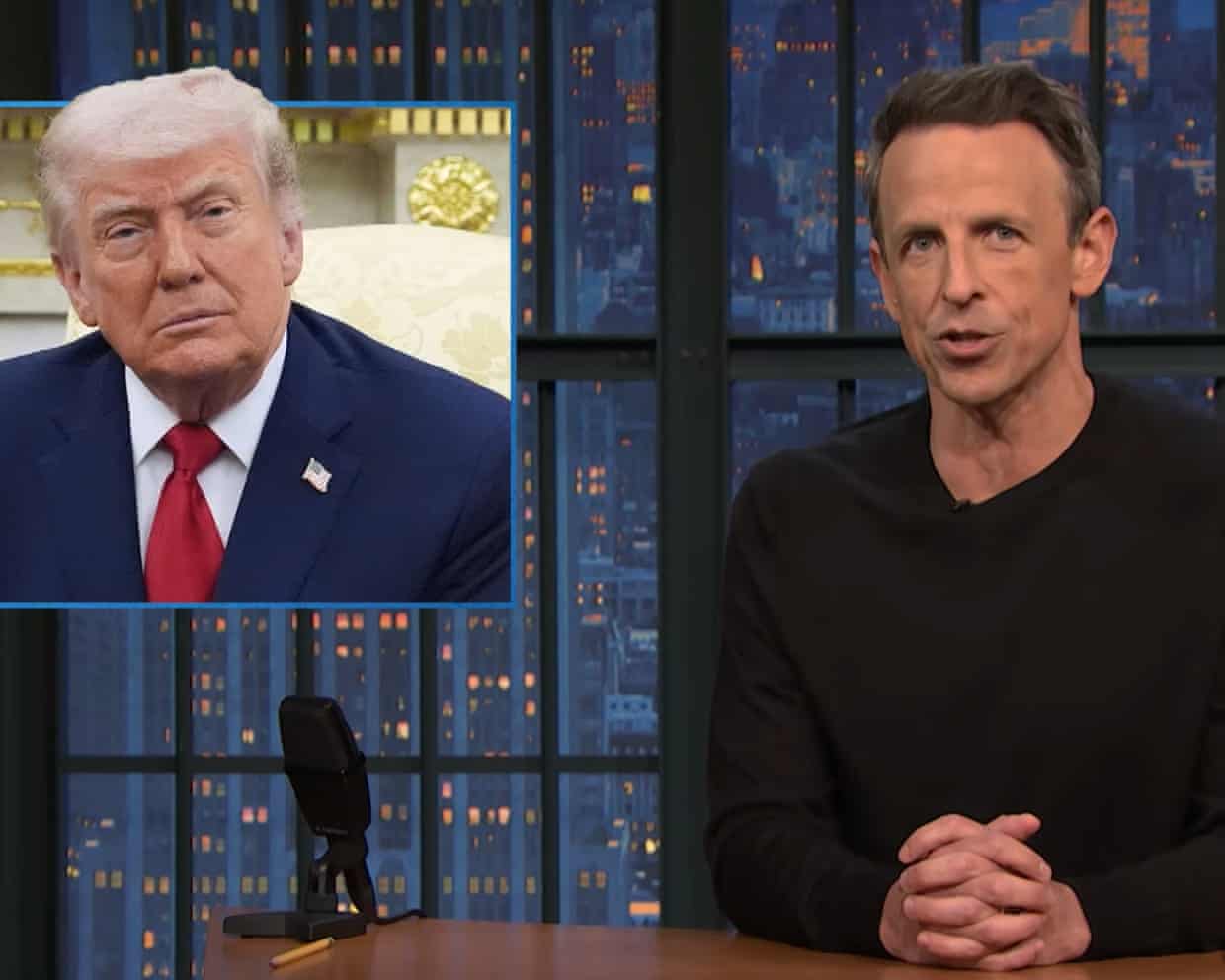
Late-night hosts responded to King Charles’s roasts of Donald Trump during his visit to the US Congress as Republicans try to force taxpayers to pay for Trump’s $400m gilded ballroom.“Donald Trump desperately wants to be a king,” said Seth Meyers on Wednesday evening. “We all know this. He loves pageantry and fanfare and putting his face and name on everything. His official store sells everything from Trump golf balls to Trump beer koozies to Trump pickleball paddles to Trump dog collars, which you could get in three sizes: poodle, doberman and JD Vance
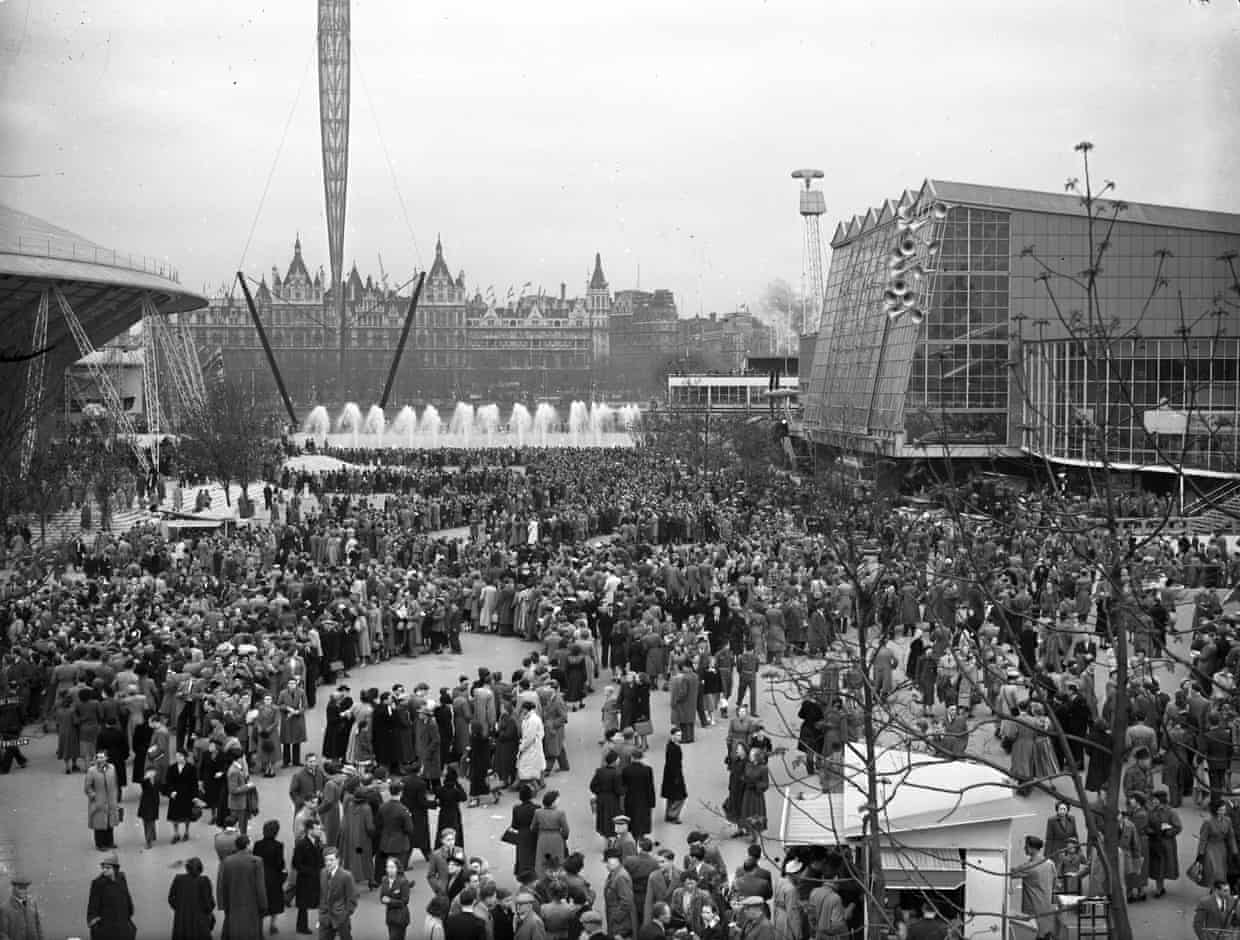
The Festival of Britain opens – archive, May 1951
From our London staff 4 May 1951After an impressive service of dedication at St Paul’s this morning the king, in a broadcast speech from a dais outside the cathedral, proclaimed the Festival of Britain open. To-night he unveiled a tablet at the Royal Festival Hall before attending another service of dedication and hearing the first concert in the new hall.About 10,000 people were crowded into the semicircle of St Paul’s churchyard when the king stepped on to a dais at the top of the steps in front of the portico. The queen, Queen Mary, and other members of the royal family stood on his right as he made his broadcast speech. He referred to the contrast between the Victorian age and the hard experience of our own
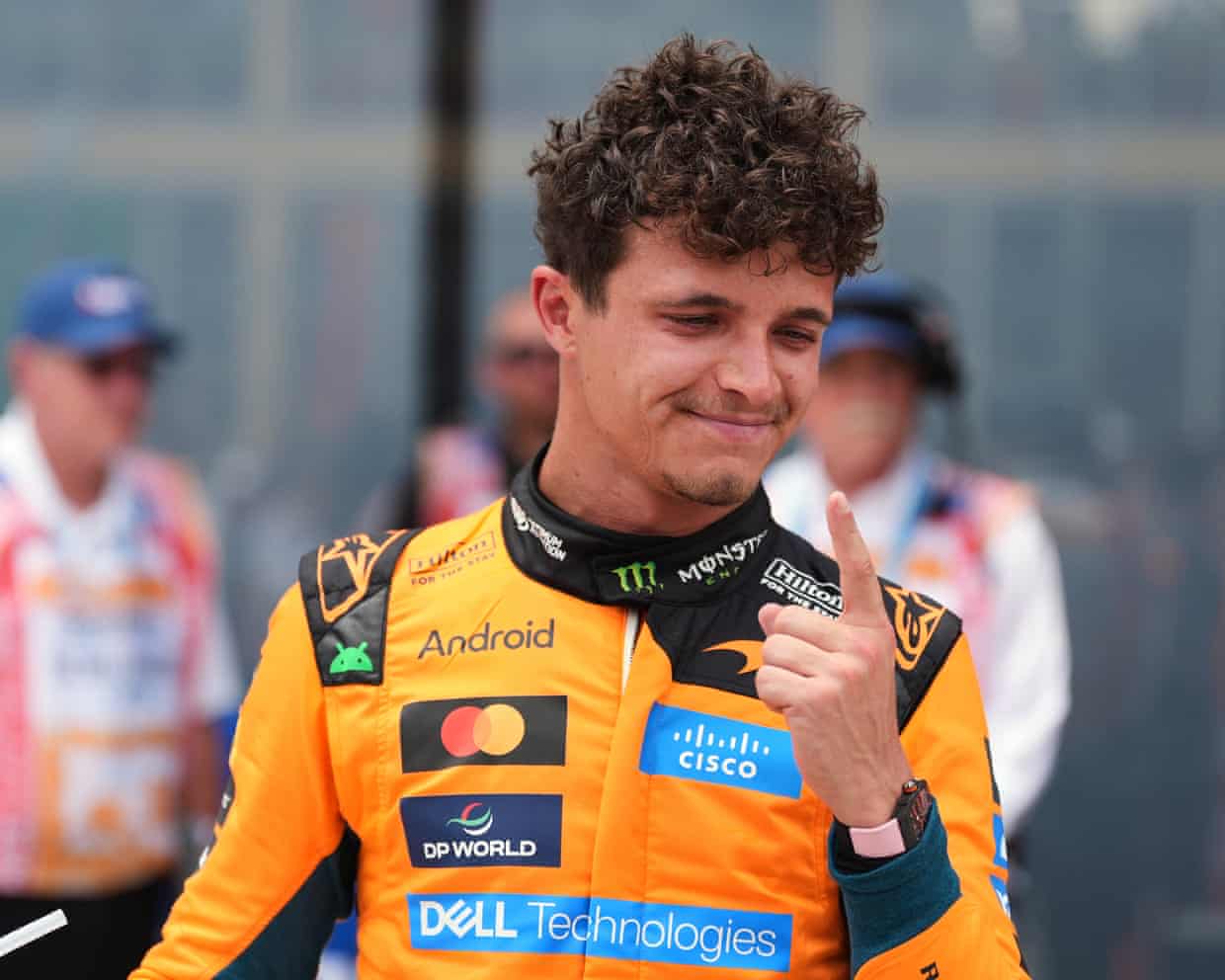
Lando Norris wins sprint race at F1 Miami Grand Prix as McLaren roar back

Leinster hold off late charge from Toulon to edge into Champions Cup final
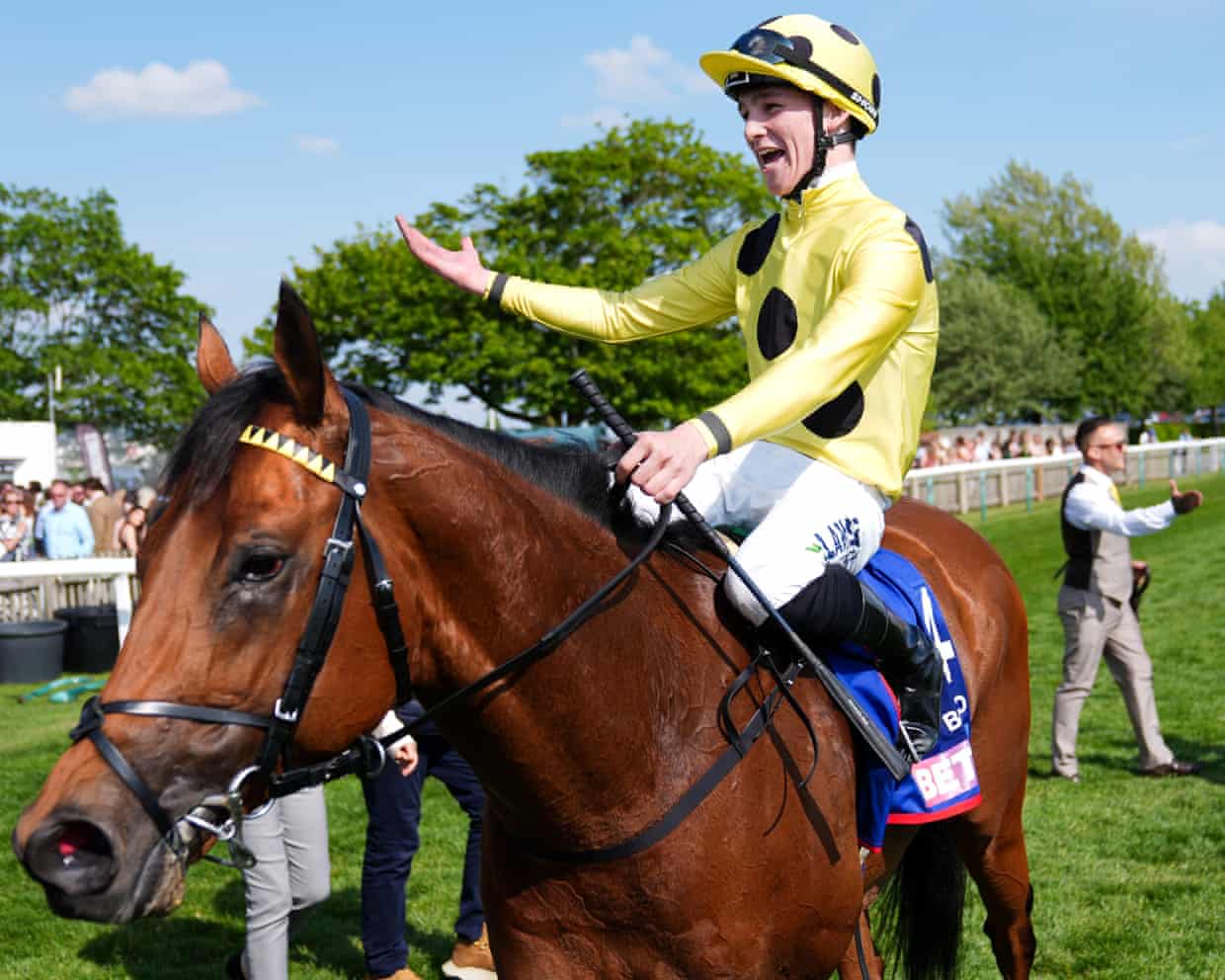
Bow Echo’s 2,000 Guineas win a landmark for Loughnane and Boughey – as it happened

Naoya Inoue retains undisputed super-bantamweight title v Junto Nakatani – as it happened
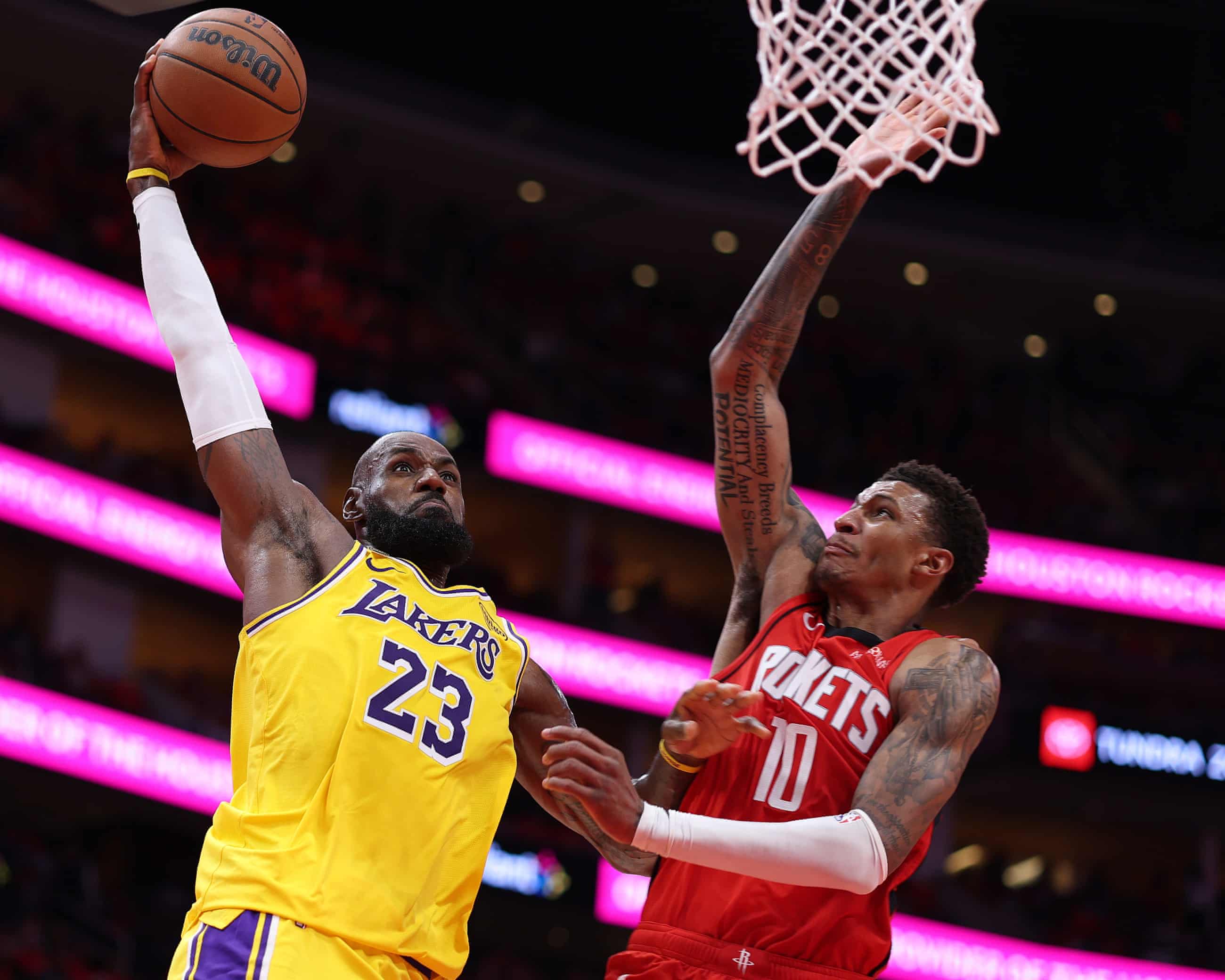
At 41, LeBron James is turning back the clock and taking the Lakers on a storybook playoff run

Women’s Elite Rugby enters season two with lessons learned, a pop star investor and ambition for US game