‘We can create hype’: H&M’s UK boss on its commitment to the high street
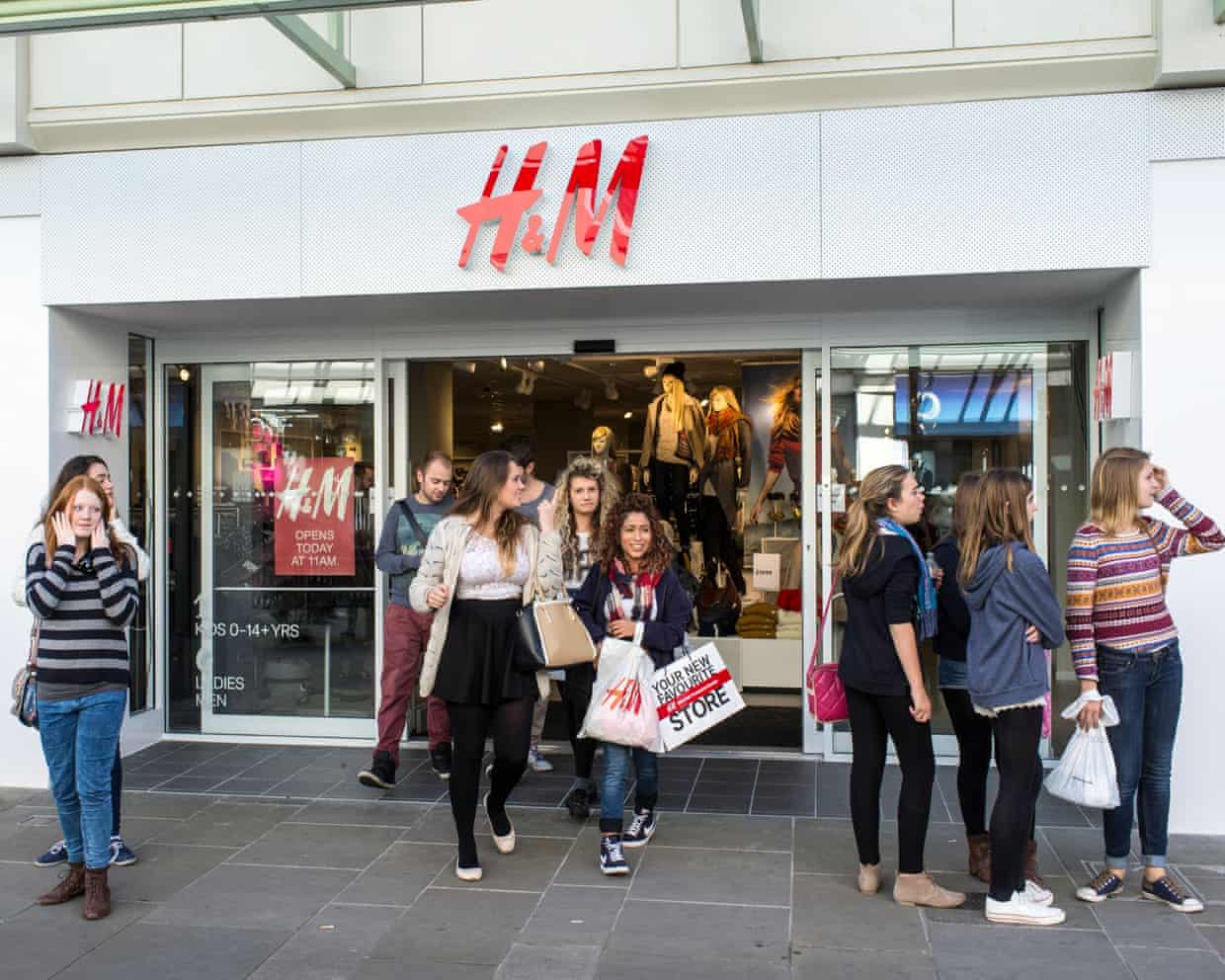
Almost exactly 50 years after H&M opened its first British store, the doors on its newest, in Brighton, swung open this week and the Swedish fashion company’s UK boss is determined to keep investing in the nation’s high streets despite its struggles.In 1976, H&M opened in the brand-new Brent Cross shopping centre, the first American-style out of town mall to grace these shores.Its opening was such an event that the then Prince Charles attended.The Brighton store, which takes the H&M brand’s total in the UK to 197, is bristling with technology, including handheld scanners on self-service checkouts and a system that can find the exact location of a product in the shop, using radio-frequency tags.Shoppers can still simply try on a dress and buy it at a till – just as in 1976.
“We are fully committed to investing in our physical store portfolio because demand is there,” says Karen O’Rourke, who was born the same year H&M entered her home country and took over as the UK boss of the Swedish firm last year.“The high street is still very much alive and thriving.Post-pandemic, people are looking for more than just a transaction.”The H&M group was founded by the Swedish entrepreneur Erling Persson in 1947, when he opened a womenswear store in Västerås named Hennes (Swedish for “hers”), inspired by a trip to New York.The group changed its name to Hennes & Mauritz in 1968 when it began selling menswear, and rebranded to its initials in 1974, the year it listed on the Stockholm stock exchange.
The company now has 4,100 stores across 80 countries, with about 230 in the UK once its other brands, such as Cos, & Other Stories, Weekday and Arket, are included.Physical shops are a key part of the brand’s efforts to fight back against cut-price rivals such as Shein and Temu which are aiming to take a big chunk out of the more traditional players’ sales.H&M’s stores host events such as designer tie-ups and special product lines.With almost a quarter of the UK population now signed up to H&M’s loyalty scheme, that creates demand not just for special discounts but first dibs on some products and activities.O’Rourke says that far from only shopping online, young people want to interact with brands with which they have an affinity.
“This is where the brand comes to life, and this is where transaction meets experience.I think the customer expects more now than just being able to buy [something] and leave the store.”Loyalty scheme members, for example, were among thousands in the audience during London fashion week in September 2024 when the brand enlisted the Brat star Charli xcx for a 30-minute performance in Stratford.Then, last September, H&M created its own venue in an office off the Strand in central London for its first catwalk show since 2018, with Romeo Beckham modelling and a performance by the singer Lola Young.“We still can create queues, we can create hype,” says O’Rourke.
“There is a demand for that physical experience and to be part of something that’s happening.”This spring, the designer Stella McCartney will launch her second collaboration with H&M – 20 years after the first.The tie-up includes an “insights board”, which brings together different voices and perspectives from across the fashion industry to raise awareness of animal welfare and come up with new ideas on sustainability.Such issues are a hot topic among younger shoppers and H&M has tried to tap into this with a handful of stores offering repair services, as well as investments in recycled and recyclable fabrics.After Saturday jobs in a chemist and at the Wallis clothing chain, O’Rourke wanted to open her own fashion store.
Instead, she is now running almost 200.Her first job after studying fashion and textiles at university was working at H&M, creating product displays as a visual merchandise assistant in the Merry Hill store in the West Midlands.In 26 years with the retailer, she has seen the rise of online shopping and tough times for the high street.While some high-street rivals such as Topshop, Warehouse and Debenhams have gone almost exclusively online, H&M is still up against an ever-evolving set of competitors led by its leading rival Inditex, which owns Zara, and 20 years ago took H&M’s place to become the world’s biggest fashion retailer.Analysts at RBC Capital Markets say H&M’s main brand has moved slightly upmarket with its prices now just above Next in the UK, but still below Asos and Zara, as it has aimed to improve the quality of its items and improve its fashion credentials, partly in response to hefty competition from fast-growing online rivals.
O’Rourke says the answer for H&M lies in making sure it is offering affordable, fashionable and sustainable choices.“It’s not about being the cheapest.It’s about being the best value for money,” she says.“There are things that always shake up this industry, that’s the nature of fashion.It’s ever evolving, it’s ever changing.
I’m a firm believer that competition is good, because I think the customer is the sort of ultimate, let’s say, CEO, and they will decide what’s right.”With fashion now facing competition not just from online sellers but other spending options – from phones to gigs and streaming services – the H&M group has been weeding out less profitable stores with the closure of a net 152 last year, two-thirds of which were its eponymous brand.It has expanded its more upmarket Arket and Cos fascias around the world, while its Monki label is now only sold online.In the UK, the main H&M brand has opened three new stores in the past year, in Stirling and Northampton as well as Brighton, and updated six, including London’s High Street Kensington, Portsmouth and Lincoln.O’Rourke admits that high business rates and increased costs of employment “makes it challenging” to operate physical shops in the UK.
“We remain agile … first and foremost, it’s about minimising the impact to our customers and to our colleagues.It’s really about finding ways to be more efficient,” she says.“We’ve been here 50 years.We want to be here for the next 50 years.”

Best thing I ever ate? My first In-N-Out burger in LA
They say you never forget your first time, but for most of us, this doesn’t apply to cheeseburgers. We can’t really remember our first cheeseburger, because we start eating them at such an early age, before the memory centres of our brains are fully formed. In fact, in Wisconsin (“America’s dairyland”) babies are traditionally weaned on a fortifying diet of cheeseburgers, bratwurst and fondue, along with little sips of lager, just to make sure we acquire the taste.But while I may not be able to recall the particular details of my very first cheeseburger, the sense-memories of them are embedded deep within my subconscious. The perfect flavour-chord of ketchup, mustard and pickles on molten cheese and juicy beef occupies the same psychological space as the peppery cinnamon-and-clove aroma of my father’s Old Spice and the warmth of my mother’s hug
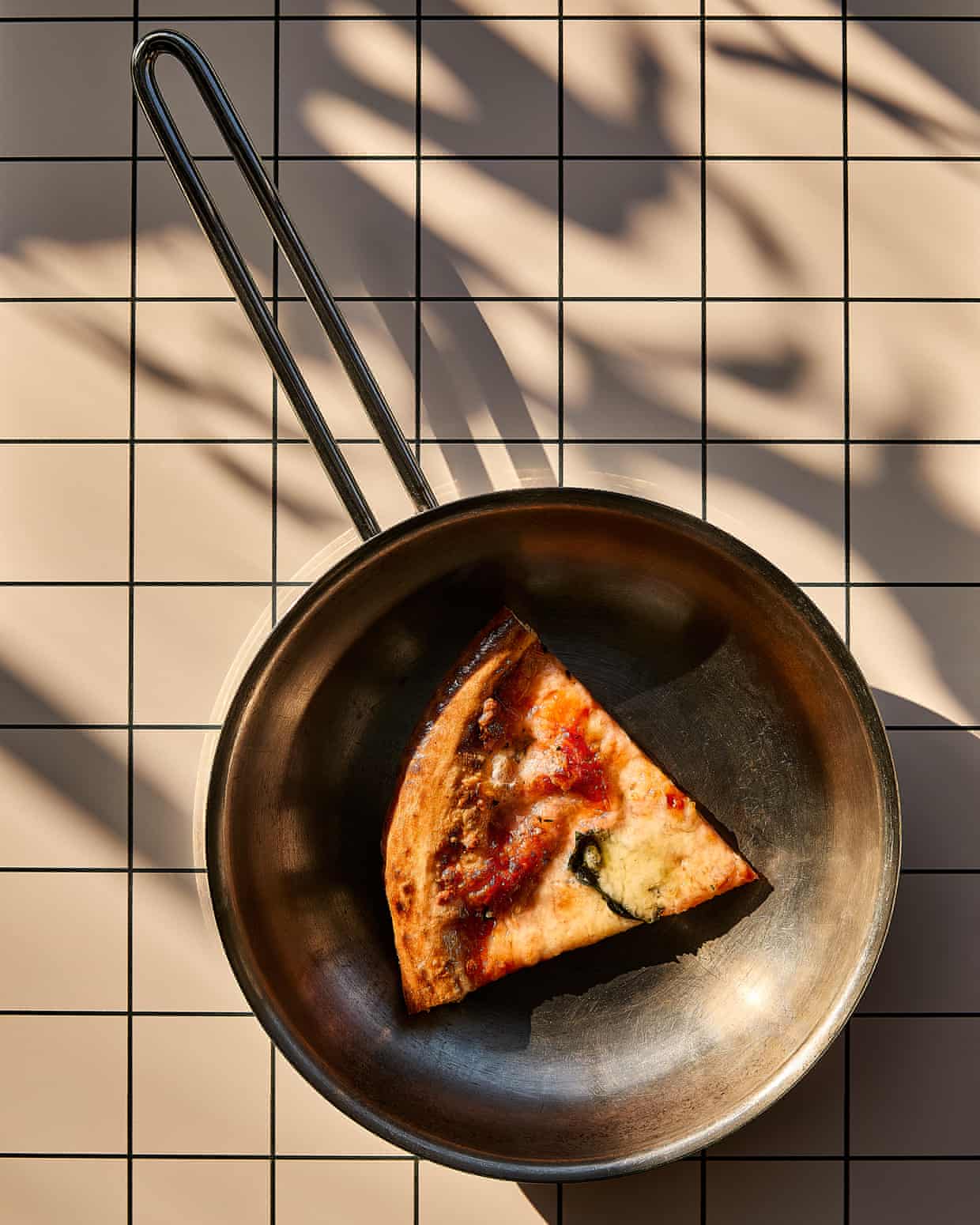
Reheated rivalry: why I’m the champion of leftovers
There is nothing lovelier than seeing a cook do their thing. By “doing their thing”, I do not mean just going about kitchen work – that is often excruciating to watch (why are they cutting onions like that?) I mean doing their thing: their culinary equivalent of a Mastermind subject, that one dish or process that they do so well, and with such evident pride, that the most crotchety backseat cook is forced to shut up.Take my partner’s method for making fish-finger sandwiches, which involves frying the fish fingers in butter, then creating an in-pan sweatbox to melt artisanal cheese on to them and custom blending condiments. It creates, on average, as much washing up as a full cooked dinner. Others have a special pancake hack or carrot cake recipe, and people tend not to let these things go unnoticed – it’s always my salad dressing, possessive, but we forgive their hubris, because each of us has “A Thing” of our own
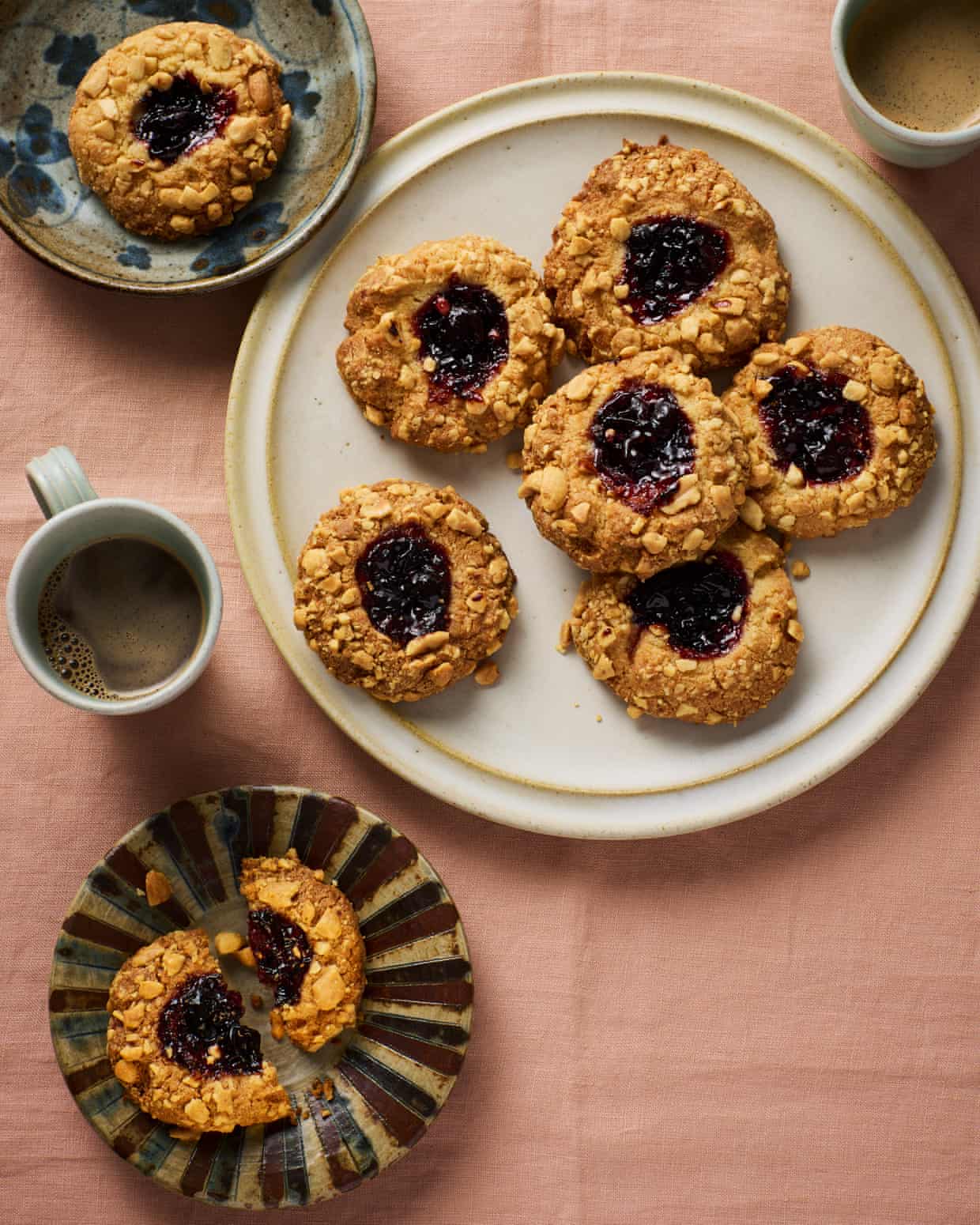
Helen Goh’s recipe for peanut and blackcurrant thumbprint cookies | The sweet spot
Niki Segnit writes in The Flavour Thesaurus that, while grape jelly is the familiar partner to peanut butter in the classic PBJ, she thinks blackcurrant, with its sharper, more complex character, would be a far better match for the fatty and salty peanuts. I couldn’t agree more, though I’ll admit I’m not entirely impartial: blackcurrant is my favourite jam. Here, it’s spooned into the centre of a tender, peanut-crusted shortbread, where it bakes into a glossy, slightly chewy jewel that sits in perfect contrast to the crumbly, buttery biscuit. It’s the sort of small pleasure I find myself returning to again and again.Prep 15 min, plus chilling and cooling Cook 35 min Makes 13110g unsalted butter, at room temperature50g caster sugar¼ tsp salt 100g plain flour, sifted60g ground almonds 1 tsp vanilla extract 60g salted roasted peanuts 60g blackcurrant jamPut the butter, sugar and salt in the bowl of an electric mixer fitted with the paddle attachment and beat for two minutes on medium–high speed, until pale and creamy
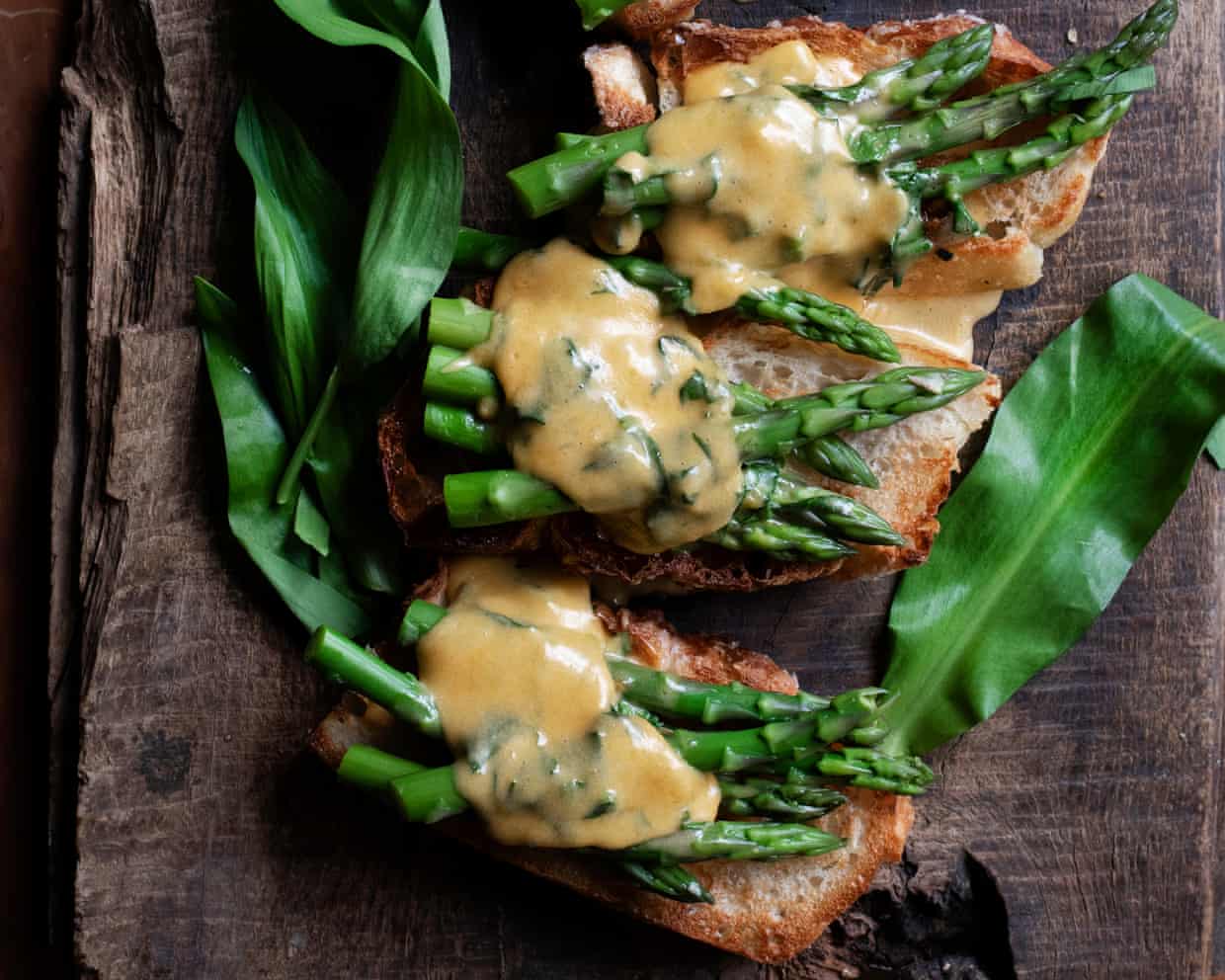
Spring has officially sprung – reawaken your palate with zingy, zesty seasonal ingredients
After what felt like months and months of endless rain this winter, in the UK at least, the arrival of spring is more welcome than ever this year. It’s undeniable that a few days of sunshine and milder temperatures change everything: my mood, my palate, my dinner table (see below for my achilles heel: serveware).And to mark the change in season, the Guardian is launching a new seasonal food magazine. This Saturday will see the arrival of the Guardian Food Quarterly, for which I have showcased crab – one of my favourite spring arrivals. I have written five recipes, including a speedy, spicy crab cake banh mi with quick pickles, and a hot cheesy crab and chive dip inspired by the American south
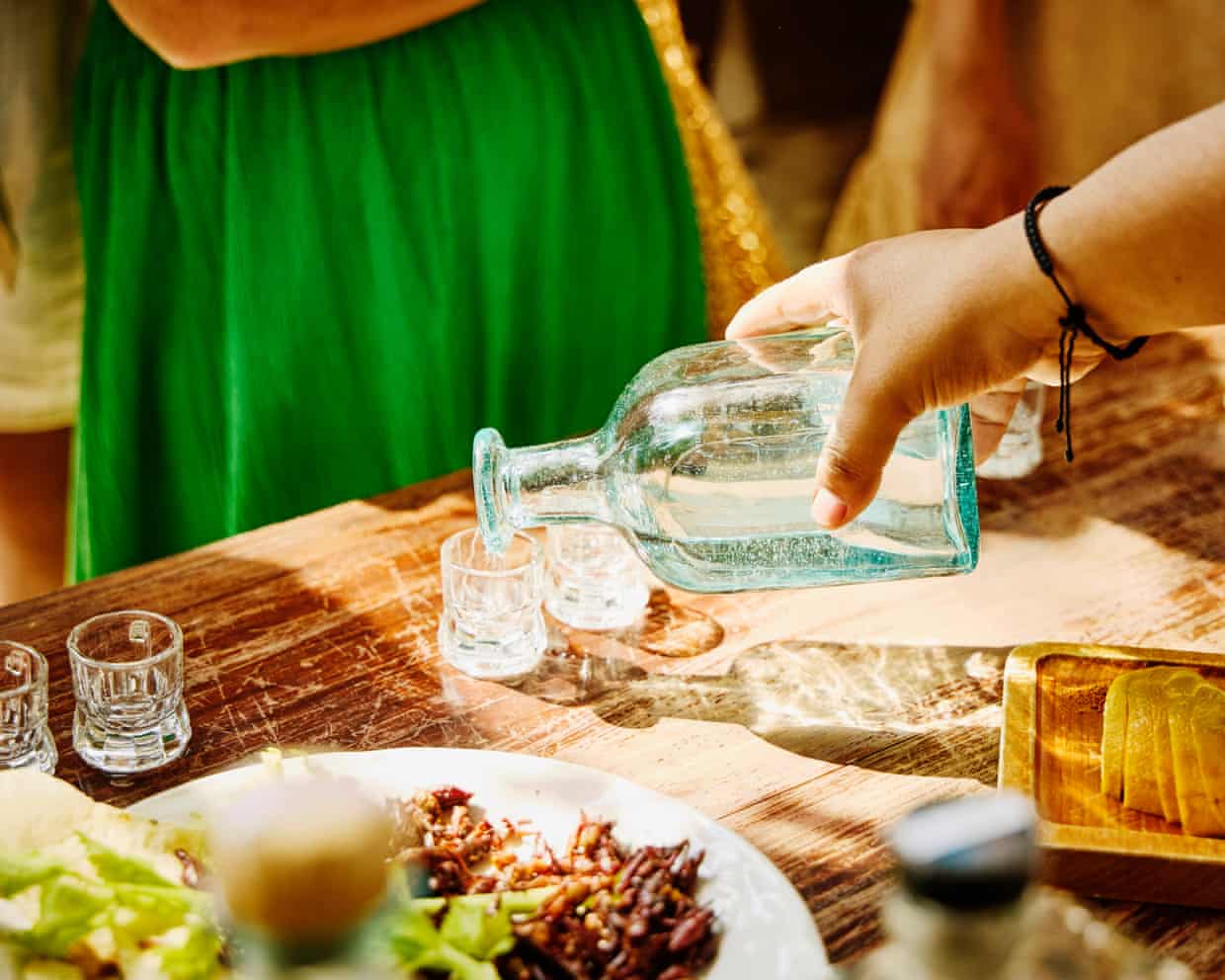
There’s more to Mexican spirits than tequila
“We were amazed,” wrote the Spanish conquistador Bernal Díaz del Castillo as he beheld the extent of the Aztec empire in 1521. “Some of our soldiers even asked whether the things that we saw were not a dream.” I remember feeling a similar vertigo when I first saw the wall of agave spirits at the long-since-closed Los Angeles mezcaleria Petty Cash more than a decade ago. Agave spirits are distilled from the fermented heart (or piña) of the agave plant – not a cactus, but a succulent, like aloe vera or that thing dying on your windowsill.The Guardian’s journalism is independent
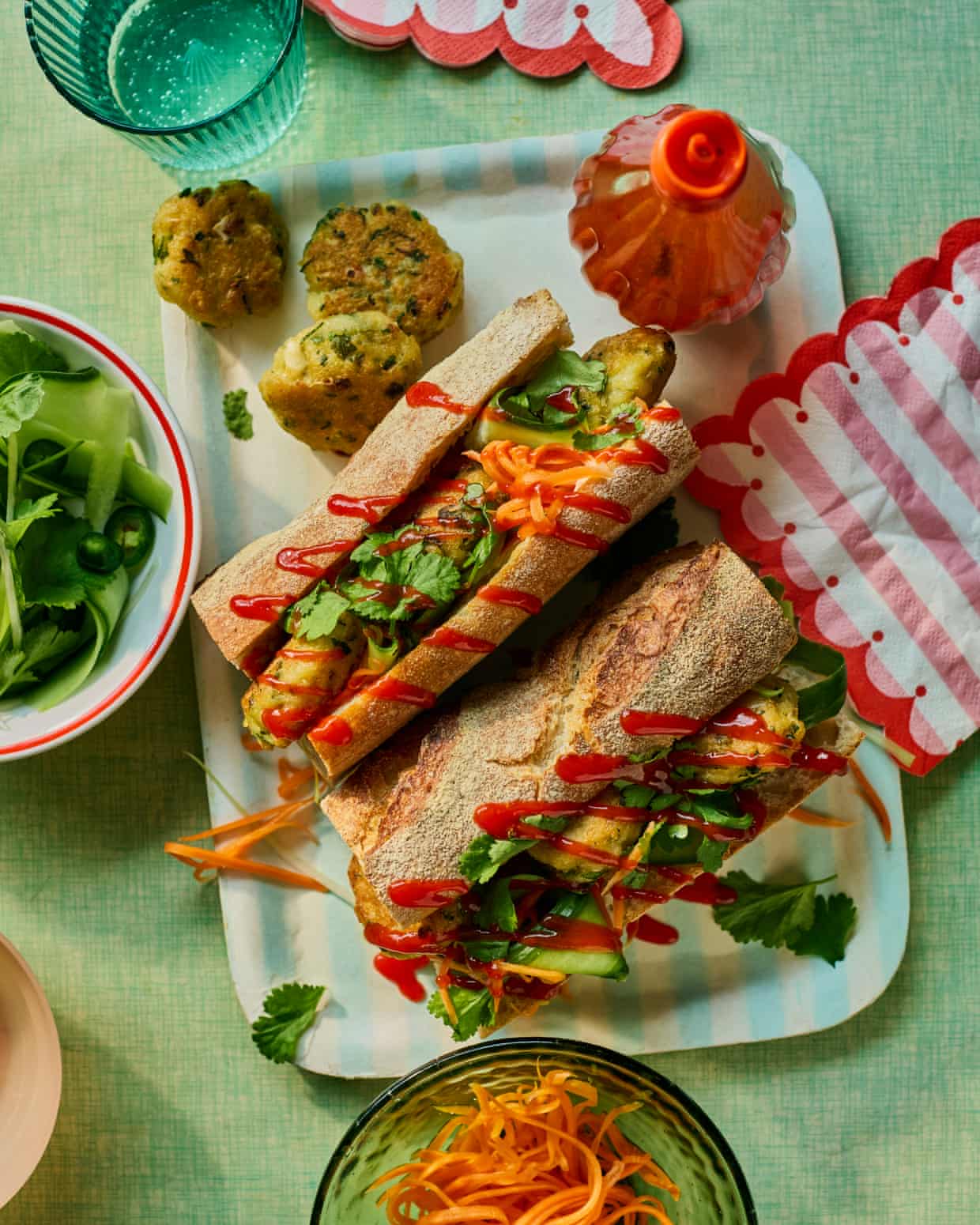
Stir-fries, crab cakes and carbonara: Georgina Hayden’s crab recipes
It’s hard not to be excited by the arrival of spring and all the produce that will soon be gracing our kitchens. Asparagus, spinach and new potatoes can’t come soon enough, but it’s not just fruit and vegetables that I count down the days for – there’s plenty of seafood to celebrate too, and in particular crab. Sweet and delicate, its freshness mirrors the arrival of brighter, sunnier days. If you’re lucky enough to pick through a fresh crab, then it needs very little in way of adornment – a squeeze of lemon perhaps, and warm bread and salty butter. Thankfully for the time-poor among us, you can also buy pots of it pre-cooked and picked, which is glorious lightly spiced in a dip or for folding through pasta

Trump’s economic shocks are derailing Britain’s building plans

‘It’s stupid’: why western carmakers’ retreat from electric risks dooming them to irrelevance

Musk responsible for Twitter investors’ stock dropping when he bought company, jury rules

Senior European journalist suspended over AI-generated quotes

Naomi Osaka casts doubt on tennis future after first-round defeat in Miami

Josh Kerr surges to world indoor gold and makes ‘night night’ gesture at rival