Davos: ECB’s Lagarde plays down fears of ‘rupture’ in world order, as IMF’s Georgieva warns of AI ‘tsunami’ hitting jobs market – as it happened
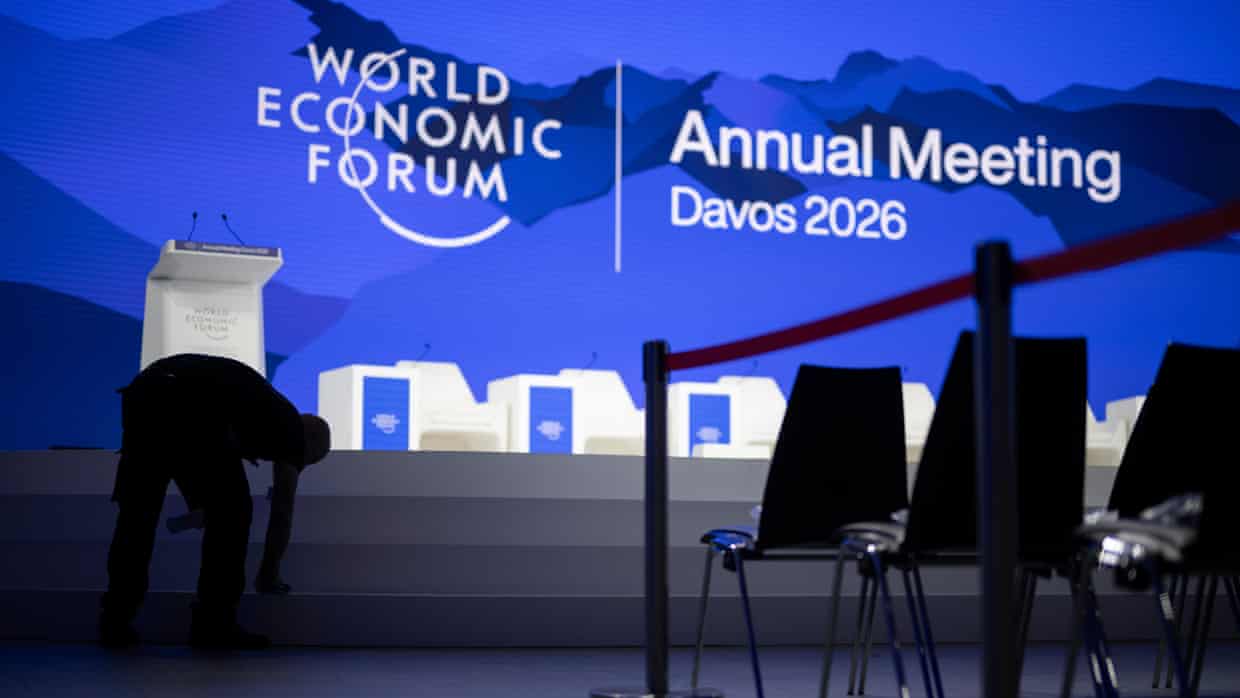
Good morning from Davos, where the final day of the World Economic Forum is underway.After a week dominated by issues such as the world order, geopolitical tensions, tariffs and artificial intelligence, the health of the global economy will be in focus today.ECB president Christine Lagarde, IMF head Kristalina Georgieva and WTO director-general Ngozi Okonjo-Iweala will give their views on the Global Economic Outlook.It’s an outlook that has darkened this week, with warnings from the leaders of Germany and Canada about the rise of great powers, and anxiety over whether AI will create an unemployment crisis.Speaking here earlier this week, Lagarde warned that President Trump’s escalating threats have undermined trust.
She told CNN, before Trump TACO’d out and dropped his latest tariff threat:“I think the trust is undermined.When you keep repeating the same pattern of undermining the rule of law, undermining the contracts, undermining what has been agreed between parties, then parties begin questioning, is that for real? Is that going to change again? And that’s when uncertainty looms large.”She also warned Europe needs to look at its economic strength, and weaknesses., just in case the normal relationship is not restored.S&P Global Ratings’ global chief economist, Paul Gruenwald, reports that talk about tariffs, and macro-economics has been less prevalent in Davos this year.
“I put this down to the fact that 2025 turned out to be a decent year for the global economy.Part of this was tariff climbdowns combined with resilient consumer spending and labor markets.And part of this was the offsetting demand from the Al and data center investment boom and its spillovers through the trade channel.”Actually, it’s more of a half-day, with events due to wrap up by lunchtime.And it feels like many delegates have already fled Davos, perhaps to fight or inflame (YMMV) the world’s problems.
8.45am Davos / 7.45am GMT: Session on Next Generation Social Movements9am Davos / 8.45am GMT: Session on Geopolitical Risks Outlook for 202610.15am Davos / 9.
15am GMT: Session on the Meaning of Politics11am Davos / 10am GMT: Session on the Global Economic OutlookArtificial intelligence will be a “tsunami hitting the labour market”, with young people worst affected, the head of the International Monetary Fund warned the World Economic Forum on Friday.Kristalina Georgieva told delegates in Davos that the IMF’s own research suggested there would be a big transformation of demand for skills, as the technology becomes increasingly widespread.“We expect over the next years, in advanced economies, 60% of jobs to be affected by AI, either enhanced or eliminated or transformed – 40% globally,” she said.“This is like a tsunami hitting the labour market.”She suggested that in advanced economies, one in 10 jobs had already been “enhanced” by AI, tending to boost these workers’ pay, with knock-on benefits for the local economy.
By contrast, Georgieva warned that AI would wipe out many roles traditionally taken up by younger workers,“Tasks that are eliminated are usually what entry-level jobs do at present, so young people searching for jobs find it harder to get to a good placement,”Meanwhile people whose jobs were not directly changed by artificial intelligence risked being squeezed, she said, with their pay potentially falling without a productivity boost from AI,“So the middle class, inevitably, is going to be affected,” Georgieva predicted,More hereAnd that’s all from us for this year at Davos, as we rattle down the mountain towards home.
Thanks for reading on a quite dramatic week, where there was more tension, disagreement, and geopolitical angst than before.I can't remember who said it, but Davos is a talking shop for rich, powerful people, which means it can be boring when rich, powerful people largely agree with one another, and it's magnetic when they're actually at one another's throats.Goodbye.GWAI was certainy a hot topic, again, at Davos this week – even though Kristina Georgieva is regretful there wasn’t more discussion on issues such as guardrails.Earlier this week, at a Google event, Demis Hassabis of Deepmind said he supports the idea that one or two more big breakthroughs may be needed before we get to artificial general intelligence (AGI), such as ‘continual learning’, and better memory.
Dismissing the suggestion that the industry had ‘whooshed by’ AGI and was now working on super-intelligence, Hassabis argued that AGI was five to 10 years away.His definition of AGI is a system that can exhibit all the cognitive capabilities humans can, including the highest levels of human creativity achieved by scientists and artists.That means not simply solving physics or chemistry problems, or the cracking protein-folding which won Hassabis the Nobel prize, but actually coming up with a new theory of physics.“Something like Einstein did with general relativity.Can a system come up with that?Because, of course, we can do that.
The smartest humans with our human brain architectures have been able to do that in history and the same on the art side.Not just create a pastiche of what’s known, but actually be Picasso or Mozart and create a completely new genre of art that we’ve never seen before.Today’s systems are nowhere near that, Hassabis insists.There’s also physical intelligence; an AGI robot would have to play sports or control itself to “amazing levels” to reach the level achieved by the human brain architecture.He added that super intelligence is another concept worth talking about, but that is about going beyond what human intelligence can do.
We can’t think in 14 dimensions, or plug in weather satellites into our brains,Not yet, anyway,Those are truly beyond human, or superhuman, and that’s a whole other debate to have, once we get to AGI,The WEF annual meeting has now wrapped up,Top level delegates are leaving in chauffeur-driven cars, while others schlep to the railway station with their luggage (that's us).
Kristalina Georgieva also told WEF that the IMF’s research into AI has found that in advanced economies, one in 10 jobs is already enhanced.People in these jobs are paid better, she explains, meaning they spend more money in the local economy.That can lead to an increase in demand for restaurant jobs, for example.But there are also two very serious problems.The first one is that tasks that are eliminated are usually what entry level jobs present so young people searching for jobs find it harder to get to a good placement.
And two, which Georgieva is very worried about, is the squeeze on jobs that are not touched by AI.They will be paid less, so the “middle class, inevitably, is going to be affected” she adds.Artificial intelligence is going to be a “tsunami hitting the labour market”, the head of the International Monetary Fund has told Davos.Kristalina Georgieva has told the World Economic Forum that IMF research suggests 60% of jobs in advanced economies will be affected by AI, either “enhanced, eliminated or transformed” in the coming years, and 40% globally.People whose jobs are enhanced are paid more, and spend more money in their local economy.
But, the jobs eliminated are often entry-level, hurting young people.Georgieva says her appeal is:Wake up, AI is for real, and it is transforming our world faster than we are getting ahead of it.The head of the European Central Bank then sounds the alarm over wealth inequality.Christine Lagarde tells Davos that “we have to be careful about the distribution of wealth” and the “disparity that is getting deeper and bigger’.If we don’t pay attention to that we are heading for real touble.
She’s not alone; earlier this week, nearly 400 millionaires and billionaires from 24 countries called for higher taxes on the super-rich.ECB chief Christine Lagarde warns that the artificial intelligence boom could falter if the world becomes less co-operative.Lagarde says we’ve heard a lot of European bashing in the last few days – and she says “thank you to the bashers” as it has shown Europe must be more focused.She adds that “we are dependent on each other", poiting out that AI is capital intensive, energy intensive and data intensive.It will prospers if there is plenty of all that, Lagarde expains, but if we do not work cooperatively and “define the new rules of the game” there will be less capital and less data.
“We are in a bind, lets face it.”And in what she calls an “emotional” aside, Lagarde says she has huge trust and affection for the American people.I know that at the end of the day, the deeply-rooted values will prevail.Ngozi Okonjo-Iweala, director-general of the World Trade Organization (WTO), predicts that the disruption caused in recent years by tariffs and trade tensions will not be fully reversed.Asked whether president Trump’s aggressive approach around tariffs and allies have created a ‘forever situation’ that will outlast his time in the White House, Okonjo-Iweala says:I don’t think we’ll go back to where we were.
She adds that business and policy leaders need to plan for a world with “built-in uncertainties in it”.If I was running a country I’d be trying to strengten myself and my region, and building resilience.Kristalina Georgieva, managing director of the International Monetary Fund, then tells Davos that we are now in a more ‘shock-prone’ world.This is leading to surprises within geopolitics, technology, and climate.Asking Davos delegates who’s watched the Wizard Of Oz, Georgieva jokes:We are not in Kansas any more.
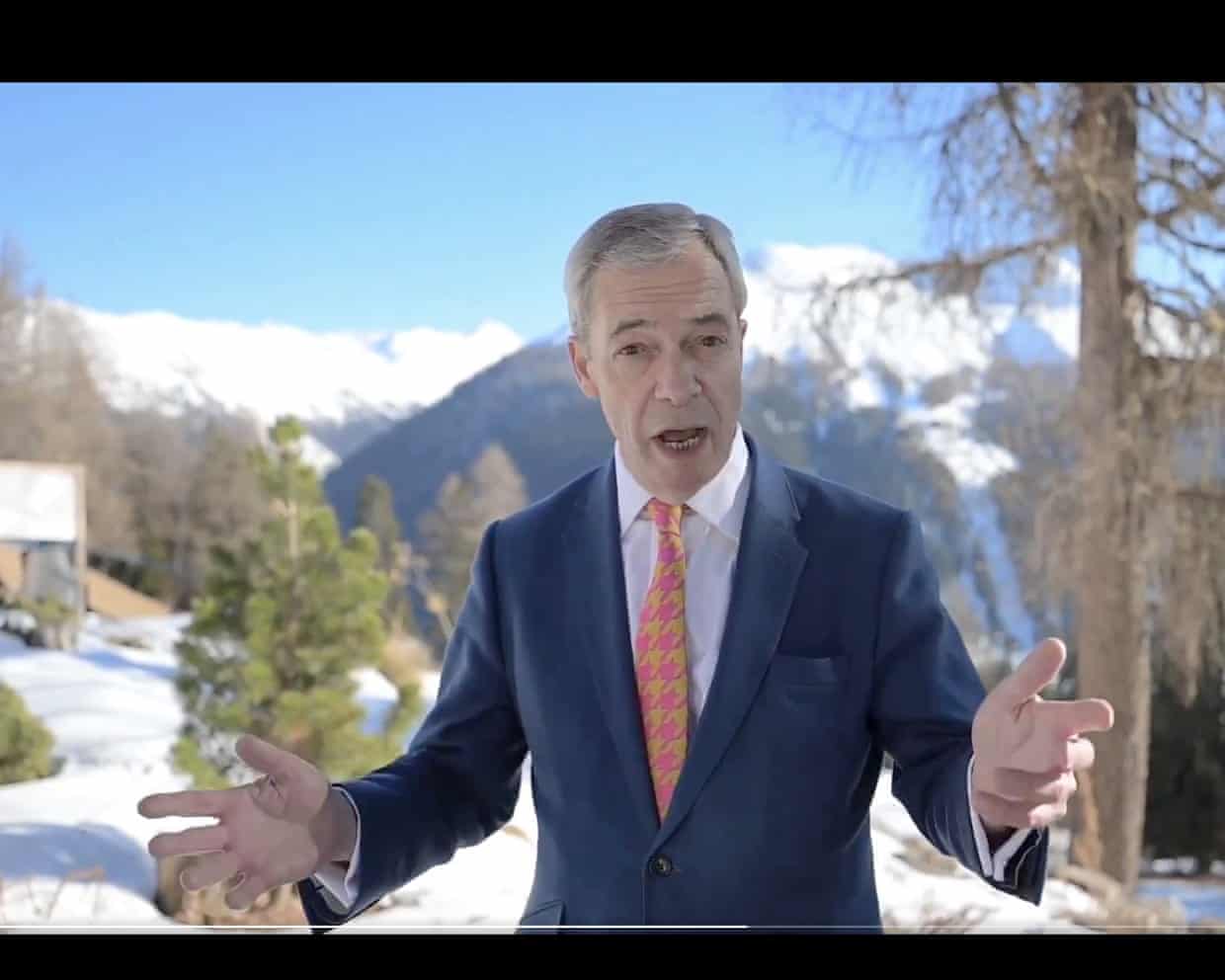
Nigel Farage’s trip to Davos hosted and paid for by family trust of billionaire
Nigel Farage’s trip to Davos this week was hosted and paid for by the $10bn family trust of an Iranian-born billionaire, the Guardian has learned.The leader of Reform UK has been touring Davos this week, giving speeches in which he pledged to tax banks and “fight the globalists”.But in a surprising entry, he is listed on the programme for the World Economic Forum as a member of parliament and a representative of HP Trust, which describes itself as the “family office of Sasan Ghandehari” with a portfolio value in excess of $10bn (£7.4bn).A representative for the trust said Farage had been invited to Davos by Ghandehari, a venture capitalist, as an honorary and unpaid adviser to his impact investment portfolio focused on philanthropic activities, particularly in the Middle East
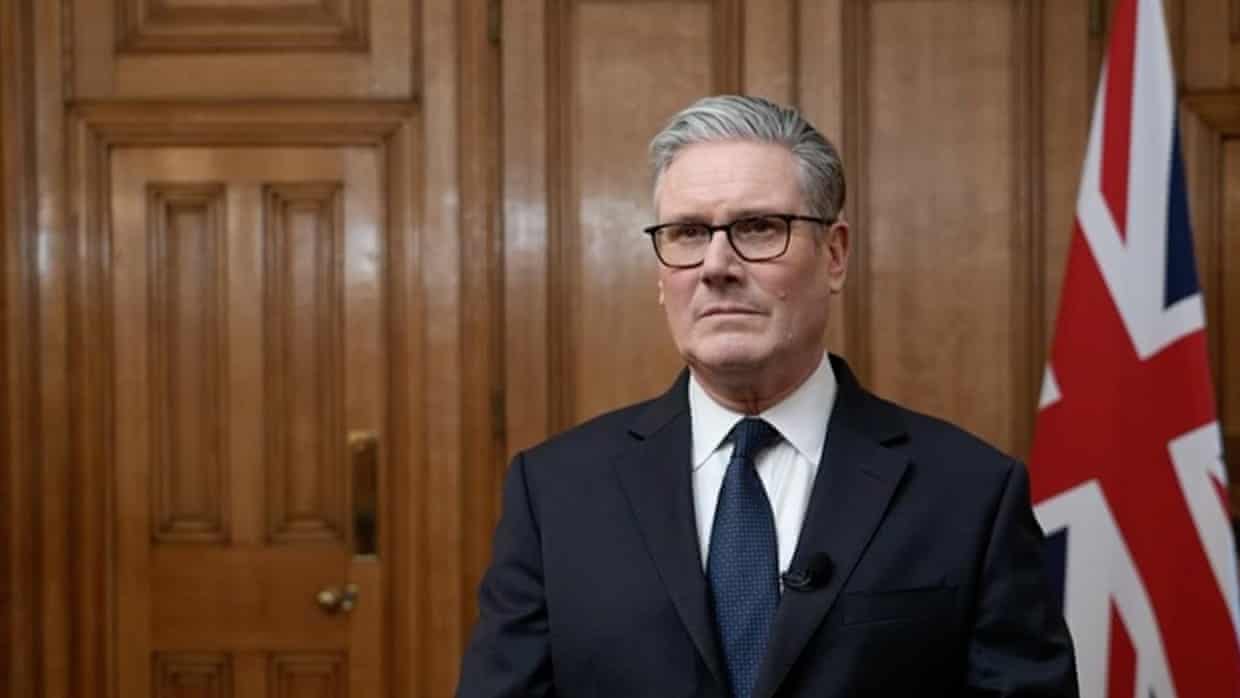
UK politics: Trump’s Nato claims ‘insulting and frankly appalling’, says Starmer –as it happened
Keir Starmer has condemned Donald Trump’s claim that Nato allies did no properly fight alongside the US in Afghanistion. In a pooled clip that has just been broadcast, he sounded genuinely angry.Starmer said:Let me start by paying tribute to 457 of our armed services who lost their lives in Afghanistan.I will never forget their courage, their bravery and the sacrifice that they made for their country.There are many also who were injured, some with life-changing injuries
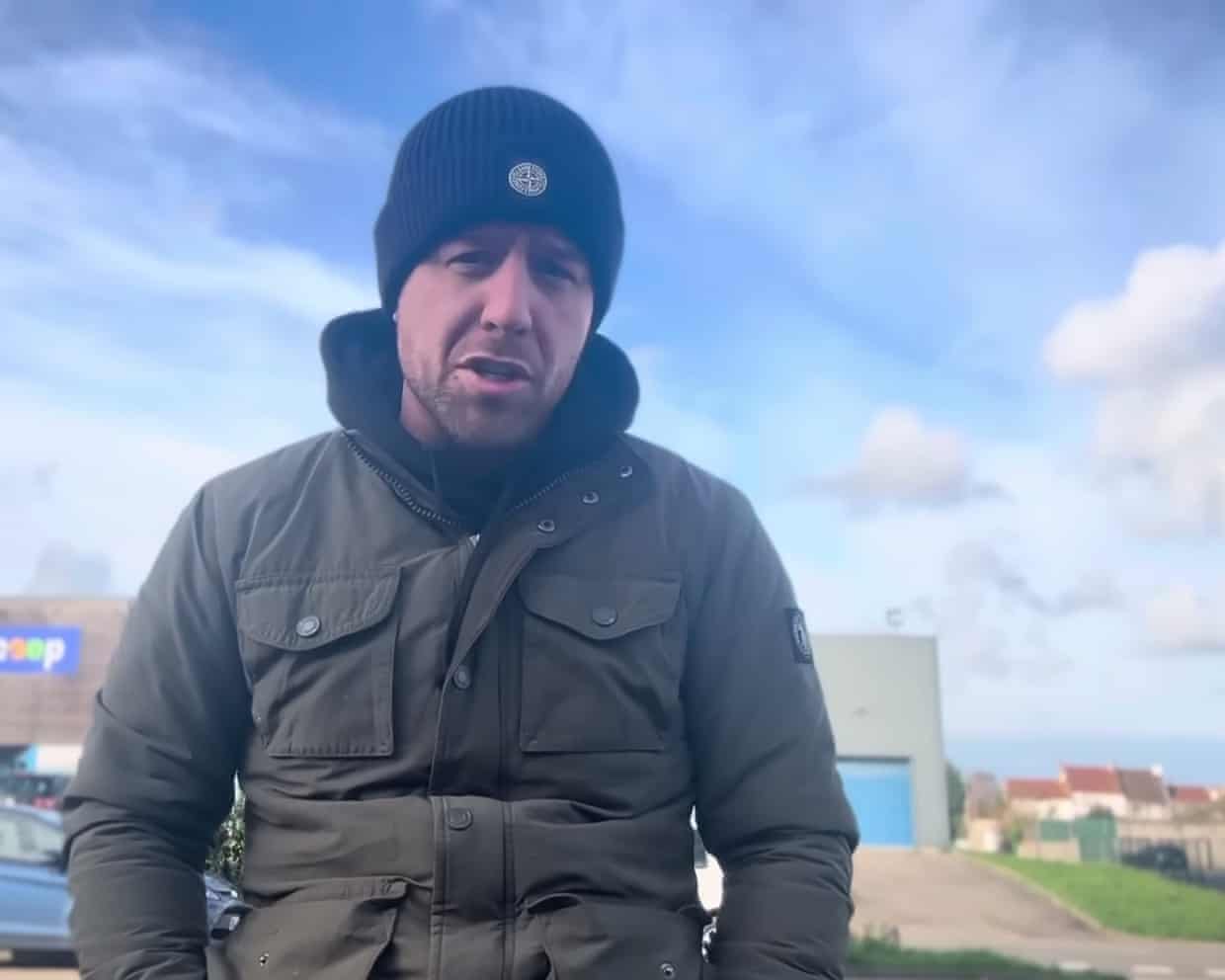
French authorities ban British far-right activists from gathering at weekend
French authorities have announced a sweeping ban on British far-right activists planning to take part in a “stop the boats” protest against asylum seekers hoping to cross the Channel to the UK.Friday’s announcement by the prefecture in northern France goes further than a previous ban by the French interior ministry on 10 unnamed far-right activists associated with the organisation Raise the Colours for “having carried out actions on French soil”.The ban, from the Nord and Pas-de-Calais prefecture, aims to prevent British far-right activists involved in “Operation Overlord” from travelling to France this weekend. The ban comes into force at 11pm on Friday evening and continues until 8am on Monday morning.Operation Overlord was launched by Raise the Colours, an anti-migrant group placing England flags and union jacks on lamp-posts
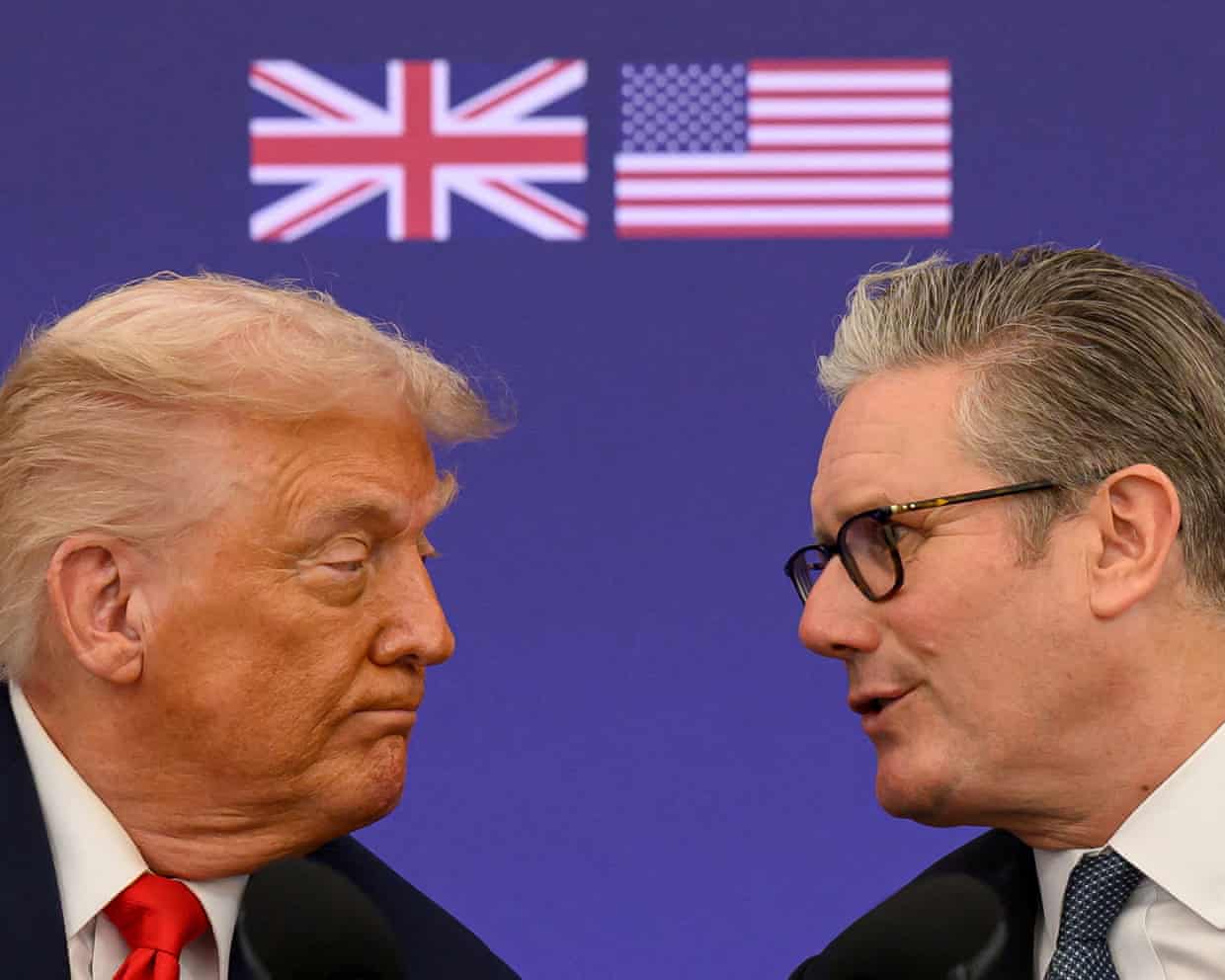
Starmer stands up to Trump at last and has chance to make case for Europe
“Serious, calm, pragmatic, behind-the-scenes diplomacy” is how No 10 has been describing Keir Starmer’s approach to the chaotic world of Donald Trump’s administration.That may have been how the week started – and tiptoeing around Trump’s volatility has been the hallmark of Starmer’s relationship with the president for a whole year. But the president’s two major digs at Britain, first over the Chagos Islands and then, more seriously, his claim that UK troops did not pull their weight in Afghanistan, have finally provoked Starmer into a furious rebuttal.Starmer’s demand for an apology over the “insulting and frankly appalling” words from an unrepentant Trump marks the worst week for US-UK relations since the president took over last year.The prime minister’s two televised press statements this week are a sign of his exasperation with Trump’s remarks about the UK – and he appeared ready at last to draw a line in the sand about what is unacceptable to say about an ally
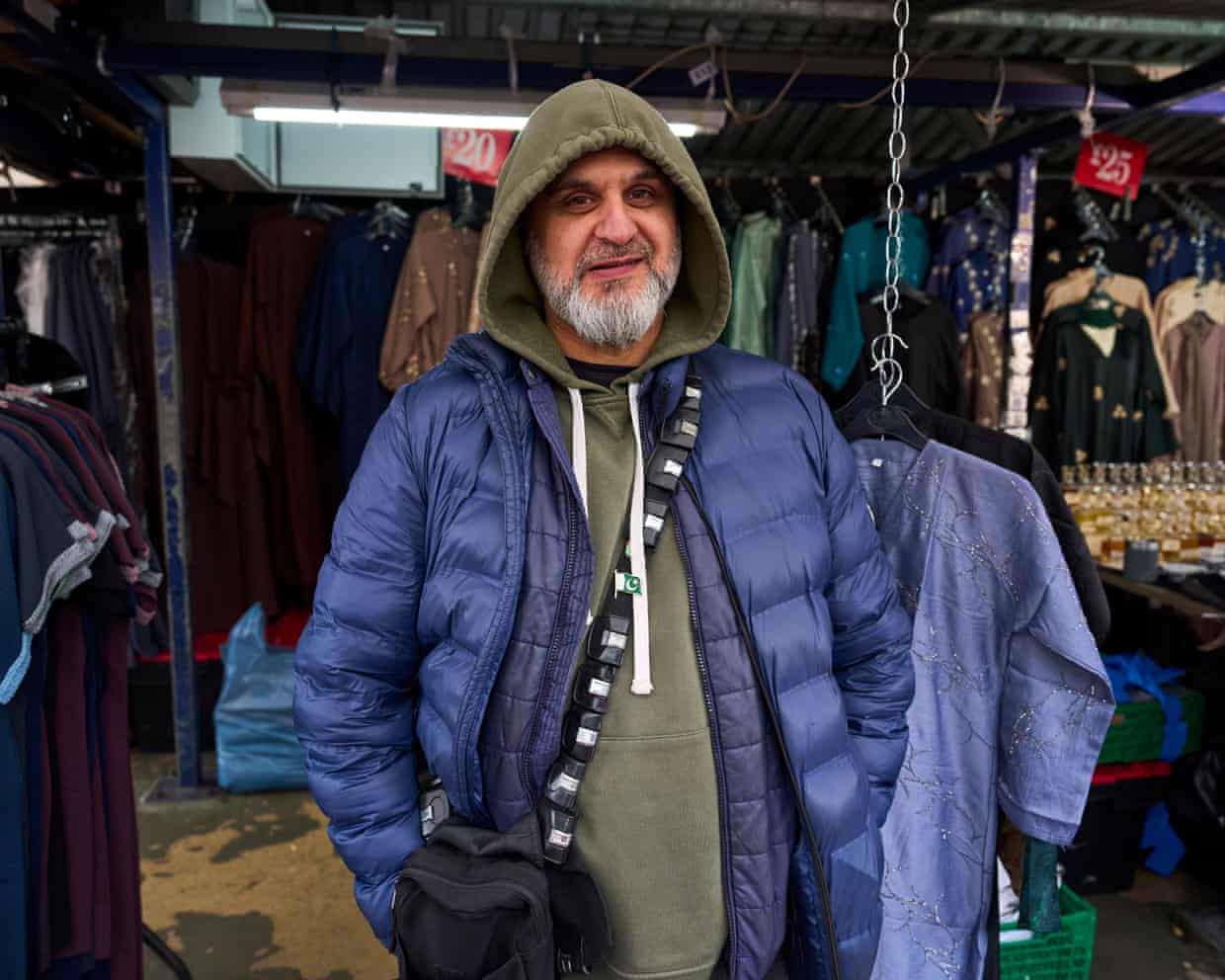
Can Andy Burnham calm the anger in a Manchester seat Labour fears losing?
When leaked WhatsApp messages sent by former minister Andrew Gwynne were published last year, Stuart Beard was astonished at the scenes outside his office in Denton town square.“There must have been about 60 pensioners with placards,” he said, referring to local anger over Gwynne’s derogatory texts, which included one saying he hoped an elderly woman who didn’t vote Labour “croaked it” before the next election.“I’ve never seen anything like it,” said Beard. “It was like a riot – it was quite funny in a way.”The circus will return to this diverse Manchester constituency after Gwynne’s resignation triggered a potentially seismic byelection that could pave the way for Andy Burnham’s much-hyped return to Westminster
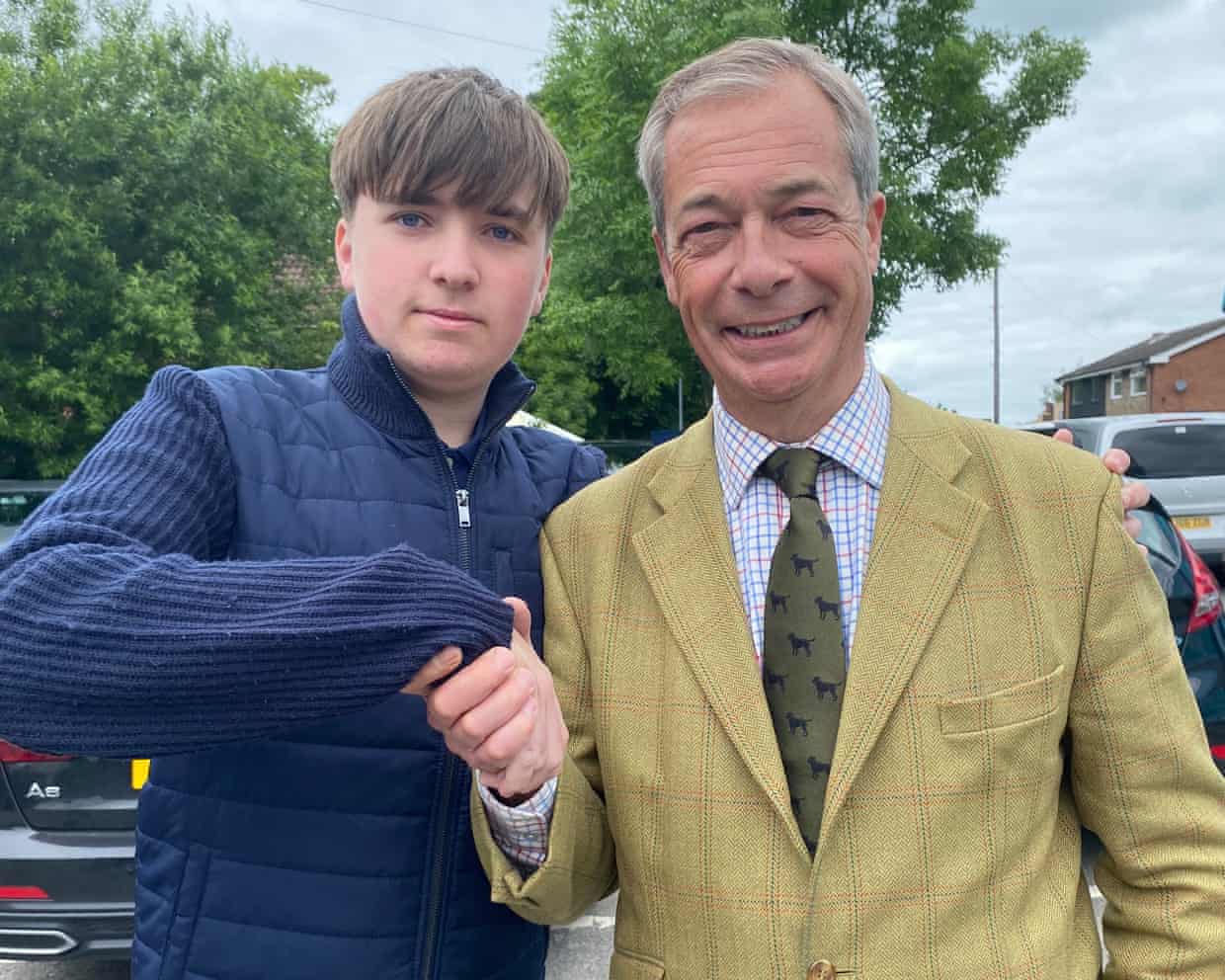
‘We have a clear agenda’: the teenager who broke news of Tory MP’s defection to Reform
Andrew Rosindell had been tipped as a potential Reform recruit long before his defection from the Conservatives last weekend took Westminster by surprise.Yet as he and Nigel Farage basked in the spotlight outside parliament on Monday, more than 200 miles away in the town of Whitby, North Yorkshire, a 15-year-old schoolboy was also savouring the moment.Incredibly – at least to those unfamiliar with the rise of his burgeoning media enterprise – Charlie Simpson appeared to have scooped all other media by predicting on the evening before that the Essex MP would join Reform.“EXCLUSIVE: MP Andrew Rosindell has reached an agreement to defect to Reform UK,” Charlie tweeted on Saturday, prompting derision from other users of X and pressure from Rosindell’s office to take down the tweet.But the following day, Rosindell, who was a shadow Foreign Office minister under Kemi Badenoch, announced on X he had quit the Conservative party “with sorrow” after 25 years and had decided to join Reform “following a conversation with Nigel Farage earlier in the evening”
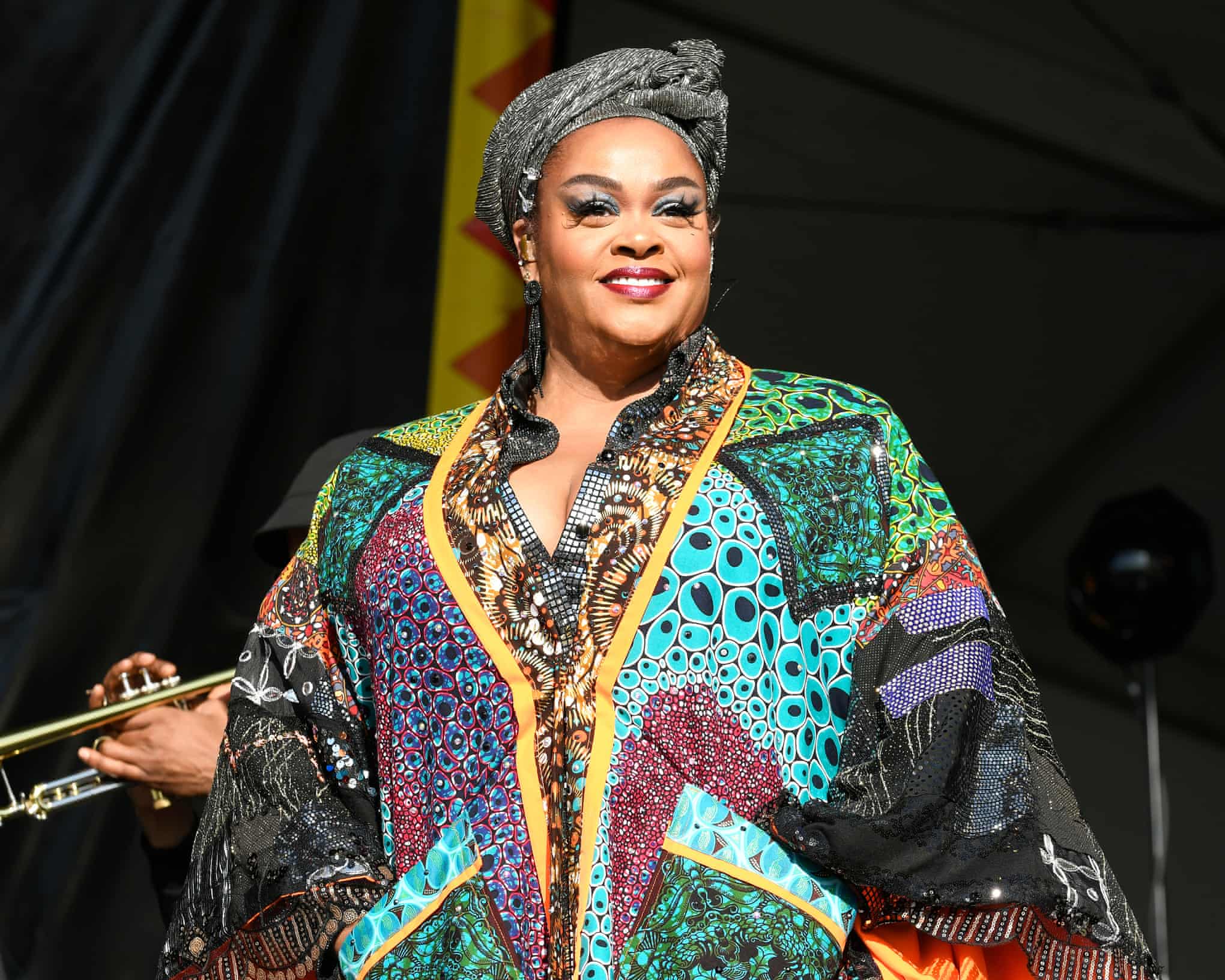
R&B star Jill Scott: ‘I like mystery – I love Sade but I don’t know what she had for breakfast’
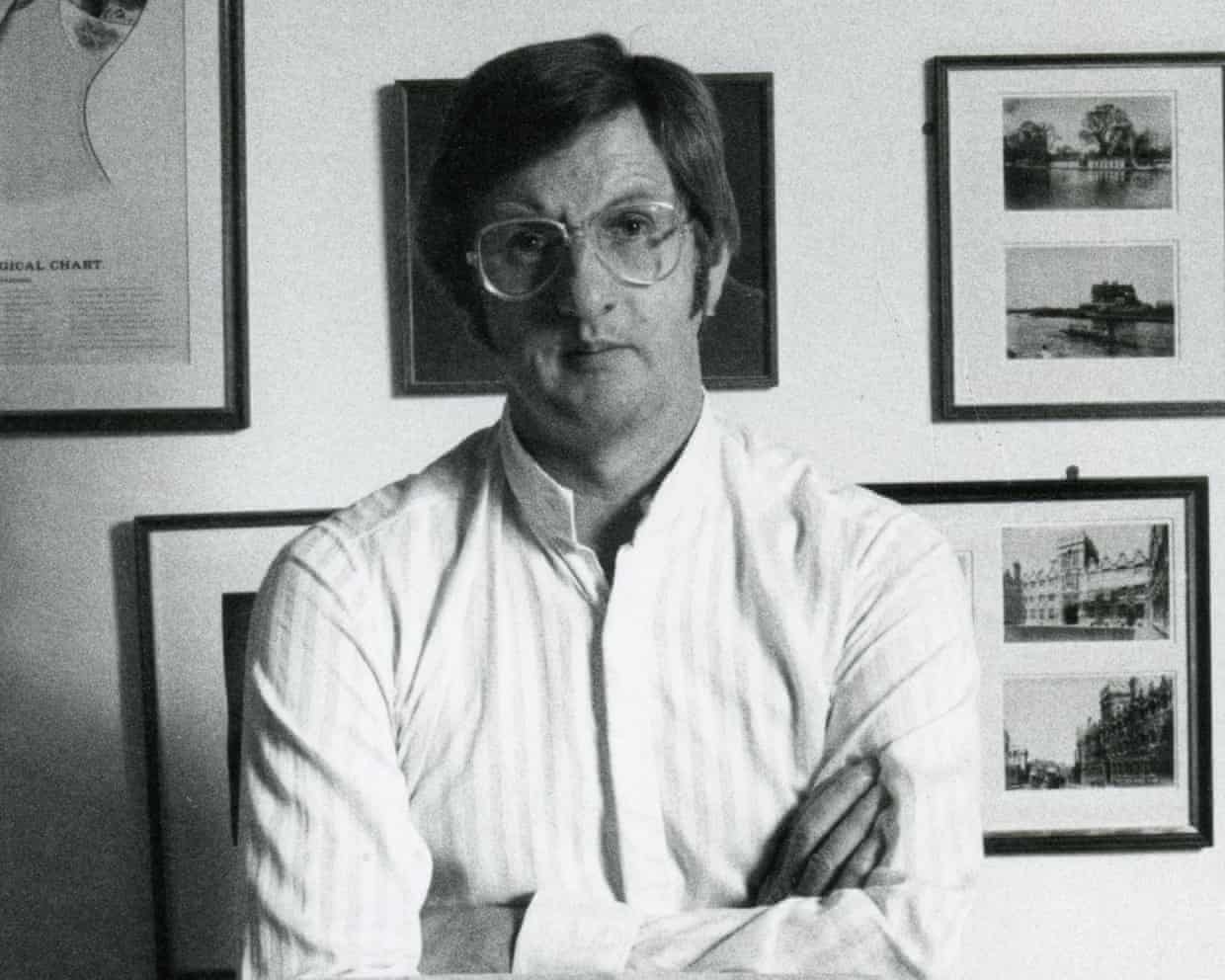
Letter: Colin Ford obituary
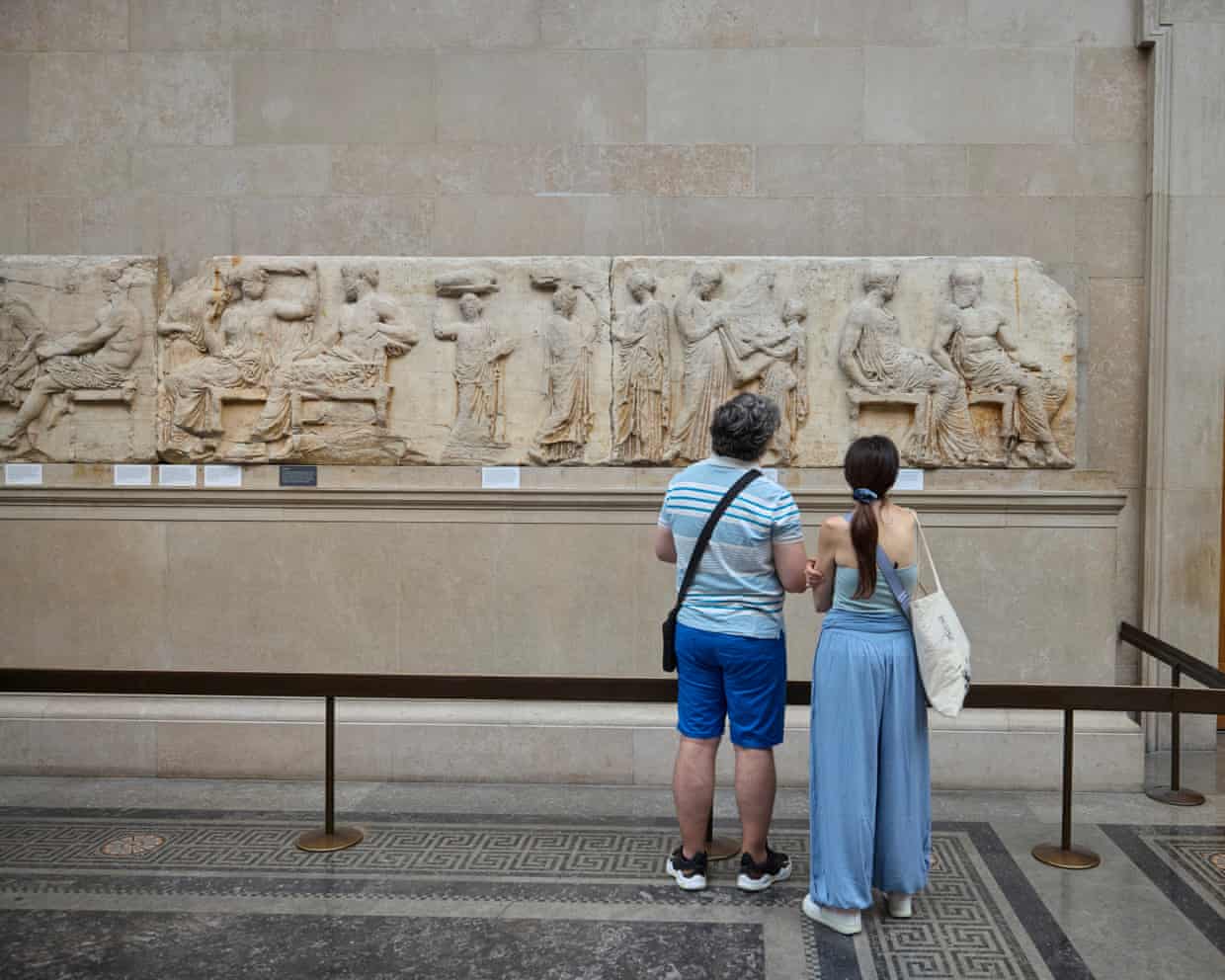
Museums must reach all parts of UK, says Nandy as £1.5bn of arts funding announced
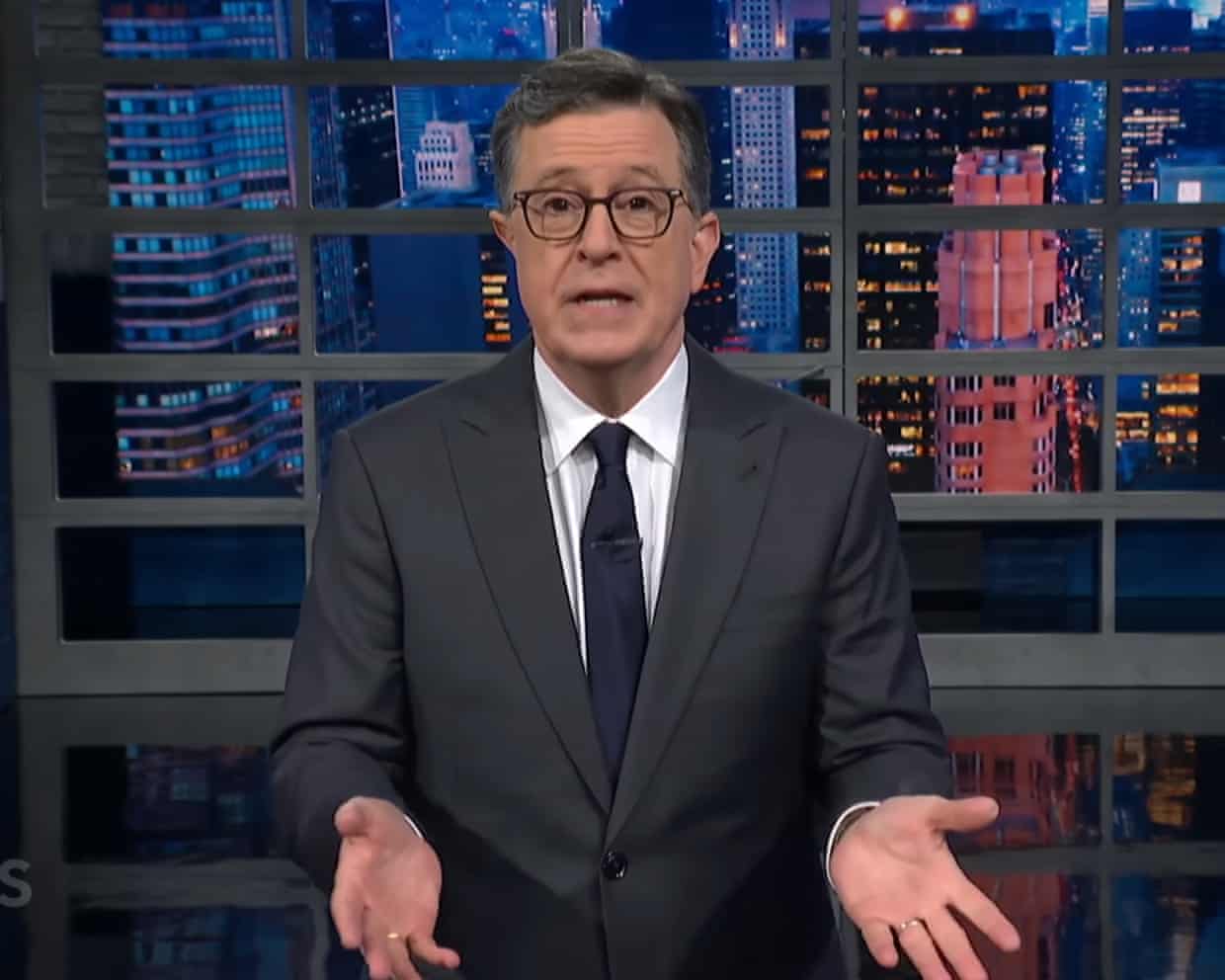
Stephen Colbert on Trump’s first year back: ‘Today’s maniacal criminality distracts us from yesterday’s maniac crimes’
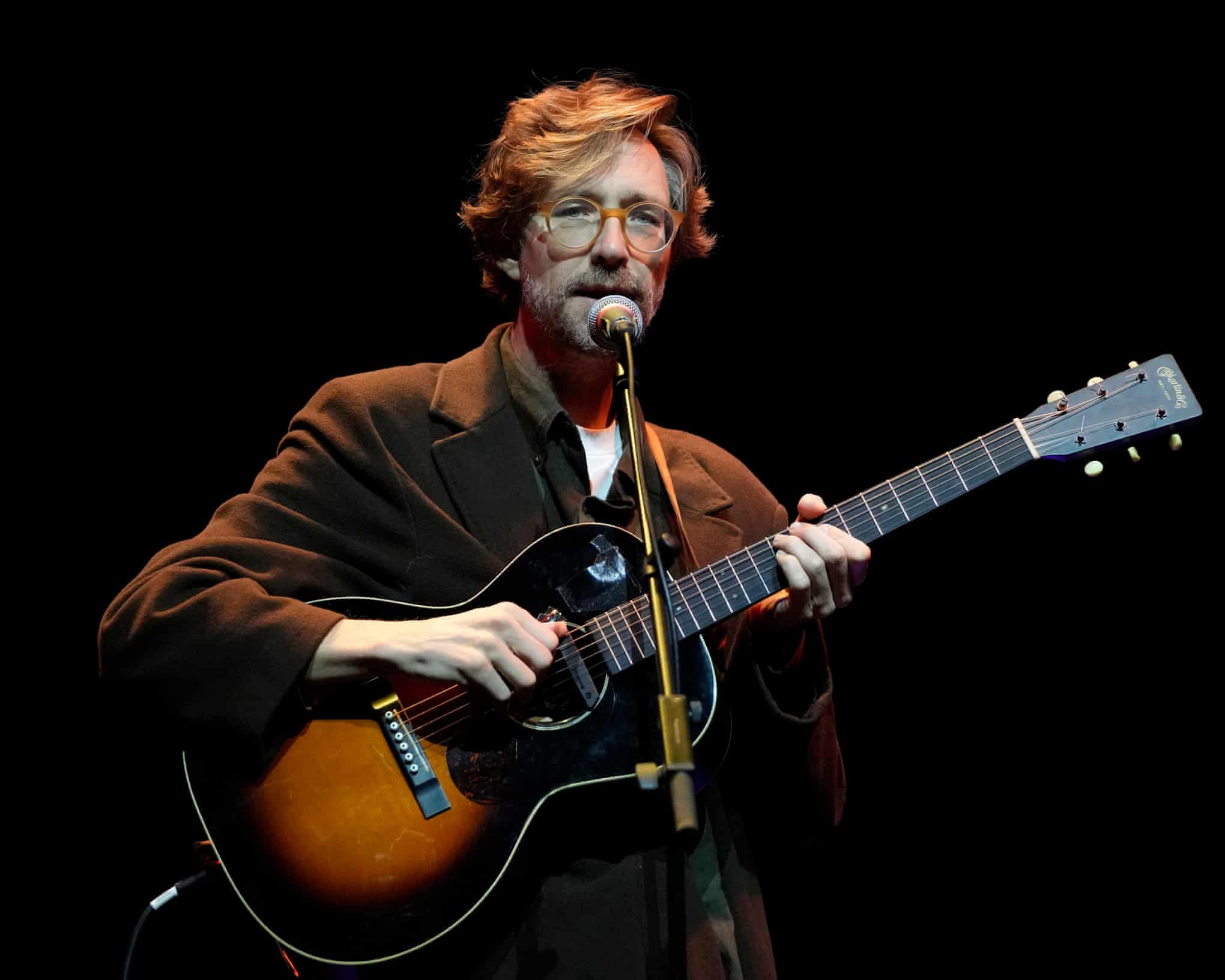
‘We played to 8,000 Mexicans who knew every word’: how the Whitest Boy Alive conquered the world
Sally Tallant appointed as new director of London’s Hayward Gallery