Starmer says ‘more to do’ on cost of living despite £117 fall in energy bills from April - as it happened
Good morning, and welcome to our rolling coverage of business, the financial markets and the world economy.Energy bills in Great Britain will fall by £117 to a typical annual bill of £1,641 from April, the regulator Ofgem announced this morning.It announced a 7% reduction of the energy price cap for the period covering 1 April to 30 June.This change amounts to a reduction of about £10 a month for the average household using both electricity and gas, Ofgem said.This is more than £200 lower than a year ago.
Tim Jarvis, director general in charge of markets at Ofgem, said:double quotation markToday’s announcement will be welcome news for many households.Wholesale energy prices have fallen in recent months, and we’re investing in our network to safeguard the future energy system.The main driver of today’s reduction is the change to policy costs announced by the chancellor in the budget.We’re also seeing encouraging signs of greater engagement and competition, with switching increasing by almost 20% year on year.More households are choosing time‑of‑use tariffs that offer cheaper off‑peak rates, and suppliers are offering a wider range of products, including deals with savings at evenings or weekends.
Gold prices climbed 1% as investors sought out out safe-haven assets amid continued uncertainty over new US tariffs.Donald Trump ’s new global tariffs took effect at 10% for 150 days on Tuesday, but Washington was working to raise it to 15%, according to a White House official, as the US president had threatened on Saturday.Spot gold rose to $5,198 an ounce, after closing more than 1% lower on Tuesday when investors locked in profits.Iran is edging closer to a deal with China to buy anti-ship cruise missiles, Reuters reported, as Tehran and Washington are set to hold a third round of nuclear talks in Geneva on Thursday.Trump proclaimed his first year in office a success at the State of the Union address on Tuesday night, even as his presidency is dogged by low public approval ratings before November’s midterm elections in which voters could hand control of Congress back to his Democratic opponents.
He gave the longest-ever State of the Union speech, lasting almost 1 hour and 50 minutes – a speech that was interspersed with falsehoods and exaggerations but light on new policy proposals.The president briefly set out his case for a possible attack on Iran, saying he would not allow the country to have a nuclear weapon.The Agenda10am GMT: Eurozone inflation (final) for January2.15pm: Treasury committee to question former OBR chairs Richard Hughes and Sir Robert ChoteAnnual energy bills will fall by £117 for millions of households from April after Rachel Reeves’s plan to cut £150 a year from bills was partly foiled by rising costs.The energy regulator Ofgem’s quarterly cap will fall by 7% a year for the three months from April to £1,641 for the average combined gas and electricity bill in Great Britain, from £1,758 under the current January-March cap.
The cut, which will provide some relief to stretched household finances, follows the November budget, in which the chancellor shifted some green energy costs away from household bills and into general taxation.However, the fall is smaller than the £150 cut in April promised by Reeves, as her cuts were partly offset by the increased cost of maintaining and upgrading the UK’s energy networks.Our other main stories:Thank you for reading.We’ll be back tomorrow.Take care (and enjoy the sunshine if you can!) – JKThe US tariff rate for some countries will go up to 15% or higher from the newly-imposed 10%, Jamieson Greer, the US trade representative, said on Wednesday, without naming any specific trading partners or other details.
“Right now, we have the 10% tariff,It’ll go up to 15 [%] for some and then it may go higher for others, and I think it will be in line with the types of tariffs we’ve been seeing,” Greer said in an interview on Fox Business Network’s Mornings with Maria programme,The US president suffered a defeat at the hands of the US supreme court last week which struck down his sweeping “liberation day” tariffs imposed last year,But in response Donald Trump announced a 10% global tariff,According to a notice from the US customs agency: “an additional 10% ad valorem duty on imported articles of every country” has been imposed for a period of 150 days from Tuesday, unless specifically exempt.
Trump has also previously threatened to raise the level to 15% via social media posts,Separately, FedEx sued the US government on Monday, seeking a refund for the tariffs after the supreme court decision,The John Lewis Partnership said today that it is pulling out of its build to rent property business, blaming a “fundamental shift” in the economic conditions that underpinned the venture when it launched in 2020,The UK’s largest employee-owned business, which runs John Lewis department stores well as the upmarket Waitrose supermarket chain, said the move is part of a broader strategic decision to refocus on its core retail brands,Five years ago, John Lewis laid out bold plans to build 10,000 rental homes, as it aimed to generate 40% of profits from outside retail by 2030.
In 2023, it filed planning applications for projects in west and south-east London, and prepared to manage tenancies at three sites built by other developers.The German economy grew by 0.3% in the fourth quarter of last year, as higher household and government spending outweighed weaker exports amid global trade uncertainty.Gross domestic product rose 0.3% in Europe’s biggest economy after stagnating in the third quarter, final data from the Federal Statistical Office showed this morning, matching its preliminary estimate.
The statistical office confirmed that the economy grew 0.2% in 2025, after contracting 0.5% in 2024.The statistics office’s president Ruth Brand said:double quotation mark2025, a year of economic ups and downs, therefore ended with an increase in economic output.Fourth-quarter growth was mainly driven by household spending and government expenditure, Brand noted.
There was also a substantial increase in construction investment, of 1,6%, while overall investment was down 0,5%,On the expenditure side, household spending increased 0,5% while government expenditure increased more sharply, by 1.
1%.Exports of goods and services were down 0.6% while imports dropped 0.3%.As a result, net trade was a drag on economic growth.
The boss of Trainline, Jody Ford, is stepping down after more than six years at the company.The news sent the London-based digital rail and bus ticketing platform’s shares down by nearly 7%.Under the leadership of Ford, who succeeded Clare Gilmartin as chief executive in 2021, Trainline doubled net ticket sales and oversaw growth in new markets in France, Spain and Italy.Ford will continue to lead the company as CEO through the transition period, until it finds a replacement.Previously Trainline’s chief operating officer, Ford also served as chief executive of Photobox Group, which owns the Moonpig and Photobox brands, and led global growth at eBay.
Trainline’s chair Brian McBride said:double quotation markUnder Jody’s leadership the group has undergone a period of exceptional growth.We have created Europe’s #1 rail app serving 27 million customers, doubling net ticket sales in the UK and international consumer businesses, more than doubling profits and growing new markets in France, Spain and Italy.Russ Mould, investment director at AJ Bell, said:double quotation markThe unscheduled departure of Jody Ford as CEO of Trainline has derailed shares in the ticketing platform.News of Ford’s exit intentions has wiped £51m off the company’s market value, implying investors are troubled by the sudden leadership change.Shares in Trainline have been volatile in recent years amid fears of growing competition.
The prospect of a UK government-run ticketing platform has troubled investors, while market transformation in mainland Europe is paving the way for new booking operators and apps.The fact Trainline doesn’t have someone else lined up to become its next CEO leaves investors wondering what’s going on.Ford’s comments imply it was a mutual decision for him to leave and at least he will stay in place until a successor is appointed.Investors hate uncertainty and this announcement poses more questions than answers.The luxury carmaker Aston Martin Lagonda is to cut another 500 jobs, reducing its workforce by a fifth.
It is looking to save about £40m, after reporting widening losses.The group, which said earlier this month it was consulting on the latest redundancy programme, said it would reduce its workforce by up to 20%, after 170 job cuts at the start of last year.The company, which is majority-owned by the Canadian billionaire Lawrence Stroll, said:double quotation markHaving undertaken at the start of 2025 a process to make organisational adjustments to ensure the business was appropriately resourced for its future plans, we had to take the difficult decision at the end of 2025 to implement further changes.This latest programme will ultimately see the departure of up to 20% of our valued workforce.Diageo is the biggest faller on the FTSE 100 index this morning, down more than 5% in early trading, and now 3.
8% lower on the day.The world’s biggest spirits maker has slashed its dividend and cut its annual sales and profit forecast for the second time in four months, as the maker of Guinness warned of capacity constraints affecting drinkers of “the black stuff” in London pubs.Diageo, which owns brands including Smirnoff vodka, Johnnie Walker whisky and Don Julio tequila, reported weak demand in the US and China in the first results released under the new chief executive, Dave Lewis.The former Tesco chief executive, who earned the nickname “Drastic Dave” as a result of his cost-cutting during almost three decades at the conglomerate Unilever, took the reins at Diageo in January and wasted no time in cutting the company’s shareholder dividend in his attempt to turn around the drinks maker.Describing his first seven weeks in the role as “pretty intense”, Lewis said in a results webcast it had not been a simple choice to reduce the dividend, halving it to 20 cents a share down from 40.
5 cents a year ago,double quotation markThis is not an easy decision to make, but we believe it is the right one,The North American market is challenged,Our portfolio needs some time and investment to make it more competitive,At the same time, we need to invest in our business, specifically in its capacity and capability.
The chief executive of HSBC has signalled that his planned overhaul of Europe’s largest lender is drawing to a close despite a slide in annual profits,The bank’s chief executive, Georges Elhedery – who took over in 2024 – said it was “becoming a simple, more agile, focused bank built for a fast-changing world”,Buffeted by $4,9bn (£3,6bn) in one-off charges, HSBC’s pre-tax profit slipped 7% to $29.
9bn last year.That was, however, about $1bn ahead of what City analysts had forecast and came after an unusually strong 2024.HSBC said it was raising its target for return on tangible equity, a key measure of profitability for banks, to “17% or better” through 2028, up from its “mid-teens” target set for the three years through 2027.Last year it came in at 13.3%.
HSBC shares were leading gains on the FTSE 100 index earlier, up more than 5%, and are now 4.6% ahead.GSK, Britain’s second-biggest pharmaceutical firm, has struck at $950m (£703m) deal to buy Canada’s 35Pharma to strengthen its respiratory drugs portfolio – its second major acquisition under new chief executive Luke Miels.The Montreal-based biotech is developing a medicine for pulmonary hypertension, a life-shortening disease marked by high blood pressure in the lungs.The drug, currently known as HS235, has completed initial clinical trials with healthy volunteers, with studies to start imminently in pulmonary arterial hypertension (PAH) and pulmonary hypertension due to heart failure.
Early symptoms are breathlessness, fatigue and chest pain leading to heart failure as the disease progresses,It affects about 82 million people worldwide across multiple disease forms, yet treatment options remain limited and the five‑year survival rate is only 50%,By 2032, the global market for PH therapies is forecast to reach $18bn, with activin signalling inhibitors expected to account for half of this,Given via injection, HS235 targets the activin (a protein) receptor signalling pathway, and potentially lowers the risk of bleeding, which is a key limitation in current PH treatment,GSK said the underlying mechanism of HS235 also offers the potential for broad metabolic benefits, including fat-selective weight loss, preservation of lean mass, and improved insulin sensitivity, observed in early clinical studies.
This could give it additional benefits over Merck’s blockbuster drug Winrevair.The British drugmaker thinks HS235 could become a multi-blockbuster medication and be available to patients by the early 2030s, if trials are successful.Tony Wood, the company’s chief scientific officer, said:double quotation markPulmonary hypertension affects millions of people worldwide, yet patients are underserved.We’re delighted to add HS235 to our pipeline, a potential best-in-class medicine with a differentiated profile to reduce risk of bleeding and provide potential metabolic benefits clinically relevant to PH patients.Ilia Tikhomirov, CEO of 35Pharma, said:double quotation markIn recent years, we witnessed a revolution in our understanding of pulmonary hypertension and how this life-threatening disease could be reversed.
We are pleased to be combining our efforts with GSK, a leader in respiratory and inflammatory drivers of disease.GSK agreed to buy RAPT Therapeutics for $2.2bn in January, a Californian biotech which is developing a drug to protect against severe food allergies, including allergies to nuts, milk and eggs.The British drugmaker earlier this week agreed to a $1bn deal to acquire global rights to develop Frontier Biotechnologies’ two small interfering RNA therapies targeting kidney diseases.Let’s have a look at today’s corporate news.
The British consumer healthcare compay Haleon, which makes Sensodyne toothpaste, Centrum vitamins and Advil and Voltaren pain relief, has forecast 2026 sales growth below its medium-term forecast because of weak consumer confidence in the US, its biggest market.Its London-listed share price fell more than 5% earlier, and is now down 4%.The company, which was spun off from GSK four years ago, is forecasting organic revenue growth of 3% to 5% this year, below its medium-term forecast of 4%-6% growth, and compared with analysts’ expectations of 4.4% growth.Revenues grew by 2

Maxi Shield, beloved Australian drag queen and Drag Race Down Under star, dies aged 51
One of Australia’s best-known and loved drag queens, Sydney’s Maxi Shield, has died after being diagnosed with throat cancer, prompting tributes from around the world.Kristopher Elliot, who performed drag under the name Maxi Shield, was 51. Shield was a mainstay of the Sydney drag scene and brought Australian drag to the world as contestant in season one of RuPaul’s Drag Race Down Under.Shield revealed she had throat cancer in September, which forced her to step down from performing in a Kath & Kim show at Edinburgh fringe with a fellow Drag Race Down Under season one alum, Art Simone.Sign up: AU Breaking News emailShe returned to performing at the Oxford Hotel and Palms on the gay strip of Oxford Street in Sydney this month, and was set to host a sold-out Mardi Gras viewing party at the Oxford Hotel on Saturday

Kenneth Williams and racist attitudes | Brief letters
While appreciating Kenneth Williams’ humour, I felt uneasy that your article (‘He loved showing his bum. Loved it’: the subversive genius of Kenneth Williams, 20 February) didn’t simply state he had racist attitudes. Referring to a dislike of Sid James and people of colour seems to water down unacceptable views.Catherine UtleyLondon When I can’t sleep because my brain is too busy, I have my own method of “cognitive shufflng” (I tried the latest sleep trick – and my husband and I were up all night, 18 February). I choose a subject and try to think of an example for each letter of the alphabet
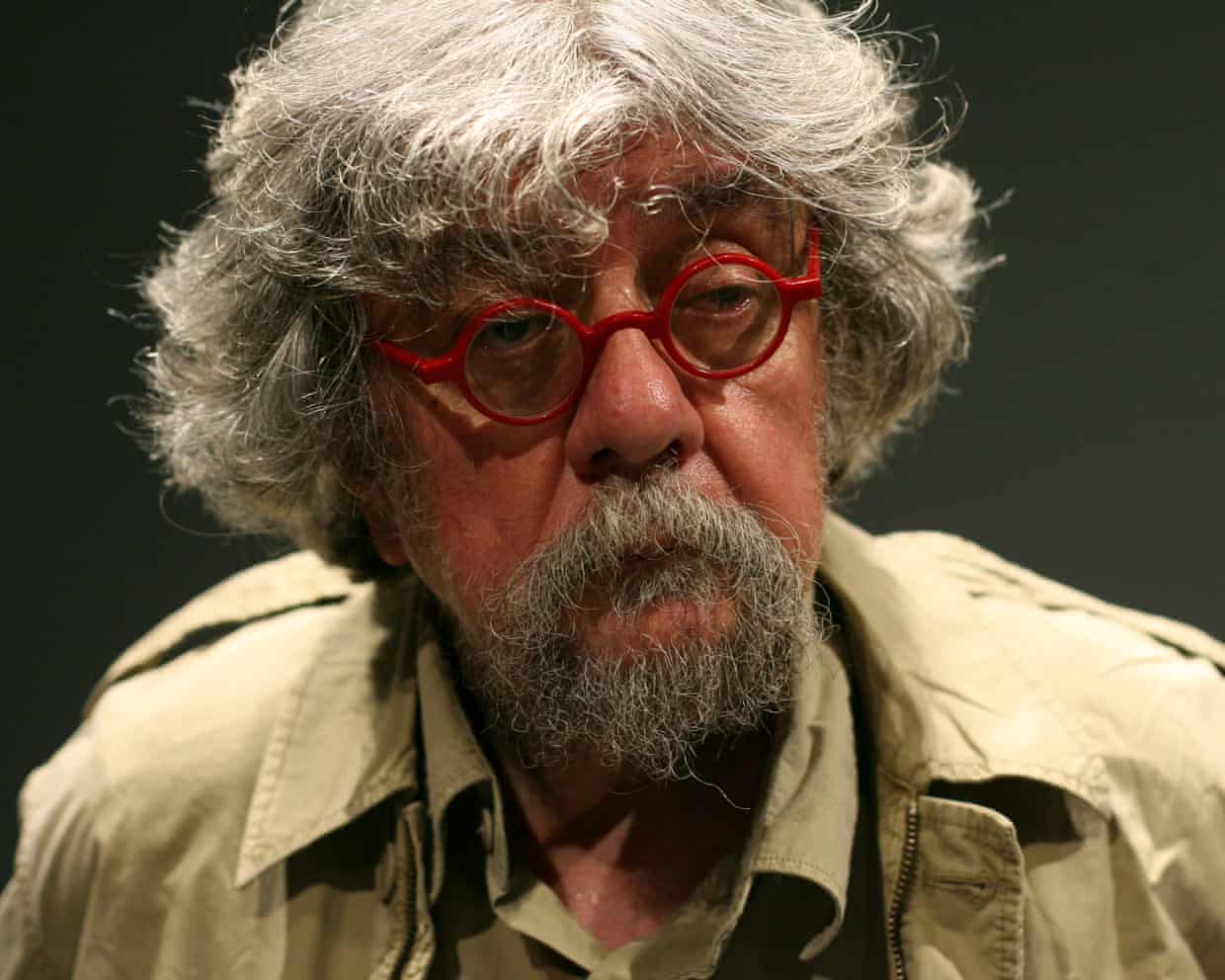
Philippe Gaulier obituary
In 1980 the École Philippe Gaulier opened its doors in Paris to help performers find and celebrate their “inner idiot”. The school quickly became the prime destination for clown training, attracting theatre students, actors and curious others from around the world.Philippe, who has died aged 82 following a lung infection, made the concept of le jeu – play – central to his teaching. For him, comedy was not about jokes but about danger: the moment when a performer risks failure or ridicule in pursuit of delight. His clowns were not sentimental innocents but mischievous creatures who loved the audience and longed to be loved in return

‘Musicians drank too much and slept on my barn floor’: Andrew Bird on making cult album The Mysterious Production of Eggs
We had a family farm three hours west of Chicago, and when I was scoping out potential studio spaces I remembered some barns where my brother and I used to make forts out of hay bales when we were little. One was in rough shape and had racoons living in it, but I got a local carpenter to do the skilled jobs and I did the mundane stuff such as boards for the ceiling. Then I just moved in, but I hadn’t realised how isolating it would be. It was February and snowing and none of my friends had cars. I’d go for two weeks at a time without speaking to anyone
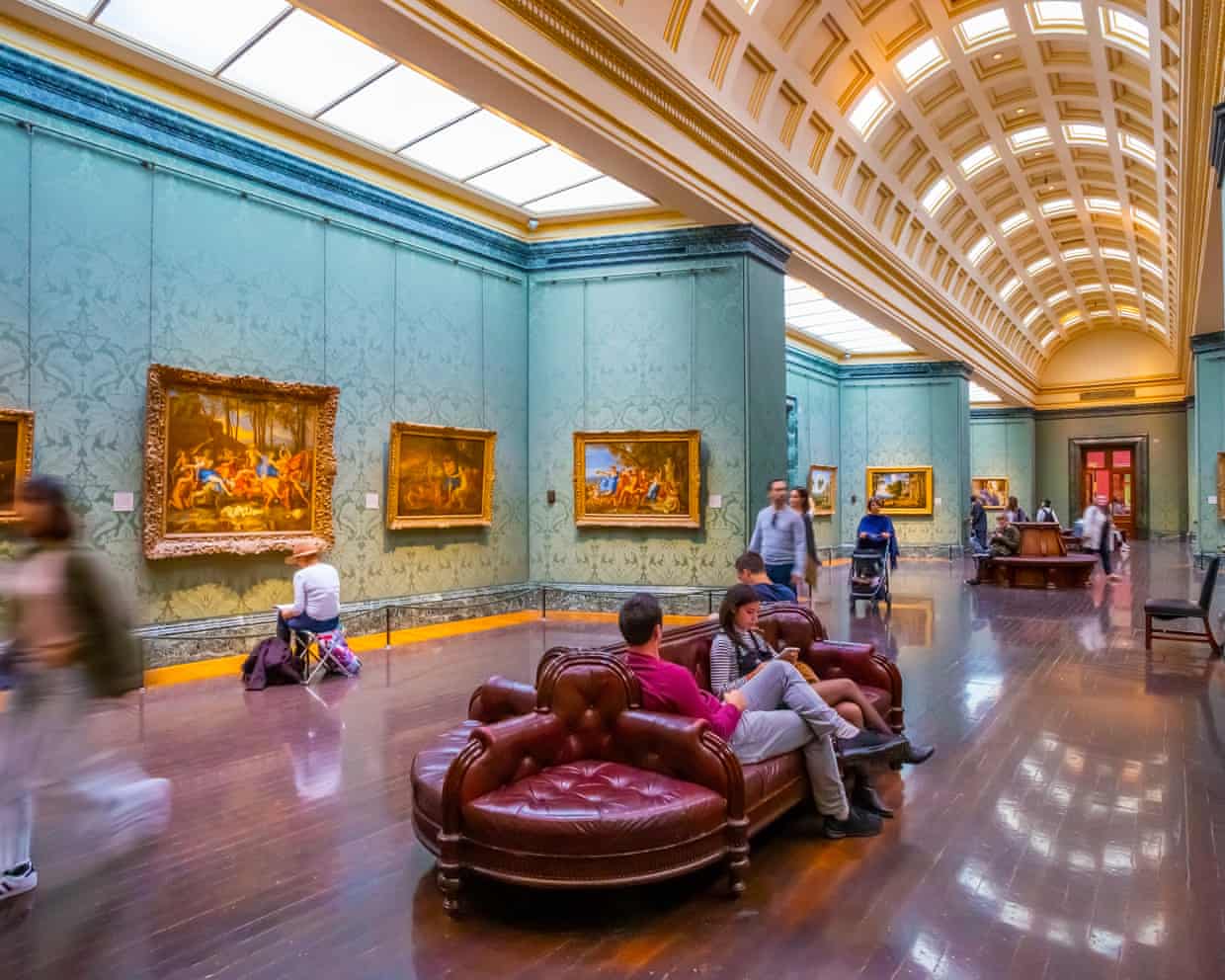
Is the UK’s golden era of free museum entry coming to an end?
For a quarter of a century, visitors to the UK’s national museums and galleries have enjoyed universal free entry to see permanent collections.The policy, introduced by the New Labour government in 2001, has been widely credited with improving access to culture and significantly increasing footfall to some of the country’s best-known attractions.But as funding pressures deepen across the sector, and running costs increase, a policy once treated as untouchable is now under renewed scrutiny.The tension was brought into focus this week, when the National Gallery announced it was to make significant cuts in the face of an £8.2m deficit in the coming year, which could mean fewer free exhibitions, reduced international borrowing of artworks and higher ticket prices
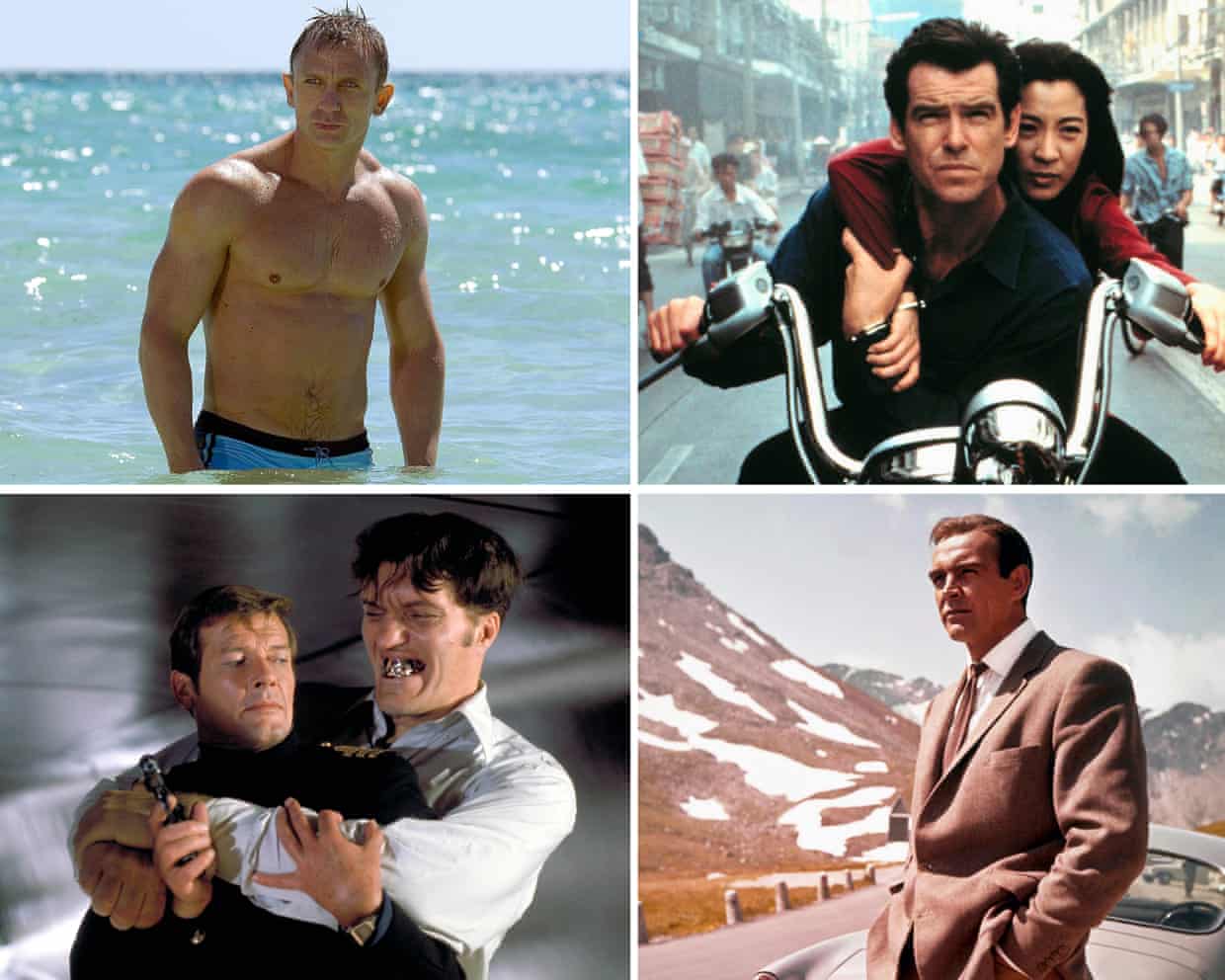
The Guide #231: How the hunt for the next James Bond became the franchise’s best marketing tool
Callum Turner’s turn as James Bond lasted at most a couple of weeks. No sooner had he been enshrined as frontrunner to succeed Daniel Craig, than he was nudged from the DB5 driver’s seat by the latest heir apparent, Jacob Elordi, installed as the new bookies’ favourite after his smouldering, highly profitable performance in Wuthering Heights. Smarting somewhere in the background is Aaron Taylor-Johnson, who seemed locked in for the job a couple of years ago, enjoying the backing of former 007s Pierce Brosnan and George Lazenby, but now seems to have fallen out of favour. And don’t forget the succession of other dead cert Bonds now banished to the back of the odds market: the long-rumoured likes of Tom Hardy and Idris Elba (both now likely to have aged out of the role); Theo James; James Norton; Josh O’Connor; Harris Dickinson; Bridgerton’s Rége-Jean Page; and approximately 5,000 other predominately British actors who have enjoyed box office success/led a successful TV drama/look good in a tuxedo.On and on the hunt goes

Breakaway union stands behind Tara Moore’s $20m legal battle against WTA

Constitution Hill out of Champion Hurdle and ready for next chapter on the Flat
MPs back UK broadcasters in push to expand sport’s free-to-air ‘crown jewels’

The US men’s hockey team at the State of the Union showed proximity to Trump is never neutral
Among the gangsters, gamblers and high rollers: a master bookie’s life in Las Vegas

The Spin | Zimbabwean breakout at T20 World Cup has fans rejoicing renaissance