Iran war hurting UK economy as consumer confidence falls; BP’s new chair suffers investor revolt – as it happened
Breaking: UK consumer confidence has fallen for the third month in a row, as people grow more nervous about their personal financial situation and the economy,Data provider GfK’s Consumer Confidence Barometer, just released, has fallen by four points to -25 in April, the biggest drop in a year,That’s the lowest level since autumn 2023, indicating that the disruption and high energy prices caused by the Iran war is alarming consumers,When asked about the UK economy, the measure for the country’s general economic situation over the last 12 months decreased by eight points to -51,Expectations for the general economic situation over the coming 12 months fell by six points to -43, GfK reports.
The survey shows that “consumers really do have the jitters now”, according to Neil Bellamy, consumer insights director at GfK.Bellamy explains:double quotation markThe anxiety we saw last month has deepened with a four-point fall in April’s consumer confidence headline score to -25.It is a year since we last saw a monthly drop of this size, and we have to go back to October 2023 to find the last time consumer confidence was lower.The biggest declines are in perceptions of the UK economy, with an eight-point slide in views on the economic picture over the last 12 months, and a six-point fall in the forward-looking measure to -43, its lowest level since February 2023.Consumers were arguably resilient about their personal finances in March, but this month’s finance measures, looking back a year (-11) and looking forward (-4), have seen significant slides.
Everyone is grappling with rapid price rises, especially at the fuel pumps, which are taking a dent out of household budgets, and people know further price hikes are coming.The only measure to go up is our savings index, often an indication that people are concerned about what lies ahead, so those who can are building contingency funds.Consumer confidence is deteriorating sharply, with fuel prices and threats of more energy price increases acting as constant reminders of inflation.While the Gulf crisis is intensifying pressures, much of the current strain reflects earlier domestic cost increases.How long can all this disruption and pain continue?”[This survey was due to be published at midnight, but GfK has lifted the embargo after the data was published ahead of schedule earlier today, due to a technical error].
Time to wrap up, after a day in which evidence mounted of the economic damage caused by conflict in the Middle East.Confidence in the UK economy has fallen sharply amid the mounting economic fallout from the Iran war, surveys show, as businesses prepare to raise their prices and consumers brace for a fresh cost of living shock.The latest barometer from the data company GfK showed UK consumer confidence slid in April to its lowest level since October 2023, while three separate business surveys revealed a surge in cost pressures facing companies and an expectation they would raise their prices over the coming months.UK service sector firms have reported the biggest rise in cost inflation since 1996 this monthBritish factories have also been hit by rising costs, and a drop in output.The eurozone is suffering too, with private sector output dropping this monthThere was good news for the government, though – borrowing fell last year, and was a little lower than forecast…however, economists predict the Iran war will push it up againSainsbury’s, WH Smith and Foxtons all flagged that the conflict could hit their businesses.
BP’s board has suffered a triple climate rebellion in its first shareholder meeting since appointing new leadership to steer the embattled oil company.Two resolutions, including one to scrap its existing climate reporting, were blocked, while about 18% of shareholders voted against the re-election of BP’s chair, Albert Manifold.London’s stock market has closed lower tonight.The FTSE 100 index of blue-chip shares has closed 19.5 points lower at 10,457, a 0.
19% drop.That’s its lowest level in over two weeks.Precious metals producers were among the fallers, as were Sainsbury’s (-3.6%) after it warned that the conflict in the Middle East is squeezing customers’ budgets and pushing up its costs.The key to improving UK consumer confidence could be to resume shipping through the strait of Hormuz, and end the Iran war.
A poll of US oil executives has found they expect domestic production to rise as the ongoing conflict upends global supplies, Reuters reports.A poll of executives at US energy companies, conducted by the Dallas Federal Reserve, has found that 43% expect US crude production to rise by up to 250,000 barrels per day this year as a result of the Iran war.About two-thirds of respondents think at least 90% of Gulf production that has been shut in will return to market eventually.And asked when traffic through the Strait of Hormuz will return to normal levels, 20% said by next month, 39% said August, while the remaining respondents said either by November or later….This month’s drop in UK consumer confidence shows that global tensions are add to consumer doom, warns emeritus professor Joe Nellis, economic adviser at accountancy and advisory firm MHA.
Prof Nellis says this latest reading from GfK delivers “an uncomfortable message” – that UK consumer confidence is sliding as households remain deeply uneasy about the outlook,He explains:double quotation markThis is not just a routine wobble,It shows a public that is increasingly cautious about their finances and the wider economy,At these levels, pessimism is firmly in control,Many households are not expecting improvement soon.
That mindset is shaping behaviour,Confidence matters because it feeds directly into spending decisions,Approximately two-thirds of economic activity in the UK is driven by household spending on a wide range of goods and services – food, energy, travel, leisure, and big-ticket items such as cars and furniture,Small shifts in consumer behaviour can therefore have a disproportionate impact on growth,When uncertainty rises, consumers pull back.
Major purchases are delayed, discretionary spending is trimmed, and saving becomes a priority.This quickly feeds through to weaker demand, leaving businesses with slower sales and a more challenging trading environment.The danger is that this becomes self-sustaining, he adds:double quotation markA cautious consumer slows the economy, and a weaker economy in turn undermines confidence still further.The message is clear: until both domestic pressures ease and global risks settle, the UK consumer will remain on the defensive – and the economy will struggle to shift out of low gear.Shareholders of Warner Bros Discovery have voted “overwhelmingly” to approve the company’s $110bn merger with Paramount Skydance, the parent company of CBS News, on Thursday.
But shareholders voted against generous proposed compensation packages for WBD executives, including a $550m payout to the outgoing chief executive, David Zaslav.The boards of both WBD and Paramount have already approved the merger, and shareholders were encouraged to approve it as well.Zaslav said in a statement:double quotation mark“Today’s stockholder approval is another key milestone toward completing this historic transaction that will deliver exceptional value to our stockholders.We will continue to work with Paramount to complete the remaining steps in this process that will create a leading, next-generation media and entertainment company.”Archie Norman, the chair of Marks & Spencer, has claimed it is “inevitable” that food price inflation will “seep through” by the autumn as farmers, retailers and food makers struggle with rising cost of energy and fuel.
Even if the Iran conflict stops today, the veteran retailer said: “it’s too late for September, it’s going to come through,”Speaking at the Retail Technology Show in London, Norman said food prices were unlikely to rise by the 10% talked about by the FDF but he predicted that a 1-2% uptick from the current level “would not be surprising at all”, Food inflation currently stands at 3,7% according to the Office for National Statistics,“It’s obvious cost increases are going to seep through” Norman said,He said there was “already a bit of a chill” on UK consumers as taxes had gone up and employment was “not that great”.
Fuel costs would also begin to weigh on household budgets and “households are going to be a few hundred pounds less well off in the year and are going to be sharper on value and more careful where they spend their money,” he suggested.Norman said M&S was using AI technology to help plan how it marked down food prices so that it sold as much food as possible to avoid waste.He admitted that the retailer had entered “another world” when it was hit by a cyber attack in Easter 2025 after which it had to close down its website and a number of internal systems.He also admitted “even now there are traces” of the effects of the attack -- for example, staff had to make orders for clothing eight or nine months ago based on “a piece of paper” as systems were not fully operational at the time.The share of UK consumers expecting price increases in the year ahead has risen to 85% in April, up from 79% in March, today’s consumer confidence barometer from GfK shows.
That’s the highest since November 2022, Reuters points out.Breaking: UK consumer confidence has fallen for the third month in a row, as people grow more nervous about their personal financial situation and the economy.Data provider GfK’s Consumer Confidence Barometer, just released, has fallen by four points to -25 in April, the biggest drop in a year.That’s the lowest level since autumn 2023, indicating that the disruption and high energy prices caused by the Iran war is alarming consumers.When asked about the UK economy, the measure for the country’s general economic situation over the last 12 months decreased by eight points to -51.
Expectations for the general economic situation over the coming 12 months fell by six points to -43, GfK reports.The survey shows that “consumers really do have the jitters now”, according to Neil Bellamy, consumer insights director at GfK.Bellamy explains:double quotation markThe anxiety we saw last month has deepened with a four-point fall in April’s consumer confidence headline score to -25.It is a year since we last saw a monthly drop of this size, and we have to go back to October 2023 to find the last time consumer confidence was lower.The biggest declines are in perceptions of the UK economy, with an eight-point slide in views on the economic picture over the last 12 months, and a six-point fall in the forward-looking measure to -43, its lowest level since February 2023.
Consumers were arguably resilient about their personal finances in March, but this month’s finance measures, looking back a year (-11) and looking forward (-4), have seen significant slides.Everyone is grappling with rapid price rises, especially at the fuel pumps, which are taking a dent out of household budgets, and people know further price hikes are coming.The only measure to go up is our savings index, often an indication that people are concerned about what lies ahead, so those who can are building contingency funds.Consumer confidence is deteriorating sharply, with fuel prices and threats of more energy price increases acting as constant reminders of inflation.While the Gulf crisis is intensifying pressures, much of the current strain reflects earlier domestic cost increases.
How long can all this disruption and pain continue?”[This survey was due to be published at midnight, but GfK has lifted the embargo after the data was published ahead of schedule earlier today, due to a technical error].BP’s new chair has received something of a rebuke from shareholders today, amid a row over the energy giant’s policies on the climate emergency.Albert Manifold received 81.8% support from investors at his first BP annual general meeting today, Reuters reports.That’s rather short of the level of support which board members usually receive, especially the chair of a FTSE 100-listed company.
This small wave of opposition isn’t large enough to dislodge Manifold from his seat at BP, though – though it counts as a significant protest vote.It follows a recommendation from investor advisor Glass Lewis that BP shareholders should vote against its new chair over his decision to exclude a climate resolution from the AGM.That resolution asked BP to explain how it would create value for shareholders as oil and gas demand declines.Shareholders also rejected two other resolutions – a proposal to allow online-only shareholders’ meetings, and one (called Resolution 23) to scrap existing climate disclosures.Both fell short of the 75% threshold required to pass.
Mark van Baal, CEO of Follow This, says:double quotation mark“Defeating resolution 23 signals that shareholders refuse to let BP quietly bury its reporting commitments,The board brought this on itself,”Another resolution brought by climate activists, requesting BP to justify its upstream oil and gas spending, got 26% of the votes,The number of Americans filing new claims for unemployment benefit has risen, but remains low in historic terms,There were 214,00 new initial claims for jobless support last week, an increase of 6,000 compared with the previous seven days.
The previous week’s level was revised up by 1,000 from 207,000 to 208,000,The financial markets are, again, anticipating two increases in UK interest rates this year,The money markets are indicating that UK bank rate will have increased by 58bps (0,5 of a percentage poin) by the end of this year, meaning two quarter-point rate rises are fully priced in,Earlier this week the market only expectd around 30bps, meaning one quarter-point rise was priced in, with a small possibility of a second.
American Airlines has warned that the surge in fuel prices from the Iran war will cost it $4bn this year.The company has cut its earning guidance today – it now expects to make between a 40 cents per share loss and a $1.10 per share profit this financial year.That’s down from a previous forecast of a profit of between$1.70 to $2.
70 per share.It told investors:double quotation markBased on the forward fuel curve and the current revenue outlook, the midpoint of the company’s full-year earnings guidance is approximately flat to 2025, despite a more than $4 billion increase in expense related to higher prices for jet fuel.Sentiment among UK manufacturers has deteriorated sharply, new data from the CBI shows.The CBI’s industrial trends reports shows that optimism among factory bosses about both the business situation and export prospects have fallen at their fastest rates since the onset of the COVID-19 pandemic.Its latest Industrial Trends report shows that output and orders both declined in the last quarter, as competitiveness in UK markets deteriorated at a record pace.
The CBI reports:double quotation markManufacturing output fell in the three months to April, and at a faster pace than in the three months to March,The decline was broad-based, but driven by the food, drink & tobacco, chemicals, metal products and mechanical engineering sub-sectors,Worryingly, manufacturers expect the decline in new orders to accelerate, with expectations for the next three months close to the weakest since April 2020 (when the global economy was locked down due to the Covid-19 pandemic),The CBI also reports that cost pressures remain elevated – confirming the message from this morning’s PMI report,They say:double quotation markGrowth in average costs per unit of output accelerated in the three months to April, compared with January, and unit costs are expected to rise at the fastest pace for over three years in the coming quarter.
Today’s drop in share prices on the London stock market is a less-than-auspicious start to the UK government’s push to encourage people to invest.Rachel Reeves launched the retail investment campaign, which will cost up to £50m, by attending the opening of trading at the London stock market.But as lunchtime approaches the market is still down around 1%.The campaign involves a finance “savvy” CGI squirrel to encourage cautious British savers to shift out of cash and start investing.The aim is to create an industry-wide effort to improve confidence and understanding of investing across the UK
Some Interrail travellers told to cancel passports as hacked data posted online
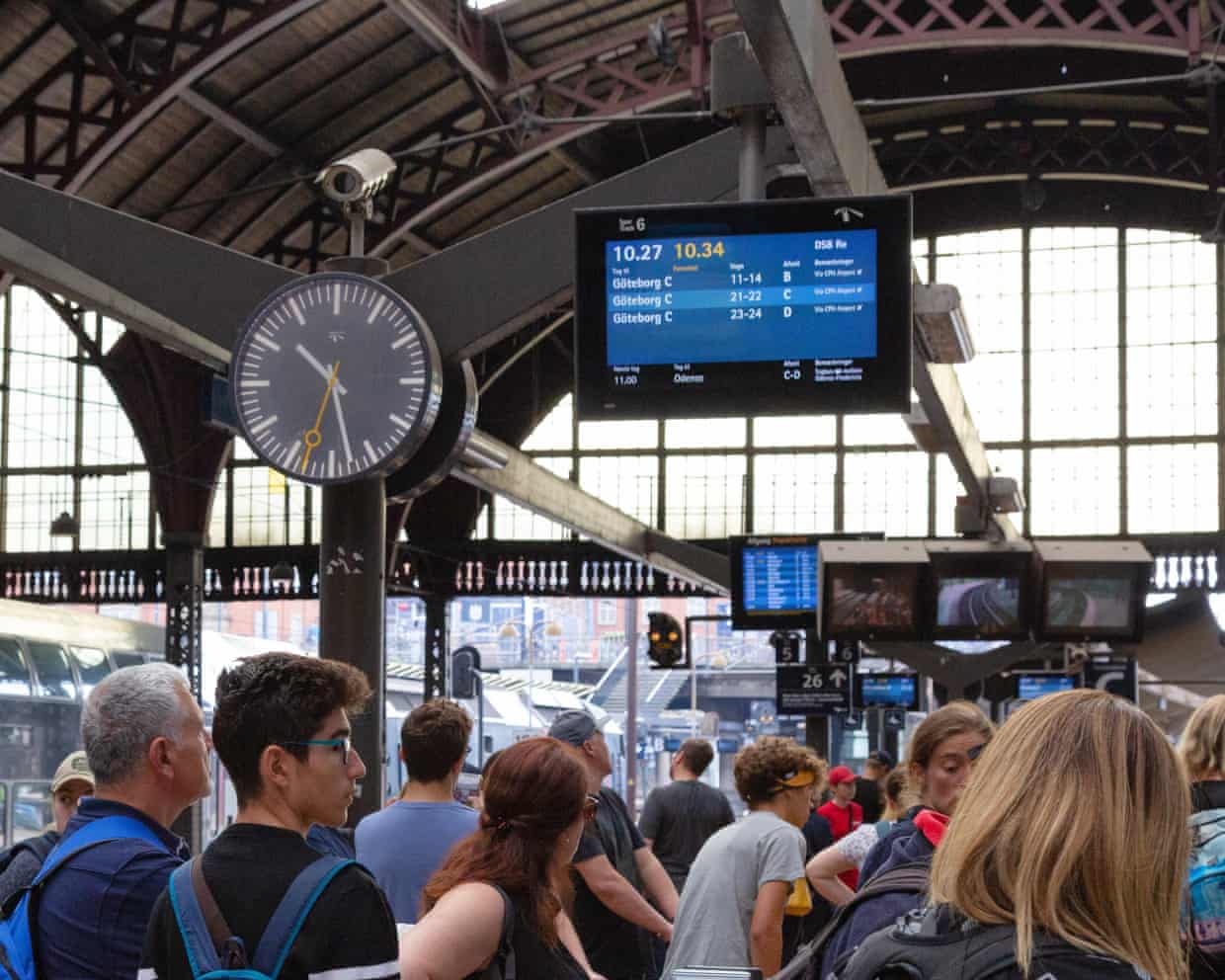
Holidaymakers across Europe are facing the stress and expense of getting new passports after their personal data was posted on the dark web after a hack of the Interrail company Eurail.Personal data, including passport numbers, names, phone numbers, email and home addresses and dates of birth of more than 300,000 European travellers was accessed in December. But this week Eurail revealed to customers that “data copied during the security incident has been offered for sale on the dark web and a sample dataset has been published on Telegram”.The announcement has led to renewed anger and confusion. The UK Passport Office has told at least one customer they needed to “cancel their passport to prevent it being used for fraudulent activity”, with the Home Office agency also indicating they needed to pay the full £102 fee for a replacement

Chinese hackers using everyday devices to target UK firms, warns cybersecurity agency
British businesses are being urged to step up their vigilance against a China-linked hacking ploy that uses everyday devices for espionage.The UK’s National Cyber Security Centre (NCSC) and agencies in nine other countries have warned of persistent attempts by Beijing-backed groups to hack equipment such as wifi routers to launch cyber-attacks.Known as “covert networks” or “botnets”, they typically target vulnerable equipment – for instance devices that have not had a software update or are old – as a base for staging activities such as surveillance and data theft.The NCSC said the technique was used by the majority of China-linked hackers. Richard Horne, the centre’s chief executive, said on Wednesday that China’s intelligence and military agencies had an “eye-watering level of sophistication in their cyber-operations”

Criminal gangs profiting as child sexual abuse websites double, experts say
The number of commercial child sexual abuse websites has doubled in a year as experts say that criminal gangs are making “huge profits” from online sexual exploitation.According to data collected by the Internet Watch Foundation (IWF), 15,031 commercial child sexual abuse sites were found in 2025, compared with 7,028 found in 2024, a 114% increase.An analyst who worked on the report but did not wish to be named said that this content exists “across all social media platforms” and is “very easy” to find.“I can find child sexual abuse content, the worst categories, category A content, which is penetration of children as young as babies on any social media platform in as little as one search term and two clicks,” said the analyst.“I think the public have this perception that this sort of material is hidden away in dark and dirty corners of the internet, but it’s not, it’s in plain sight
Tesla reports mixed financial results as Musk pivots automaker to AI and robots
Tesla reported its first-quarter earnings on Wednesday, disclosing some better-than-expected results but faltering in some key areas. The report failed to significantly buoy Tesla’s stock, which has limped along this year while its CEO, Elon Musk, has tried to sell the company’s new vision of humanoid robots and self-driving robotaxis. Its core car business has struggled in the face of competition from Chinese counterparts and backlash against his close involvement with the Trump administration.“There remains significant effort and hard work to realize our mission of Amazing Abundance,” Tesla said in its report, while claiming that demand for its vehicles was rebounding.Tesla revealed earnings of 41 cents a share on Wednesday after market close, more than the 37 cents per share that Wall Street expected
What is Mythos AI and why could it be a threat to global cybersecurity?
Anthropic has ruled out releasing its latest AI model, Claude Mythos, to the public because of the threat it poses to global cybersecurity.However, the US tech startup behind the Claude chatbot confirmed on Wednesday it was investigating a report that a group of people had gained unauthorised access to Mythos. The alleged incident has raised concerns over the pace of development and the ability of tech companies to keep their riskiest products out of the public domain. Here, we examine Mythos and its potential impact.Mythos is an AI model – the underlying technology that powers tools such as chatbots – that, according to Anthropic, represents a serious potential threat to any organisation’s cybersecurity
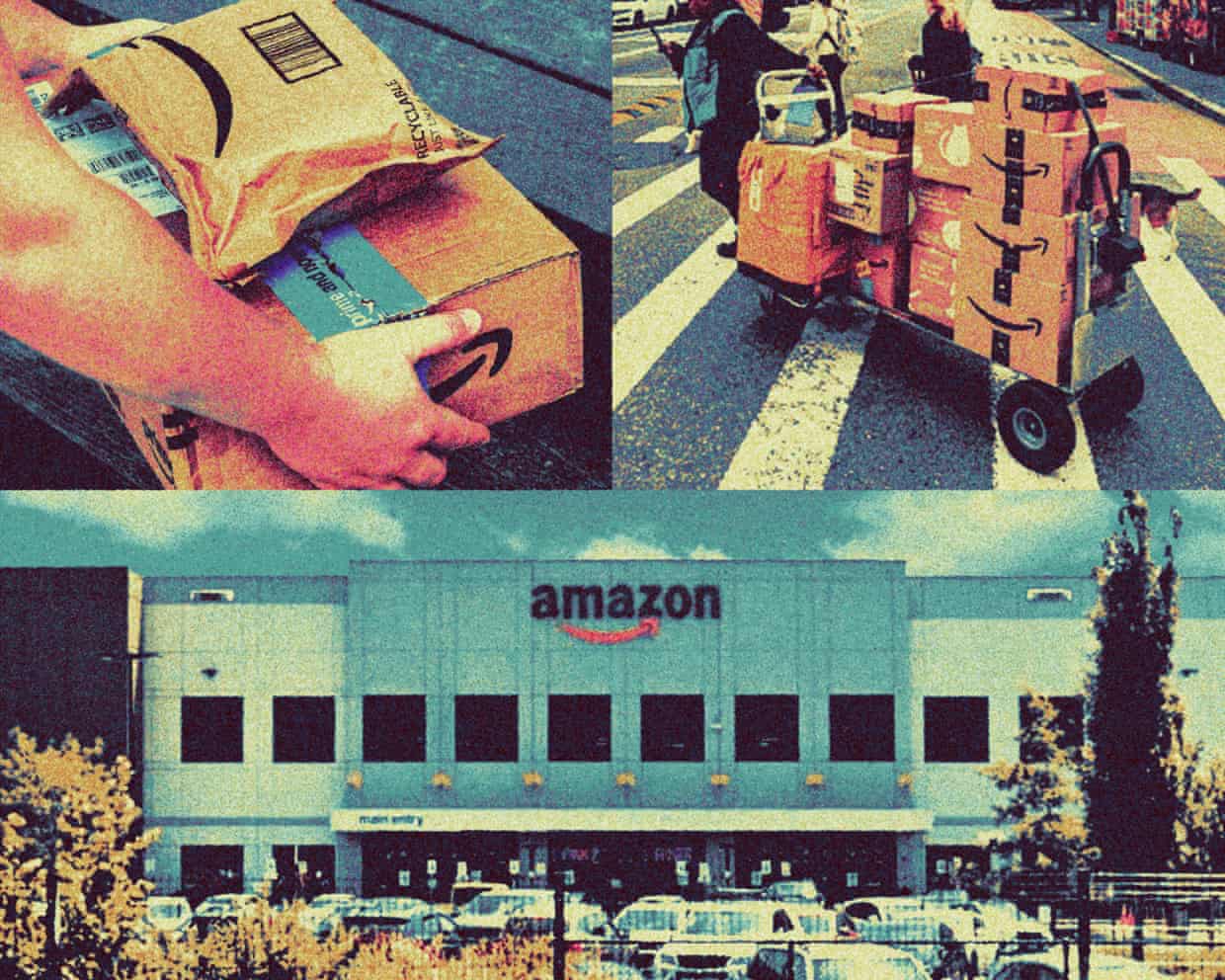
‘Get back to work’: Amazon faces fresh scrutiny over workplace safety record
Amazon, one of the world’s largest employers, has for years faced scrutiny over its safety record. When Billy Foister, a 48-year-old worker, died after a heart attack inside one of the tech giant’s warehouses in September 2019, managers were accused of telling staff to “get back to work”.When another worker died this month at a distribution center in Troutdale, Oregon, an Amazon spokesperson claimed they had collapsed from an “existing medical issue”. They denied a report that a nearby employee was told: “Please get back to work.”As Donald Trump’s administration continues to overhaul federal government oversight of workplace safety, workers inside Amazon and labor advocates say the company’s injury rates, and how it treats injured workers, remain a problem

The Hours won awards for Nicole Kidman’s fake nose – and hearts as a queer classic

Vanessa’s a pillar of the hiking community | Brief letters

Zoologist, author and presenter Desmond Morris dies aged 98
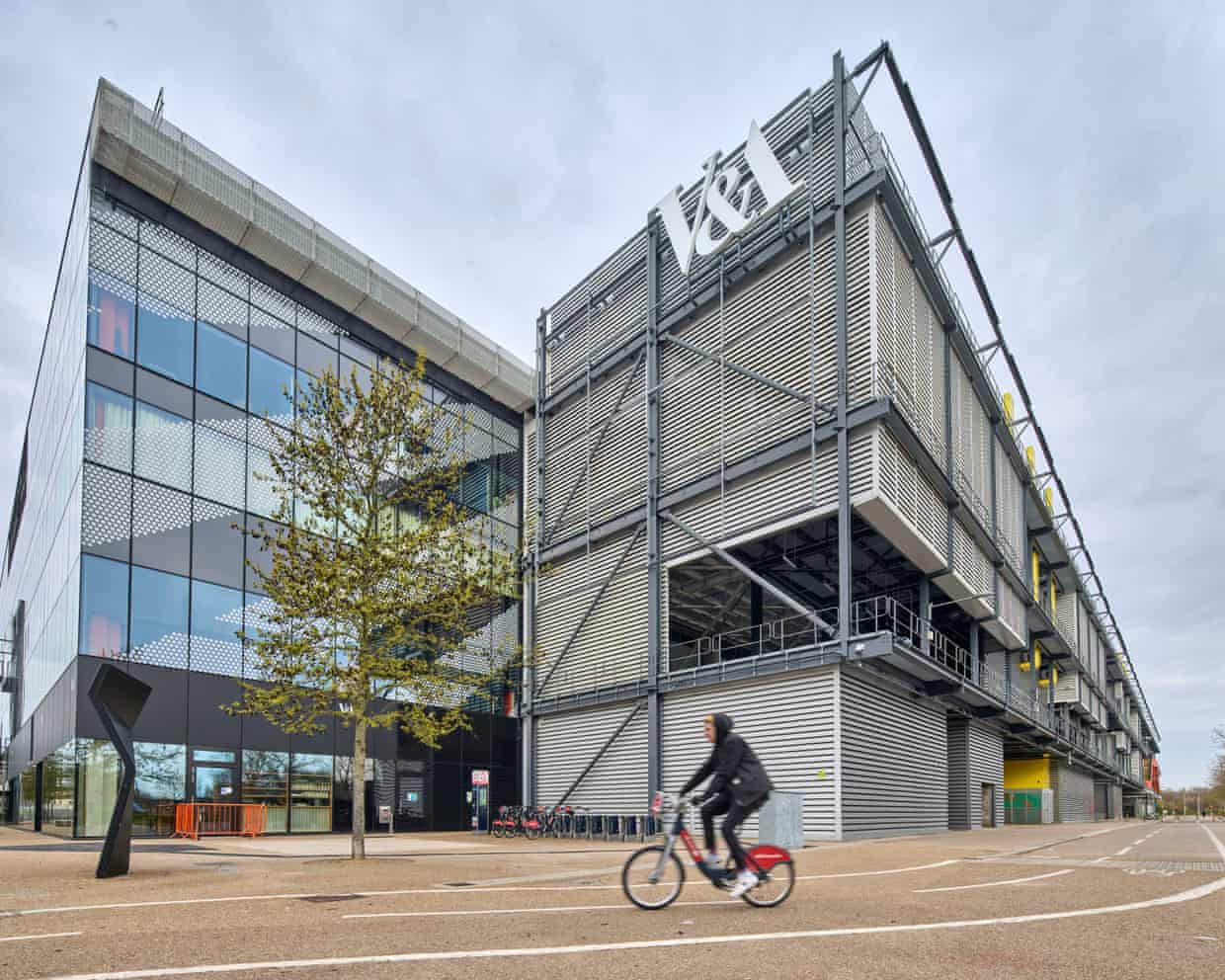
V&A East Storehouse and Norwich Castle among finalists for museum of the year
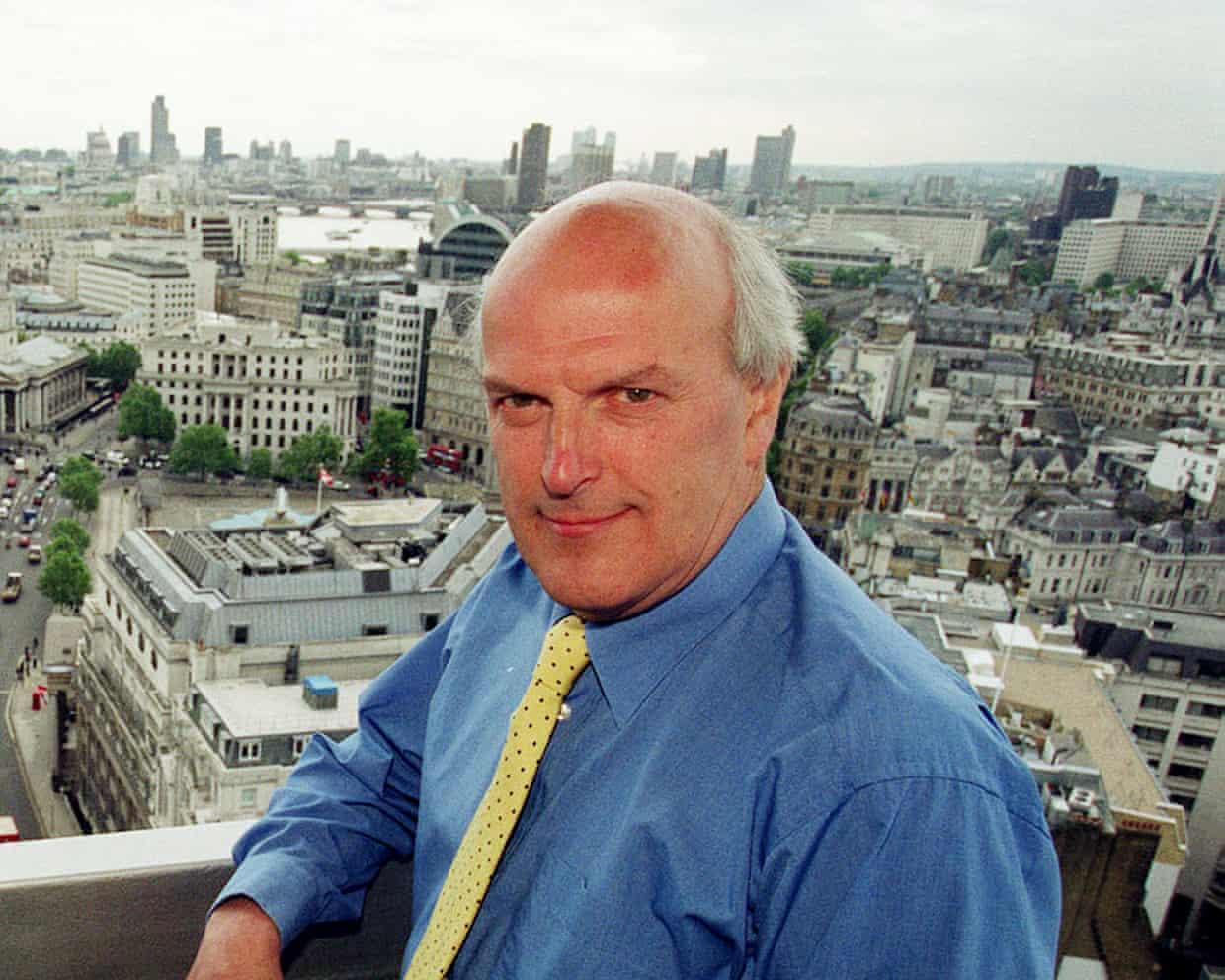
Letter: Sir Neil Cossons obituary

‘Women want to experience pleasure’: how the female gaze caught the attention of film, TV and fiction