Rising profit margins turbocharged Australia’s latest inflation figures – but something worse is just around the corner | Greg Jericho

It is rare for economic data to be out of date the moment it is published – and yet that is the case with the February inflation figures out on Wednesday at 11.30am.By 11.31am they had been digested and ignored amid a flurry of “before the full impact of the Iran war” comments.In February, annual inflation was 3.
7%, down slightly from 3.8% in January, with underlying inflation unchanged at 3.3%.If the graph does not display click hereNormally this would probably have had markets anticipating a rate rise in May, given it remains well above 3%, but that was already the case due to the governor of the Reserve Bank a couple weeks ago suggesting that “we don’t want to have a recession, but if it’s hard to get inflation down, then you know we’re going to have to deal with that possibility”.If the graph does not display click hereMore worrying is how many more interest rates rises investors now anticipate.
On the day before the bombing of Iran, the market anticipated the cash rate rising to 4,1%,Even after the bombing, the market initially saw only bad news for the global economy and foolishly thought the RBA would be wary of raising rates,But by 17 March, after the RBA governor and deputy made it very clear they wanted to raise rates, the market was pricing in at least two rate rises this year and a strong chance of the cash rate hitting 4,6% by Christmas.
If the graph does not display click hereAfter the March rate rise, as oil and petrol prices went ever higher, investors took the RBA at its word that, regardless of what was causing inflation, the RBA would send the economy into a recession if need be.For a brief moment late last week the market was fully pricing the cash rate going up to 4.85%, before calming down a bit.But there is still a better-than-even chance of it happening by the end of the year.And this week’s inflation figures won’t dampen that belief too greatly.
Because we all know worse is on the way.Almost all of February did not include the impact of the Trump administration doing Israel’s bidding and firing missiles willy nilly at Tehran without any thought of what Iran might do in return.Take petrol prices.In Sydney, unleaded petrol in February averaged around 166.0c/litre and yet by the end of the month prices were already at 189.
9c/litre,If the graph does not display click hereFor March so far, unleaded in Sydney is averaging 223,7c/litre but on Tuesday this week it was already at 248,7c/litre,Across the country unleaded petrol has risen more than 56c a litre – which is a 29% jump since the bombing began:If the graph does not display click hereThis is bad enough for most of us but, as the Antipoverty Centre has noted, for someone on jobseeker the cost of fulfilling mutual obligations has just skyrocketed past their ability to pay given the truly meagre level of jobseeker.
This is why the centre and now the Greens have written to Amanda Rishworth calling for mutual obligations to suspend such activities.When you consider that in February petrol prices across the nation fell 3.4%, a 30% increase or more will have a huge impact on March’s overall figure:If the graph does not display click hereOn 3 February the RBA’s Statement on Monetary Policy forecast inflation in June this year would hit 4.2% and then decline to 3.6% by the end of the year.
Right now, the RBA (and the government) would take those results in a heartbeat,But everyone knows the June figures will be much higher, and the big worry is so too will be the December number,And everyone also knows it has nothing to do with there being too many wage rises or demand in the economy – it’s because of the supply shock from Iran,The RBA’s belief that wage pressures from a “tight” labour market are driving inflation took another hit earlier this week when the December quarter enterprise bargaining agreement data was released,The average annual wage rises for agreements approved in the last three months of 2025 was 3.
8% – lower than the 4.0% for agreements approved in the September quarter and lower than the 4.3% for agreements approved in the June quarter:If the graph does not display click hereThe 3.7% average in the December quarter for both private and public-sector employees was the lowest since the middle of 2023.Hardly a sign of inflationary pressures.
But this was already known.The most recent GDP figures revealed what was driving inflation (something we were able to estimate in February but can now confirm).In the last half of 2025 the impact of labour costs (mostly wages and superannuation) on annual inflation fell, while the impact of profits rose.Almost all of the spike in inflation at the end of 2025 came from the increased profit margins:If the graph does not display click hereAt least the impact is not as large as it was in 2022 and 2023 when profits soared after Russia invaded Ukraine, causing oil, gas and fertiliser prices to spike.Good thing nothing like that has happened recently … oh wait, I am being handed a note.
And so, we wait to see the damage in the March figures and know that, regardless of the cause of inflation, the RBA is likely to blame workers – and they will hold to that view even if it means a recession.Greg Jericho is a Guardian columnist and chief economist at the Australia Institute

What are the rules on cryptocurrency donations to UK political parties?
Ministers are introducing a temporary ban in cryptocurrency donations following an official review.Philip Rycroft, a former senior civil servant, made the recommendation as part of a review into countering foreign financial influence and interference in UK politics.Rycroft said the moratorium would allow regulators to catch up, although a full ban was not deemed necessary. Nonetheless, “there is a risk that crypto assets are used as a vehicle to channel in foreign money”, he said.Donations of crypto assets – such as bitcoin, stablecoins and non-fungible tokens – to political parties are not illegal, although the moratorium will put these on hold

Matt Brittin: why the BBC’s new Doctor Who-loving boss may not have much time for sleep
In recent months, Matt Brittin, the Doctor Who-loving fitness fanatic and former Google executive, has made no secret of his desire to make the jump from big tech to the world of broadcasting.At the end of last year, he told an event filled with some of television’s most senior figures that he had wanted to break into their industry “for a very long time”.As the BBC’s new director general, Brittin has not only fulfilled that goal. He has parachuted into the British media’s most powerful – and treacherous – job.The 57-year-old may be a big believer in the transformative power of sleep – one of Brittin’s favourite books is Why We Sleep, by the neuroscientist, Matthew Walker – but his new job is guaranteed to ensure he has less of it
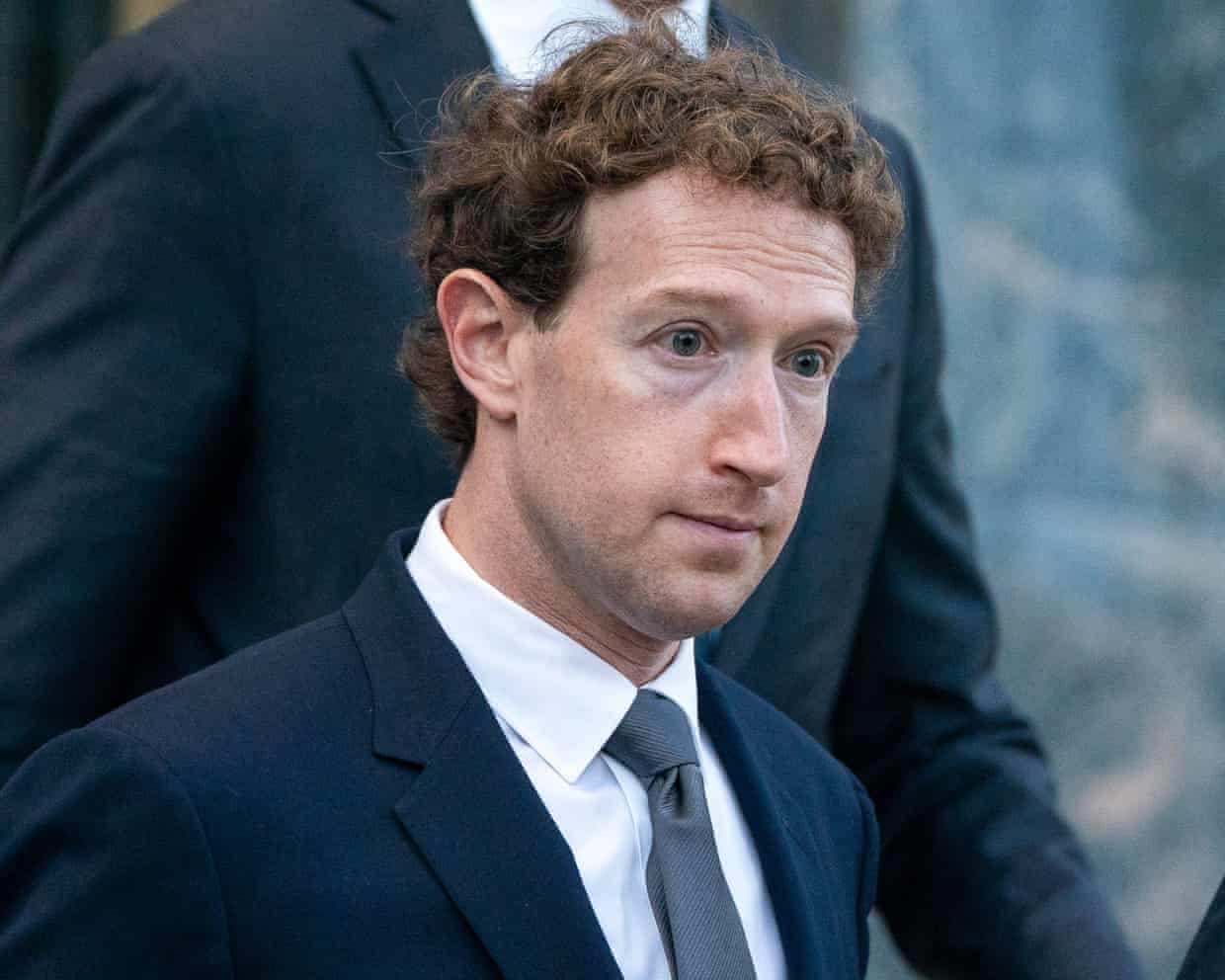
Meta ordered to pay $375m after being found liable in child exploitation case
A New Mexico jury on Tuesday ordered Meta to pay $375m in civil penalties after it found the company misled consumers about the safety of its platforms and enabled harm, including child sexual exploitation, against its users.The lawsuit – the first jury trial to find Meta liable for acts committed on its platform – was brought by the state’s attorney general office in December 2023.It followed a two-year Guardian investigation published in April of that year revealing how Facebook and Instagram had become marketplaces for child sex trafficking. That investigation was cited several times in the complaint.“The jury’s verdict is a historic victory for every child and family who has paid the price for Meta’s choice to put profits over kids’ safety,” said New Mexico’s attorney general, Raúl Torrez
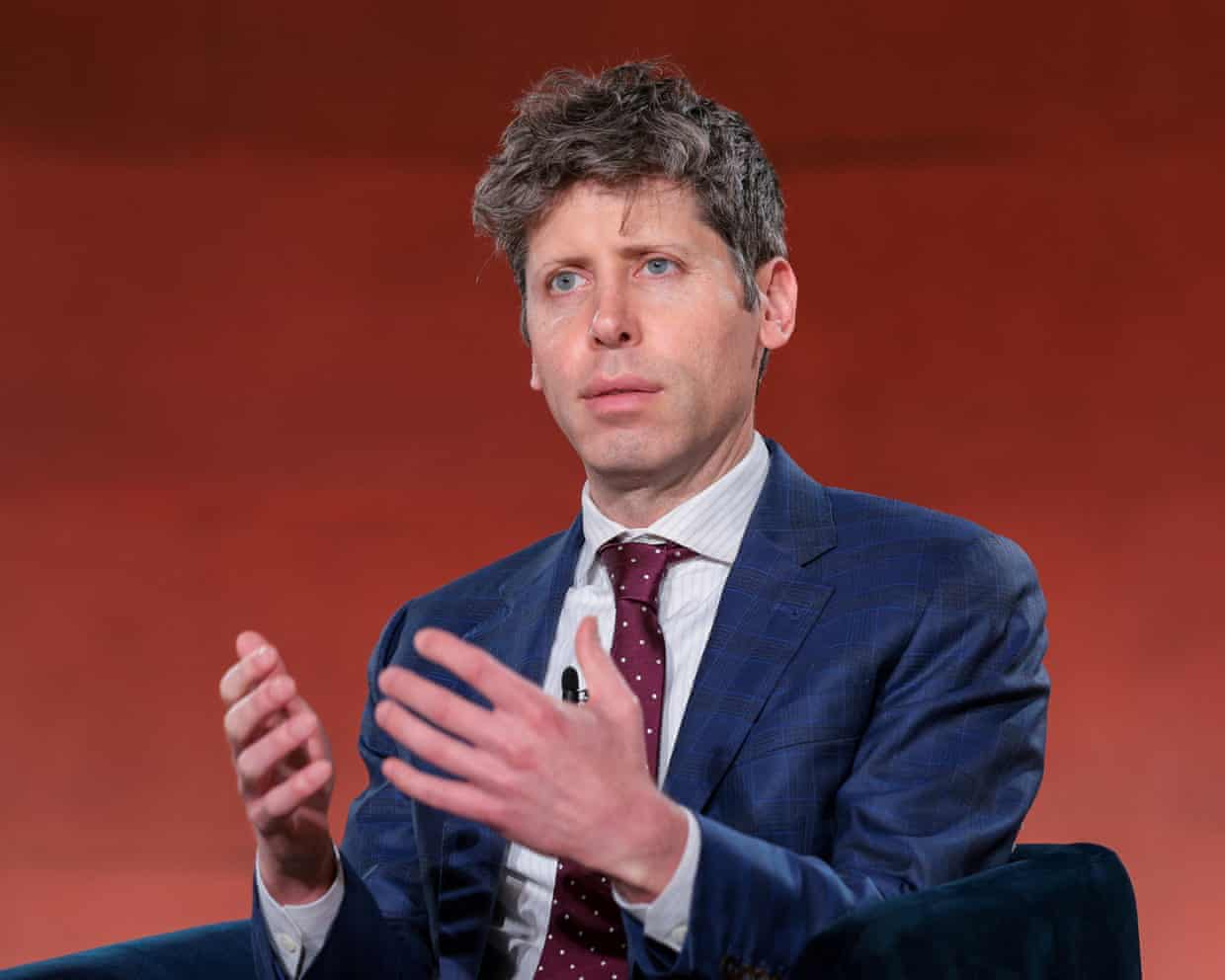
OpenAI shutters AI video generator Sora in abrupt announcement
In an abrupt announcement on Tuesday, OpenAI said it was “saying goodbye” to its AI video generator Sora. The move comes just six months after the company’s splashy launch of a stand-alone app with which people could make and share hyper-realistic AI videos in a scrolling social feed.“To everyone who created with Sora, shared it, and built community around it: thank you,” the company wrote in a post on X. “What you made with Sora mattered, and we know this news is disappointing.”OpenAI first made Sora publicly available in late 2024, but it wasn’t until the company launched Sora 2 and its stand-alone app last September that the video generator reached mainstream attention
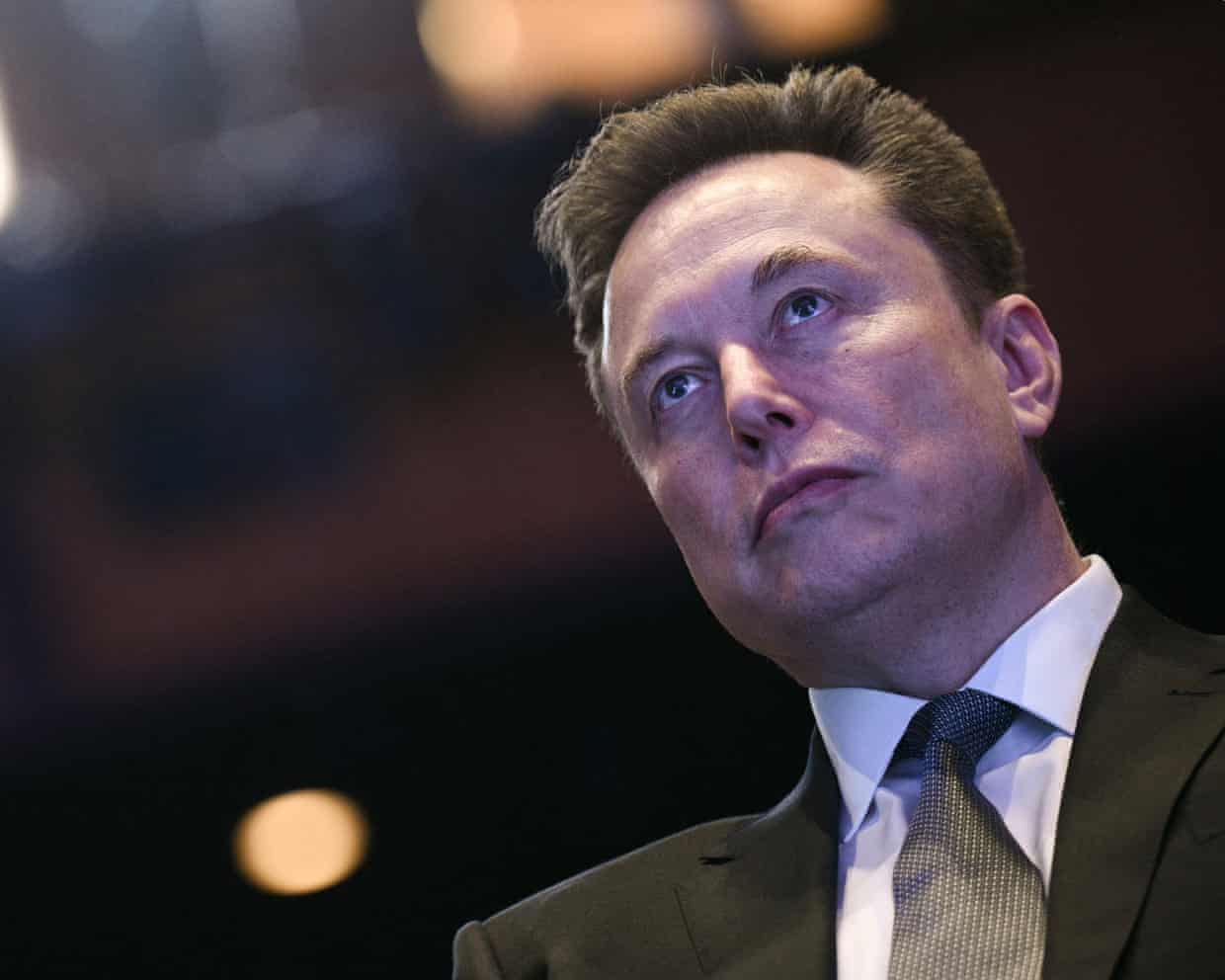
Baltimore sues Elon Musk’s AI company over Grok’s fake nude images
The mayor and city council of Baltimore, Maryland, filed a lawsuit against Elon Musk’s xAI company on Tuesday, alleging that its Grok chatbot violated consumer protections by generating nonconsensual sexualized images.Baltimore’s lawsuit argues that xAI deceptively marketed Grok as a general-purpose AI assistant and X as a mainstream social media site, failing to disclose the risks, limitations and exposure to harm that come with using the platform and chatbot. The suit, filed in the circuit court for Baltimore city, argues that the court has jurisdiction over xAI given that the company advertises and operates in Baltimore.“Grok has flooded the feeds of Baltimore’s X users with NCII (non-consensual intimate imagery) and CSAM (child sexual abuse material),” the city’s complaint states. “Grok further exposed Baltimore residents to the risk that any photograph they uploaded – of themselves or of their children – could be ingested by Grok and transformed into sexually degrading deepfakes without their knowledge or consent”
Protect men and boys from manosphere influencers, Labour MPs tell Ofcom
Men and boys need as much protection as women and girls from harmful influencers and “the worst parts of the internet”, a group of MPs have told Ofcom as they called for the regulator to give specific guidance to online platforms.More than 60 Labour MPs have written to the Ofcom chief executive, Melanie Dawes, urging her to protect men and boys from “manosphere” influencers who may expose them to gambling, sextortion and violent pornography.The Online Safety Act forced Ofcom to give tech platforms guidance on how to tackle “harmful content and activity that disproportionately affects women and girls”, but MPs argued that men and boys are also targeted in specific ways.According to the Gambling Commission, 53% of 11- to 17-year-old boys see gambling adverts online each week, compared with 31% of their female peers, while 91% of sextortion victims are male, according to the Internet Watch Foundation.Alistair Strathern, the MP for Hitchin and a co-chair of the Labour group for men and boys, said the Louis Theroux documentary Inside the Manosphere was “another reminder of a particular way some of the worst of the internet can prey on young men and boys”
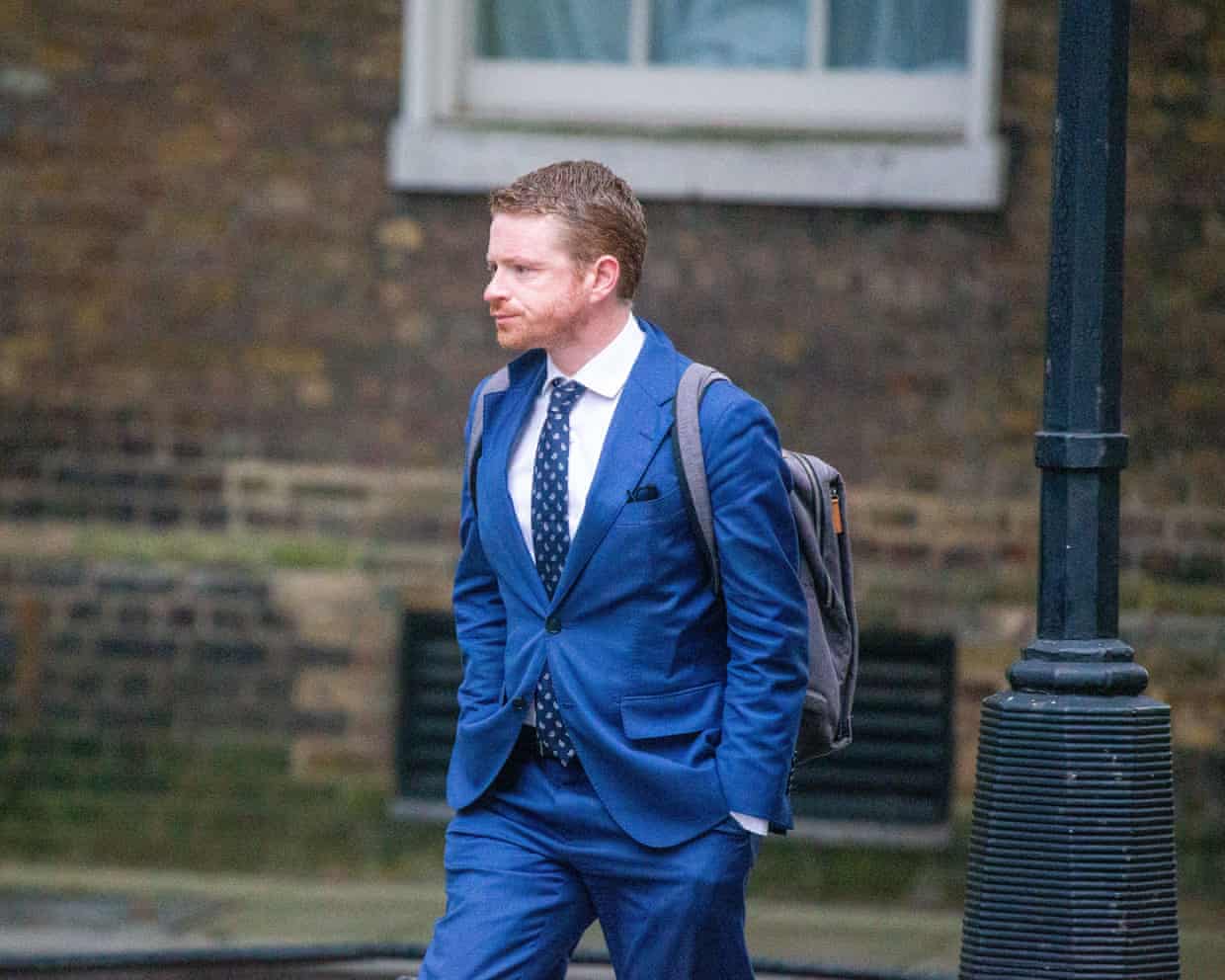
UK politics: Tories claim McSweeney has ‘serious questions’ to answer about phone theft – as it happened
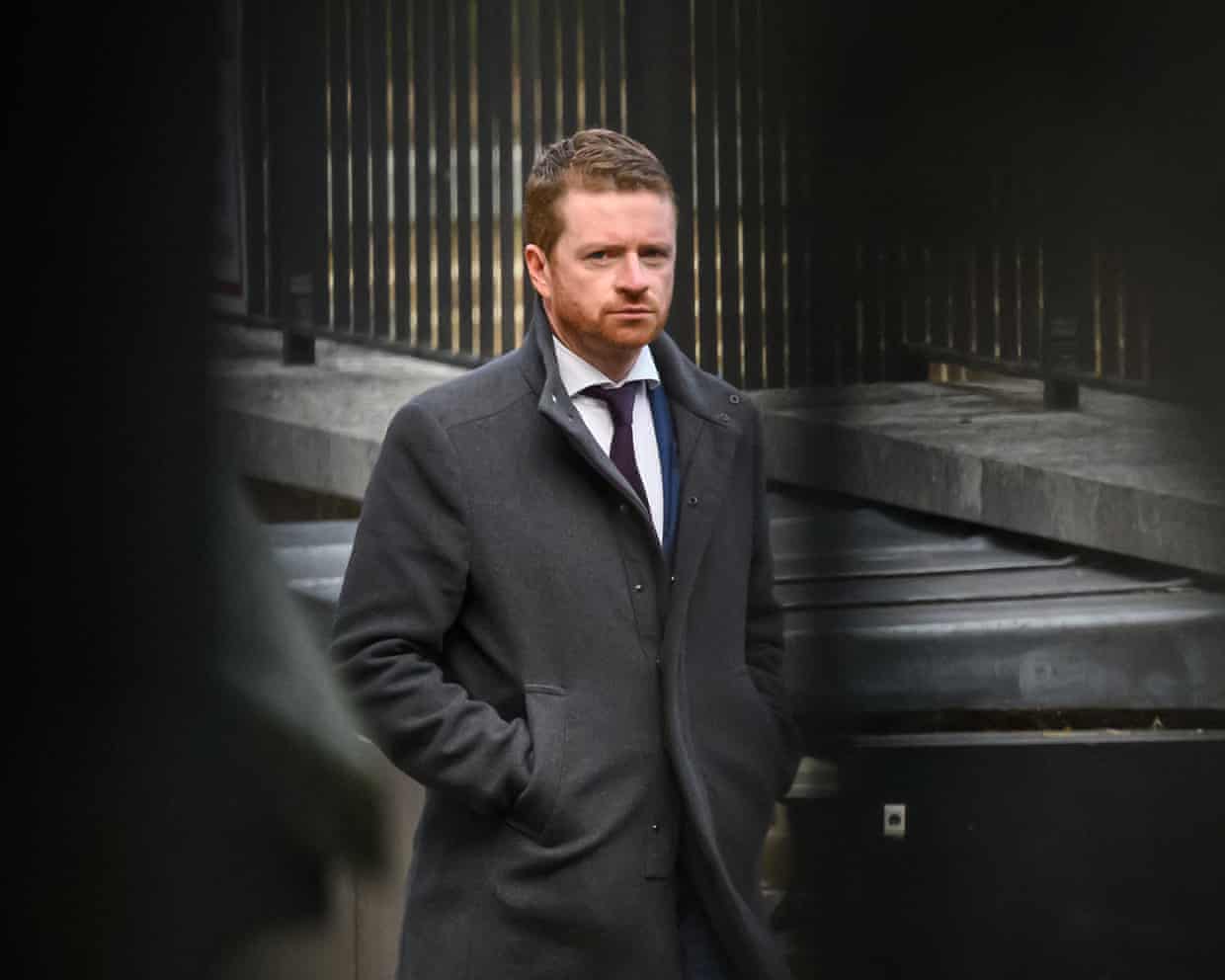
Would Morgan McSweeney’s stolen phone have Mandelson messages on it?
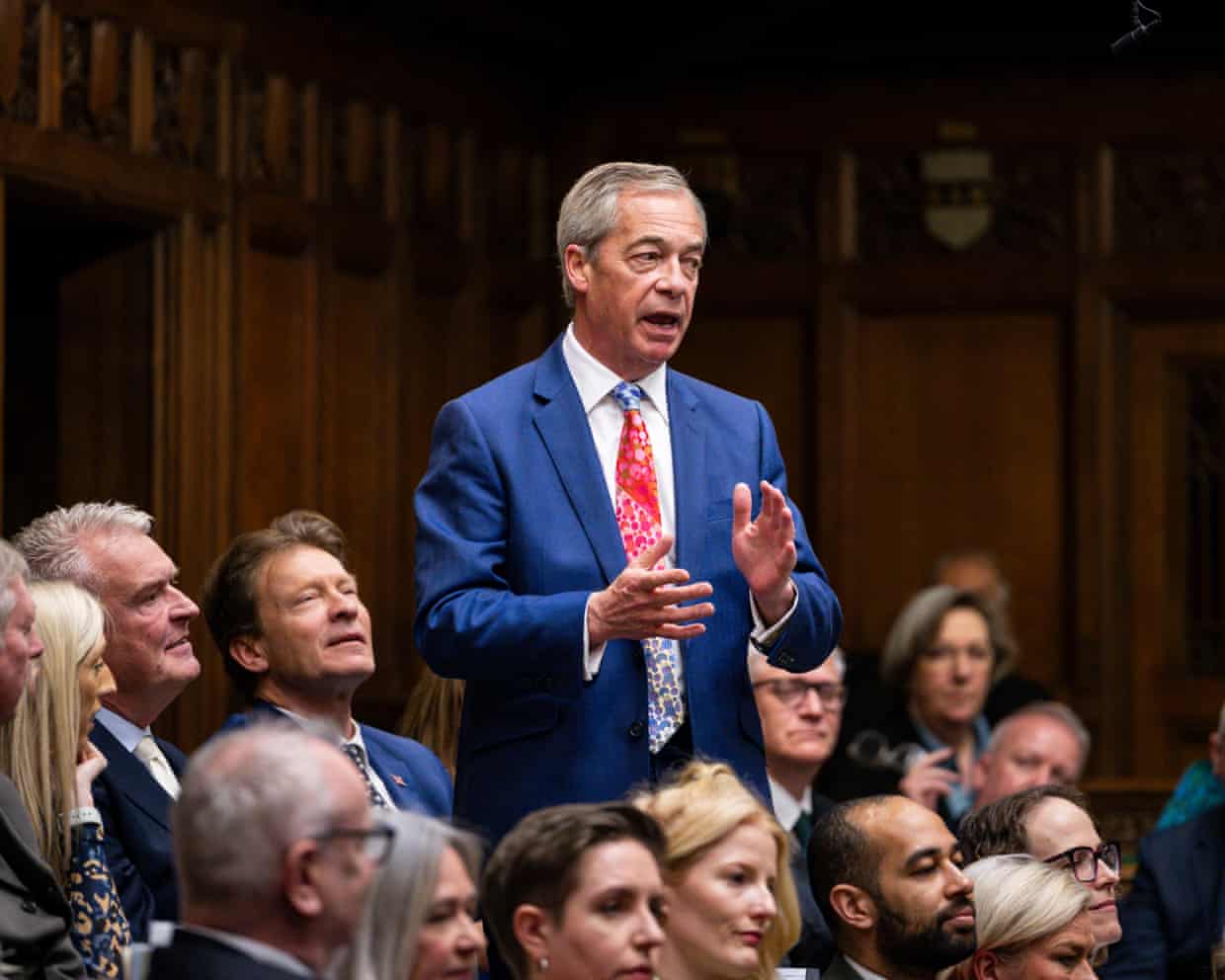
Show of strength by Reform MPs at PMQs turns into a cameo appearance | John Crace

‘Doge of the left’ could save UK taxpayers up to £30bn, says new green thinktank
English councils to get guidance on designing safer streets for women and girls
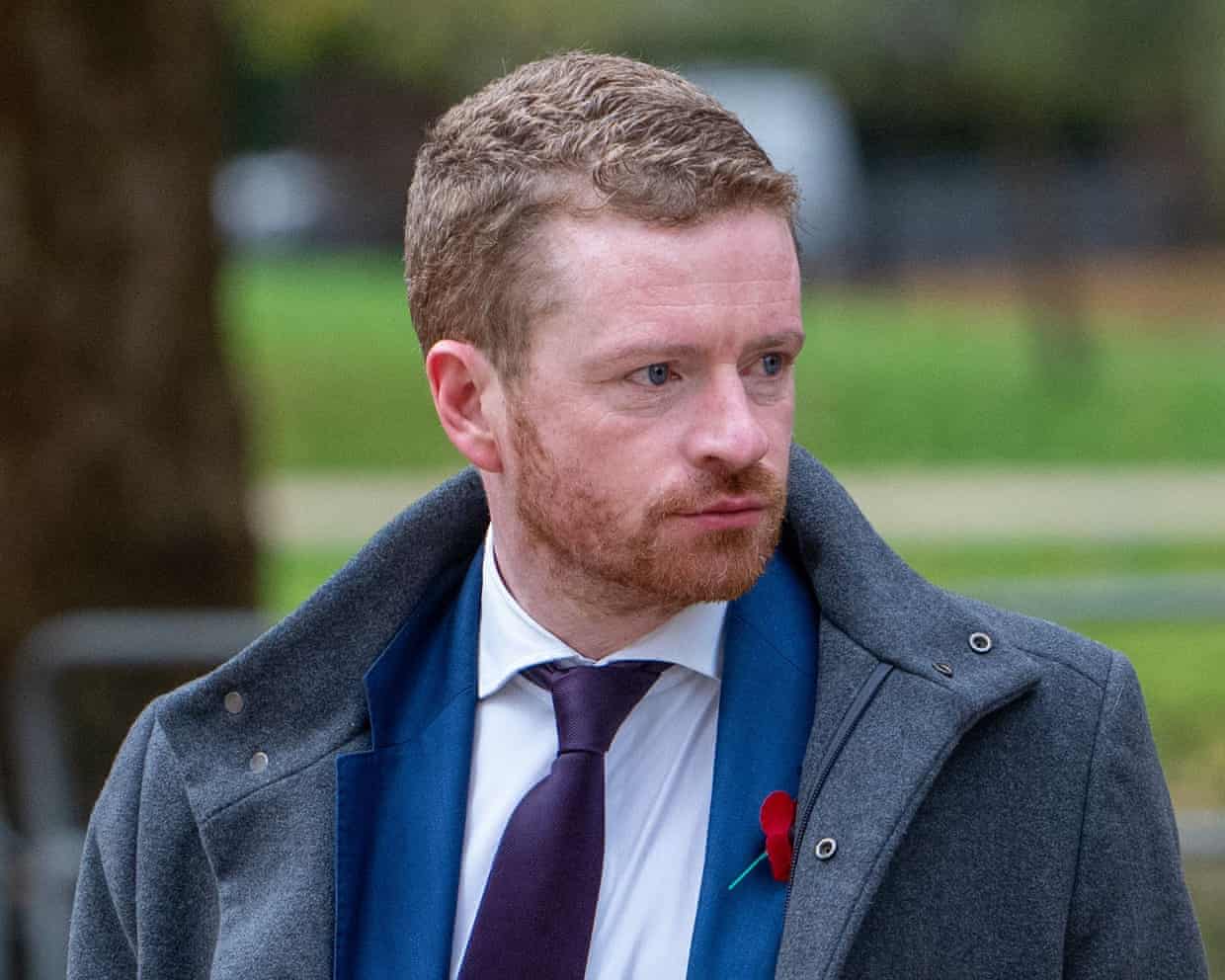
Police to reassess Morgan McSweeney phone theft over address error