Another RBA rate rise won’t fix inflation – it will just smash households already hit by soaring fuel costs | Greg Jericho
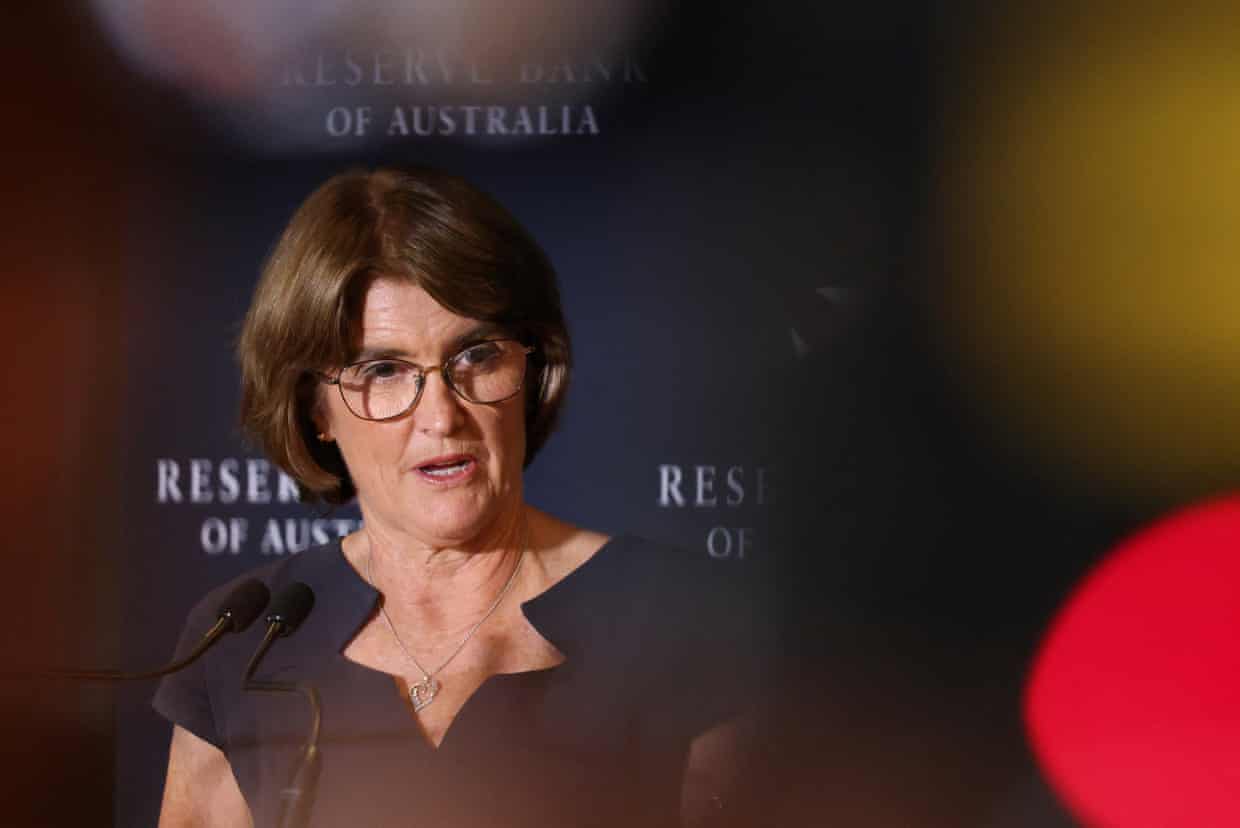
With the release of the March inflation figures on Tuesday showing a big jump, the likelihood of a rate rise next week has become all but certain.Admittedly it was all but certain before the release of the figures, because the Reserve Bank is determined to smash households even though the cause of inflation is overwhelmingly due to international events.A month ago I noted of the February inflation figures that they were out of date the moment they were released given they did not take into account the impact of the rise in prices from the war on Iran.And so it has come to pass.In the month of March alone, inflation rose 1.
1% and annual inflation rose from 3.7% to 4.6%.But we need to remember that this is the new monthly measure – which is quite erratic.The old-style quarterly measure of inflation has annual inflation at just 4.
0% (because petrol prices only rose in March, not in January and February)If the graph does not display click hereEveryone expects the Reserve Bank will use this as an excuse to raise rates, but really the figures show just how pointless such a rise would be at affecting inflation,It would instead just be another whack on households who have already been hit by fuel costs,Almost all of inflation in March was driven by petrol prices,Last month I forecast automotive fuel would rise 30%,I was wrong – it rose 32%!If the graph does not display click hereThat translated to automotive fuel contributing to 1 percentage point of the monthly increase in inflation.
If we excluded petrol price rises, inflation in March would have been just 0.1% rather than 1.1%:If the graph does not display click hereThis is why, when you peel back the figures, things actually are not that bad.They certainly do not warrant the doom and gloom from some economists who seem desperate for a recession and are demanding the Reserve Bank raise the cash rate all the way up to 5%.Yes, inflation rose to 4.
6% – a huge jump.But that was because in late February the US and Israel began bombing Iran and the strait of Hormuz was closed and sent oil prices soaring about 70%.We are not going to see a jump like that again – even if bombing was to resume:If the graph does not display click hereThat one-off increase in fuel prices was an exception.If the RBA had any sense it would ignore it.The cash rate does not change the price of oil, and has only a marginal impact via the exchange rate.
The RBA says it likes to focus on the “underlying” or “core” inflation, which is measured by the trimmed mean.This measure strips out the biggest price falls and rises, and stayed utterly flat at 3.3%.Similarly, the RBA looks at whether the inflation is driven by “tradable” or “non-tradable” items.Tradeable ones are those whose prices are mostly set internationally (fuel, beef and lamb, furniture, clothing), whereas non-tradeable prices are set within Australia (rents, childcare, education, and all services).
In March, the annual growth of tradable items went from 1.3% to 4.5% while the growth of non-tradable prices fell from 5.0% to 4.6% – so the domestic price growth slowed:If the graph does not display click hereThe price growth of market services also fell from 3.
5% to 3,1%, and the prices of discretionary items – those goods and services that we buy more of when we are feeling flush – also fell, from 3,0% to 2,8%,There is no sign that the domestic economy is speeding up or running hot.
In March, petrol prices rose; but in April they have fallen to less than they were before the Iran war began – due in large part to the halving of the fuel excise:If the graph does not display click hereThis means that whereas automotive fuel prices caused a big increase in inflation in March, they will also cause a big fall (or at least a very small rise) in inflation in April.There is a lot going on with prices.The flow-through of higher food prices due to fuel and fertiliser costs is mostly still to come, and also – as we saw in 2022 after the Russia invasion of Ukraine – companies will likely use the conflict to fatten their own profit margins by increasing prices.The uncertainty, however, surely should see the RBA realise it is best to wait and see what happens.Next month the latest wages data will be released and it will show that once again real wages have fallen and are not contributing at all to increased inflation.
None of this though will I suspect stop the RBA.The desire to raise rates, even if it is merely to look like they are doing something, is baked into their DNA.Greg Jericho is a Guardian columnist and chief economist at the Australia Institute
From the Pocket: The AFL’s deference to technology only creates more doubt and uncertainty
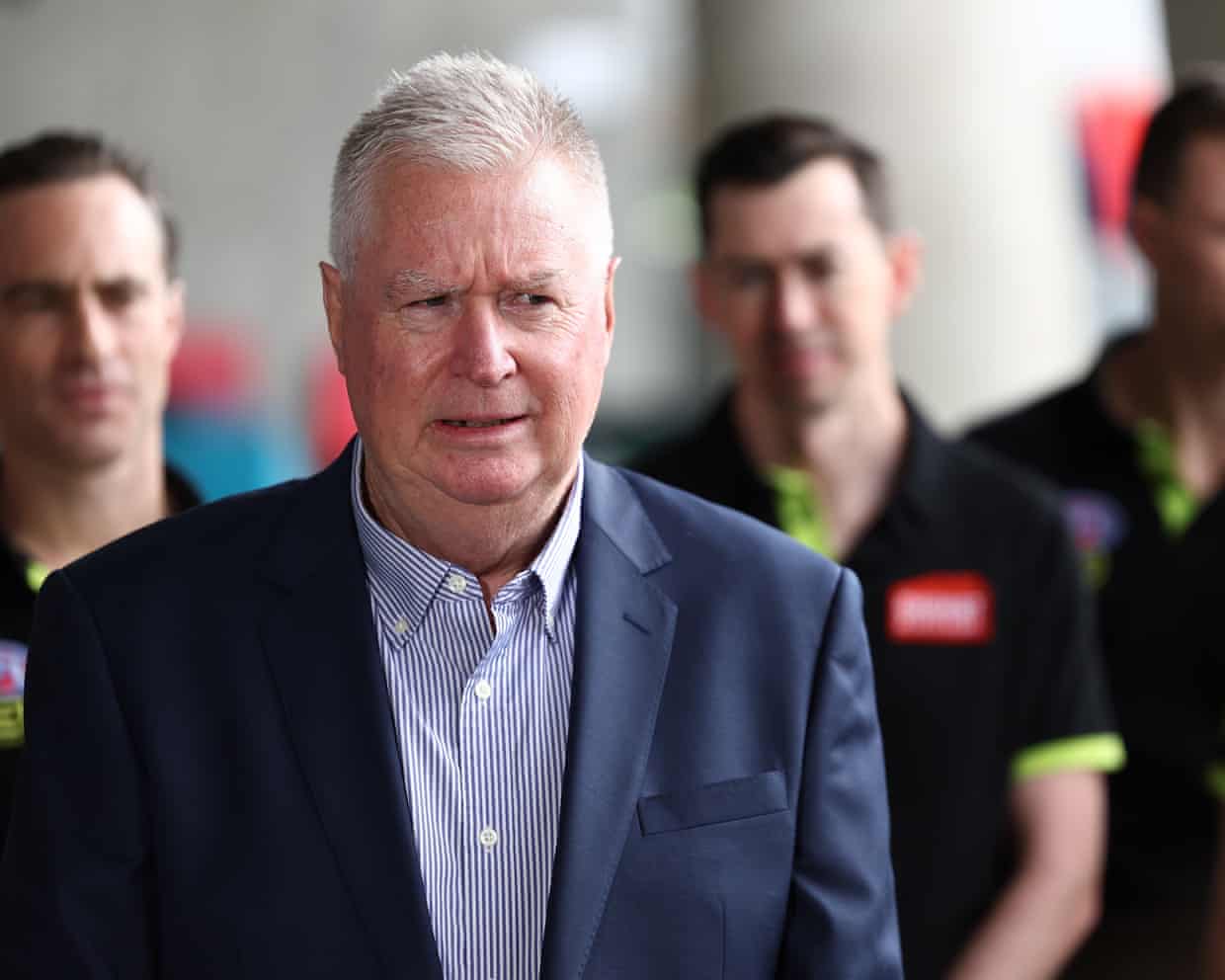
When Greg Swann was appointed executive general manager of football performance at the AFL, many saw him as the man to cure all the sport’s ills. He was one of those footy people known primarily by his nickname, a man who projected an air of knockabout affability, a man renowned for getting things done. He would apply “the pub test” to many of football’s most pressing issues: the draft, the rules, the umpiring, the AFL review centre (ARC). “Swanny”, we were assured, was the man who would make footy’s trains run on time.One of the first things Swann’s predecessor, Laura Kane, did in the role was embark on an overseas study tour
Ultramarathon swimmer sets record pace over 55km in crocodile-filled Australian river
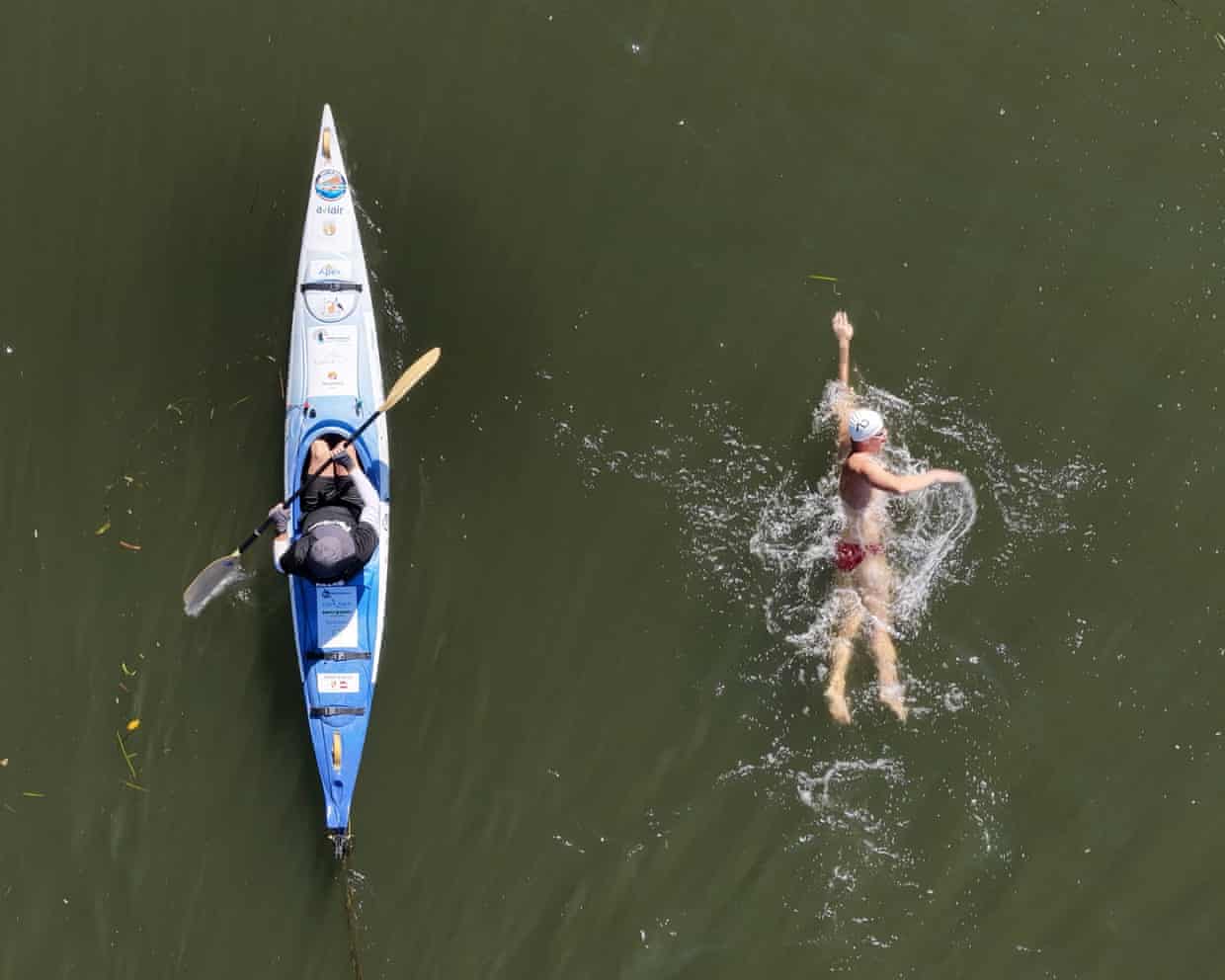
Andy Donaldson and his team were aware of the dangers that lay ahead, but just in case a reminder was needed, a huge 2.5-metre freshwater crocodile waiting at the start ramp ahead of his longest-ever solo swim put the challenge into stark focus.Donaldson, a British-Australian ultramarathon swimmer, was about to embark on the 55km Dam to Dam Challenge from Lake Argyle to Kununurra in the East Kimberley, hoping to become the first man to complete the gruelling endurance swim.Adding to the difficulty was the fact the Ord River in remote Western Australia is well known for its reptilian inhabitants; the freshwater crocodile population numbers 5,500 – one croc for every 10 metres of his swim.Fortunately for the 35-year-old, freshwater crocodiles are smaller and more timid than their saltwater counterparts – the world’s largest reptiles – and unlikely to approach humans

Cardinals ‘heartbroken’ after former defensive end Josh Mauro dies at age of 35
Former Arizona Cardinals and New York Giants defensive end Josh Mauro has died at the age of 35.Mauro’s father, Greg, confirmed the news in a post on Facebook.“With many tears and broken hearts, yet anchored in the unshakable certainty that our precious Josh Mauro is now healed and made new — living in the presence of the Lord — we humbly covet your prayers as our family walks through the devastating loss of our amazing son, brother, uncle, grandson and friend,” Greg Mauro wrote. “On Thursday, April 23rd, Josh breathed his last breath on this earth and his first breath in heaven.”Two of Mauro’s former teams, the Cardinals and Raiders, paid tribute to the player
West Ham urged to show ‘heart and soul’ over London 2029 World Athletics bid
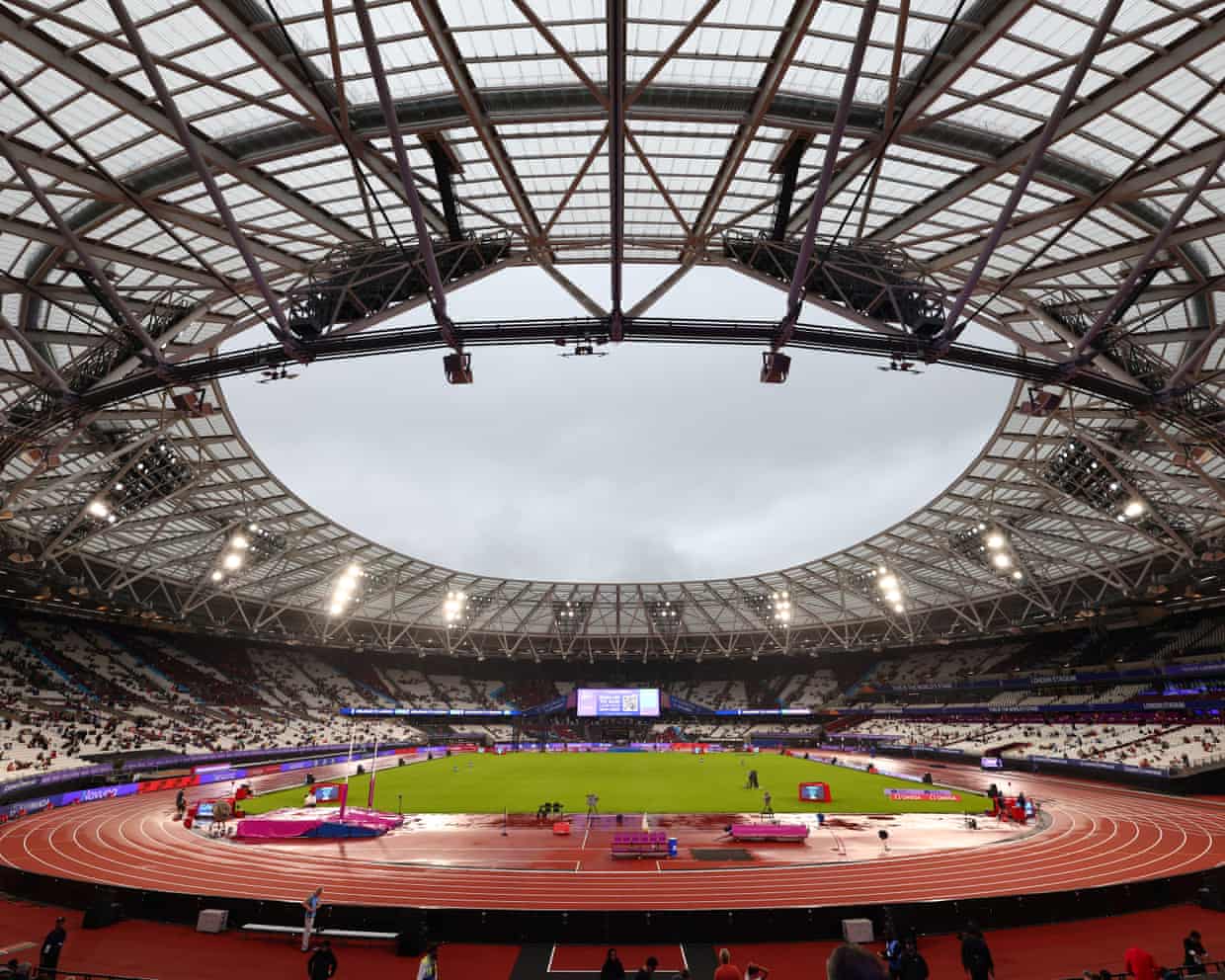
The head of the London Marathon has urged West Ham to show more “heart and soul” amid fears they could scupper Britain’s chances of hosting the 2029 World Athletics Championships.While London’s bid is seen as the favourite, it has hit a major stumbling block with West Ham refusing to give up their stadium for around two weeks in September 2029 because the football season will be under way.Hugh Brasher, who is part of the London 2029 bid team, admitted that the situation was further complicated by the Hammers facing relegation and the departure of the club’s vice-chair, Karren Brady.“Football is an interesting, very tribal, sport,” said Brasher. “Money talks

‘It’s a gamechanger’: Lewis Hamilton’s groundbreaking Mission 44 recruits working in F1
Sports people can be more than the sum of their athletic achievements. Lewis Hamilton stands unquestionably as one of the greatest drivers in the history of Formula One having delivered records and outstanding performances that will be hard to surpass. Yet it is indicative of his character that the seven-time world champion rates them all as sitting only alongside what might ultimately be his most significant and long-lasting legacy. His Mission 44 foundation is making an indelible impact on the makeup of motorsport.“Talent is everywhere, opportunity isn’t and that’s what we’re here to change

‘Like cutting the head off a hydra’: how Mary Cain exposed Nike’s disgraced coaching team
“As someone who has lost touch with reality, I like to hold a firm grasp on it now,” Mary Cain says while we walk through a palm-tree spotted campus in California.She’s telling me why she insisted she write her own memoir, This Is Not About Running, without ceding the narrative to a ghostwriter, as happens with many athletes. “My story is so complicated … there are so many bad actors that I think it forces the reader to embrace nuance, and I don’t think you see that very often.”At 29, Mary Cain is a decade removed from her experience as the United States’ highest hope for a middle-distance track star since Mary Decker smashed women’s world records up and down the stat sheet in the 1970s and 80s.Cain set four different national high school records as a teen, and as a 17-year old made the world championships in the 1500m, finishing 10th in a field of pros

Co-op marking commonly stolen items with forensic spray to track reselling
Another RBA rate rise won’t fix inflation – it will just smash households already hit by soaring fuel costs | Greg Jericho

Reliance on Chinese green tech poses ‘serious’ risk for Europe, experts say
Barclay family avoids bankruptcy after deal with HSBC over £143m debt
UK refineries asked to maximise jet fuel production amid supply fears

UK firms in ‘critical financial stress’ jump by a third as costs rise, report finds