Middle East crisis pushes up oil prices – and could drive inflation rises too
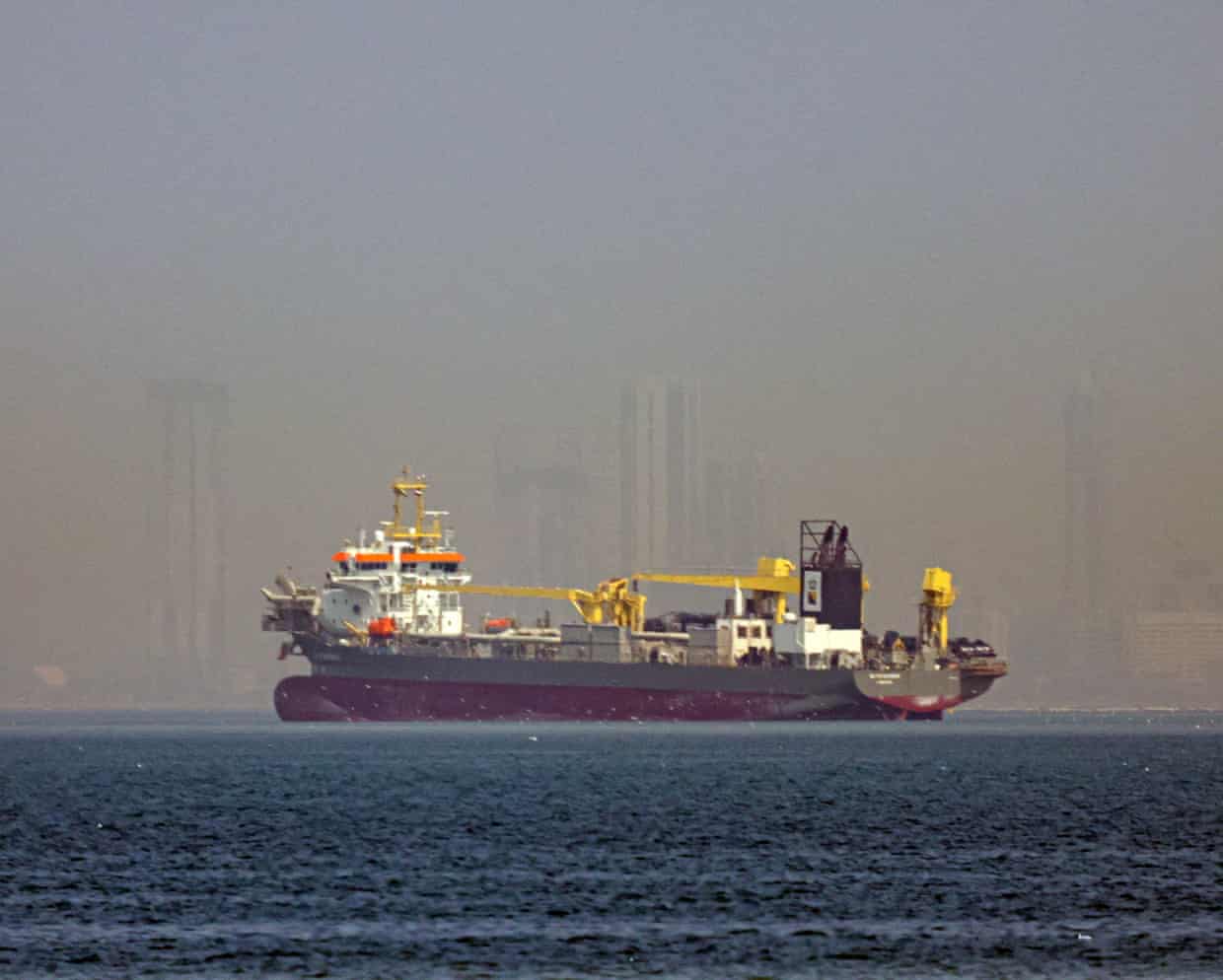
The impact of the deadly and unpredictable conflict in the Middle East on the global economy will be felt most immediately, and keenly, through the rising cost of oil.Prices jumped on Monday, as markets had their first opportunity to digest the weekend’s tit-for-tat attacks.A barrel of Brent crude oil was trading at about $79 (£59) by lunchtime in London, up about $6 or 8.5% on the day.The price had already risen significantly this year, from just above $60 in January, as tensions between the US and Iran intensified.
Natural gas prices have shot up too, with the waterway also a vital artery for liquid national gas supplies,Benchmark European gas prices were up 38% on Monday, exacerbated after state-owned QatarEnergy said it was halting production at two sites after drone attacks,As the economic impact of Russia’s invasion of Ukraine underlined, rising energy costs feed through rapidly to consumers’ pockets and have wider knock-on effects for the cost of just about everything else,Net energy importers in Asia and Europe, including the UK, will be hit harder by higher prices,The US, with its shale oil supplies and strategic petroleum reserve, should be more able to insulate itself – though a prolonged spell of higher costs could deter the Federal Reserve from delivering the interest rate cuts Donald Trump dearly wants.
How high energy prices may go will depend on the scale of disruption to traffic through the crucial supply route of the strait of Hormuz, as well as the risk of direct attacks on energy infrastructure in the wider region.Tankers are already declining to use the strait of Hormuz, which carries about 20% of global oil supplies – with insurers, perhaps not surprisingly, reluctant to provide cover.Some reports on Monday suggested ships are dodging the Suez canal too, as conflict engulfs the wider region.That could push up shipping costs for other goods besides crude.Economists at Goldman Sachs suggest that in a worst-case scenario, in which the strait of Hormuz was completely blocked for a month, oil prices would jump by as much as $15 a barrel – though that could be partly mitigated by ramping up supplies via other routes.
The Opec+ producers’ cartel has already signalled a modest increase in quotas.This fresh spike in oil prices comes at a challenging time for policymakers, just as many felt they had finally vanquished the dramatic rise in inflation that followed the restarting of supply chains after the Covid pandemic and Russia’s invasion of Ukraine.Central bankers typically “look through” short-term supply shocks such as a temporary surge in the oil price; but some – including the Bank of England in the UK – remain concerned about elevated inflation expectations.The odds of a rate cut at the Bank’s next meeting on 19 March fell on Monday morning to 69%, from about 80% last week, amid the risk of a new tick upwards in prices.Aside from the effects of costlier oil, economies in the Middle East – including Dubai, for example – that have sold themselves as attractive destinations for tourism and global business may struggle to maintain that brand after news footage of Iranian attacks beamed worldwide.
But surveying the damage on Monday morning, economists said the vital question for the world economy was whether oil prices rise further – and how long that lasts.“The duration of the shock matters as much as its magnitude,” said Neil Shearing, chief economist at consultancy Capital Economics.“If prices retrace over the next few months – either because the conflict de-escalates or because producers increase output to offset any disruption – then the impact on inflation in developed markets is likely to be modest and short-lived.”If oil prices shoot up to $90-100 a barrel and stay there, however, inflation in developed markets would be up to 0.8% higher than expected, central banks could find themselves forced to start raising interest rates once more, and consumers would be squeezed, putting the brakes on growth.
That is certainly not a scenario Trump wants to see, but few would bet on this unpredictable conflict being neatly wrapped up soon,
Labour Together ‘making clean break’ after former director resigns as minister
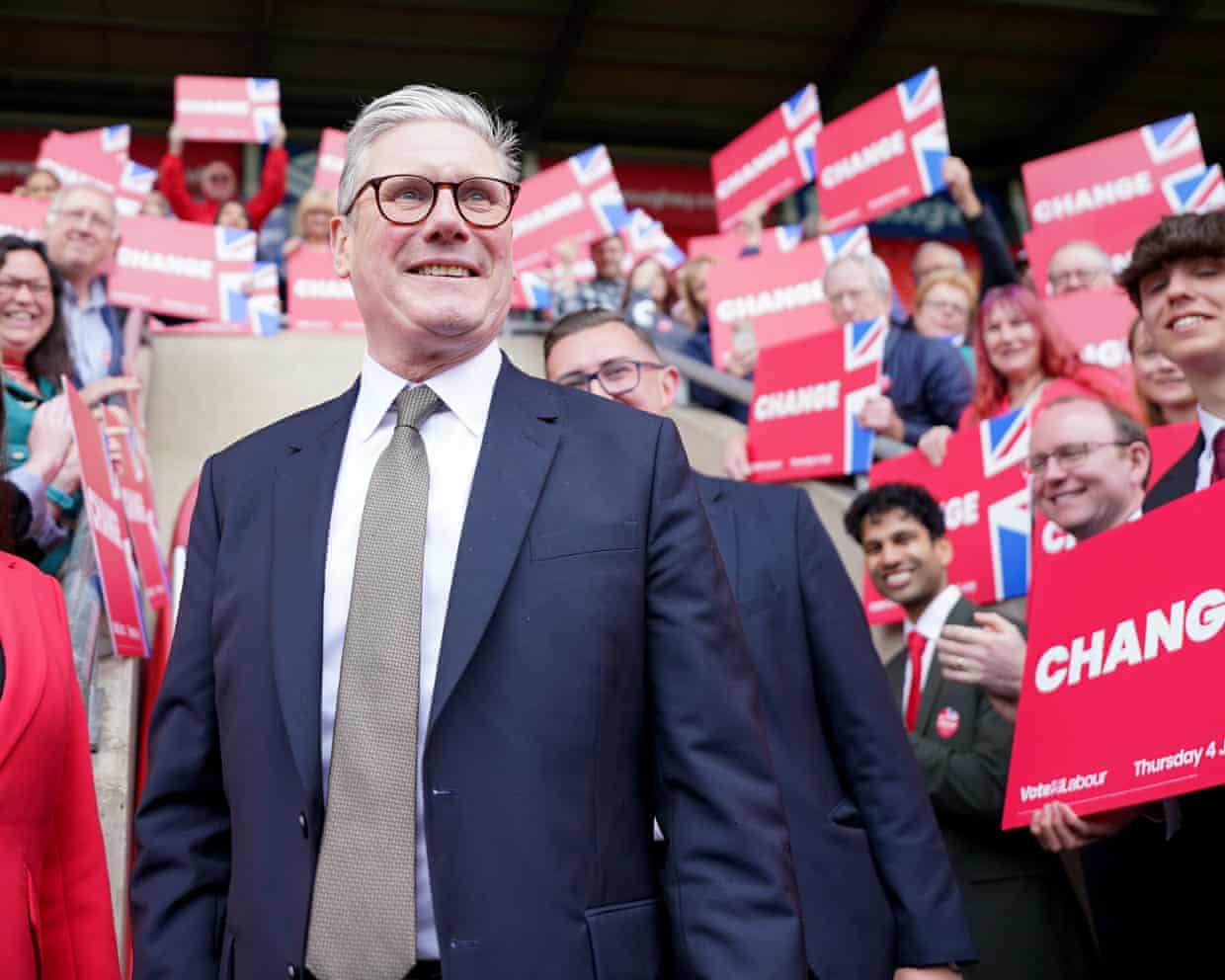
A Labour thinktank that helped Keir Starmer into No 10 has said it is making a “clean break” from the past after its former director, Josh Simons, resigned as a minister over a report falsely linking journalists to a “pro-Kremlin” network.The board of Labour Together distanced itself from Simons’ decision in 2023 to hire a lobbying firm to investigate Sunday Times, Guardian and independent reporters who were looking into its failure to declare more than £700,000 in donations.Simons, who led Labour Together at the time and commissioned the £36,000 report, stepped down as a Cabinet Office minister on Saturday over the scandal.However, Labour Together’s activities remain under scrutiny, with the Conservative leader, Kemi Badenoch, saying Starmer should cut ties with the thinktank and return its donations.“Simons has resigned so it’s clear Labour Together is utterly finished as an organisation,” she said
Byelection trouncing has lessons for Labour | Letters
Gorton is the place where my great-grandmother was born into a railway family in 1875. At that time, it was world-famous for making locomotives, and was one of the most industrialised and polluted places in the country. When I first knew it in the 1960s, the great engineering works were closing, putting thousands of skilled men on the dole. The close-knit terraced streets were being torn down, leaving just abandoned pubs on the street corners for a while. It was one of many northern towns that seemed to have died

Green party membership in UK passes 200,000 after byelection victory
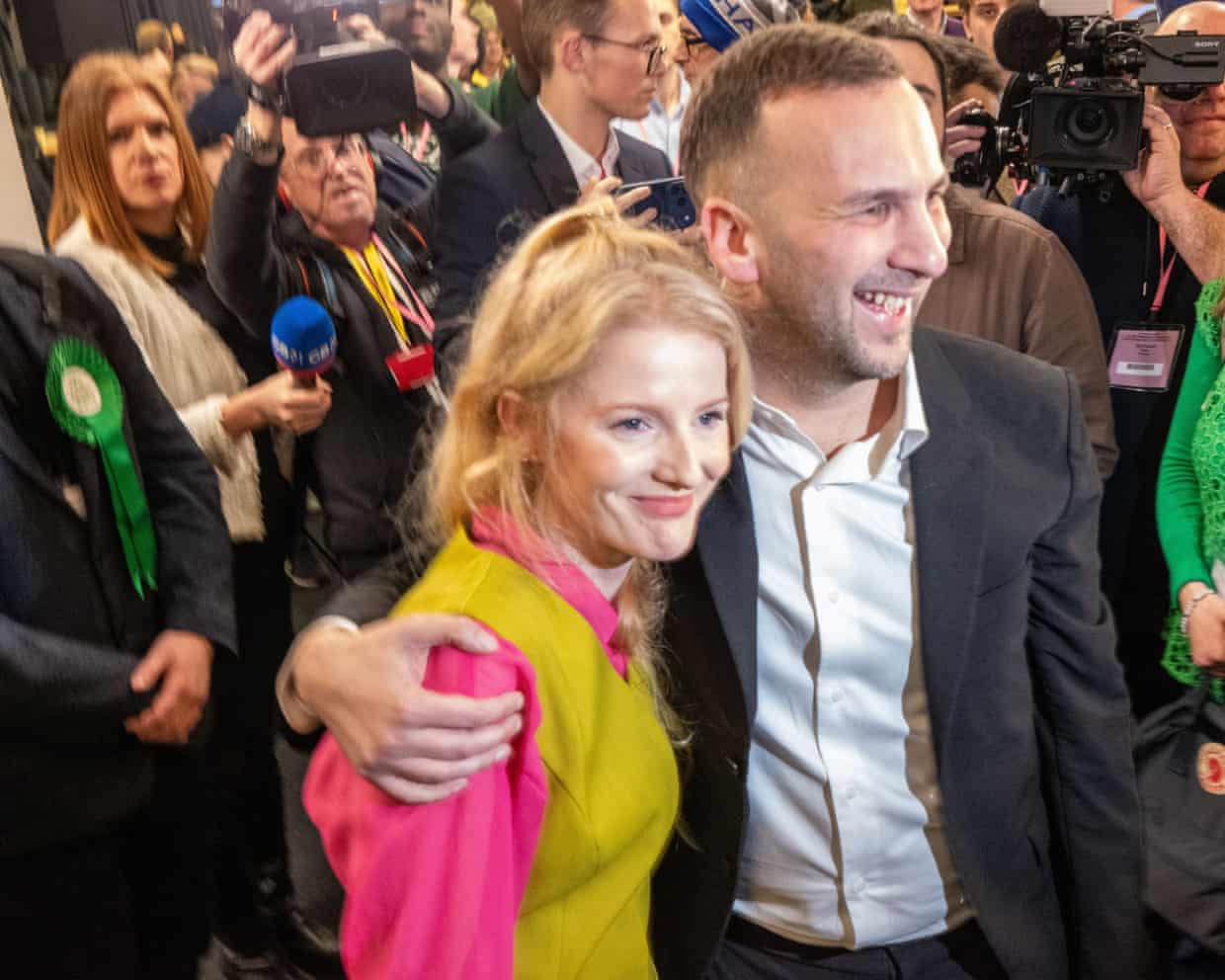
The Green party said its membership had passed 200,000 this weekend in the wake of its victory in the Gorton and Denton byelection, in which it overturned a huge Labour majority.The party’s membership has tripled since September last year, when it was about 68,000, after the announcement of Zack Polanski as its leader.The Green victory in Gorton and Denton is its first in a national byelection, forcing Labour into third place with Reform in second.The Greens now have five MPs and are regularly matching the Lib Dems in the polls while snapping at the heels of Labour and the Conservatives.Labour is under pressure from some of its MPs to steer more to the left to win back progressive voters from the Greens after the byelection result, where 34-year-old plumber Hannah Spencer was elected
Keir Starmer was advised to ditch net zero. He needs to re-embrace it
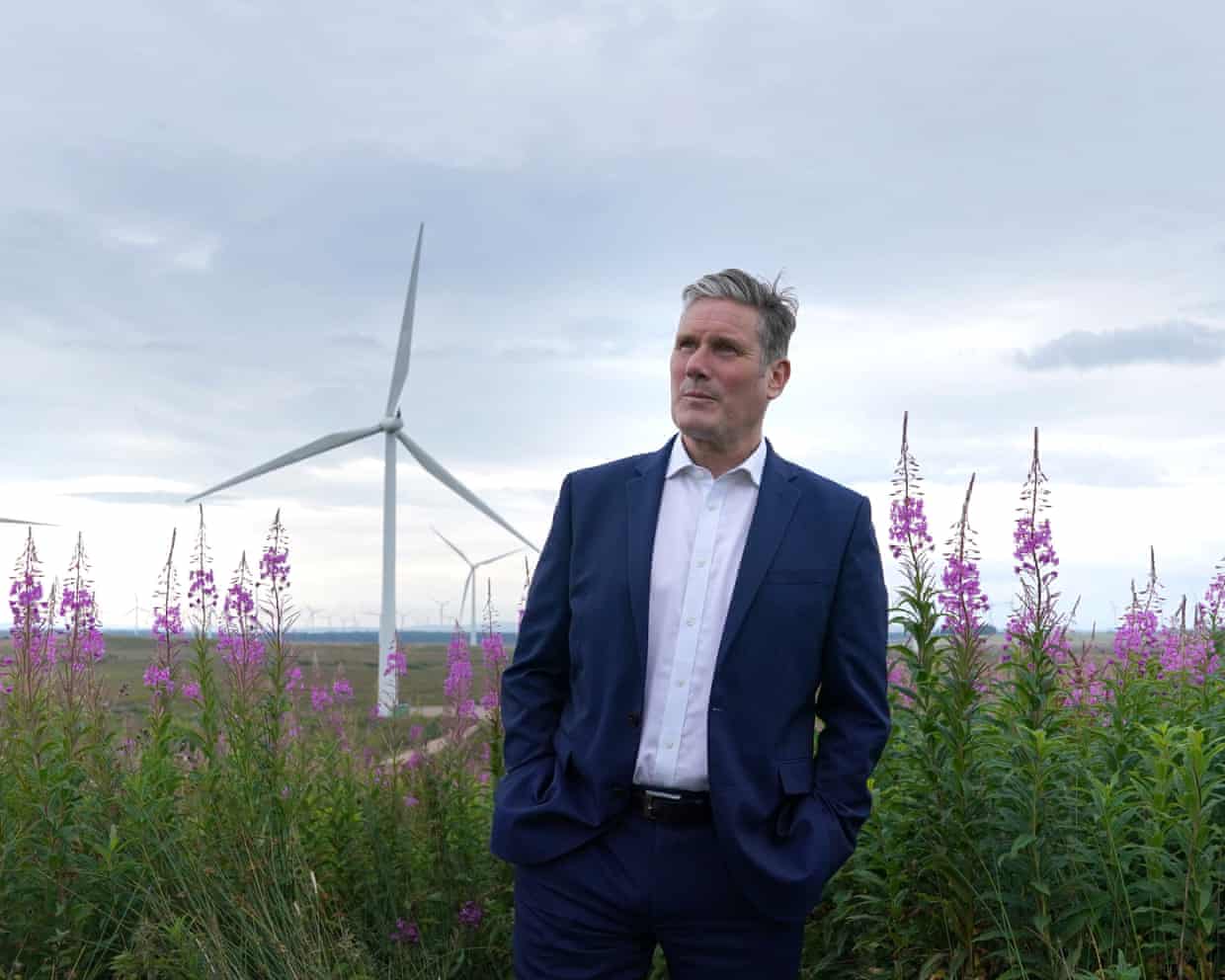
Less than a year ago, Keir Starmer stood in front of an audience of senior officials and business leaders from 60 countries in London to declare climate action was “in the DNA of my government”.Vowing to go “all out” for net zero and to “accelerate” while others were slowing down, the Lancaster House speech was his strongest intervention yet on the issue. “We’re paying the price for our overexposure to the rollercoaster of international fossil fuel markets,” he said. “Homegrown clean energy is the only way to take back control of our energy system.”For many who know Starmer, that speech reflected his genuine and rationally thought-out view
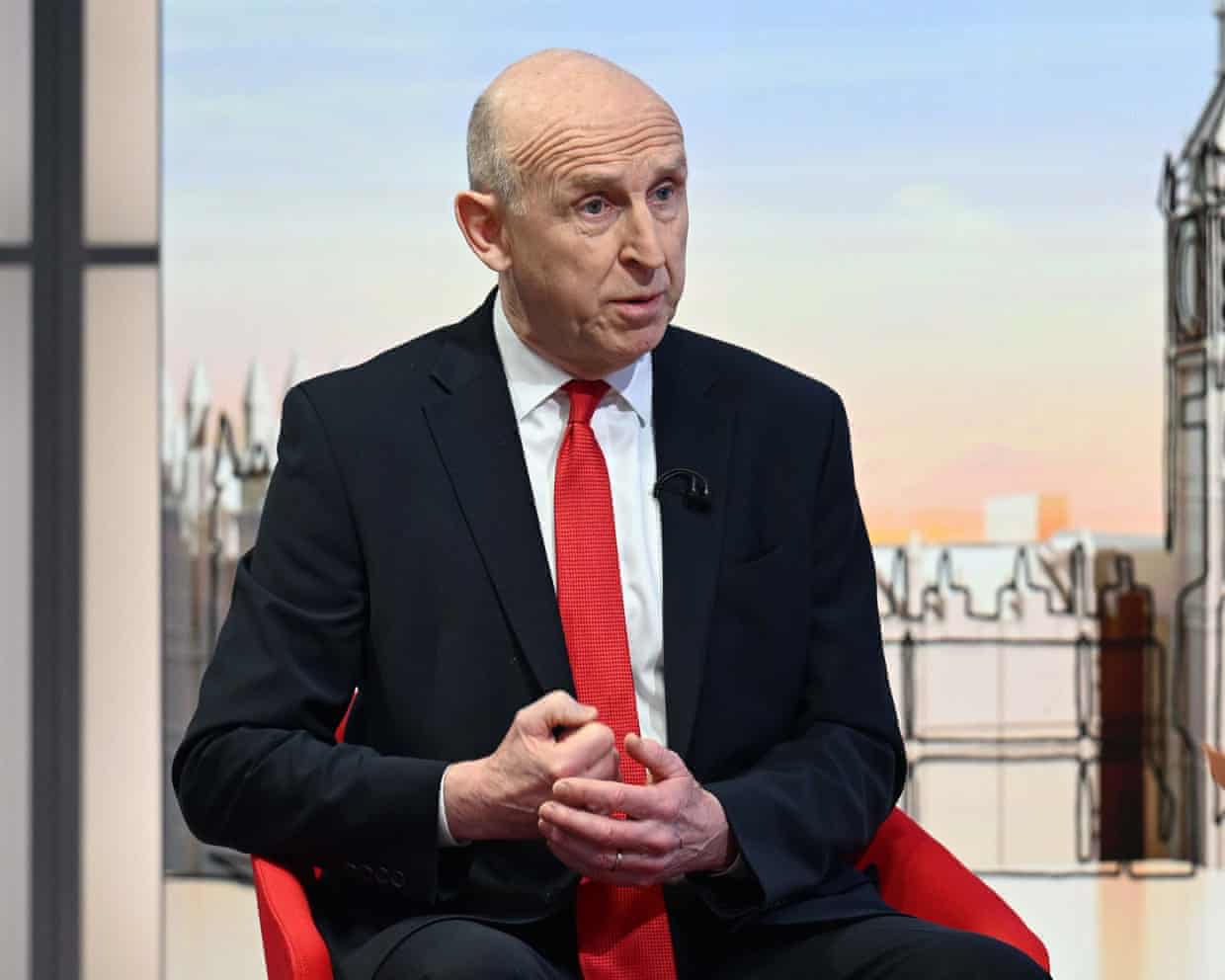
Few will mourn leader of ‘evil’ regime Ali Khamenei, says UK defence secretary
The UK defence secretary has said few will mourn Iran’s supreme leader, Ali Khamenei, whose death was announced after US and Israeli airstrikes.John Healey, a senior cabinet minister, described the Iranian regime as “evil” and said it had menaced the west by sponsoring at least 20 terrorist plots to attack the UK as well as involvement in proxy wars.He did not criticise the US and Israeli strikes, saying it was “for the US to set out and explain” whether its action was legal. But he also refused to be drawn on the UK having declined use of its military bases for the attacks.While distancing the UK from the strikes, Healey said the government’s role was now to act defensively
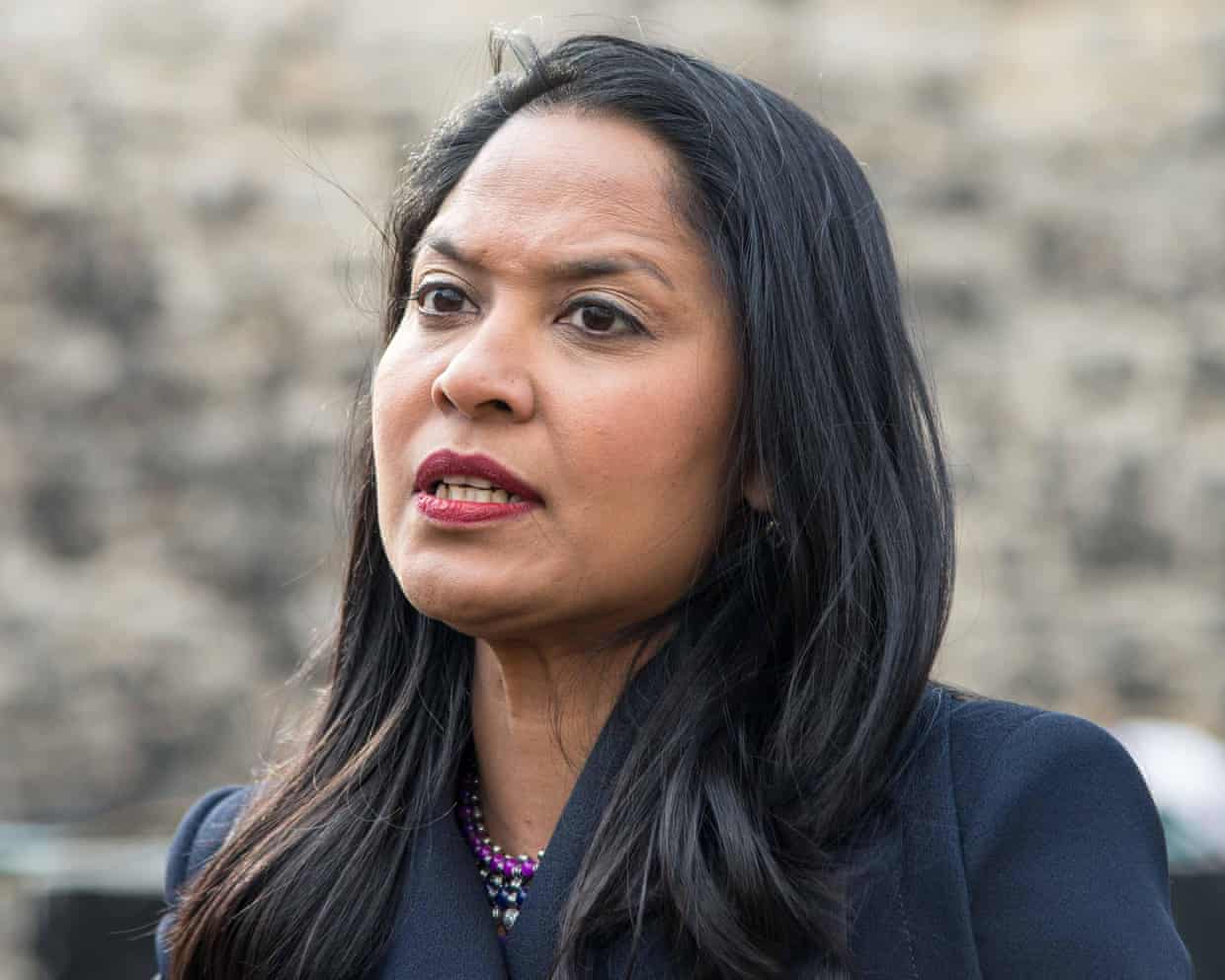
Ex-minister adds to UK calls for ban on political donations in cryptocurrency
A former Labour minister has added her voice to those of a growing list of experts and senior MPs calling for a ban on political donations in cryptocurrency as concerns grow over foreign interference in British elections.Rushanara Ali, the Labour MP who helped draft the elections bill when she was a minister in the communities department, called for the government to strengthen the legislation with an outright ban on donations in digital currencies.Ali is planning to intervene when the bill comes back in front of MPs on Monday, as ministers admit they will need to go further to prevent foreign interference in a number of ways.“The enemies of democracy are constantly looking at new ways to undermine our system,” Ali said. “I urge ministers to go further to block the use of cryptocurrencies to funnel money into British politics

Bitter-sweet symphony: vermouth is more than just another cocktail ingredient
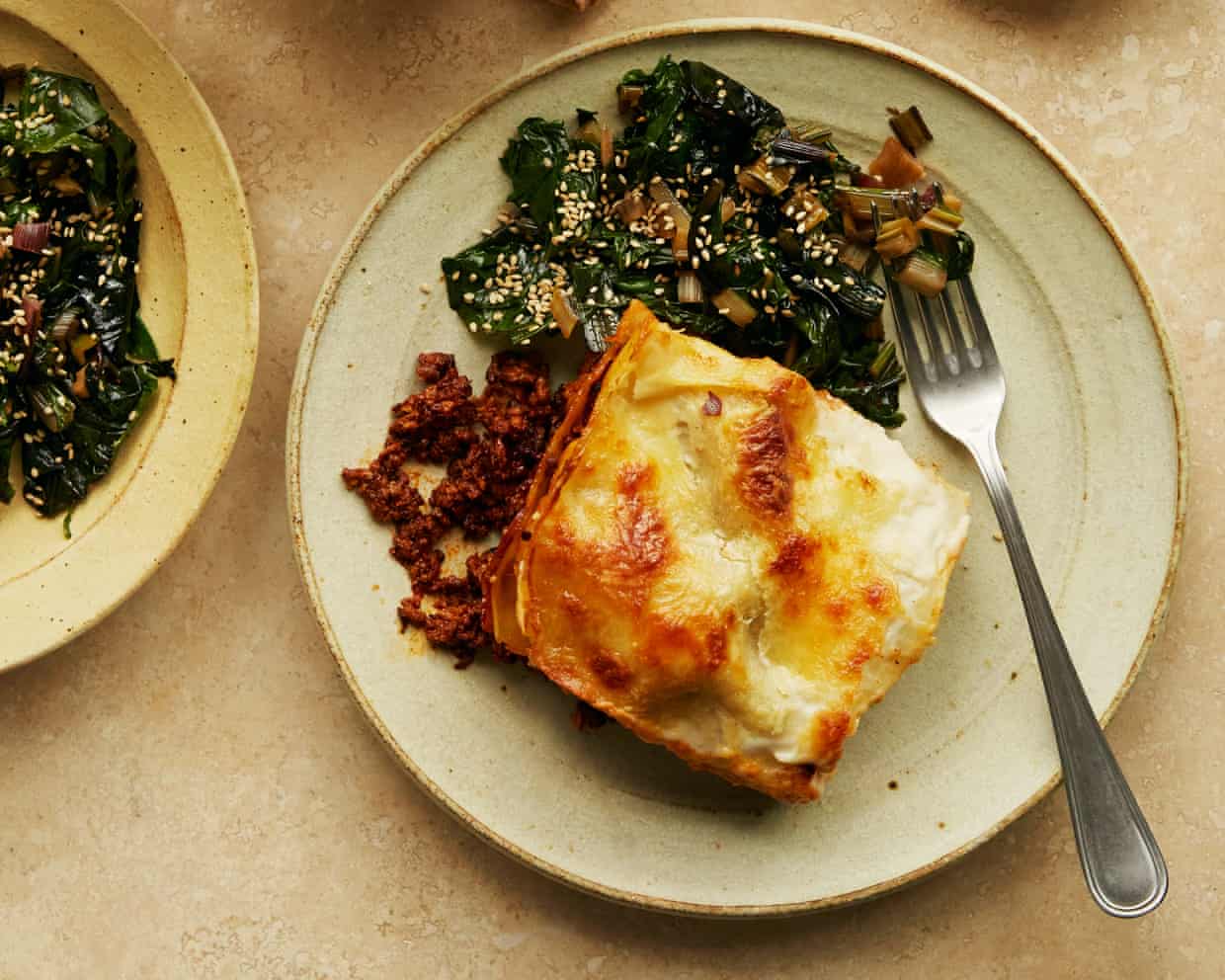
The bubbling beauty of baked pasta
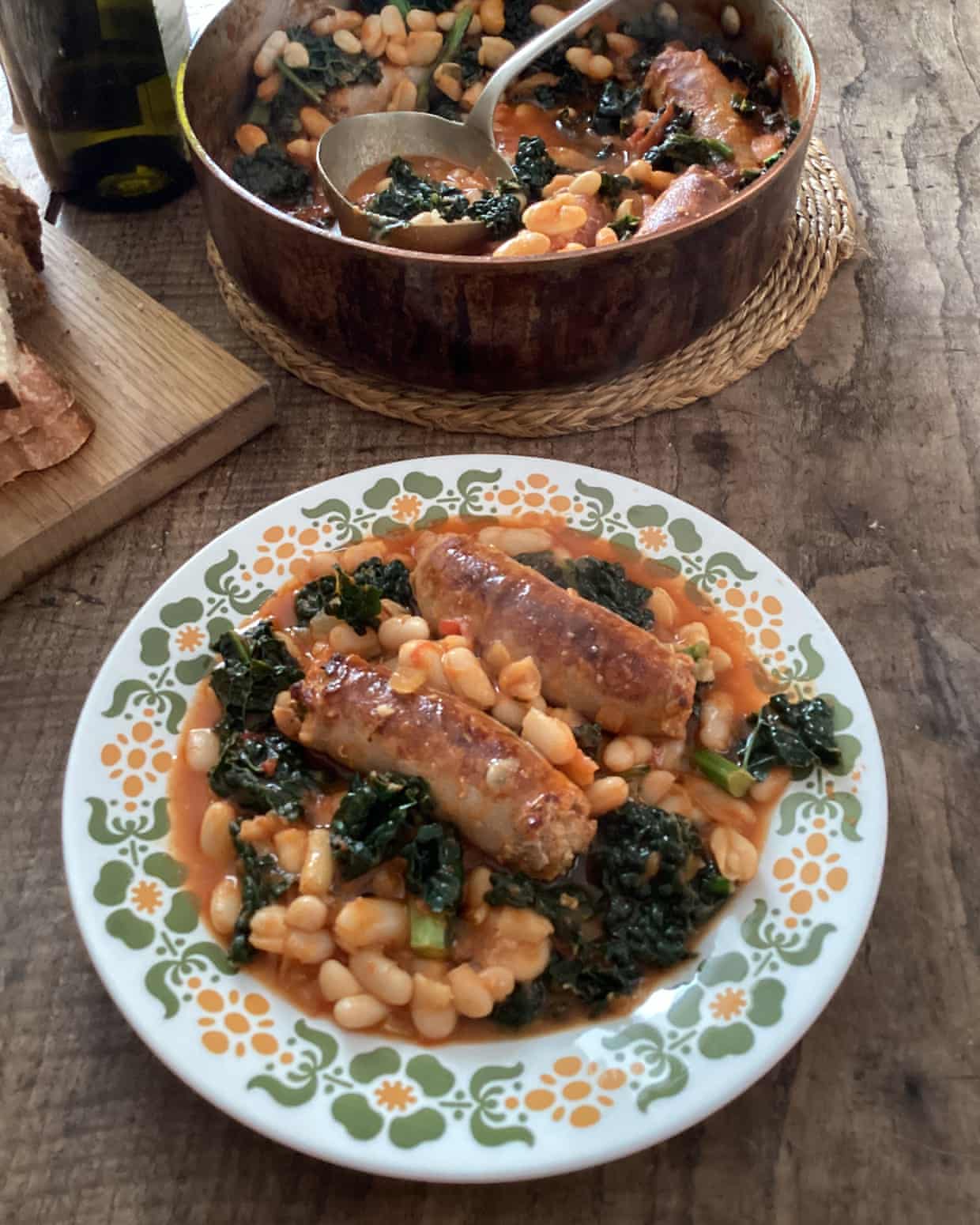
Rachel Roddy’s recipe for beans with greens and sausages | A kitchen in Rome

Doom Bar maker Sharp’s Brewery in Cornwall to be closed by US owner

Table for one: is eating lunch at work on your own a bad thing?
How to use on-the-turn milk to make an Italian classic – recipe