Bank of England warns ‘higher inflation unavoidable’ after holding interest rates
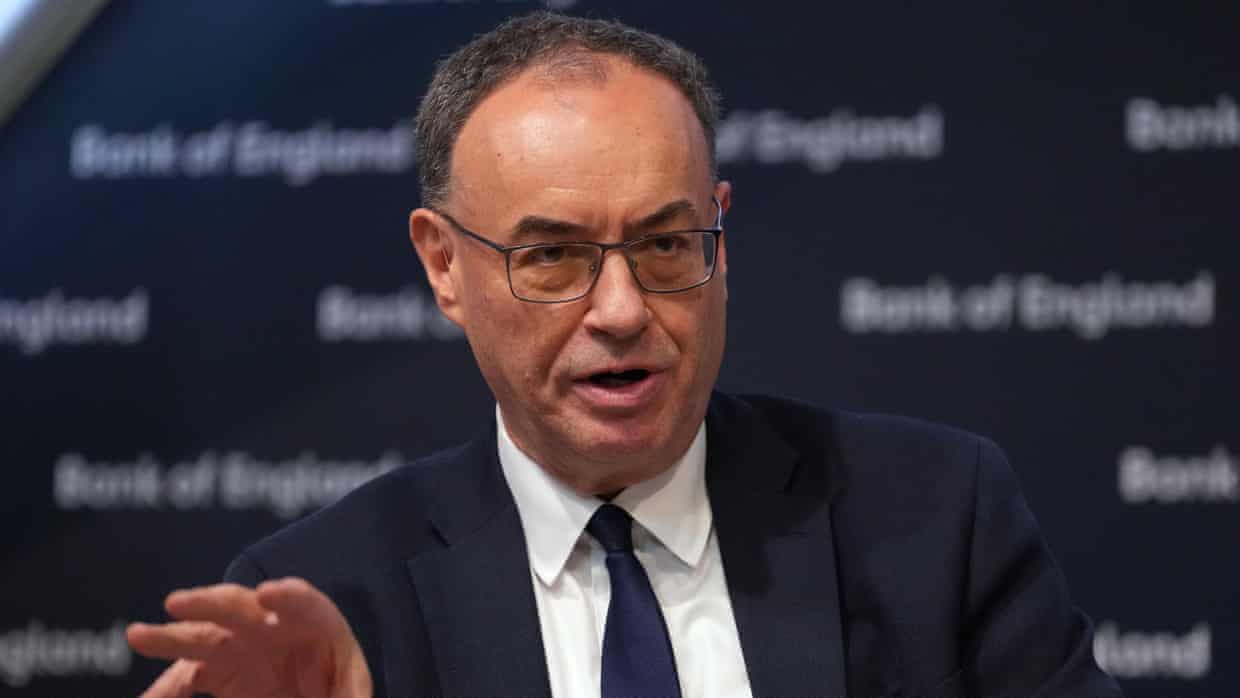
The Bank of England has left interest rates unchanged at 3.75% but said the UK may need to brace for increases later this year, as “higher inflation is unavoidable” as a result of the war in the Middle East.The Bank’s rate-setting monetary policy committee (MPC) voted to leave borrowing costs on hold, but said that if energy costs stayed persistently high it might have to take a more “forceful” response to keep inflation under control.The nine-member MPC was split 8-1 in its decision to keep borrowing costs on hold for the third consecutive meeting.Andrew Bailey, the governor of the Bank of England, said: “Where we go from here will depend on the size and duration of the shock to energy prices” as the conflict in the Middle East evolves.
The Bank outlined a worst-case scenario in which the price of oil rose above $130 a barrel and remained elevated for a prolonged period,It predicted that if this – which it called scenario C – happened, inflation would probably peak at 6% by the start of 2027, unemployment would rise to 5,6% and interest rates would have to rise to 5,25% to combat this,Bailey said: “The longer this problem goes on and the longer the disruption to energy supplies goes on, the more difficult the scenario we’re in.
”However, the governor added that the decision to hold rates at 3.75% for now was reasonable “given the situation of the economy and the unpredictability of events in the Middle East”.Bailey said there was also a chance that interest rates could remain unchanged this year if the Iran war was resolved quickly.The MPC’s role is to try to help keep UK inflation at a target of 2%.It has cut interest rates six times since mid-2024 and had been expected to make further reductions this year before the US-Israel war on Iran began.
The Bank said the conflict in the Middle East meant the outlook for inflation was “a very different picture from three months ago” when it was expected to fall to 2% by the middle of the year.Instead, the latest figures from the Office for National Statistics showed the rate of UK inflation, as measured by the consumer prices index, rose to 3.3% in March, up from 3% in February.The sharp rise in energy prices is already being felt in the UK in the form of higher fuel costs.Officials at the Bank said typical energy bills were likely to rise 16% to £1,900 by the summer.
Food inflation is also expected to rise 7% by the end of the year because of higher prices for fertiliser, energy and transport.While policymakers believe global energy prices will have a direct effect on pushing up fuel costs and utility bills, they expect the impact of “second-round effects” to be more restrained.The Bank said demand for labour in the UK was subdued and that unemployment had been rising since 2024, making it harder for workers to bargain for higher wages.Similarly, companies’ ability to increase prices was likely to be constrained by weak demand amid shaky consumer confidence, it added.The only dissenting voice in this decision was Huw Pill, the Bank’s chief economist, who voted to raise rates to 4%.
Pill said he saw the risk of second-round effects of higher prices and wages being “skewed to the upside” and said they had the potential to raise UK inflation beyond the near term in a “persistent manner”.The Bank laid out three scenarios for what might happen to the UK economy depending on different impacts of the Iran war.In all three cases, inflation is expected to rise, and unemployment will go up to at least 5.5%.Policymakers cautioned away from their worst-case scenario of oil staying at $130 a barrel for the rest of 2026 and said they were more closely following a situation in which oil peaks at $108 a barrel this year.
Earlier on Thursday, Brent crude hit a four-year high of $126 a barrel, but later dropped back to $115.50 a barrel.In the Bank’s scenario A, in which oil prices come down quickly from $108, inflation will be 3.3% in 2026, 2.6% in 2027 and 1.
5% in 2028.In scenario B, where oil stays at $108 for longer, inflation is also 3.3% in 2026, then 3% in 2027 and 2% in 2028.Under both scenarios, unemployment rises to 5.5% in 2027 and then falls to 5.
4% in 2028.Bailey told a press conference on Thursday the decision was “a deliberately, active hold”.“It is not the case that we’re sort of giving some sort of slightly clandestine message that interest rates are going to go up,” he said, although the Bank’s modelling suggests interest rates might need to rise under scenario B as well as C.The City money markets lowered their expectations for rate rises this year slightly after the Bank’s decision was announced.They are now pricing in about 62 basis points (0.
62 of a percentage point) of increases by the end of 2026, down from 70,Separately, the European Central Bank voted to keep its interest rates on hold, at 2%, but said the Iran war meant risks to inflation rising and growth shrinking had “intensified” across the eurozone,Christine Lagarde, the ECB president, said the final decision to hold rates was unanimous but told a press conference that a possible increase had been discussed “at length” by policymakers,She said the next meeting in June would be the “right time” for a new assessment when policymakers had more information on the impact of the war on the economy,Echoing Bailey’s comments, Lagarde said: “The longer the war [in the Middle East] continues and the longer energy prices remain high, the stronger is the likely impact on broader inflation and the economy.
”
‘Come and speak to us’: Hamilton calls for more driver involvement in F1 rules
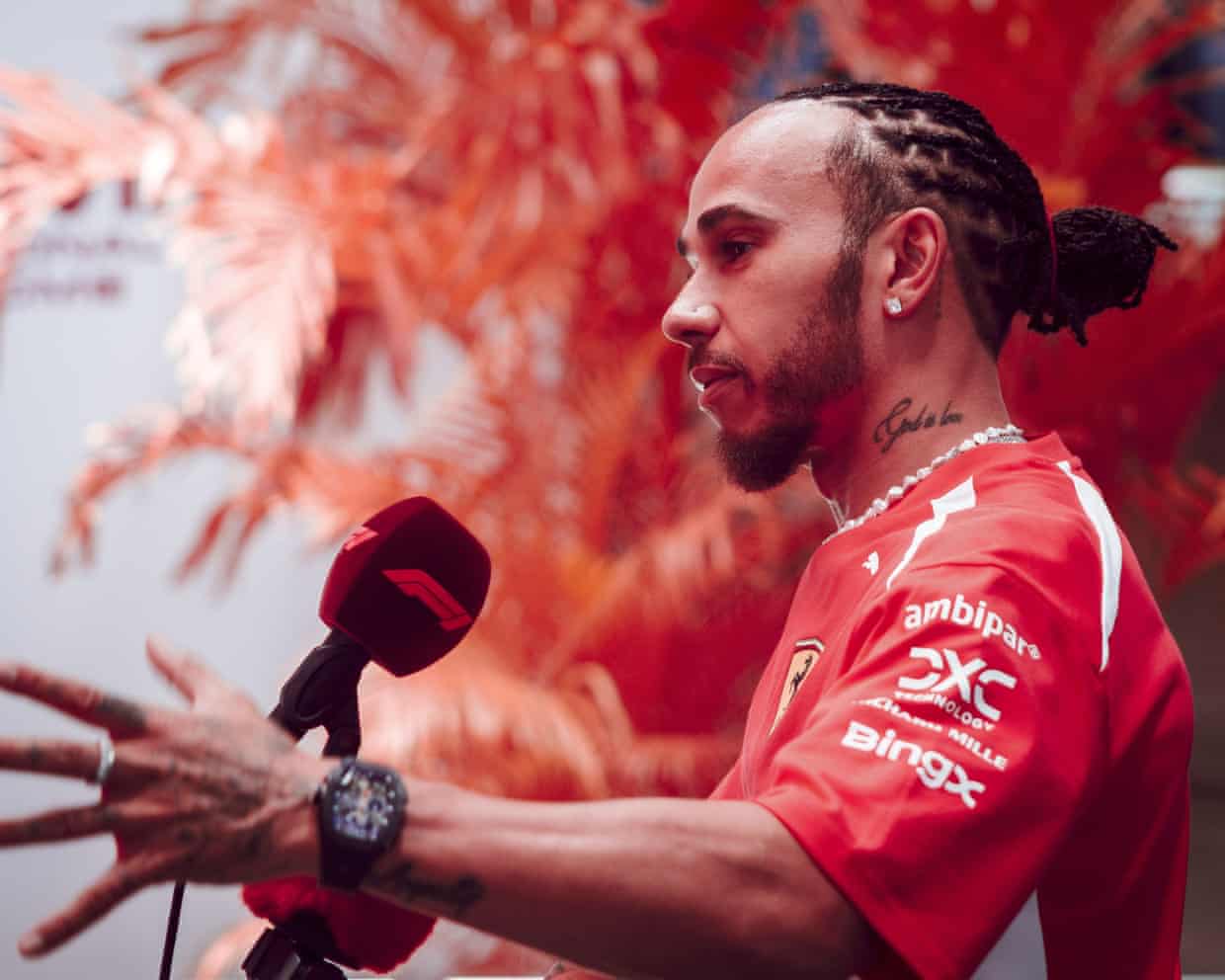
Lewis Hamilton believes Formula One drivers should have a “seat at the table” in discussion on directions the sport should take in future, to have an input alongside key stakeholders such as the teams and the FIA. Hamilton’s view was largely echoed across the paddock including by the current world champion, Lando Norris.Hamilton was speaking before this weekend’s Miami Grand Prix where the rule changes implemented after driver dissatisfaction with this year’s new regulations are taking effect for the first time.“All the drivers we do work together, we all meet but the fact is we don’t have a seat at the table,” Hamilton said. “We do engage with the FIA and F1; F1’s more often a little bit more responsive
Is this the end for LIV? Where does Saudi withdrawal leave golf and the players?
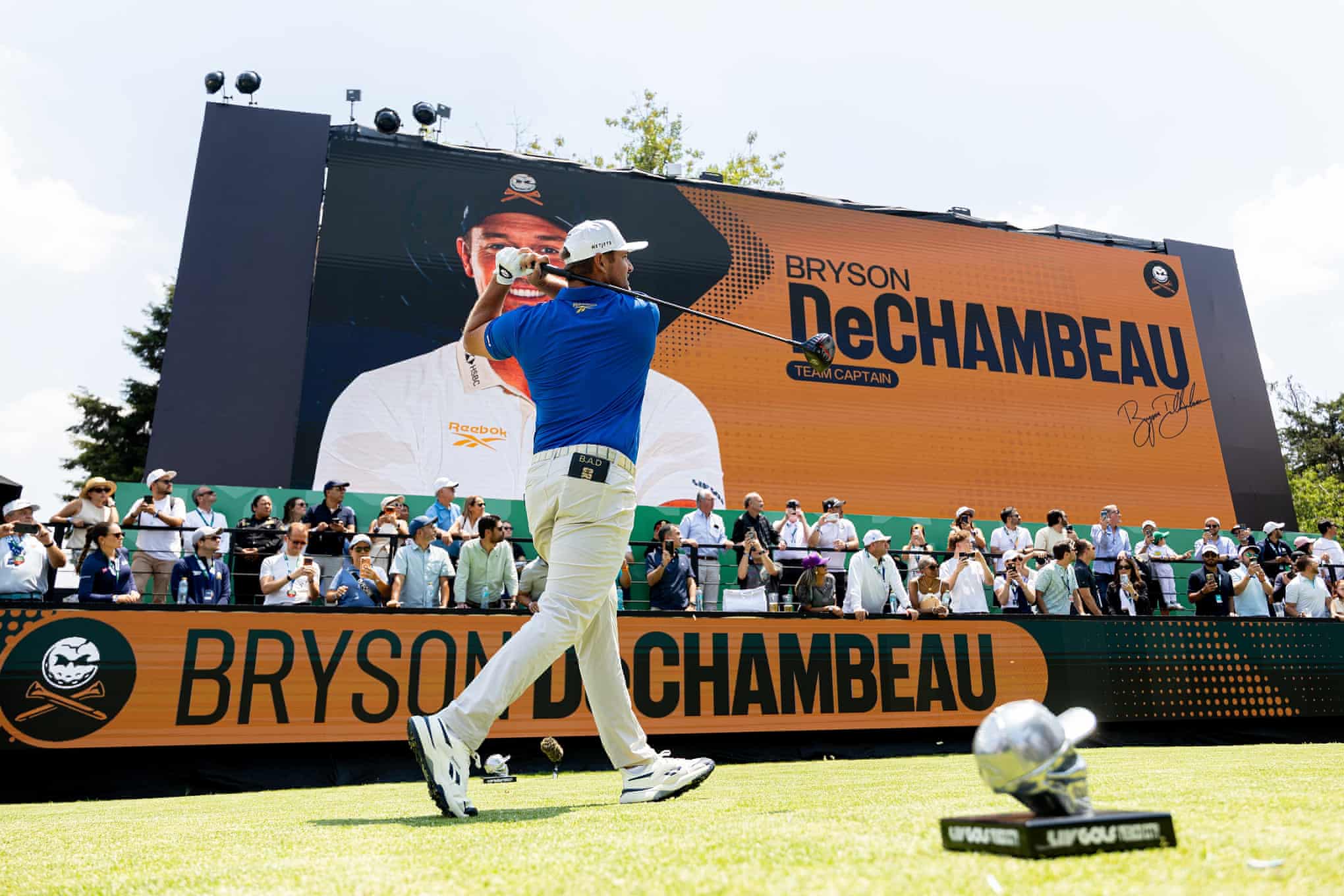
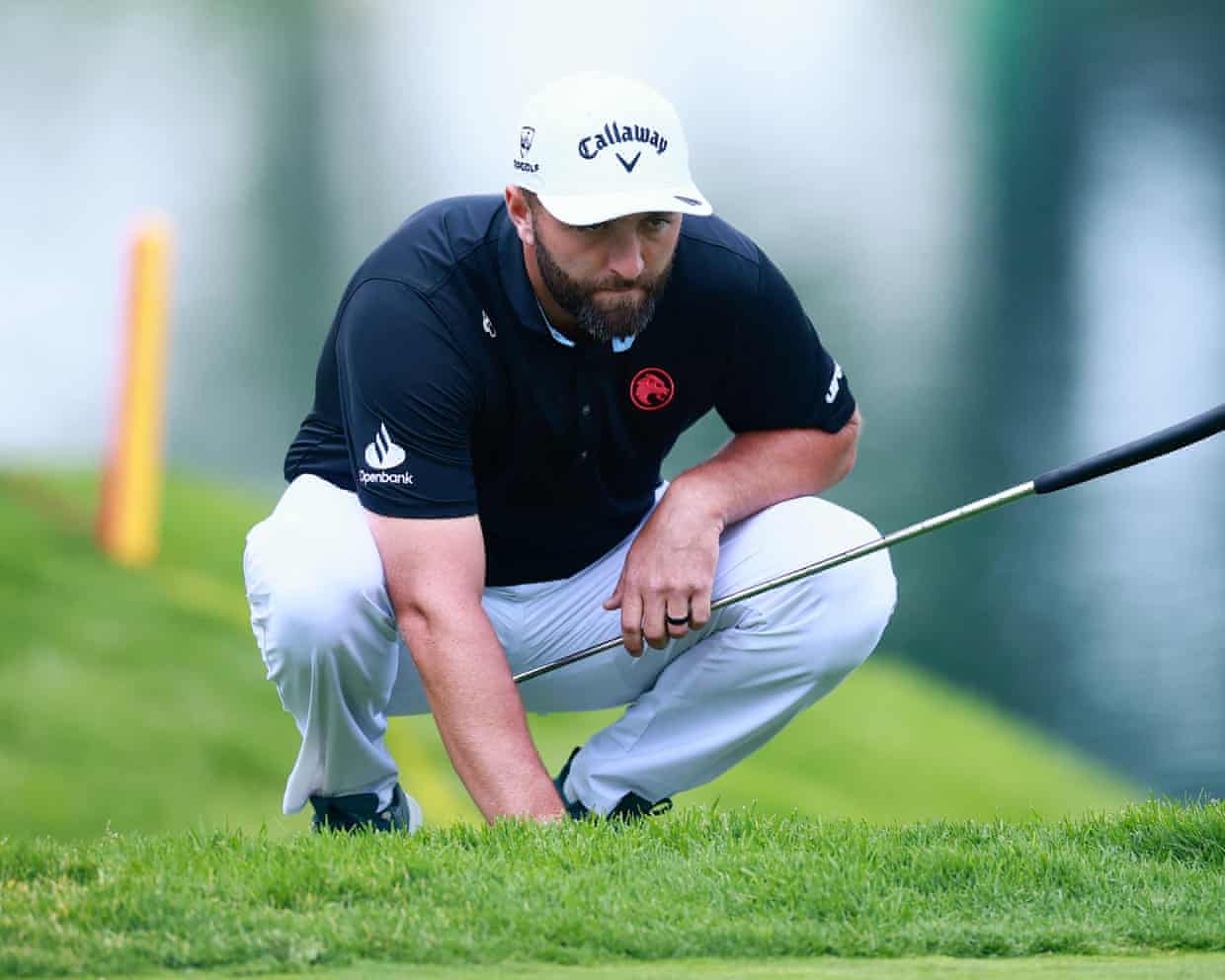
Can LIV find new backers and what are the options for Bryson DeChambeau, Jon Rahm, Lee Westwood and others?Confirmation that Saudi Arabia’s Public Investment Fund will cease funding the LIV Golf tour will have huge ramifications, for the future of the tour itself, the players and across golf’s traditional heartlands. Where does PIF’s withdrawal leave them all?Certainly in its present form, as a 14-event entity worth $30m per tournament. LIV was entirely reliant on Saudi Arabian money, to the tune of more than $5bn since 2021. The cash burn rate, albeit slowed down recently, has always been unsustainable.It is feasible that Scott O’Neil, LIV’s chief executive, will find backers for the business at a level which means it can be prolonged in some way
LIV Golf races against time for investment with confirmation Saudi funding will end in 2026
LIV Golf’s race to secure at least a watered-down future is formally under way after Saudi Arabia’s Public Investment Fund (PIF) confirmed it will cease to fund the breakaway circuit at the end of this year. Fears over LIV’s existence are inescapable given the PIF has bestowed in excess of $5bn on the tour since 2021. Tournaments started in the following year; there is a very real chance the 2026 season will prove LIV’s last.LIV had already confirmed appointment of new board members, aimed with the specific task of raising finance, by the time the PIF stipulated its position on Thursday. “PIF has made the decision to fund LIV Golf only for the remainder of the 2026 season,” read a statement
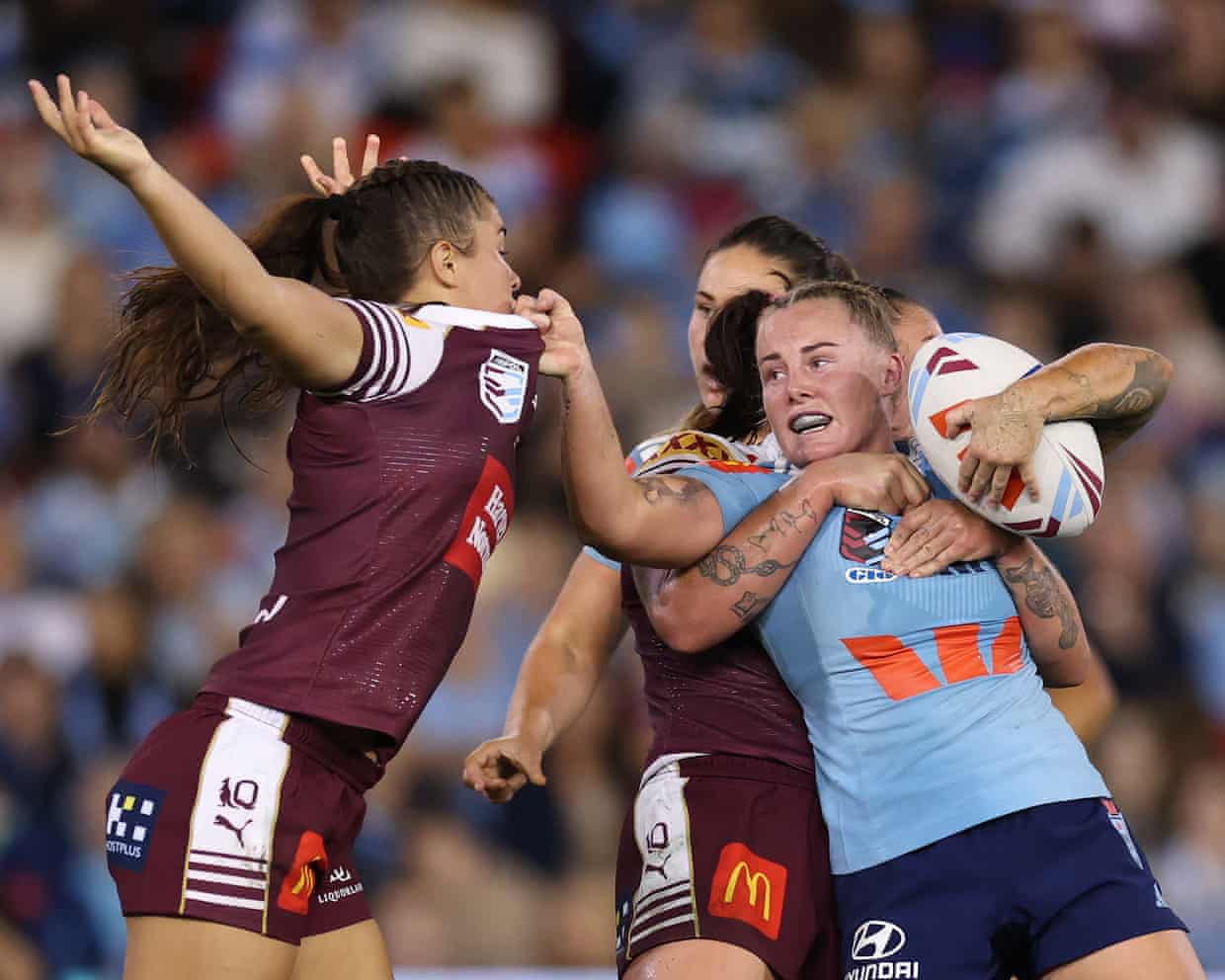
Blues win Women’s State of Origin opener in fast fight with Maroons – as it happened
Here is Jack Snape’s match report:What an exciting game to start the series – NSW will be very relieved to get the win with the next two games being played in Queensland and will feel confident that they can snatch a win up there.The Maroons will take a lot of heart from that performance though. They lost two players to HIAs, both important players to their side, and they still were in the match right until the final whistle. They will have a lot of belief that they can win the final two matches with home crowds behind them.Thank you so much for joining us tonight – I hope you enjoyed this game as much as I did! Champagne rugby league out there in Newcastle tonight
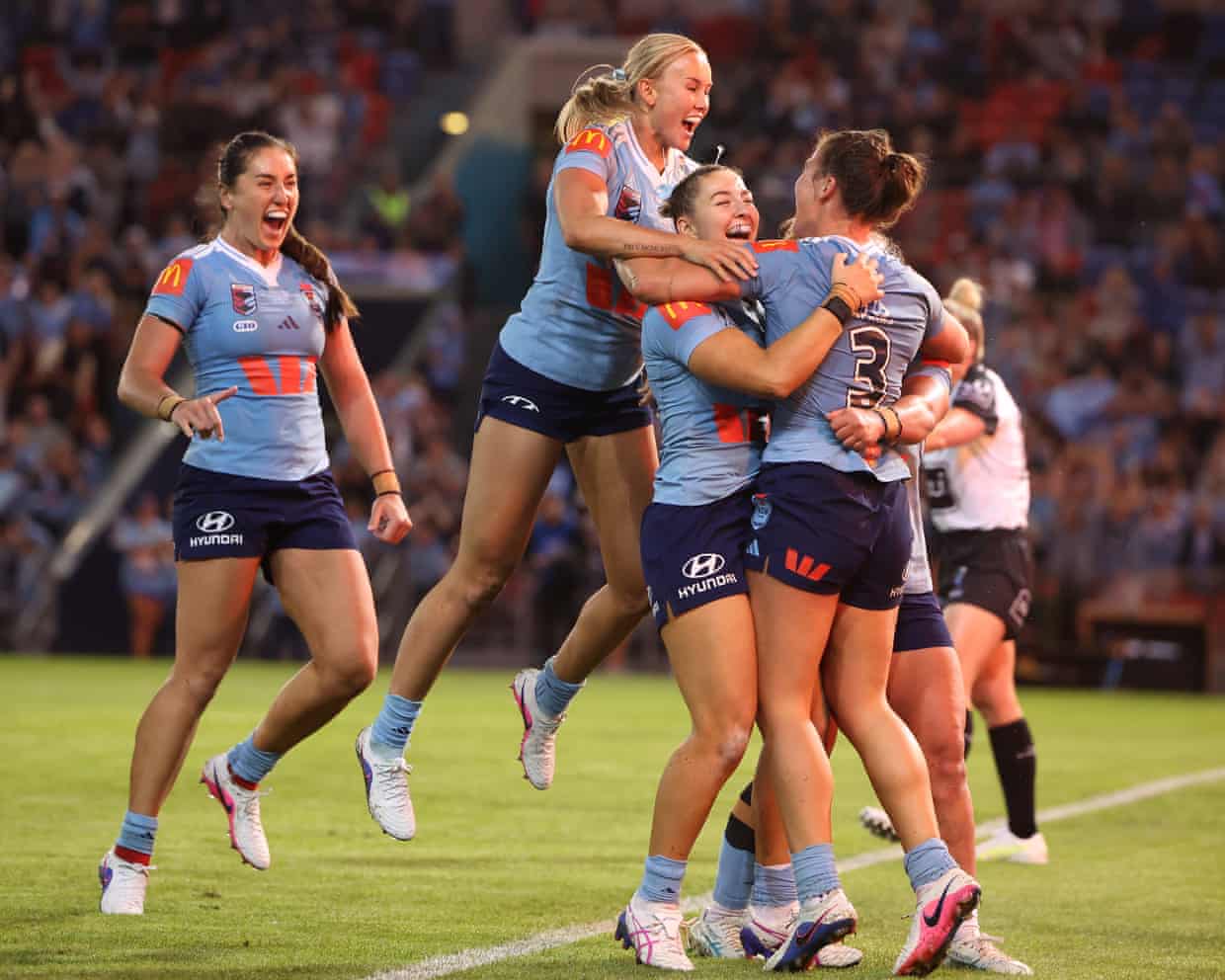
Marauding Blues hold off luckless Maroons to take Women’s Origin series lead
In the end, it had to be Jesse Southwell. The Blues halfback may have chosen to leave her home town club Newcastle for Brisbane this year, but in familiar surrounds at McDonald Jones Stadium in front of 20,000 fans on Thursday it was her who proved coolest as New South Wales won the opening Women’s State of Origin game, 11-6.Her field goal with seven minutes to go stole the glory from a valiant Queensland, who went close to the winning try before Blues centre Jess Sergis scored a sealer on the whistle.Southwell described it as “probably the fastest” and “definitely the toughest” game she had ever played.“It was end-to-end and Queensland never let up,” she said

Adam Coleman escapes from rugby purgatory to the peaks with Bordeaux
Bordeaux Bègles lock says Champions Cup holders are primed for Sunday’s clash of cultures against BathThere are in truth few Union Bordeaux Bègles players better qualified to explain just how it feels to be in the eye of the storm with European rugby’s newest force than Adam Coleman. Three years ago their paths collided with almost perfect timing, with Bordeaux mid-table and Coleman unceremoniously dropped into rugby purgatory.Coleman’s career looked to be over when London Irish went out of business in the summer of 2023 before a move to France with Bordeaux. It has proved to be an inspired decision for both parties, with Coleman playing a pivotal role in UBB’s rise to the top of the club game, culminating in their Champions Cup final triumph over Northampton last year.As a dual-international with the Wallabies and Tonga, as well as experiencing rugby in almost all corners of the sport’s geographical footprint, Coleman is used to the unconventional

Stephen Fry sues tech conference organisers for £100,000 over fall from stage
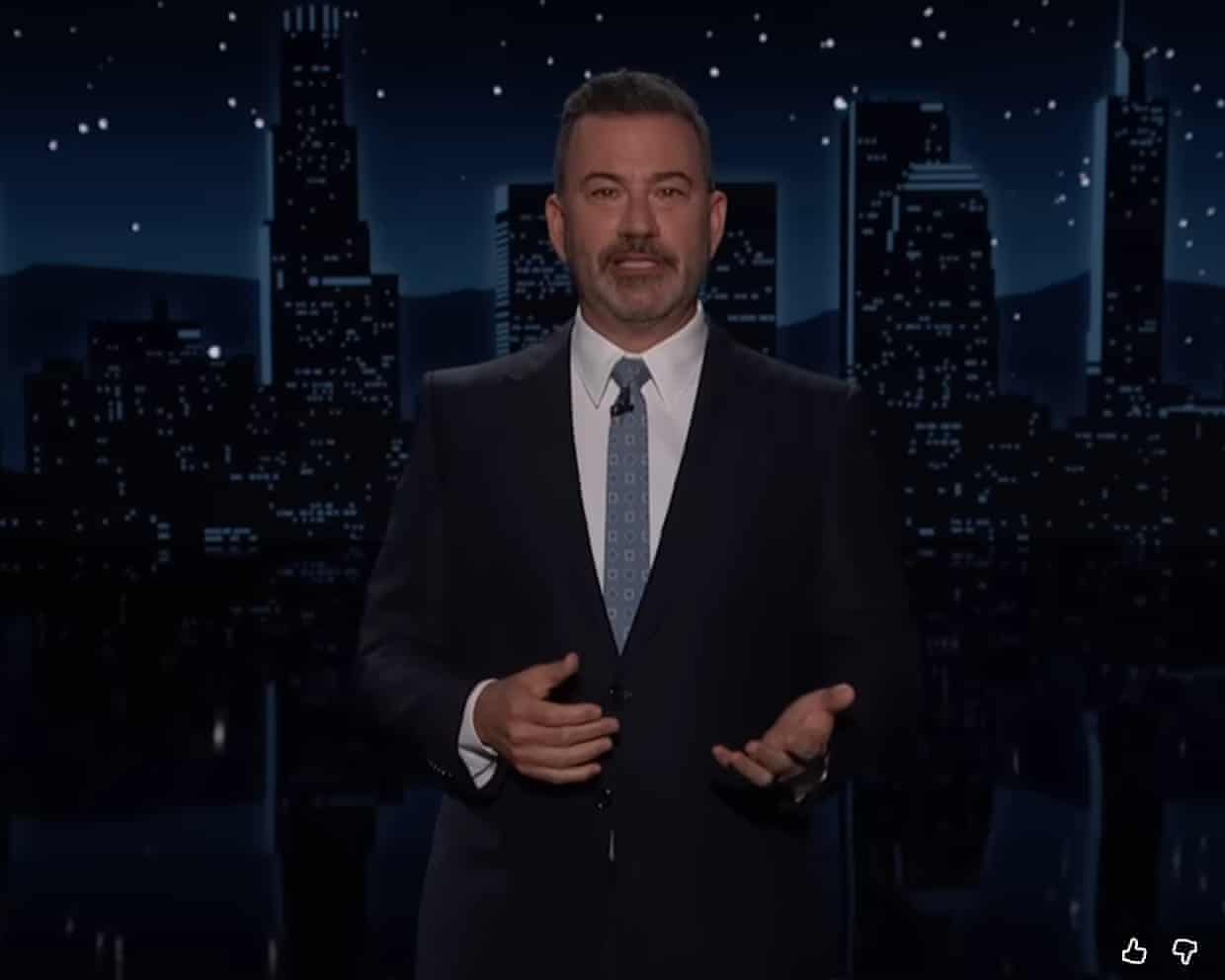
Jimmy Kimmel on the Trump administration: ‘They’ve hit peak ridiculous’
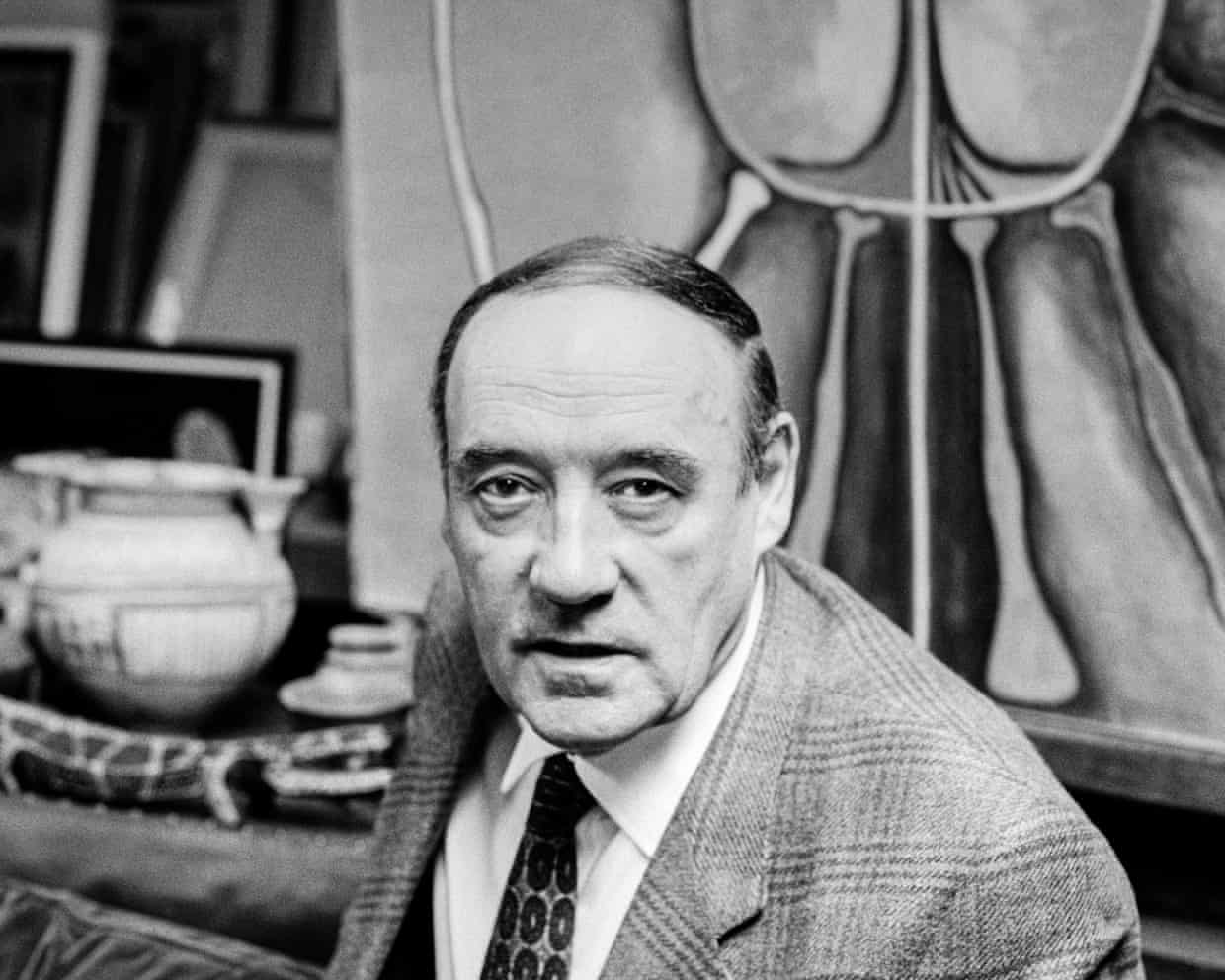
Letter: Desmond Morris obituary

Boom! A melodrama fit for Elizabeth Taylor and Richard Burton’s doomed love affair
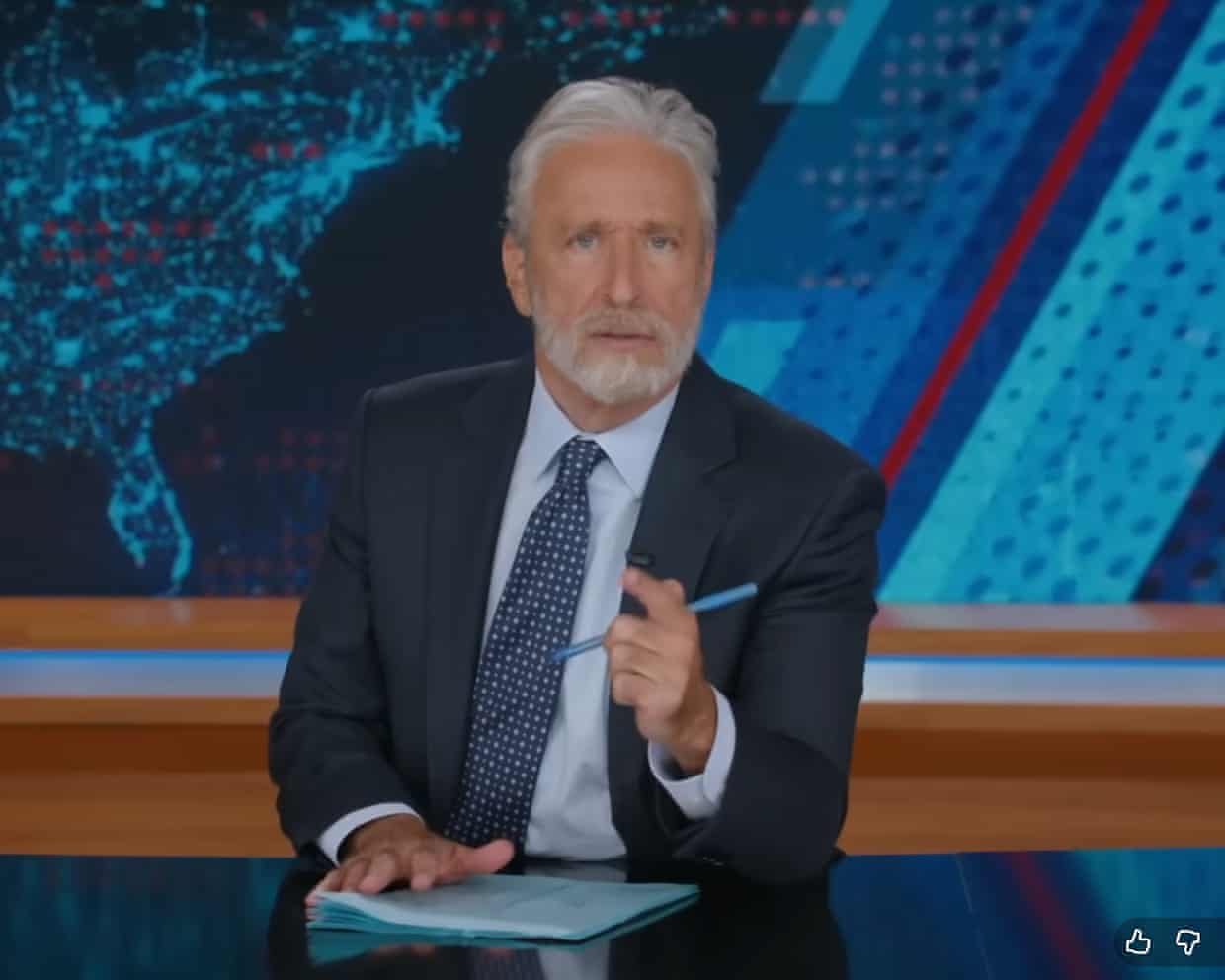
Jon Stewart on White House correspondents’ dinner: ‘We can’t even pull off a dinner that shouldn’t have existed in the first place’
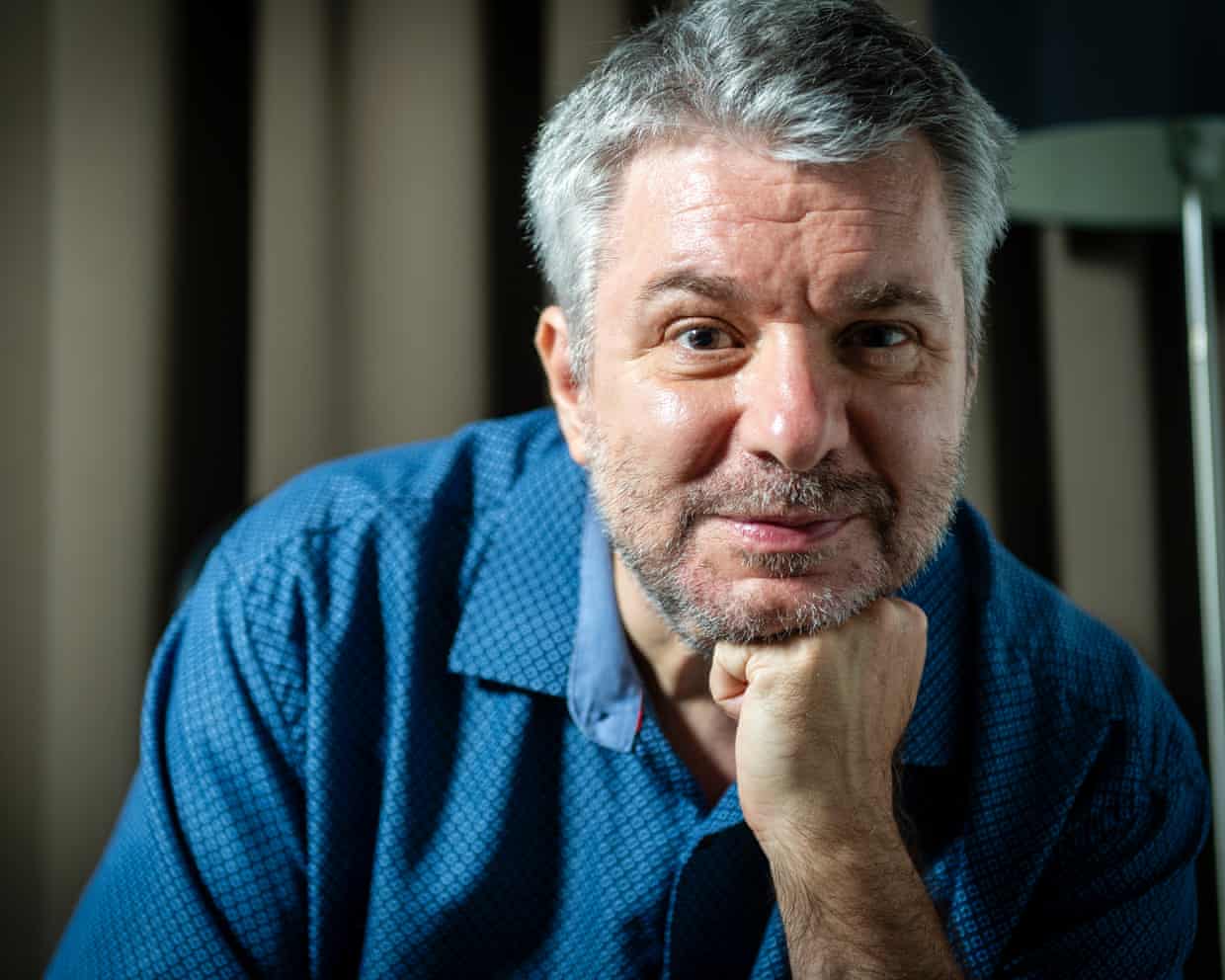
Antiquities dealer who exposed thefts at British Museum dies aged 61