Barclays cuts back risky lending after £228m hit from UK mortgage firm MFS
Barclays is pulling back from lending to risky borrowers, as its chief executive warned of increasing numbers of fraud cases and the bank took a £228m hit from the failure of a mortgage lender,The mortgage lender Market Financial Solutions (MFS) collapsed in February amid allegations of fraud, and the UK’s financial regulator has since launched an investigation into the scandal,Barclays provided banking services to MFS and said the £228m hit had pushed total credit impairment charges to £823m in the first three months of 2026, up from £643m a year earlier,Last year the British bank reported a £110m loss over the US sub-prime auto lender Tricolor, which collapsed amid fraud allegations,The chief executive, CS Venkatakrishnan, said: “This [alleged] fraud, as with the one in Tricolor, indicates to us the importance of strong financial controls at borrowers and the difficulty ex-ante of identifying fraud.
“As such, we are constraining lending to certain structured finance counterparties who operate more vulnerable business models and cannot convince us of the quality and independence of their financial controls.”Losses stemming from the collapse of MFS, Tricolor and the US auto parts company First Brands (with allegations of fraud or mismanagement in all three cases) have raised fears over lending standards in the $2tn (£1.4tn) private credit industry, which has come under greater scrutiny from regulators.There are concerns that the fallout could destabilise traditional banks that issue loans to the shadow banking sector.Andrew Bailey, the governor of the Bank of England and chair of the Financial Stability Board, has described it as a “relatively opaque world” and stressed the need for transparency and solid stress testing, because otherwise people might lose faith in the financial system as a whole.
Venkatakrishnan added: “These things will only continue to increase in frequency … so it is important to have strong defences.The incidence of fraud depends on the weakness of the economic cycle, because if you’re operating a more vulnerable business model, your, incentive structure changes, if the market becomes weak.”Barclays also set aside a further £105m for compensating customers in the UK’s motor finance scandal, increasing its provision to £430m.Its pre-tax profit in the first quarter rose 3% to £2.8bn, with revenues up 6% at £8.
2bn,Quarterly income from investment banking topped £4bn for the first time, driven by 16% growth in equities income after trading volatility since the start of the Iran war on 28 February,Venkatakrishnan warned of a broader impact of the rise in energy prices if the war dragged on,“Higher oil prices and the longer they go on will have an impact on the economy,” he said,“And we do care.
We’ve not seen anything particularly yet in terms of credit weakness.But what you’ve seen is that the inflation print in the UK has gone up.”Later on Tuesday, Barclays will begin offering debit card holders 5% cashback on fuel at Tesco pumps, up to £10 a month.“This is our way of trying to recognise the concern that motorists have at the petrol pump,” he said.The bank’s chief financial officer, Anna Cross, said businesses were in “good shape” and there had been no credit deterioration in companies or consumers.
Consumers have responded to the Middle East war by prioritising essential spending and repaying more credit card debt, she said, “it’s the rational thing for consumers to be doing in this environment”.Venkatakrishnan defended the bank’s trading performance against that of Wall Street banks, describing it as “middle of the pack”.He pointed out that Barclays had no commodities business, while US banks benefited from commodities trading amid the Middle East conflict.Will Howlett, a financials analyst at the UK the wealth manager Quilter Cheviot, said: “Barclays posted a solid, if slightly messy, first quarter, with a strong underlying performance partially obscured by one-off issues.”
Drop the ‘toxic hot potato’: what Barton and McSweeney really revealed about the Mandelson scandal
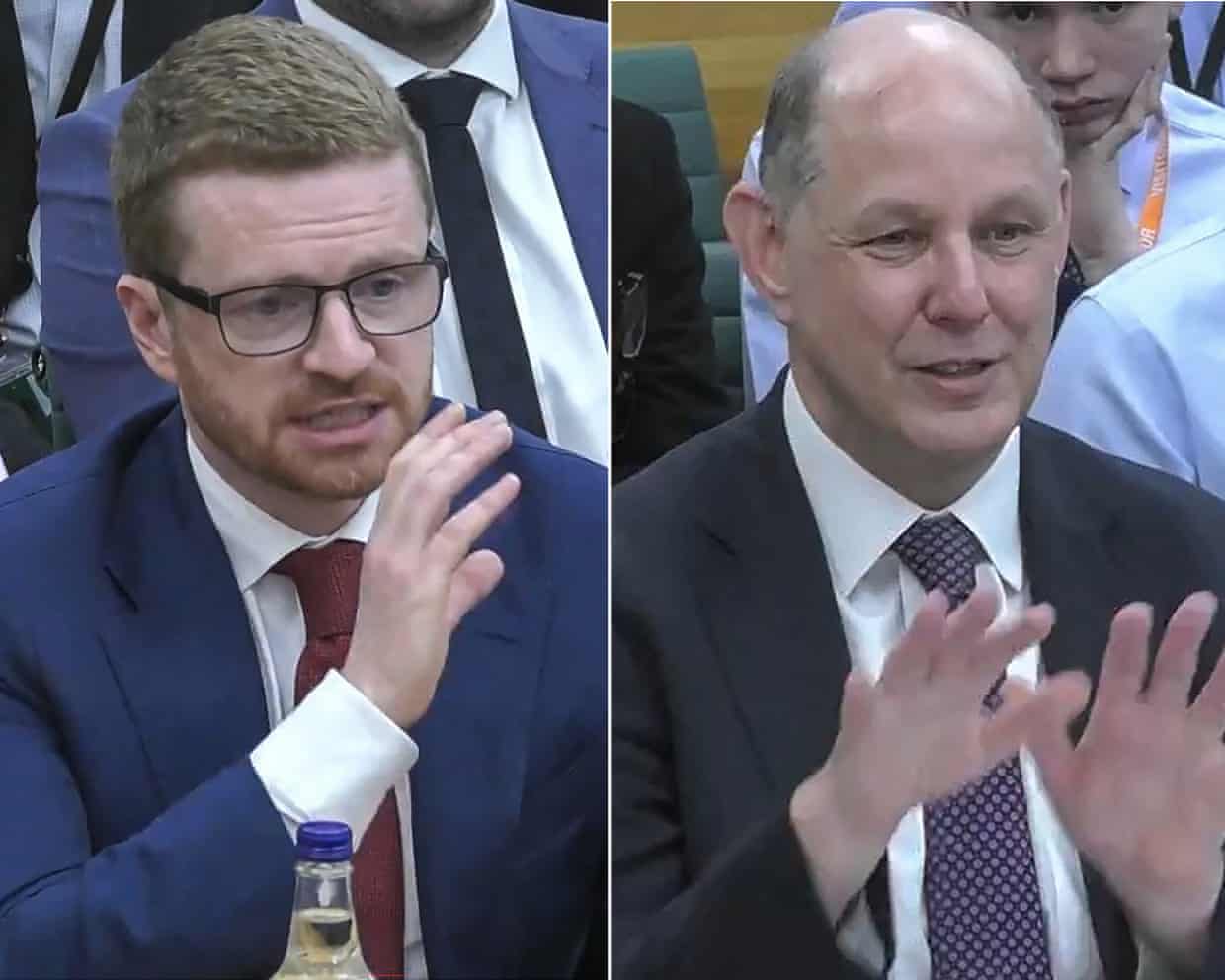
The latest two witnesses to testify to parliament over Peter Mandelson’s appointment had plenty to offer headline writers. “A toxic hot potato” was how Philip Barton, the former top civil servant in the Foreign Office, described Mandelson’s links with Jeffrey Epstein, a view he would have shared with Downing Street if only he had been asked.“A knife through my soul” was how Morgan McSweeney, the prime minister’s former chief adviser, described the moment he found out the true nature of Mandelson’s relationship with the convicted child sex offender.But the most interesting parts of both men’s evidence on Tuesday were those that addressed the question at the core of the scandal: was the Foreign Office’s decision to grant Mandelson security clearance against the advice of the vetting agency influenced by pressure from Downing Street?Both Barton and McSweeney agreed there was pressure put on the department over Mandelson’s security vetting. Both, however, maintained it had no bearing on the decision in late January 2025 to grant Mandelson clearance
Shabana Mahmood’s frustration with immigration debate is understandable | Letter
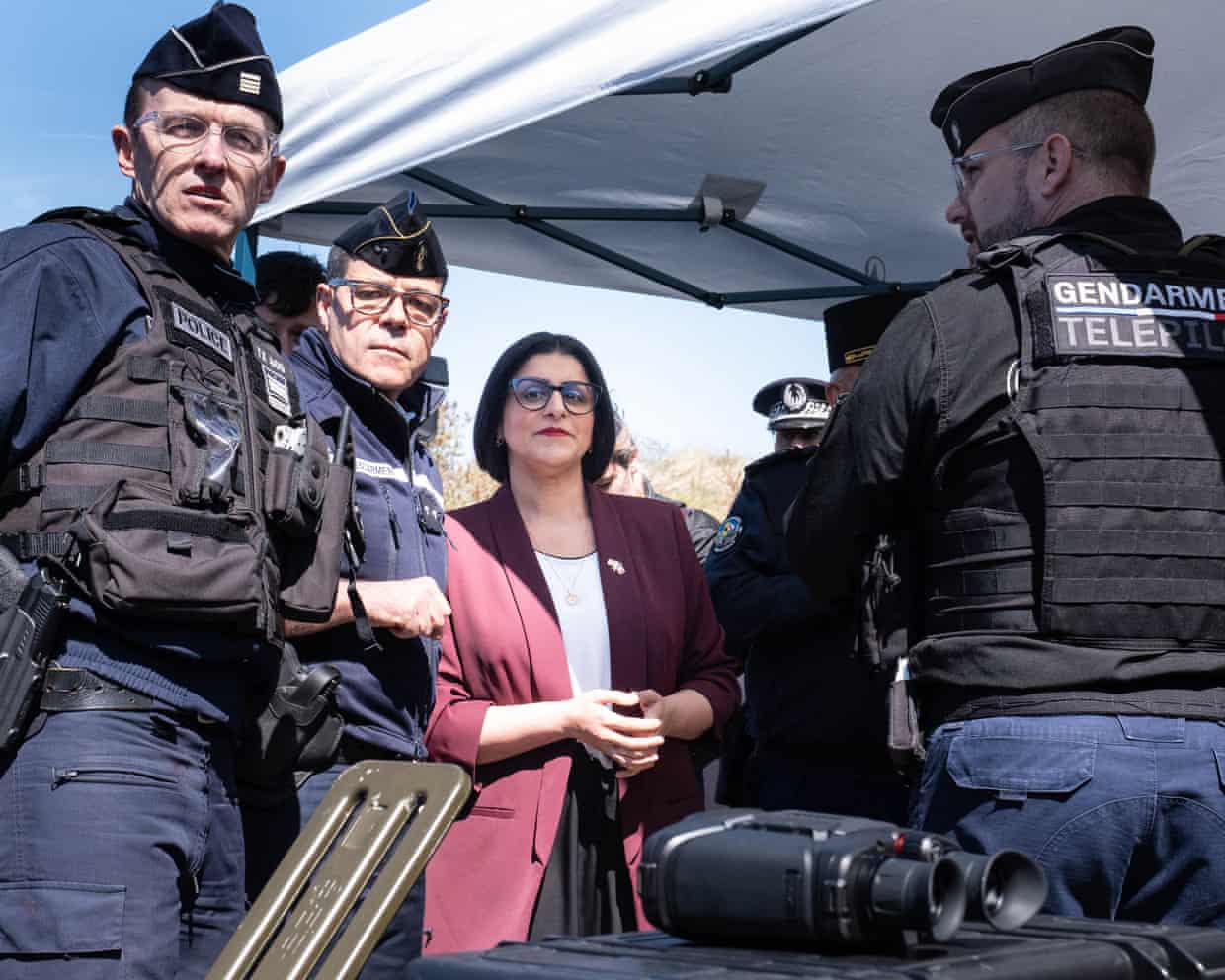
Zoe Williams criticises Shabana Mahmood’s recent language as showing “contempt for the values of her own party”, but I disagree (Shabana Mahmood’s expletive was shocking. But not for the reason you think, 23 April). In today’s polarised climate, too many on the progressive side treat any divergence on issues like immigration as indistinguishable from Reform UK. That simply isn’t true.Mahmood’s language may have been coarse, but her frustration is understandable
America has special relationship with Israel now, UK’s new US ambassador says
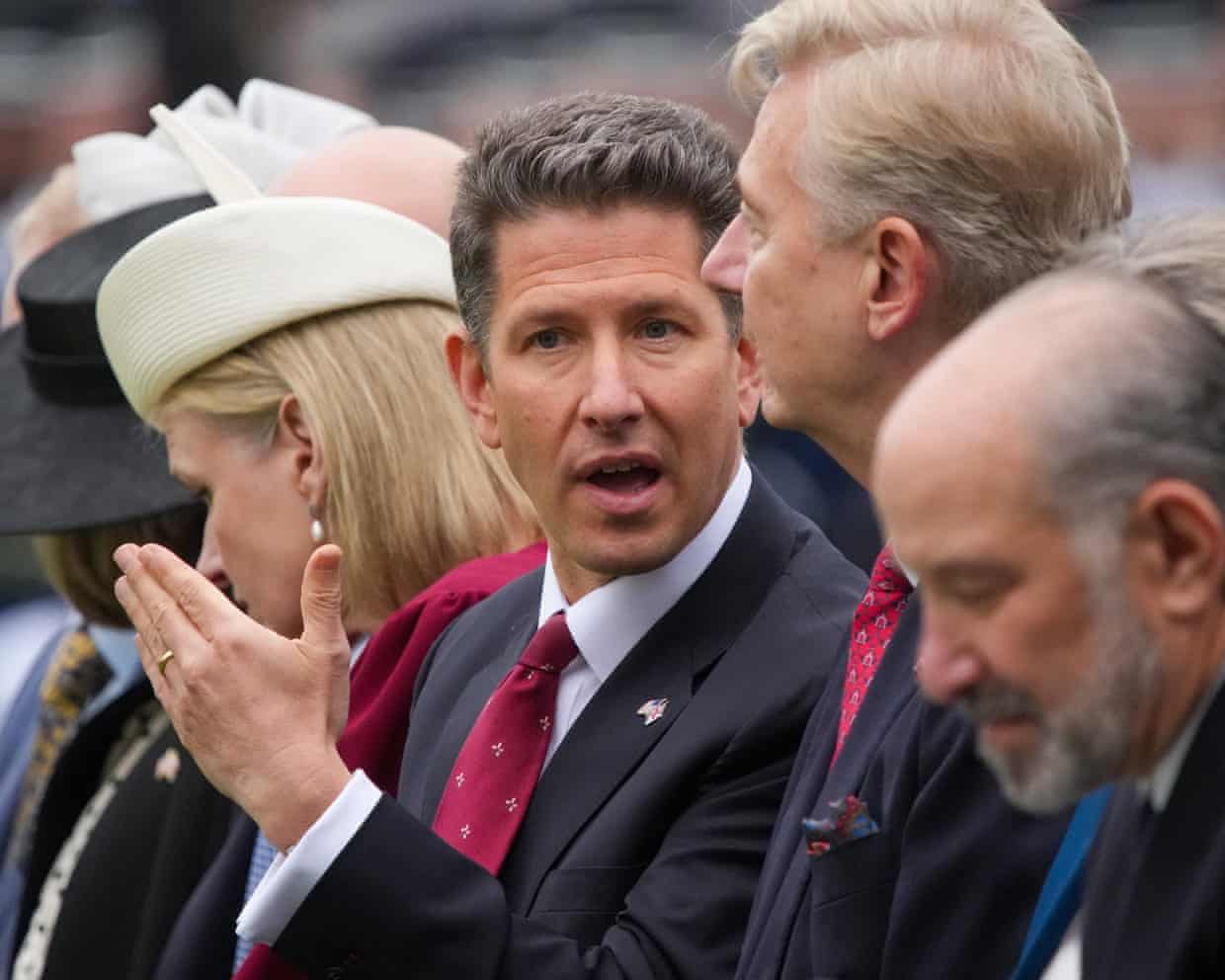
The UK’s new ambassador to the US has described Keir Starmer as having been “on the ropes” over the Peter Mandelson scandal and said it is Israel rather than Britain that has a “special relationship” with the White House.Christian Turner, who took office in February to replace Mandelson as the UK’s most senior diplomat in Washington, made the remarks privately to a group of students visiting the US in the same month he was appointed.His remarks are embarrassing for Downing Street because they emerged in the same week that the king is carrying out his state visit under the president, Donald Trump, who has previously described Mandelson as a “really bad pick”.Mandelson was sacked by the prime minister last year for misleading him over the depth of his friendship with the late child sex offender financier Jeffrey Epstein.Turner, 53, told the students it was “extraordinary” that the Epstein scandal “hasn’t touched anybody” in the US, while it had “brought down” Mandelson and “potentially the prime minister”, the Financial Times reported
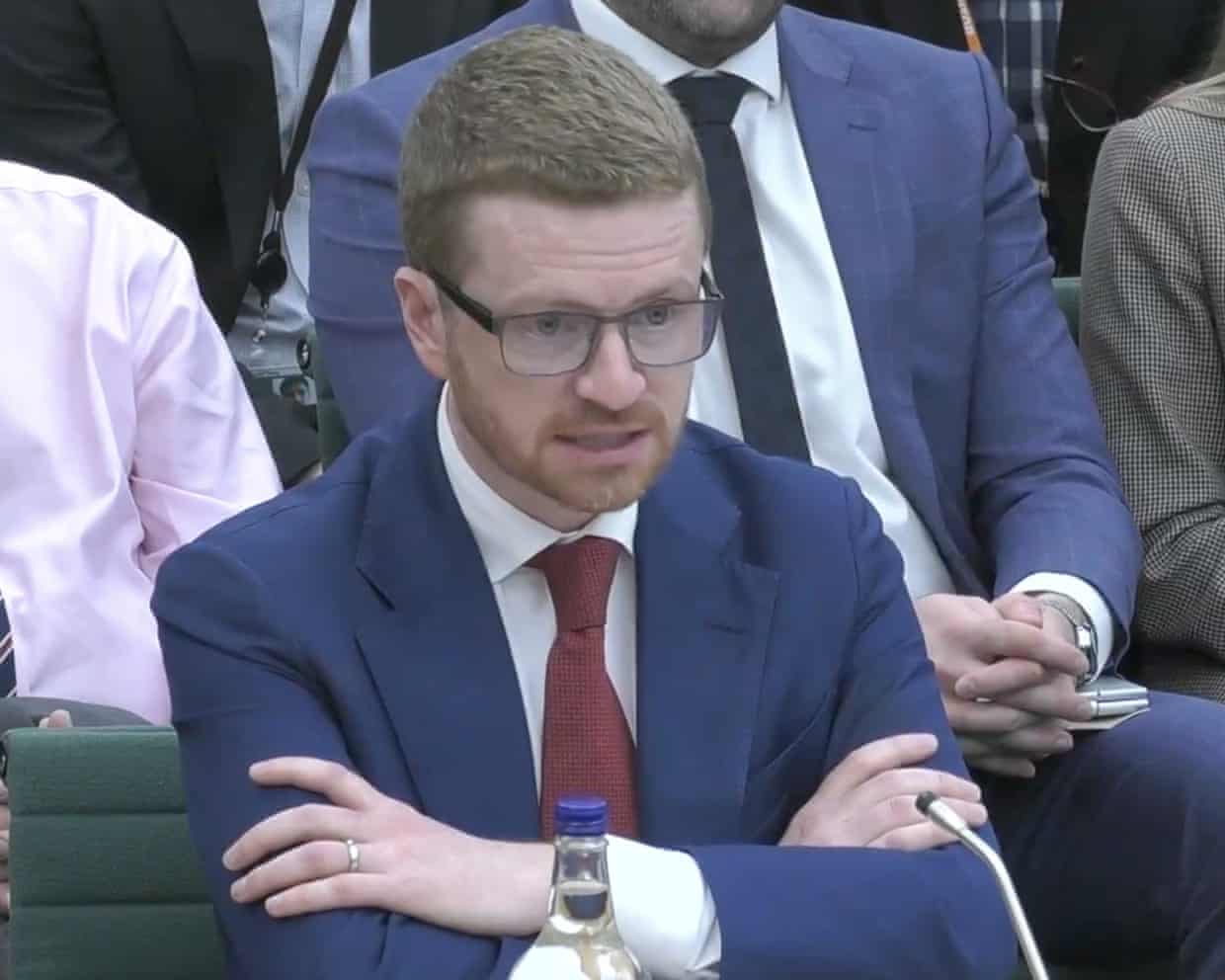
Morgan McSweeney does no lasting damage to Starmer in grilling by Emily Thornberry | John Crace
He walks! He talks! He breathes! For most people, Morgan McSweeney is a quasi-mythical creature. A being that exists almost entirely in the shadows. If at all. Away from the public gaze. The legendary slayer of the Labour left, rumoured to have been shaped in the dark arts by Peter Mandelson, who went on to become the eyes and ears of the prime minister
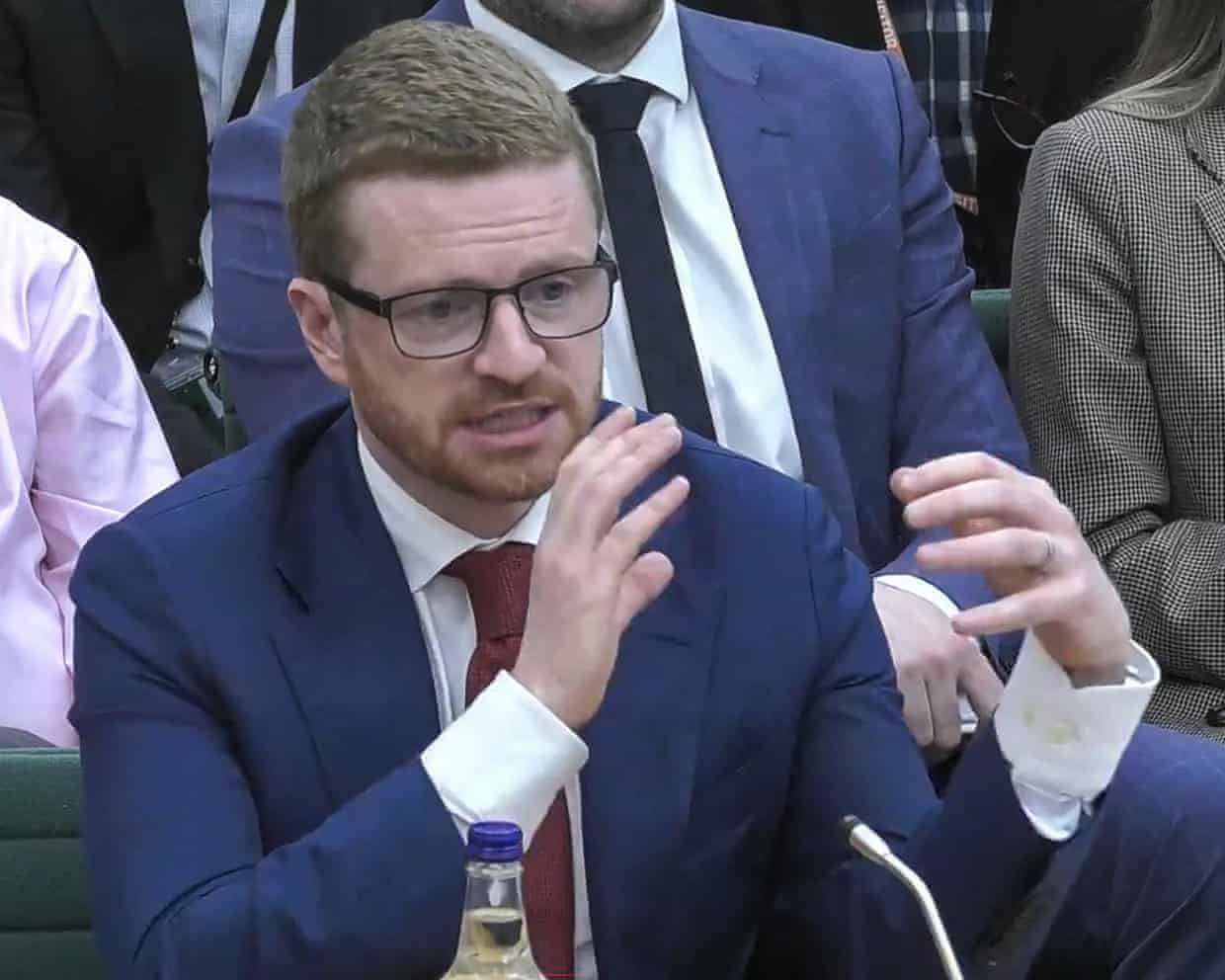
McSweeney admits pressuring Foreign Office to expedite Mandelson role
Morgan McSweeney has admitted that Foreign Office officials came under intense pressure to expedite Peter Mandelson’s posting as UK ambassador to Washington, but denied they were forced to “skip steps” in security vetting to do so.Keir Starmer’s former chief of staff, who resigned earlier this year over the scandal, acknowledged that he had asked the then top official at the department, Philip Barton, to conduct the process “at pace” but not to do anything “improper”.In a rare appearance before MPs on Tuesday, McSweeney said: “There is a real difference between asking people to act at pace and asking people to lower standards. We never did that. We never asked people to skip steps at any part of the process
What did Morgan McSweeney and Philip Barton tell MPs about Mandelson’s vetting?
Morgan McSweeney, the prime minister’s former chief of staff, gave his first public appearance at a high-stakes hearing of the foreign affairs select committee to be grilled on the appointment – and vetting – of the disgraced US ambassador Peter Mandelson. He was preceded by the former Foreign Office chief Philip Barton, who oversaw the early formal process for Mandelson’s appointment. Here’s what we learned.Barton said that there was “absolutely” pressure on the Foreign, Commonwealth and Development Office (FCDO) to get Mandelson to Washington as quickly as possible, though he drew the same distinction as the prime minister that there was a difference between pressure to grant vetting and pressure to do the process quickly.He said that No 10 was “uninterested” in the vetting process, and the inquiries were about the pace at which he could arrive in Washington, ideally before the inauguration
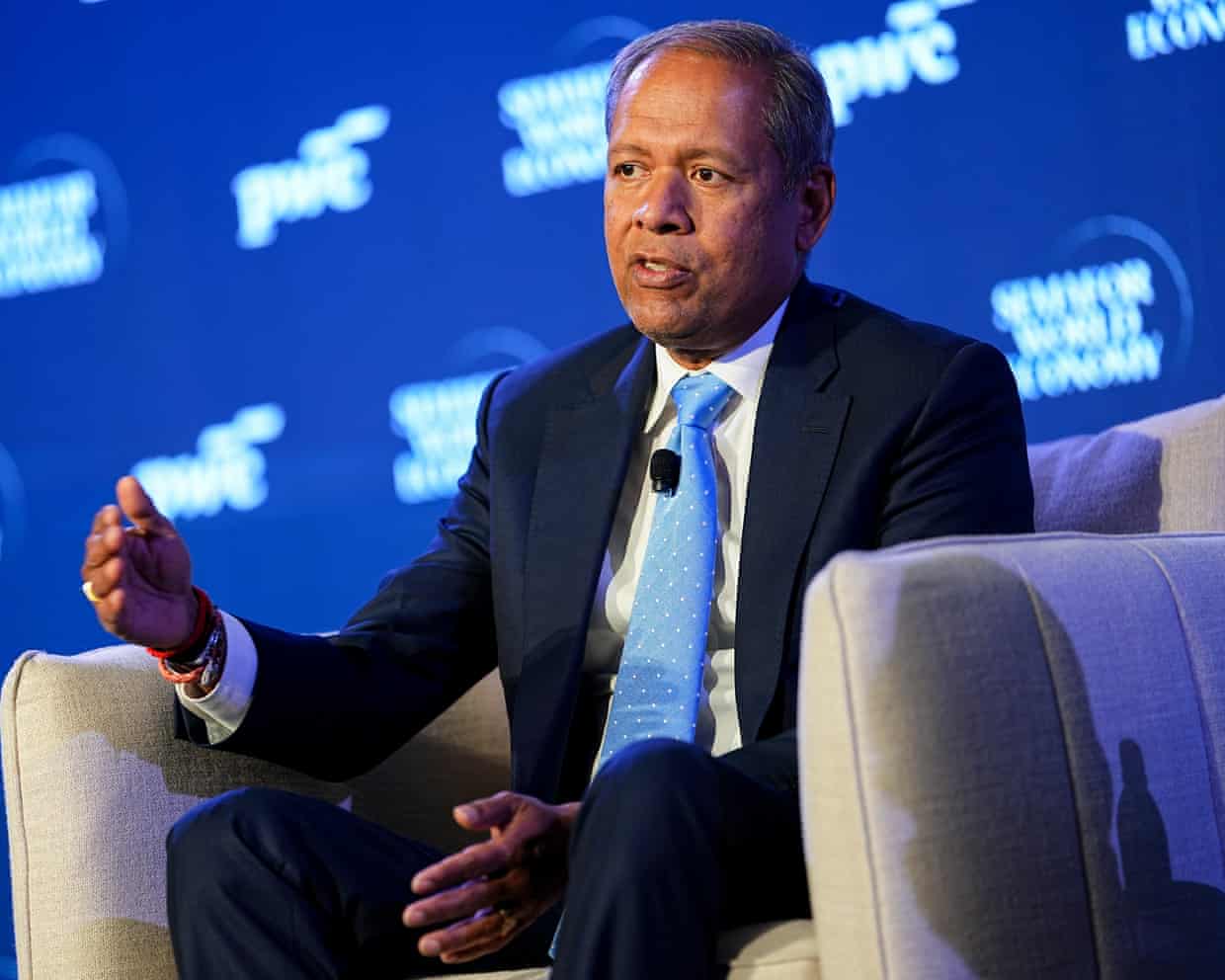
Another shadow banking hit – but otherwise, Barclays looks fine
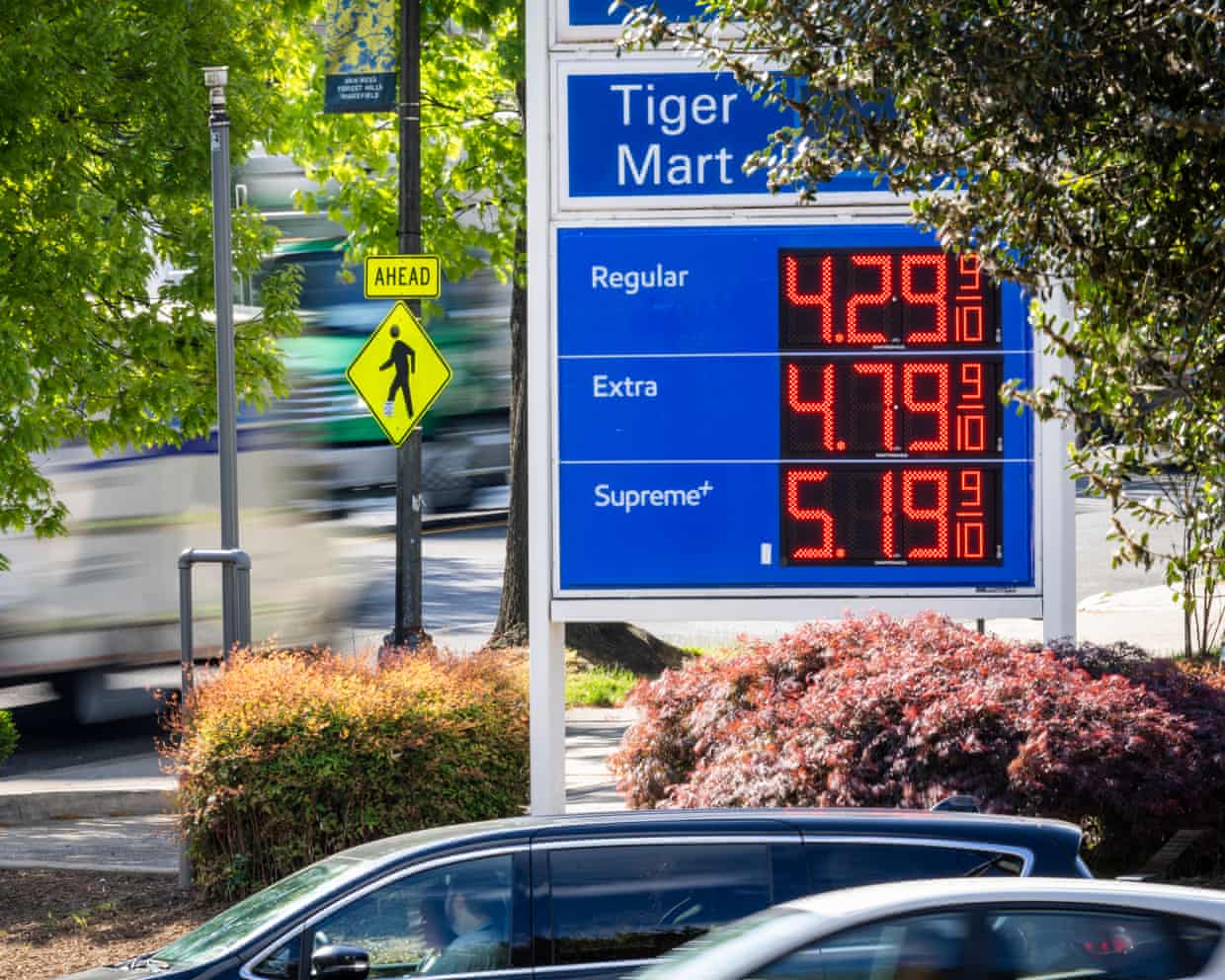
US gas prices surge to highest level in four years, averaging $4.18 a gallon
Google reportedly signs classified AI deal with US Pentagon
‘It feels like a betrayal’: anger as Apple to close its first unionized store in the US

‘Like cutting the head off a hydra’: how Mary Cain exposed Nike’s disgraced coaching team
The Breakdown | Celebrating elite speed machines who can send rugby into the stratosphere