UK urged to deploy EU-style ‘trade bazooka’ against Trump’s tariffs
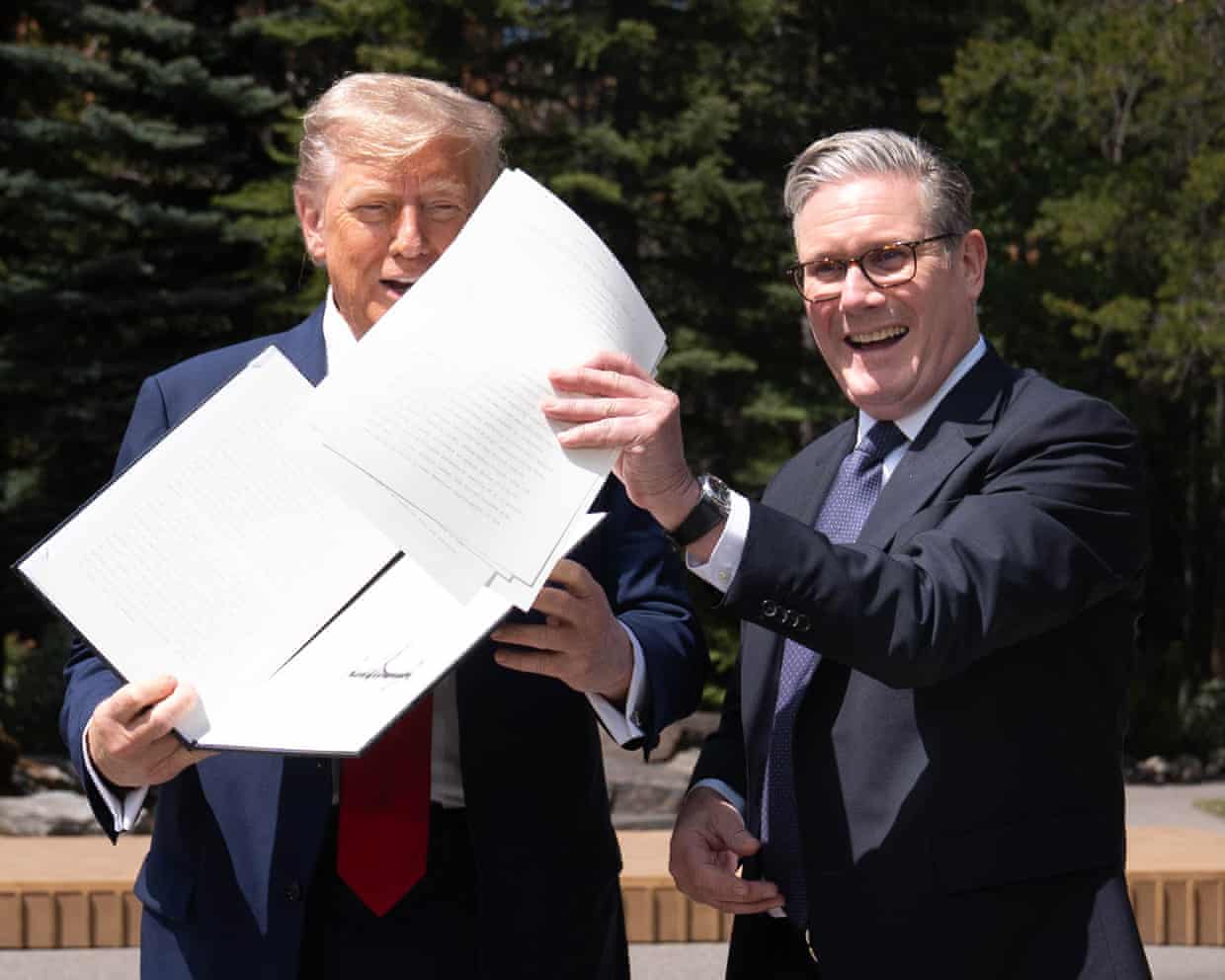
UK business leaders have called on the government to build an EU-style “trade bazooka” to protect Britain’s economic interests in response to the latest tariff threats from Donald Trump.As transatlantic tensions rise, the British Chambers of Commerce said the UK’s “inadequate economic security” was putting growth and jobs at risk.The lobby group, which represents thousands of firms, urged Keir Starmer to take the lead in protecting Britain from external crises, saying there had been “years of neglect by successive governments”.Geopolitical tensions, the impact of Brexit, the Covid pandemic, and wars in Ukraine and the Middle East mean UK companies are navigating an increasingly fraught global backdrop for international trade.The US president last week threatened to impose “a big tariff” on the UK unless it drops a digital services tax that impacts US technology companies.
In a report setting out recommendations to help stop the decline of British competitiveness in an increasingly unstable world, the BCC said urgent steps were required to protect companies from other countries’ punitive trade policies.Among its top priorities was for the UK to mimic the EU by creating a “trade bazooka” to deter other countries from making threats designed to bully Britain into changing its economic policies.Brussels’ trade bazooka, more formally known as its anti-coercion instrument, enables the bloc to impose sweeping restrictions on goods and services trade with an aggressor state.These can involve limiting access to public procurement programmes and financial markets, as well as restrictions on property rights and foreign direct investment.The BCC also urged ministers to take a “robust approach” to the EU’s Made In Europe agenda to ensure UK businesses had a role in wider European supply chains.
It called for UK firms to play a bigger role in UK defence procurement, and for the prime minister to create a new economic security cabinet committee.The BCC said in its report: “The government must add a ‘trade bazooka’ to its arsenal of responses to threats of economic coercion.“New legislation should include powers for ministers to use a range of levers, from duties to market access, to enhanced investment scrutiny and subsidy control.But there must also be appropriate safeguards to protect UK commercial interests.”Shevaun Haviland, the director general of the BCC, said it was clear that the government should prepare to take a more muscular response amid the increasingly fraught global landscape.
“The UK’s inadequate economic security has become a drag on growth, competitiveness and national strength; yet it is still not given the focus and urgency it demands,” she said.The UK’s minister for trade, Chris Bryant, said: “This report correctly identifies that free and fair trade is essential to the UK’s prosperity, and we want to ensure open markets aren’t distorted by those who try to use trade as a weapon.“That’s why we’ve already taken action, from identifying eight key sectors as part of our modern industrial strategy to strengthening supply chains to reduce our vulnerability to market shocks, and seeking views if the UK needs additional, last-resort tools to defend against acts of economic pressure if diplomacy isn’t enough.”He added: “Just last month I was in Europe to lobby on behalf of businesses as part of our Made in Europe campaign, and I look forward to continuing to work with the BCC and stakeholders to keep the UK open and secure.”Britain hitting US service-sector firms with retaliatory measures would carry risks given the scale of US economic involvement in the UK.
The US is Britain’s largest single trading partner, accounting for about a fifth of Britain’s global trade, and US companies also have more than £640bn invested in the UK.
Oil at three-week high as US-Iran peace talks stall, and Goldman lifts price forecast – business live
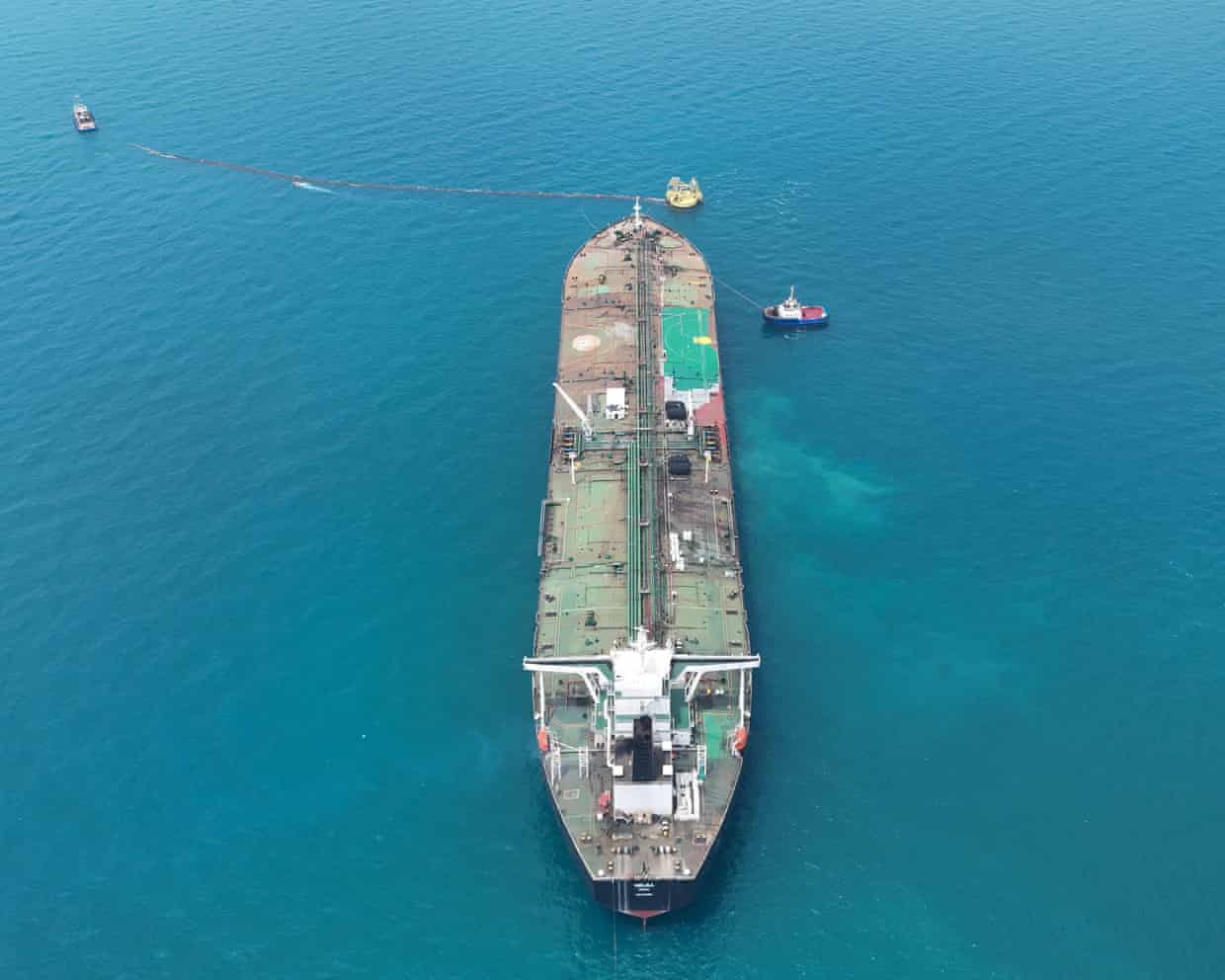
Good morning, and welcome to our rolling coverage of business, the financial markets, and the world economy.The new week begins with the oil price rising, again, as the stalled US-Iran peace talks threaten to extend disruption to crude supplies from the Middle East.Brent crude has jumped about 2% this morning to a high of $107.97 a barrel, the highest level since the two sides agreed a ceasefire on 7 April.Prices rose after Donald Trump cancelled his plan to send US envoys Steve Witkoff and Jared Kushner for ceasefire talks in Pakistan on Saturday, saying “too much time” has been “wasted on travelling”

Nationwide could have first customer on board for nearly 25 years
Nationwide building society could have a customer on its board for the first time in nearly a quarter of a century after one of its longtime members secured enough support for a spot on the lender’s annual ballot.James Sherwin-Smith will be up for board elections at Nationwide’s annual general meeting (AGM) in July, having gathered more than the 250 peer nominations necessary to run alongside existing directors.If successful, the 45-year-old from West Sussex would be the first Nationwide customer – known as members – to sit on the board of the building society for 24 years, with the last having retired in 2002.The last time a member-nominated customer was even on the AGM ballot was 2005, though they failed to secure enough votes to be elected to the board.The building society’s board members are typically appointed by the existing directors
Musk and Altman’s bitter feud over OpenAI to be laid bare in court
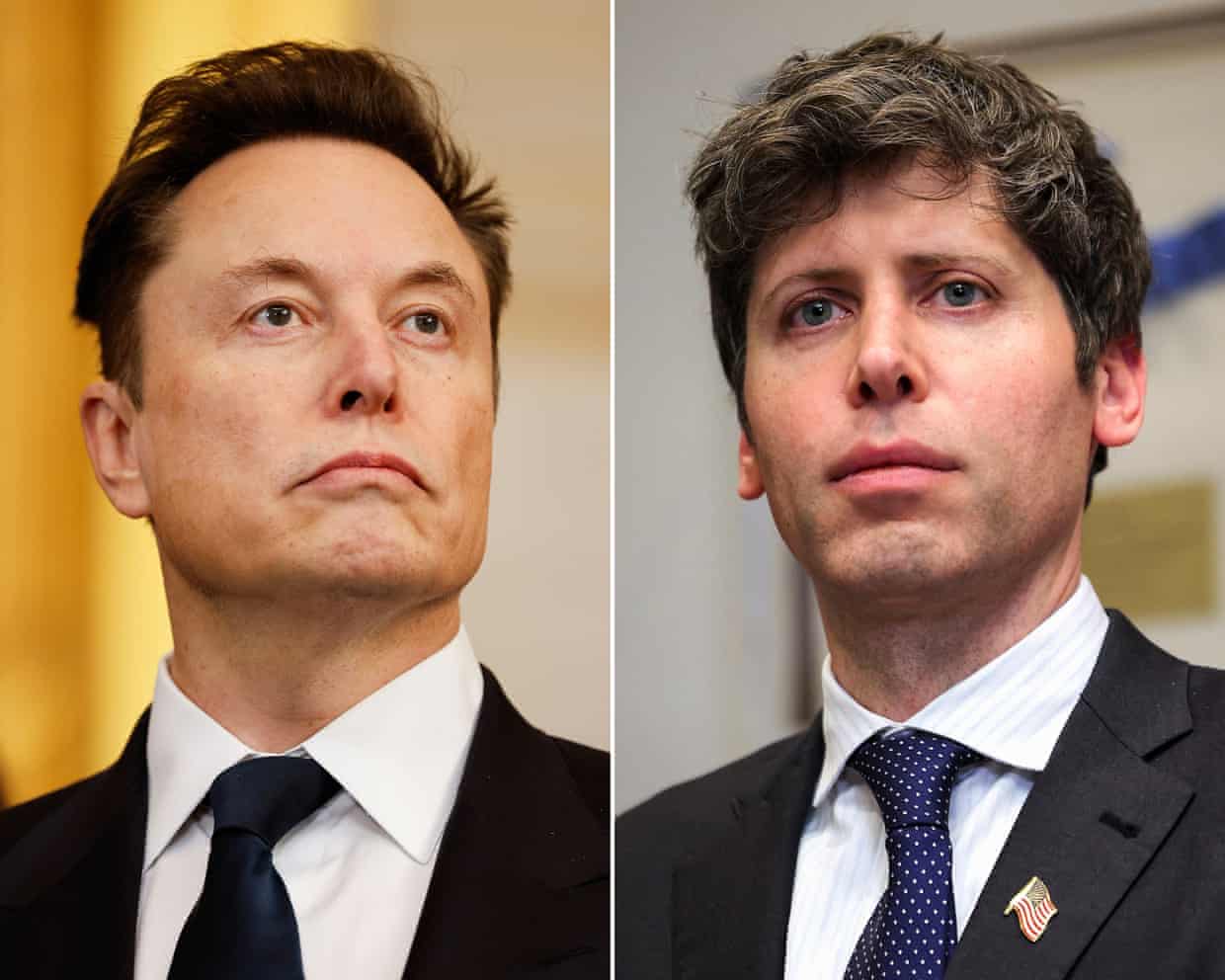
The bitter rivalry between two of the tech world’s most powerful men arrives in court this week, as Elon Musk’s lawsuit against Sam Altman and OpenAI heads to trial in Oakland, California. The case is set to feature some of the biggest names in Silicon Valley, and its outcome could affect the course of the AI boom.Musk’s suit, filed in 2024, focuses on the formative years of OpenAI when he, Altman and others co-founded the artificial intelligence company as a nonprofit with a grand purpose.“OpenAI is a non-profit artificial intelligence research company. Our goal is to advance digital intelligence in the way that is most likely to benefit humanity as a whole, unconstrained by a need to generate financial return,” reads the company’s mission statement, published in late 2015

UK departments at odds over energy demands of AI datacentres
One vision of the UK’s future involves a decarbonised economy powered by clean, renewable energy. Another involves making the UK an AI superpower.The government departments responsible for these two visions do not appear to have agreed on their numbers.The Department of Science, Innovation and Technology (DSIT) thinks AI datacentres will consume 6GW of electricity by 2030. The Department of Energy Security and Net Zero (DESNZ) appears to think they will use less than a tenth of that
Ireland revenge mission falls flat amid flurry of squandered chances but England march on | Sarah Rendell
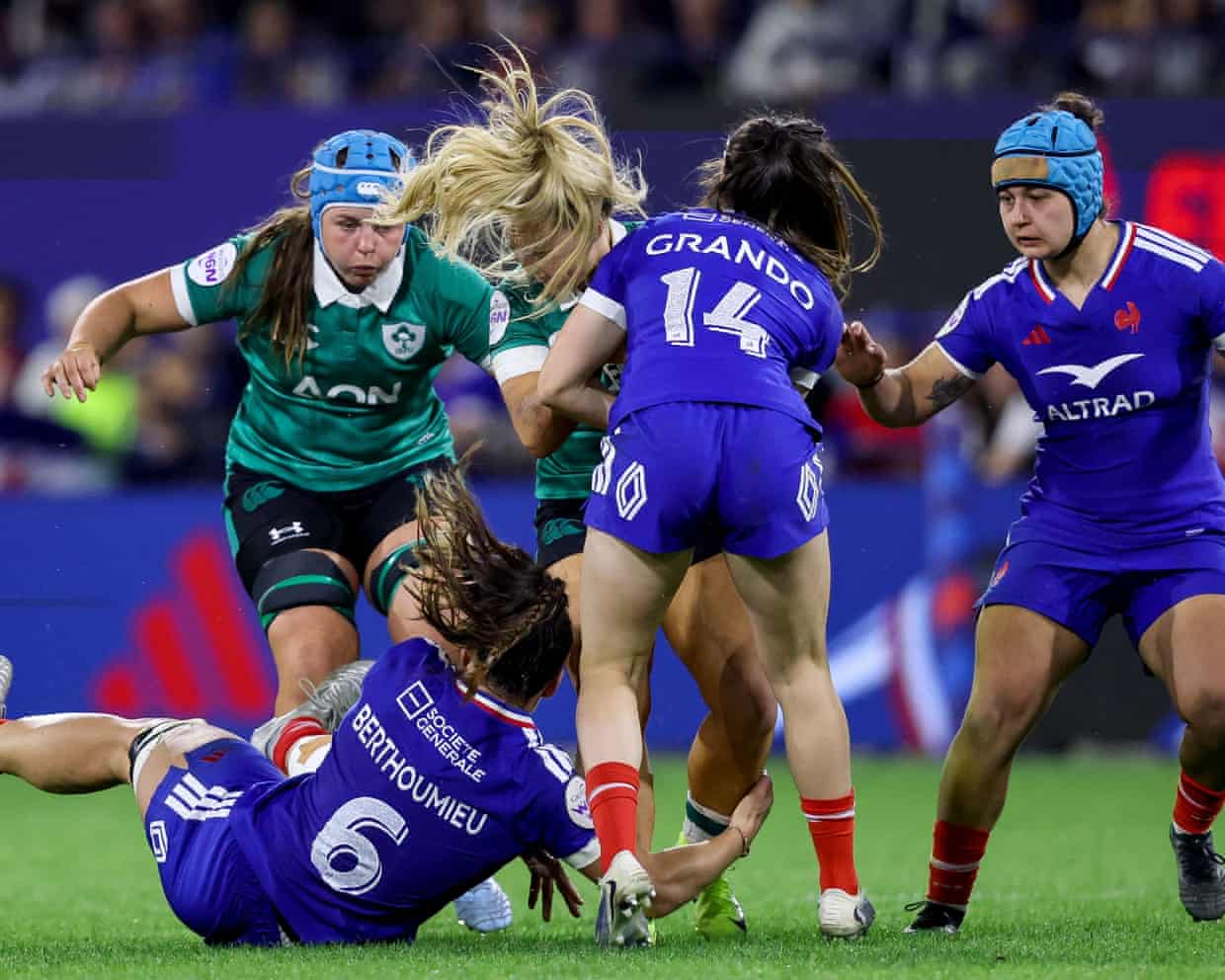
Ireland sent out mixed messages from their camp before their game with France on Saturday: was this a revenge mission for their Rugby World Cup quarter-final exit or not? The head coach, Scott Bemand, had denied it but the captain, Erin King, admitted the World Cup game had added some “venom” to the encounter and the full-back Stacey Flood said France should be “worried if I was them”.The Irish team may have had the image of Axelle Berthoumieu biting Aoife Wafer, an action that was not caught during the quarter-final but the France back row was given a nine-game ban afterwards, for added motivation if any was needed. There was certainly no love lost between the teams, with the fixture full of tension, squabbles and huge hits.But Ireland missed the chance to land a vengeful blow on their rivals and the opportunity slipped through their fingers with three disallowed first-half tries and a missed penalty. The visitors’ inability to put daylight between themselves and France on the scoreboard allowed the hosts to take the game away from them in the final 25 minutes
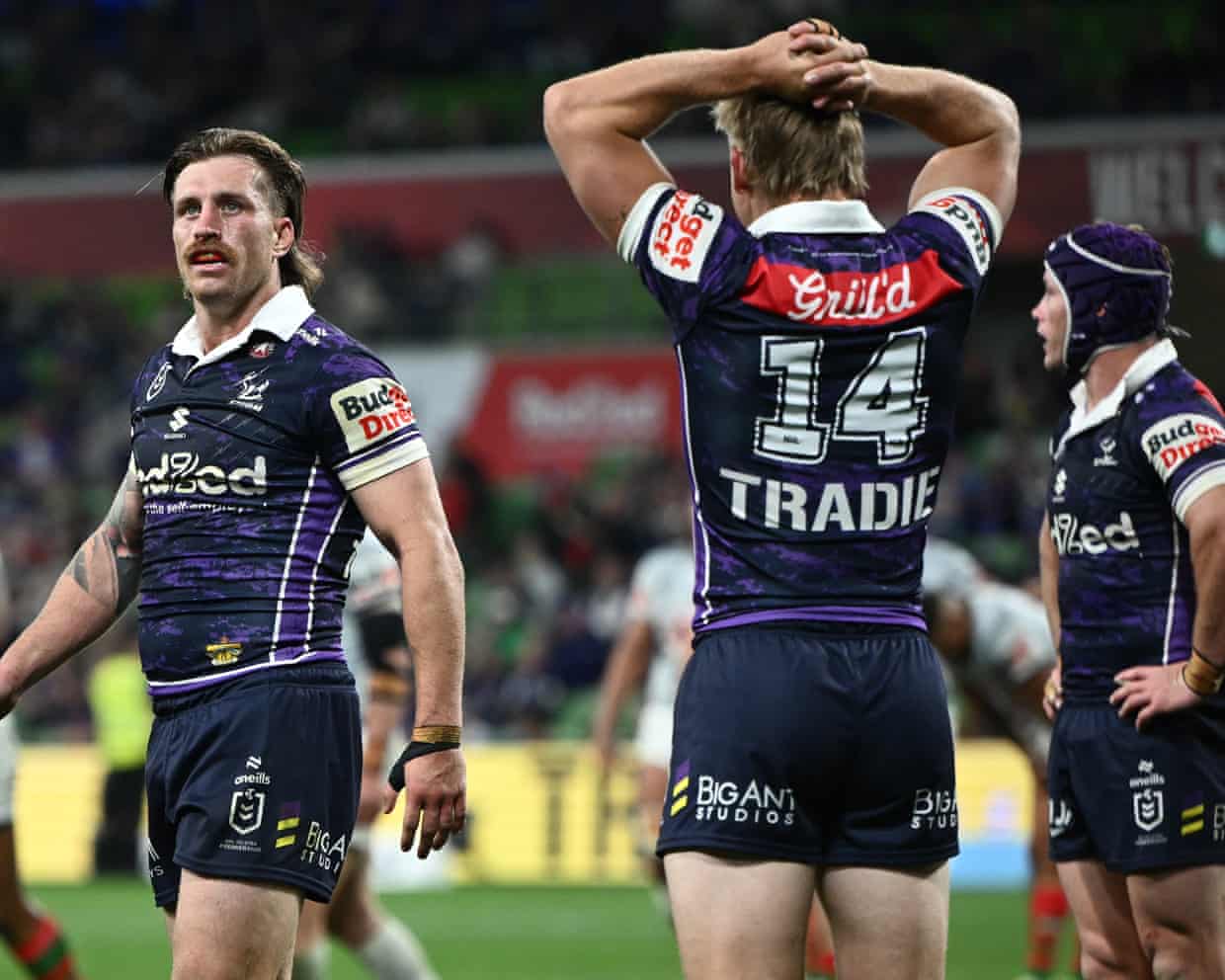
Storm success was as certain as death and taxes. So how has it all gone wrong? | Nick Tedeschi
For over two decades, Melbourne Storm have been the standard for how an elite sporting organisation operates in Australia. Led by head coach Craig Bellamy and head of football Frank Ponissi, the Storm have known nothing but success. The only time they have missed finals under Bellamy was during a ban following the 2010 salary cap scandal. In 23 years with Bellamy in charge, the Storm have won nine minor premierships, finished in the top four 18 times and played in 11 grand finals, winning five. Success has spanned players, spanned time and spanned the changing nature of the game
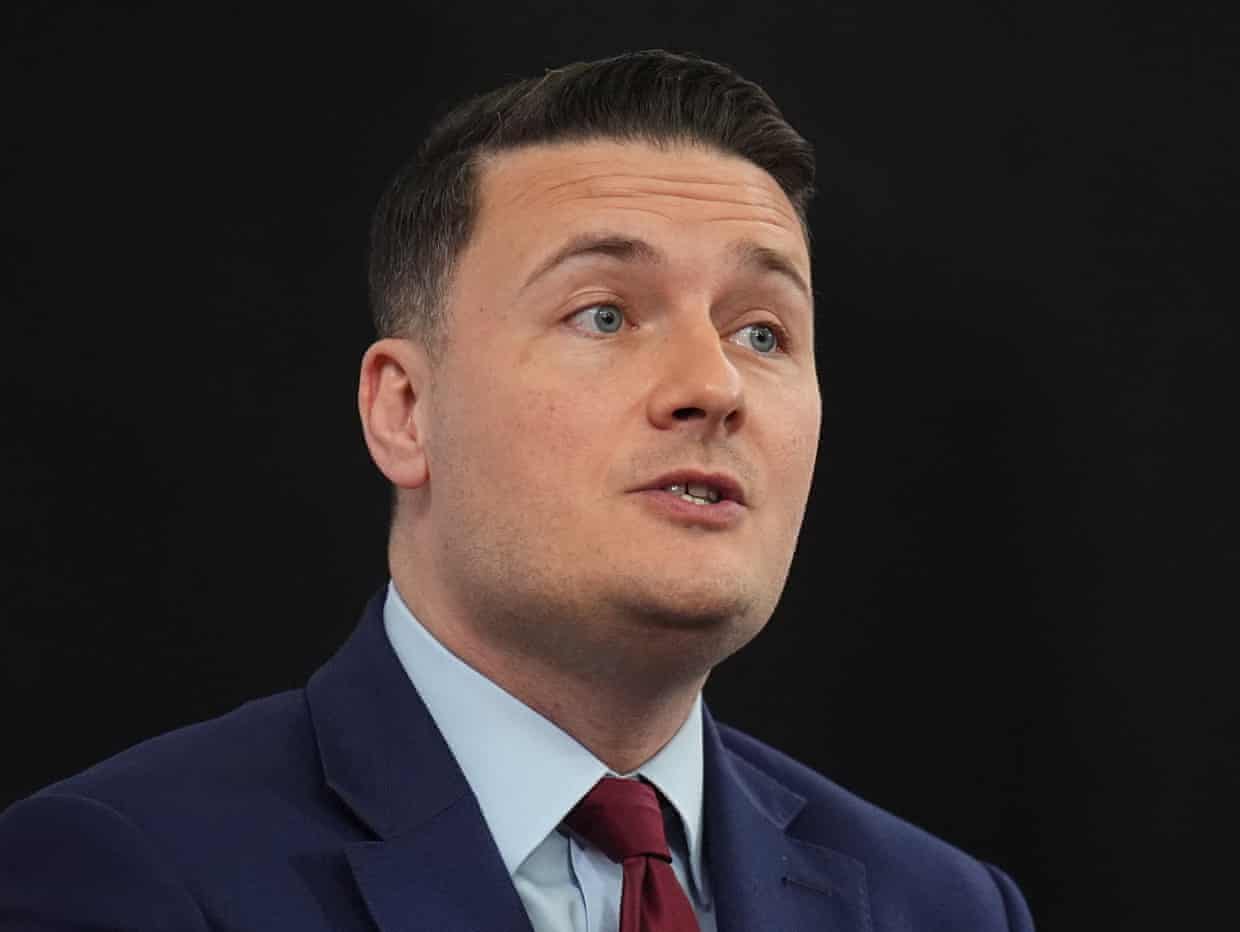
Dozens of MPs oppose Streeting’s new power to say what NHS pays for drugs
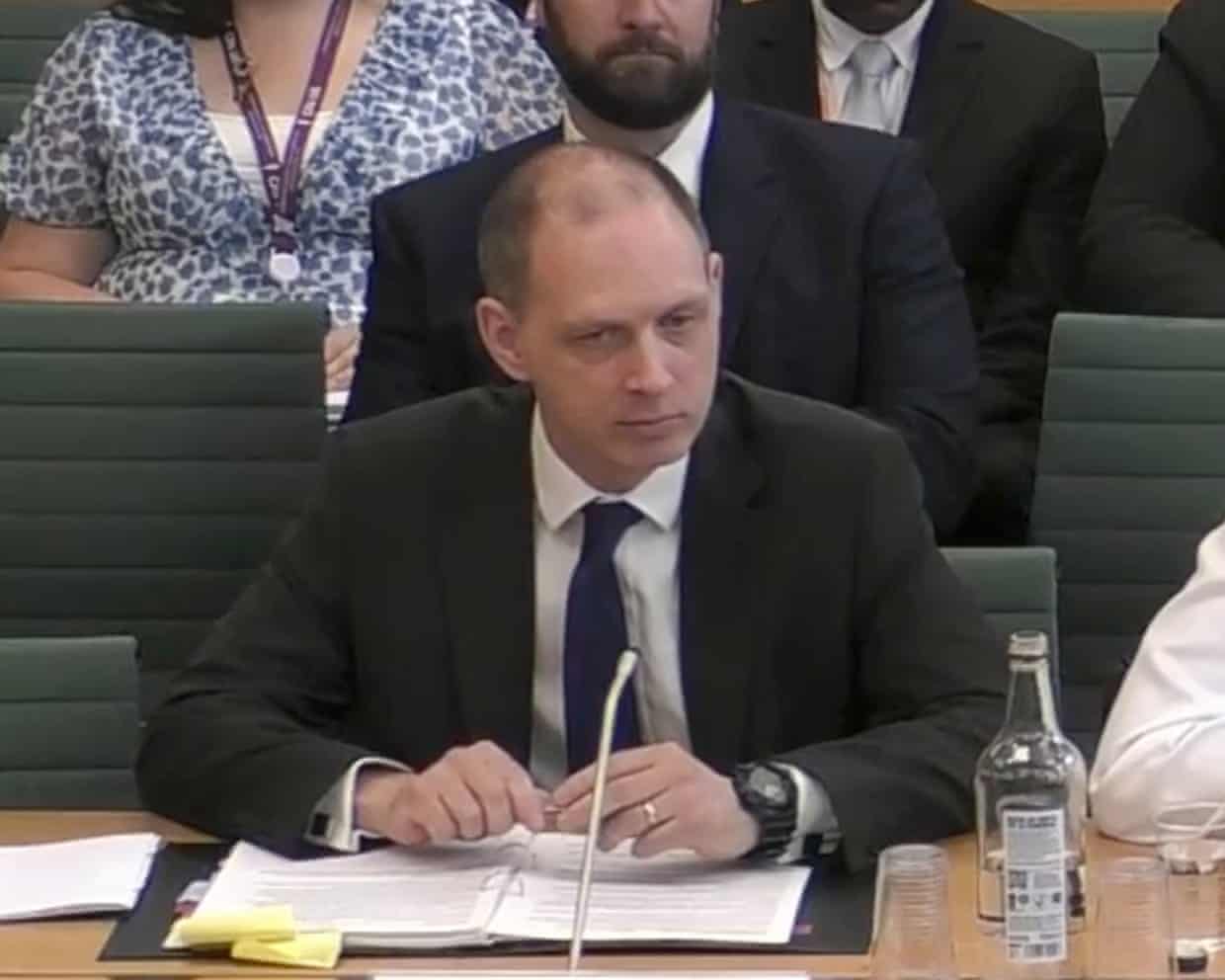
Key figure in Mandelson vetting scandal will not give evidence before MPs
Security vetting stepped up after MP is given bodyguard with far-right links

Partygate v Mandelson: Keir Starmer faces attack from his own playbook
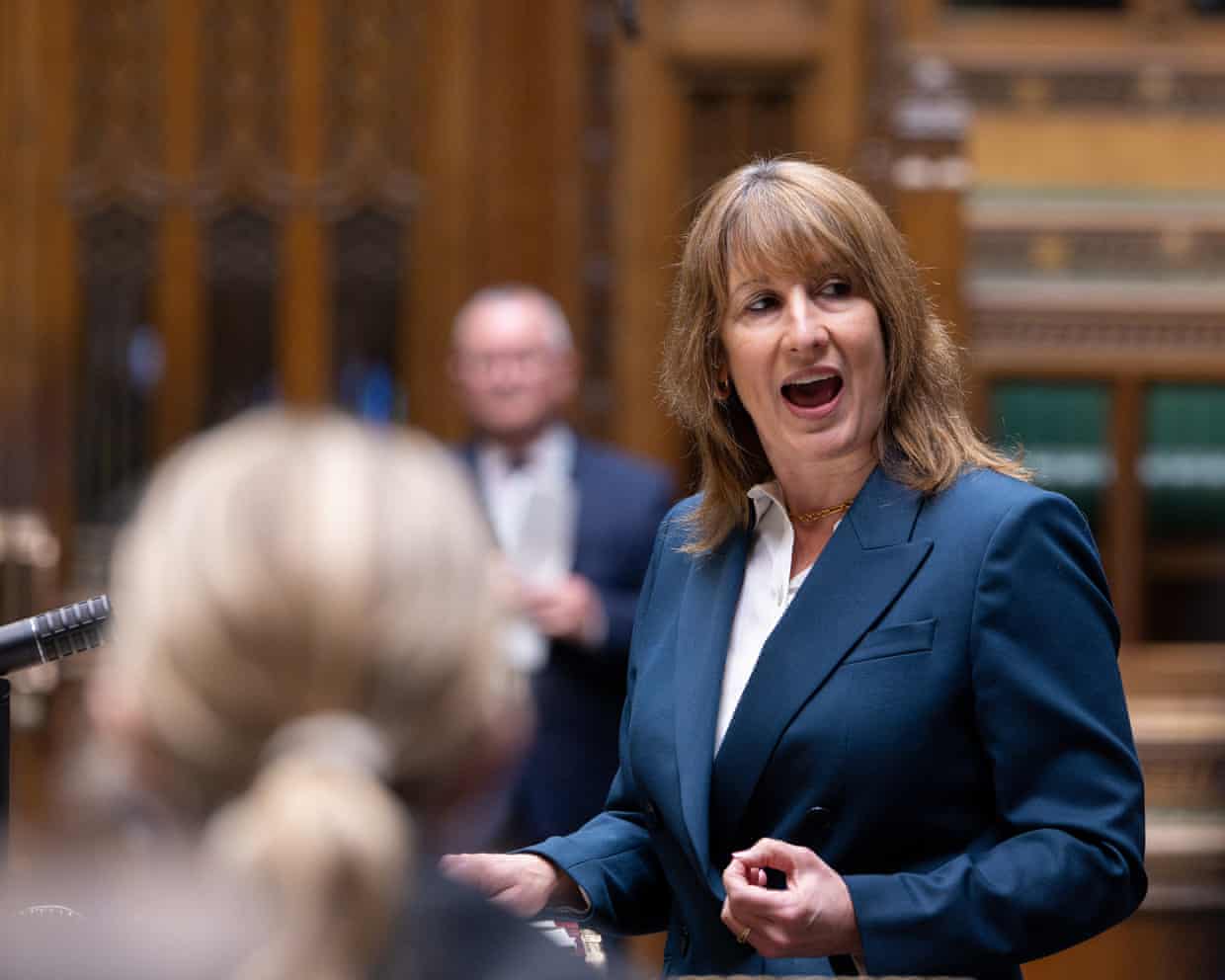
Unlucky chancellor? Iran shock hits Reeves just as UK seemed to turn corner
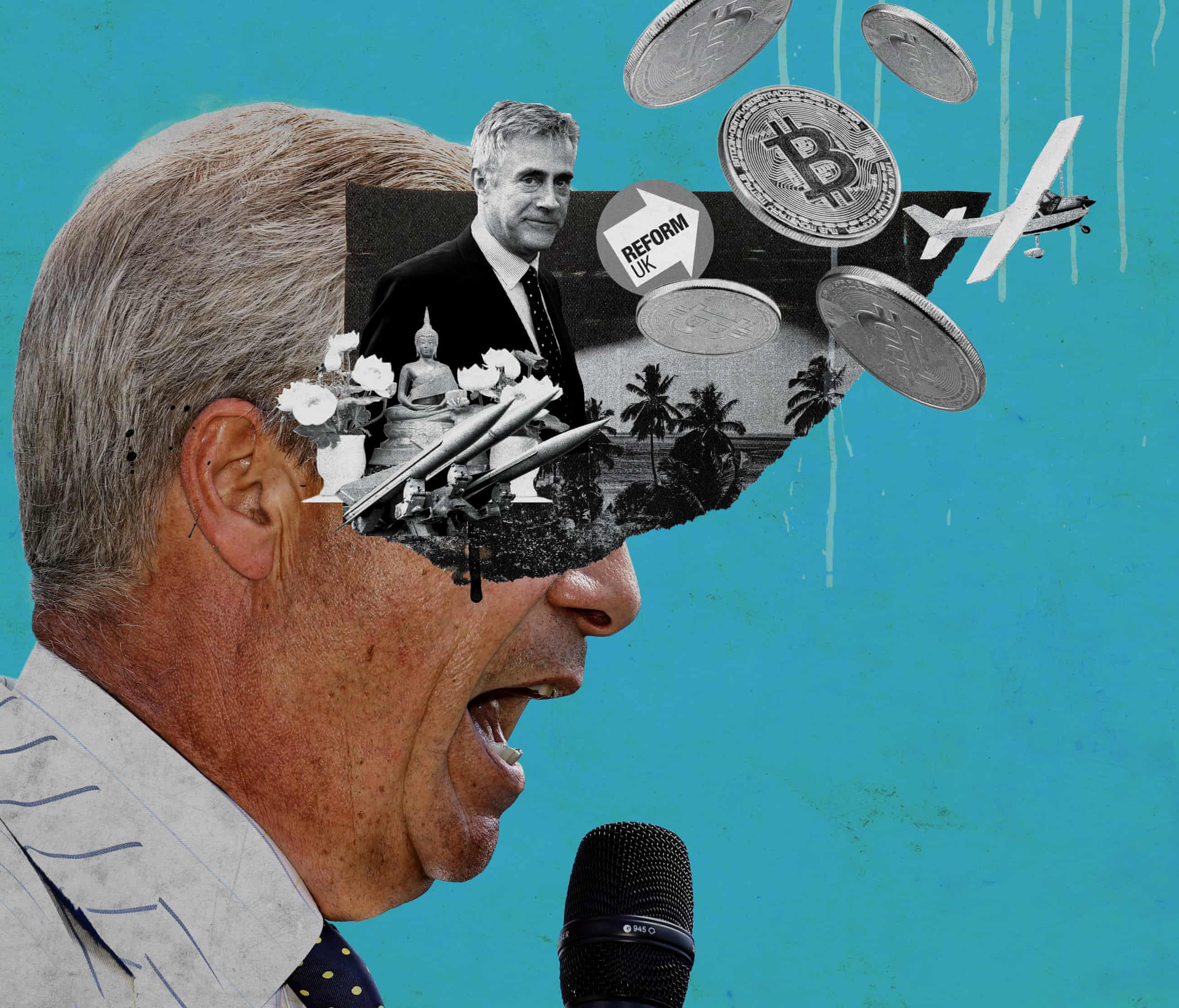
‘Nigel is mad to accept his money’: who is Christopher Harborne, the mystery billionaire bankrolling Reform?