When her ‘soul cat’ died, she was bereft. Now she designs memorial jewelry to help others with pet loss
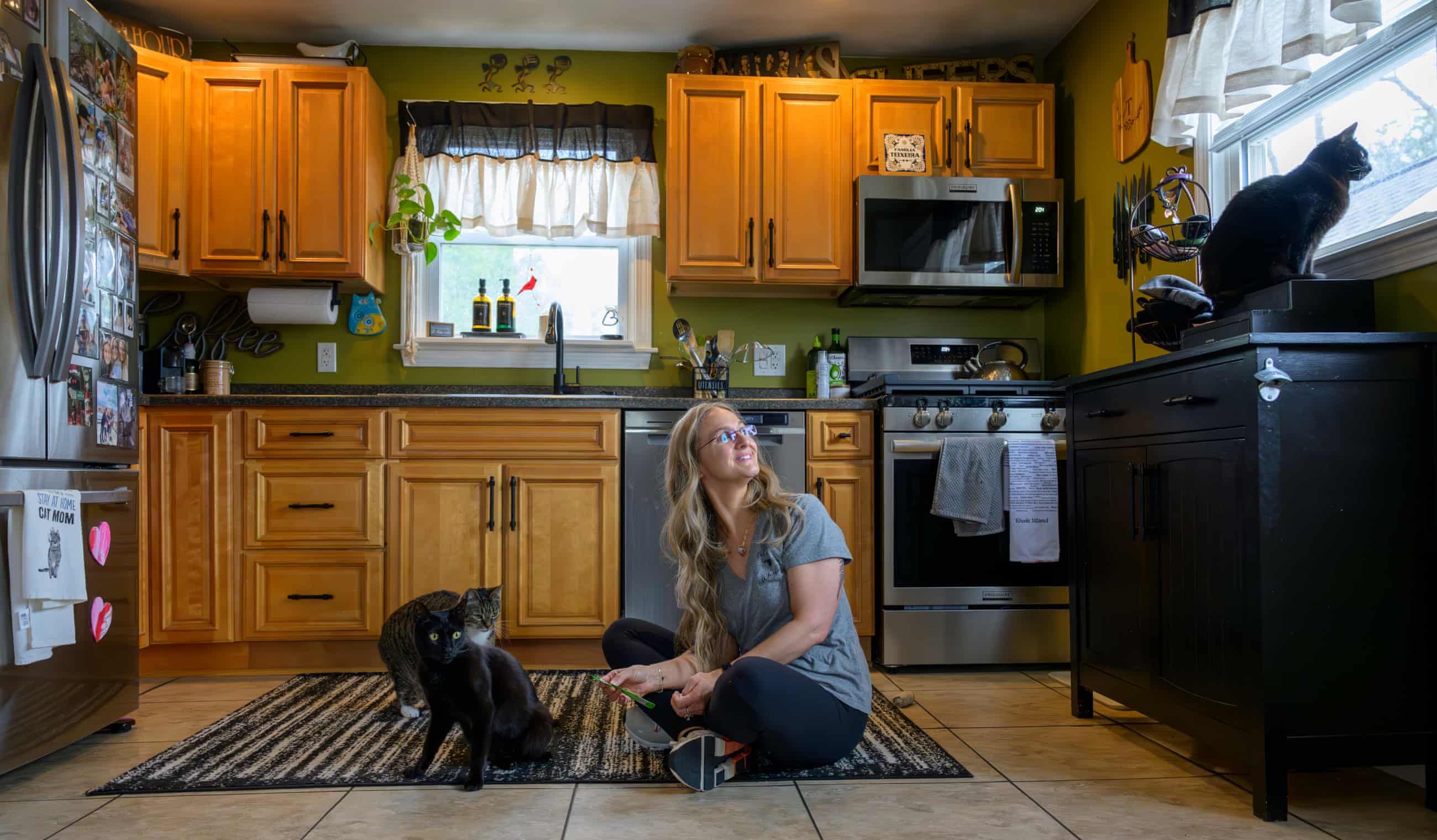
A layoff and a leap of faith convinced Katie Teixeira she had what it takes to run her own businessIn 2010, Katie Teixeira adopted a kitten found all alone in an abandoned house.The kitten – so tiny she fit in the palm of Teixeira’s hand – needed to be bottle-fed every few hours.For weeks, Teixeira set her alarm for middle-of-the-night feedings and drove home on her lunch break to care for the kitten she named Milo.As the cat grew, so did the connection between them.“We just bonded,” Teixeira says.
“Like mother and daughter.”Eventually, Teixeira and her husband adopted four more cats, but Milo, a tabby with white toes, maintained a special place in Teixeira’s heart.“People talk about soul animals,” she says.“Milo was my soul cat.”When Milo died in 2021, Teixeira was bereft.
She wanted a way to commemorate her.While Teixeira, who was working as a procurement analyst for CVS Health at the time, had seen pet memorial jewelry online, keepsakes that sometimes included the animal’s ashes or fur, “it just didn’t speak to me”, she says.“I’ve always been artistic and very crafty.So I was like, let me try doing something myself.”It took a few years for inspiration to strike, but in 2023, Teixeira made a ring using a few of the whiskers Milo had shed while she was alive, crisscrossing them over a shimmering silver resin.
What happened next, she says, “happened very fast”.When Teixeira wore the ring to her next volunteer shift at PawsWatch, the cat shelter near her home outside Providence, Rhode Island, she was inundated with requests from people who wanted their own.Soon, Teixeira was making dozens of pieces, which she began posting on her social media accounts.When one of her Instagram reels went viral, her inbox swelled with questions and requests.So Teixeira took two days off from work and built a website.
Just three months after she made her first ring, Fallen Whiskers was born.For a while, the business was Teixeira’s side hustle, a passion project that filled her nights and weekends and allowed her to support the shelter, where she donates a portion of her proceeds.But then, in 2024, she was laid off from her job of 20 years.Friends and family encouraged her to make her side hustle a full-time gig.“I remember saying to her, and I know it’s cliche, that when one door closes, another opens up,” says Donna Lilla, the operations manager at PawsWatch.
“It just felt meant to be.”But Teixeira wasn’t so sure.“I was terrified,” she remembers.Her husband’s work as a heavy equipment operator could sustain the family only for so long.But her startup costs would be minimal; all she needed was a small stockpile of ring and necklace settings, the mica powder she used to create the resin backgrounds – and the whiskers, teeth and claws of pet owners who put their trust in her.
She decided to test the business out, only for a few months.Two years later, Teixeira fills about 15 orders a week for pieces that sell for $125 to $150.She has more than 100,000 Instagram followers.Her customers speak about her in adoring terms.“She’s doing God’s work,” says Rebecca Snyder, a non-profit professional from Westchester county, New York, who remembers the day she lost her cat Emma as “literally the worst day of my life”.
The pain was so overwhelming, the 40-year-old sought grief counseling.Snyder says the matching teardrop ring and pendant necklace that Teixeira designed, with whiskers laid over a pearlescent green resin that matched the Maine Coon’s eyes, provided tremendous comfort: “I felt like I had done Emma justice by honoring her in such a beautiful way.”Teixeira has incorporated whiskers, ashes, fur, teeth, claw sheaths, reptile skins, horse mane, hedgehog quills, bones and bits of favorite toys and blankets into cufflinks, bracelets, earrings and necklaces.(All materials must be shed naturally or collected after death, she said.) She has made a pendant of lion whiskers for a zookeeper mourning the big cat and another pendant of tiger whiskers for the sanctuary worker who cared for the rescued animal.
Fallen Whiskers is a part of a broader shift in how Americans view their pets.According to the Pew Research Center, 97% of owners consider their animals to be part of the family; more than half say their pet is as much a part of their family as a human member.Also on the rise: the amount of money pet owners are willing to spend on their animals, during their lives and afterwards, including on things like cremation, burial, memorial services and the kinds of bespoke consumer goods Teixeira produces.Americans spent $157bn on their pets in 2025, up from $90bn in 2018, according to the American Pet Products Association.“I’m still kind of wrapping my head around the fact that I am where I am right now,” Teixeira says of being able to earn a living from her passion project.
“I guess I’ve made it.”But “making it”, she’s learned, is very much a job that never ends.When she started out, Teixeira tried to do her own accounting using QuickBooks but soon became overwhelmed.She decided to hire a part-time bookkeeper, the only individual on her payroll besides herself.“It’s just one thing I don’t have to worry about, and I can focus more on my customers and my orders,” she says.
Balancing her books has gotten much trickier in the last year.In April 2025, the Trump administration announced a 10% minimum tariff on almost all jewelry-related imports (with some countries and products facing much higher rates), a policy that affects Teixeira, who imports materials she can’t source in the US.A shaky market, meanwhile, has pushed investors into assets like precious metals, a trend that has essentially tripled what she pays for silver and gold.“I have to extend that cost on to the customers,” she says.“It sucks – period.
”According to the Jewelers of America, an industry group that represents retailers and suppliers, these market shocks “pose a grave threat” to small jewelers like Teixeira, who rely on imported materials and operate on much thinner margins than big box stores.“The uncertainty of an escalating trade war can … potentially jeopardize the livelihoods of small retailers who form the backbone of the US jewelry market,” the group said in a position statement.Teixeira says she is constantly monitoring her material costs, and, “as needed, adjusting on my side”, a time-consuming chore that takes her away from her workbench.But according to Teixeira, managing costs isn’t the most difficult part of running Fallen Whiskers – it’s managing her emotions.“The biggest challenge is the emotional weight of the work that I do,” she says.
“Every day, I’m just diving into other people’s grief.”That’s because Teixeira doesn’t just ask her clients for the fur and ashes they want included in their jewelry.She asks them to tell her the story of their bond with that animal.“And I’ve been there,” she says, “so it stirs up a lot of my own grief.”While not a requirement, Teixeira says learning about the pet is a part of her creative process, as well as her way of helping other people through the pain of losing a companion.
“I was high-peak grieving, so writing was therapeutic for me,” says Natacha Hein, a clinical research contract specialist at Children’s hospital in Denver.“She helped me get over the hump.”Hein stumbled upon Teixeira’s work online when she was looking for a way to memorialize Zazu, the “spicy” tabby that transformed the self-professed dog person into a cat person.“I wanted to feel like he was always around me,” Hein said.The other shops she looked at “didn’t have that interaction piece.
Their content felt scripted.There wasn’t a lot of warmth.” The conversations she had with Teixeira made her feel safe to send the jewelry maker precious, irreplaceable materials like fur and ashes.The day Hein received her ring, a smoky green the color of Zazu’s eyes, “was emotional as all hell”, she says.“I give Katie so much credit.
It is a beautiful thing she is doing.”So far, Teixeira has relied solely on word of mouth and daily posts on Facebook and Instagram to market Fallen Whiskers.Demand is growing, but Teixeira – who works on one piece at a time – isn’t in a rush to scale.“I don’t ever want it to feel transactional,” she says.That’s not to say the small-business owner doesn’t have aspirations.
“One day, I’d like to start my own cat sanctuary,” she says.“That’s my big, big dream.”

NatWest faces AGM showdown over ‘climate backtracking’
NatWest is at risk of an embarrassing showdown at its shareholder meeting this week as investors and scientists call for an urgent reversal of what they describe as “climate backtracking”.Campaigners including ShareAction are calling for protest votes against the bank’s chair, Rick Haythornthwaite, at its annual meeting in Edinburgh on Tuesday.The call is part of efforts to hold the board to account after NatWest watered down restrictions on lending to the oil and gas sector and dropped some decarbonisation targets “without robust explanation”, according to the campaigners.Investors including the Church of England have already thrown their weight behind the campaign, saying they will vote against the reappointment of board members.ShareAction will present letters at the AGM, including a statement signed by investors with $1

The great energy pivot: US oil and Chinese solar are the winners in Trump’s war on Iran
Exposure of world’s reliance on Middle East supplies accelerates global shift towards new energy superpowersIn the open seas, an armada of empty tankers has quietly turned west. A record number of super-sized vessels are now heading to the US, where oil drillers and refineries are preparing to profit from Donald Trump’s war in the Middle East.Almost 30 of these vessels, each able to hold 2m barrels of oil, are contracted to load US crude, destined for a global market facing the biggest supply crisis in history.It is just over five years since the shale revolution made the US a net energy exporter and the world’s biggest producer of oil and gas. Now the White House is poised to strengthen its claim to an even greater share of the global oil market as the Middle East’s decades-long dominance is dismantled by war
Cannes AI film festival raises eyebrows – and questions about future
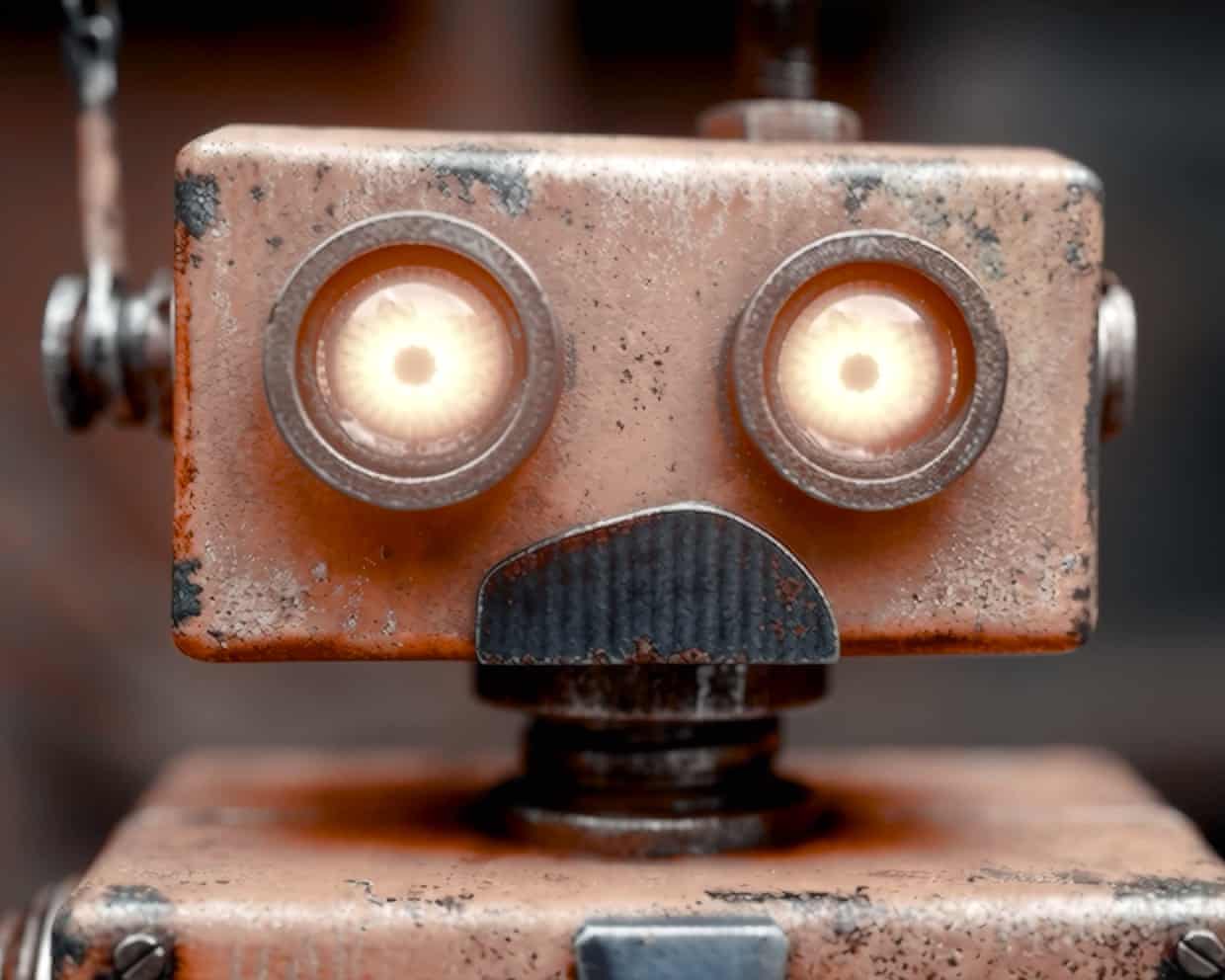
In Cannes’ darkened screening rooms, the supposed future of cinema flickered into life this week and it was strange. The first edition of the World AI film festival (WAIFF) showcased visions of men with fish scales erupting from their necks and seaweed from their mouths, a heroine with a heart beating outside her body and so many massed armies of AI-generated tanned men sweeping across battlefields that David Lean would have blushed.Last week the Cannes film festival, entering its 76th year, banned the emerging technology from its Palme d’Or competition, insisting “AI imitates very well but it will never feel deep emotions”. But this week the Croisette was taken over by the upstart AI film movement and their big-tech backers amid increasing investment and attention from the Hollywood studios. A “nouvelle vague”, they said, is coming

Facing AI and a tough job market, gen Z turns to entrepreneurship: ‘I have to prove myself’
When Ashley Terrell graduated from the University of Hawaii in 2024, she planned to find a job in marketing, maybe for a tech company. She had a bachelor’s degree in business administration and a college résumé that included a student marketing job for Red Bull. But after months of applying, her only offer was to work in the power tools section at Home Depot. “It was quite a shock,” she told the Guardian. “I searched for jobs every single day in that Home Depot bathroom

Masterclass on Anzac Day encapsulates why unflappable Scott Pendlebury is so good
The week in football was characterised in many ways by the absence of competence. There wasn’t much competence over at Kayo, which had more crashes than Leslie Nielsen. There wasn’t much competence in the umpiring on Friday night. There wasn’t much competence at the AFL tribunal, with its barking dogs and house inspections. There wasn’t much competence, or basic decency, at its appeals board
Nikola Jokić boils over after McDaniels’s mocking layup in Nuggets’ loss to Timberwolves
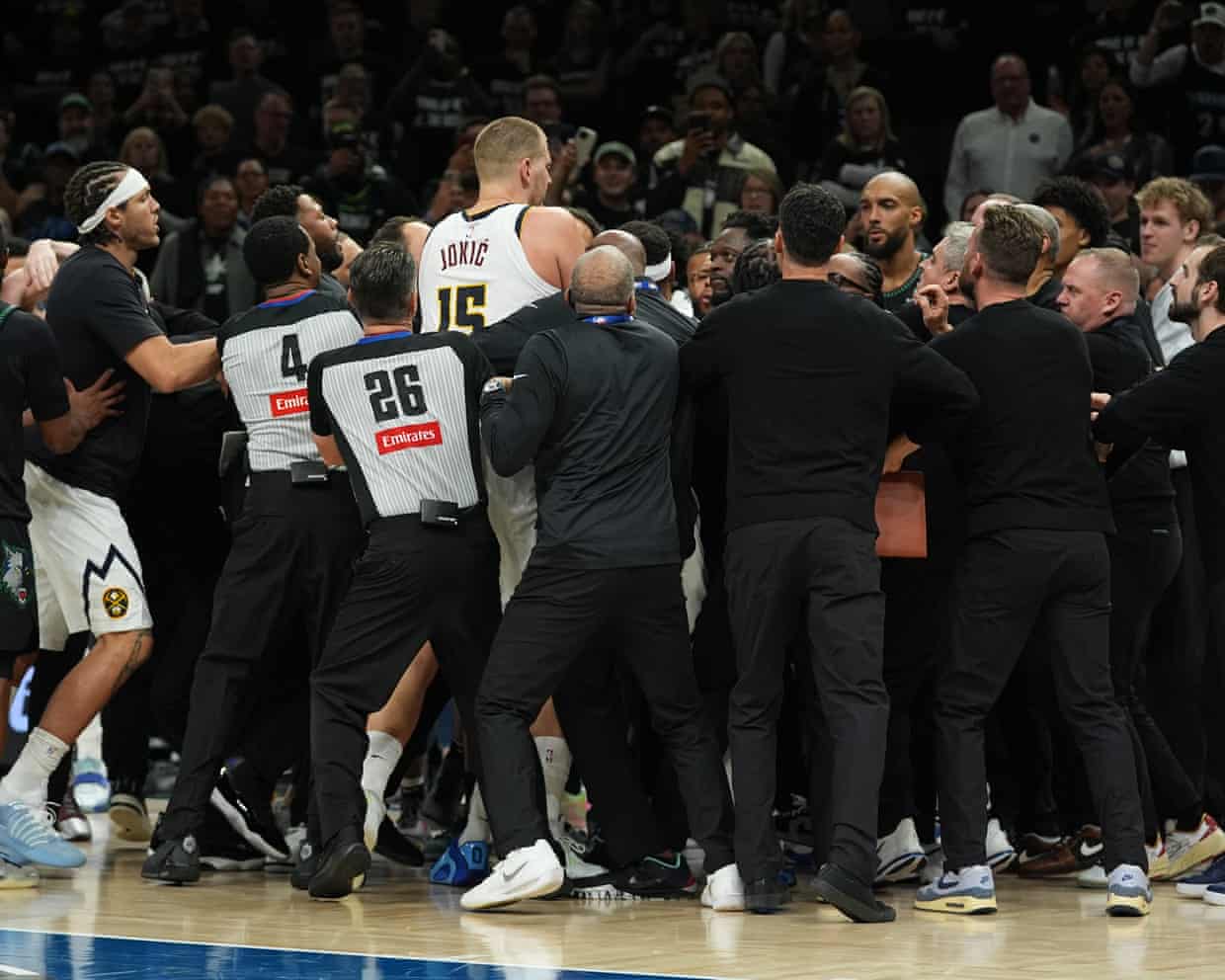
Nikola Jokić and Julius Randle were ejected after Jaden McDaniels made a meaningless – and provocative – layup at the end of the Minnesota Timberwolves’ playoff victory over the Denver Nuggets on Saturday night.With Minnesota already all but guaranteed victory in a game that ended 112-96, McDaniels chose to make the layup with 2.1 seconds left rather than run out the clock, as is customary. That led to Jokić jogging down from half-court to confront McDaniels, and a shoving match ensued as other players became involved.“I don’t know what [Jokić] said, to be honest
From Mother Mary to Foo Fighters: your complete entertainment guide to the week ahead

The play’s the thing – but everyone has their own favourite | Letters
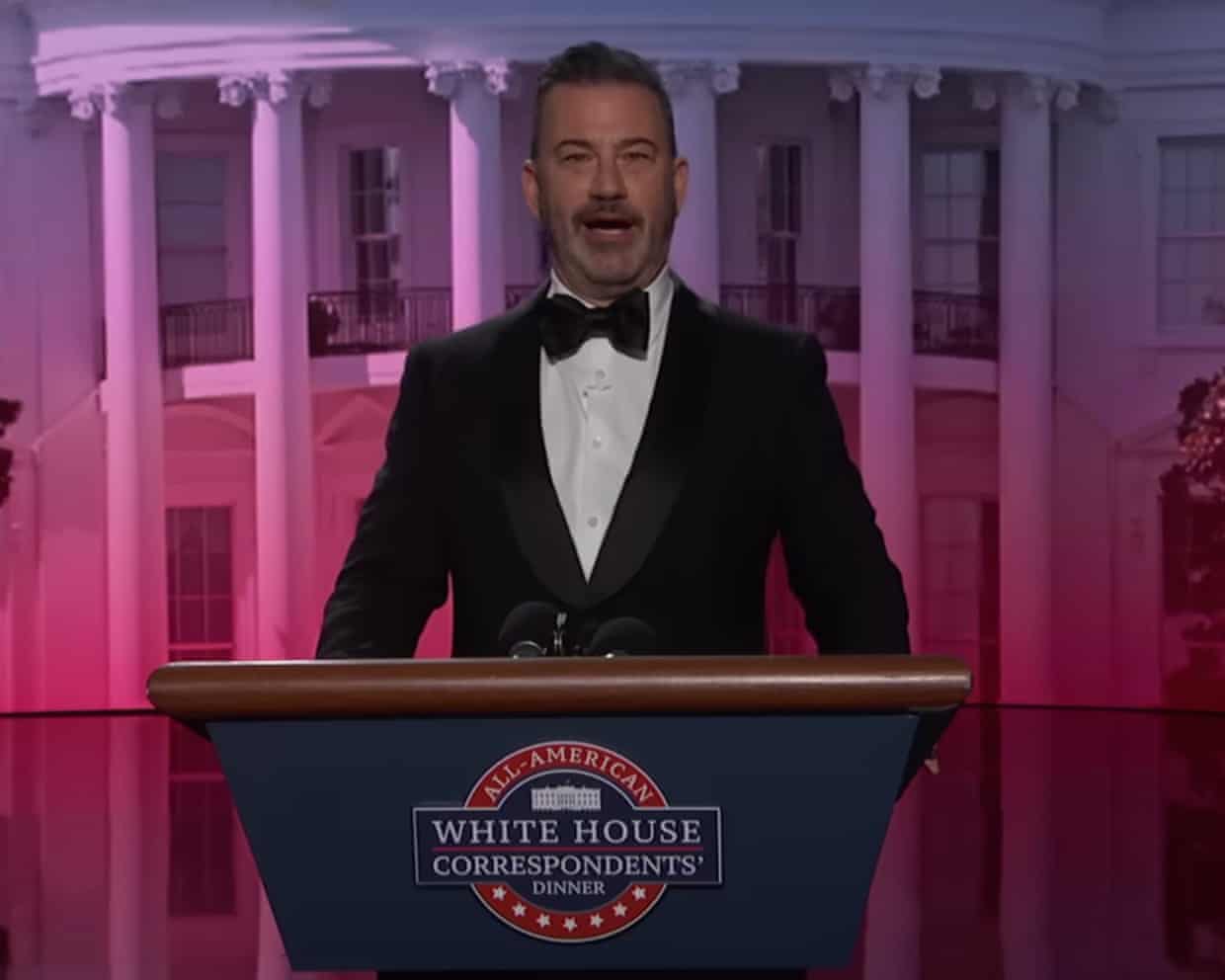
Jimmy Kimmel on Trump: ‘A delicate snowflake with the thinnest fat skin of any human being ever’
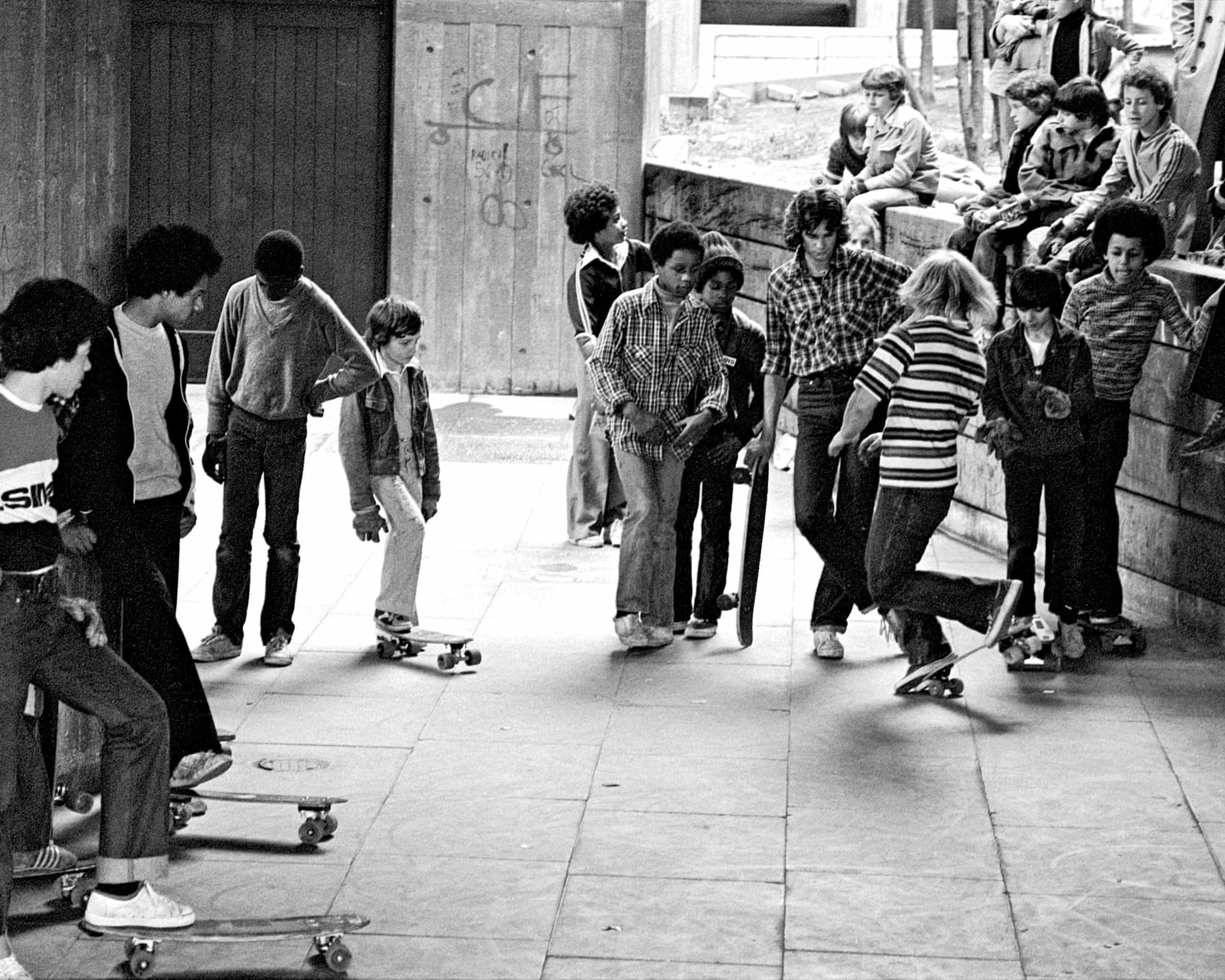
‘It’s iconic worldwide – it’s special to skateboard there’: the South Bank skatepark turns 50
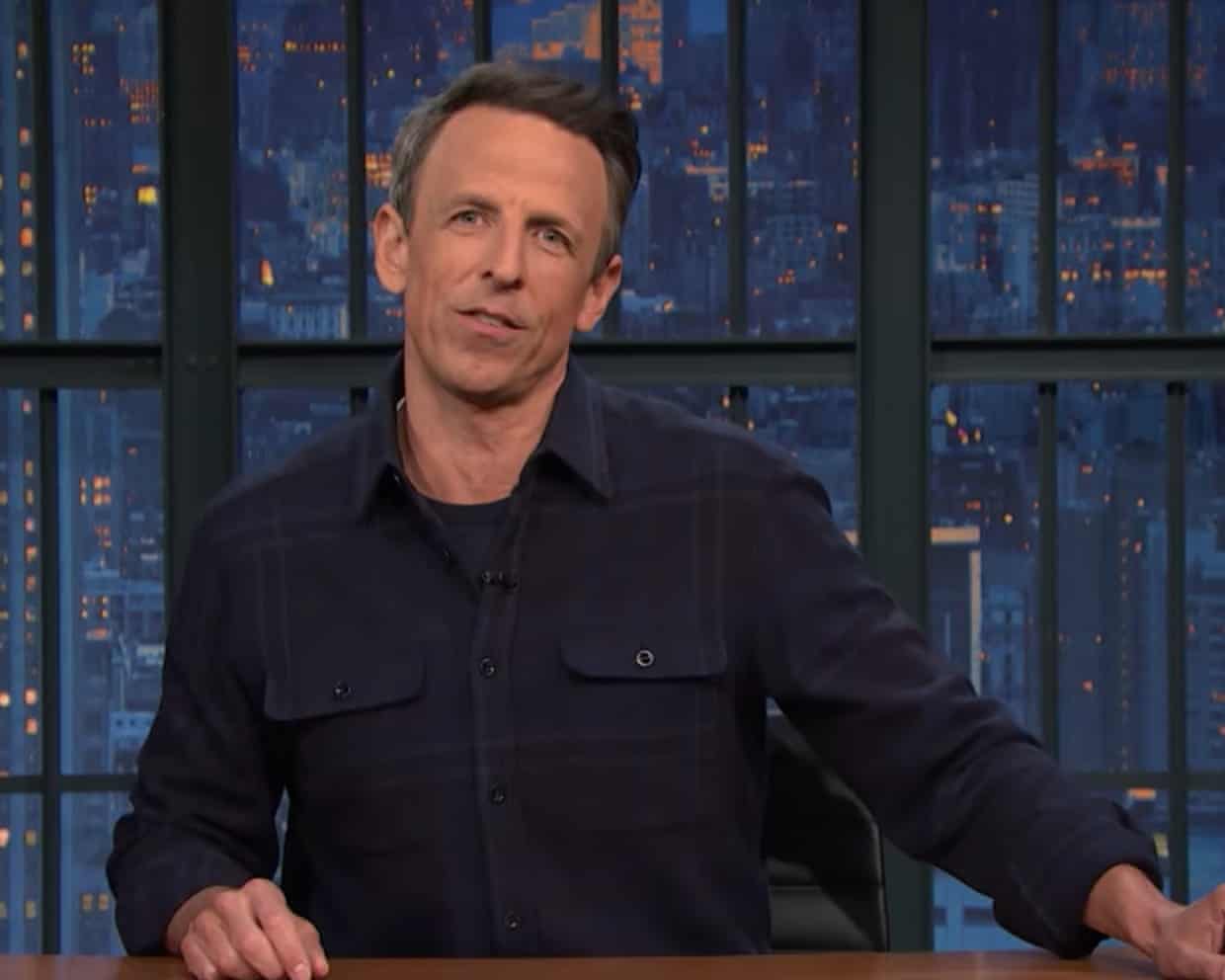
Seth Meyers on Kash Patel: ‘He has resting “run for your lives” face’
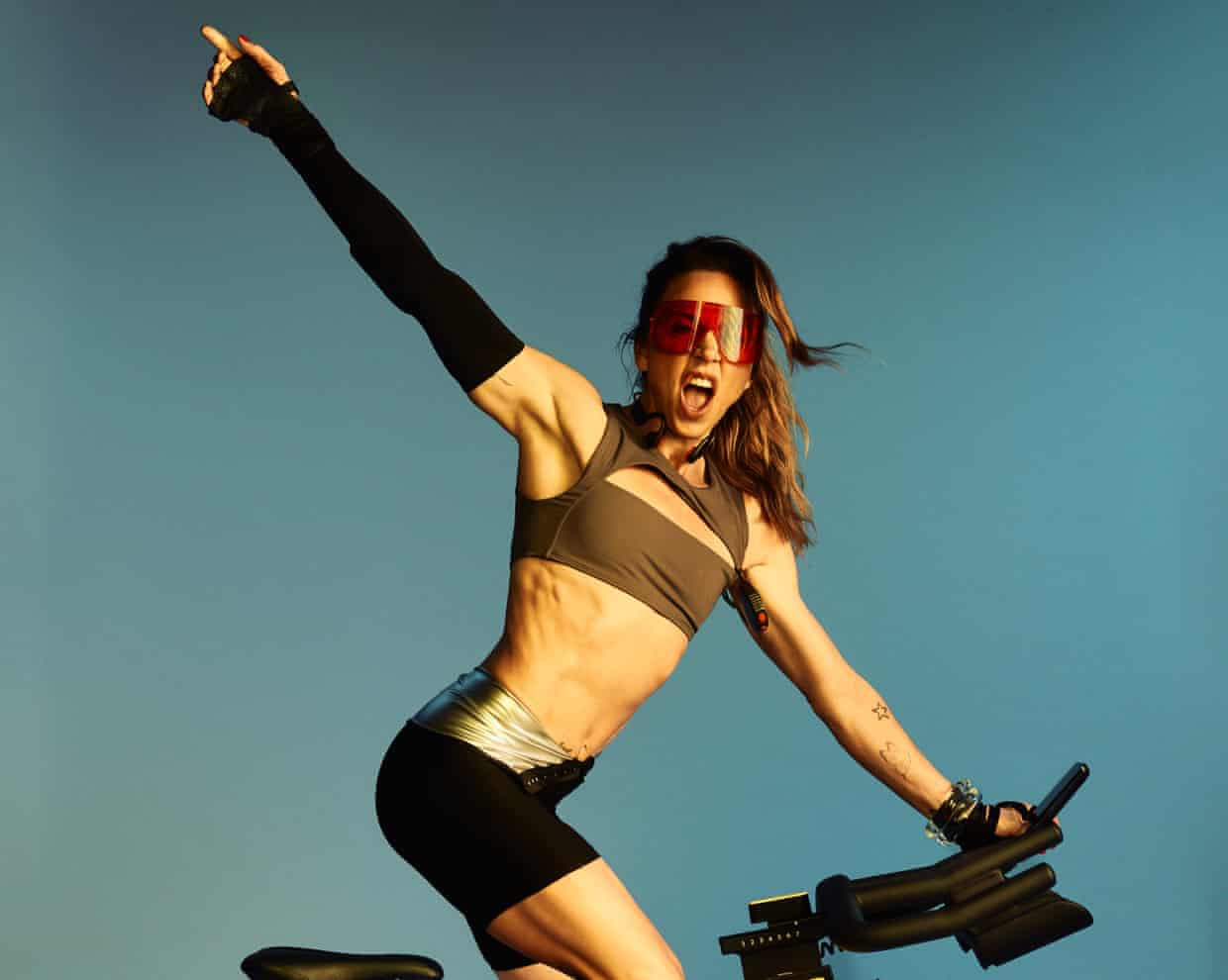
Post your questions for Melanie C